




How Much Do Hair Extensions Cost?
Hair extensions cost anywhere from about $100 to $2,000 or more. The price depends mostly on the method: A do-it-yourself daily wear set of clip-ins is the lowest-cost route, while salon-applied methods like hand-tied wefts or keratin bonds sit at the top. Synthetic DIY sets can start near $20, while high-end cold-fusion work can reach $3,000.
Whatever method you pick, the price tag is really three costs in one: The hair itself, the work to put it in, and the upkeep to keep it looking good. A clip-in set is all hair and no labor. A keratin install is hours of chair time stacked on top of premium strands. Once you see those three pieces, the sticker shock fades and the numbers start to make sense.
Below is what each type costs, what pushes the price up or down, and how to spend less without putting too much stress on your own hair. The table gives you every number at a glance, split the way no single price list usually splits it.
| Extension type | Hair cost | Salon install | First-time total | Ongoing upkeep | How long it lasts |
| Clip-in | $100-$500 | None (DIY) | $100-$500 | None | 6-18 months, sometimes longer |
| Halo | $150-$500 | None (DIY) | $150-$500 | None | 6-12+ months |
| Tape-in | $200-$600 | $100-$300 | $300-$900 | $100-$300 / 6-8 weeks | 6-12 months |
| Sew-in / weave | $150-$500 | $150-$400 | $300-$1,000 | $50-$150 / 6-8 weeks | 6-10 weeks per install |
| Micro-link / I-tip | $200-$700 | $200-$500 | $400-$1,500 | $150-$350 / 2-4 months | 3-5 months (hair reusable) |
| Hand-tied weft | $400-$900 | $300-$700 | $700-$1,600 | $200-$500 / 6-10 weeks | ~1 year |
| Fusion / keratin / K-tip | $300-$800 | $300-$700 | $600-$2,000+ | $300-$600 / 3-4 months | 3-5 months (re-done) |
Overall: about $100 to $2,000+. Synthetic DIY clip-ins start near $20, and cold-fusion can climb to about $3,000.

How much do clip-in extensions cost?
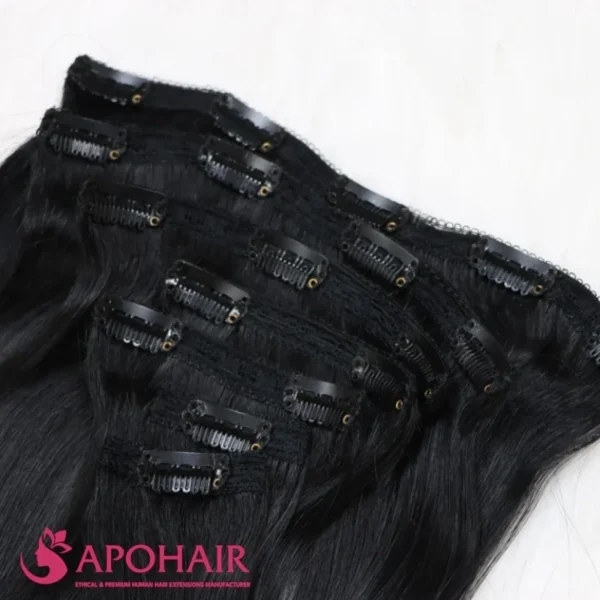
Clip-in extensions are the lowest-cost way to get extensions. A full human-hair set runs about $100 to $500, with no salon fee because you put them in yourself. Synthetic clip-ins can start as low as $20, but they will not hold up for long.
You clip them in and out daily, so there is no install fee and no upkeep cost at all. That single fact is why clip-ins sit at the bottom of the price ladder. A quality human-hair set often lasts 6 to 18 months, and it can last longer when you wear it lightly and store it well. They are the right pick for occasional wear, first-time extension users, and anyone who wants control over cost without committing to salon maintenance.
How much do halo extensions cost?
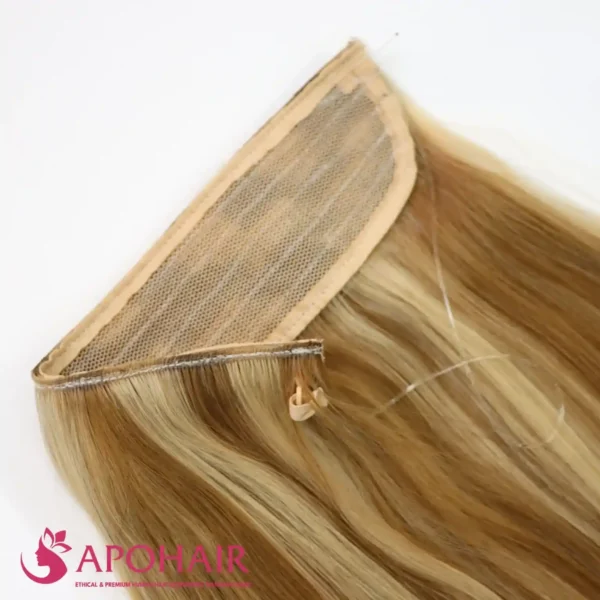
Halo extensions cost about $150 to $500 for a good human-hair piece. Like clip-ins, there is no salon fee, because the hair sits on a thin wire you place yourself in seconds.
It is one piece, with nothing attached to your own hair, so you pay no move-up and no maintenance fees. That gives the halo one of the lowest ongoing costs of any method, since the only money you spend is the upfront price of the hair. A quality piece usually lasts 6 to 12 months, sometimes longer with careful storage. Reach for a halo when you want all-around volume with almost no upkeep.
How much do tape-in extensions cost?
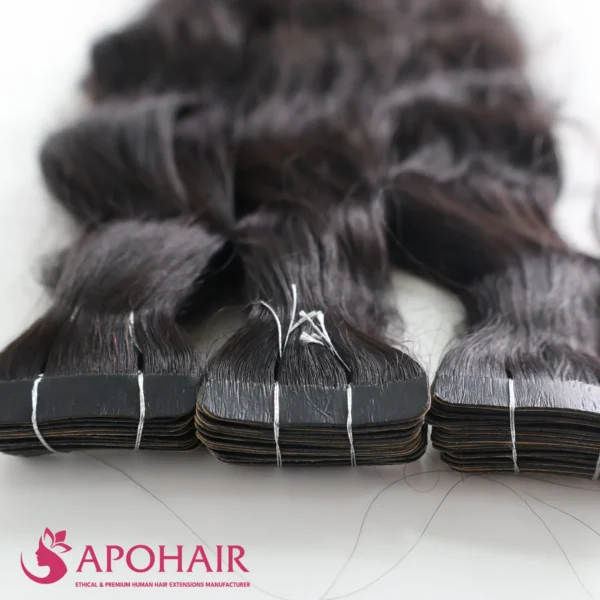
Tape-in extensions cost about $300 to $900 for a typical full head. That breaks down to roughly $200 to $600 for the hair plus $100 to $300 for the salon to apply them. The hair itself lasts 6 to 12 months when you re-tape and care for it.
Budget for a $100 to $300 re-tape every 6 to 8 weeks as your hair grows out and the bonds shift away from the root. One way to trim the bill a little is to ask whether single-sided tape fits your hair, since it uses less adhesive, costs slightly less, and can be gentler on fine hair. Tape-ins suit anyone after a natural, lay-flat, semi-permanent look.

How much does a sew-in / weave cost?
Sew-in extensions, also called a weave, cost about $300 to $1,000. That splits into roughly $150 to $500 for the hair and $150 to $400 for the braid-and-sew labor. The hair can be reused for several months across installs.
Here is the part people miss. A weave gets taken down and redone every 6 to 10 weeks, so the labor is a recurring cost, often around $50 to $150 a session to tighten and restitch, depending on the salon and the amount of hair. Most of what you pay is labor, not hair, because the installation takes skilled braiding and sewing. That labor share is what makes a sew-in feel pricier than the hair alone would suggest. The method shines on thick or textured hair that wants real length and fullness.
How much do micro-link and I-tip extensions cost?
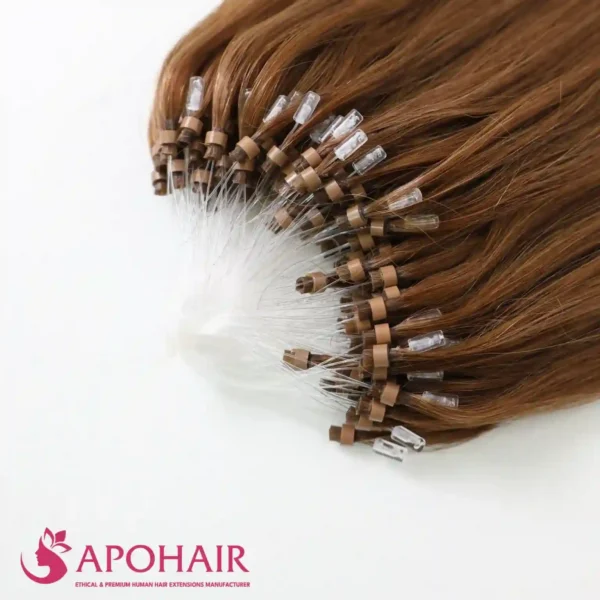
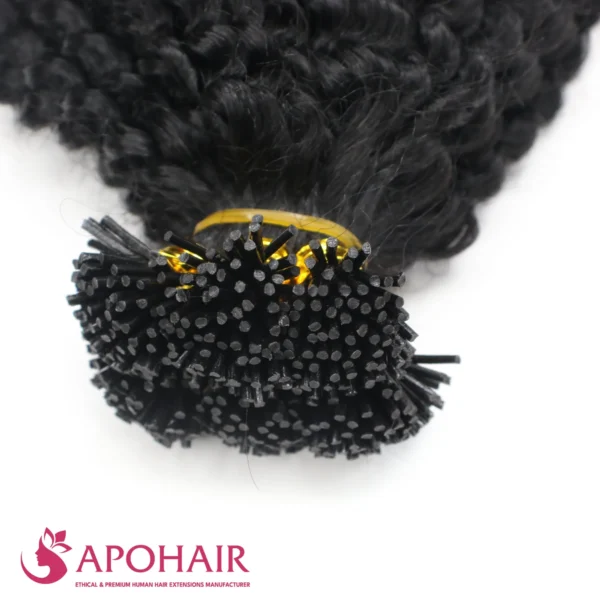
Micro-link, micro-bead, and I-tip extensions cost about $400 to $1,500. You are looking at roughly $200 to $700 for the hair and $200 to $500 to thread each strand through a small bead and clamp it shut. No glue, no heat.
Because nothing melts or sticks, the hair is reusable across cycles. You will usually pay $150 to $350 for a move-up every 2 to 4 months as the beads grow out and need repositioning, although the final fee depends on row count, strand count, and salon pricing. The price tracks how many strands and beads you need, so a thin set of accents costs far less than a full head, and more hair simply means a higher bill. This family is the right call if you want a glue-free, heat-free, reusable option.
How much do hand-tied wefts cost?
Hand-tied wefts are one of the pricier methods, at about $700 to $1,600. That works out to roughly $400 to $900 for the hair and $300 to $700 for the install, which takes one of the longer salon sits among weft methods. The wefts themselves are reusable across cycles.
A move-up often runs $200 to $500 every 6 to 10 weeks, and the hair lasts about a year with good care. You pay a premium for two things: thin, flat wefts that lie invisibly against the scalp, and the skilled hand-sewing that holds them there. Choose hand-tied when you want long-term, invisible fullness that lasts.
How much do fusion and keratin extensions (K-tip) cost?
Fusion, keratin, and K-tip extensions are the most expensive, usually $600 to $2,000 or more. Cold-fusion work can reach about $3,000, because each strand is bonded to your hair individually over several hours in the chair.
There is no low-cost move-up with this method. The whole set comes out and gets re-bonded every 3 to 4 months for $300 to $600, plus new or re-tipped hair when the old bonds wear down. The high chair time is what drives that labor cost up. Fusion fits anyone chasing the most permanent, natural-feeling result.
What makes hair extensions cost more or less?
Two sets of the same type can cost hundreds of dollars apart. That happens because every price is really three costs stacked together: The hair, the install, and the upkeep, and a handful of factors push each one up or down. Once you know which lever is moving, a quote stops feeling random and starts making sense.

What affects the price of the hair itself?
There are three main factors that affect the cost: The quality of the hair, how long it is, and how much of it you need. If you can get these three things sorted out, you’ll have a good handle on the price before you even sit in the stylist’s chair.
- Quality: Quality sits at the top of the list. Synthetic is the lowest-cost but short-lived option, while human, Remy, and virgin hair cost more and last far longer.
- Length: Length matters too: A 14-inch (35 cm) set is far less expensive than 22 inches (56 cm) or longer, since longer strands need more raw hair to build.
- Amount: Amount is the third lever, because more density or a full head means more wefts or strands, and every extra gram adds to the bill.
How much does a salon charge to install extensions?
You usually pay from $100 to $700 for the hairstylist’s services, depending on the method. In general, the more time and detailed handwork a method requires, the more expensive it tends to be.
A couple of line items catch people off guard because price lists rarely mention them. Removal runs about $50 to $200 when it is time to take a set out, and a custom color-match or blend cut adds another $75 to $150 so the hair disappears into your own. The color-match step is one we field a lot from salons buying our hair, since undertone matters as much as depth level, and a good blend is what separates natural extensions from obvious ones. Location stacks on top of all of it, too, so a major-city or luxury-salon quote may be much higher than a suburban one for similar work.
What do extensions cost to maintain per year?
Hair extension maintenance can cost a few hundred dollars a year for removable methods and climb into the thousands for salon-installed extensions. Semi-permanent extensions are not a one-time expense, because you still need move-ups or re-taping, extension-safe products, and eventually replacement hair after the first install.
For salon methods, plan on returning every few weeks as your natural hair grows. Tape-ins need re-taping, wefts need move-ups, and keratin bonds usually need to be removed and reinstalled. You will also need gentle shampoo, conditioner, and styling products that will not loosen bonds or dry out the hair.
That is why cost per wear gives you a more honest comparison than sticker price alone. A $400 clip-in set worn for two years can end up being a better value than a lower-priced salon method that needs paid upkeep every few months.

Synthetic vs. human hair: Is the price difference worth it?
Synthetic hair usually costs far less upfront than human hair, but the gap reflects what you actually get. Synthetic is fine for a one-off look, while human hair costs more and earns it back over months of wear. The right answer depends on how often you plan to wear the set.
Human hair costs more for good reasons. It is real hair, kept cuticle-aligned so it behaves like your own, takes heat styling, blends naturally, and survives months of washing and re-installation. Synthetic cannot take much heat unless it is clearly labeled heat-resistant, tangles sooner, and usually cannot be reused once it wears out. Remy and virgin grades sit at the top, with cuticles intact and all running one direction, so they cost more and last longer. The intact cuticle is the part you are really paying for, because it lets the hair take heat and washing without going dry and rough the way lower-grade fiber does.

How can you save money on hair extensions?
You can spend less on extensions without buying low-quality hair that damages your own or wears out in weeks. A few moves make the biggest difference:
- Start with a DIY method: Clip-ins or a halo skip the salon fee entirely and still use quality human hair, which is why they hold one of the lowest cost-per-wear profiles in the table above.
- Buy quality once: A good Remy set you reuse for months beats a low-priced one you replace every few wears, because the cost spreads across far more uses.
- Choose the right amount, not the most: Fewer, well-placed wefts cost less and look more natural than a heavy full head you do not need.
- Ask about payment plans: Many sellers and salons offer buy-now-pay-later options that spread the upfront cost over a few months.
- Buy closer to the source: The hair passes through a factory, then a wholesaler, then a salon, and each layer adds a markup. We make ours factory-direct and supply salons and sellers wholesale, so buying near the source cuts out the middle layers and the markups that ride on them.
Frequently Asked Questions
What is the lowest-cost type of hair extension?
Clip-ins and a halo are the lowest-cost options. Both are do-it-yourself, so you skip the salon fee, and a quality human-hair set runs about $100 to $500. Synthetic clip-ins can start at around $20, but they will not last more than a few months.
How much do hair extensions cost for a full head?
Expect about $300 to $900 for a full head of tape-ins or a sew-in in a typical market. Hand-tied wefts and keratin bonds run higher, from roughly $700 to $2,000 or more. Those totals include both the hair and the salon install.
How much do hair extensions cost at a salon?
The salon labor alone is usually $100 to $700 on top of the hair, depending on the method. Add about $50 to $200 for removal when a set comes out, and $75 to $150 for a custom color match so the hair blends with your own.
Are real human hair extensions worth the higher cost?
For regular wear, yes. Human hair lasts longer, takes heat styling, blends better, and can be reused across installs. That means it costs less per wear than lower-priced synthetic hair, which tangles fast and needs replacing sooner.
Do hair extensions cost more for thin or short hair?
Not automatically. You often need less hair for thin or short hair, so the cost can be similar or a little lower. The method you choose matters far more to the final price than your hair type does. The types of hair extensions guide compares each method by attachment, lifespan, cost, and damage risk.
How much do hair extensions cost per year?
Removable methods, such as halos and clip-ins, can stay in the low hundreds per year if you care for the hair well. Salon methods cost more over twelve months, with tape-ins, hand-tied wefts, and keratin bonds often climbing into the thousands once you add move-ups, products, and replacement hair.
Conclusion
The cost of hair extensions comes down to two things: the method you choose and the quality of the hair. The smartest way to read any quote is by what it costs you per wear, not the number on the sticker, because a quality set you keep for months can undercut a low-priced one you keep replacing. A big part of that price is the hair itself. As a raw human hair factory in Vietnam, we make ours factory-direct, 100% Vietnamese human hair, Remy and ethically sourced, so you pay for quality instead of middle markups. Salons and sellers sourcing wholesale can reach our team for samples and pricing.
Pricing the formats in the table: Salons and sellers who quote these methods can source the lower and mid-priced formats from three APOHAIR categories.
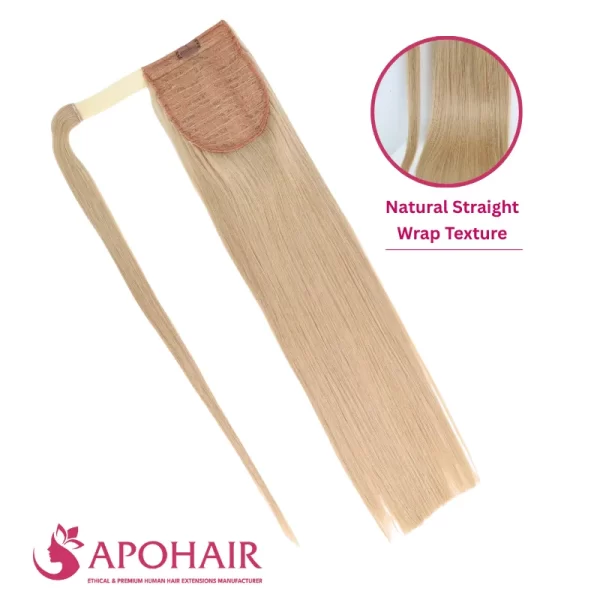
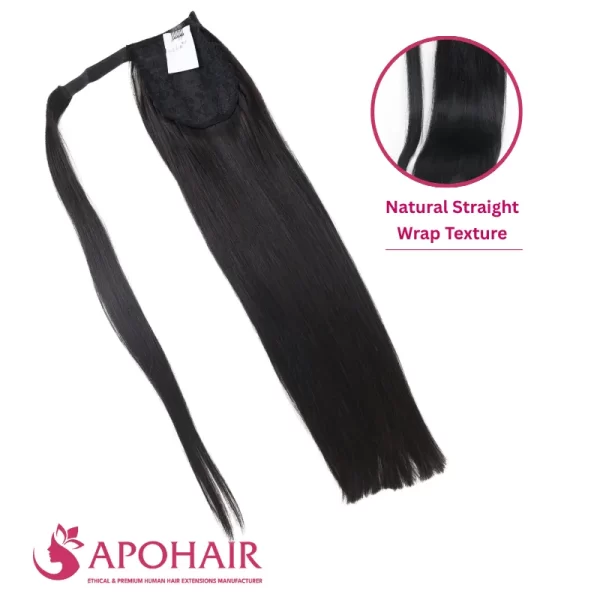
Extensions: APOHAIR’s cheap wholesale hair extensions range covers tape-in, keratin tip, clip-in, weft, and ponytail formats, so one wholesale order can cover several price tiers.
Tape-ins: Tape-ins are the mid-range salon method in the table, and a tape in hair extensions vendor can supply the panels a salon re-tapes every 6 to 8 weeks.
Clip-ins: Clip-ins are the lowest-cost tier, and wholesale clip in extensions let a seller stock them for clients who prefer a do-it-yourself set.
APOHAIR ETHICAL & PREMIUM HUMAN HAIR EXTENSIONS MANUFACTURER
- Address: Building 3A, Lane 82 Duy Tan, Cau Giay, Hanoi, Vietnam
- Factory: Minh Luong, Yen Luong Ward, Ninh Binh, Vietnam
- WhatsApp: +84 862 132 366
- Email: [email protected]
- Website: https://apohair.com/
