







Does Hydrogen Peroxide Bleach Hair? Everything You Need to Know Before Trying
Want to change your hair color? You should get to know H₂O₂—the ‘magic’ behind the process that lifts your hair from dark to light. But remember, picking the right strength is the fine line between gorgeous, glowing hair and serious damage. Always put your hair’s health first before diving into a new look!
APOHAIR guides you through this comprehensive exploration of safe bleaching methods, providing the professional expertise and maintenance protocols you need to transform your look with confidence. You’ll discover practical steps to achieve your desired lightness while protecting hair integrity and learn when professional help becomes necessary.

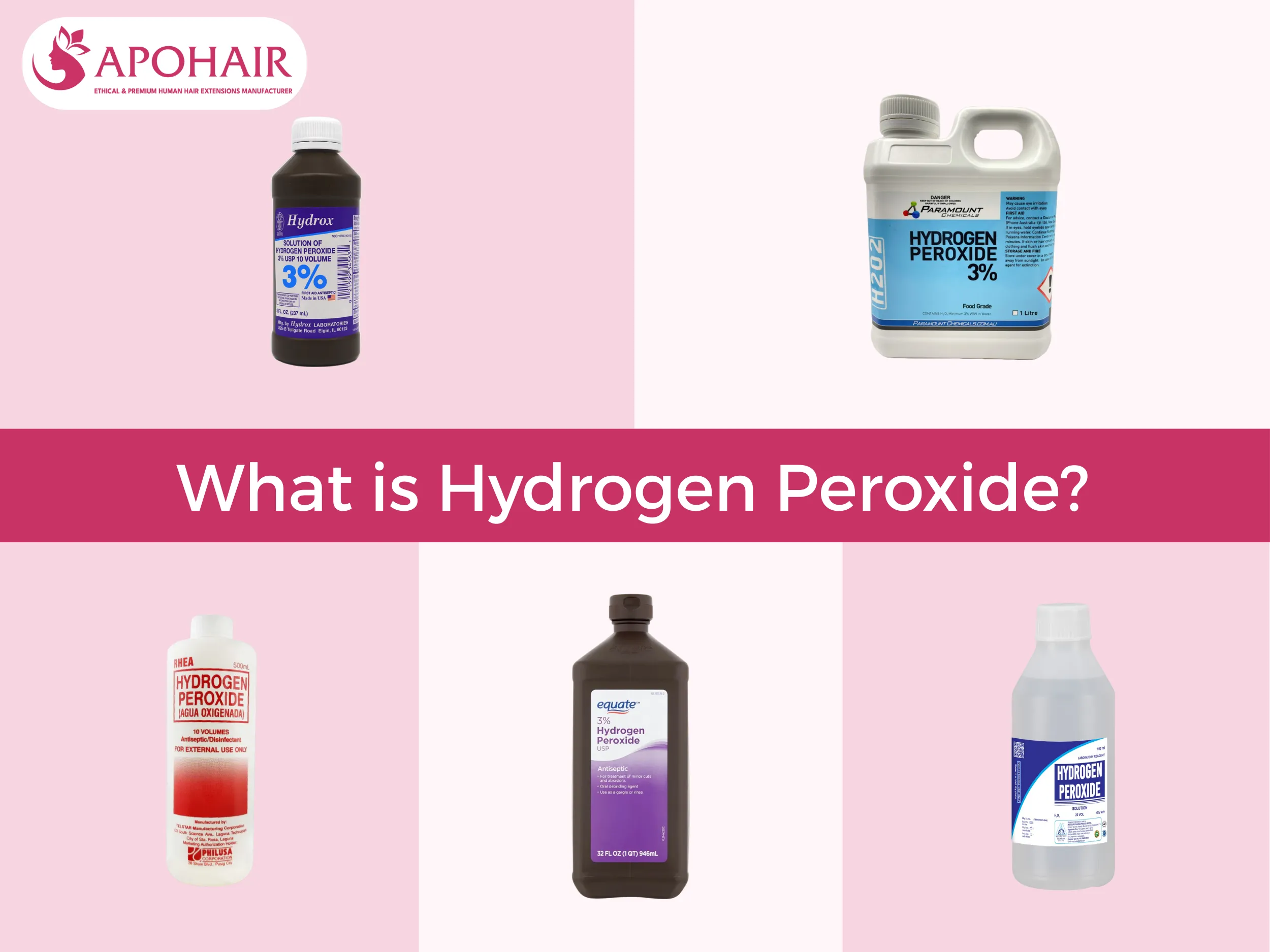
What Is Hydrogen Peroxide?
Hydrogen peroxide is a chemical compound with the formula H₂O₂ that serves as an oxidizing agent in hair bleaching products. This colorless liquid appears in hair dyes and lightening treatments, working by releasing oxygen molecules that break down natural melanin pigments within your hair shaft. Safe concentrations for home use range from 3% to 6%, while higher percentages require professional handling to prevent scalp burns and hair damage.
How to Use Hydrogen Peroxide for Hair Bleaching
These seven steps guide you through safe bleaching application, from preparation through final conditioning treatments. Each phase builds on the previous one to protect your hair while achieving your desired lightness level.
Step 1: Gathering Necessary Tools and Protective Gear
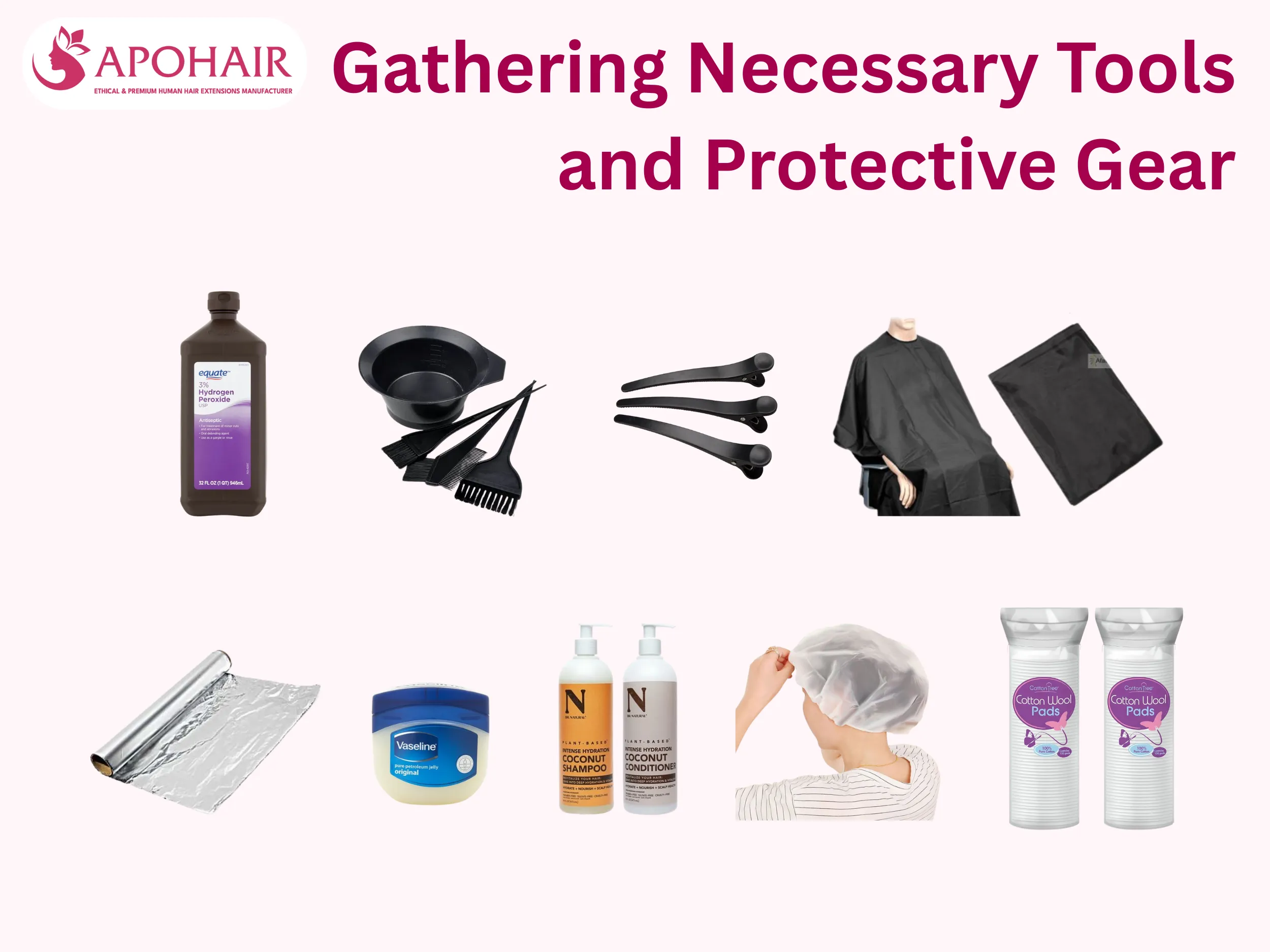
To ensure a safe and successful bleaching process, gather all necessary materials and set them up in a well-ventilated space like your kitchen or bathroom. Having your toolkit ready prevents interruptions during the chemical reaction:
- 3% Hydrogen Peroxide solution
- Mixing bowl
- Application brush
- Sectioning clips
- Cotton pads or balls
- Aluminum foil
- Shower cap
- Protective gear
- Barrier cream or Vaseline.
- Wide-tooth comb
- Natural clarifying shampoo & Deep conditioner
Step 2: Wash and Condition Your Hair
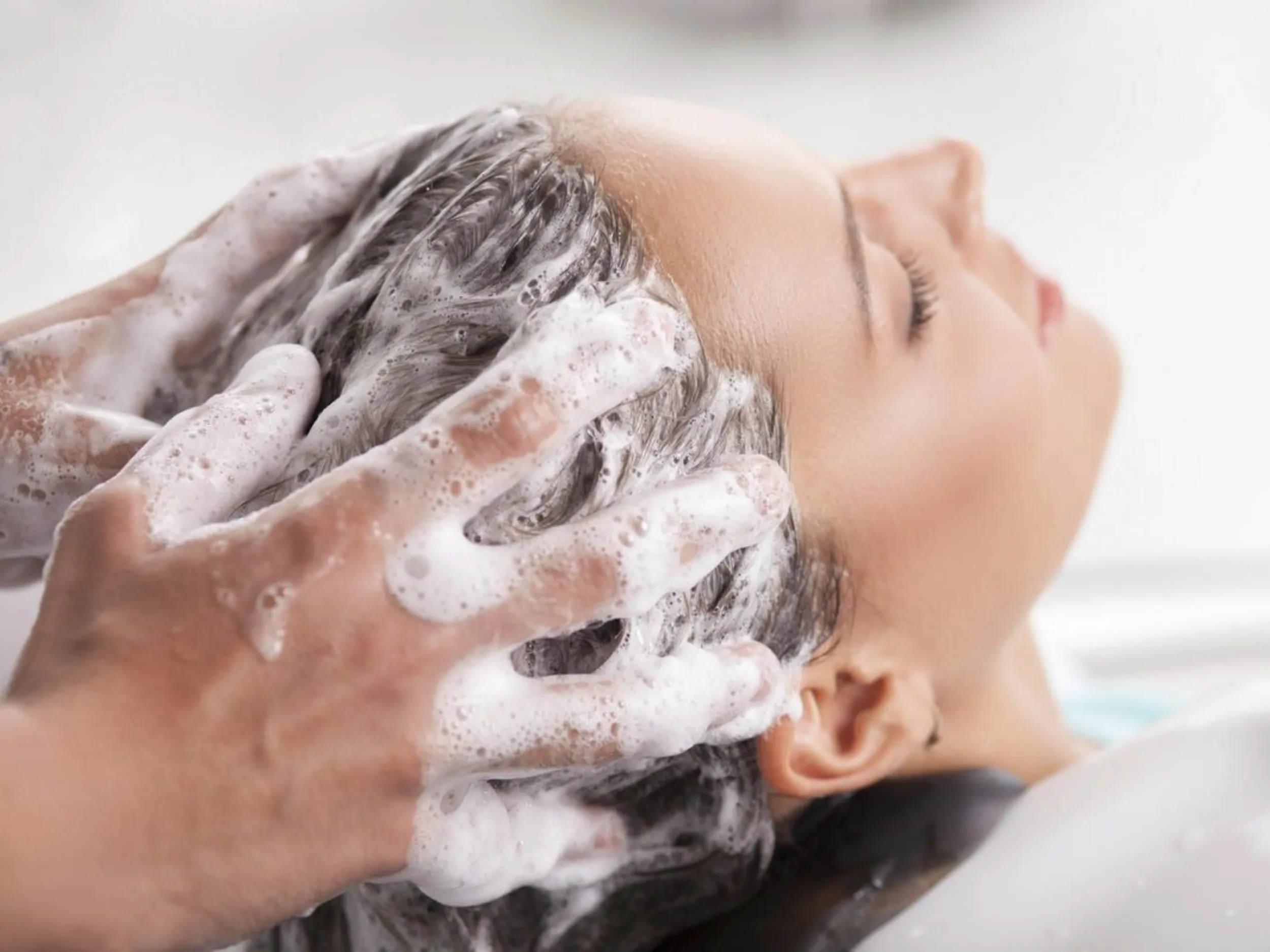
Wash your hair thoroughly to eliminate dirt, oil, and product buildup that interfere with even bleach penetration. Choose a natural, deep-cleansing shampoo formulated with botanical ingredients to remove excess sebum without introducing harsh chemicals that compromise your hair’s protective barrier. Apply a hydrating conditioner rich in proteins and moisture-binding ingredients to fortify your strands against the drying effects of oxidation. Pat your hair gently with a towel and allow it to air-dry for 30 minutes.
Step 3: Applying Hydrogen Peroxide
Select a small section from underneath your hair where changes remain less visible during initial testing. Saturate a cotton ball with 3% hydrogen peroxide and apply it along the strand, leaving one inch (2.54 centimeters) from your scalp to prevent irritation. Observe the color change over 5-10 minute intervals, checking for your desired shade while monitoring your hair’s texture for signs of excessive dryness or brittleness. Rinse the test strand with cool water when it reaches your target lightness, noting the exact timing to replicate results during full application.
Step 4: Sectioning Hair and Applying Evenly
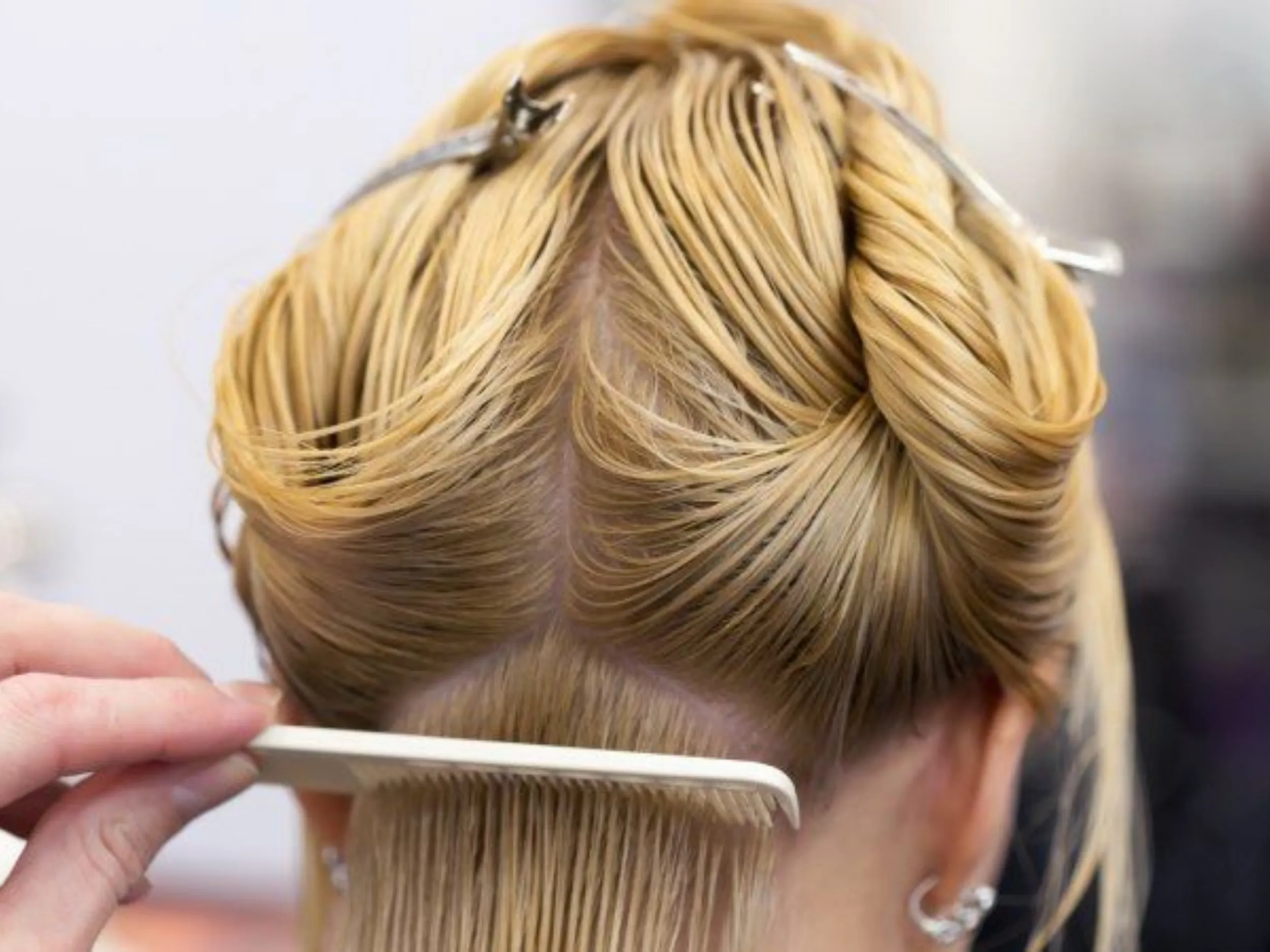
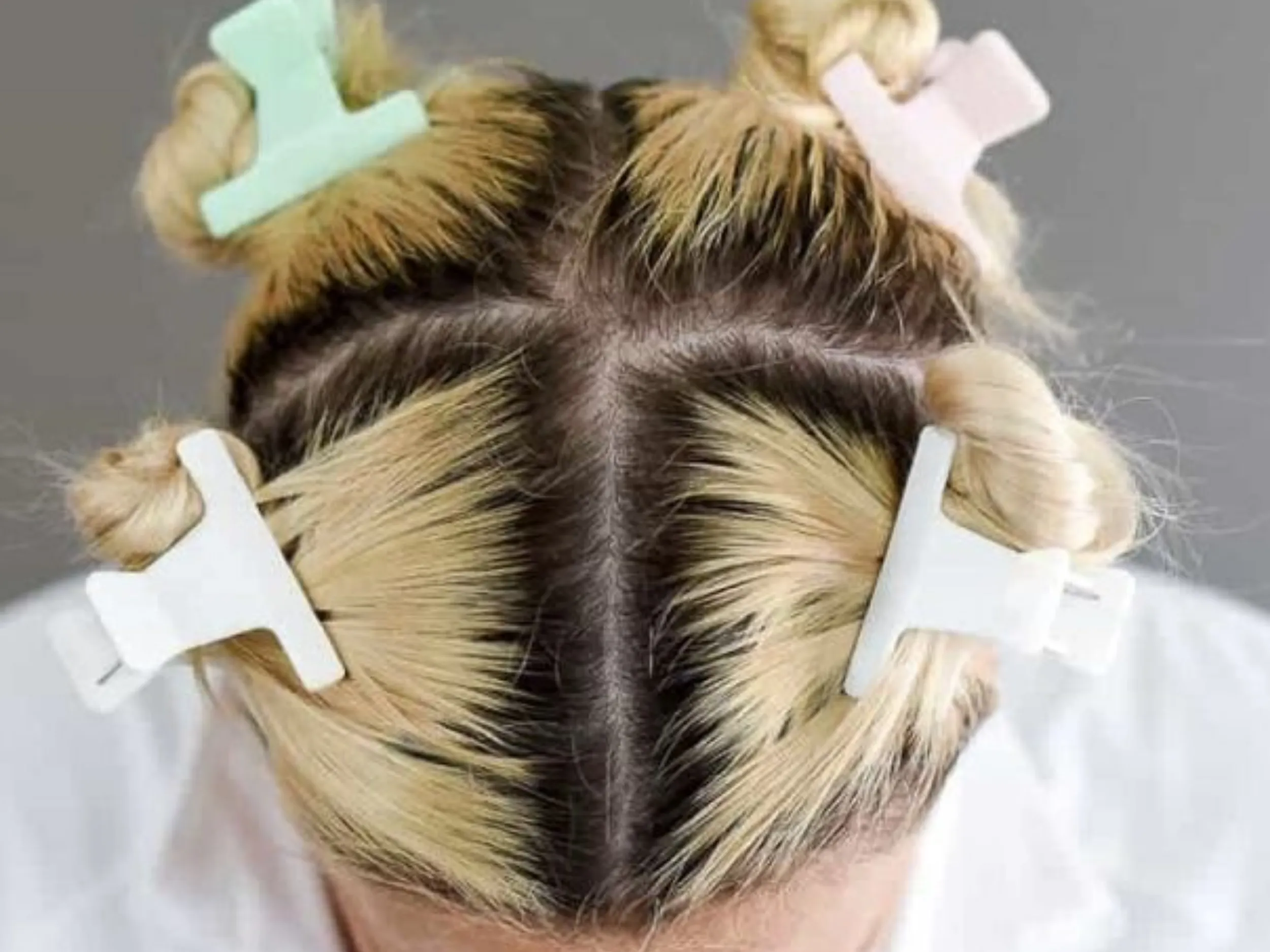
Divide your hair into four quadrants by creating a center part from forehead to nape, then separating each side horizontally at ear level. Secure each section with clips made of plastic or glass to maintain organization and prevent accidental overlap during application. Beginning with the back sections where hair typically processes slower, apply peroxide from the middle of the hair shaft to the ends using your application brush, maintaining a distance of one inch or 2.54 centimeters from your scalp. Work methodically through each quadrant, ensuring saturation remains consistent because uneven application creates patchy results with darker spots interspersed among lighter areas.
Step 5: Timing and Duration for Hydrogen Peroxide Application
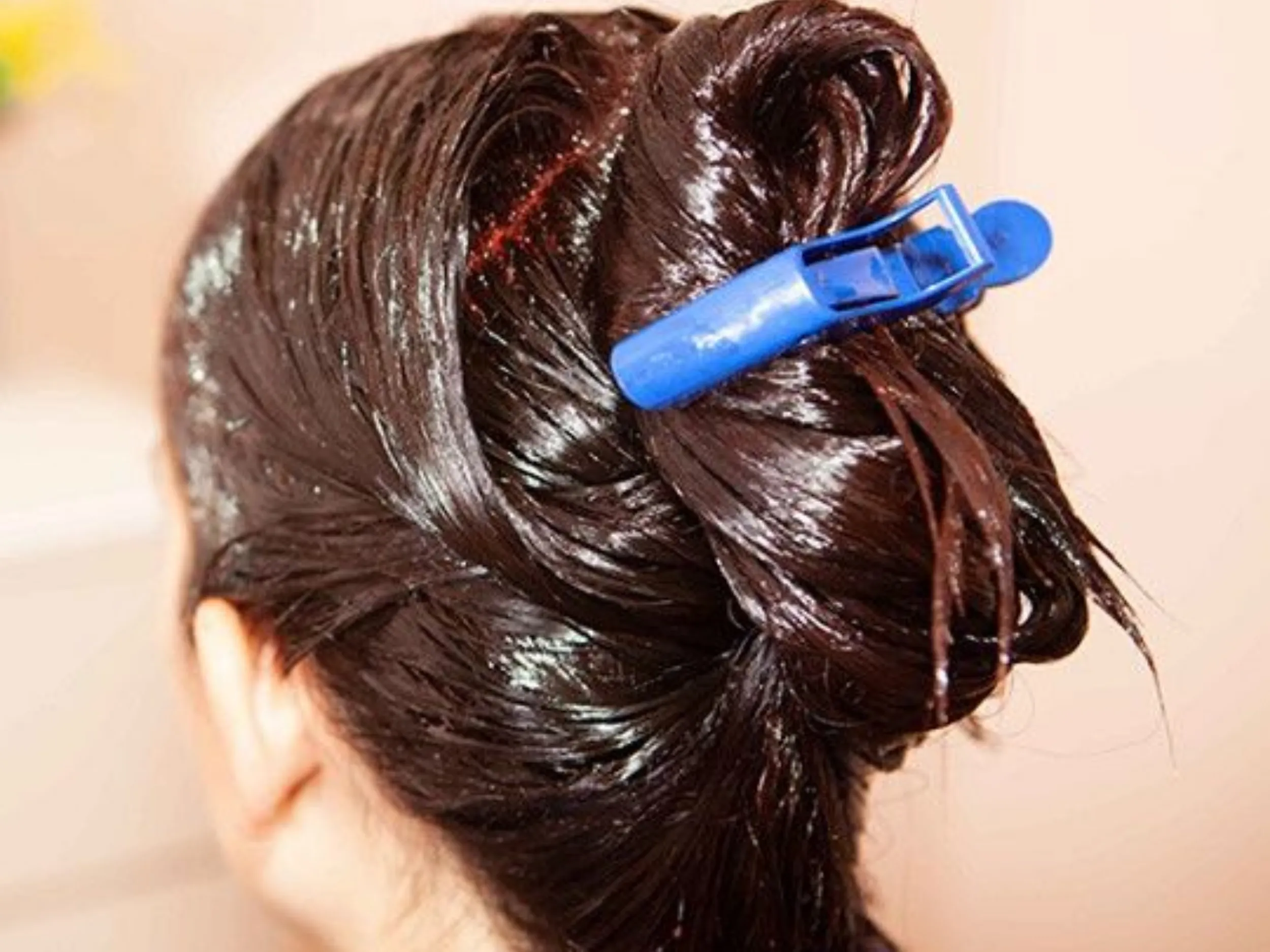
Your processing time ranges from 20 to 60 minutes depending on your starting shade and desired lightness level. Dark brown or black hair requires 45 to 60 minutes to lift through multiple color stages, while medium brown shades lighten sufficiently within 30 to 45 minutes. Light brown and blonde tones need only 20 to 30 minutes to achieve noticeable brightening effects. Watch for warning signs of excessive processing such as extreme dryness, a gummy texture when touched, or hair that stretches without returning to its original shape. These indicators demand immediate rinsing regardless of the achieved color.
Step 6: Rinsing Thoroughly
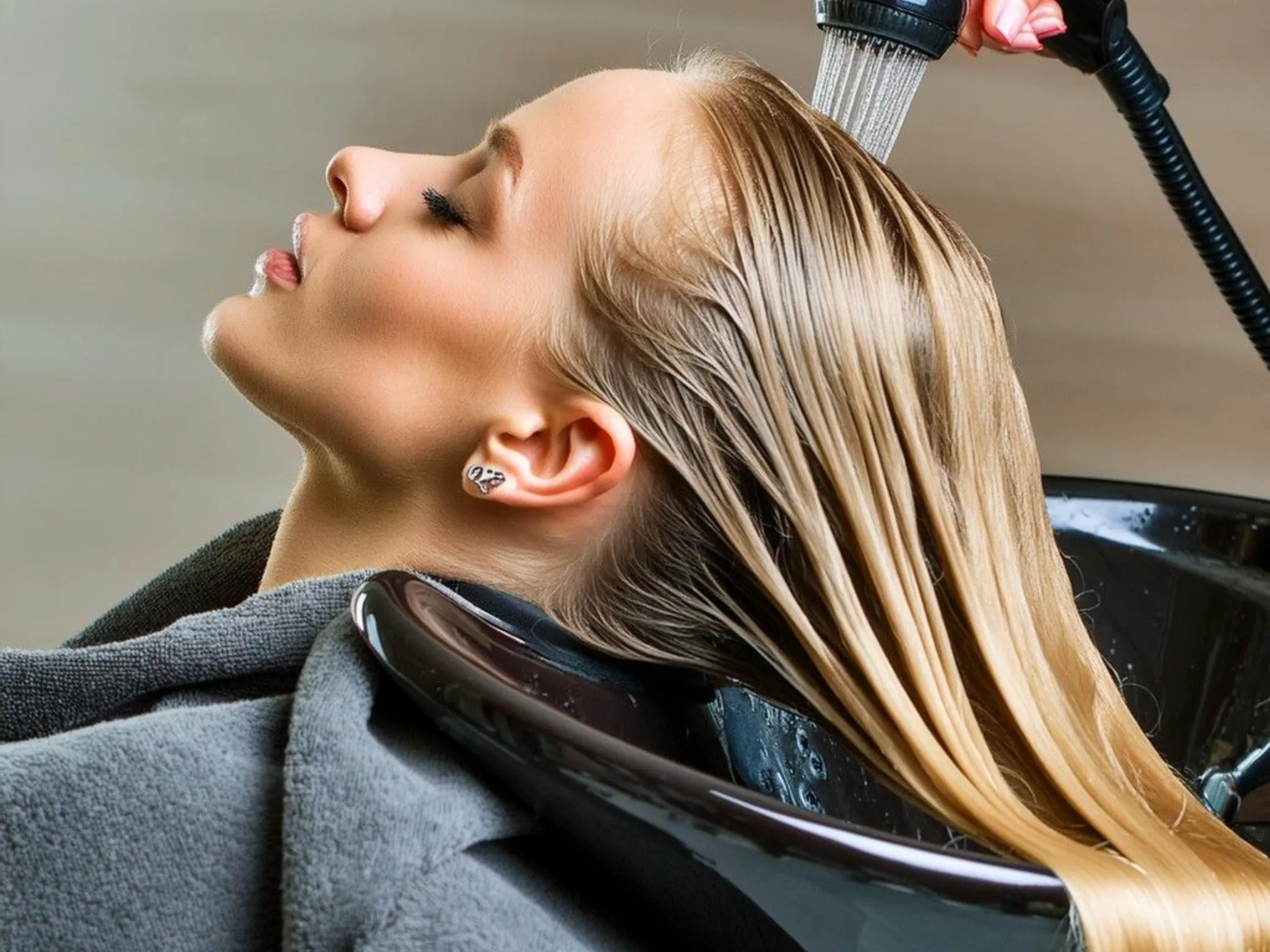
Remove aluminum foil or the shower cap carefully to prevent peroxide from dripping onto untreated areas. Rinse your hair under cool running water for 3 to 5 minutes or 180 to 300 seconds, using your fingers to gently work through sections and dislodge chemical residue. The water should run completely clear without any cloudy appearance or chemical smell remaining in your hair. Test for residue by rubbing a small section between your fingers. If it feels slippery or coated, continue rinsing for another 2 to 3 minutes until your hair feels clean and squeaky to the touch.
Step 7: Neutralizing and Conditioning
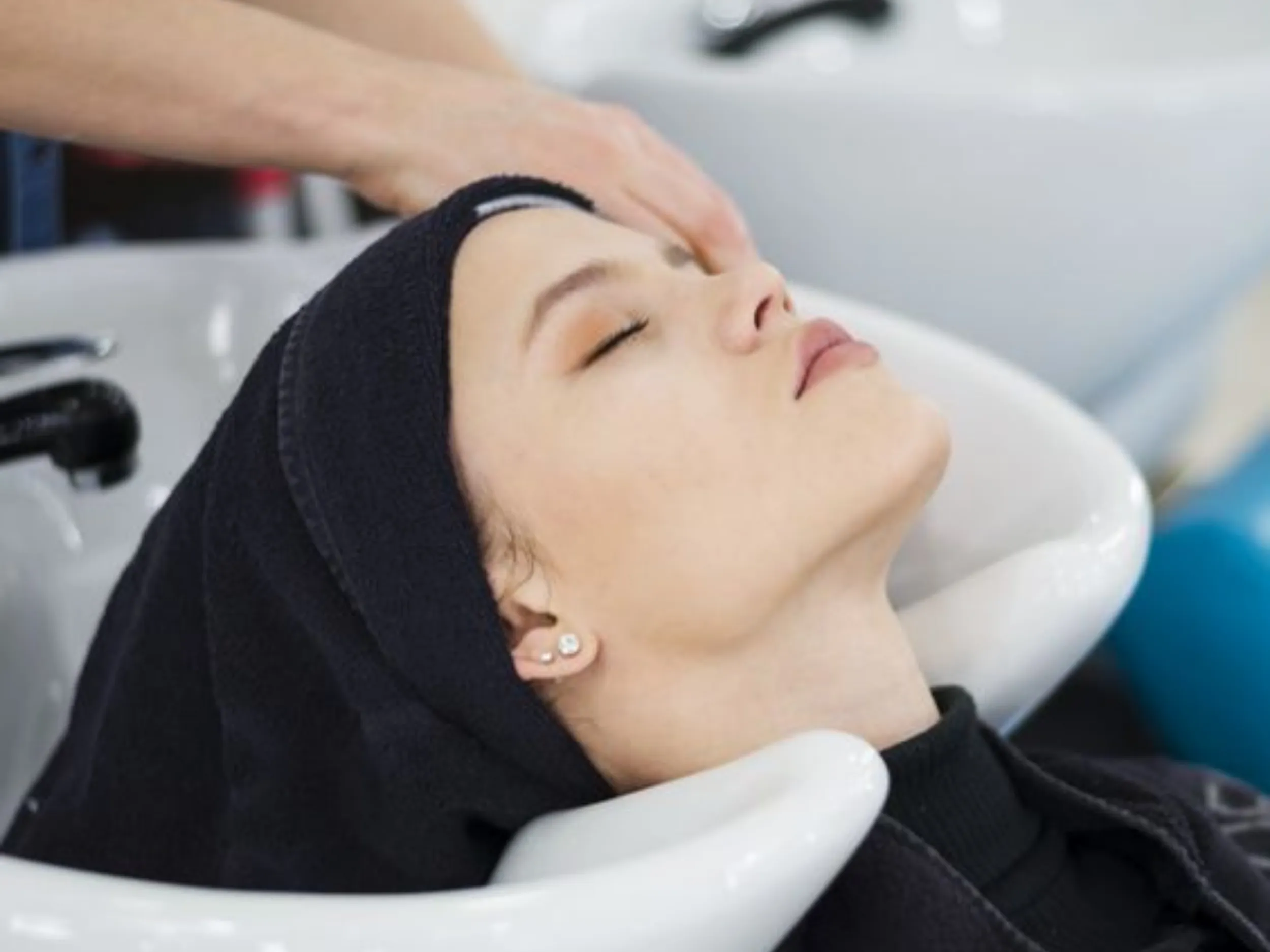
Apply a pH balancing shampoo formulated for color treated hair to neutralize remaining alkaline residue and close your hair cuticles. Massage the shampoo gently into your scalp and along the length of your strands, allowing it to sit for 2 to 3 minutes before rinsing thoroughly. Follow with a deep conditioning treatment containing keratin proteins, natural oils like argan or coconut, and ceramides to restore moisture balance and repair surface damage. Leave the conditioner on for 5 to 10 minutes, then rinse with cool water to seal the cuticle layer and enhance shine. Products containing violet pigments help neutralize brassy yellow tones that often appear after bleaching.
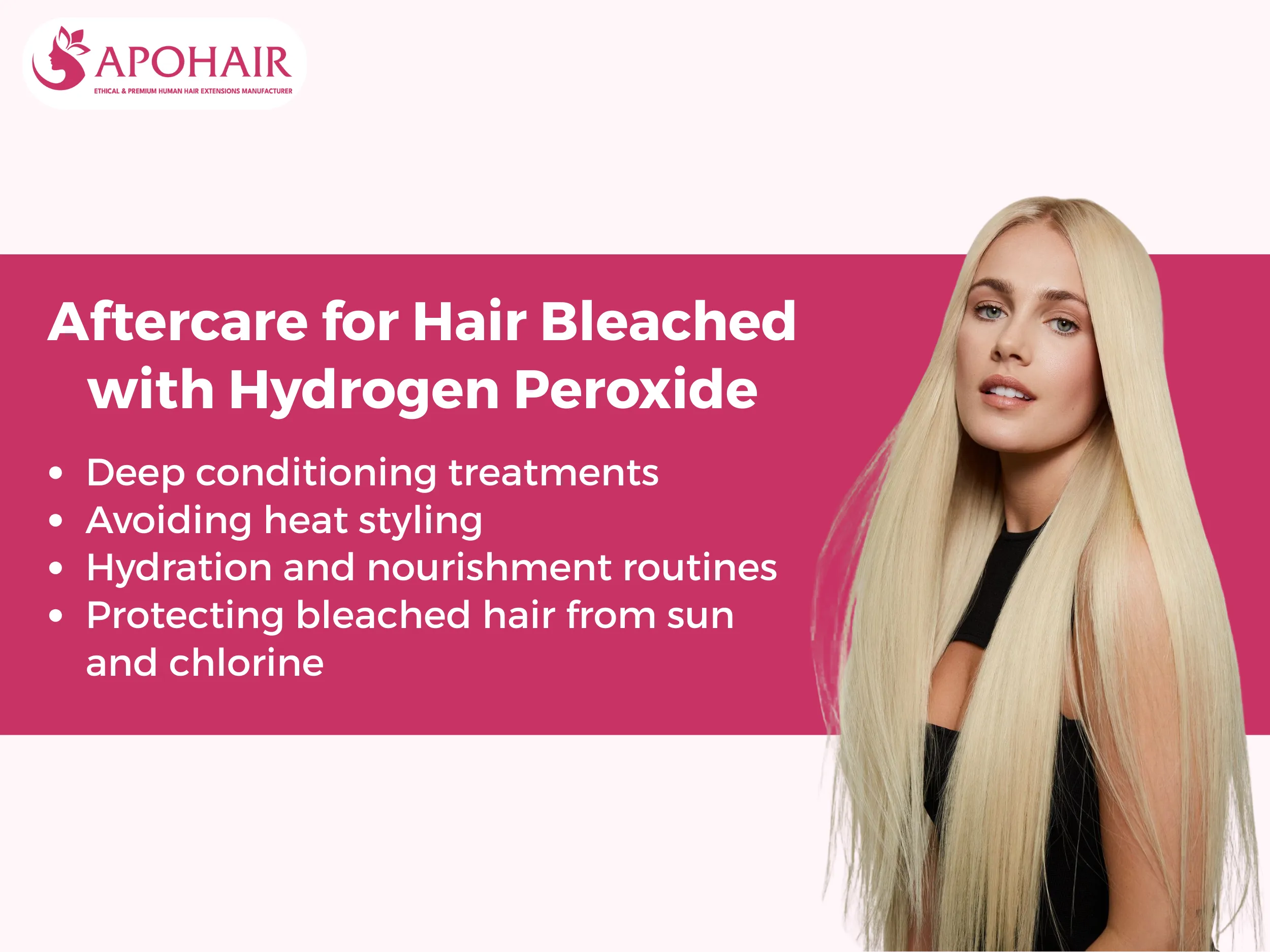
Aftercare for Hair Bleached with Hydrogen Peroxide
Hair bleached with hydrogen peroxide requires special care in four key areas to maintain its health, prevent damage, and preserve the achieved color. Follow these procedures consistently for optimal results:
Deep conditioning treatments: Apply intensive moisture masks containing proteins and natural oils twice weekly to replenish lost hydration and strengthen weakened hair bonds damaged during oxidation.
Avoiding heat styling: Limit blow dryers, flat irons, and curling tools to once weekly or less, using the lowest temperature settings when styling becomes necessary for special occasions.
Hydration and nourishment routines: Incorporate leave-in conditioners, hair oils like argan or jojoba, and weekly protein treatments to maintain moisture balance and prevent brittleness from developing.
Protecting bleached hair from sun and chlorine: Wear wide-brimmed hats during extended sun exposure, apply UV-protectant sprays before outdoor activities, and rinse hair immediately after swimming in chlorinated pools or saltwater.
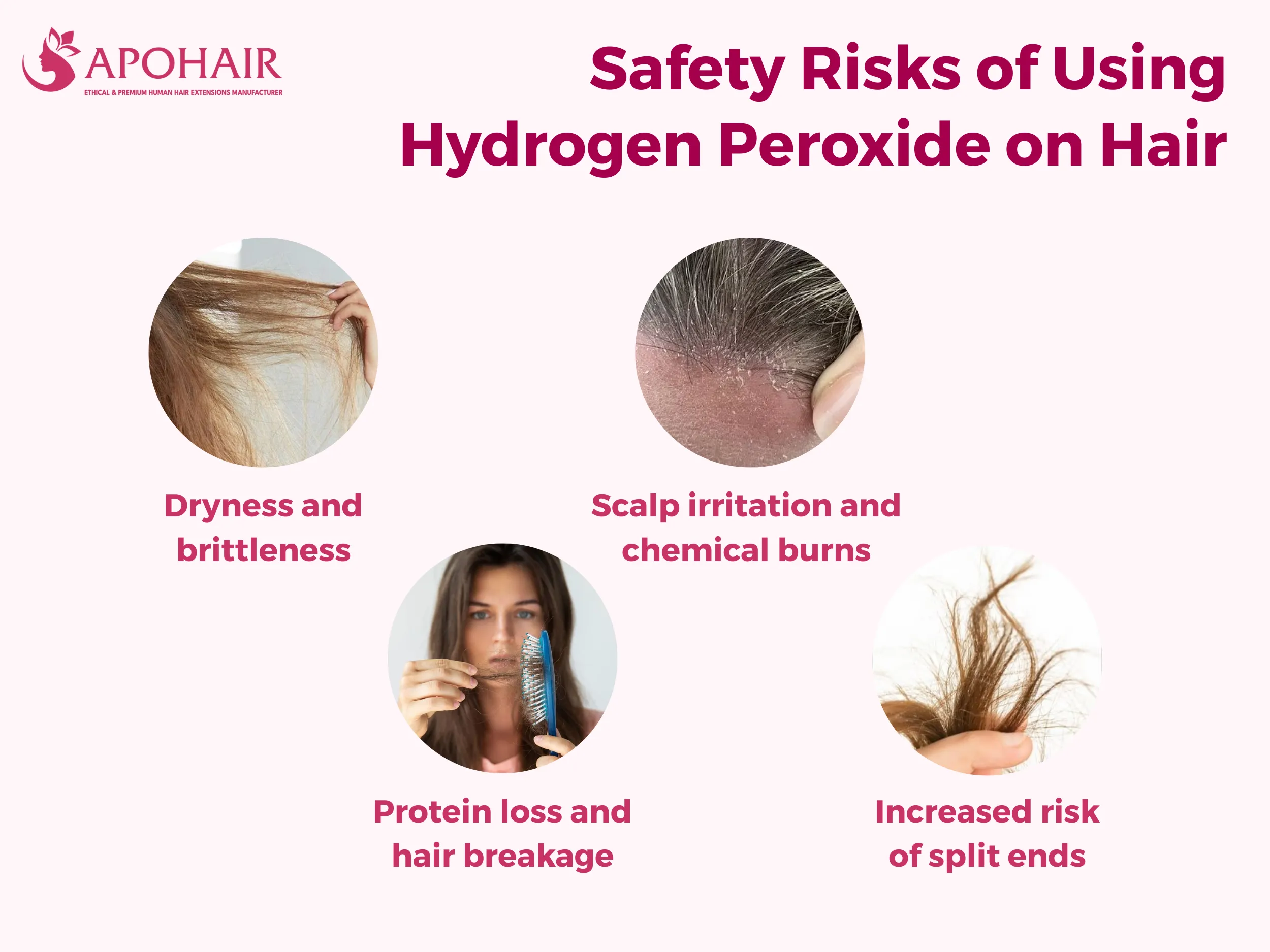
Safety Risks of Using Hydrogen Peroxide on Hair
Hydrogen peroxide poses several documented risks that range from cosmetic concerns to physical damage requiring medical attention. Understanding these hazards helps you make informed decisions:
- Dryness and brittleness: Oxidation strips natural oils and moisture from your hair shaft, leaving strands prone to tangling, difficult to style, and susceptible to static electricity buildup.
- Scalp irritation and chemical burns: Concentrations above 3% can cause redness, itching, burning sensations, and in severe cases, second-degree burns requiring dermatological treatment and potentially causing permanent scarring.
- Protein loss and hair breakage: The bleaching process degrades keratin proteins that provide structural integrity, resulting in weak points along the hair shaft where snapping occurs during routine brushing or styling.
- Increased risk of split ends: Damaged cuticles fail to protect the inner cortex, allowing moisture loss and environmental stress to cause the hair shaft to split vertically into two or more fragments.
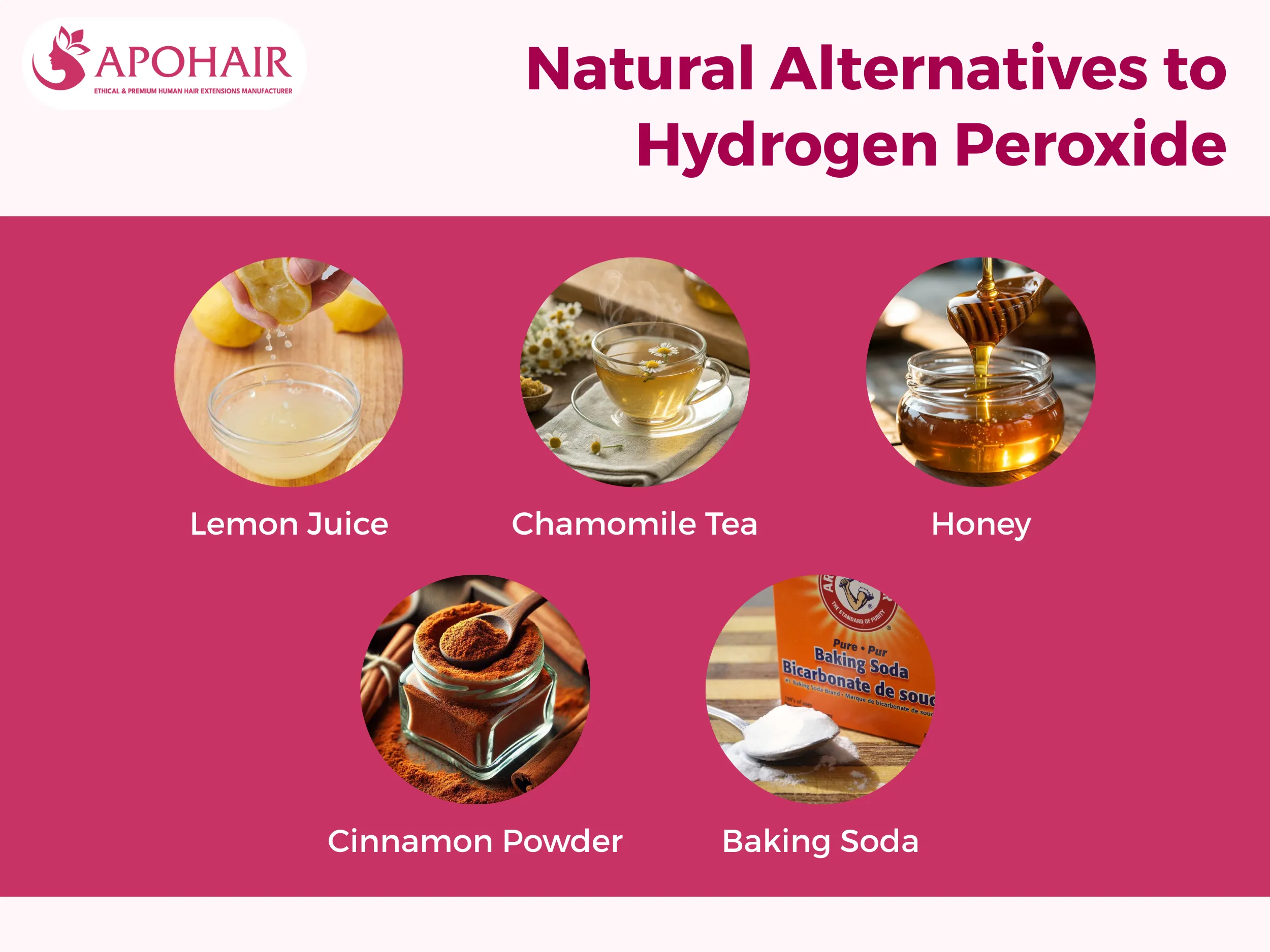
Natural Alternatives to Hydrogen Peroxide
If you want to change your hair color slightly without using Hydrogen Peroxide, you can try these natural ingredients found in your kitchen. These methods not only make your hair lighter over time but are also safe for the health of your hair:
Lemon Juice: The natural acidity in lemons combined with sunlight will help your hair become lighter. This is the simplest way to achieve natural golden hair strands.
Chamomile Tea: Using strong chamomile tea to rinse your hair will make it look brighter and shinier. This method is perfect for those who want a gentle and subtle golden glow.
Honey: Besides lightening your hair, honey acts as a conditioner to make your strands softer. You can use honey as a hair mask to both lift your hair color and provide extra moisture.
Cinnamon Powder: If you prefer warm reddish brown or copper tones, try using cinnamon powder. When applied to your hair, it makes dark hair look warmer and more colorful.
Baking Soda: This powder has the ability to clean and gently bleach so it is very effective for lightening hair color. You can mix a little baking soda with water to wash your hair to remove dark pigments and make your hair look brighter.
Frequently Asked Questions About Hydrogen Peroxide Bleach Hair
Can Hydrogen Peroxide Bleach Hair Without Causing Dryness?
Hydrogen peroxide can bleach hair with minimal severe dryness when you use proper concentrations (3% maximum) and follow intensive conditioning protocols, though some moisture loss remains unavoidable due to oxidation’s chemical nature.
Does the pH of Hydrogen Peroxide Affect Bleaching Results?
The pH of hydrogen peroxide influences bleaching effectiveness—higher alkaline pH levels accelerate cuticle opening and oxygen release, increasing lightening power while simultaneously raising damage and irritation risks.
Are There Any Long-Term Effects of Repeated Hydrogen Peroxide Bleaching?
Repeated hydrogen peroxide treatments cause cumulative damage including permanent protein loss, chronic brittleness, irreversible texture changes, and increased susceptibility to breakage that persists even after discontinuing bleaching.
Can You Reverse Hydrogen Peroxide Bleaching?
Hydrogen peroxide bleaching creates permanent melanin destruction that cannot be reversed through any topical treatment—only patience allows new, unbleached hair growth from your scalp to restore original pigmentation.
In conclusion, using hydrogen peroxide to lighten your hair is an effective way to change your style as long as you follow the instructions and stay safe. Success comes from preparing your tools properly, watching the time closely, and always using deep conditioners to keep your strands healthy after the process. Whether you prefer using peroxide or natural choices like lemon and honey, the most important part is giving your hair the moisture and care it needs. As a trusted supplier of wholesale human hair in Vietnam, APOHAIR is here to provide you with simple tips and quality solutions so you can enjoy a bright new look while keeping your hair strong and beautiful every single day.


