









Dutch Braid vs French Braid: What’s the Main Difference?
The main difference between a Dutch braid and a French braid is the direction in which you cross the strands. In a Dutch braid, you cross the outer sections under the middle, whereas in a French braid, you cross them over the middle. That single change is why a Dutch braid sits raised on top, while a French braid lies flat and is woven into the hair, which is why people also call it an inside-out or reverse French braid.
In this article, we will go through a detailed breakdown of what changes when you cross over instead of under. Then, we will explore what each braid is, how each one is made, who they suit best, and how to choose between them based on look, occasion, hair type, and ease of styling.
Use the chart below to compare the two braids before you pick a style.
| Dutch Braid | French Braid | |
| Technique | Cross the outer sections under the middle | Cross the outer sections over the middle |
| Look | Raised, 3D, sits on top | Flat, woven-in, sleek |
| Volume | Fuller, and you can pancake it wider | Subtle and smooth |
| Best for | Bold, casual, sporty looks | Polished, formal looks |
| Easier | Many find Dutch easier on their own head | Beginners often find French more natural |
| Hair type | Thick hair, though fine hair can pancake for volume | Fine or thin hair |

What Is a Dutch Braid?
A Dutch braid is a three-strand running braid made by crossing the outer sections under the middle instead of over, so the braid sits raised on top of the hair. That is why it also goes by the names reverse French braid, inside-out braid, and inverted braid.
The raised, 3D shape reads bold, which is why a Dutch braid suits casual, festival, and sporty looks. Here is how you make one, and who it flatters most. Quick note on the name: “Dutch” here describes the braid technique, not a nationality.

How a Dutch Braid Is Made?
To make a Dutch braid, use the same steps as a French braid with one change: cross each outer section under the middle instead of over. That reverse motion is what makes the braid stand up. Use this sequence to keep the under-cross pattern consistent.
- Take a section at the crown and split it into three strands.
- Cross the right outer strand under the middle, then cross the left outer strand under the middle.
- Feed in a small section of loose hair before each under-cross, then braid to the ends and secure.
Volume tip: Once the braid is tied, gently pull the outer loops outward to “pancake” it. This widens the braid and makes it look fuller, which works even on thin hair. That single under-versus-over change is what creates the whole 3D effect.
Who a Dutch Braid Suits?
A Dutch braid suits thick hair, because the raised profile reads full and holds its shape. Fine hair can still wear it well by pancaking the braid to fake fullness, and the style is a popular protective base for textured or coily hair, which links it to the cornrow family. Like any braid, it needs enough length to grip.
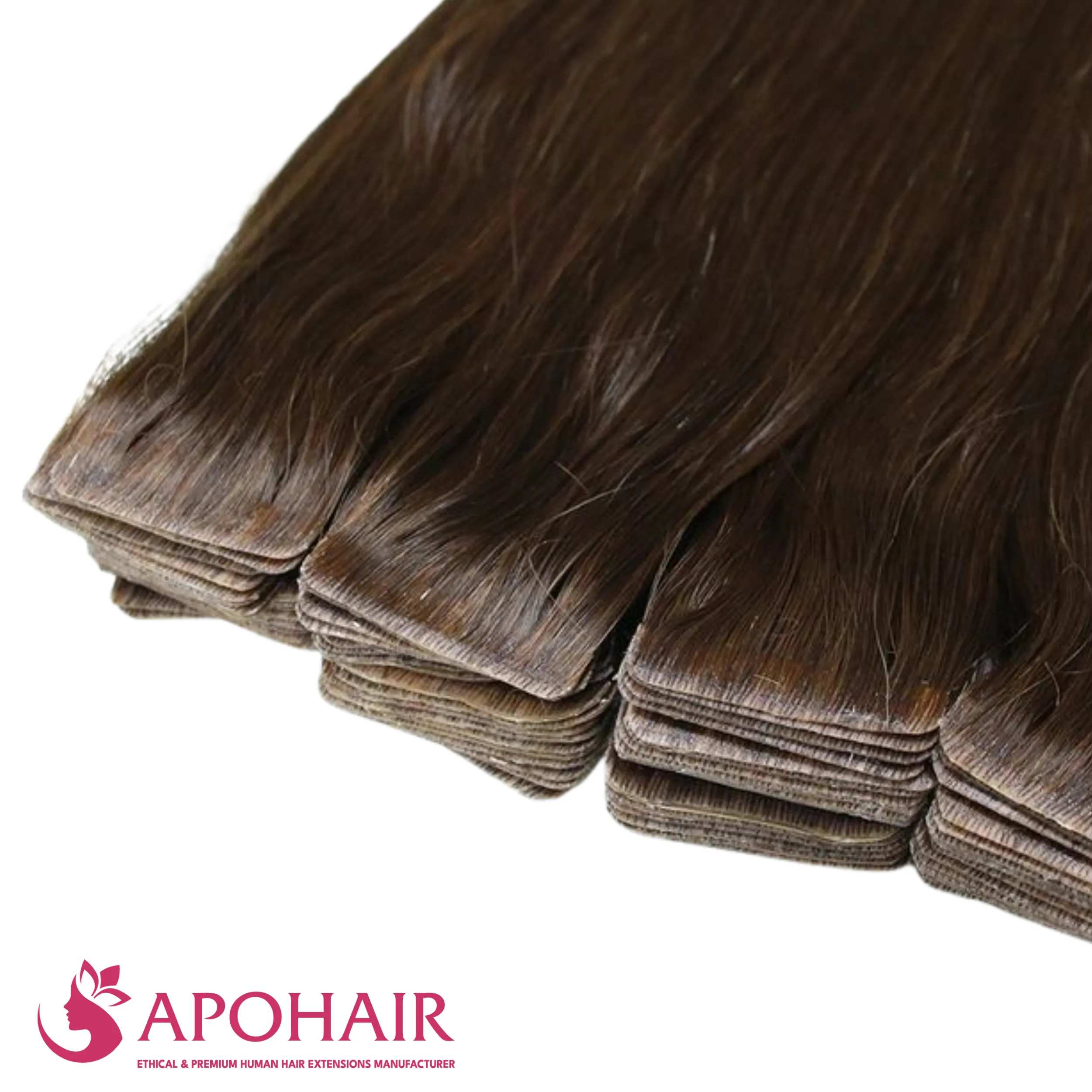
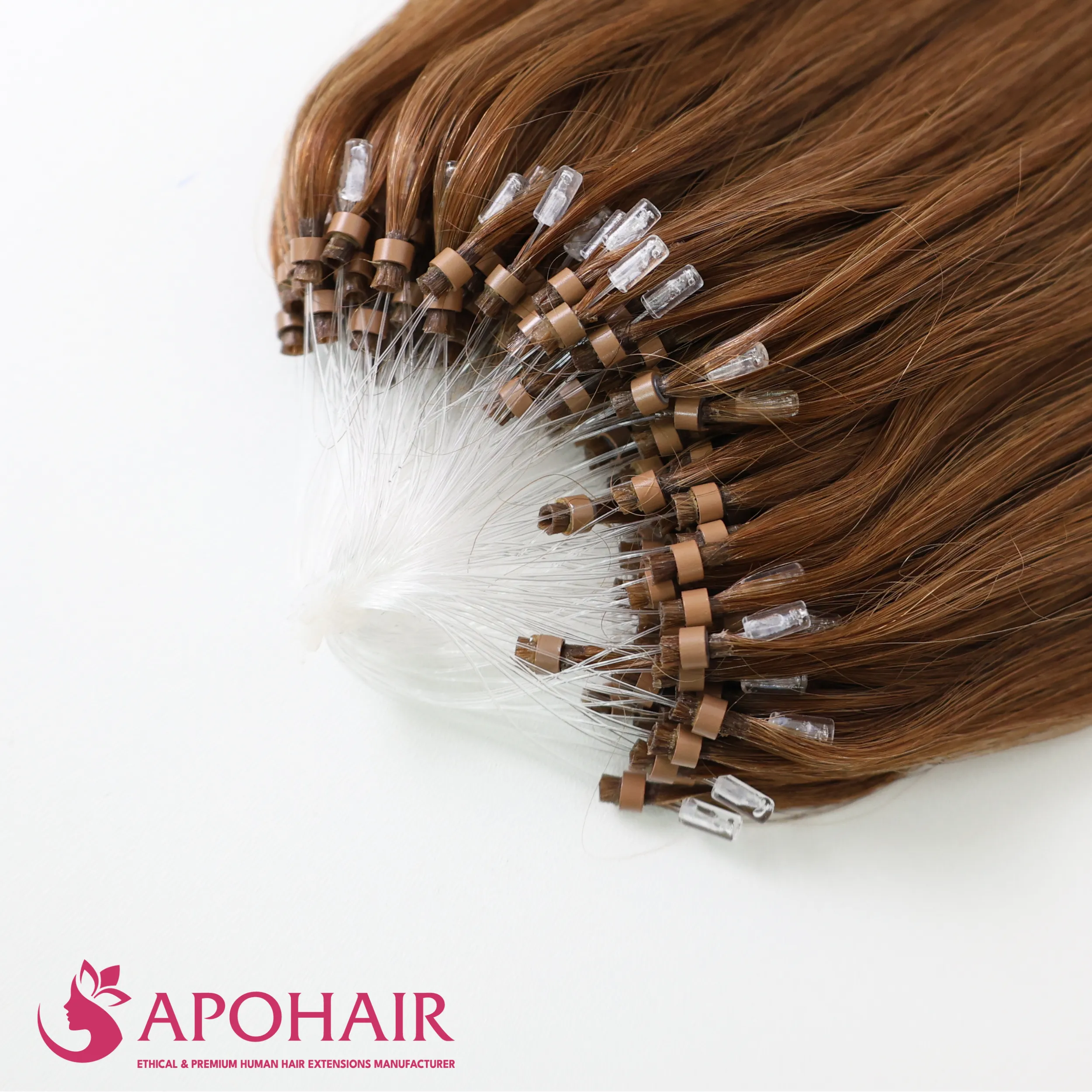
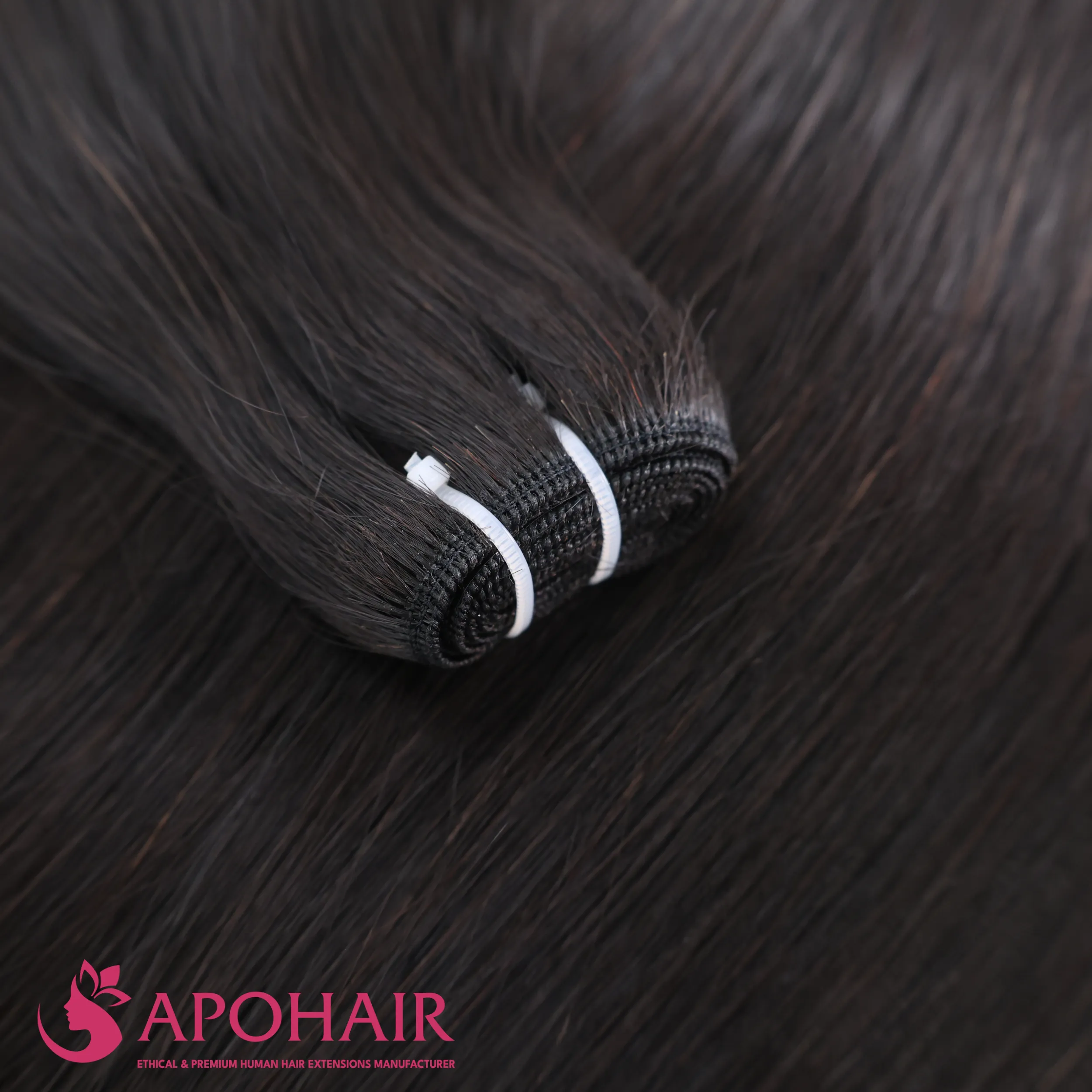
Since the braid sits on top, more hair means more dimension, and pancaking redistributes the strands to add width. Keep the tension light at your hairline so the braid does not pull on your edges. For extra length or thickness, human-hair bulk can be braided in and color-matched to your own shade.
What Is a French Braid?
A French braid is a three-strand running braid where you add hair to each outer section and cross it over the middle as you work down the head, so the braid weaves into the hair and lies flat. It is the classic, smooth-looking plait most people picture first when they hear the word braid.
Because it sinks into the surrounding hair and reads sleek, a French braid suits polished moments like work, weddings, and neat workout styles. Here is how you make one, and who it flatters most.

How a French Braid Is Made?
To make a French braid, divide hair into three strands, then cross each side section over the middle. The whole style takes about 5 to 10 minutes once the motion feels natural. The steps below show the basic hand pattern from the crown to the ends.
- Brush through, take a section at the crown, and split it into three equal strands.
- Cross the right outer strand over the middle, then cross the left outer strand over the middle.
- Before each cross, feed in a small, even section of loose hair from that side.
- Keep adding hair as you work down the head until none is left, then plait to the ends as a regular three-strand braid.
- Secure the ends with a clear elastic.
Pro tip: Keep your sections even and your tension steady on every pass. Uneven tension is the primary reason a French braid looks lumpy rather than smooth.
Who a French Braid Suits?
A French braid suits fine or thin hair especially well because it lies flat and gives a smooth, neat finish, whereas a raised braid can look sparse. It works on straight to wavy textures, and it needs enough length to braid comfortably, around shoulder length or more.
The flat profile is the reason it flatters finer hair so well: sitting close to the scalp keeps the plait looking tidy rather than thin. One honest note: very short or heavily layered hair lets pieces slip loose, so use a grip product. For a fuller braid on fine hair, you can braid in a matching human-hair weft for extra thickness.
How to Choose Between a Dutch and French Braid?
To choose between the two, match the braid to four things: the look you want, the occasion, your hair type and length, and how easily you can do it, especially on yourself. Both come from the same three strands, so the decision is really about the finish and the effort. Use this chart to match the braid to your hair, plans, and comfort level.
| Factor | Choose a Dutch Braid | Choose a French Braid |
| Look / goal | Bold, raised, voluminous | Sleek, flat, understated |
| Occasion | Casual, sporty, festivals, statement | Work, weddings, formal |
| Hair type & length | Thick hair, or fine hair wanting fake volume via pancaking | Fine or thin hair |
| Ease for beginners | Crossing under takes a little practice | French often feels natural first |
| Ease on your own hair | Many find Dutch easier to do on themselves | Trickier to keep flat behind your head |
| Volume needs | High and 3D | Low and neat |
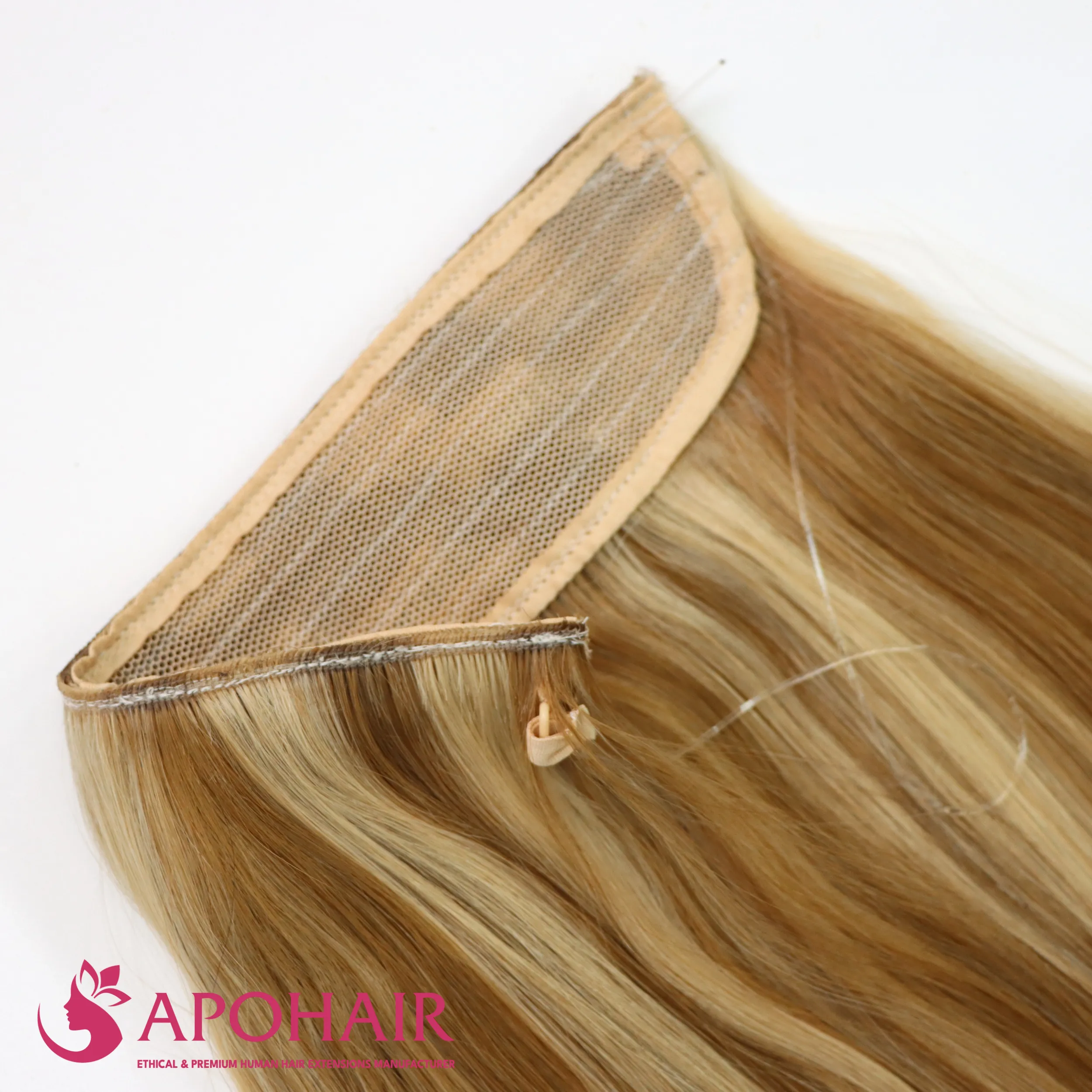
That “easier on your own hair” line is the nuance most guides skip: crossing under can feel more comfortable when your hands are working behind your own head. One more honest point: if your hair is too fine or short for the fullness you want, a color-matched clip-in, weft, or bulk hair can be braided in to build it.

Do Dutch or French Braids Stay In Better?
Once you have picked one, here is what people ask before they braid. Neither braid is inherently longer-lasting. How long a braid stays in depends mostly on technique, hair prep, and movement, and both usually look good for about 2 to 3 days with care.
Tighter, evenly-tensioned braids last longer. A Dutch braid’s raised structure can fuzz or loosen a little faster with movement, though pancaking hides that loosening better than a flat French braid shows it. Hair texture matters too, which is why many people braid on day-old hair for grip. To make either braid last, prep with second-day or texture-sprayed hair, secure the ends well, sleep on satin, and smooth flyaways in the morning instead of redoing the whole braid.
Which Braid Is Less Damaging to Your Hair?
Neither braid damages hair on its own. What matters is tension. A braid pulled too tight, especially at the hairline, stresses the roots, and repeated over time that pull can contribute to traction alopecia, a gradual and sometimes permanent thinning along the edges. The American Academy of Dermatology puts it simply: if a hairstyle hurts, it is too tight.
Both styles are low-manipulation running braids, so the risk comes from tightness, not from crossing over versus under. A Dutch braid’s pancaking actually lets you loosen the tension while keeping the fullness, which can be gentler on fine hair and edges. To keep either braid safe, leave the hairline loose, do not braid soaking-wet hair since strands are weakest when wet, skip sleeping in a tight braid every night, and give your edges a break between styles. Worn at a comfortable tension, a braid can reduce daily manipulation, but only when it is not too tight.
Frequently Asked Questions
What Is a Reverse French Braid Called?
A reverse French braid is called a Dutch braid. Crossing the strands under the middle instead of over turns the plait inside out, so it sits raised on top of the hair. You may also see it called an inside-out or inverted braid.
Is a French Braid Just a Regular Braid?
No. A regular three-strand braid uses only the first three sections of hair, while a French braid is a running braid that keeps adding hair from the scalp as you work down the head. That feed-in step is what makes a French braid hug the head rather than hang loose.
Is a Dutch Braid the Same as Cornrows?
They are related but not identical. Cornrows use the same under-cross technique, but in many small rows worked tight and close to the scalp, usually on textured hair. A Dutch braid is usually one or two larger braids rather than a full head of tight rows.
How Is a Dutch or French Braid Different From a Fishtail Braid?
A fishtail braid uses two sections instead of three, crossing fine pieces from each side over to the other. That makes it a different technique and a different woven look from the three-strand French and Dutch braids.
Can You Dutch or French Braid Short Hair?
Yes, as long as you can grab three sections, which usually means about chin length or longer. Shorter or heavily layered hair tends to slip out, so use a grip product or add clip-in wefts for the length you need.
How Long Does It Take to Learn to Braid?
Most people can do a basic French or Dutch braid after a few practice sessions. Braiding your own head takes longer, since you work by feel, so use a mirror and be patient with the first few tries.
Conclusion
Both braids live in the same three strands, so learning one hands you the other. Try the version that feels easier for you first, whether that is a flat French braid for something polished or a raised Dutch braid for a bolder look. When you want a fuller or longer braid than your own hair allows, 100% Vietnamese Human Hair weft or bulk can be braided in and color-matched against a physical color ring, from off-black (#1B) to platinum blonde (#613). Salons and sellers can reach our team at Apohair for factory-direct samples and pricing.
APOHAIR — ETHICAL & PREMIUM HUMAN HAIR EXTENSIONS AND WIGS MANUFACTURER
- Address: Building 3A, Lane 82 Duy Tan, Cau Giay, Hanoi, Vietnam
- Factory: (Old) Yen Luong Village, Y Yen District, Nam Dinh Province, Vietnam; (New) Minh Luong Hamlet, Van Thang Commune, Ninh Binh Province, Vietnam
- WhatsApp: +84 862 132 366
- Email: wholesale@apohair.com
- Website: https://apohair.com



 ABOUT US
 Human Hair Extensions
 Wholesale Tape-In Hair Extensions
 Clip-In Hair Extensions
 Wholesale Keratin Hair Extensions
 Weft Hair Extensions
 BEST SELLING PRODUCTS
 Human Hair Wigs
 Bulk Human Hair For Braiding
 Contact Us