


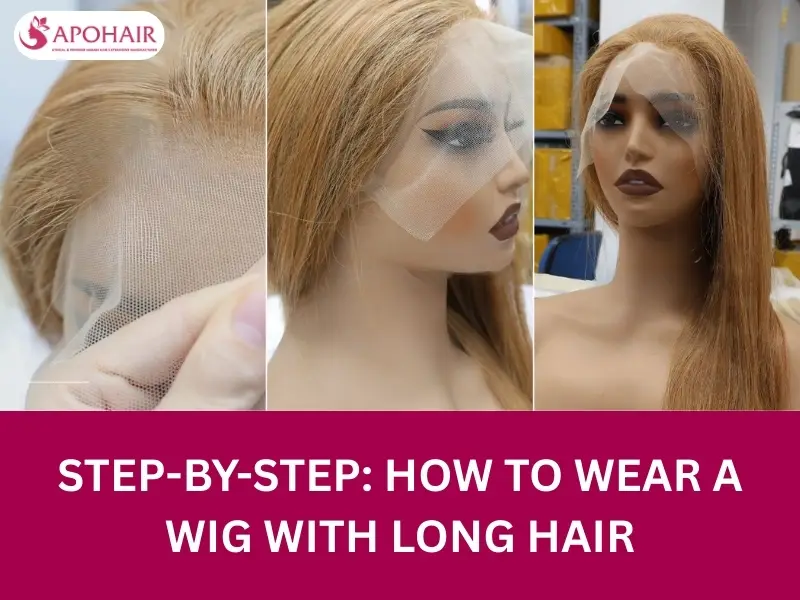
Wearing a wig over long hair is an art. To do it correctly, you need the right technique and a few essential tools, such as a wig cap, bobby pins, and specialized accessories. To achieve the perfect look, you can choose between three proven preparation techniques: the twisted, low bun, or braid methods. Your choice will depend on your hair’s thickness and texture.
This guide helps you navigate common challenges, from eliminating bulk to preventing slippage. We will explain the five-step placement process and address troubleshooting for common fit issues. Read on for detailed instructions that turn this challenging task into a straightforward routine.
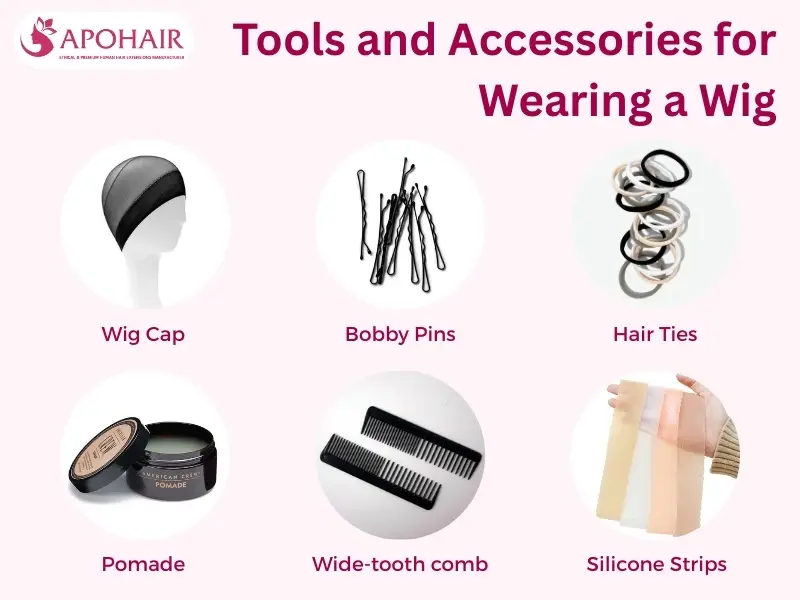
You need 6 specific tools to wear a wig over long hair successfully:
You will complete five specific steps: detangle, choose a preparation method, apply the cap, put on the wig, and position it.
Always begin with clean, dry hair. Brush gently from the ends up toward the roots to remove knots without breaking strands. If you encounter resistant areas, spray them lightly with a detangler to reduce friction. Once smooth, divide your hair into two to four sections using clips. This makes your hair much easier to handle during the preparation phase.
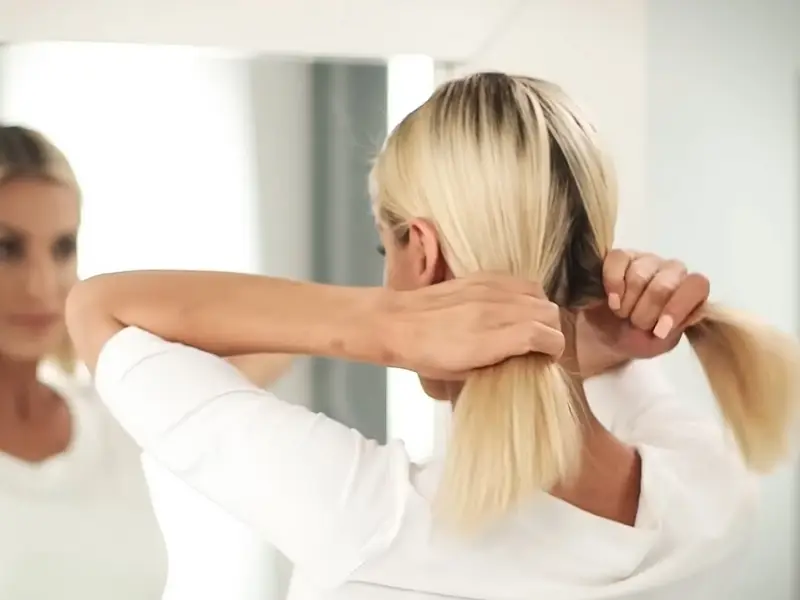
3 main methods flatten long hair under a wig. Choose the one that fits your hair type:
Part your hair into four equal sections from front to back and side to side. Twist each section tightly from roots to ends, keeping tension consistent so the twist stays compact.
Wrap each twisted section around your head like a crown, laying them flat against your scalp in a circular pattern that follows your head’s natural curve. Pin each twist down with bobby pins placed horizontally every 2 to 3 inches to prevent lifting or shifting.
Tip: Apply a small amount of pomade to your roots before twisting for extra hold and smoothness, which eliminates frizz and keeps shorter hairs from escaping.
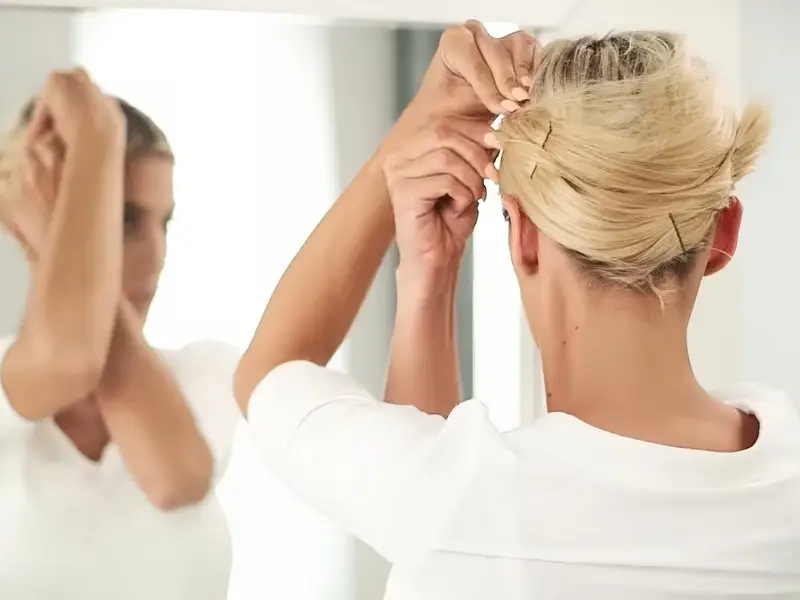
Ideal for those with thick, heavy tresses that often create unwanted bulk, this technique focuses on compressing volume into a singular flat plane. Begin by gathering your hair into a low ponytail at the nape of your neck, securing it exactly where your skull meets your neck to maintain the flattest possible profile. Twist the ponytail into a tight, horizontal spiral rather than a protruding knot, then fasten it with a second hair tie.
For a seamless finish under your wig cap, anchor the bun firmly against your scalp with bobby pins and tuck away any stray strands to eliminate bumps. By spreading the hair’s weight evenly across the base of the head, you ensure a smooth, natural look regardless of your hair’s density.
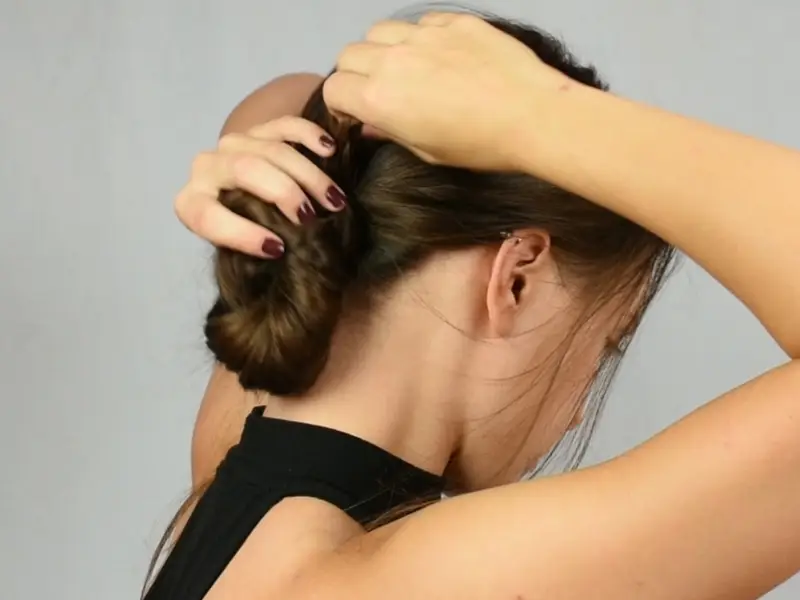
For hair exceeding 24 inches or stubborn curly textures, braiding offers the ultimate control over both length and volume. Start by splitting your hair into two equal sections and crafting tight French braids or cornrows from the hairline back, maintaining constant tension to keep them flush against the scalp.
Once finished, wrap the braids in opposite directions around your head or tuck them flat at the nape, securing the structure with bobby pins spaced 2 inches apart. This approach effectively tames even the most voluminous hair, creating a secure and ultra-flat foundation that keeps your wig perfectly in place all day.
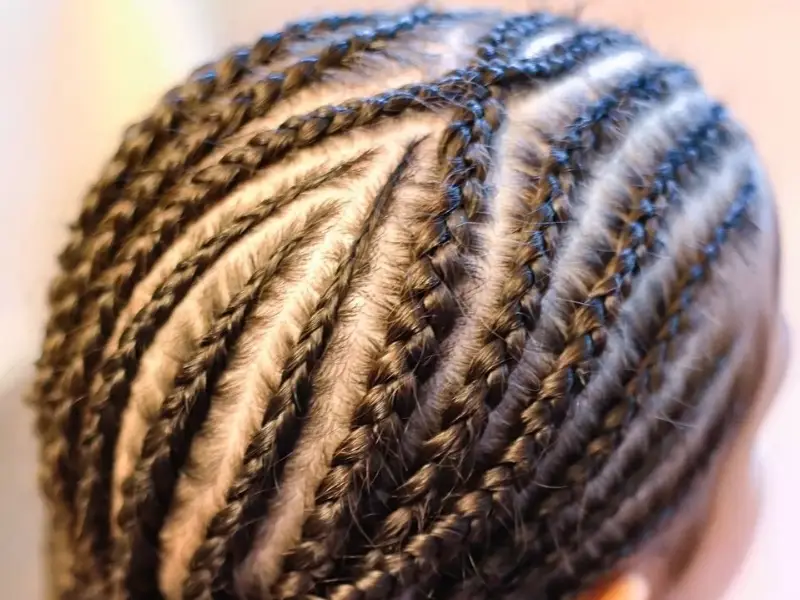
Once your hair is prepped and secured, it’s time to apply a wig cap by placing its front edge at your natural hairline and stretching it backward over your hair until it reaches the nape of your neck. Use your fingers or the end of a rat-tail comb to tuck any flyaways under the edges, working from your temples to behind your ears.
If you feel any lumps through the material, gently press down and redistribute the hair toward flatter areas to ensure a smooth base. Finally, adjust the cap for a snug fit, ensuring it sits about 1 centimeter behind your hairline to leave room for the wig’s front edge and feels snug without causing tension.
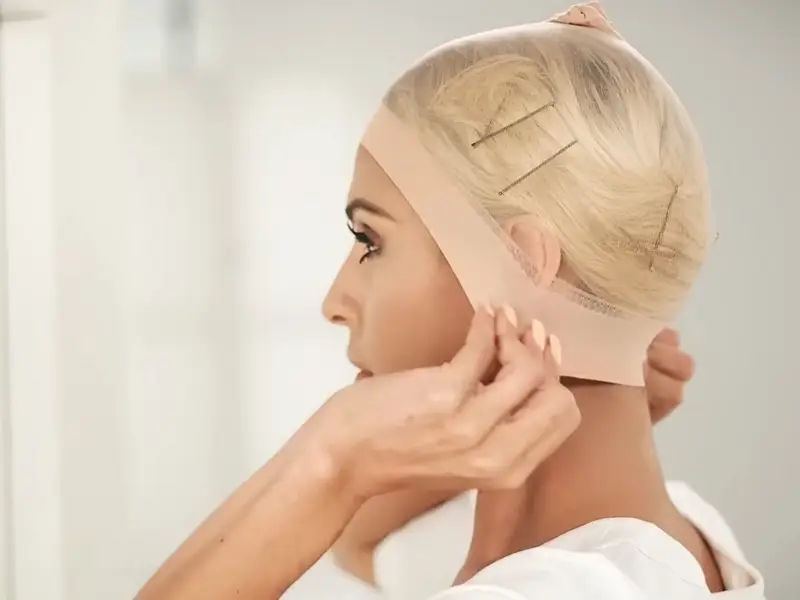
Hold the wig with both hands, placing your thumbs inside the ear tabs and your fingers on the outside of the cap.
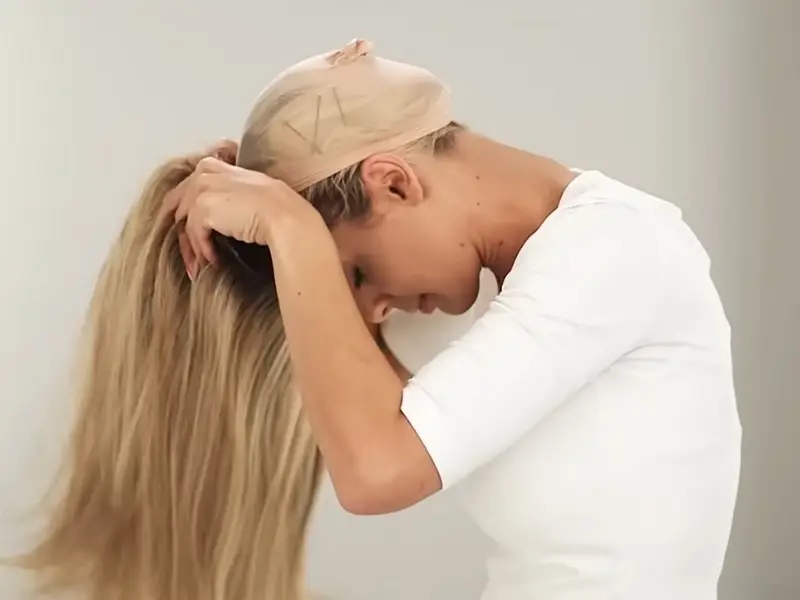
Check that the wig’s ear tabs are level and facing your temples. Gently pull the back of the wig down to ensure it fully covers the nape of your neck and that all your natural hair is tucked inside. Once positioned, lift small sections of hair to insert bobby pins through the mesh, securing the wig to your natural hair. For extra security, use a wig grip band or double-sided tape along the hairline.
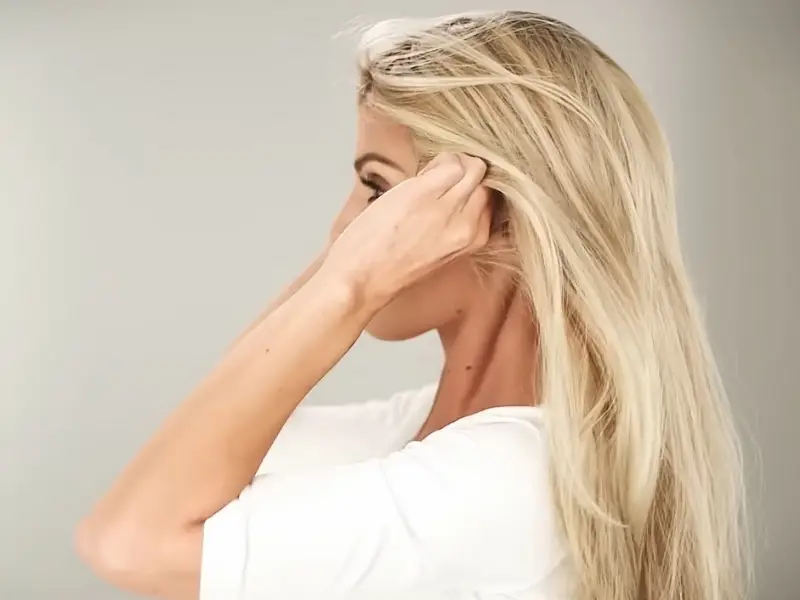
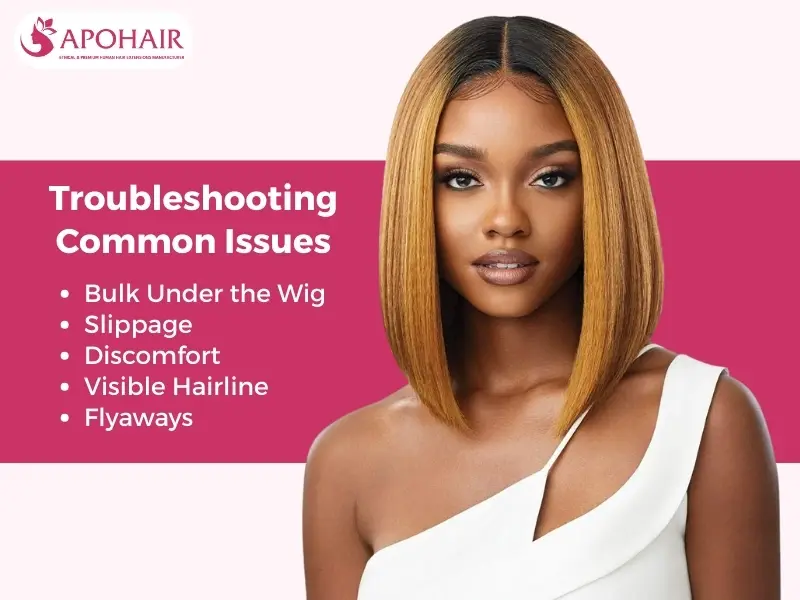
5 common issues occur when wearing a wig over long hair, each requiring specific corrections:
4 styling techniques complete your wig application after placement:
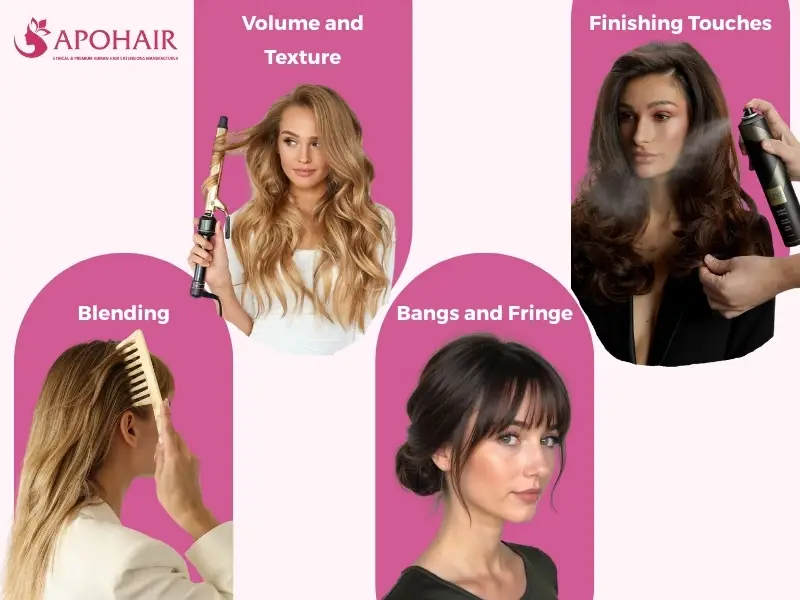
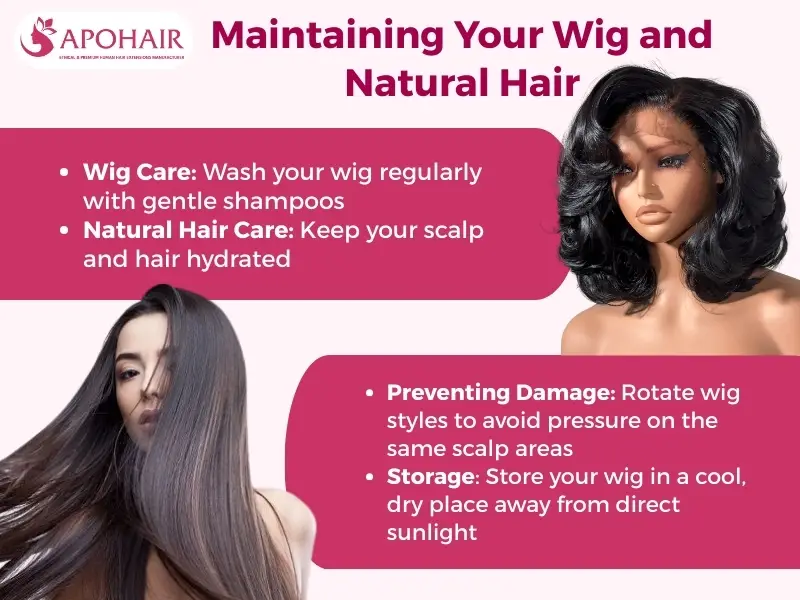
4 maintenance categories preserve both your wig and natural hair:
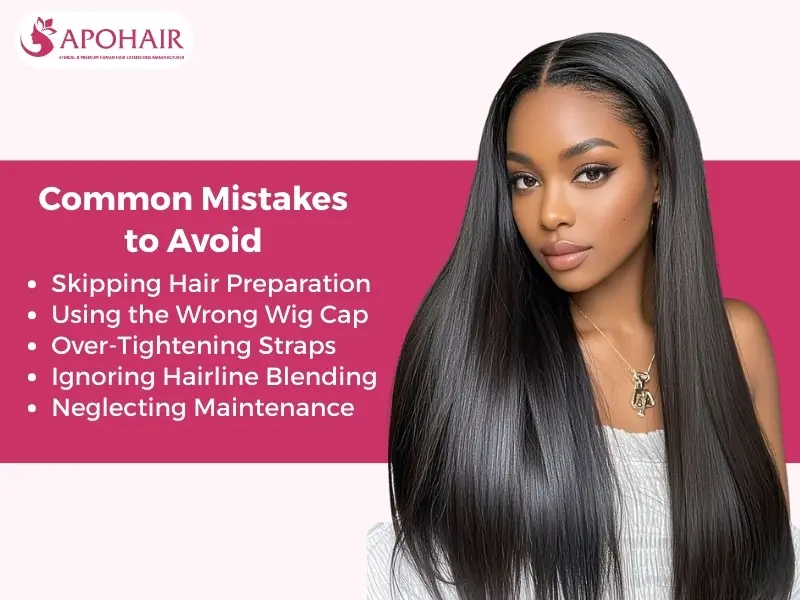
5 common mistakes compromise wig appearance and comfort:
Yes, you can wear a wig without a wig cap, but using one helps prevent bumps and keeps hair secure for a smoother, more comfortable fit under the wig.
Twisting is faster and takes five to seven minutes; braiding offers more security for active wear and reduces bulk better under the wig for very long hair.
Yes, daily wig wear is safe if you care for your scalp and hair properly with regular washing, but take breaks every few days to avoid irritation or buildup.
Use a silicone grip band under your wig cap, wear a wig cap with built-in grips, or adjust the wig’s internal straps tighter for a snug fit.
Mastering the art of wearing a wig with long hair is all about the foundation. While tools like wig caps and techniques like braiding provide the roadmap, the goal is a look that feels natural and secure. For those using premium products from Apo Hair, a trusted wholesale hair factory in Vietnam, following these steps helps ensure the wig sits properly, eliminates bulk, and enhances the overall finish. By following these steps, you can eliminate bulk and enjoy a seamless transformation.
Remember: the secret to a flawless application lies in the patience of your prep work. With these professional tips, you are ready to rock any look with confidence.



 ABOUT US
 HAIR EXTENSIONS
 Clip-In Hair Extensions
 Bulk Human Hair For Braiding
 Tape-In Hair Extensions
 Keratin Hair Extensions
 Weft Hair Extensions
 Human Hair Wigs
 BEST SELLING PRODUCTS
 Contact Us