








10 Best Wholesale Hair Extensions Suppliers You Can Buy In Nigeria
Nigerian hair businesses buy wholesale extensions from two supplier groups: five local suppliers holding stock in Lagos and Abuja, and five overseas manufacturers and exporters shipping in from Vietnam, the United States, and India. Local suppliers deliver within one to three days and take payment in Naira. Overseas manufacturers quote 40% to 60% below Lagos market rate, produce private-label orders, and add freight, import duty, and clearing charges that raise the factory invoice by roughly 50%.
The five Nigerian suppliers in this list sell packs, pieces, and cartons, starting at ₦2,350 per pack and running past ₦525,000 for premium single-donor lines. Their minimum orders run from one pack to half a carton. The five overseas suppliers sell by weight or by bundle, starting at $20 and running to $1,455, which converts to ₦27,000 and ₦1.93 million at the official exchange rate. Their minimums start at 200 grams.
This page compares all ten suppliers in a single table, covers the Nigerian suppliers first and the overseas suppliers second, and then works through the buying process. You get a three-step method for choosing between the two sourcing models, a landed cost breakdown showing what an imported order really costs once Nigeria Customs has assessed the consignment, a three-stage ordering process, and seven warning signs to check before you send any supplier money.
Comparison Table Of 10 Wholesale Hair Extensions Suppliers For Nigerian Buyers
The table below groups the ten suppliers by sourcing model and lists the four figures that decide a wholesale order: Price range, minimum order quantity, location, and buyer fit. Price ranges come from each supplier’s published listings. Minimum orders come from stated wholesale terms.
| Supplier | Location | Type | Price range | MOQ | Best for |
| Lush Hair Nigeria | Lagos | Local brand and supplier | ₦2,350 – ₦12,000 /pack | 1 pack | Testing a texture before committing |
| Amizzy Hair World | Lagos (Trade Fair) | Local wholesaler | From ₦100,000 | 3 pieces | Buyers who inspect stock in person |
| Hair.com.ng | Lagos Island | Local online retailer | ₦7,000 – ₦150,000 | Half a carton | Shop owners restocking online |
| Royal Hairs | Abuja | Local brand and supplier | ₦4,500 – ₦345,000 | Small, flexible | Salons carrying two price tiers |
| Lareina Hairs | Lagos (Surulere) | Local premium supplier | ₦95,950 – ₦305,950+ | Not published | Salons selling single-donor Virgin Hair |
| APOHAIR | Vietnam | Manufacturer | $22 – $132 /100g (₦29,000 – ₦175,000) | 200g | Distributors and private-label brands |
| K-Hair | Vietnam | Manufacturer | $20 – $120 (₦27,000 – ₦159,000) | 300g | Importers adding a second source |
| Hair & Compounds | Van Nuys, USA | Professional salon supplier | $40 – $345 (₦53,000 – ₦459,000) | Not published | Stylists installing K-tip and I-tip |
| The Hair Shop | New York, USA | Professional salon supplier | $38 – $120 (₦51,000 – ₦159,000) | Not published | Salons running hand-tied and fusion |
| Suvita Hair | New Delhi, India | Wholesale supplier | $270 – $1,455 (₦359,000 – ₦1.93m) | 5 bundles | Online sellers buying ready-made stock |
Naira figures convert at the official NFEM rate of ₦1,329 to $1, recorded by the Central Bank of Nigeria on 1 September 2026. Parallel-market traders quoted between ₦1,400 and ₦1,415 on the same day. Budget with both numbers, because Customs assesses your duty at the official rate while you buy your dollars closer to the parallel one.
Nigeria-Based Wholesale Hair Extensions Suppliers
Five suppliers hold hair extension stock in Nigeria and sell it wholesale to salons, retailers, and small distributors. All five accept payment in Naira, clear no customs, and deliver within one to three working days. None of the five manufacturers, so their prices sit one or two markups above factory level.
The five suppliers below appear in order of entry price. Lush Hair Nigeria opens the range at ₦2,350 per pack, Amizzy Hair World and Hair.com.ng serve the middle of the market from their Lagos shops, Royal Hairs covers the widest price band from Abuja, and Lareina Hairs closes the section with single-donor Virgin Hair above ₦95,000.
Lush Hair Nigeria
Lush Hair Nigeria sells braid, twist, and curly packs from ₦2,350 to ₦12,000, and accepts orders of a single pack. To test a new texture on three clients, a Lagos salon can place an order under ₦40,000 and take delivery the same week, with local shipping included on the Nigerian storefront.
The catalogue covers volume filler for braiding and weaving services. Salons running tape-in, I-tip, or hand-tied installs will need to source those systems elsewhere, because Lush Hair does not stock professional install methods.
- Website: https://nigeria.lushhairafrica.com/
- Address: 38, Eric Moore, Surulere, Lagos, Nigeria, 101212

Amizzy Hair World & Accessories
Amizzy Hair World runs a wholesale counter at Ebonyi Plaza inside Balogun Trade Fair, Lagos, selling human hair bundles and wefts from ₦100,000 with a minimum of three pieces. Before paying, you can handle the bundle, check the weft track, and pull a strand to test shedding.
The business takes orders through Instagram and bank transfer instead of a checkout system. Please call ahead to confirm current stock, because the counter turns inventory weekly and listings do not always reflect what is on the shelf.
- Address: Shop Att E07/E08, Ebonyi Plaza, Balogun Trade Fair Road, Lagos, Nigeria

Hair.com.ng
Hair.com.ng sells human hair extensions online from ₦7,000 to ₦150,000, opening wholesale terms at half a carton. That minimum places the supplier above retail buyers and at shop owners restocking inventory without leaving the shop.
A physical store on Balogun Street backs the online catalogue, which means stock questions reach someone who can check the shelf. Ask for the current carton contents before you transfer, because half-carton composition changes by product line.
- Address (Store): 25/27 Balogun Street (Opposite Dubai Mall), Balogun, Lagos Island, Lagos, Nigeria
Royal Hairs
Royal Hairs carries the widest price band in this list, running from ₦4,500 at the entry level to above ₦525,000 for premium lines, and keeps minimum orders small enough to buy across both ends. A single salon can stock a budget tier and a premium tier from one account without committing depth to either.
The Abuja base matters for buyers outside Lagos. Every other Nigerian supplier in this list operates from Lagos, and domestic freight north adds two to three days that Abuja buyers avoid entirely.
- Website: https://www.royalhairs.com/
- Address: 45 Gana St, Maitama, Abuja 900271, Federal Capital Territory, Nigeria

Lareina Hairs
Lareina Hairs specialises in single-donor Virgin Hair, grading its stock from 9A to 11A and pricing it from ₦95,950 to ₦305,950 and above. Single-donor means every strand in a bundle was cut from one head, which keeps texture consistent across a full install instead of shifting partway down the row.
That grade pays for itself in salons whose clients buy twelve-month installs. Lareina does not publish wholesale minimums, so quantity terms come from a direct conversation.
- Website: https://lareinahairs.com/
- Address: 80, Adeniran Ogunsanya, Surulere, Lagos, Nigeria

International Wholesale Hair Extensions Suppliers Shipping To Nigeria
Five overseas suppliers export wholesale hair extensions to Nigeria and sell at the manufacturer or professional-trade level. Two are Vietnamese factories, two are US professional salon suppliers, and one is an Indian wholesale house. Between them they cover factory pricing, OEM production, and the installation-method systems that Nigerian shops stock least often.
The five suppliers below appear in order of sourcing model, starting at the factory level. APOHAIR and K-Hair are manufactured in Vietnam. Hair & Compounds and The Hair Shop supply finished professional stock from the United States, and Suvita Hair closes the section at the highest price band from New Delhi.
Every order from these five carries three costs that a Lagos supplier does not: air freight, import duty, and clearing. Please price those three before you compare unit prices against a local quote. The landed-cost section below sets out the arithmetic with a worked example.
APOHAIR
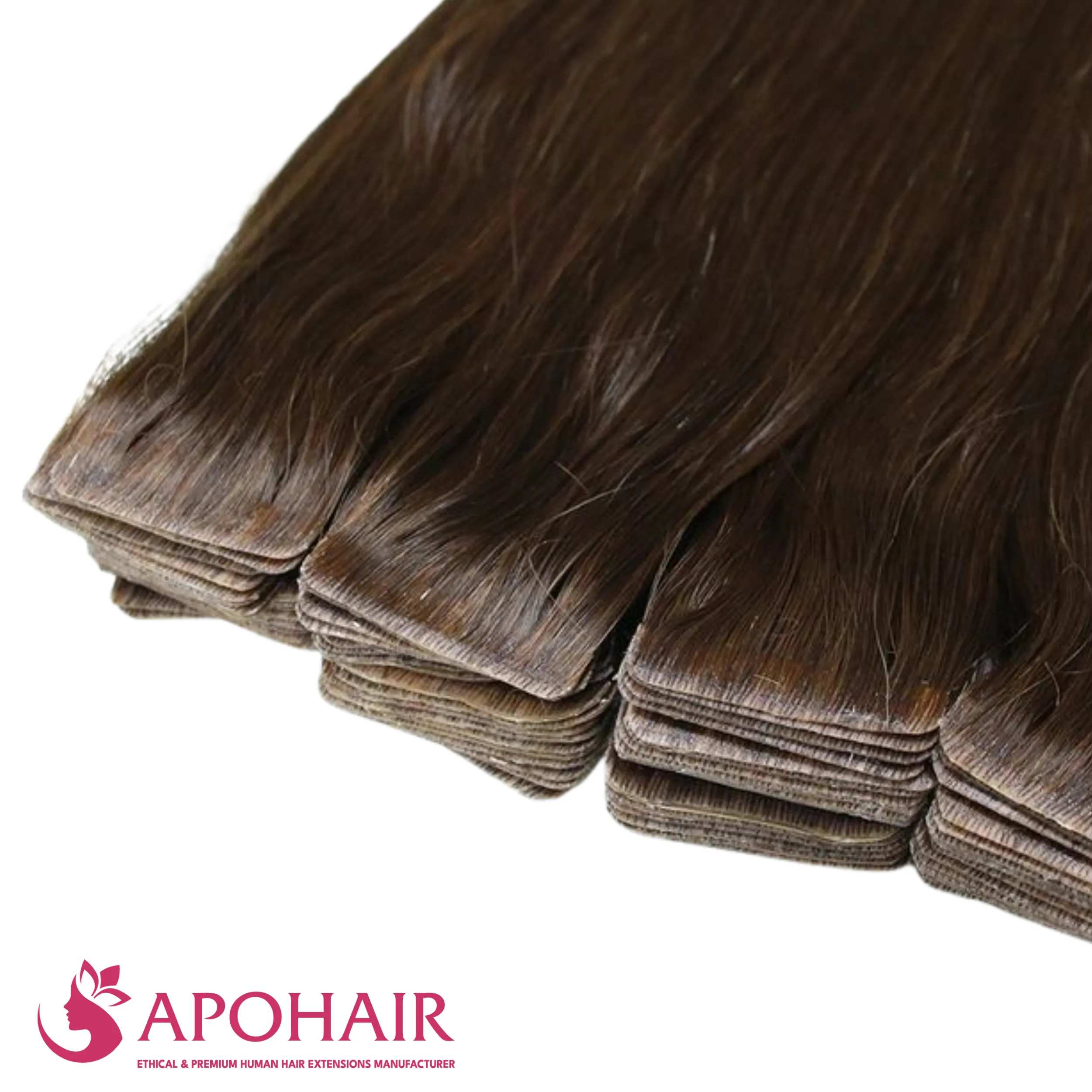
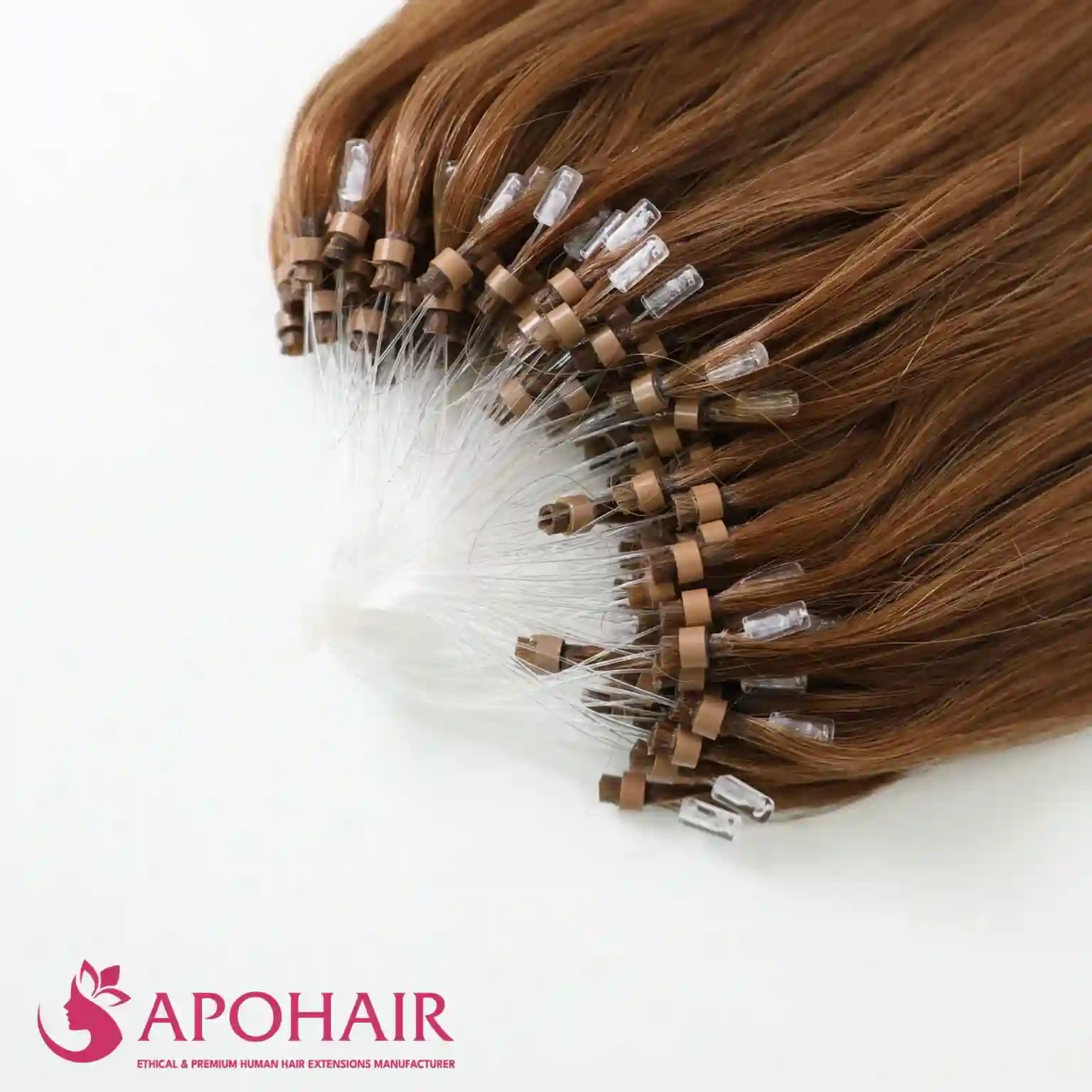
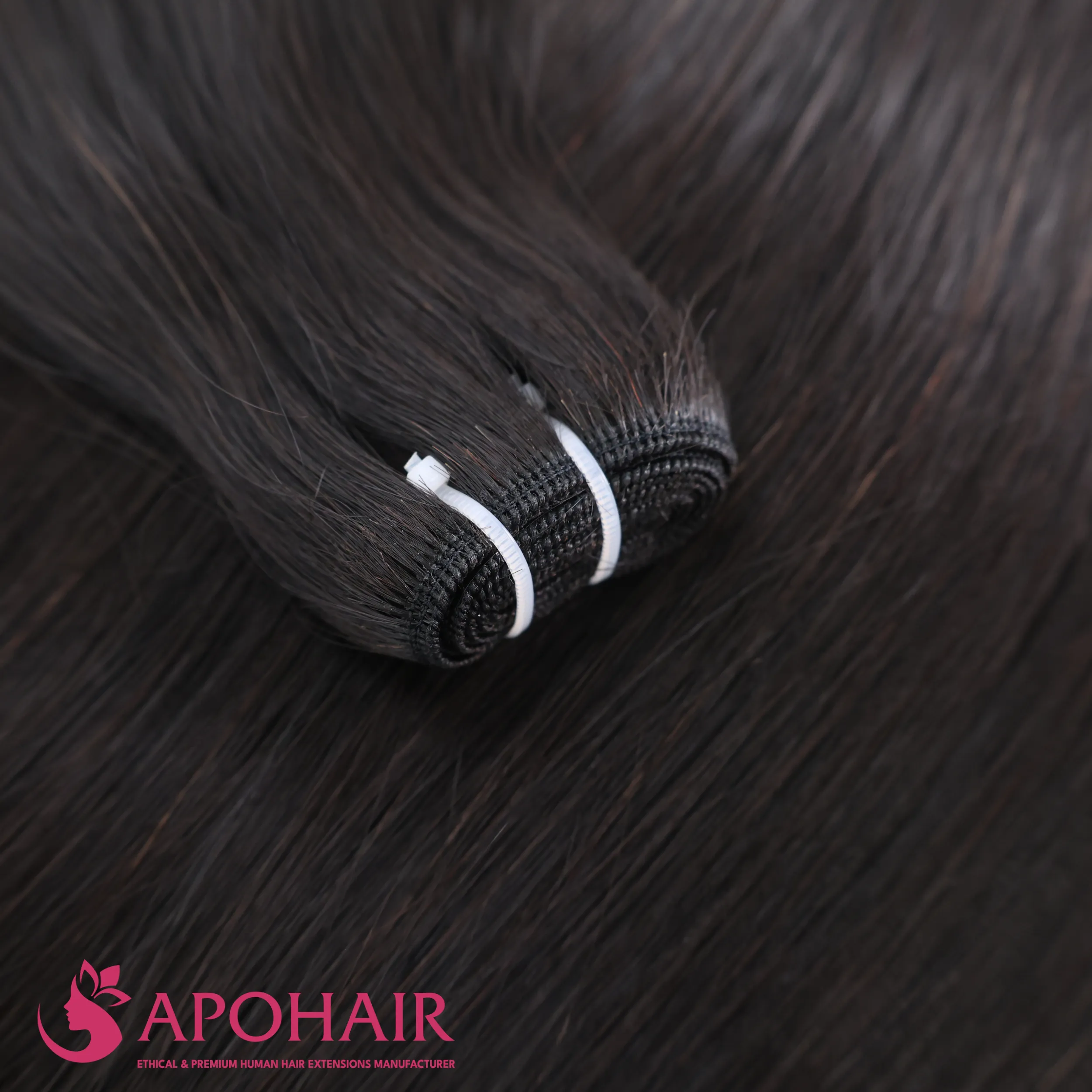
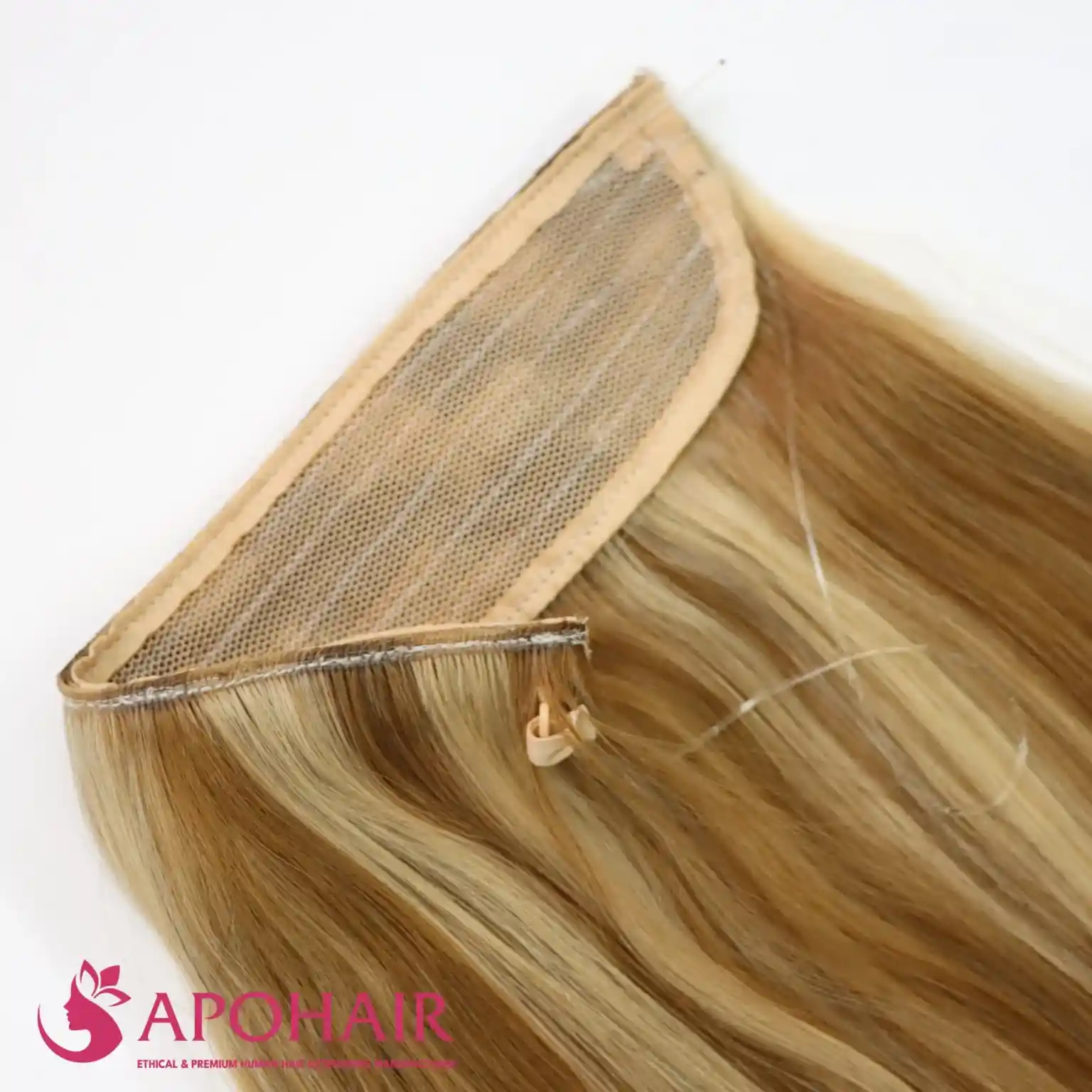
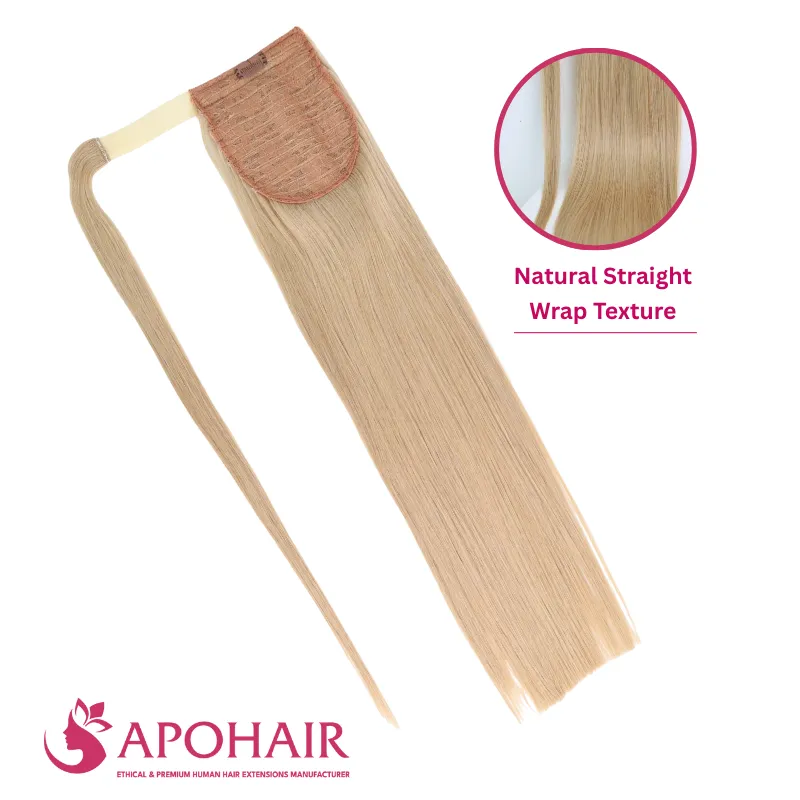
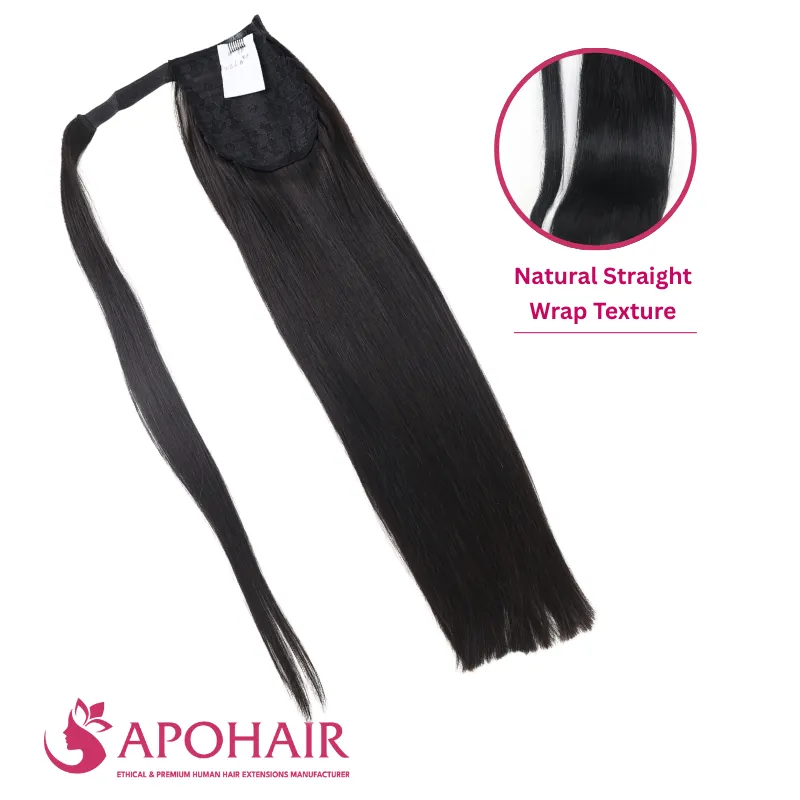
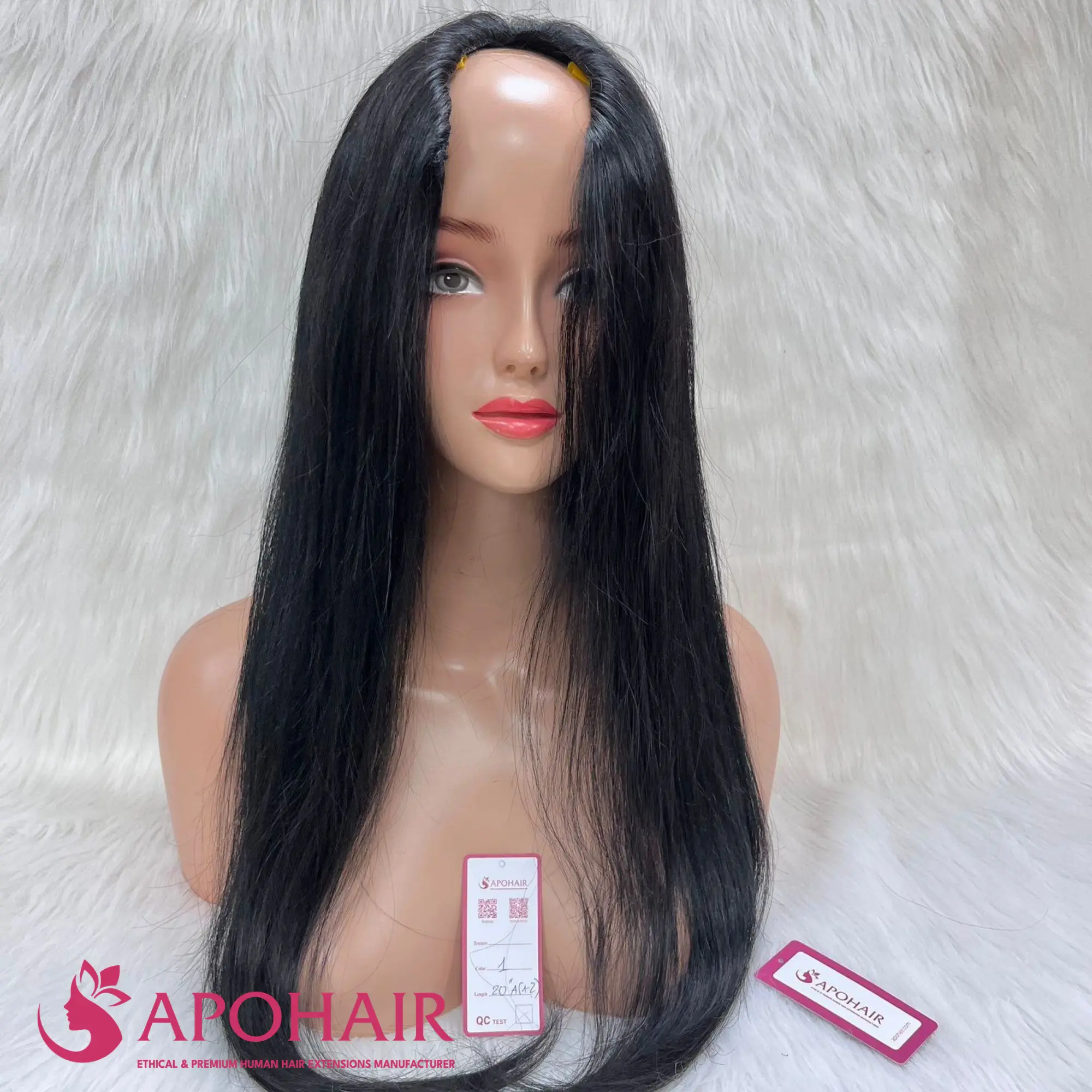
As a wholesale hair extensions factory from Vietnam, APOHAIR manufactures its own hair extensions at a factory in Ninh Binh, Vietnam, and sells to Nigerian distributors at factory price, from $22 to $132 per 100 grams, or ₦29,000 to ₦175,000 at the official rate. The minimum order is 200 grams, and the range covers Nano Ring, I-Tip, Tape-In, Flat-Tip, Weft, and Halo extensions. Two 100-gram bundles therefore open an account at $44 to $264, or ₦58,000 to ₦351,000, depending on the install method and length you choose.
The hair is Vietnamese Virgin and Remy, cut from single donors and kept cuticle-aligned through production. Cuticle alignment stops the tangling that appears on chemically stripped hair around week six, once the silicone coating washes off. APOHAIR also runs OEM and private-label production from the same factory floor, so Nigerian brands can put their own packaging on a factory order.
Delivery to Nigeria takes 3 to 7 days, the window APOHAIR quotes across Africa, and shipments move through DHL, UPS, FedEx, EMS, or cargo depending on order size. In-stock lines leave the factory 1 to 2 business days after payment clears, and payment confirmation itself takes 2 to 3 business days. Counting all three stages, a Lagos buyer should plan 6 to 12 days from transfer to the doorstep. The office works Monday to Saturday and closes on Vietnamese public holidays, which matter most around Tet.
Website: https://apohair.com/
Address:
- Office: Building 3A, Lane 82 Duy Tan, Cau Giay, Hanoi, Vietnam
- Factory: Minh Luong, Yen Luong Ward, Ninh Binh, Vietnam

K-Hair
K-Hair produces Vietnamese human hair extensions for export and sells from $20 to $120, or ₦27,000 to ₦159,000 at the official rate, opening wholesale at 300 grams. The catalogue covers clip-in, tape-in, I-tip, and weft lines, drawn from the same Vietnamese supply base that APOHAIR works from.
Importers past their first year commonly run a second Vietnamese source. A second account gives you a price check on incoming quotes and a fallback during Tet, when most Vietnamese factories close for one to two weeks and lead times stretch across the whole country.
APOHAIR and K-Hair both ship from Vietnam rather than from a Nigerian address, which raises the natural question of whether any Vietnamese factory actually operates on Nigerian soil. 7 Vietnamese hair factories in Nigeria answers that directly and lists the export route each one actually uses to reach Nigerian buyers.
- Website: https://k-hair.com/
- Address: 10a, 171 Nguyen Ngoc Vu, Yen Hoa, Cau Giay District, Hanoi, Vietnam

Hair & Compounds
Hair & Compounds supplies professional extension systems from Van Nuys, California, priced from $40 to $345, or ₦53,000 to ₦459,000 at the official rate, and releasing wholesale terms only to approved trade accounts. The catalogue covers K-Tip, I-Tip, weft, and Remy lines built for stylists who install rather than resell.
To open an account, you apply and wait for approval before any wholesale price appears. Nigerian stylists importing service stock gets fast US dispatch in return, and they pay well above factory level for finished professional inventory.
- Website: http://haircompounds.com/
- Address: 7820 Burnet Ave #A, Van Nuys, CA 91405, USA

The Hair Shop
The Hair Shop organises its catalogue by installation method, grouping hand-tied, tape, fusion, and weft extensions and pricing them from $38 to $120, or ₦51,000 to ₦159,000 at the official rate. That structure lets a salon buy against its service menu instead of against a grade chart.
The company publishes no fixed minimum, so quantity terms come from the account conversation. Ask about the hand-tied line specifically, because Nigerian shops stock hand-tied least often and clients keep it in longer than any other method.
- Website: https://thehairshop.com/
- Address: 137 W 25th St Ground Floor, New York, NY 10001

Suvita Hair
Suvita Hair stocks ready-made tape-in, clip-in, and bulk human hair extensions in New Delhi, selling from $270 to $1,455, or ₦359,000 to ₦1.93 million at the official rate, with wholesale from five bundles. The company supports private label on existing lines and does not run custom production.
That price band sits well above the Vietnamese factories, which is the cost of buying finished inventory instead of commissioning it. The model suits an online seller who needs stock listed this month more than a distributor building a long-term supply line.
- Website: https://suvitahair.com/
- Address: 112,2-A/3, S/F Front Side Kundan Mansion, Asaf Ali Road, Turkman Gate, New Delhi, New Delhi, Central Delhi, Delhi,110002-India

How To Choose A Wholesale Hair Extensions Supplier In Nigeria?
Nigerian buyers settle the supplier question in three steps: Match the sourcing model to order size, pin down four commercial terms, and verify quality on a physical sample. Work the three steps in that order, because order size narrows the shortlist before terms matter, and terms narrow it again before sample testing becomes worth the time.
Step 1: Match the sourcing model to your order size
Order size decides the sourcing model before any other factor does. Below roughly 2kg per order, a Nigerian supplier delivers cheaper than a factory once freight and clearing are counted, and it delivers in days instead of weeks.
Above 2kg, factory pricing takes over and the gap widens with volume. A distributor moving 20kg a quarter buys at a materially lower unit price than a salon buying 2kg, from the same factory and on the same product. Private-label production sits on the factory side only, because none of the five Nigerian suppliers in this list manufactures.
Step 2: Pin down four commercial terms before you discuss price
Four terms decide whether a supplier fits your operation, and all four are worth settling before the price conversation starts.
- Minimum order quantity. Manufacturers set minimums by weight, at 200 grams or 300 grams. Nigerian suppliers set them by unit, at one pack, three pieces, or half a carton. A 300-gram minimum on an untested texture carries more risk than the price gap justifies.
- Restock lead time. Ask how fast a repeat order ships once you hold an account, because your inventory planning runs on that number and not on the first-order timeline.
- Batch consistency. Ask whether batch two will match batch one in colour and texture. A supplier who answers yes without qualifying the answer has not thought about it.
- Replacement terms. Settle what happens when a batch arrives wrong, in writing, before the first order ships.
Step 3: Verify quality on a physical sample
Product photographs show nothing about tangling, shedding, or how hair behaves in week eight. A sample answers most of it in twenty minutes, and four checks cover the failure modes that matter.
- Cuticle direction. Run your fingers down the strand and then up. Smooth downward and rough upward means the cuticles are aligned. Smooth in both directions means an acid bath stripped them, and that hair will tangle once the silicone coating washes off.
- Wet behaviour. Wash the sample twice. Silicone-coated hair feels excellent while dry and turns coarse after the second wash.
- Weft construction. Pull the track. A machine weft should hold under tension, and a hand-tied weft should release no strands from the seam.
- Color in two lights. Check the sample in daylight and under salon lighting. Vietnamese raw hair reads darker in daylight, which causes most colour complaints on a first order.
Landed Cost of Wholesale Hair Extensions Imported into Nigeria
Wholesale hair extensions imported into Nigeria land at roughly 50% above the factory invoice. Nigeria Customs assesses duty on the CIF value, which combines the cost of the goods, the insurance, and the international freight, so your customs bill is always calculated on a figure larger than what you paid the supplier. Statutory charges alone add 30% to 60% on top of CIF across product categories, according to DHL Nigeria.
Landed cost differs from product cost, and the distinction determines your resale margin. Product cost is the amount on the supplier invoice. Landed cost covers the whole journey: goods, freight, insurance, import duty, levies, VAT, clearing, and last-mile delivery to your shop.
Two HS codes apply to hair extensions, and the dividing line is product form rather than material. HS 6703.00.00 covers human hair that has been dressed, thinned, bleached, or otherwise worked but still ships as raw material, which includes bulk hair and wefts not yet fitted with clips or tape. HS 6704 covers finished articles ready to wear, and it is split by material: 6704.20.00 for human hair, 6704.11.00 and 6704.19.00 for synthetic fibre, and 6704.90.00 for animal hair and other materials.
Your clip-in, tape-in, and keratin tip extensions therefore enter Nigeria under 6704.20.00, and your bulk hair enters under 6703.00.00. An order carrying both product forms needs both codes on the same commercial invoice, split by line item.
The split matters for cost, not only for compliance. Nigeria applies the ECOWAS Common External Tariff, which sorts imports into five bands at 0%, 5%, 10%, 20%, and 35%. The CET places raw materials in the lower bands and finished consumer goods in the 20% band, so a consignment of bulk hair and a consignment of finished tape-in extensions can attract different duty rates on the same shipping route.
A misclassified consignment turns a two-day clearance into a two-week one, and demurrage runs while the entry is corrected.
Two exchange rates apply to the same order, and both cost you money. Nigeria Customs converts your CIF value at the official NFEM rate published by the Central Bank of Nigeria, which stood at ₦1,329.43 on 1 September 2026. You buy your dollars closer to the parallel-market rate, quoted between ₦1,400 and ₦1,415 on that same day. That gap of roughly 6% sits on top of every charge in the table below, and it never appears on any supplier quote.
Three further charges apply on top of the duty itself:
| Charge | Calculated on | Rate |
| Import duty | CIF value | Per HS code band |
| Unified FOB levy | FOB value | 4% |
| ECOWAS levy (ETLS) | CIF value | 0.5% |
| VAT | CIF plus duty and levies | 7.5% |
The unified 4% FOB levy replaced two older charges, the 1% CISS fee and the 7% cost-of-collection surcharge. Nigeria suspended the levy in September 2025 and Customs has since moved to reintroduce it, so confirm the current position with your clearing agent before every shipment.
Worked example on a $1,000 FOB order with $150 freight and insurance:
CIF value comes to $1,150. Import duty at the 20% band adds $230, the 4% FOB levy adds $40, and ETLS adds $5.75. VAT at 7.5% applies to the running total of $1,425.75 and adds $106.93.
Statutory charges total $382.68, or ₦509,000, and landed cost before clearing comes to $1,532.68, or ₦2.04 million at the official rate. Your wholesale hair extensions now cost 33% more than CIF and 53% more than the FOB price you agreed with the factory. With the FOB levy suspended, the same order lands at $1,489.68, or ₦1.98 million.
Your actual Naira outlay runs higher than that, because the two rates hit different parts of the bill. Customs assesses the ₦509,000 in charges at the official rate, and you buy the $1,150 you send abroad at the parallel rate of ₦1,405, which costs ₦1.62 million rather than ₦1.53 million. Total cash out reaches roughly ₦2.12 million, about ₦87,000 above the official-rate figure.
Clearing sits outside both numbers. On an air express consignment the courier usually handles the entry and charges a disbursement fee. On a freight consignment you appoint a licensed agent, and Nigerian customs brokers charge $200 to $500 per shipment, or ₦266,000 to ₦665,000. Storage runs free for three to five business days at Nigerian ports and airports, after which demurrage starts, so late paperwork costs more than the duty it delays.
Hold that 53% against every local quote you compare. A factory price 40% below the Lagos market rate does not survive it, and a factory price 60% below survives comfortably, which is the margin distributors import on.
That 53% markup applies across install methods, not only to the ten suppliers compared here. Once landed cost is priced in, the sourcing decision comes down to which system your salon actually installs, and wholesale hair extensions vendors breaks that comparison down by tape-in, keratin tip, weft, and clip-in method instead of by country.
How to Order Wholesale Hair Extensions in Nigeria?
Nigerian buyers order wholesale hair extensions in three stages: write the product specification, price the full order at landed cost, and lock the commercial and logistics terms. Most first-order problems trace back to a specification that was never written down.
Write the specification before you request quotes
To receive comparable quotes, send every supplier on your shortlist the same four-line specification. Four details carry the price:
- Install method: Name the system you need, such as Tape-In, I-Tip, Nano Ring, Weft, or hand-tied. Production time per gram differs sharply between methods, and it moves the price more than any other variable.
- Length: Give the figure in inches. Longer pieces carry more grams, and the price scales with weight.
- Texture: Name the pattern, such as straight, body wave, deep wave, or curly.
- Color: Give a natural shade number, or attach a reference photograph taken in daylight.
Quotes only compare when the inputs match, so send the identical specification to every supplier on the same day.
Sample first, then price the full order
Order a sample before any bulk purchase and test it the way your client will use it. Wash it twice, heat-style it, and leave it for a week. Twenty dollars of samples protects a two-thousand-dollar order.
When the quotes arrive, convert every currency to Naira at the same rate on the same day. Suppliers quote in USD, EUR, and GBP, and comparing across currencies at rates pulled a week apart produces a false winner. Then add the landed-cost stack from the section above to every international quote before you rank it against a Lagos quote.
Lock payment, shipping, and documents
Confirm five items in writing before the first payment leaves your account.
- Payment method and split: Agree on the deposit percentage, the balance timing, and the channel. Nigerian buyers commonly pay international suppliers through a domiciliary account transfer or a card with an international limit, and payment failure at the deposit stage breaks more first orders than any other single issue.
- Shipping method: Choose air express for speed and air freight for volume. Sea freight rarely suits hair, because the value-to-weight ratio does not justify six weeks in transit.
- Documents: Require a commercial invoice showing the net weight and the correct HS code on every line, because an order mixing bulk hair and finished extensions carries two different codes. Add a packing list and an airway bill. Commercial consignments above the Customs threshold also need a Form M and a Pre-Arrival Assessment Report, and both must be in place before the shipment arrives. Request a Certificate of Origin even where no tariff preference applies, because it settles origin questions during examination.
- Clearing: Name the agent, yours or the supplier’s, and agree on the fee before the goods fly.
- Replacement terms: Put the remedy for a wrong batch in writing before payment.
Red Flags When Vetting a Wholesale Hair Extensions Supplier
Most losses on a wholesale hair extensions order are avoidable, because the warning signs appear before payment leaves your account. Seven checks catch nearly all of them, and each one takes a Nigerian buyer under five minutes to run.
- The business address does not resolve: Search it. A supplier with a Trade Fair shop number or a factory address you can find on a map has something to lose from a bad order, and an Instagram handle does not.
- The supplier accepts only personal account transfers: A wholesale business operating at volume holds a business account. Insistence on a personal account is the strongest single reason to walk away.
- The supplier refuses to send a sample: Charging for a sample is a normal practice. Refusing to send one at any price means the supplier does not want you handling the product before you have paid.
- The price sits far below every other quote: Human hair carries a raw material floor. A price 50% under market usually means synthetic fibre blended into the bundle, or hair collected from brushes and mechanically aligned instead of cut from a single donor.
- The supplier cannot say where the hair came from: “Vietnamese hair” is a label. Ask whether it was cut single-donor and whether it has been chemically processed, and listen for a specific answer.
- Technical questions go unanswered: Ask about weft width, drawn grade, or silicone coating. A supplier who deflects a technical question does not know the product well enough to stand behind it.
- The price expires in 24 hours: Wholesale pricing does not work that way. Urgency in a wholesale conversation is a closing technique.
FAQ
Where can I buy wholesale hair extensions in Nigeria, and which supplier is best?
You can buy locally from Lush Hair Nigeria, Amizzy Hair World, Hair.com.ng, Royal Hairs, and Lareina Hairs, or import from APOHAIR, K-Hair, Hair & Compounds, The Hair Shop, and Suvita Hair. No single supplier is best for every buyer, because order size decides the answer.
Below roughly 2kg per order, a Nigerian supplier wins on total cost once freight and duty are counted. Above 2kg, a factory wins and keeps winning as volume grows. Private-label buyers have no decision to make, because none of the five Nigerian suppliers manufactures.
How much do wholesale hair extensions cost in Nigeria?
Local packs start at ₦2,350, premium local lines run past ₦525,000, and Vietnamese factory pricing runs from $22 to $132 per 100 grams at APOHAIR, or ₦29,000 to ₦175,000, before shipping and duty. Four variables move the price independently.
- Origin. Vietnamese and Indian hair carry different prices at the same grade.
- Grade. Virgin and Remy hair price above processed hair, because the cuticle stays intact and the hair holds colour through repeated washing.
- Install method. A hand-tied weft takes longer to produce per gram than a machine weft.
- Length and weight. Price tracks grams. A 24-inch bundle costs more than an 18-inch bundle because it holds more hair.
Add roughly 50% to any FOB quote to reach the true landed cost in Nigeria.
What is the minimum order for wholesale hair extensions in Nigeria?
Nigerian suppliers open wholesale at one pack to half a carton, and Vietnamese manufacturers open at 200 to 300 grams. The two sets of figures do not compare directly, because manufacturers price by weight and local suppliers price by unit.
Two hundred grams comes to two 100-gram bundles, which opens a first factory account at $44 to $264, or ₦58,000 to ₦351,000. Minimum order quantity therefore rarely decides the sourcing model. Freight and duty decide it.
Which HS code applies to hair extensions imported into Nigeria?
Finished extensions enter under HS 6704.20.00 when made of human hair, and bulk hair or unfitted wefts enter under HS 6703.00.00. Product form decides the code, and material decides the subheading within 6704.
- 6703.00.00 covers human hair dressed, thinned, bleached, or otherwise worked but still in raw-material form.
- 6704.20.00 covers finished articles of human hair, including clip-in, tape-in, and keratin tip extensions.
- 6704.11.00 and 6704.19.00 cover finished articles of synthetic textile fibre.
- 6704.90.00 covers finished articles of animal hair or other materials.
Give your clearing agent the code for each line on the invoice before the shipment leaves, because Customs holds a consignment while a wrong entry is corrected and demurrage runs during the hold.
Delivery from Vietnam to Nigeria takes 3 to 7 days, and the full timeline from payment to doorstep runs 6 to 12 days. Three stages make up the difference, and buyers who plan only for the transit window miss two of them.
- Payment confirmation: 2 to 3 business days after the transfer arrives.
- Order processing: 1 to 2 business days for in-stock lines, longer for custom production.
- Transit: 3 to 7 days for Nigeria, the same window that Vietnamese factories quote across Africa.
Vietnamese factories work Monday to Saturday and close on national holidays, so orders placed before Tet need two extra weeks of buffer. Customs clearance at Lagos sits outside all three stages and depends on your paperwork.
Can I pay an international hair supplier from a Nigerian bank account?
Yes, Nigerian buyers pay international hair suppliers through PayPal, Visa or Mastercard, money transfer services, or a domiciliary account transfer. Confirm the route with your bank and with the supplier before you agree on terms, because first orders stall at this stage more than at any other.
Fees vary by channel and they are worth checking. APOHAIR, for example, charges nothing on PayPal, direct card payment, or transfers through Wise, Western Union, MoneyGram, RIA, and XOOM, and charges $15, roughly ₦20,000, on a bank transfer. On a 200-gram opening order, that ₦20,000 is a real percentage of the invoice.
Ask any supplier which channels they have actually received Nigerian payments through, and not which channels they list. A supplier holding existing Nigerian accounts answers that question specifically.
Conclusion
Order size decides the supplier. Below roughly 2kg per order, Nigerian suppliers deliver lower landed cost and faster delivery. Above 2kg, factory sourcing takes the cost advantage and holds it as your volumes grow.
The buying sequence stays the same on either side. Send one written specification to every supplier on your shortlist, test a sample before you buy in volume, and price every imported quote at landed cost instead of at FOB. The specification and sample steps carry over even outside Nigeria’s customs math, so a shortlist that grows past these ten names, drawn from the wider pool of wholesale human hair vendors worldwide, still gets vetted the same way before landed cost enters the picture.
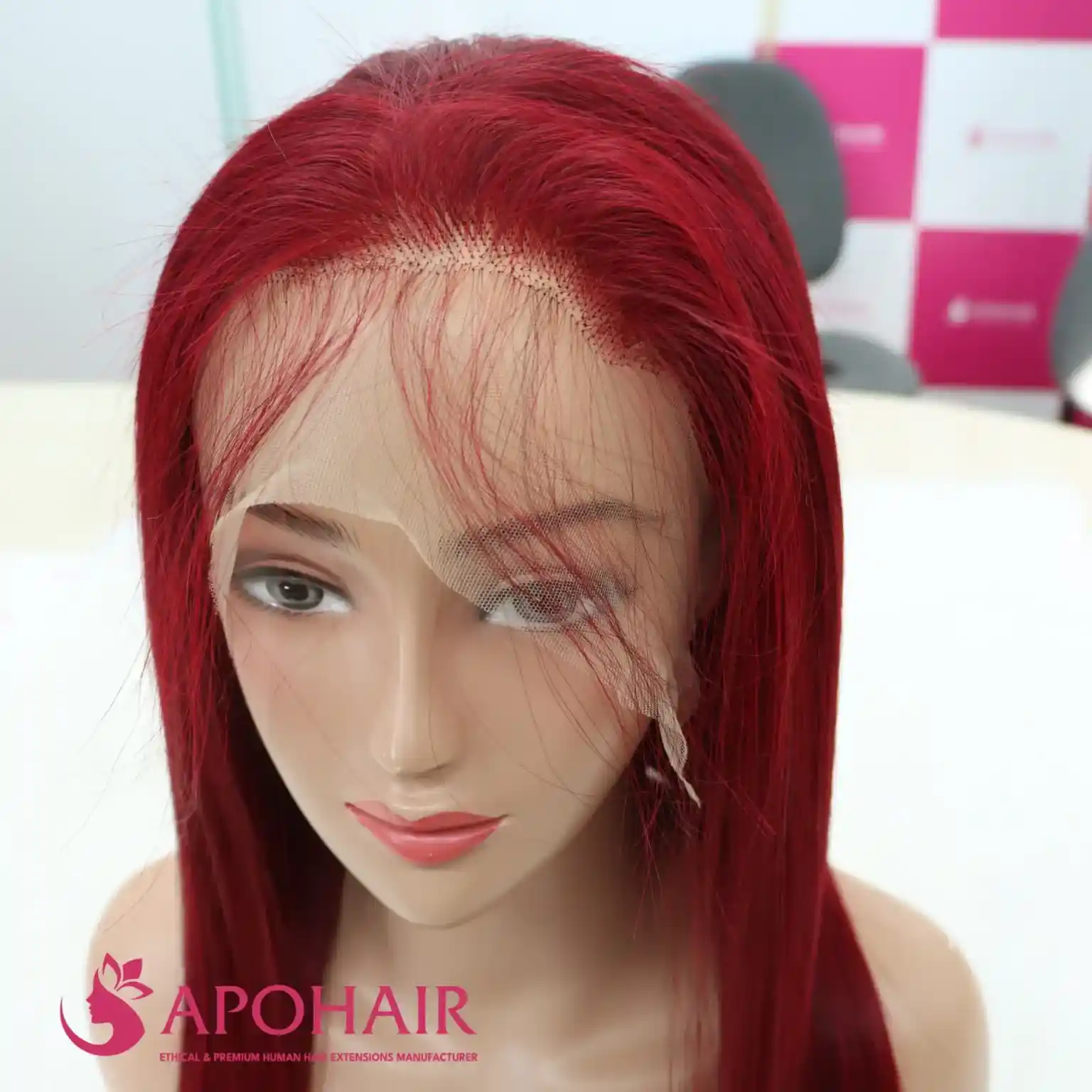
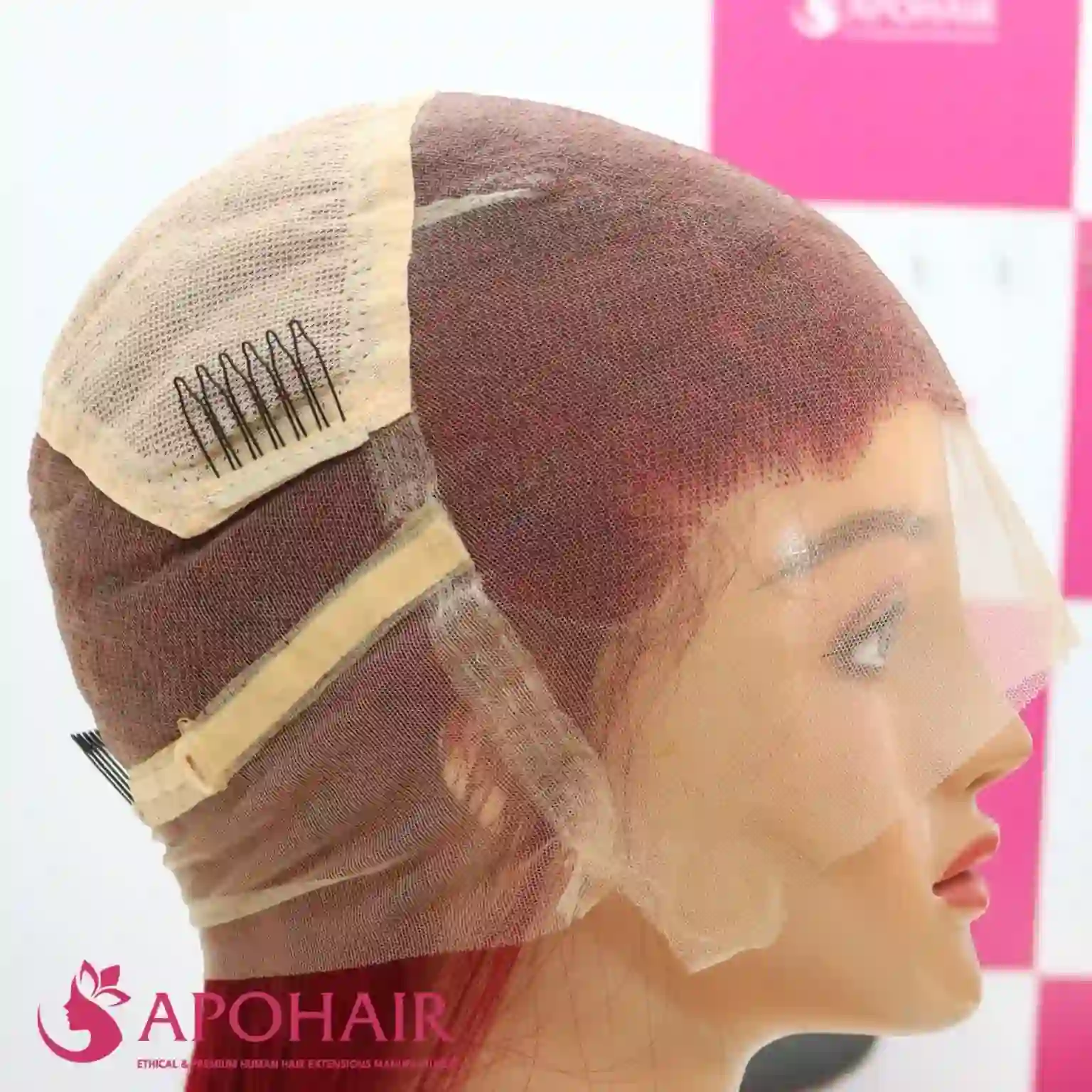
APOHAIR manufactures Nano Ring, I-Tip, Tape-In, Flat-Tip, Weft, and Halo extensions in Vietnamese Virgin and Remy hair, runs OEM and private-label production, and ships to Nigeria direct from its own factory. Minimum order is 200 grams, the same threshold that opens the standing catalogue where Nigerian buyers buy wholesale human hair extensions by method and length ahead of a custom specification.
Send us your specification, covering install method, lengths, colours, and density, and we will quote it with the shipping option that fits your order size.
APOHAIR — ETHICAL & PREMIUM HUMAN HAIR EXTENSIONS AND WIGS MANUFACTURER
- Address: Building 3A, Lane 82 Duy Tan, Cau Giay, Hanoi, Vietnam
- Factory: Minh Luong, Yen Luong Ward, Ninh Binh, Vietnam
- WhatsApp: +84 862 132 366
- Email: [email protected]
- Website: https://apohair.com/
