









2B vs 2C Hair: How to Identify Your Natural Curl Pattern Correctly
If your hair has those S-shaped waves that start halfway down and stay flat at the top, you’ve got 2B hair. But if your waves are tighter, start right at the roots, and tend to get frizzy or look really full, that’s 2C. It all comes down to the shape of your follicles. Basically, they decide how your hair grows out and how much it bends. Since 2C hair grows from oval-shaped follicles, it feels a bit thicker and rougher than 2B. Because 2C hair bends so much near the scalp, it’s harder for natural oils to reach the ends, which is why they often get dry. Meanwhile, 2B hair lets those oils move down much more easily. 2C hair also has tons of natural lift at the crown, so you get that big, bouncy look even without using any products.
This post shows you the main differences between 2B and 2C hair when it comes to moisture, volume, frizz, and shine. You’ll figure out which wave type matches your daily life, how to pick the best extensions for your look, and how APOHAIR can help you hit your hair goals.

What Are the Differences Between 2B vs 2C Hair?
2B hair has these S-shaped waves that start halfway down, so the hair stays pretty flat at the top. But with 2C hair, the waves are tighter and start right at the roots. This makes it look much fuller, though it does get frizzy more often. You can check out the table below to see how these two wavy types stack up in five areas: hair structure, oil distribution, volume, frizz, and shine.
| Aspect | 2B Hair | 2C Hair |
| Hair Structure and Follicle Shape | Grows from a mildly oval follicle; produces a relaxed S-wave from the mid-shaft down | Grows from a more oval-to-asymmetrical follicle; produces a tighter wave starting at the root |
| Oil and Moisture Distribution | Sebum travels more easily toward mid-lengths; ends stay moderately moisturized | Tight root-level bends block sebum migration; ends tend to be drier |
| Volume | Moderate volume; wave starts mid-shaft, leaving roots flatter | High natural volume; root-level waves create lift and fullness at the crown |
| Frizz | Lower frizz tendency; cuticle lies relatively flat between wave peaks | Higher frizz tendency; raised cuticle along the full strand absorbs atmospheric moisture |
| Shine | Higher natural shine; flatter cuticle reflects light more directly | Lower natural shine; irregular cuticle scatters light in multiple directions |

Hair Structure and Follicle Shape
Your hair structure and follicle shape are what really make the difference. 2B hair comes from a slightly oval follicle, which gives you those medium-width waves. But with 2C hair, the follicle is more asymmetrical, so the waves are tighter and start much closer to your scalp.
With 2B, you get those relaxed S-waves that mostly show up from the middle of your hair down to the ends, while the roots stay pretty flat. 2C hair is a whole different story. The follicle shape forces the hair into tight waves right from the start. Basically, the shape of your follicles decides the angle your hair grows at and how much it bends. The more uneven the follicle is, the thicker and rougher the hair feels. Because of that, 2C hair usually feels a bit coarser and heavier than 2B hair.

Oil and Moisture Distribution
Because 2B hair has a looser wave, natural oils from your scalp can travel down to the ends much more easily. On the other hand, the tight bends at the roots of 2C hair slow everything down, which often leaves the ends dry and thirsty for moisture. With 2B hair, the oil moves at a steady pace and reaches the middle of your hair without much trouble. This helps keep your strands feeling soft and healthy between washes. 2C hair is a bit different.
Those tight waves at the top act like speed bumps, stopping the oil from moving down to the tips. That is why 2B hair stays hydrated at the ends more naturally than 2C hair. Since the oils can’t really reach the bottom of 2C strands, you’ll probably find yourself needing to use a deep conditioner quite often to keep your waves looking good.

Volume
2C hair naturally has much more volume than 2B hair. Since the waves start right at the roots, you get that nice lift and fullness at the top of your head without even trying or using any products. It looks way fuller because the wave pattern goes from the scalp all the way down to the ends. Basically, how much body your hair has depends on where the waves start. A root-level wave like 2C gives you a lot more bounce than 2B waves, which only start halfway down.
Now, if you’re wondering about 2A hair, it’s a bit of a different story. 2A hair can only get that kind of volume if you use volumizing sprays, try specific root-lifting tricks, or use a diffuser. On its own, its natural wave just doesn’t have the same built-in fullness that 2C hair has.

Frizz
2C hair gets frizzy much more often than 2B hair. This happens because its tight waves stop the hair surface from staying flat, so each strand ends up soaking up moisture from the air. When it’s humid outside, 2C hair frizzes up even faster. Since the waves go from the roots all the way to the ends, the outer layer of the hair stays open, which lets damp air get inside and make the strands swell.
For 2B hair, frizz usually just comes from being a bit dry or having too much product on it. But for 2C, it’s a mix of being dry and the fact that the hair surface just can’t stay smooth around those tight bends. With 2B hair, the surface can stay pretty flat between the waves. However, with 2C, that outer layer stays lifted the whole way down because the waves are so tight and happen so frequently.

Shine
2B hair usually looks shinier than 2C hair. This is because the surface of 2B hair stays flatter, which lets light bounce off it more easily and evenly. Since the waves in 2B hair are more relaxed, the outer layer of the hair can stay smooth, creating a perfect surface to reflect light. How your hair reflects light depends a lot on how smooth that outer layer is.
With 2B hair, the surface sits flat between the waves, so the light reflects in one direction. But with 2C hair, the surface is a bit rough and uneven, so the light scatters everywhere and makes the hair look less shiny. The good news? You can still get 2C hair to look just as shiny. All you need to do is use some lightweight hair oils or shine serums. These products help smooth down the hair surface so the light reflects better.

Can You Change 2B Hair to 2C Hair?
The short answer is no, you can’t permanently change 2B hair into 2C. This is because your wave pattern depends on the shape of your follicles, which comes from your genetics and can’t be changed by any treatment. However, you can definitely make 2B hair look like 2C for a little while. You can try using a curl cream and a diffuser, coiling the hair with your fingers, or scrunching in some strong gel while your hair is still soaking wet. Just remember that these changes only last until your next wash, or until the humidity and touching your hair make the waves loosen up.
Trying to make 2B waves tighter with chemicals or perms can be pretty risky. It can lead to damaged hair, dryness, and breakage, especially if your hair is already colored or quite fine. Usually, styling 2B hair to get that 2C look takes about 20 to 45 minutes, depending on how thick your hair is and what you do. Once you wash it, your hair goes right back to its natural shape, because no styling trick can change the follicles you were born with.

Which Hair Type Is Right for You: 2B or 2C Hair?
Picking between 2B and 2C hair really depends on your daily life, how much time you want to spend on your hair, your face shape, and where you live. 2B hair is great if you want something easy to look after and flexible. 2C hair is better if you love big, bouncy waves and don’t mind following a specific routine. Here are a few things to think about:
- Face shape: If you have an oval, heart, or square face, 2B hair usually looks amazing because the waves start lower down and frame your face softly. 2C hair is a perfect match for long or diamond face shapes since it adds extra width and volume at the top.
- Climate: 2B hair is much easier to deal with if you live somewhere humid because the loose waves don’t react as much to the damp air. On the other hand, 2C hair in the humidity needs stronger products and a lot more care to stop it from frizzing up.
- Daily maintenance: 2B hair works well with light products, dries quickly, and is easy to style with heat or a blow-dryer. 2C hair is a bit more demanding and usually needs you to layer different products or use strong-hold gels to keep the waves in place.
- Active lifestyle: 2B hair doesn’t get frizzy as easily when you sweat or move around. Plus, it’s way easier to fix up between wash days than 2C hair.
- Fine hair: If your hair is quite thin, 2B is definitely the way to go because the loose waves won’t weigh your hair down. 2C hair needs heavier products and has more density, which might actually make fine hair look flat instead of full.

2B vs 2C Hair Extensions: Which One Should You Choose?
Most people find 2B extensions easier to handle and blend for daily wear. If you’re after big volume and bounce, 2C is your best bet. 2B stays in great shape with just light products and dries fast. 2C is a bit more work because the tight waves react to damp air, so you’ll need to style them more often to keep them fresh.
Choosing the right hair is about more than style, it’s how you get clients to come back. Whether it’s 2B or 2C, the waves look best when the hair comes from one donor with all the cuticles facing the same way. This helps the pattern stay perfect wash after wash.
At APOHAIR, we don’t use the 1A to 4C typing system for our extensions. Instead, we have textures like Natural Wave and Body Wave with a similar wave to 2B, and Body Wave and Deep Wave with a similar wavy texture to 2C, providing salons with a consistent supply of the best quality.
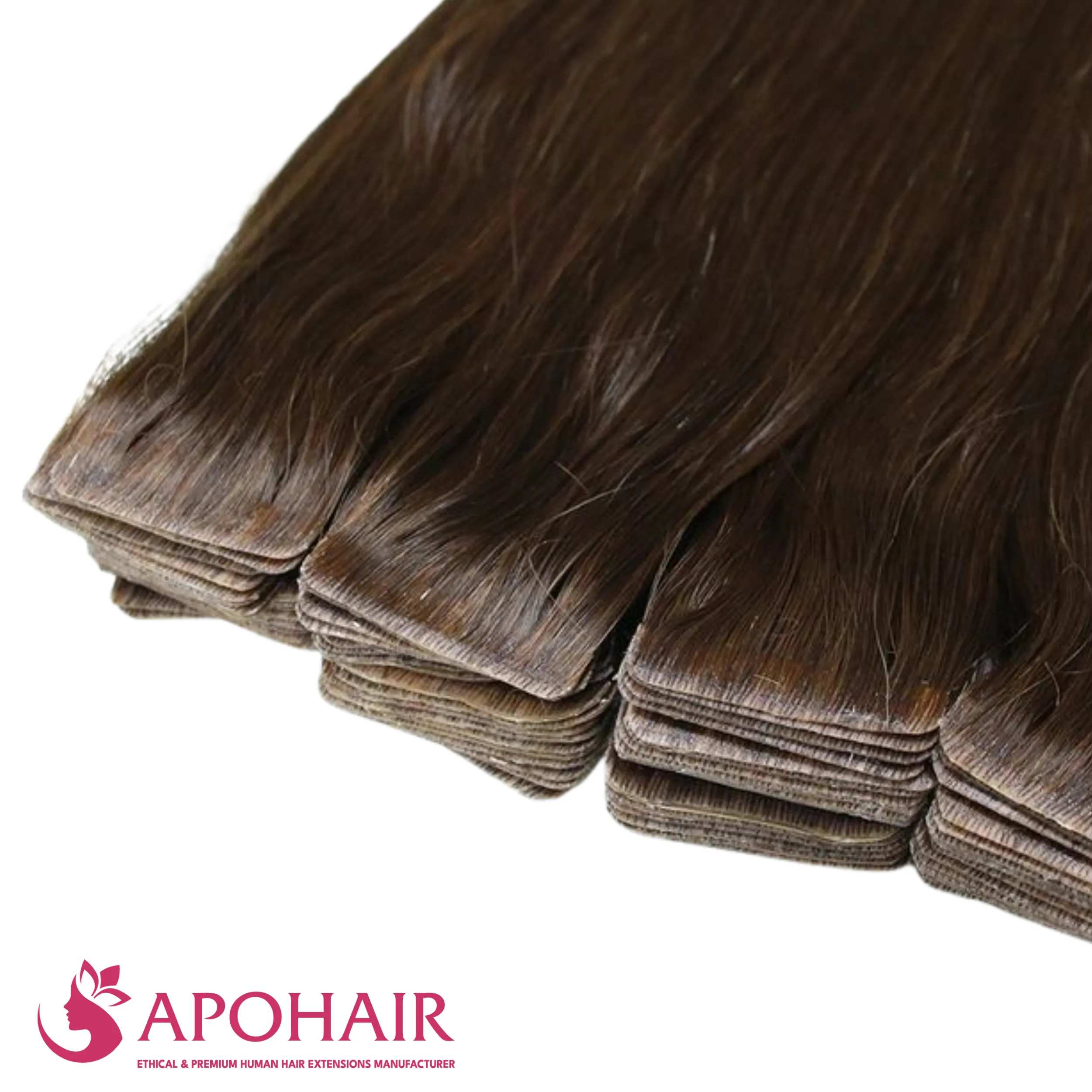
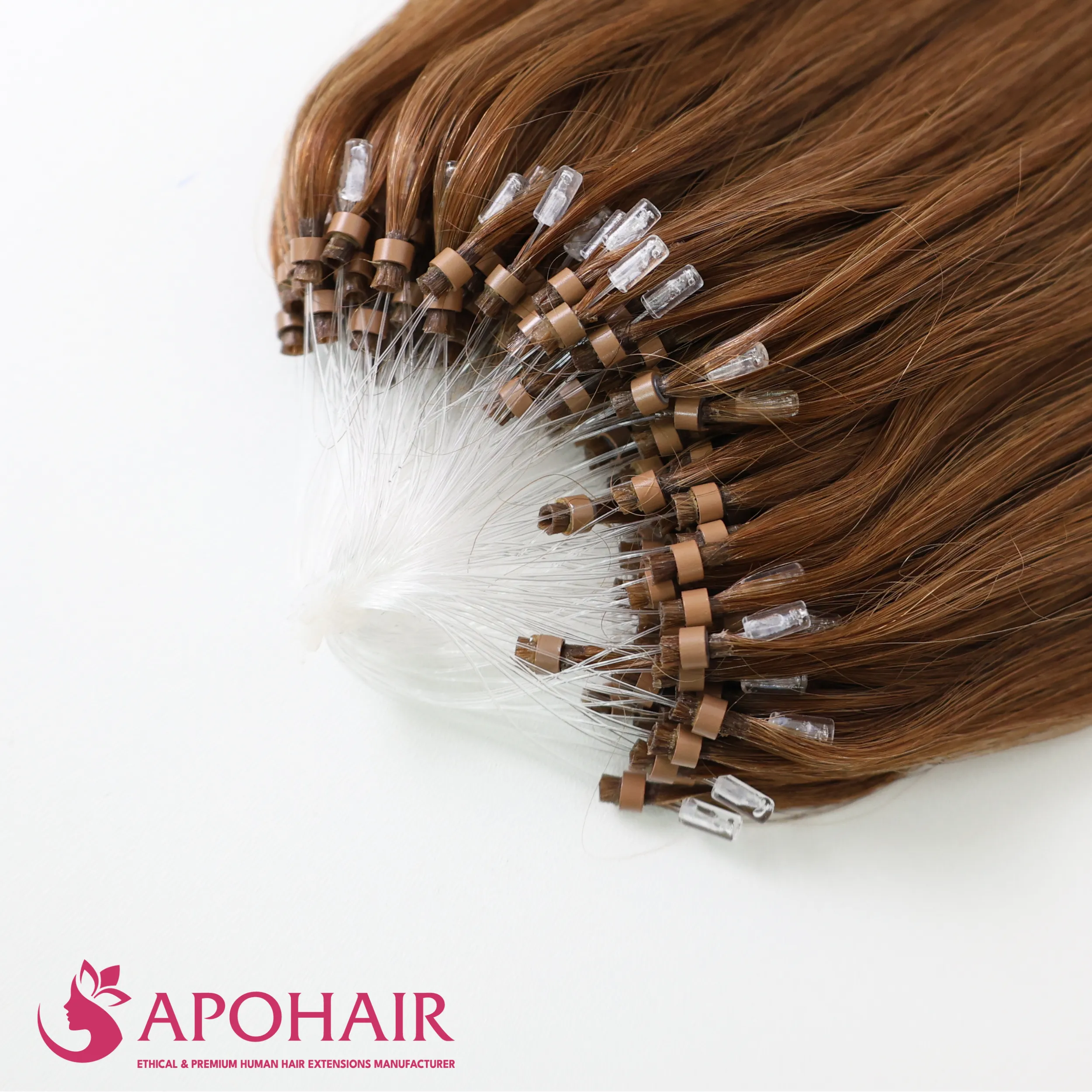
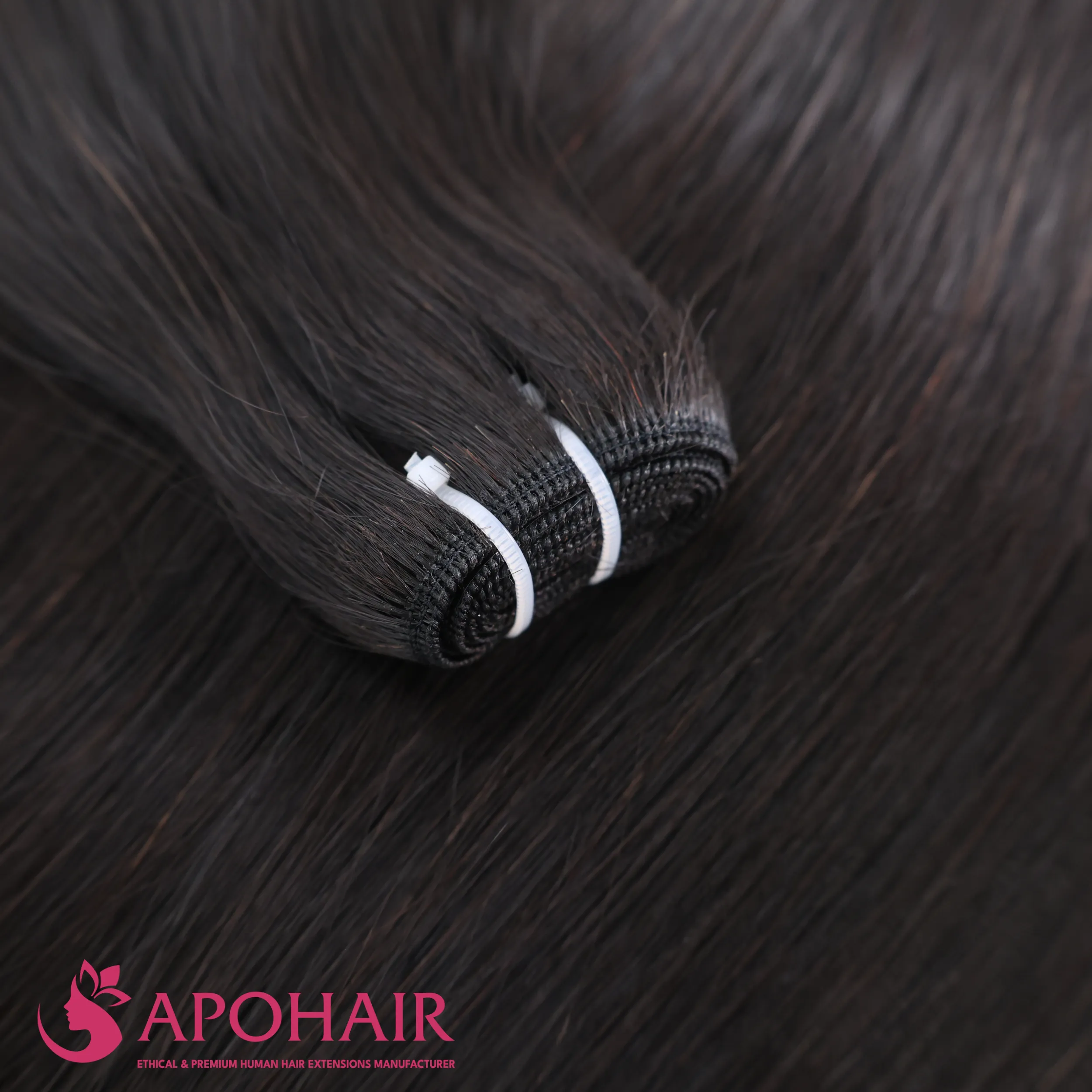
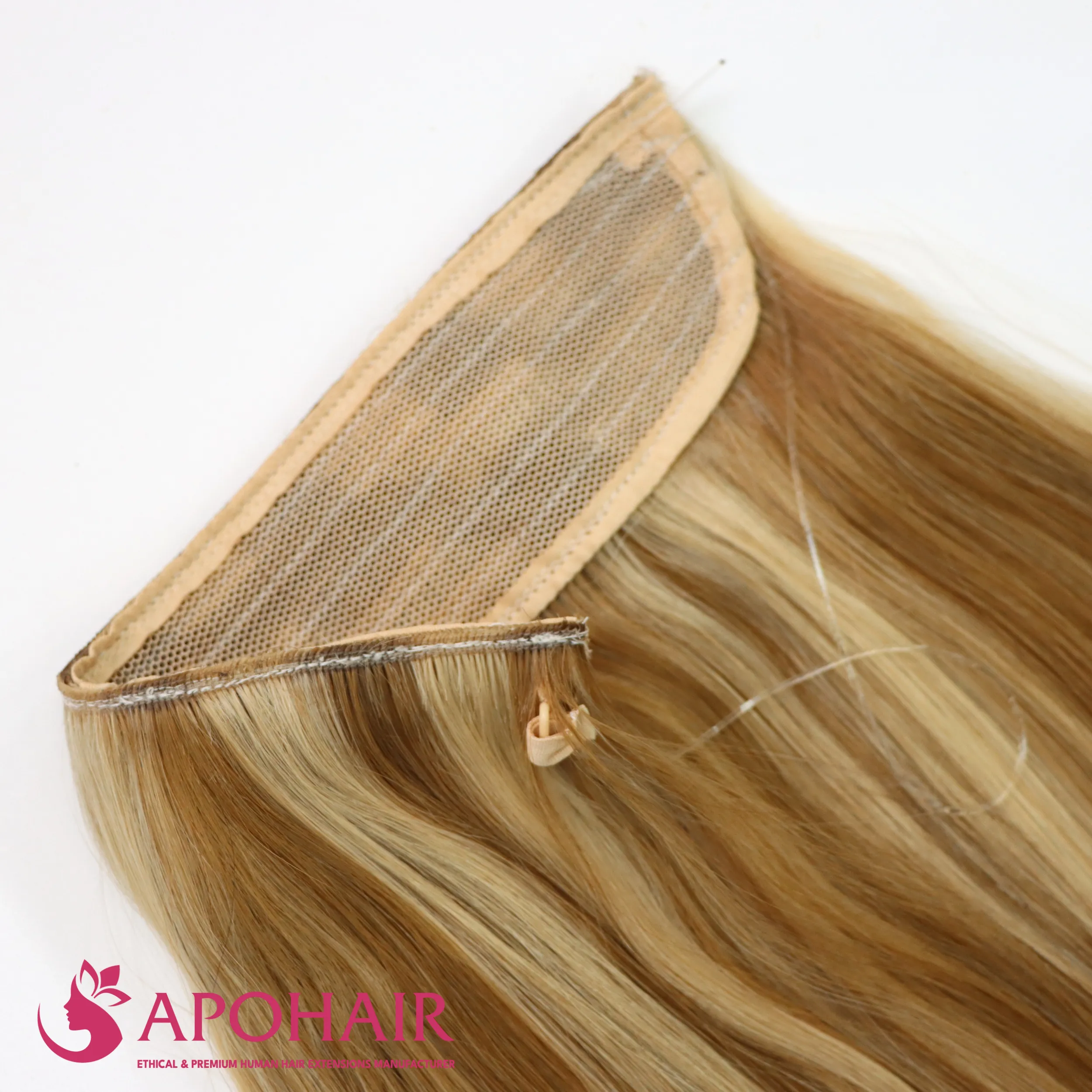
Whether it’s for a bride, a photoshoot, or a seasonal change, these extensions get the job done. They come in every format, from wefts to halos, and you can customize the length, color, and wave density to fit any need of your clients.
Here is what backs that claim:
- 100% Vietnamese Human Hair: Single-donor collection for consistent texture and color. Intact cuticle layer accepts color better than Indian or Chinese hair.
- Cuticle-Aligned Technology: All cuticles face the same direction, which eliminates tangling and matting.
- Ethical Sourcing: Direct collector network in Vietnamese villages with fair compensation verified at every step.
- Factory-Direct Pricing: No middlemen. Wholesale rates 30 to 40% below retail market.
- 15+ Year Track Record: 700+ well-trained, skilled workers dedicated to production and support.
- State-of-the-Art Manufacturing: A 33,000 m² factory in Ninh Binh Province, Vietnam, featuring modern production lines.
- Global Distribution: Ships to US, UK, EU, Australia, Africa, and Asia within 24 hours of order confirmation.
- Quality Guarantee: 7-day warranty with free replacement policy on every order.
APOHAIR transforms authentic raw Vietnamese hair into premium extensions trusted by salon owners and wholesalers worldwide. Our commitment: global leader in the hair industry through ethical practices, manufacturing excellence, and customer success.
Ready to source wholesale wavy hair extensions for your salon or business? Contact APOHAIR today for wholesale pricing and samples.
APOHAIR ETHICAL & PREMIUM HUMAN HAIR EXTENSIONS MANUFACTURER
- Address: Building 3A, Lane 82 Duy Tan, Cau Giay, Hanoi, Vietnam
- Factory: Minh Luong, Yen Luong Ward, Ninh Binh, Vietnam
- Phone number: (+84) 862 132 366
- Email: [email protected]

FAQ Related to 2B and 2C Hair
Can 2B Hair Become 2C Hair Naturally?
No, 2B hair cannot become 2C hair naturally because wave pattern is genetically determined by follicle shape. Hormonal changes, pregnancy, or certain medical conditions can alter texture over time, and a 2B pattern may tighten slightly in rare cases, but a full shift to true 2C is uncommon.
Is 2C Hair Harder to Maintain Than 2B Hair?
Yes, 2C hair is generally harder to maintain than 2B hair. Its tighter root-level waves require more targeted product layering, stronger hold gels, and more consistent deep conditioning to manage frizz and retain moisture. 2B hair responds well to lighter routines and forgives low-effort days.
Can You Get 2C Hair Extensions if Your Hair Is Naturally 2B?
Yes, you can wear 2C-texture extensions on naturally 2B hair. For the best blend, a stylist can apply a light curl-enhancing product or diffuse your natural hair before attaching the extensions. APOHAIR’s Water Body Wavy and Deep Wavy extensions blend well over 2B hair when styled correctly, giving a fuller result without altering your natural pattern.
Outro
2B and 2C hair differ in follicle shape, oil distribution, volume, frizz, and shine. 2B hair offers a looser wave with easier upkeep. 2C hair delivers more volume and definition but needs a stronger care routine. Your face shape, climate, lifestyle, and hair density help determine which type works best.
For those seeking wavy hair extensions in either texture, APOHAIR offers 100% cuticle-aligned Vietnamese human hair in Natural Wavy, Body Wavy, Water Body Wavy, and Deep Wavy textures across all extension formats. Contact [email protected] to request samples.
APOHAIR ETHICAL & PREMIUM HUMAN HAIR EXTENSIONS MANUFACTURER
- Address: Building 3A, Lane 82 Duy Tan, Cau Giay, Hanoi, Vietnam
- Factory: Minh Luong, Yen Luong Ward, Ninh Binh, Vietnam
- Phone number: (+84) 862 132 366
- Email: [email protected]
