









2C Hair Type Guide: How to Maintain Healthy Wavy Curly Hair Naturally
2C hair is the waviest kind in the Type 2 group. You can tell it’s 2C because those S-shaped waves start right at the roots and sometimes turn into little spirals at the ends. It’s basically the middle ground where wavy hair starts looking curly. Since the waves are tighter, 2C strands don’t stay as flat as 2A or 2B, so they tend to get frizzy more often when it’s humid outside. For a good routine, try washing your hair with a sulfate-free shampoo about 2 or 3 times a week. Always use conditioner, put your styling products on while your hair is still soaking wet, and dry it with a diffuser or a microfiber towel.
This guide covers 2C hair identification, key characteristics, the difference between 2C, 2B, and 3A, a step-by-step care routine, the best haircuts and hairstyles, and how APOHAIR’s extension textures match the 2C wave pattern for salon professionals and wholesale buyers.

What Is 2C Hair Type?
2C is the waviest of them all, In the whole “Type 2” wavy hair family. You’ll notice these clear S-shaped waves that start right at your roots and sometimes even turn into little spirals at the ends. It’s basically that sweet spot where wavy hair is just about to become curly. Just to give you a quick idea of how the hair system works: Type 1 is straight, Type 2 is wavy, Type 3 is curly, and Type 4 is coily. Since 2C is at the very top of the wavy category, it’s the most defined look you can get before you’re officially in “curly hair” territory.
The main thing that makes 2C stand out is where the waves start. Unlike 2A or 2B hair, where the waves might kick in halfway down, 2C waves show up right at the scalp. They follow a solid S-pattern all the way down, and some pieces might even look like ringlets at the bottom. The cool part is that these waves stay put even if you don’t use any products. While other wavy types might look almost straight if you just leave them alone, 2C hair definitely keeps its shape.

Key Characteristics of 2C Hair Type
If you’re trying to figure out if you have 2C hair, here are the main things you’ll notice:
- The Wave Pattern: You have distinct S-shaped waves that go from your roots all the way to the tips. Your hair starts waving immediately at the scalp, which gives you a lot of built-in lift and body right from the start.
- Frizz Factor: This hair type is a total magnet for frizz. Because the waves are tighter and the strands don’t lay smooth, more of the hair is exposed to the air, making frizz a constant companion if you don’t use enough moisture.
- The Shrinkage: Your hair has a lot of “bounce back.” It usually shrinks about 20% to 30% when it goes from wet to dry. For medium-length hair, that means it can look about 2 to 3 inches shorter once it’s dry.
- Where the Volume Is: You get tons of natural volume throughout your entire head. Since the waves start right at the root, your hair stays lifted and full through the whole length rather than looking flat at the top.
- How it Dries: Your waves form into medium-sized clumps that are much more defined than other wavy types. Toward the ends, those waves often tighten up and can even turn into loose, spiral shapes. Without the right products to hold them in place, these waves can lose their shape or look a bit messy.

How to Identify 2C Hair Type at Home?
To identify 2C hair type at home, just wash your hair, don’t put any product in it, and let it air dry. Check to see where the waves start, how defined they are, and if your strands make an “S” shape right from the roots. A solid way to test this is to use a gentle shampoo, skip the styling cream or gel, let it dry 100%, and see how it looks. When 2C hair is wet, it usually clumps into thick, wavy sections right away. Once it’s dry, it keeps those “S” waves throughout, which is different from 2A or 2B hair that might end up looking a bit straighter or looser without product.
The main thing to look for is that the wave should start about half an inch from your scalp, not halfway down the hair. That wave starting at the root is the biggest giveaway. 2C is different from 2B because 2B waves usually start in the middle of the hair and look a lot more relaxed. It’s also different from 3A because 3A hair forms actual bouncy ringlets, while 2C just stays in that “S” shape without turning into a full curl.

How Are 2C Different From 2B And 3A Hair Types?
Think of 2C hair as the middle ground between 2B and 3A. It has tighter, more obvious waves than 2B, but it doesn’t quite hit that full-on curl you see with 3A. Because of that, it’s usually the most prone to frizz and can be a bit of a project to manage if you aren’t using the right stuff.
The main thing that separates 2C from 2B is where the wave starts. With 2C, the wave kicks in right at the root and keeps a solid “S” shape all the way down. 2B waves usually don’t start until about halfway down, leaving the roots looking much flatter.
When you compare 2C to 3A, the difference is all about the shape. 3A hair forms actual springy ringlets that loop into a full circle. 2C just sticks to that “S” wave pattern and never quite curls into a complete coil.
Here is a comparison across 5 key aspects:
| Aspect | 2B Hair | 2C Hair | 3A Hair |
| Shape | Loose S-wave starting at midshaft | Defined S-wave from root to tip, with near-ringlet ends | Fully rounded, springy ringlets |
| Diameter | Wide, open wave bend | Medium wave clump, tighter than 2B | Tight, uniform coil with small diameter |
| Volume | Moderate; flatter at roots | High; wave starts at root, adding lift throughout | Very high; springy curls create consistent body |
| Texture | Fine to medium; can look straight unstyled | Medium to coarse; holds wave pattern without product | Medium to coarse; holds curl shape even wet |
| Frizz | Low to moderate | High; tighter bends expose more cuticle to humidity | High; curl structure traps and expands moisture |
Honestly, 2C is the toughest of the three to deal with. It’s way too wavy to just air dry and look smooth like 2B, but it’s also not “curly” enough to work well with products made for 3A ringlets. You really have to find that sweet spot between moisture, hold, and the right routine. It’s super common for people to mistake 2C for 2B if the hair is weighed down or dry, or think it’s 3A when it’s fresh out of the shower and still clumped together. That’s why checking it while it’s air-dried and totally product-free is the only way to be sure.
There is some overlap in what you use, since both 2C and 2B love lightweight conditioners and anti-frizz gels. However, 2C usually needs a stronger hold and a bit more moisture than 2B does. On the flip side, 3A hair usually needs heavy curl creams and protein treatments, but those are usually too much for 2C and will just weigh your waves down.
What Care Routine Is Best For 2C hair?
If you want your 2C waves to look their best, you should stick to a solid routine. This means washing about 2 to 3 times a week with a sulfate-free shampoo, using a light conditioner every time, and putting on your styling products while your hair is still soaking wet. To keep the frizz away and help your waves hold their shape, always dry your hair with a diffuser or a microfiber towel.
Check out these 6 tips to keep your waves healthy and bouncy:
- Wash frequency: Aim for 2 to 3 washes a week. If you wash every day, you’ll strip away the natural oils and your waves will just fall flat. On the flip side, waiting more than 4 days lets oil build up on your scalp, which weighs your hair down.
- Shampoo choice: Go with a sulfate-free, hydrating shampoo that isn’t too heavy. These formulas clean your hair without damaging the outer layer, which helps your waves stay defined and keeps frizz under control.
- Conditioner weight: Pick a light or medium conditioner. Heavy products will over-moisturize your hair and pull the waves down, making you lose that volume at the roots.
- Detangling method: Put your conditioner on while your hair is soaking wet, then use a wide-tooth comb or your fingers to work through it from the ends up to the roots. You should never comb 2C hair when it’s dry.
- Drying technique: Use a diffuser on low heat. It helps set your wave pattern and builds volume at the roots way faster than air drying. Air drying is okay too, but the results usually depend on how humid it is outside.
- Frizz reduction while drying: Use a microfiber towel to scrunch out the extra water instead of a regular towel. Put on a strong-hold gel before you start drying, and make sure you don’t touch your hair until it’s completely dry.

Haircuts and Hairstyles for 2C Hair Type
2C hair looks best with layered cuts at medium-to-long lengths. These styles take some weight off the middle so your waves can bounce and move instead of just lying flat. Keeping your hair between 12 and 24 inches is usually the sweet spot. It is long enough to let the waves stretch out without losing their shape, whereas going too short might make your hair puff up. Adding layers in the right spots is a game changer for 2C hair. They get rid of the bulk at the ends, which helps your waves clump together and stops that “triangle” shape from happening.
Check out these 15 hairstyles that work perfectly with your natural volume:
- Long layers with face framing: These add great movement without messing up your wave pattern.
- Curtain bangs: These frame your face and blend right into your waves for a soft look.
- Long shag cut: This spreads out the volume and adds texture up at the crown.
- Curly wolf cut: You get short layers on top for lift and longer waves at the bottom.
- Medium-length lob (long bob): This keeps things bouncy without all the extra weight.
- Layered V-cut: This keeps your length in the back while thinning out the sides.

- Side-swept waves: A cool asymmetric look that really shows off your wave definition.
- Half-up, half-down: This gets the hair out of your face while still showing off your waves.
- Textured shoulder-length cut: Great if you need both a solid shape and some volume.
- Beach wave style: This makes your natural 2C texture look effortlessly tousled.
- Low ponytail with loose front waves: Keeps things neat but lets your waves shine.
- Messy bun with tendrils: A simple, everyday look that looks totally effortless.

- Deep side part: This moves all the volume to one side for a fuller, dramatic look.
- Braided crown with loose waves: A mix of structure and softness that is perfect for events.
- Layered pixie bob: A shorter choice for anyone who wants a quick wash-and-go routine.

If you want your hair to look fuller, go with a long shag, wolf cut, or curtain bangs. These all give you plenty of lift. Try to stay away from blunt cuts where everything is one length, because they just weigh your waves down. Also, avoid super short pixies or heavy, even layers that don’t account for how much your hair shrinks when it dries.
Does APOHAIR Have 2C-Style Texture for Hair Extensions and Wigs?
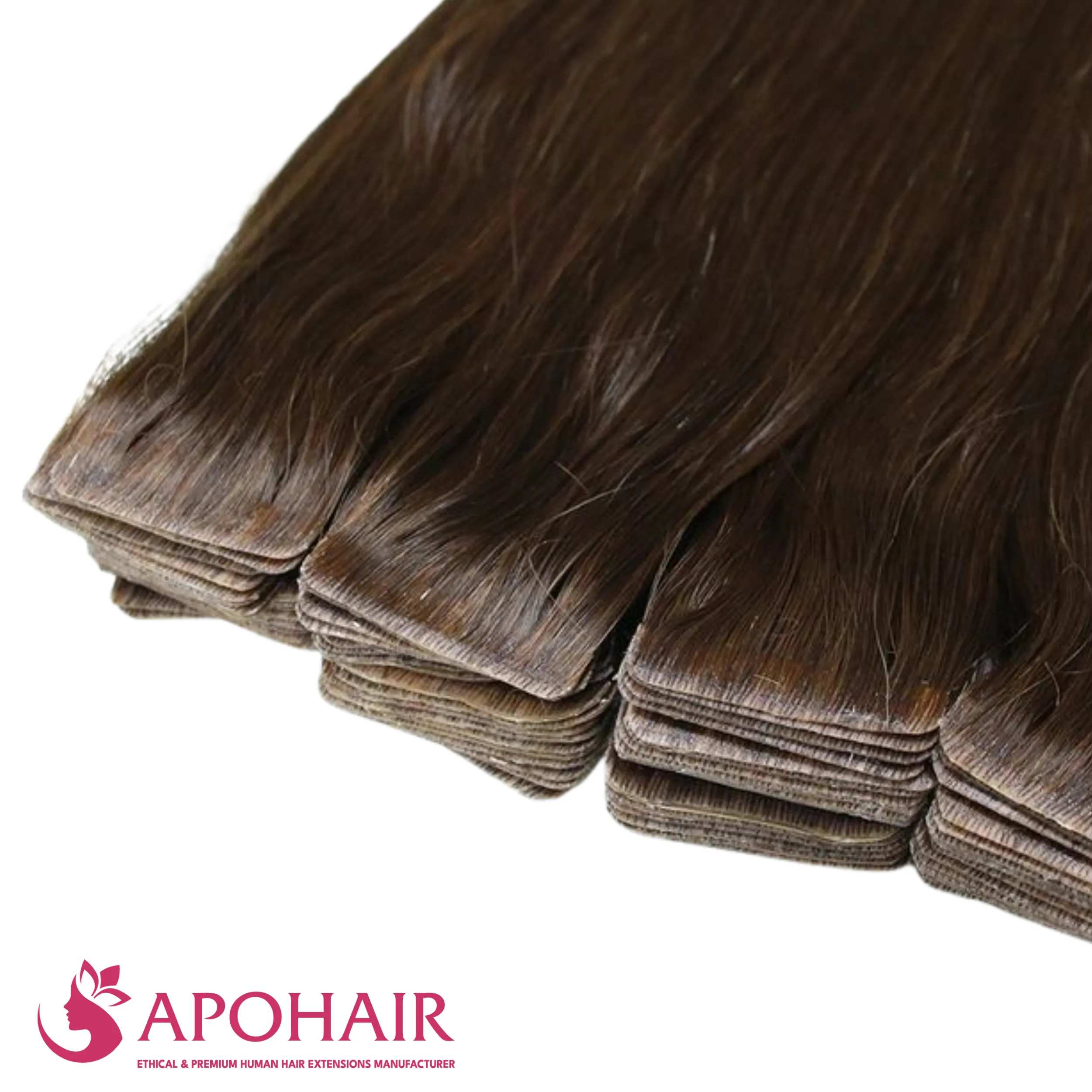
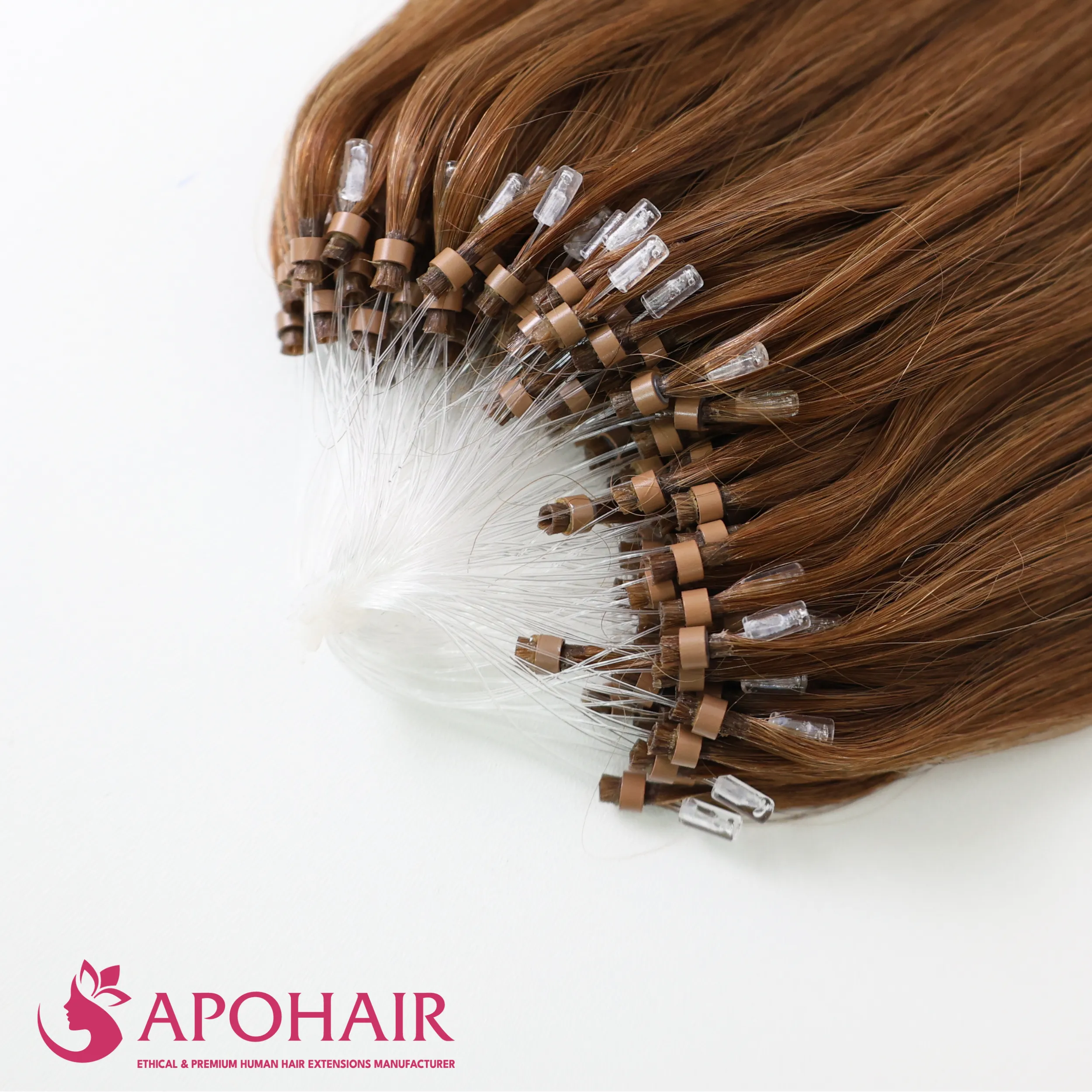
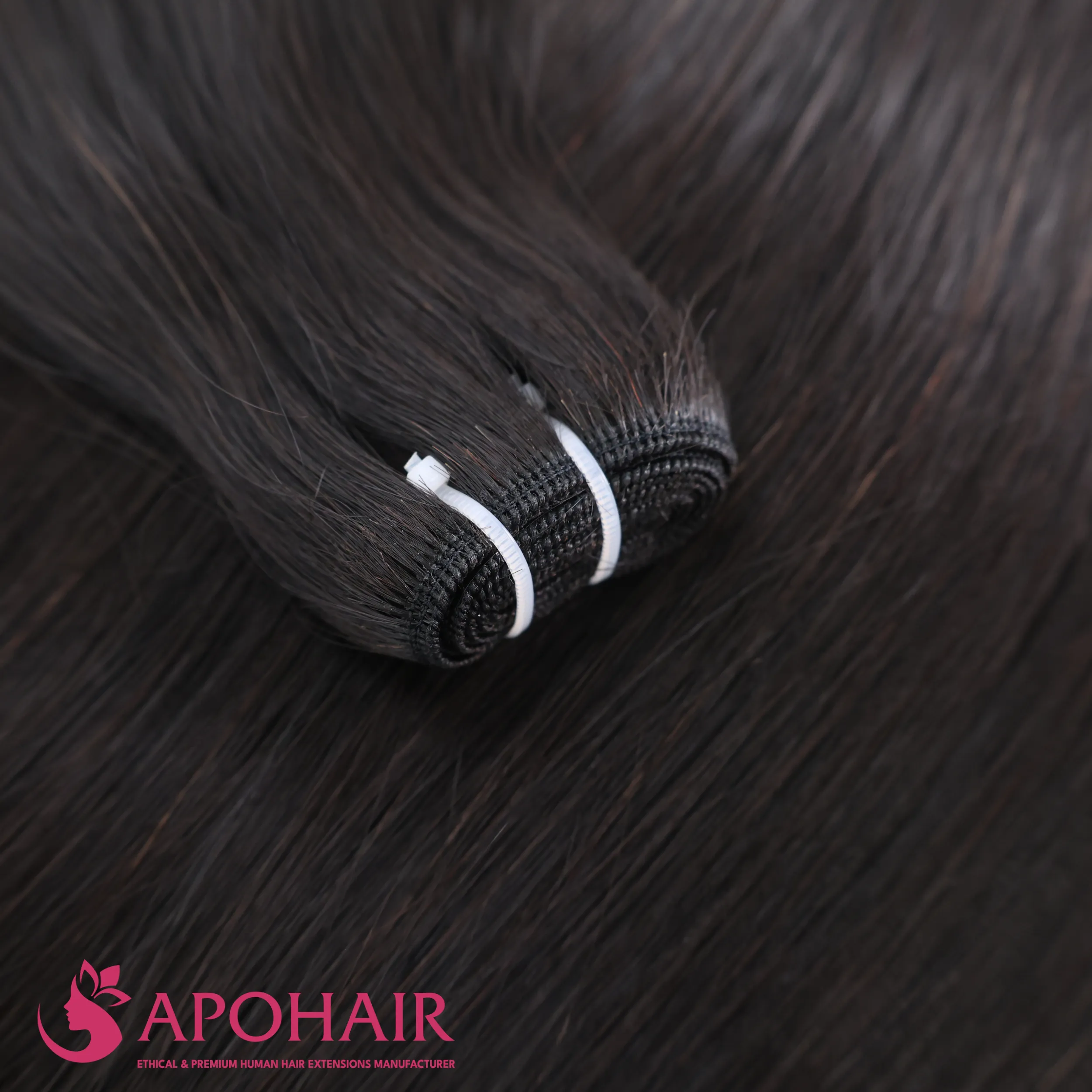
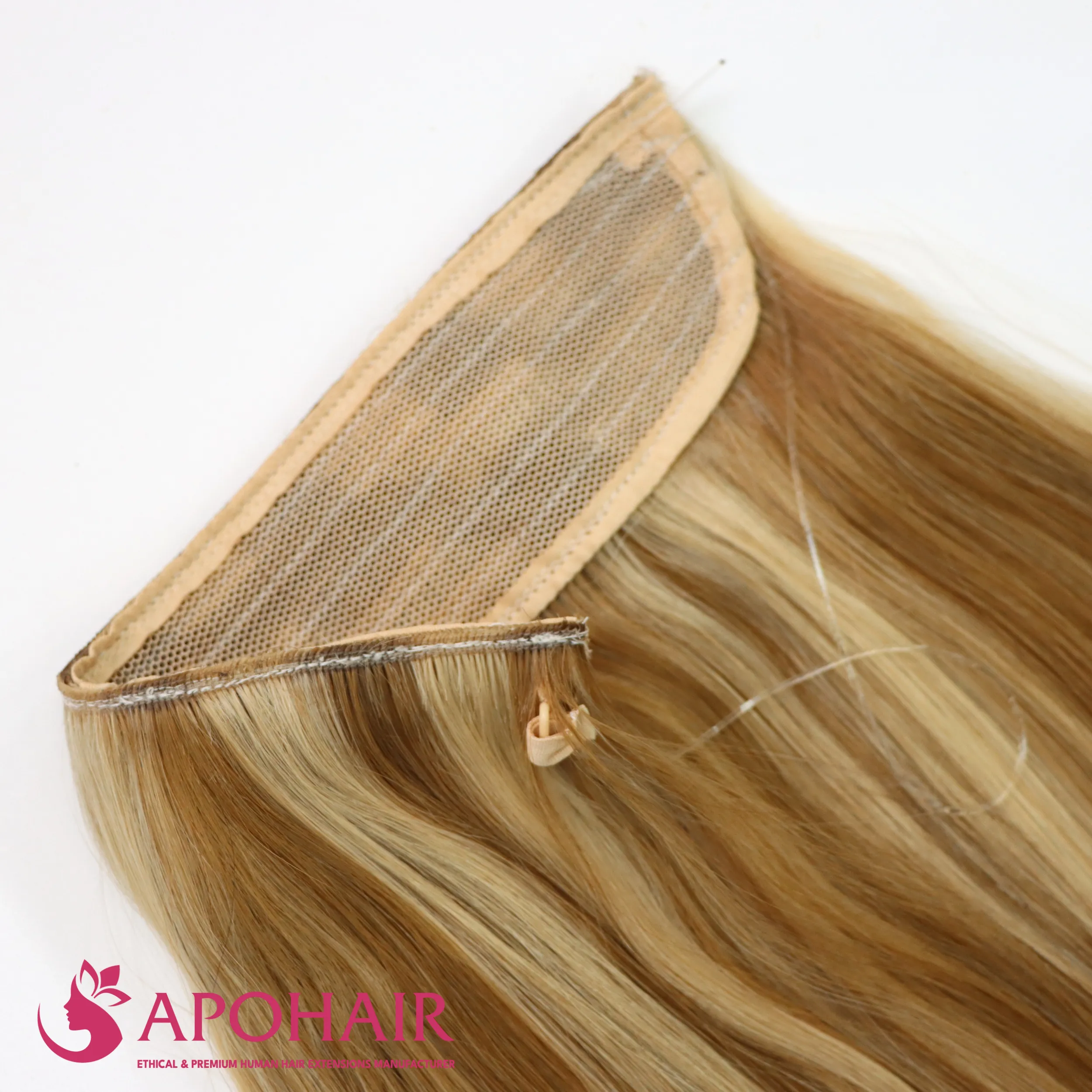
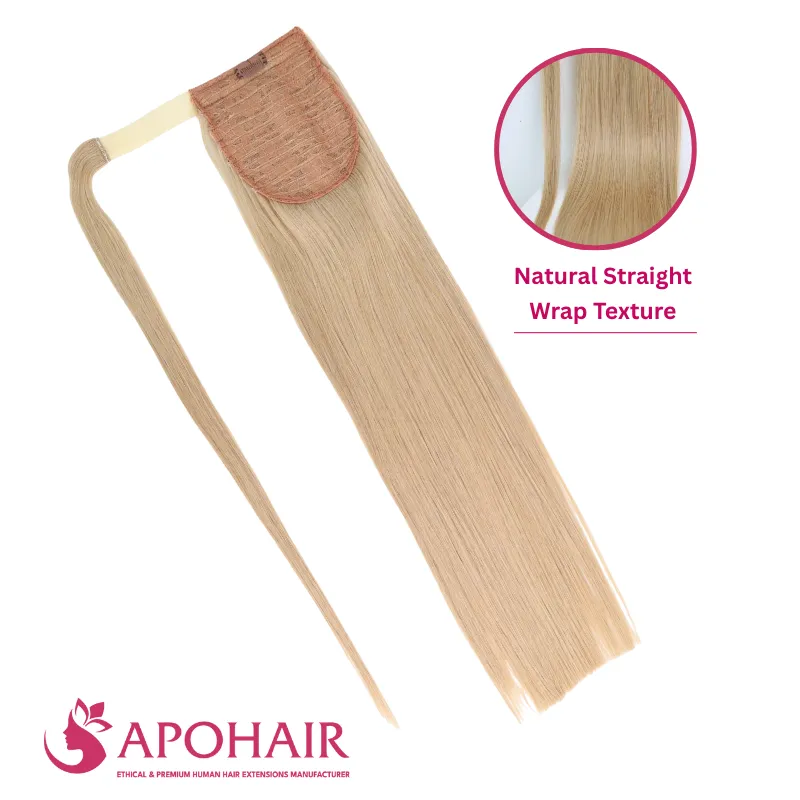
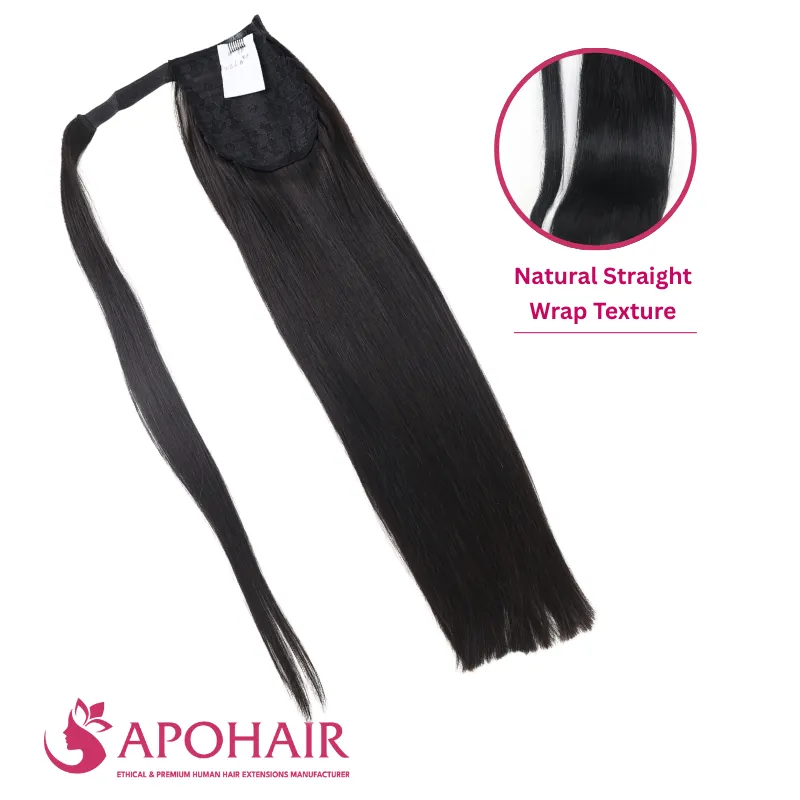
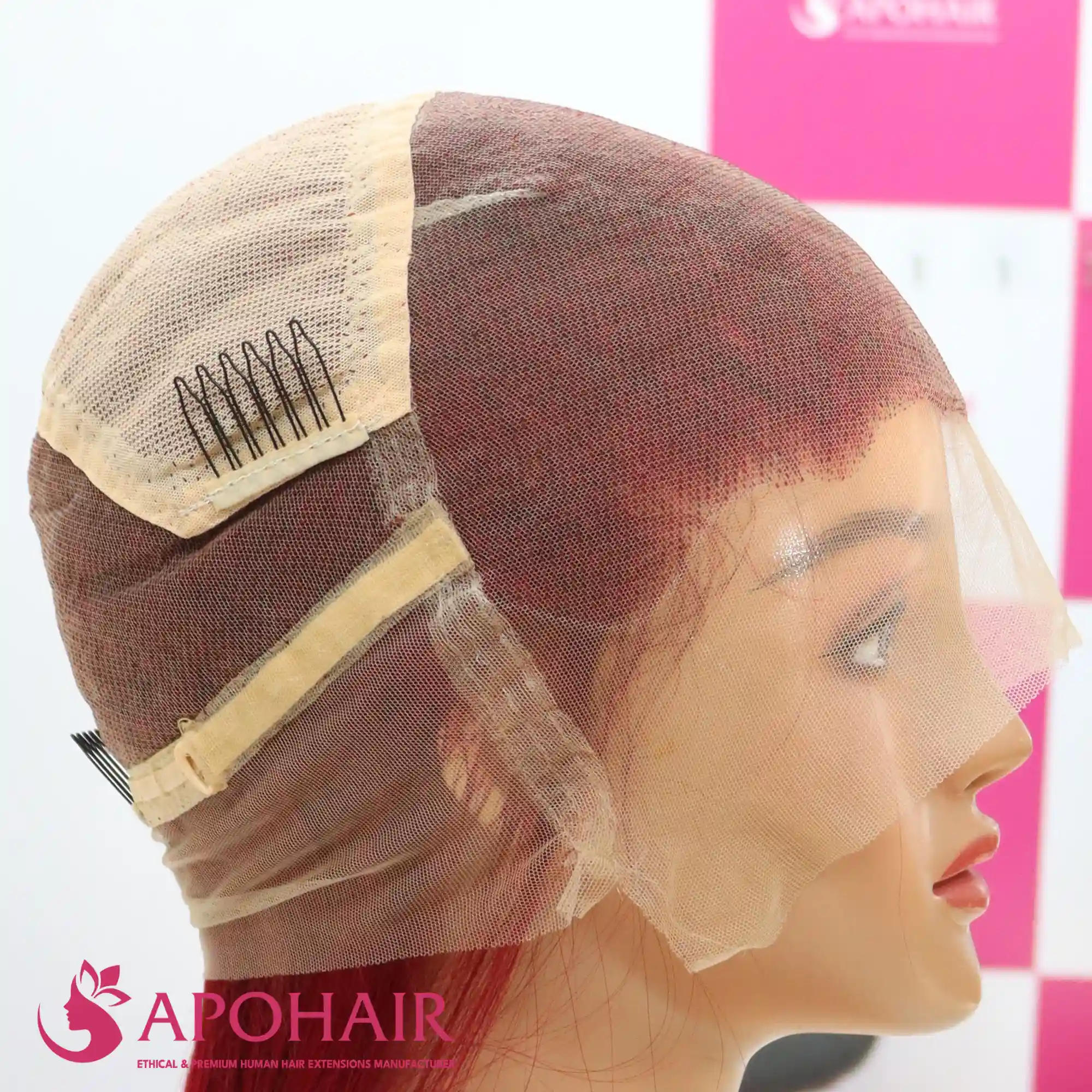
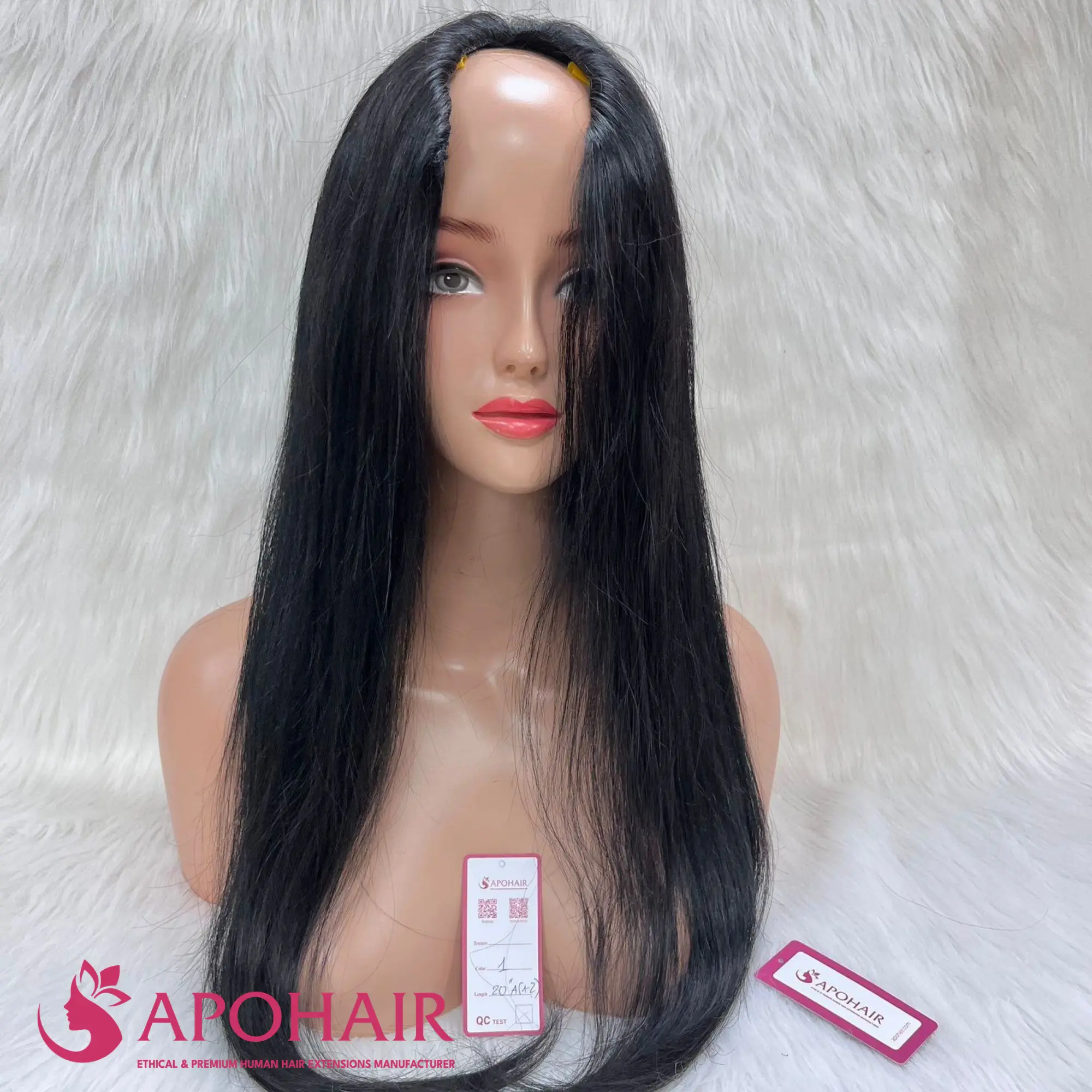
APOHAIR doesn’t really use the 1A to 4C typing system for their extensions, but their Body Wave and Deep Wave textures are a perfect match for 2C hair. They give you that same root-to-tip S-wave look and natural volume that 2C hair has. You can get these textures in pretty much any style you need, from machine or hand-tied wefts and tape-ins to clip-ins, bulk hair, and even full lace or frontal wigs. It’s all about giving you the freedom to pick whatever works best for your life.
Picking the right extension or wig is about more than just looking good; it is what keeps clients coming back. A 2C-style wave looks its best when the hair is high quality and cuticle-aligned, meaning it hasn’t been trashed by chemicals so the wave pattern actually stays put after washing and styling. APOHAIR’s human hair extensions and wigs are a solid choice for salons that need a reliable supply of these wavy textures. Whether you are prepping a bride, doing a photoshoot, or just helping a client switch things up for the season, this hair holds up at a pro level no matter how you install it.
Here is what sets APOHAIR apart:
- 100% Vietnamese Human Hair: Single-donor collection with intact cuticle layer accepts color and styling better than Indian or Chinese hair sources.
- Cuticle-Aligned Technology: All cuticles face the same direction, which prevents tangling and matting through repeated use.
- Ethical Sourcing: Direct collector network in Vietnamese villages with fair compensation verified at every point.
- Factory-Direct Pricing: No middlemen. Wholesale rates run 30 to 40% below retail market prices.
- 20+ Year Track Record: Over 1,000 factory workers and 100+ sales staff support global operations.
- State-of-the-Art Manufacturing: A 33,000 m² factory in Nam Dinh Province features modern production lines for consistent quality.
- Global Distribution: Ships to the US, UK, EU, Australia, Africa, and Asia within 24 hours of order confirmation.
- Quality Guarantee: 7-day warranty with a free replacement policy on every order.
APOHAIR transforms authentic raw Vietnamese hair into premium extensions and wigs trusted by salon owners and wholesalers worldwide. Our commitment: global leader in the hair industry through ethical practices, manufacturing excellence, and customer success.
Ready to stock 2C-matching Body Wave or Deep Wave textures for your salon or store? Contact APOHAIR today for wholesale pricing and free samples.
APOHAIR ETHICAL & PREMIUM HUMAN HAIR EXTENSIONS MANUFACTURER
- Address: Building 3A, Lane 82 Duy Tan, Cau Giay, Hanoi, Vietnam
- Factory: Yen Luong Village, Y Yen District, Nam Dinh Province, Vietnam
- Phone number: (+84) 862 132 366
- Email: wholesale@apohair.com
FAQ Related to 2C Hair Type
Can 2C Hair Be Straightened without Heat Damage?
Yes, 2C hair can be straightened temporarily using a flat iron below 185°C (365°F) with a heat protectant spray. Repeated heat styling degrades the wave bond over time, causing frizz and loss of natural pattern. Limit flat ironing to once or twice per week to reduce long-term damage.
Why Does My 2C Hair Look Wavy One Day and Frizzy the Next?
2C hair reacts strongly to humidity because its open wave structure absorbs atmospheric moisture, causing strands to swell and separate from the wave clump. Apply a strong-hold gel while hair is soaking wet and avoid touching it until fully dry. The gel creates a protective cast that keeps frizz from forming.
Is 2C Hair Considered Curly or Wavy?
2C hair is classified as wavy under the standard hair typing system, but it sits close enough to the curly category that many 2C individuals use curl-specific techniques with success. The Curly Girl Method works well for 2C because this hair type shares structural traits with Type 3 patterns, including root volume, frizz behavior, and moisture needs.
Outro
2C hair type is the waviest subtype in the Type 2 category, with S-shaped waves forming from the root. It is more frizz-prone than 2A and 2B because the tighter wave prevents strands from lying flat. The right care routine includes washing 2 to 3 times per week, sulfate-free shampoo, lightweight conditioner, and gel on soaking-wet hair. Layered cuts at 30 to 60 cm (12 to 24 inches) let waves move freely. 2C sits between 2B and 3A, requiring balanced moisture and hold.
APOHAIR’s Body Wave and Deep Wave textures replicate 2C behavior across weft, tape-in, clip-in, bulk, and wig formats for salon professionals worldwide.
APOHAIR – ETHICAL & PREMIUM HUMAN HAIR EXTENSIONS MANUFACTURER
- Address: Building 3A, Lane 82 Duy Tan, Cau Giay, Hanoi, Vietnam
- Factory: Yen Luong Village, Y Yen District, Nam Dinh Province, Vietnam
- WhatsApp: +84 862 132 366
- Email: wholesale@apohair.com
- Website: https://apohair.com


 ABOUT US
 Human Hair Extensions
 Wholesale Tape-In Hair Extensions
 Clip-In Hair Extensions
 Wholesale Keratin Hair Extensions
 Weft Hair Extensions
 BEST SELLING PRODUCTS
 Human Hair Wigs
 Bulk Human Hair For Braiding
 Contact Us