

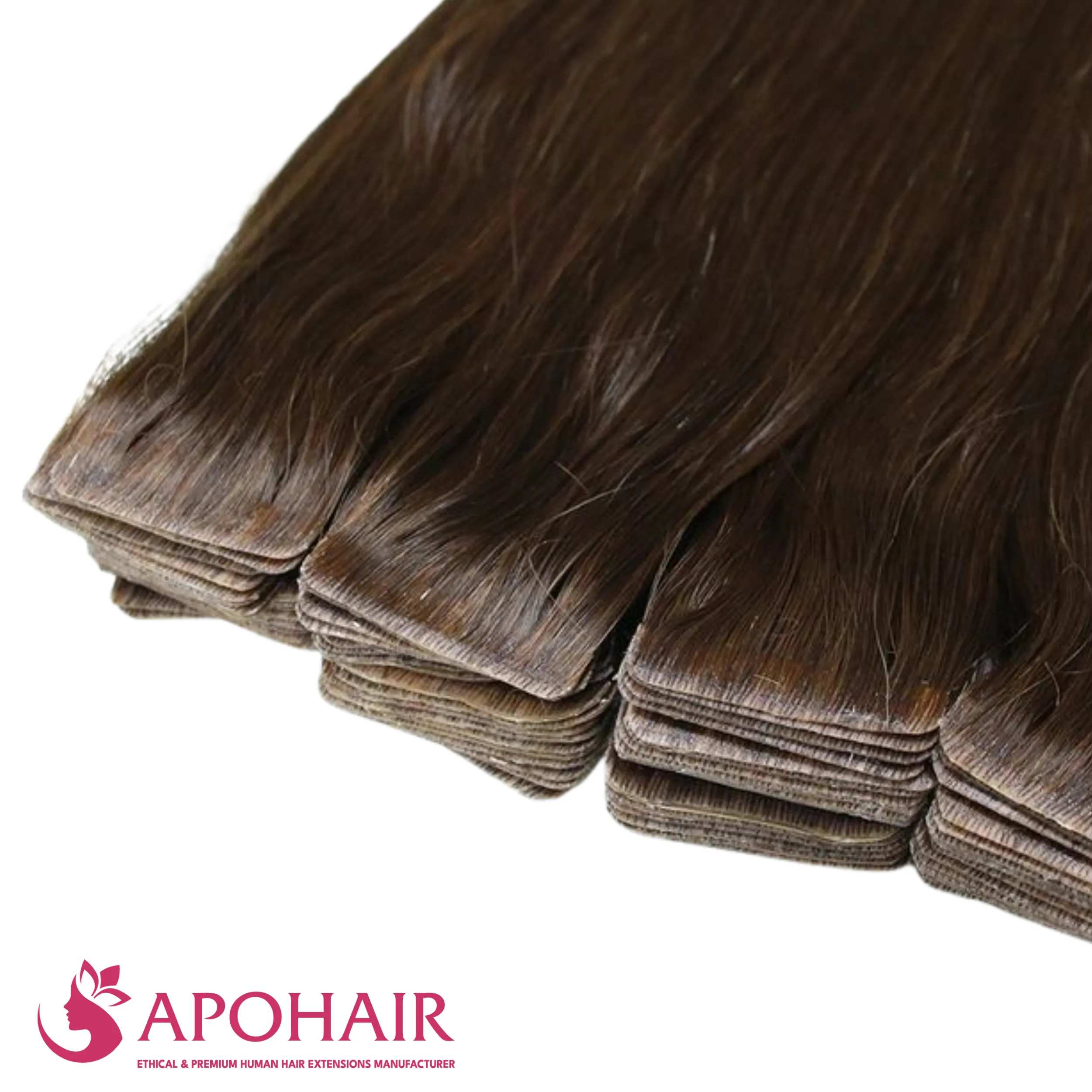

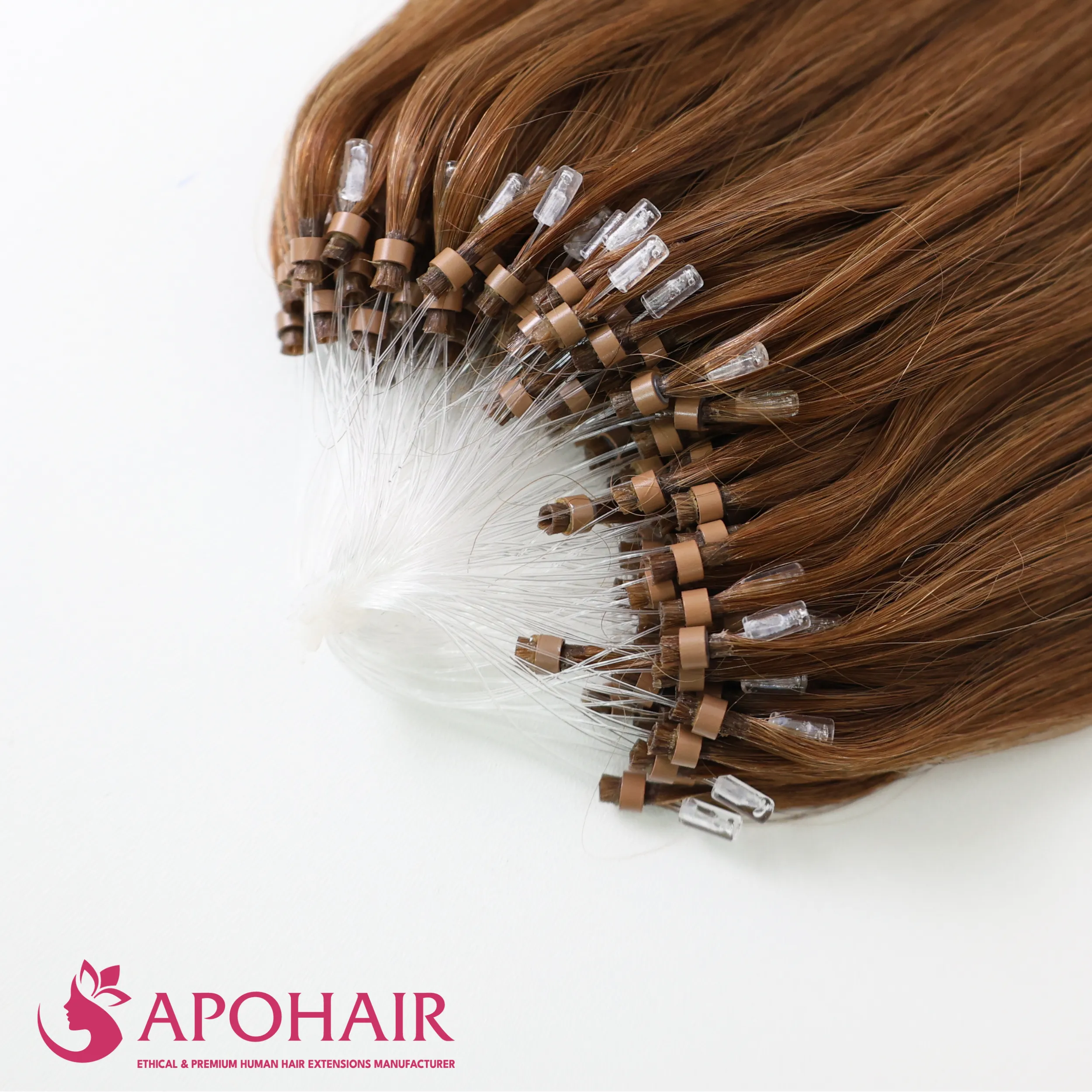

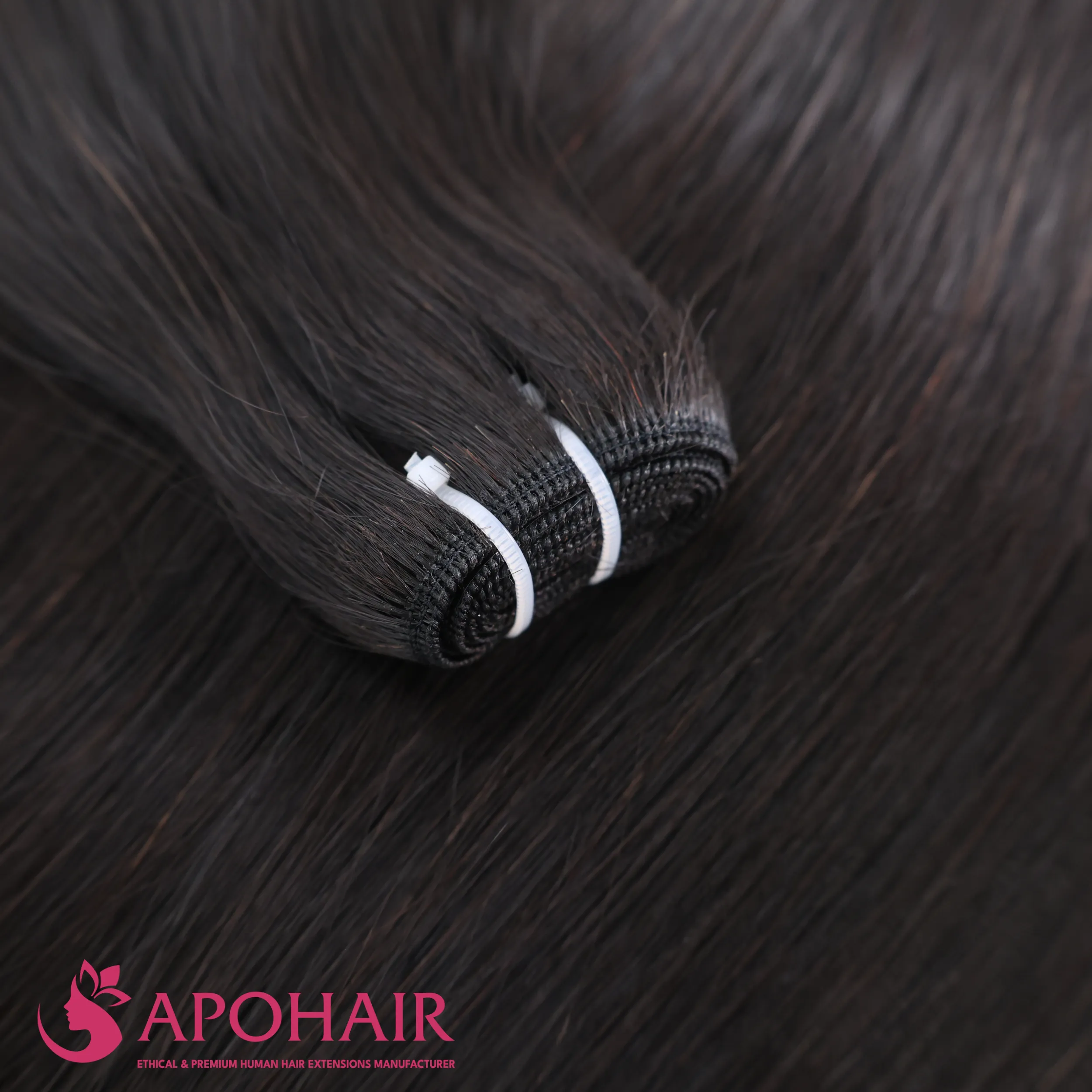


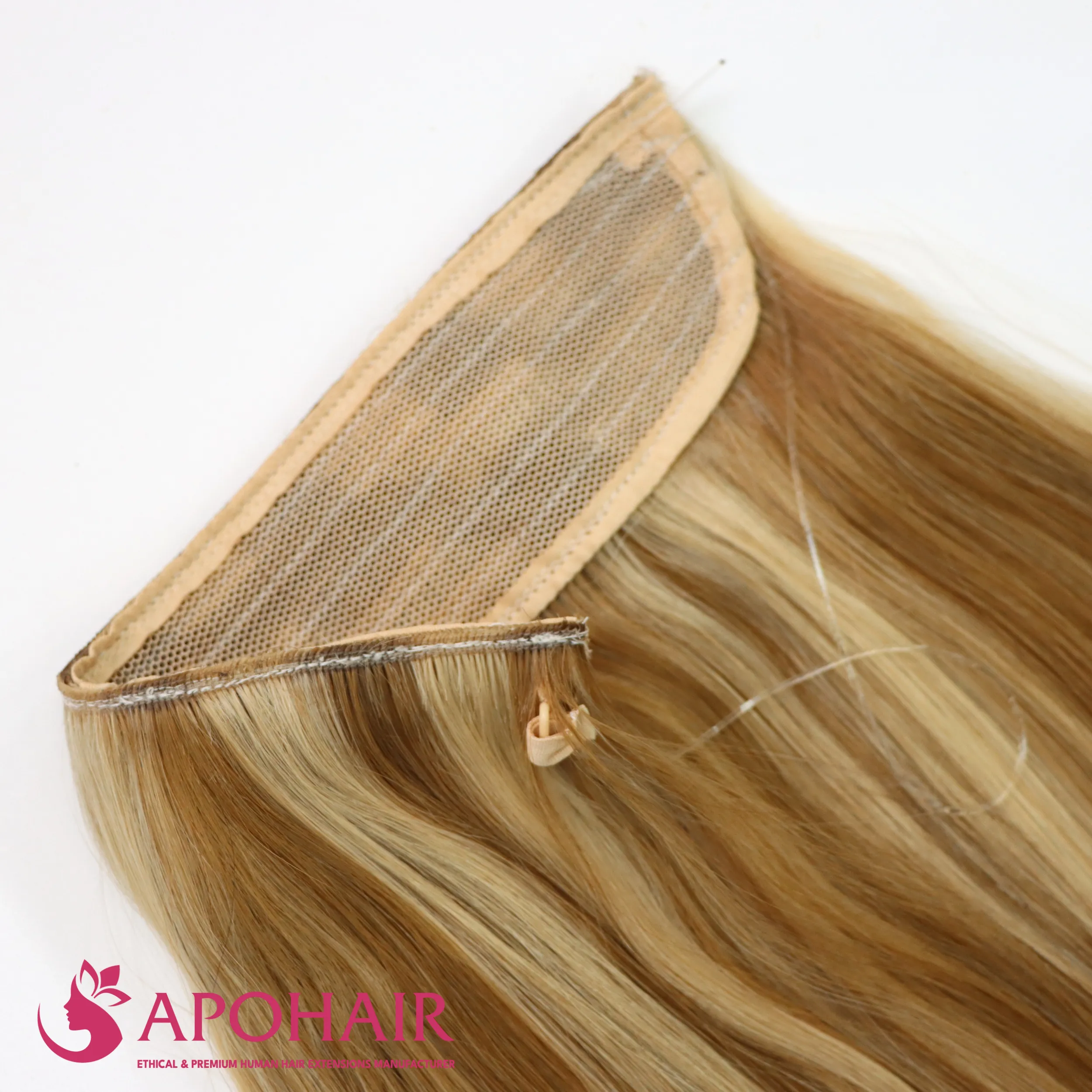




Raw Hair vs Virgin Hair: What’re the Differences and Which One Should You Buy?
Raw hair refers to 100% natural human hair strands that have never undergone chemical treatment, steam texturizing, or any form of processing, and are collected directly from one single donor. Virgin hair, on the other hand, is still genuine human hair, but it is usually sourced from multiple donors and lightly steam-treated to achieve a consistent texture, wave, or curl pattern.
The differences go deeper than that label on a bundle. They sit in donor source, processing level, cuticle condition, how the hair takes dye, how long it lasts, and what it costs. Understanding those differences matters whether you’re a salon owner sourcing products for clients or a vendor building a line. This article breaks down every distinction clearly so you can choose the right hair for your specific needs and avoid paying premium prices for hair that doesn’t deliver premium results.
What’s raw hair?
Raw hair is human hair collected directly from a single donor and brought to market without any chemical or structural processing. The strands are cleaned and sorted into wefts, but nothing changes the hair’s natural structure. No steam heat reshapes the curl pattern. No acid strips the cuticle. No silicone adds artificial shine.

What Are the Main Characteristics of Raw Hair?
Raw hair keeps the cuticle intact and aligned, meaning every strand runs in the same direction, from root to tip. That alignment is what makes raw hair feel smooth rather than rough and reduces tangling during wear. Because the hair has never been processed, it also takes dye and bleach more evenly than hair that has already gone through any treatment. Natural texture varies slightly coarser texture between bundles, which is a normal quality of unprocessed hair from real donors, not a manufacturing defect.
The key characteristics of raw hair include natural luster that doesn’t rely on coating, genuine texture that comes from the donor rather than a steam mold, cuticle alignment that holds across the full bundle length, and a bleaching capacity that lets color lift more predictably. Longevity is also stronger, as raw hair with intact cuticles holds up to repeated washing and styling far longer than processed alternatives.
Why Is Raw Hair Usually More Expensive?
Raw hair costs more because the supply chain is genuinely harder. Finding donors whose hair is long, healthy, cuticle-intact, and completely unprocessed is difficult at scale. Single-donor raw hair, where all strands in a bundle come from one person and keep texture and wave pattern consistent, is especially limited because one donor can only supply a small amount at a time. That scarcity drives the price up.
A high price alone does not confirm hair is raw. Buyers still need to ask vendors about sourcing, processing method, and whether wash or bleach tests are available before placing an order.
What Is Virgin Hair?
Virgin hair is human hair that has never been chemically dyed, bleached, or relaxed before it reaches the consumer. In the hair extension industry, however, “virgin” does not always mean “completely unprocessed.” Virgin hair can be steam-processed after collection to create consistent body wave, loose wave, deep wave, or curly patterns that sell well in retail markets. It can also be blended from multiple donors to meet larger production volumes.
The important distinction: Virgin hair is chemically clean at the time of sale, but the manufacturing process may still have reshaped its structure.

What Are the Main Characteristics of Virgin Hair?
Virgin hair typically shows more uniform texture across bundles because the steam processing or sorting methods create pattern consistency. It is available in a wider range of named textures, including straight, body wave, loose wave, deep wave, and curly, usually at a lower price than raw hair. Cuticle alignment in virgin hair depends entirely on how it was processed and sorted. Well-made virgin hair with intact cuticles can still be durable and long-wearing.
The key characteristics of virgin hair include consistent appearance that makes it easy to sell by texture name, broader availability in larger quantities, a more accessible price point, and the ability to be dyed or tinted, though results depend on the processing level.
When Is Virgin Hair Still a Good Choice?
Virgin hair is the better choice in several practical situations. If you need uniform texture across a large order, virgin hair delivers that consistency more reliably than raw hair. If budget is a factor, virgin hair gives quality results at a lower upfront cost. Salon owners reselling extensions to clients who want a predictable style, such as body wave or deep wave, often find virgin hair easier to stock and sell than raw, because the pattern is stable and the price point is accessible. Virgin hair also works well for styles that don’t require bleaching to very light shades.
What Are the Differences Between Raw Hair and Virgin Hair?
The core difference between raw hair and virgin hair is processing level and donor consistency. Raw hair stays completely unprocessed from collection through to the finished weft. Virgin hair is chemically clean but may be steam-processed to shape its texture and often comes from multiple donors blended together. Additionally, there are other differences between raw and virgin hair you may not know before.
The table below summarizes the main comparison points, followed by detailed breakdowns of each.
| Raw Hair | Virgin Hair | |
| Donor Source | Typically single donor | Often multiple donors |
| Processing | None: no steam, no acid, no coating | No dye or bleach, but may be steam-processed |
| Texture | Natural, slight variation between bundles | Consistent, uniform across bundles |
| Cuticle Condition | Intact and aligned | Varies: good quality stays aligned; lower quality may be coated |
| Bleaching/Dyeing | Takes color well and evenly | Can take color; results vary by processing level |
| Longevity | 2–5 years with proper care | 1–2 years with proper care |
| Maintenance | Moderate: care like natural hair | Moderate: curly and wavy textures need more attention |
| Price | Higher upfront cost | More accessible price point |
| Best For | Custom color, high-end wigs, long-term wear | Uniform styles, retail volume, budget-conscious buyers |

Looking to source these hair types for custom wig-making?
Understanding the processing differences between raw and virgin textures is essential before purchasing loose hair for braiding, ventilating, or creating custom units from scratch.
→ Explore our wholesale bulk hair extensions
1. Donor Source: Single Donor vs Multiple Donors
Raw hair typically comes from a single donor or a very small group of donors, which keeps texture and cuticle direction consistent throughout the bundle. Virgin hair in commercial production is usually blended from multiple donors to meet higher volume demands.
“Typically” and “usually” are the right words here. Not every raw hair product is single-donor, and some high-quality virgin hair sources are carefully sorted to minimize donor variation. The donor source matters because consistency in origin means consistency in texture, wave pattern, and how the hair behaves during installation and styling.
2. Processing Level: Unprocessed Hair vs Steam-Processed Hair
This is the most important difference. Raw hair has not been steam-processed, acid-processed, or chemically relaxed. Virgin hair may never have seen bleach or dye, but it can still go through steam processing to set a body wave, deep wave, or curly pattern that would not appear naturally.
“Chemical-free” and “unprocessed” are not the same thing. Steam heat reshapes the hair’s cortex, the inner structure that determines natural wave pattern. When that shape is set artificially, the hair behaves differently under heat, in humidity, and after repeated washing. Buyers who understand this distinction are far less likely to confuse a steam-set wave with a natural texture.
3. Texture and Appearance
Raw hair shows the donor’s natural texture, which means bundles may have slight differences in wave tightness, density, or shine. That natural variation is normal. Virgin hair processed through consistent steam methods looks more uniform across bundles, making it straightforward to sort and sell by texture name.
For wearers who want the most natural blend with their own hair, raw hair has an advantage because its texture has not been shaped to match a catalog specification. For buyers who want a predictable, repeatable look across multiple bundles, virgin hair’s consistency is a practical benefit.
4. Cuticle Condition and Hair Alignment
Cuticle alignment is what separates durable hair from hair that mats and tangles quickly. When cuticles run in the same direction, all pointing from root to tip, strands slide past each other rather than catching. Raw hair with a properly maintained cuticle stays smooth through repeated washing and wear.
Virgin hair can be cuticle-aligned if it was sorted and processed carefully. Lower-quality virgin hair, however, is sometimes acid-processed to strip the cuticle entirely and then coated with silicone to restore artificial smoothness. That coating washes off over time, revealing dry, rough strands underneath. Knowing whether virgin hair is cuticle-aligned or silicone-coated is one of the most important questions to ask before buying.
5. Bleaching and Dyeing Capacity
Raw hair takes dye more evenly because it hasn’t been through any prior processing that could seal, weaken, or restructure the strand. Hair that starts unprocessed gives color the clearest path in. Virgin hair can be dyed and tinted, and many buyers do so successfully, but results depend on the manufacturing process, the condition of the cuticle, and how many times the hair has already been heat-styled.
Neither raw nor virgin hair guarantees a lift to platinum blonde or 613. That result depends on the hair’s original depth, the health of individual strands, the developer strength, and the stylist’s technique. Doing a strand test before bleaching a full bundle is always the safer choice regardless of hair grade.
6. Longevity and Reusability
Raw hair with intact cuticles can last approximately 2–5 years with proper care. Virgin hair typically holds up for 1–2 years, though that range depends heavily on how much processing it went through during manufacturing and how well it’s maintained after purchase.
Hair that has been steam-processed tends to degrade faster than unprocessed hair because the internal structure has already been altered once. Repeated heat styling, coloring, and washing put additional stress on a strand that is already structurally different from its original state.
7. Maintenance Requirements
Raw hair needs the same care as natural hair growing from your scalp: gentle washing, regular moisture, careful detangling, and limited heat exposure with a protectant. Because the cuticle is intact, raw hair responds well to moisture and holds it better than stripped or coated hair.
Virgin hair also needs consistent care, especially textured styles like curly or wavy that tend to dry out faster. Steam-set patterns can loosen over time without proper maintenance routines. Neither grade is low-maintenance. Higher cost does not mean less work.
8. Price and Value for Money
Raw hair costs more upfront. A single bundle of genuine raw hair often runs 30–70% more than comparable virgin hair at the same length and texture. That higher initial cost can make sense when the hair lasts two to three times as long, especially for buyers who color, reinstall, or reuse their bundles multiple times.
Virgin hair offers better value for buyers who want to change styles more frequently, need a large quantity at one time, or don’t plan to bleach or heavily color their extensions. A well-sourced virgin hair bundle is a better investment than a raw hair bundle from a vendor who mislabels processed hair. The vendor’s transparency matters more than the label on the package.
Raw Hair vs Virgin Hair vs Remy Hair: Are They the Same?
Remy hair is not the same category as raw or virgin hair. It refers specifically to cuticle alignment, not processing history. Remy means the hair has been collected and sorted so that all cuticles run in the same direction. Raw hair is typically Remy because unprocessed, single-donor hair naturally keeps cuticles aligned. Virgin hair can also be Remy if it was sorted correctly. But Remy does not mean the hair is raw or unprocessed, and it does not mean the hair has never been dyed.
The confusion happens because vendors often use “Remy,” “virgin,” and “raw” as interchangeable quality signals. They are three separate attributes: Remy describes cuticle direction; virgin describes chemical history; raw describes the full absence of processing. Hair can be all three, two of three, or just one. Understanding each term on its own helps buyers ask the right questions rather than accepting a marketing label as proof of quality.

How to Tell If Hair Is Really Raw?
There is no single test that confirms hair is raw with 100% certainty. The most reliable approach combines several checks across unboxing, washing, and vendor conversation.
Check the Texture After Washing
Washing is the fastest way to see past a silicone coating or steam-set pattern. Raw hair returns to its natural state after washing. Whatever wave or texture the donor had is what comes back. If the pattern disappears entirely, changes dramatically, or the hair becomes unusually dry after one wash, it may have been processed to create that initial look. Silicone coating gives hair a smooth, healthy appearance in the package. It washes off within the first few washes, which is when the real condition of the hair becomes visible.
Look for Natural Variation Between Bundles
Raw bundles from a single donor or a small donor pool tend to show slight differences in wave tightness, density, or luster. If every bundle in an order looks identical, especially in curly or wavy textures, there is a good chance the pattern was steam-set to create that uniformity. Natural variation between bundles is a normal feature of raw hair, not a product defect.
Ask the Vendor the Right Questions
Good vendors answer sourcing questions directly. Before placing an order, ask the following:
- Is this hair from a single donor or multiple donors?
- Has the hair been steam-processed or heat-treated to set a texture?
- Has the hair been acid-processed or silicone-coated?
- Are the cuticles intact and aligned?
- Do you have wash test or bleach test results available?
- What is your return or exchange policy if the hair doesn’t match the description?
- Can I order a sample before committing to a full order?
A vendor who can answer these questions with specific details is showing confidence in their product. Vague or evasive answers about processing are a clear signal to look elsewhere.
Beware of “Raw Virgin Hair” Marketing Claims
“Raw virgin hair” can be an accurate description, meaning hair that is both unprocessed and has never been chemically treated. It can also be a marketing phrase designed to add perceived value to hair that is neither truly raw nor exceptional. Many vendors use “raw virgin” as a premium label without any processing transparency to back it up.
The phrase itself is not the problem. The absence of evidence behind it is. Ask for wash test results, sourcing details, and cuticle information rather than treating “raw virgin hair” as a verified quality guarantee.
Which One Should You Buy: Raw Hair or Virgin Hair?
The right choice depends on what you need the hair to do. Neither grade is universally better. Raw hair wins on longevity, natural appearance, and bleaching capacity when it is genuinely raw. Virgin hair wins on price, consistency, and availability when you need volume or predictable texture. The table below helps clarify which grade fits which situation.
| Choose Raw Hair If… | Choose Virgin Hair If… |
| You want the most natural look and feel | You need uniform texture across many bundles |
| You plan to bleach or lift the color | Budget is a primary consideration |
| You want extensions that last 2+ years | You change styles frequently |
| You’re building high-end custom wigs | You’re sourcing retail volume for clients |
| You’re selling to a premium buyer segment | You need consistent pattern for catalog sales |
Choose Raw Hair If…
Raw hair makes the most sense when longevity and customization are the priority. If you plan to bleach the hair to a lighter shade, build a high-end custom wig, or invest in extensions that will hold up through multiple reinstalls, raw hair from a vetted vendor is worth the higher price. Buyers in this category should accept that bundles may show slight natural variation and that finding a reliable raw hair source takes more vetting than finding a standard virgin supplier.
Raw hair is also the right choice for salon clients or end customers who want hair that blends and moves like their own, without the uniform, catalog-perfect appearance that comes from steam processing.
Choose Virgin Hair If…
Virgin hair fits a wider range of buyers because it balances quality, consistency, and price more accessibly than raw hair. If you’re stocking a salon retail shelf, filling a bulk order, or buying extensions for a style you plan to change within a year or two, well-sourced virgin hair gives strong results at a manageable cost.
Virgin hair also works well for buyers who want a specific named texture, such as body wave, deep wave, or loose wave, and need that pattern to stay consistent across multiple bundles from the same order.

Buyer Checklist Before Purchasing Raw or Virgin Hair
Questions to Ask Your Hair Vendor
Before confirming any order, run through these questions with the vendor:
- What is the hair origin, specifically the country and collection region?
- Is this single-donor or multiple-donor hair?
- Has the hair been steam-processed or heat-treated to set a texture?
- Has the hair been acid-processed or silicone-coated?
- Are the cuticles intact and aligned from root to tip?
- What is the maximum color lift this hair can handle reliably?
- Do you have wash test or bleach test documentation?
- Is there a return, exchange, or sample policy?
- Can I see photos or videos after washing, not just at unboxing?
Vendors who answer these questions with specifics, not general assurances, are the ones worth building a supplier relationship with.
Red Flags to Watch Out For
Several patterns consistently signal hair that will not match its description:
- Bundles that all look perfectly identical in curly or wavy textures, with no natural variation between them
- Pricing that sits far below the market average for the grade and length being sold
- Bundles that appear unusually glossy or smooth right out of the package
- No wash test, bleach test, or post-wear review evidence available
- Reviews that are all unboxing reactions rather than reports from buyers who have worn the hair for 2–3 months or more
- Vendors who use phrases like “raw virgin premium double drawn cuticle aligned” without being able to explain the processing specifics behind any of those terms
Reviews from buyers who have worn and washed the hair over time are worth far more than unboxing content. The coating that makes hair look good in a box is gone within the first few washes.
FAQ About Raw Hair vs Virgin Hair
How to Tell If Hair Is Raw?
The most reliable way to tell if hair is raw is to wash it and observe what happens. Raw hair returns to its natural texture after washing because no processing has altered its internal structure. If the wave loosens, the curl tightens unexpectedly, or the hair turns dry after one wash, the hair was likely steam-processed or coated.
Visual inspection at unboxing is not enough, as silicone coating makes even heavily processed hair look smooth and healthy right out of the package. Pair the wash test with direct sourcing questions to your vendor about donor source, processing method, and cuticle alignment.
How Long Should Raw Hair Last?
Raw hair can last approximately 2–5 years when properly cared for. That range depends on how often you use heat, whether you bleach or color the hair, how frequently you wash and condition it, how carefully you detangle, and how you store it between installs.
Hair that is heat-styled daily or bleached multiple times will wear down faster than hair that is treated gently and worn naturally. The 2–5 year range assumes regular conditioning, limited heat, and protective storage when not in use.
What Are the Benefits of Raw Hair?
The main benefits of raw hair are natural appearance, stronger longevity, and better bleaching capacity. Because the hair has never been processed, it keeps the cuticle intact, which means it feels smooth, holds moisture better, and takes dye more evenly than hair that has already been heat-treated.
Raw hair also tends to blend more naturally with the wearer’s own hair because it hasn’t been molded to a uniform pattern. These benefits apply when the hair is genuinely raw and sourced from a credible vendor, not simply labeled as such.
Is Virgin Hair Good Quality?
Virgin hair can be excellent quality. The grade does not automatically make it inferior to raw hair. Well-sourced virgin hair with intact, aligned cuticles can last 1–2 years, take color successfully, and look natural in wear. Quality depends on how the hair was collected, how carefully the cuticles were preserved during processing, and whether silicone coating was applied to mask lower-grade strands. A high-quality virgin hair bundle from a transparent supplier often outperforms a mislabeled “raw hair” bundle from a vendor who cannot explain their processing.
How Long Does Virgin Hair Last?
Virgin hair typically lasts 1–2 years with regular care. Hair that went through heavier steam processing or was blended from many donors tends to wear down faster, while carefully processed, cuticle-aligned virgin hair can hold up closer to the 2-year mark.
Can Virgin Hair Be Dyed or Bleached?
Yes, virgin hair can be dyed or bleached, but results vary depending on the hair’s processing history and cuticle condition. Because virgin hair has not been chemically treated before sale, it generally takes color well. Hair that has been steam-processed or has a silicone coating may lift less evenly than raw hair, and the results can be less predictable at very light shades.
A strand test on a small section before bleaching a full bundle is strongly recommended regardless of the grade. This gives you a clear picture of how the hair responds before committing to a full color treatment.
Is Raw Hair Better Than Virgin Hair?
Raw hair has advantages in longevity, natural appearance, and bleaching capacity when it is genuinely raw and well-sourced, but that does not make it the better choice in every situation. Virgin hair is a practical, high-quality option for buyers who need consistent texture, larger quantities, or a lower price point.
The real question is not which grade is objectively better; it is which grade fits your specific needs, budget, and styling goals. A well-sourced virgin hair bundle beats a mislabeled raw hair bundle in every measurable way. Grade means nothing without vendor transparency and consistent quality behind it.
Can Virgin Hair Be Remy Hair?
Yes, virgin hair can be Remy hair. The two terms describe different qualities. Virgin refers to the hair’s chemical history, meaning it has never been dyed or bleached. Remy refers to the cuticle direction, meaning all strands run the same way, from root to tip. Virgin hair that is collected and sorted so that cuticles stay aligned is both virgin and Remy. Raw hair is also typically Remy because single-donor, unprocessed hair naturally keeps cuticles in the same direction. The important thing to remember is that Remy alone does not tell you anything about whether the hair is raw, virgin, or processed. It only confirms the cuticle direction.
Conclusion
Raw hair is the stronger investment when you need natural appearance, long-term durability, and full bleaching capacity, provided you can verify the vendor’s sourcing and processing claims. Virgin hair is the smarter choice when you need uniform texture, larger volume, or a more accessible price point, and when you’re working with a vendor who is transparent about how the hair was processed.
The label on a bundle is not evidence. What matters is whether the vendor can tell you exactly where the hair comes from, how it was processed, and what happens to the cuticle between donor and delivery. Ask for wash test results. Ask about steam processing. Ask whether the cuticles are intact or coated. Compare how bundles behave after washing, not just how they look at unboxing.
Whether you choose raw or virgin, the vendor’s credibility is the most important quality signal in the purchase. Request a sample order before committing to volume. Consult a stylist before bleaching. And treat the grade as a starting point for asking the right questions, not as a finished answer. At APOHAIR, we offer wholesale Vietnamese human hair extensions and wigs across three premium grades: Raw, Virgin, and Remy to ensure every customer finds their ideal match.
APO Hair
- Address: Building 3A, Lane 82 Duy Tan, Cau Giay, Hanoi, Vietnam
- Phone: (+84) 862 132 366
- Website: https://apohair.com/
- Map: https://www.google.com/maps?cid=2203562611769959902


 ABOUT US
 Human Hair Extensions
 Wholesale Tape-In Hair Extensions
 Clip-In Hair Extensions
 Wholesale Keratin Hair Extensions
 Weft Hair Extensions
 BEST SELLING PRODUCTS
 Human Hair Wigs
 Bulk Human Hair For Braiding
 Contact Us