



Cambodian Hair vs Vietnamese Hair: Which one should you choose?
Cambodian hair has a coarser feel and more natural body; Vietnamese hair has a smoother, silkier finish and more competitive wholesale pricing. Both are popular Southeast Asian sources of raw and virgin hair, collected from donors in Cambodia and Vietnam.
At APOHAIR, we combine over 20 years of experience sourcing, manufacturing, and supplying Vietnamese human hair with our analysis of Cambodian and Vietnamese products sold in the US. This article compares 11 factors across appearance, styling performance, durability, maintenance, product formats, pricing, and restocking to explain the differences that matter to salons, stylists, and resellers.
What Are the Main Differences Between Cambodian and Vietnamese Hair?
Cambodian hair has a more substantial feel and natural body; Vietnamese hair has a smoother fall and more competitive wholesale pricing. The comparison also involves the finished texture, processing history, product construction, and ability to replenish the same specifications.
| Comparison Factor | Cambodian Hair | Vietnamese Hair |
| Texture and Strand Feel | Slightly coarse, with a substantial feel and natural body. | Smooth and silky, with a straighter, more controlled fall. |
| Luster and Blending | Medium-to-low luster complements textured or blown-out leave-out. | A more polished finish complements smooth, straightened leave-out. |
| Visible Volume and Bundle Weight | Wavy textures spread outward, giving an install more visible body. | Straight textures fall closer together, producing a sleeker silhouette. |
| End Fullness | Double-drawn bundles offer thick ends alongside natural body. | Double-drawn and super-double-drawn options provide fuller, more uniform ends. |
| Natural Patterns and Curl Retention | Natural waves provide body after washing; textured hair is known for strong curl hold. | Naturally straight to lightly wavy; heat styling creates curls that need resetting after washing. |
| Bleaching and Coloring | Raw hair can be colored; darker natural shades may need several lifting sessions. Pre-lightened #613 is available. | Raw hair can be colored; suppliers offer bleach-selected grades and finished blonde shades, including #613. |
| Durability and Reuse | Premium raw bundles can last 3–5 years with proper care. | Premium raw bundles can last up to 5 years with proper care. |
| Maintenance Requirements | Wavy and curly textures need gentle detangling, conditioning, and pattern definition. | Straight textures need brushing and conditioning; textured versions need a routine suited to their pattern. |
| Product Formats | Bundles, closures, frontals, wigs, braiding hair, tape-ins, keratin tips, clip-ins, and ponytails. | The same main formats, with additional factory options for hand-tied, flat, genius, and feather wefts. |
| Price | Higher pricing for authentic raw hair because supply is scarcer. | More competitive wholesale pricing, supported by a larger sourcing network and greater production capacity. |
| Wholesale Supply and Restocking | Wholesale bundles and matching lace pieces are available; natural wave and color variations need matching across a set. | Factory orders offer customization across lengths, colors, textures, draw grades, and attachment types. |


Texture and Strand Feel
Cambodian raw hair feels more substantial and slightly coarser; Vietnamese silky-straight hair feels smoother and more supple:
- Cambodian hair: Natural-straight bundles retain a soft body through the lengths, even when styled straight. Their slightly coarse texture still feels soft when the hair is in good condition.
- Vietnamese hair: Silky-straight bundles combine a smooth feel with fluid movement. Bundles with thick strands retain this suppleness, giving the hair substance without the same textured feel.
The difference becomes clearer after washing and drying. Styling products and surface coatings can temporarily soften the hair’s feel, so softness straight from the package gives an incomplete picture of its texture during everyday wear.

Luster and Blending
Cambodian hair’s medium-to-low luster creates a softer sheen; Vietnamese silky-straight hair gives a smoother, more polished finish. In leave-out installs, this affects the transition between the extensions and the client’s own hair around the part and hairline:
- Cambodian hair: Its subdued sheen complements blown-out leave-out with a relatively matte finish. The extensions blend more naturally when both sections reflect a similar amount of light.
- Vietnamese hair: Its polished finish complements smoothly straightened leave-out, including silk-pressed styles. An even reflection across both sections helps the finished install look consistent.
Two sections can match in color and still look visibly different because one appears glossier. In wigs and installs with full lace coverage, luster primarily shapes the overall appearance because there is no exposed leave-out to match.
Visible Volume and Bundle Weight
Cambodian wavy and curly hair creates a fuller silhouette; Vietnamese straight hair falls more compactly at the same length and bundle weight. The difference comes from how the strands sit within the finished style:
- Cambodian hair: Waves and curls create space between the strands, adding visible body through the lengths. This gives a wavy install a fuller appearance without increasing the amount of hair installed.
- Vietnamese hair: Straight strands fall closer together, producing a sleeker shape. Adding more bundles increases density and weight, with additional bulk at the wefts.
For example, three 100 g (3.5 oz) bundles total 300 g (10.6 oz) in either origin. A Cambodian wavy install and a Vietnamese straight install therefore carry the same hair weight, even when the Cambodian style looks fuller.

End Fullness
Cambodian double-drawn bundles combine fuller ends with natural body; Vietnamese factory ranges include double-drawn and super-double-drawn options for different levels of end density. Fullness at the bottom depends on how many strands reach the bundle’s stated length:
- Cambodian hair: Double-drawn sorting removes shorter strands to reduce tapering. Natural waves add body through the lengths, but the thickness of the ends comes from the proportion of long strands retained.
- Vietnamese hair: A human hair bundles supplier offers double-drawn and super-double-drawn options for different levels of end fullness. Super-double-drawn sorting retains a higher proportion of strands near the stated length, creating a denser bottom line for blunt cuts and long, straight styles.
Two 20-inch (50.8 cm), 100 g (3.5 oz) bundles can look equally full near the weft and differ considerably at the ends. Sparse ends require more trimming for a blunt finish, reducing the length that remains in the completed install.
Natural Patterns and Curl Retention
Cambodian natural-wave and curly hair returns to a textured pattern after washing; Vietnamese raw straight hair returns to a straight or softly waved base. This affects how much styling each requires between washes:
- Cambodian hair: Straightening temporarily smooths its natural waves or curls. Washing brings that pattern back, so the hair retains natural movement even after a heat-created style loosens.
- Vietnamese hair: A curling iron creates defined curls on its straighter base. Those curls need resetting after washing because the hair returns to its original straight or slight-wave pattern.
Vietnamese hair also comes in factory-textured body wave, deep wave, and curly styles. Their patterns are introduced during manufacturing, giving buyers textured options beyond naturally straight bundles.
Natural-pattern retention and heat-curl retention describe different results. A wave returning after washing does not establish how many hours a curling-iron style holds; that also depends on the setting technique, styling products, and humidity.
Bleaching and Coloring
Vietnamese factory ranges include dedicated bleach-selected grades for coloring projects; Cambodian collections offer natural-color hair and pre-lightened #613 blonde:
- Cambodian hair: Natural-color bundles provide a dark starting base for salon coloring. Pre-lightened #613 products provide a blonde base for toning, confirming that Cambodian options extend to light blonde shades.
- Vietnamese hair: Factories separate standard natural-color hair from grades selected specifically for bleaching. They also supply finished blonde shades and custom colors, giving salons the option to color the hair themselves or order the required shade directly.
For either origin, achieving blonde and preserving the hair’s condition are separate outcomes. More aggressive bleaching damages the cuticle and cortex and increases protein loss, which can leave the lengths more vulnerable to breakage during subsequent styling. A finished #613 shade therefore needs to be considered alongside the softness and strength remaining after processing.
Durability and Reuse
With proper care, premium Cambodian raw bundles can last 3–5 years, and premium Vietnamese raw bundles can last up to 5 years. Both offer several years of reuse across multiple installations.
For reusable bundles, longevity includes maintaining enough length and fullness for the next install. Shedding reduces density, and trimming damaged ends shortens the hair. A bundle can remain soft yet require additional hair to recreate its original fullness.
The bundles and their matching lace pieces also have separate replacement cycles. A worn closure or frontal can need replacing even when the bundles remain usable, allowing the client to retain the hair and replace only the worn component. This makes the condition of the wefts, the remaining density, and the usable length important parts of long-term value.
Maintenance Requirements
Cambodian wavy and curly hair requires more detangling and curl definition; Vietnamese straight hair takes less work to maintain a smooth finish:
- Cambodian hair: Conditioner-assisted detangling helps separate the strands with less pulling. After washing, the routine also includes defining the waves or curls and drying them with minimal disturbance to preserve their shape.
- Vietnamese hair: Straight styles focus on brushing, conditioning the ends, and removing product buildup. The lengths need no curl definition when worn straight, making the routine simpler between washes.
Vietnamese body-wave, deep-wave, and curly extensions require similar pattern care to textured Cambodian hair. Bleached hair from either origin also needs closer attention to conditioning and gentle handling because lightening damages the hair’s structure. A natural-color straight bundle therefore has a different maintenance workload from a blonde curly set.
Product Formats
Cambodian ranges emphasize natural body across finished products; Vietnamese factories offer extensive construction and customization options. Salons buy hair extensions wholesale by installation method as well as texture, color, and length:
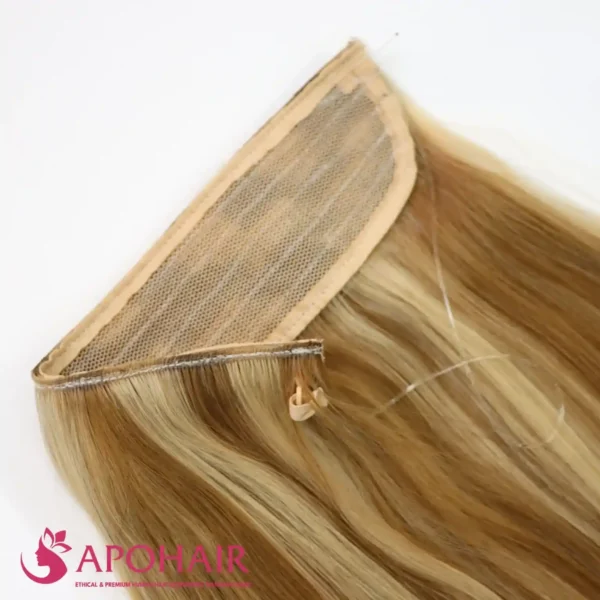
- Bundles and Wefts: Cambodian straight, wavy, and curly bundles retain their substantial finish. Vietnamese factory ranges include machine, hand-tied, flat, Genius, and feather constructions with specified weights and drawn grades. For beaded-row installations, a hand tied weft human hair extensions supplier provides a thin, flexible weft line that sits close to the scalp.
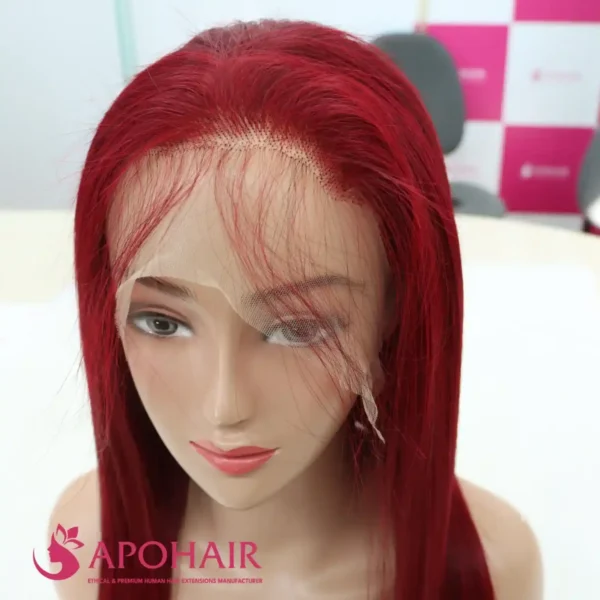
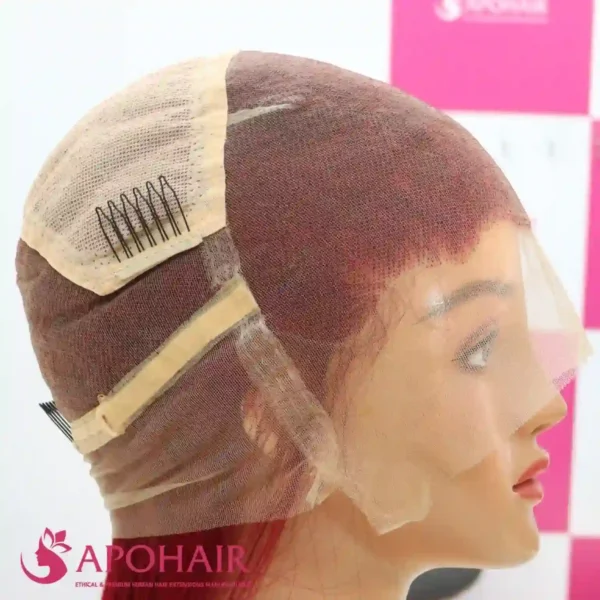
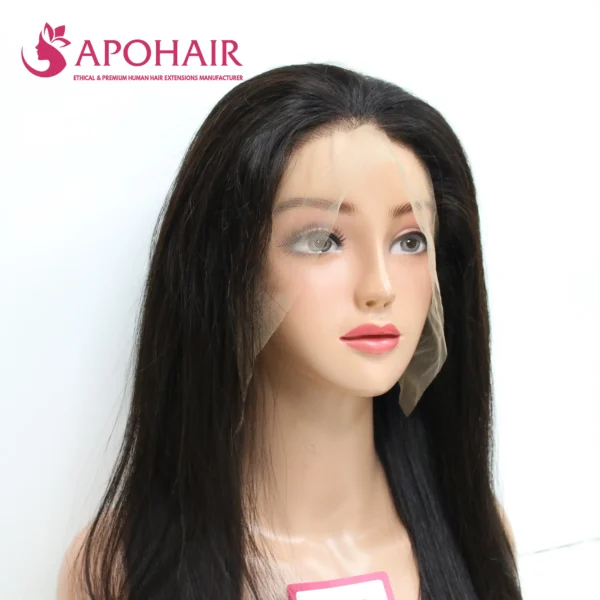
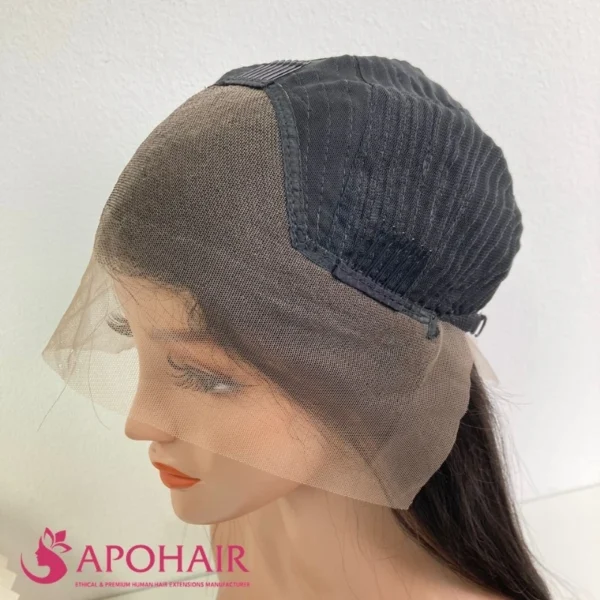
- Closures, Frontals, and Wigs: Cambodian collections coordinate natural patterns across bundles and lace pieces. Vietnamese factory production specifies lace dimensions, cap sizes, densities, colors, and textures.
- Bulk Braiding Hair: Cambodian wavy and curly bulk hair adds body to the loose sections of boho and goddess braids. Vietnamese bulk products include deep-wave and curly patterns with specified colors, lengths, and weights. APOHAIR supplies bulk hair extensions wholesale without wefts or tips for braiding and custom wig production.
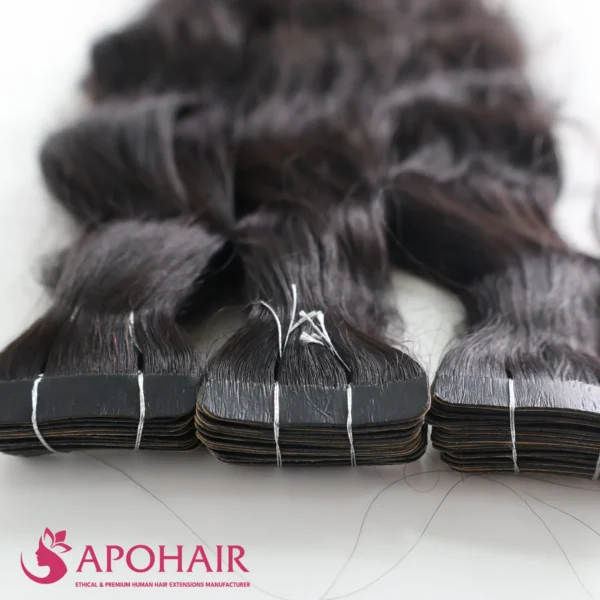
- Tape-Ins: Both origins include tape-in products, with Cambodian natural-wave options and Vietnamese straight or textured versions. A tape in human hair extensions manufacturer offers normal, invisible, long, and double-tab constructions to suit different coverage requirements.
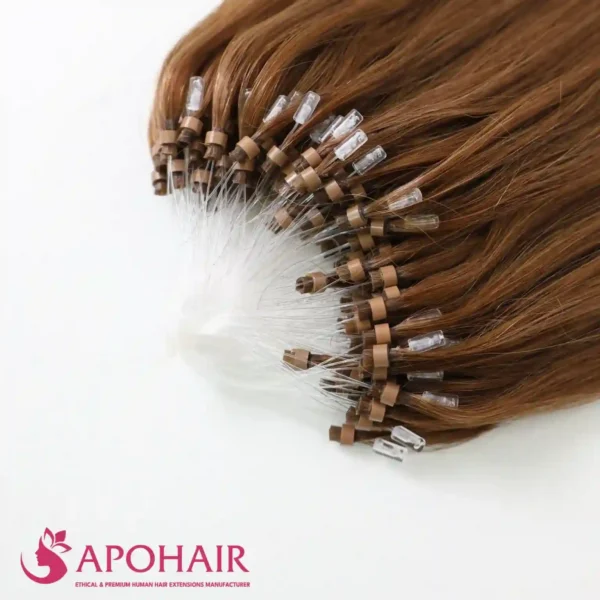
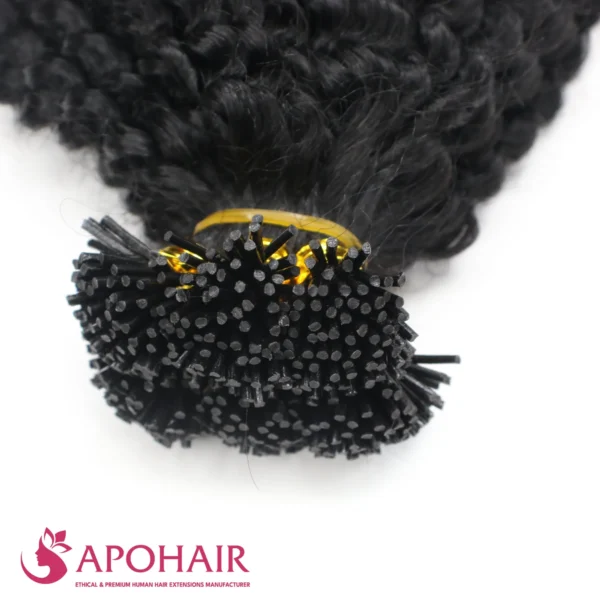
- Individual-Strand Attachments: Cambodian products include textured keratin tips. Vietnamese factories offer I-tip, U-tip, V-tip, and flat-tip options through a keratin hair extension manufacturer. For ring-based installations, an i tip hair extensions manufacturer supplies individual strands with straight, stick-shaped tips that a stylist secures using small rings. For hot-fusion installations, a u tip hair extensions manufacturer produces strands finished with U-shaped keratin bonds that a stylist applies with heat.
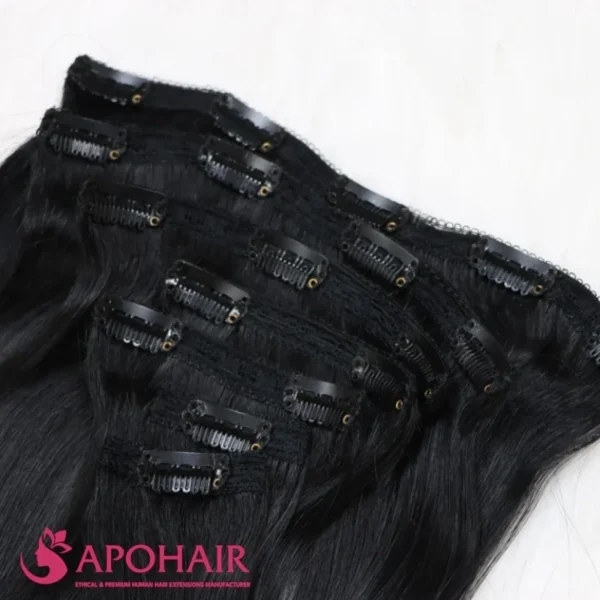
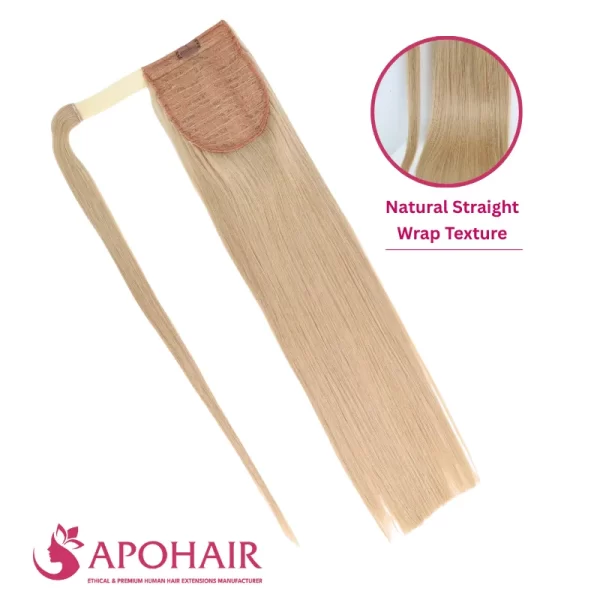
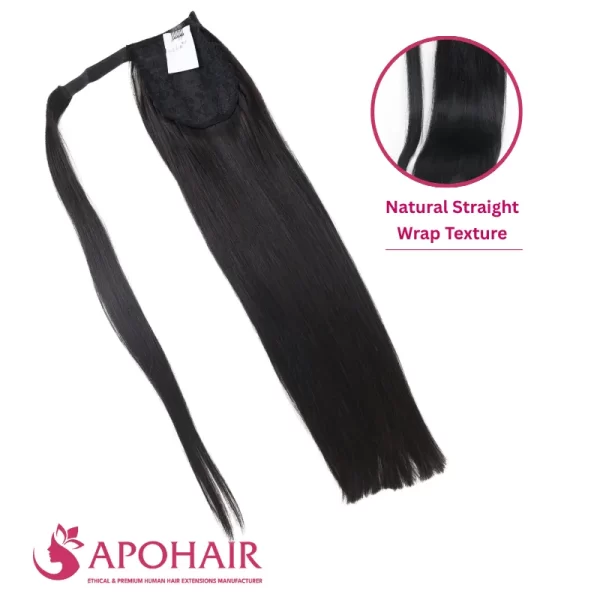
- Clip-Ins and Ponytails: Cambodian textured sets add temporary body and movement. Vietnamese ranges include silky-straight and textured sets with specified lengths, colors, and total weights. A clip in human hair extensions manufacturer offers normal, seamless, and halo constructions for different coverage and attachment preferences.
Weft width, tape design, bond shape, and removable-set construction determine how the extensions attach and distribute coverage. These product specifications affect the installation separately from the natural feel of the hair.
Price
Authentic Cambodian raw hair carries higher sourcing costs because supply is scarcer; Vietnamese hair offers more competitive wholesale pricing through a larger sourcing and manufacturing network. This gives Vietnamese suppliers more flexibility when pricing bulk orders across lengths, grades, and product formats.
Length, end fullness, and color processing also affect the finished price in both origins. Double-drawn and super-double-drawn sorting adds labor and requires more raw material to produce full-ended bundles. Pre-lightened blonde and custom colors add processing costs, so a heavily processed Vietnamese product can cost more than a simpler Cambodian product.
At US retail, brand margins and local fulfillment further influence selling prices. The Cambodian sourcing premium is clearest in comparable wholesale products; it does not produce a fixed price difference across every bundle, wig, and extension format.
Wholesale Supply and Restocking
Vietnamese factories offer greater capacity for repeat wholesale production; authentic Cambodian raw hair has a smaller supply base, making large, closely matched orders harder to replenish:
- Cambodian hair: Factory-direct wholesale supply includes bundles, matching lace pieces, and custom colors. Replenishing a natural-texture collection requires available hair with similar lengths, shades, and patterns. A smaller pool of matching raw material can extend the wait for replacement stock.
- Vietnamese hair: Factory production supports repeat orders with specified lengths, colors, end fullness, and attachments. At APOHAIR, our factory has a production capacity of approximately 20 metric tons (44,100 lb) of hair products per month, supporting bulk manufacturing across multiple product categories.
Ready-stock reorders depend on the availability of matching units; custom orders also require production before dispatch. For repeat orders of wholesale weft hair extensions, the factory works from the approved construction, length, color, weight, and drawn grade. The sample and recorded specifications provide a reference for subsequent production.
Which Hair Should You Choose for Your Business?
Choose Cambodian hair for natural body, textured blending, and full-looking waves. Choose Vietnamese hair for silky finishes, a broader range of factory specifications, and competitively priced wholesale stock.
| Client or Business Requirement | Recommended Hair | Reason |
| Full-bodied sew-ins and wigs | Cambodian natural-wave or curly hair | Its natural texture creates volume and movement without relying entirely on heat styling. |
| Extensions that blend with textured leave-out | Cambodian hair with a compatible pattern | Its substantial feel and lower luster suit a less glossy, textured finish. |
| Sleek, straight installs and long-length styles | Vietnamese silky-straight hair | Its smooth fall creates a polished silhouette, with extensive factory length options. |
| Blonde, ash, or fashion-color services | Vietnamese bleach-selected or pre-colored hair | Factories offer material selected for lightening and finished colors for specific salon requirements. |
| Regular restocking across multiple product lines | Vietnamese factory-supplied hair | Competitive wholesale pricing and larger production capacity support repeat orders across bundles, wigs, and extensions. |
For color services, the next decision is the material grade and processing history. A strand test establishes how the selected bundle responds to the planned lightening service.
If your sourcing shortlist includes other origins, our guide to Vietnamese hair vs Chinese hair compares texture, durability, and pricing. The Peruvian vs Vietnamese hair comparison covers texture, luster, and maintenance.
Frequently Asked Questions
Is Cambodian Hair Good Quality?
Yes. High-quality Cambodian raw hair offers natural body, strong curl hold, and durability for repeated installations. Intact cuticles and secure weft construction support its performance. Its slightly coarse feel describes the texture, rather than a quality defect.
Is Vietnamese Hair Good Quality?
Yes. High-quality Vietnamese hair offers a silky feel, smooth movement, and versatility for styling. Cuticle-aligned raw bundles support reuse and professional coloring. The material grade and processing history determine how well a particular product handles lightening and repeated wear.
Does Vietnamese Hair Come in Wavy and Curly Textures?
Yes. Vietnamese hair comes in natural-wave and manufactured wavy or curly textures. Factory options include body wave, deep wave, and defined curls. Steam setting creates textured products from Vietnamese donor hair, so the finished pattern also reflects production methods.
Is Cambodian Bone Straight Hair Human Hair?
Yes. Genuine Cambodian bone-straight extensions use human hair. “Bone straight” describes the ultra-straight finish. Its raw or virgin status depends on the treatments used before sale; Cambodian straight hair also supports curls and other heat-styled looks.
Can You Tell Cambodian and Vietnamese Hair Apart by Texture?
No. Texture alone cannot verify the country of origin. Cambodian hair includes straight products, and Vietnamese raw hair includes slight-wave patterns. This overlap makes texture an unreliable origin test; verification requires traceable sourcing records.
Which Country Has the Best Quality Human Hair?
No single country supplies the best hair for every application. Cambodian hair suits full-bodied natural textures. Vietnamese hair suits silky finishes and extensive factory customization. Product quality depends on material selection, cuticle condition, processing, and construction.
What Natural Colors Do Cambodian and Vietnamese Hair Come In?
Both origins include natural black and dark-brown hair. Shade and undertone vary among donors, and color processing changes the finished shade. Labels such as #1, #1B, and #2 describe supplier color options; they do not verify the donor country.
Getting the source right is what keeps your clients coming back, whether you stock volume-rich Cambodian hair or sleek Vietnamese hair. Need help matching the right grade and length to your orders? Request a sample and wholesale quotation from APOHAIR for your required lengths, textures, colors, and product formats. Use the sample to assess performance before committing to a bulk order.
APOHAIR ETHICAL & PREMIUM HUMAN HAIR EXTENSIONS MANUFACTURER
- Address: Building 3A, Lane 82 Duy Tan, Cau Giay, Hanoi, Vietnam
- Factory: Minh Luong, Yen Luong Ward, Ninh Binh, Vietnam
- WhatsApp: +84 862 132 366
- Email: [email protected]
- Website: https://apohair.com/
