








180 vs 250 Density Wig: Which One Is Worth It?
A 180% density wig gives a full but natural look that stays light enough for everyday wear, while a 250% density wig has more hair for maximum, dramatic volume and a heavier feel. Wig density is the percentage of hair sewn onto a wig cap compared with a natural head of hair, where 100% equals an average head of hair. That means 180% and 250% wigs sit well above natural hair, at the full-to-maximum end of the scale, while 130 to 150% is the everyday natural zone.
Choosing between a 180 and a 250 density wig depends on how you’ll wear it. For most people in daily wear, 180% is the more affordable and more comfortable all-day choice; 250% is only worth it when you want maximum, camera-ready volume for events, or need to fill out fine, thin hair.
In this guide, APOHAIR compares 180% and 250% wigs side by side on volume, weight, comfort, and price, shows what each one looks like on its own, then helps you choose the one that fits your hair and your care routine.

180 vs 250 Density: Key Differences at a Glance
The table below compares the two densities by the factors that actually affect the buying decision: fullness, wear feel, styling purpose, cost, and maintenance.
| Feature | 180% Density | 250% Density |
| Volume | Full and still natural-looking | Very full, thick, and dramatic |
| Weight and feel | Lighter than 250% and easier to wear daily | Heavier, warmer, and more noticeable on the scalp |
| Look | Healthy, full, and polished | Strong statement volume with a larger silhouette |
| Best length | Flexible across short, medium, and long styles | Best on longer styles where the weight can fall naturally |
| Best for | Daily wear, work, events, and buyers who want full but wearable hair | Photos, performances, special events, and buyers who want major volume |
| Suitable styles | Natural straight, body wave, layered everyday looks, soft curls | Big curls, deep wave, long glam waves, voluminous half-up styles |
| Price | Lower than 250% | Higher because more hair is used |
| Maintenance | Easier to wash, dry, and style | Needs more detangling, drying time, and storage care |
The practical verdict is that 180% is the better density for most people who want a full look they can wear often, while 250% is worth considering when the style specifically needs extreme fullness, camera-ready body, or performance-level volume.
What Does a 180 Density Wig Look Like?
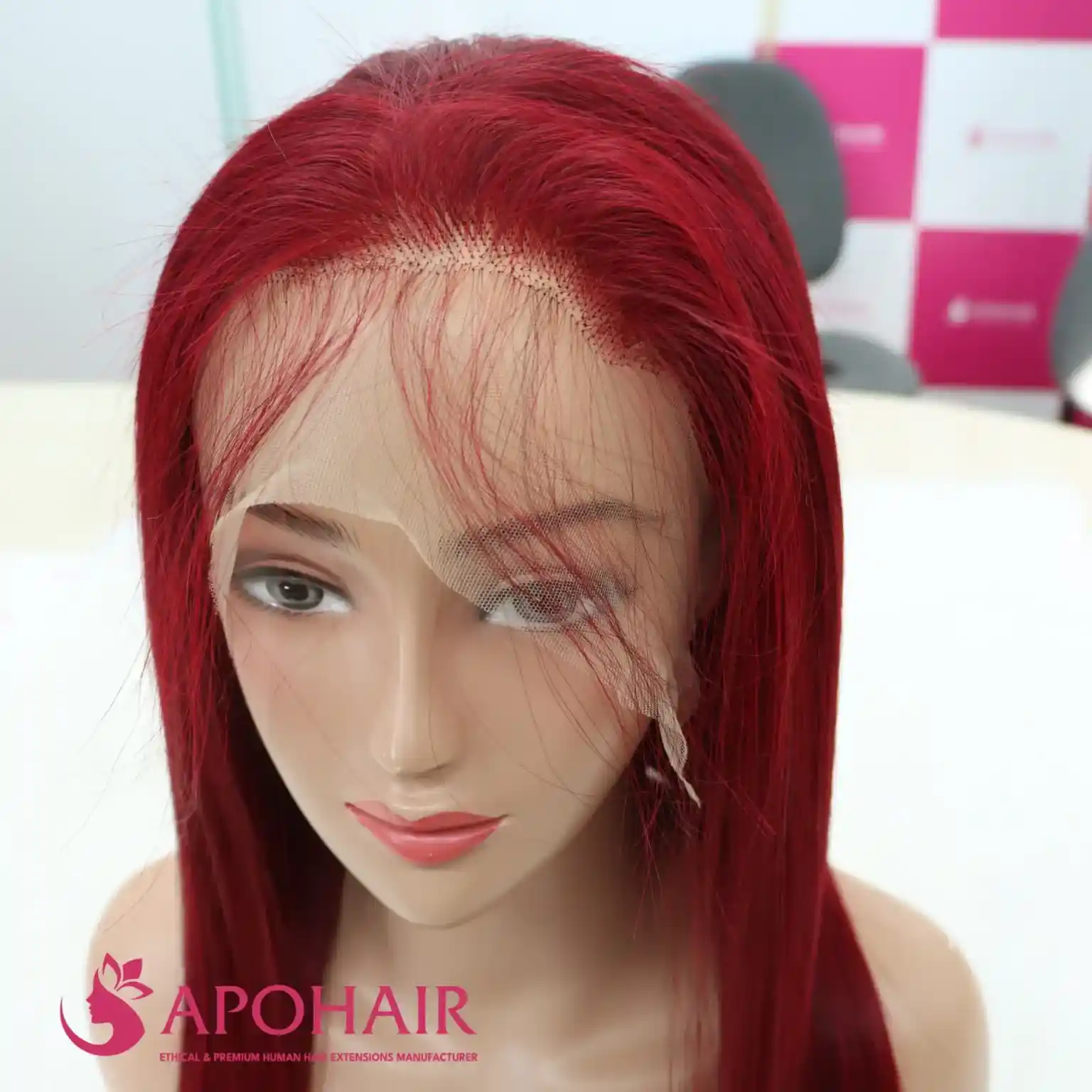
A 180% density wig looks like a full, healthy head of hair without moving into heavy stage volume. It gives more body than 150%, keeps the ends fuller on medium and long styles, and still feels manageable for many wearers.
On the head, 180% density creates a polished full look that works for straight, body wave, and many curly textures. The cap carries more hair than a natural daily density, but it does not usually overwhelm the face or feel excessive when the cap is built well. In the density family, 180% is the point where fullness and wearability still stay close together.
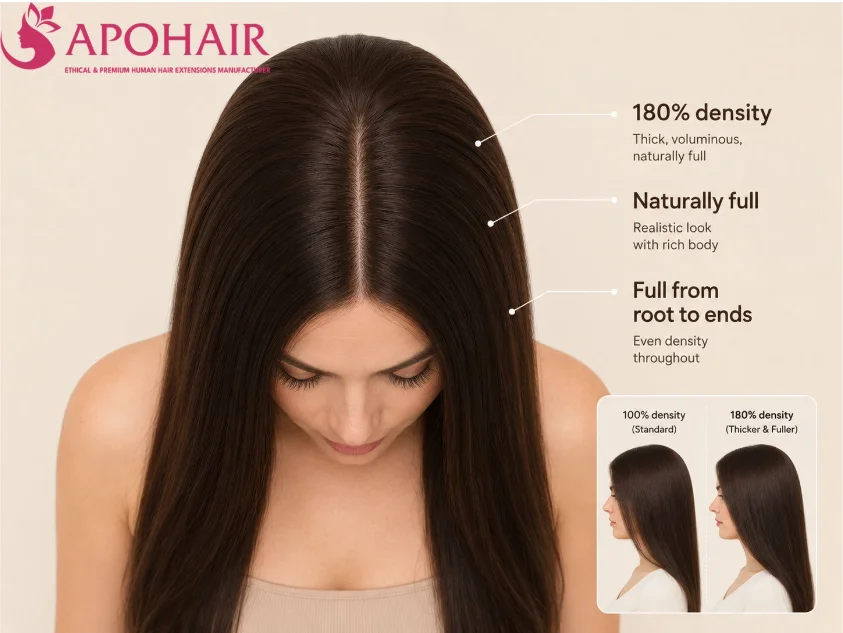
Choose 180% density wig when you want a wig that looks full in person, photographs well, and can still function as an everyday or frequent-wear unit.
What Does a 250 Density Wig Look Like?
A 250% density wig is one of the fullest wig options, with a thick silhouette and a high-volume finish that is easy to notice in photos or from a distance. It creates a strong statement look, especially on long styles where the hair has enough length to fall and move.
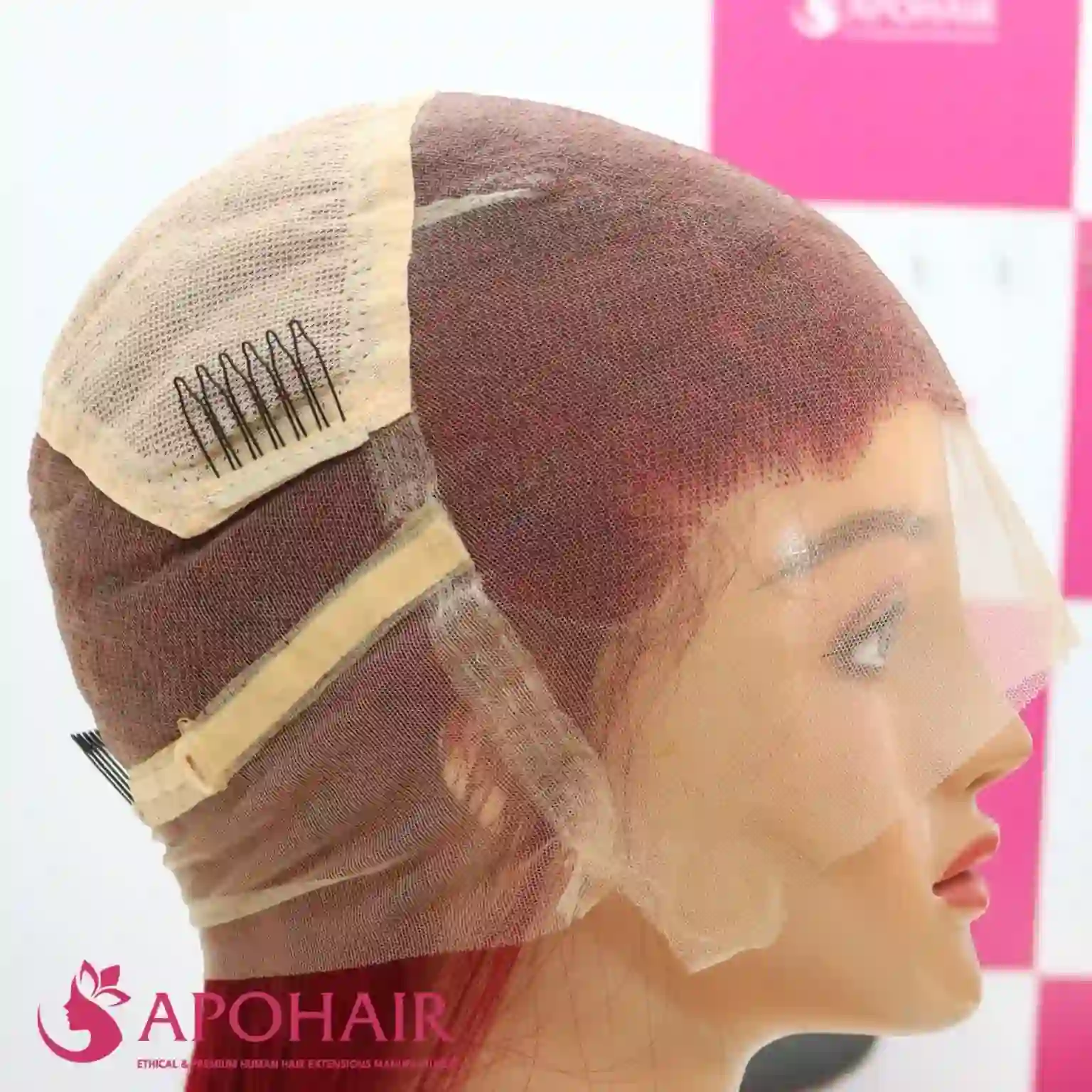
The trade-off is that 250% density usually feels heavier, warmer, and more demanding to maintain. There is more hair to detangle, more hair to dry, and more hair pulling weight through the cap, so the wearer needs to be comfortable carrying that volume. In our production experience, the most common mismatch is a buyer choosing 250% for everyday wear because the photos look full, then realizing that the unit feels too heavy after several hours.
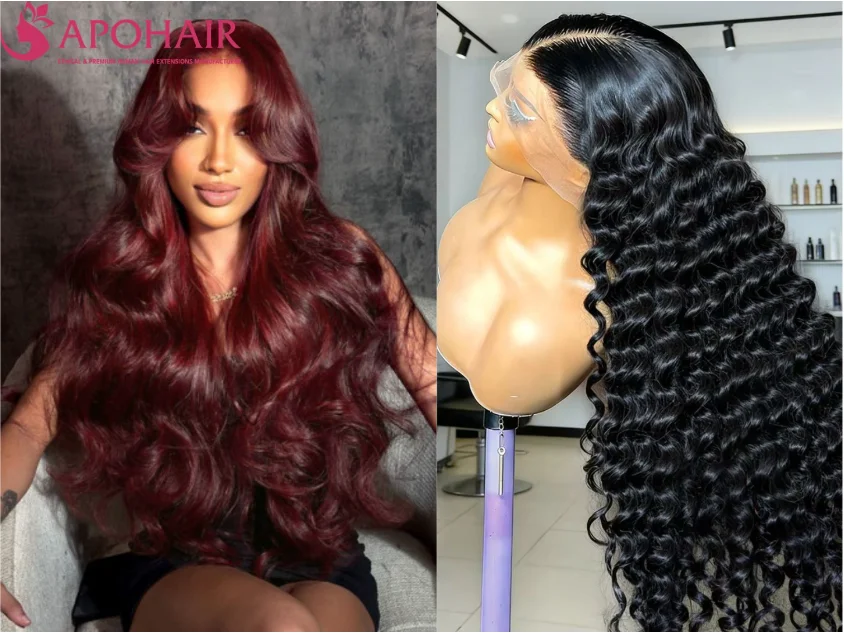
Choose 250% density wig when the volume is the purpose of the style, and choose 180% when the wig needs to feel comfortable for repeated wear.
Which Density Should You Choose: 180 or 250?
Choose between a 180% density wig and a 250% density wig by matching the wig density to your occasion, comfort needs, hair texture, and length. Use a 150% density wig as the natural everyday baseline, then move up to 180% for fuller daily wear or 250% only when the added hair improves the finished style.
Match Density to Your Hair Texture and Length
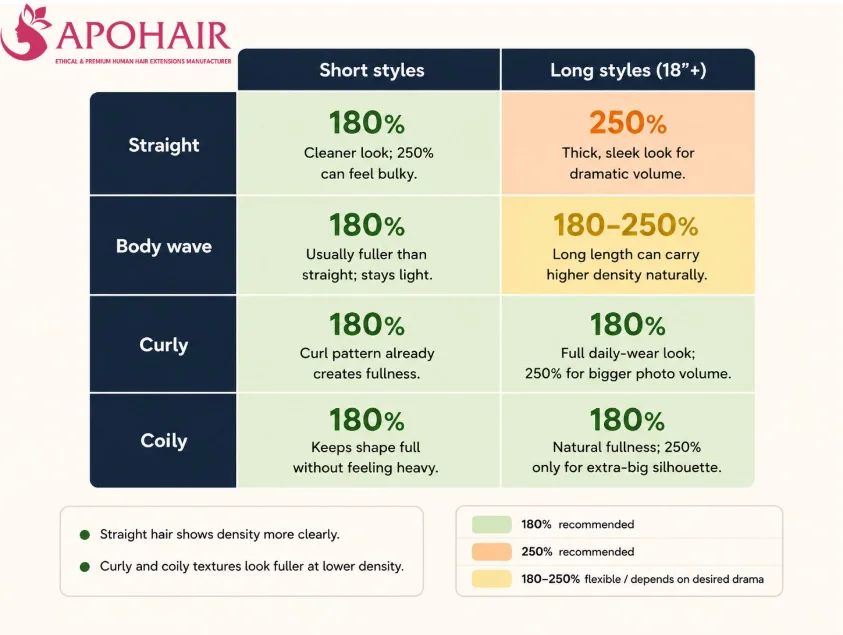
Texture changes how density appears because straight, body wave, curly, and coily hair distribute volume differently. Straight hair lays flatter and can show density gaps more clearly through the ends, while curly and coily textures create visual fullness through the curl pattern itself.
For long straight hair, 250% density wig can create a thick, sleek look when the buyer specifically wants dramatic volume. For short straight hair, that same density can look bulky because the hair does not have enough length to fall. For curly and coily hair, 180% density wig is often enough for a full look, while 250% creates a bigger silhouette that some buyers love for photos and others find too wide for daily wear.
Length matters in the same way because longer styles, especially around 18 inches and above, can carry high density more naturally when the weight has room to fall through the lengths. Shorter styles often look cleaner at 180% density wig because the shape stays full without becoming compact and heavy.
Match Density to Your Styling and Comfort Needs
Once the texture and length are clear, the final decision should come from lifestyle. A high-density wig should support the wearer’s day instead of becoming the main thing they notice all day.
- Choose 180% density wig for daily wear, work, commuting, and comfort because it gives a full look with less heat and weight than 250%.
- Choose 250% density wig for events, performances, photos, or statement volume because the extra hair creates a larger silhouette and stronger visual impact.
- Choose 250% density wig when you want the appearance of fuller hair in a finished style rather than expecting the density to solve a scalp or medical hair concern.
- Choose 180% density wig for hot climates, long wear hours, or sensitive scalps because a lighter density is usually easier to tolerate.
For wholesale or custom wig orders, confirm the target density together with length, texture, lace type, and cap construction before production. APOHAIR makes human-hair wigs from 100% Vietnamese Human Hair, factory-direct, and density should be specified as part of the full unit design rather than as a standalone number.
Frequently Asked Questions
Is a 250% Density Wig Worth It?
A 250% density wig is worth it when the buyer wants dramatic volume for events, photos, performances, or long statement styles. For daily wear, 250% is often more hair than most people need, while 180% density wig gives a full look with less weight, heat, and maintenance.
Is a 250% Density Wig Heavy or Hot to Wear?
A 250% density wig usually feels heavier and warmer than a 180% density wig because the cap carries much more hair. A breathable cap and good construction can reduce discomfort, but buyers who prioritize all-day comfort usually do better with 180%.
Is 180% Density Full Enough?
A 180% density wig is full enough for most wearers because it creates a thick, healthy look without the extreme weight of 250%. The only reason to go higher is a specific styling goal, such as very long hair, photos, performance, or a deliberately dramatic silhouette.
Is 180 or 250 Density Wig Better for Curly vs Straight Hair?
The better density depends on the effect you want from the texture. Curly and coily hair often looks full at 180% because the curl pattern creates volume, while long straight hair may carry 250% better when the buyer wants a sleek but very thick finish.
Does a Higher-Density Wig Last Longer?
A higher-density wig does not automatically last longer because lifespan depends more on hair quality, washing, detangling, storage, install, and removal than on density alone. Higher density may hide some shedding visually for a while, but it also gives the wearer more hair to maintain.
Conclusion
Choosing between 180 and 250 density wig is a choice between volume and comfort. A 180% density wig gives you full hair that still feels wearable for daily use, while a 250% density wig creates a much thicker, more dramatic look and is also heavier to wear. Bigger is not automatically better. A 250% density earns its place for events, performances, or finished styles that need maximum volume, while 180% stays the easier all-day choice for most people and most textures.
Once the density matches where and how you will wear the wig, the next question is who makes it, because that volume only looks right on the right length and texture. APOHAIR crafts human-hair wigs in-house in Vietnam, including frontal, closure, and full lace wigs made from 100% Vietnamese Human Hair, Ethically Sourced and sold factory-direct. Our current wig line is supplied at 180% density, the fuller daily-wear range that balances volume, comfort, and maintenance for most buyers. See APOHAIR human hair wigs, or ask our team about wholesale and private-label runs if you supply salons or stores.
APOHAIR — ETHICAL & PREMIUM HUMAN HAIR EXTENSIONS AND WIGS MANUFACTURER
- Address: Building 3A, Lane 82 Duy Tan, Cau Giay, Hanoi, Vietnam
- Factory: (Old) Yen Luong Village, Y Yen District, Nam Dinh Province, Vietnam; (New) Minh Luong Hamlet, Van Thang Commune, Ninh Binh Province, Vietnam
- WhatsApp: +84 862 132 366
- Email: [email protected]
- Website: https://apohair.com/
