







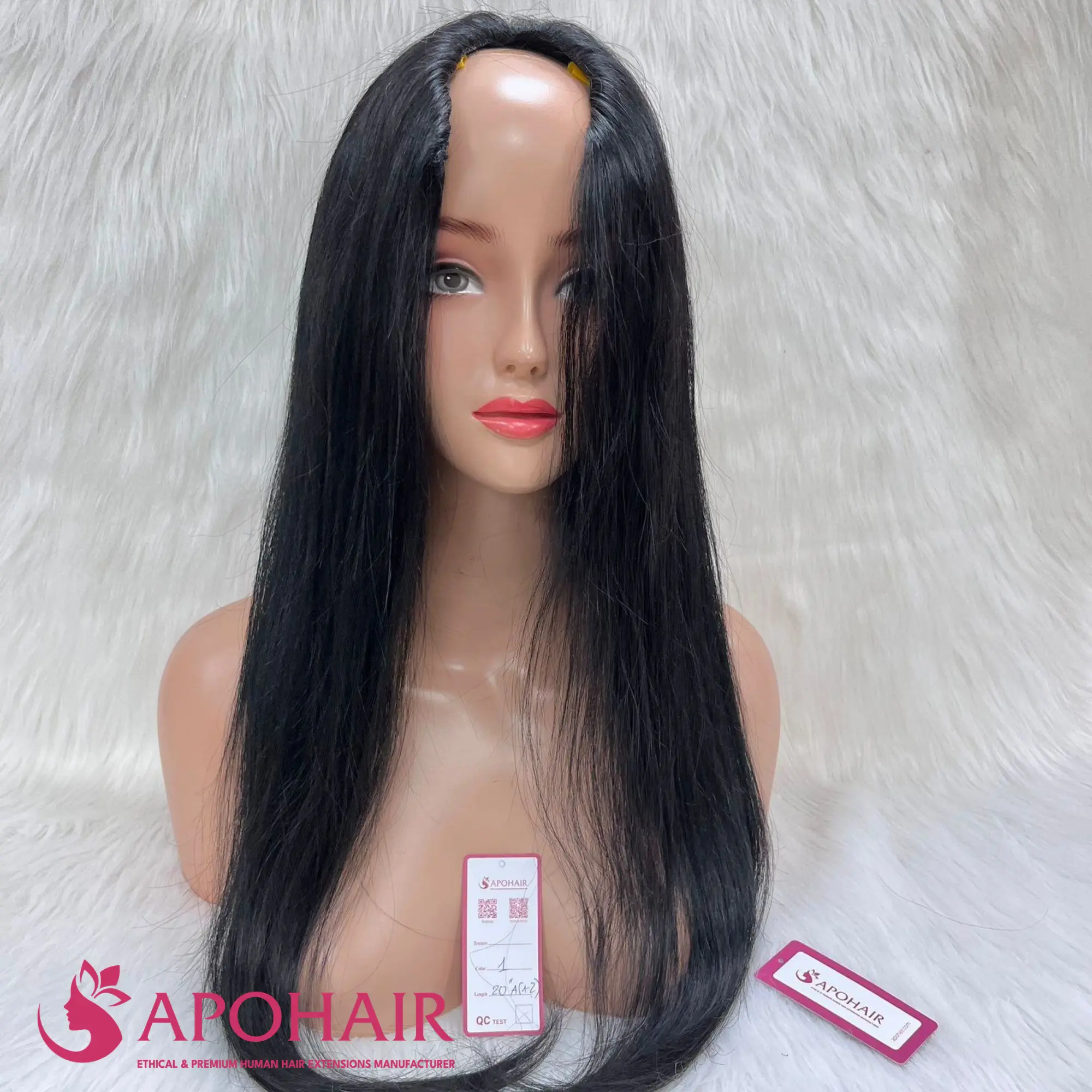

150 vs 180 Density Wig: Which One Should You Choose?
A 150% vs 180% density wig refers to how much hair is sewn or ventilated into each square inch of the wig cap. A 150% density wig uses about 1.5 times the hair of a standard 100% density cap, while a 180% density wig uses about 1.8 times that baseline, so it looks fuller and carries more weight.
For most people, 150% density gives a natural, medium-full look that feels lighter for everyday wear. A 180% density wig is noticeably thicker and more voluminous, which works better for longer styles, photos, events, or buyers who want a bolder finish.
In this guide, Apohair compares 150% and 180% wigs side by side on fullness, weight, comfort, price, length, and texture. We also explain when each density makes sense in real production, because the right choice depends on more than the number: Cap construction, hair length, texture, and styling goal all affect how full the wig looks once worn.

150 vs 180 Density: Key Differences at a Glance
The side-by-side comparison below shows how the two densities differ in fullness, wear feel, price, and best use. Use it as a starting point, then adjust for your hair length and texture.
| Feature | 150% Density | 180% Density |
| Fullness | Medium-full and natural-looking | Fuller and more voluminous |
| Weight / feel | Lighter and easier for all-day wear | Usually heavier and warmer |
| Look | Balanced, realistic, and soft | Bolder, thicker, and more styled |
| Best length | Short to medium-long styles, often up to about 22 inches | Medium to long styles that need fuller ends |
| Best texture | Most textures, especially curly and body wave | Straight, long, or event-ready styles that need extra body |
| Price | Usually lower | Usually higher because more hair is used |
| Best for | Beginners, daily wear, work, and comfort | Events, photos, fuller looks, and long styles |
If this is your first wig or you want easy daily wear, 150% is usually the safer starting point. If you want more visible volume, wear longer styles, or want the hair to look fuller in photos, 180% may be the better match.
What Does a 150 Density Wig Look Like?
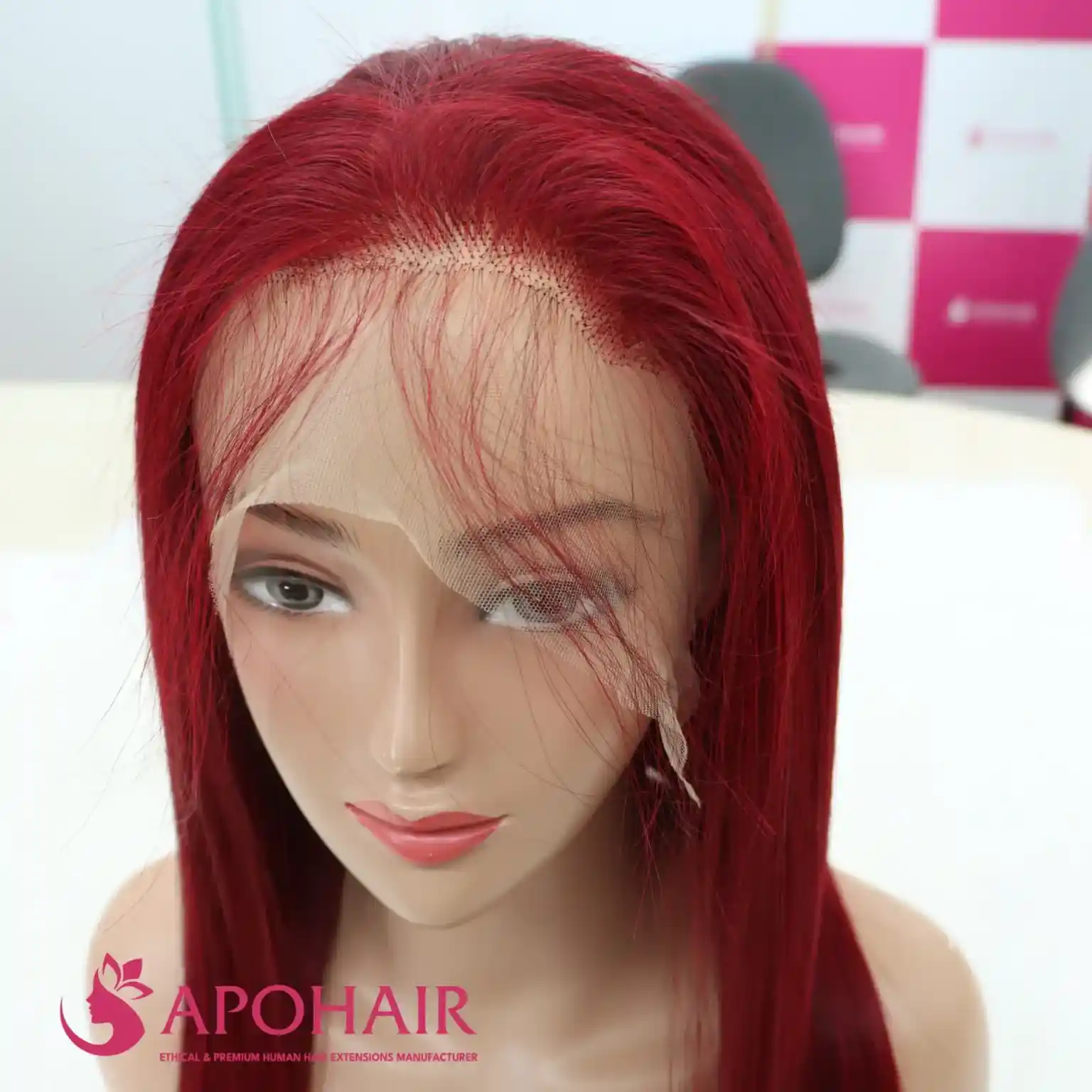
A 150% density wig looks natural and medium-full, with enough hair to create body without making the cap feel heavy. It is one of the most practical density levels because it works across many everyday styles and keeps the hairline, part, and ends from looking overfilled.
On the head, 150% density usually blends well with a natural-looking hairline and gives a soft amount of scalp visibility at the part. That slight part visibility matters because real hair rarely grows as one solid wall of hair. The lower weight also helps the wearer stay comfortable through a long day, and the wig often dries faster after washing because there is less hair holding water.

For buyers who want a realistic daily unit, 150% density often gives the best balance of fullness, comfort, and cost.
What Does a 180 Density Wig Look Like?
A 180% density wig looks noticeably fuller than 150%, with more body through the lengths and a stronger styled presence. It creates the “lots of hair” look that many wearers prefer for events, content, photos, and long styles.
At the part and throughout the cap, 180% density shows less scalp and gives the hair more weight to shape. That extra fullness helps long straight styles, high-volume waves, and fuller glam looks, but it can also feel warmer or heavier during long daily wear. In our production checks, 180% is the point where comfort and volume still meet for many buyers, while going higher starts to become more occasion-specific.

Choose 180% when the style needs fuller ends, stronger body, or a bolder silhouette, and stay with 150% when daily comfort is the bigger priority.
Which Density Should You Choose: 150 or 180?
Choose between 150% and 180% by matching density to texture, length, comfort, and styling goal. The best density is not the biggest number; it is the number that makes the wig look right and feel wearable for the way you actually use it.
Match Density to Your Hair Texture and Length
Texture and length can change the answer because the same density does not read the same on straight, body wave, curly, and kinky textures. Curly and coily textures often look fuller at a lower density because the curl pattern creates visual volume, while straight hair lays flatter and can need more density to avoid looking thin through the ends.
For that reason, a curly or kinky wig at 150% can already look full enough for daily wear, while a long straight wig may benefit from 180% so the ends do not look sparse. The opposite problem also happens in production: a short straight bob at too high a density can sit bulky, while a short curly wig at high density can feel wider than the wearer expected.
Use length as a rough guide rather than a rigid rule:
- 6 to 10 inches: Short styles often look full at lower density, so 120% to 150% is usually enough.
- 12 to 16 inches: Medium lengths can work across 130% to 180%, depending on texture and styling goal.
- 18 to 22 inches: Longer styles often need 150% to 200% so the ends stay filled out.
- 24 inches and up: Extra-long styles may need higher density, which is why the heavier end belongs in the 180 vs 250 density wig conversation.
| Texture | Short to medium length | Long length |
| Straight | Moderate density, usually 150% works well | 180% can help keep ends fuller |
| Body wave | 150% often gives soft volume | 150% to 180% depends on how full the wave should look |
| Curly | 150% usually looks full because curls add volume | 150% is often enough, while 180% gives a bigger look |
| Kinky / coily | Lower density can already look full | Choose carefully because very high density can over-bulk the style |

Match Density to Your Styling and Comfort Needs
After texture and length, comfort and lifestyle should settle the final decision. A wig that looks perfect in a photo but feels too hot after two hours is not the right daily density.
- Choose 150% for a first wig, work, daily errands, or all-day comfort because it gives a natural medium-full look with less weight.
- Choose 180% for events, photos, fuller styling, or long straight looks because the extra hair helps the style hold more volume.
- Choose 150% for curly or coily textures when you want a natural look because the texture already supplies visual fullness.
- Choose 180% for longer lengths when the ends need more body because the extra density helps the hair look full from top to tip.
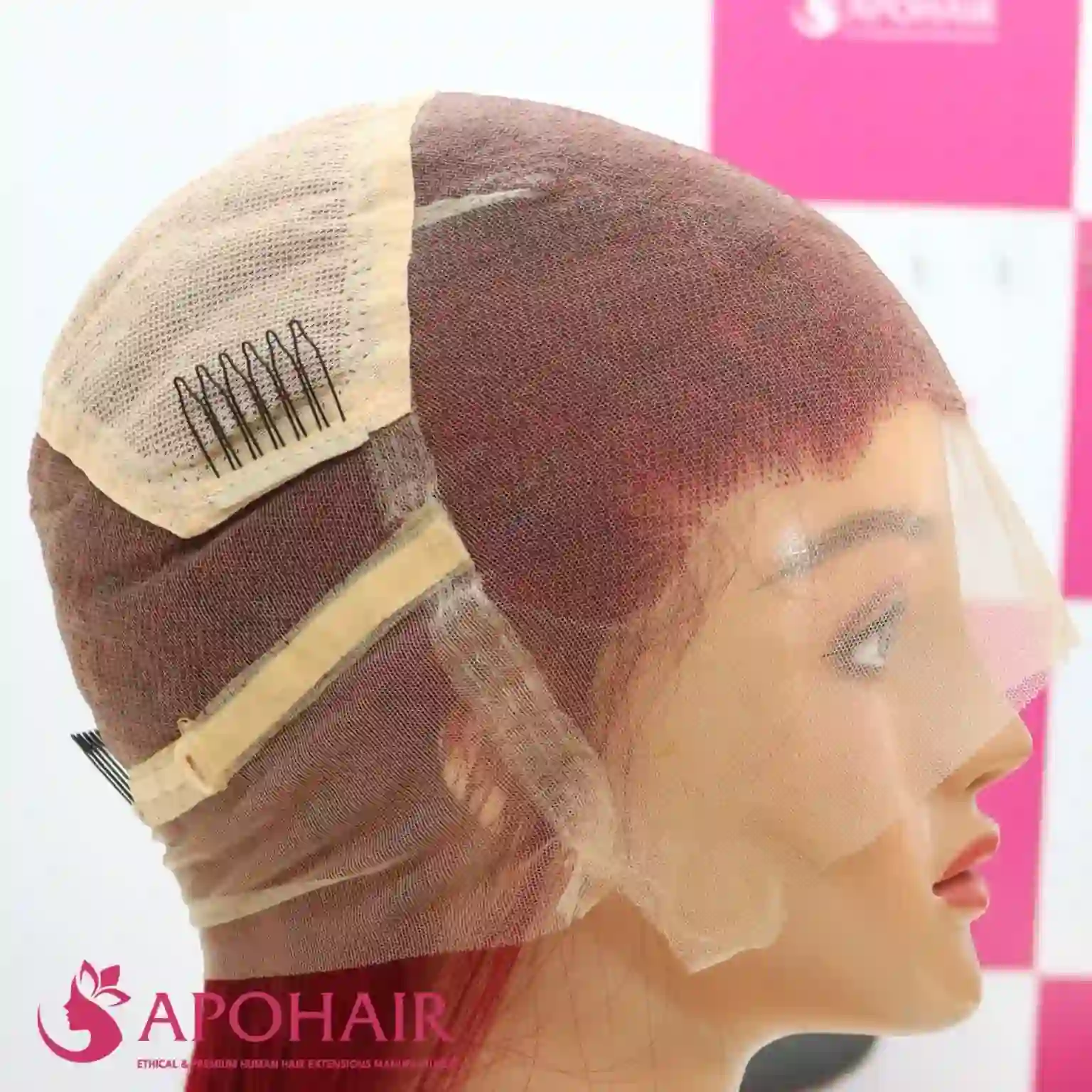
Apohair provides both 150% and 180% density human-hair wigs made from 100% Vietnamese Human Hair, factory-direct, in constructions such as frontal, closure, and full lace. For wholesale or custom orders, our team helps confirm the target density together with length, texture, lace type, and cap construction, so buyers can choose a natural everyday 150% wig or a fuller 180% wig based on their market instead of treating density as an isolated number.
Frequently Asked Questions
Is 150% or 180% Density Better?
Neither 150% nor 180% is universally better because each density serves a different use case. A 150% density wig is better for natural daily wear and comfort, while a 180% density wig is better for fuller styling, long lengths, and event-ready volume.
Is a Higher-Density Wig More Natural?
A higher-density wig is not automatically more natural because density adds fullness rather than realism. The most natural result usually comes from matching density to hair length, texture, cap construction, and the wearer’s features, while excessive density can make straight or short styles look bulky.
Is a 180% Density Wig Too Heavy or Hot for Everyday Wear?
A 180% density wig can be comfortable for many wearers, but it usually feels heavier and warmer than a 150% density wig because the cap carries more hair. If the wearer prioritizes all-day comfort, a breathable cap and a moderate length matter as much as the density number.
Should I Choose 150% or 180% for Curly Hair?
For curly or kinky textures, 150% density is often enough for a full, natural look because curls create volume on their own. A 180% curly wig can work when the buyer wants a bigger style, but it may feel too bulky if the length is short or the curl pattern is very tight.
Is 150% Density Enough for a Full, Natural Look?
A 150% density wig is enough for a full, natural look for many everyday styles because it gives medium-full body without excessive weight. Buyers should step up to 180% only when they want extra volume, longer, fuller ends, or a bolder styled effect.
Conclusion
Choosing between 150% and 180% is really about how full you want the finished style to look and how much weight you want to carry. A 150% density wig stays natural, medium-full, and light enough for everyday wear, while a 180% density wig reads fuller and more styled for longer lengths, photos, or event looks. Neither number is automatically better. For a realistic daily finish, many buyers stay around 130% to 150%, then move up only when their length, texture, or styling goal needs more volume.
Once you know which density suits how you wear your hair, the last piece is who builds the wig, because density only looks right when it matches the length and texture it sits on. We build ours at our own factory in Vietnam: human-hair wigs in frontal, closure, and full lace, made from 100% Vietnamese Human Hair, Ethically Sourced and sold factory-direct, then crafted to the density you choose. Browse Apohair human hair wigs, or talk to our team about wholesale and private-label orders if you are sourcing for a salon or store.
APOHAIR — ETHICAL & PREMIUM HUMAN HAIR EXTENSIONS AND WIGS MANUFACTURER
- Address: Building 3A, Lane 82 Duy Tan, Cau Giay, Hanoi, Vietnam
- Factory: (Old) Yen Luong Village, Y Yen District, Nam Dinh Province, Vietnam; (New) Minh Luong Hamlet, Van Thang Commune, Ninh Binh Province, Vietnam
- WhatsApp: +84 862 132 366
- Email: [email protected]
- Website: https://apohair.com/
