







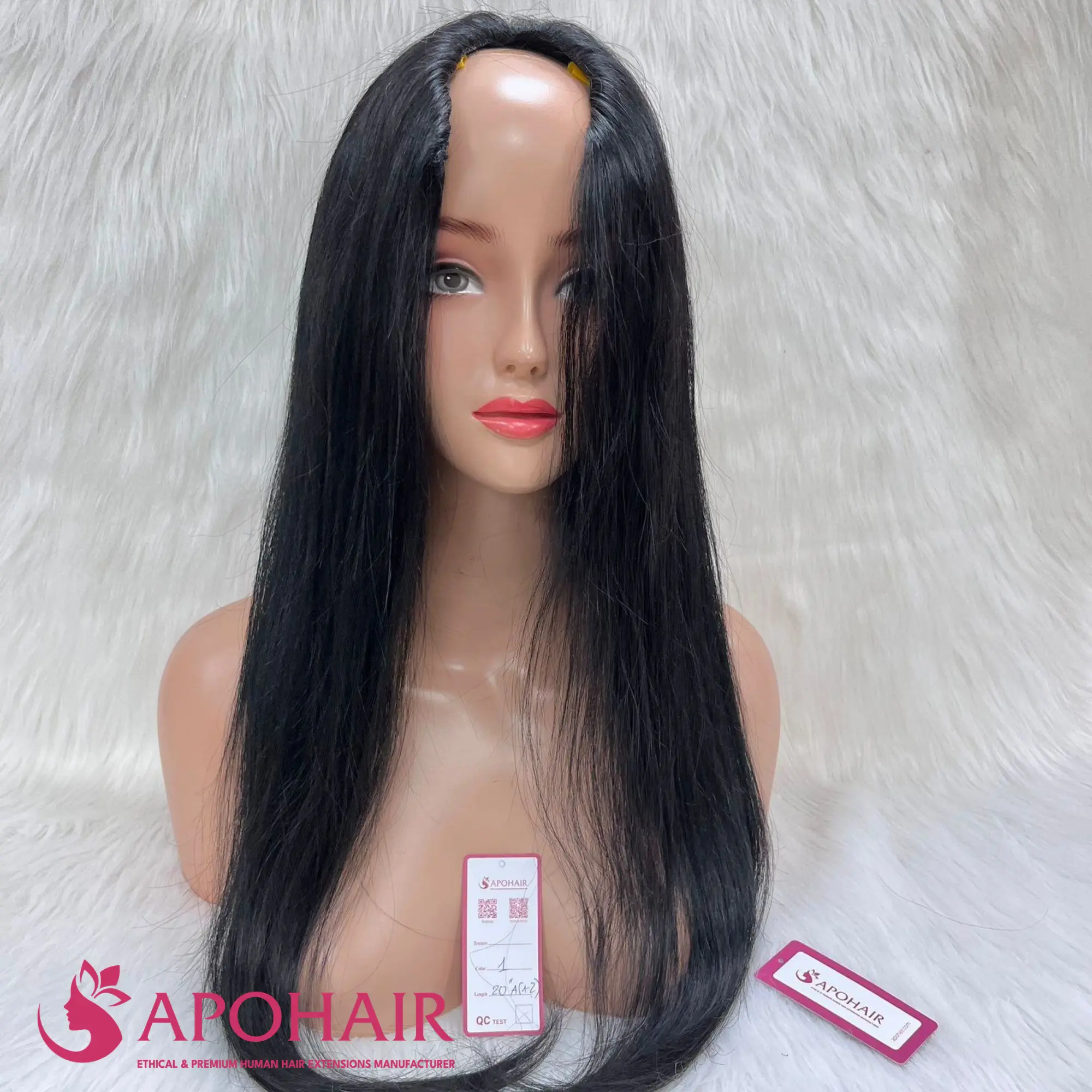

What Is A Frontal Wig?
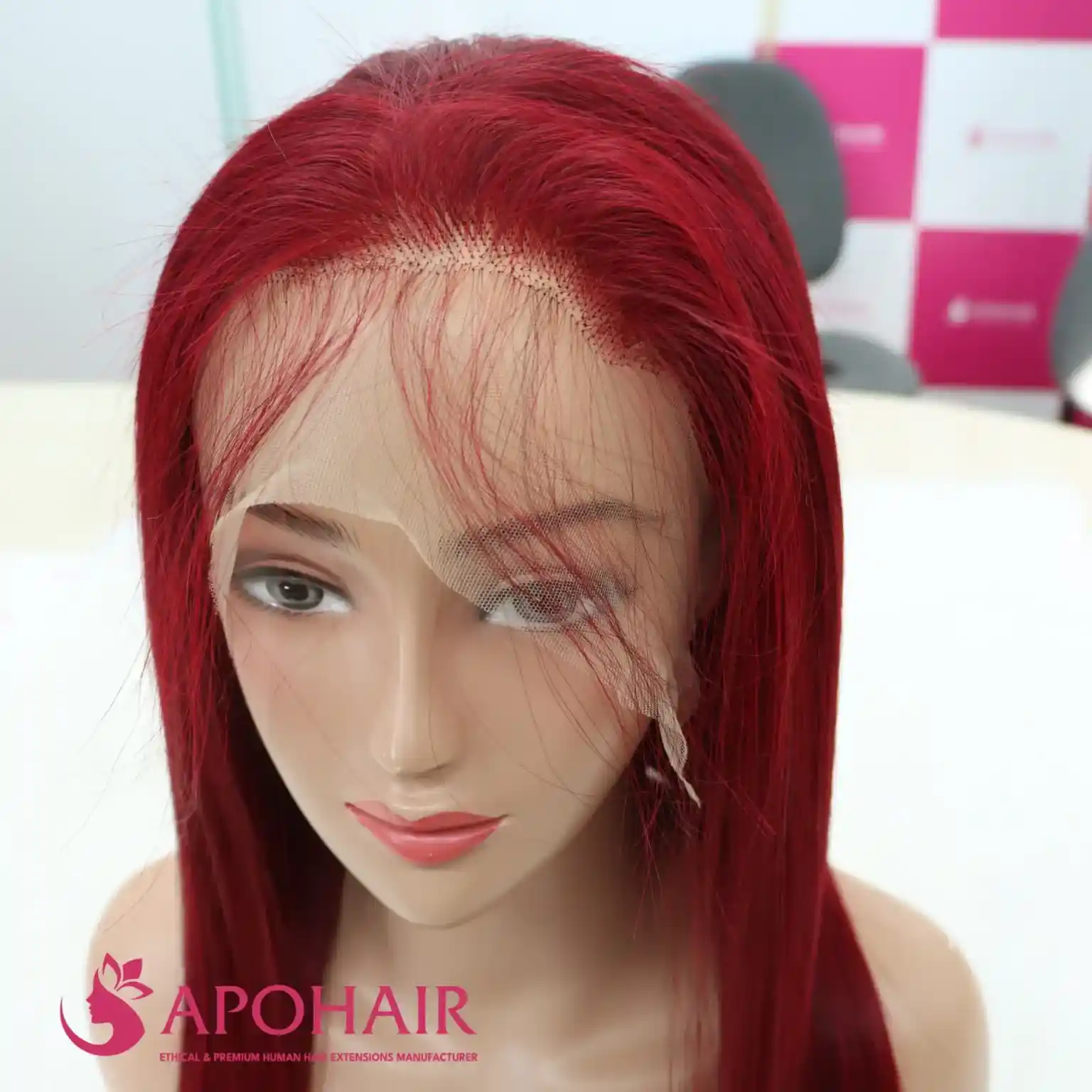
A frontal wig is a wig built with a sheer lace panel that runs ear to ear across the entire front hairline, with the rest of the cap made of machine-wefted hair. That ear-to-ear lace is the whole point. If the lace doesn’t stretch from one ear to the other, it isn’t a frontal at all. It’s a closure.
This matters to a first-time buyer because the front panel is what gives you a natural hairline and the freedom to part your hair anywhere from temple to temple. A closure can’t do that. We make these units on our own factory floor, so we’ll walk you through them the way we’d explain them to a buyer sitting across the table: what a frontal actually is, the sizes (13×4, 13×6, and 360), the lace types, how it compares to other wigs, its real benefits and limits, the styles it makes possible, how to choose one, how to install it, and how to care for it.

What Is a Frontal Wig?
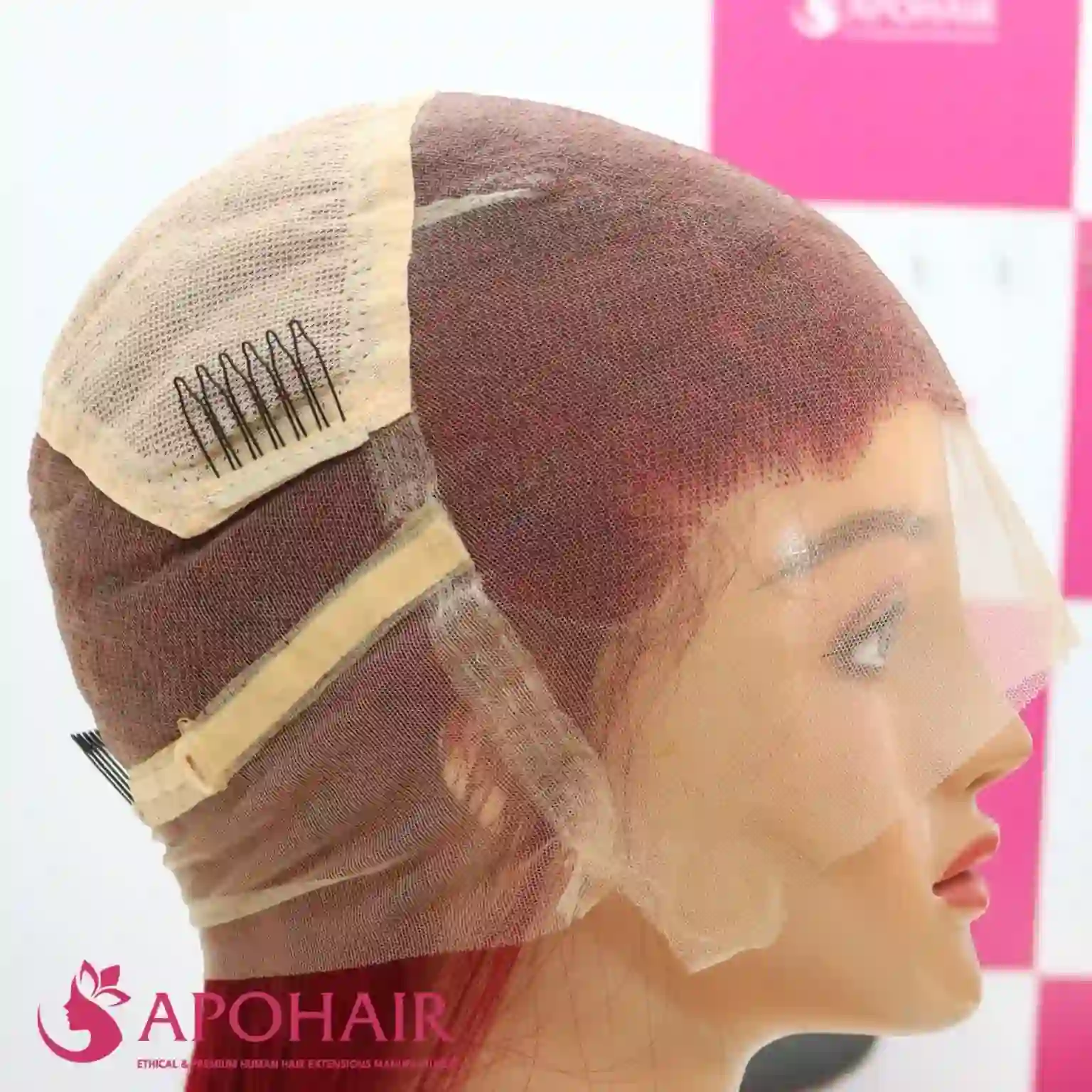
A frontal wig is a wig built with an ear-to-ear lace panel, usually 13×4 or 13×6 inches, that recreates the front hairline and gives more parting space than a closure wig. This wig combines that frontal with a wefted cap to form one full unit you can wear straight out of the box. Think of it as two parts working together: the delicate front and the sturdy body behind it. Depending on the cap construction, a frontal wig can be installed with adhesive or worn glueless with straps, combs, and an elastic band.
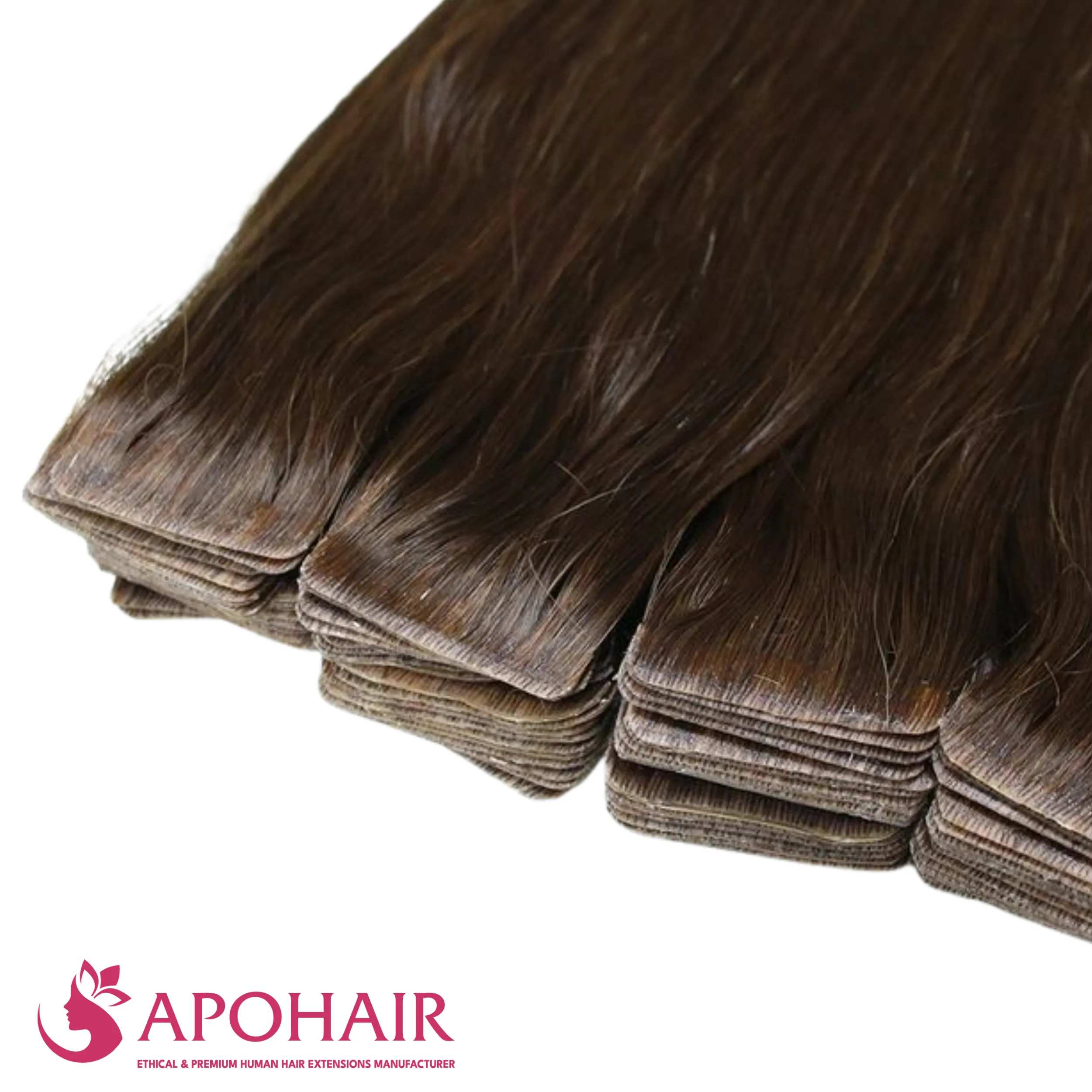
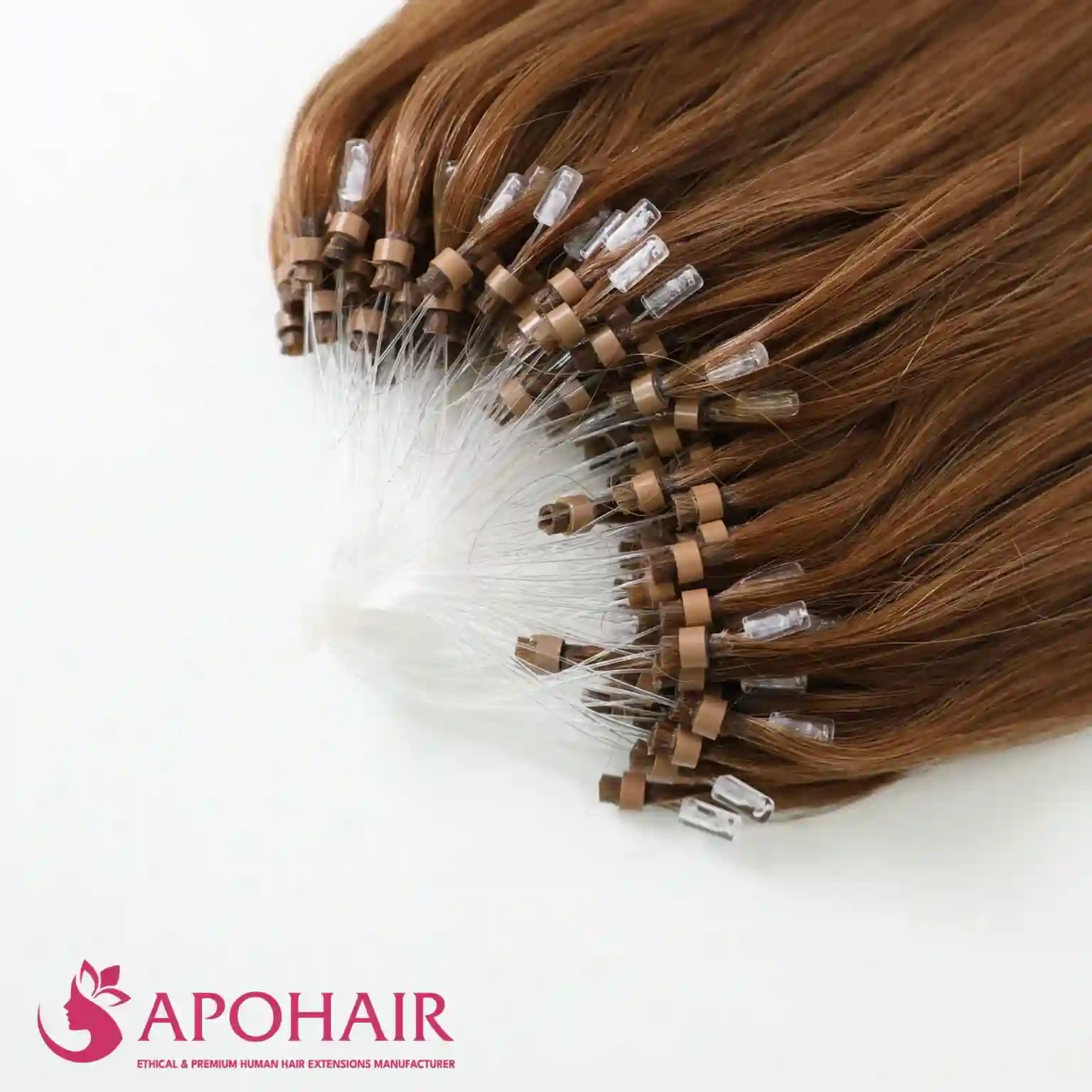
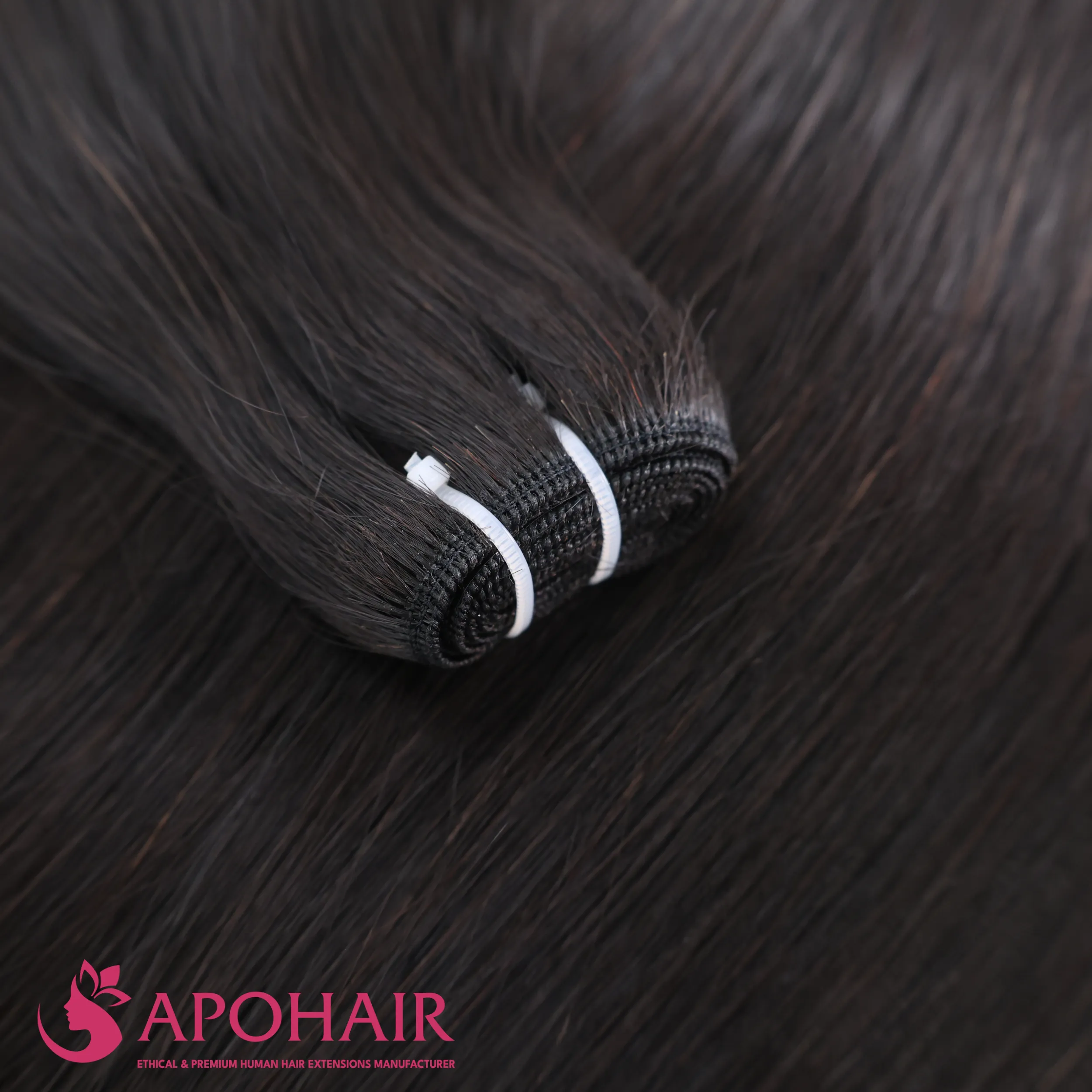
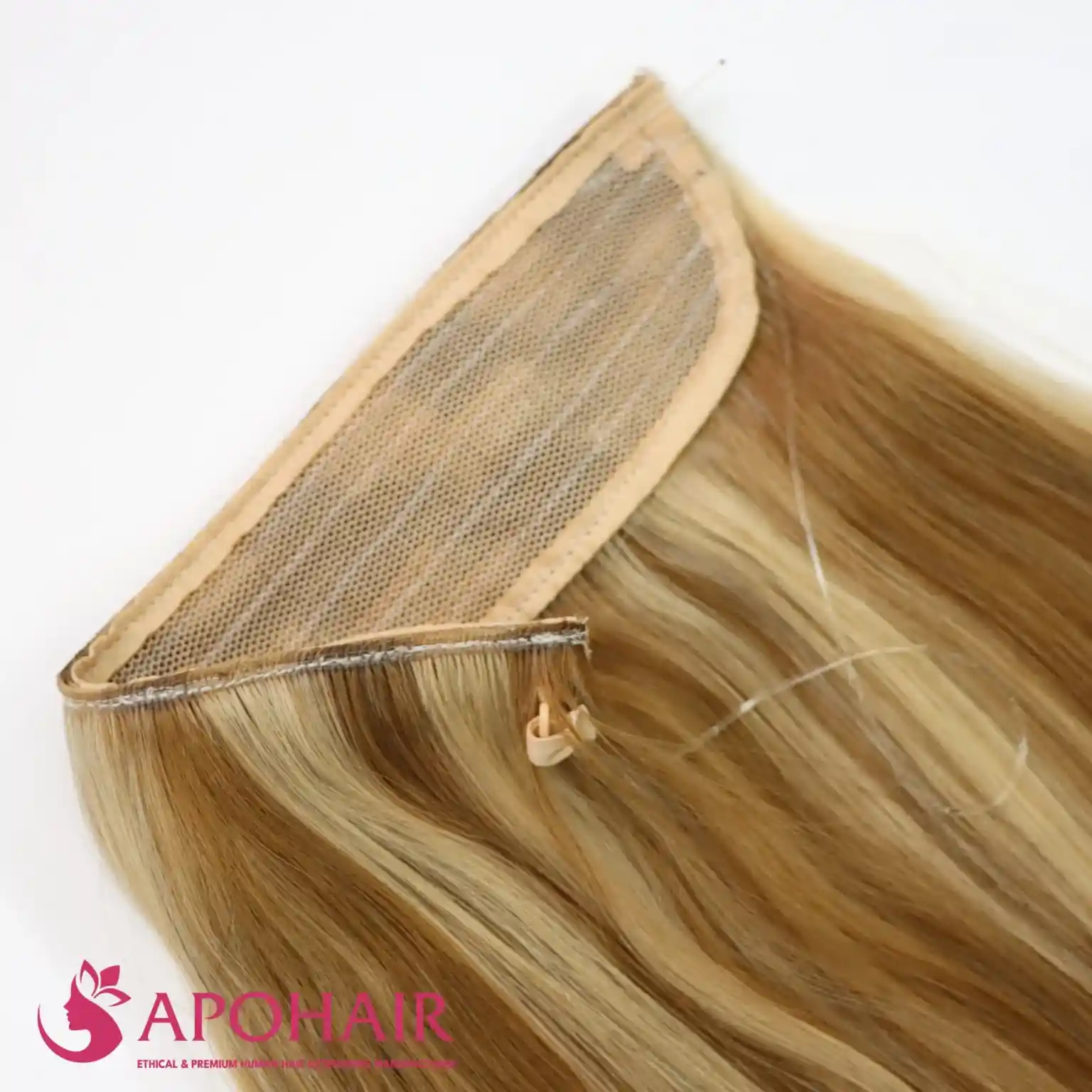
A frontal wig is constructed with three parts. First, the lace base is a sheer mesh that sits across the front zone, light enough to disappear against your skin. Second, the hand-tied knots (sometimes called ventilated lace) are individual strands of human hair knotted by hand into each tiny hole in the lace. That handwork is what makes the hair look like it grows right out of the scalp. Third, the wefted cap forms the back and body of the wig from machine-wefted bundles that give you fast length and volume.
That wefted back is what separates a frontal wig from a full lace wig. A full lace cap is hand-tied all over, while a frontal is hand-tied only at the front. And here’s a correction worth making: a frontal does not run down to the nape. That’s a 360. A true frontal covers the front hairline, ear to ear, and stops there.

Frontal Wig Sizes Explained: What Is 13×4, 13×6, and 360?
13×4, 13×6, and 360 are lace dimensions in inches. The first number is the width across the front, ear to ear. The second is the depth, meaning how far back the lace runs from your hairline toward the crown, which sets your parting space. A bigger second number, a deeper part. Here’s how the three common sizes stack up.
| Size | Lace area and parting space | Best for |
| 13×4 | 13 inches wide (about 33 cm) across the front, 4 inches deep (about 10 cm). Enough room for a middle or side part and everyday styles. | The most popular and affordable starting point. |
| 13×6 | 13 inches wide, 6 inches deep (about 15 cm). Two extra inches of parting depth let you part closer to the crown and pull a high ponytail more easily. | People who restyle often and want a deeper part. |
| 360 | Lace runs around the full perimeter of the cap (front, temples, and nape), not just the front. | High ponytails and updos that expose the back. |
So your size really comes down to how you like to part. We get into that in the choosing section.

Frontal Wig Lace Types: Standard, Transparent, and HD
The lace type controls how easily the frontal blends into your skin, how delicate the hairline feels, and how much work the install needs. The three main lace types are standard, transparent, and HD.
- Standard (Swiss) lace: the most durable and affordable of the three. The lace carries a color, so you’ll want to tint it or add a foundation to match your skin tone. It’s a solid pick for a beginner on a tight budget.
- Transparent lace: clear and light-colored, and it blends well on light-to-medium skin with little tinting. It sits in the middle on price and effort, which makes it an easy step up from standard.
- HD (high-definition) lace: ultra-thin, and it blends into the skin so the mesh never shows. It gives the highest scalp illusion of any lace, near-invisible up close. The trade-off is that it’s more delicate and costs more.
One quick note. Glueless is a way to wear a frontal, not a lace type, and we cover it in the install section.

What Is the Difference Between a Frontal Wig and Other Wigs?
A frontal differs from other lace wigs in three ways: lace coverage area, parting freedom, and installation complexity. The three types people most often confuse it with are the lace front wig, the closure wig, and the full lace wig. Here’s how each one compares.
Frontal Wig vs. Lace Front Wig
In everyday retail, “lace front wig” and “frontal wig” are often used interchangeably to refer to the same product. Technically, a lace front can be any wig with lace at the front, while a frontal wig specifically uses the full 13-inch ear-to-ear lace panel. A lace front wig uses a strip of lace at the front hairline, and the rest is a wefted or elastic cap.
| Lace front wig | Frontal wig | |
| Coverage | Front strip of lace | Full ear-to-ear panel |
| Parting freedom | Defined front zone | Anywhere within the 13×4 or 13×6 area |
The takeaway: when you compare two units, check the lace dimensions, not just the label on the box.

Frontal Wig vs. Closure Wig
A closure uses a small lace piece, typically 4×4 or 5×5 inches, at the crown or over a single part, while a frontal covers the full ear-to-ear hairline. A closure wig closes off one part of the scalp with a small lace patch (a 4×4 patch is about 16 square inches) and doesn’t reach the temples.
| Closure wig | Frontal wig | |
| Coverage | 4×4 or 5×5 patch | 13×4 or 13×6 panel |
| Parting | Fixed part location | Part anywhere across the front |
| Install | Beginner-friendly, often glueless | Adhesive or a structured glueless setup |
Looking for a daily, low-maintenance wig with a fixed part? Choose a closure. Want versatility and the freedom to change your style? Opt for a frontal.

Frontal Wig vs. Full Lace Wig
A full lace wig uses lace across the entire cap, front to nape, while a frontal uses lace only at the front panel. The rest is machine-wefted, as we covered earlier. A full lace cap is 100% hand-tied, so you can part and style it anywhere, including the crown and the nape.
| Frontal wig | Full lace wig | |
| Lace coverage | Front panel only | Entire cap |
| Styling freedom | Within the front lace zone | Anywhere on the head |
| Cost and fragility | More affordable, sturdier back | Costs more, more delicate, higher upkeep |
For most people, a frontal gives the best value-to-naturalness balance. Full lace earns its keep when you need editorial-level styling in every direction.

What Are the Benefits and Limitations of a Frontal Wig?
A frontal wig gives you unmatched parting freedom and a natural ear-to-ear hairline, but it requires more maintenance and installation skill than simpler wig types.
Pros of Wearing a Frontal Wig
A frontal earns its reputation on five strengths, each one building on the last.
- Natural hairline illusion: the lace blends into the skin, so the hair looks like it grows from your scalp, even up close, baby hairs and edges included.
- Unlimited parting freedom: part left, right, middle, or deep, anywhere inside the full 13-inch lace zone.
- High ponytail and updo: a 13×6 or 360 lets you sweep the hair up without exposing the wig edge.
- Protective styling: your natural hair tucks fully under the cap, which reduces the daily manipulation and heat it would otherwise require.
- Human-hair versatility: a human-hair frontal withstands heat styling, color, and texture changes, so one unit can support many different looks throughout its life.
Cons of Wearing a Frontal Wig
A frontal also asks more of you than a closure does, in four main ways.
- Higher install complexity: applying adhesive, cutting the lace, and blending the edges takes practice, and a first-timer may want a stylist for the first install.
- More maintenance: the larger lace area needs re-laying, knot care, and adhesive removal, which takes more time than a closure.
- Edge-damage risk if overused: laying glue directly on your natural hairline repeatedly can stress your edges, so use a skin-safe adhesive and take a few rest days between wears.
- Higher cost: more lace and more hand labor mean a frontal usually costs more than a comparable closure.
With the right type and the right technique, most of these are avoidable. The most common mistake we see among first-time buyers is applying glue directly to the edges rather than to the skin just behind them. That one habit causes most of the edge stress people end up blaming on the wig itself.
How Do You Choose the Right Frontal Wig?
Choosing the right frontal comes down to four things: your lace type, your install experience, the styling versatility you actually need, and your natural hair texture. Match those, and the rest falls into place. Use these simple if-then rules as a starting point.
- First time, no experience? Go with a glueless 13×4 in standard lace at 150% density. It’s the easiest to apply and the most forgiving while you learn.
- Want maximum versatility or frequent updos? Reach for a 13×6 in HD lace, with a deeper parting and lace that all but vanishes.
- Sensitive scalp or a reaction to adhesive? Choose a glueless unit with an adjustable elastic band, so nothing chemical touches your skin.
- Budget your main constraint? A standard 13×4 lace front is the most affordable entry point, and it still looks natural with care.
We craft human-hair frontal wigs in 13×4 and 13×6 HD lace, made from 100% Vietnamese Human Hair, Ethically Sourced and factory-direct. You can choose straight, body wave, or curly, made to your chosen density, so the unit matches how you part, style, and live in your hair.
Now that you can pick the right frontal, how do you actually put it on and keep it looking natural?
How Do You Install a Frontal Wig?
Installing a frontal takes five steps: hair prep, cap, lace customization, securing, and pressing, with either a glue or a glueless finish. Take your time on the first one.
- Flatten your natural hair: cornrow or pin it flat so the base sits smooth with no bumps under the cap.
- Apply the wig cap: pull a nude cap over the braids and tuck the edges so they don’t roll.
- Customize the lace: tint or add foundation to the underside of the lace to match your skin tone.
- Secure the hairline: for glue, run a thin layer of wig glue or gel along the perimeter, wait until it turns tacky, then press it down. For glueless, use the adjustable band and interior combs and skip the chemicals on your skin.
- Cut the excess lace and press: trim the lace in a zigzag close to the hairline, then press it down with a fine-tooth comb and an elastic band for about five minutes.
If it’s your first install, it’s worth having a stylist handle the securing and cutting steps once so you can see how it’s done.

How Do You Care for and Maintain a Frontal Wig?
A human-hair frontal wig lasts 1 to 3 years with proper care (Cancer Research UK), and the lace panel is the part that needs the most consistent attention. Four habits keep it looking new.
- Washing: wash every 7 to 14 days with a sulfate-free shampoo and warm water. Massage in one direction to avoid tangling, and never scrub the lace.
- Drying: air dry on a wig stand. Direct heat on the lace can loosen the hand-tied knots, so keep the blow dryer away from the front.
- Lace care: clear adhesive residue with an oil-based remover after each wear, and never peel the lace off dry, which tears knots and stretches the lace.
- Storage: keep it on a wig stand or in a silk or satin bag, out of direct sun, and don’t leave it pressed flat for long.
Frequently Asked Questions About Frontal Wigs
Does a Frontal Wig Cover the Whole Head?
No, a frontal wig does not cover the whole head with lace. It has a lace frontal panel across the front hairline, usually 13×4 or 13×6 inches, while the back is usually made with machine-sewn wefts. If the entire cap is lace and hand-tied, that is a full lace wig, not a frontal wig.
Can a Frontal Wig Be Worn Without Glue?
Yes. Glueless frontal wigs use an adjustable elastic band, interior grip combs, and pre-cut lace, so you can take the wig on and off daily with no chemicals touching your scalp. Keep in mind that not every frontal is glueless by default, so check the construction before you buy. If you have a sensitive scalp or an active lifestyle, glueless is the setup we’d point you toward first.
What Density Is Best for a Frontal Wig?
For most people, 150% density looks the most natural and is the common starting point: full, but not heavy. 180% reads fuller and more styled, which suits body wave and wavy textures. 200% to 250% gives maximum volume and is best saved for curly or kinky hair, where that density reads as natural thickness. First time? Start at 150%. For a more in-depth comparison, see our guide to wig density.
How Much Does a Frontal Wig Cost?
A human-hair frontal wig usually runs about $100 to $400 or more, depending on four things: lace type (standard is cheapest, HD costs more), length (16 inches is budget-friendly, 28 to 30 inches climbs fast), density (150% is standard, 180% and up costs more), and texture (straight is cheapest, while curly and deep wave cost more to process). A synthetic frontal runs roughly $30 to $80, but it lasts less time and you can’t heat-style it.
Does Wearing a Frontal Wig Damage Your Natural Hair?
A frontal wig on its own does not damage your natural hair. Damage tends to come from three habits: applying adhesive directly to your natural hairline repeatedly without rest, peeling the lace off before the glue has softened, and wearing the unit for weeks without letting your scalp breathe. Used correctly, with glue on the skin and not on your edges, regular rest days, or a glueless setup, many people find their natural hair stays unaffected. If you have any scalp concerns, check with a specialist.
How Long Does a Frontal Wig Last?
A human-hair frontal wig usually lasts 1 to 3 years with proper care (Cancer Research UK), while a synthetic one lasts about 6 to 9 months. Lifespan depends on how often you wear it, whether you install and remove it correctly, and how well you care for the lace, meaning the knots and the adhesive. HD lace is more delicate than standard lace, so it calls for a gentler hand.
What Should Wholesale Buyers Check Before Ordering Frontal Wigs?
For wholesale orders, check the lace size, lace type, hair origin, density, texture, knot work, MOQ, sample policy, and private-label support before you commit to bulk frontal wigs. A reliable frontal wig supplier should give clear specs for 13×4 or 13×6 lace, HD or transparent lace, hair quality, density, and ventilation quality along the hairline.
Conclusion
A frontal wig starts with one defining feature: a sheer lace panel that runs ear to ear to recreate the front hairline, while a machine-wefted cap carries the length and volume. From there, two choices shape how the unit wears. The size, whether 13×4, 13×6, or 360, decides how much parting space and perimeter coverage you get, while the lace grade, standard, transparent, or HD, affects how softly the hairline blends against the skin. A frontal gives you more styling freedom than a closure, but it also asks for more careful installation and lace care.
Once the size and lace match how you part, style, and wear your hair, the final difference is the hair itself and where it comes from. APOHAIR makes our human-hair frontal wigs in our own factory in Vietnam, using 100% Vietnamese Human Hair, Ethically Sourced, with 13×4 and 13×6 transparent lace and HD lace options sold factory-direct. Browse Apohair human hair frontal wigs to compare textures and lace options, or talk to our team about wholesale and private-label orders if you are sourcing for a salon or store.
