









What Is The Difference Between Cap Wig vs Capless Wig?
Cap wigs and capless wigs differ in one design choice: the base. Cap wigs build hair onto a solid, closed base that covers the entire scalp with no gaps. Capless wigs space weft rows apart on vertical strips, leaving open areas that let air reach your head. Cap wigs hold their shape longer and provide full coverage for wearers with complete hair loss. Capless wigs weigh less, cost less, and stay cooler during long wearing sessions. Your choice depends on your climate, how often you wear a wig, and how much scalp coverage you need.
This guide examines both wig types in detail, comparing eight key differences across construction, comfort, and cost. You’ll find practical selection criteria based on climate, activity level, and budget, plus care instructions to maximize your investment. Read on to confidently choose the wig that matches your needs.

What Is A Cap Wig?
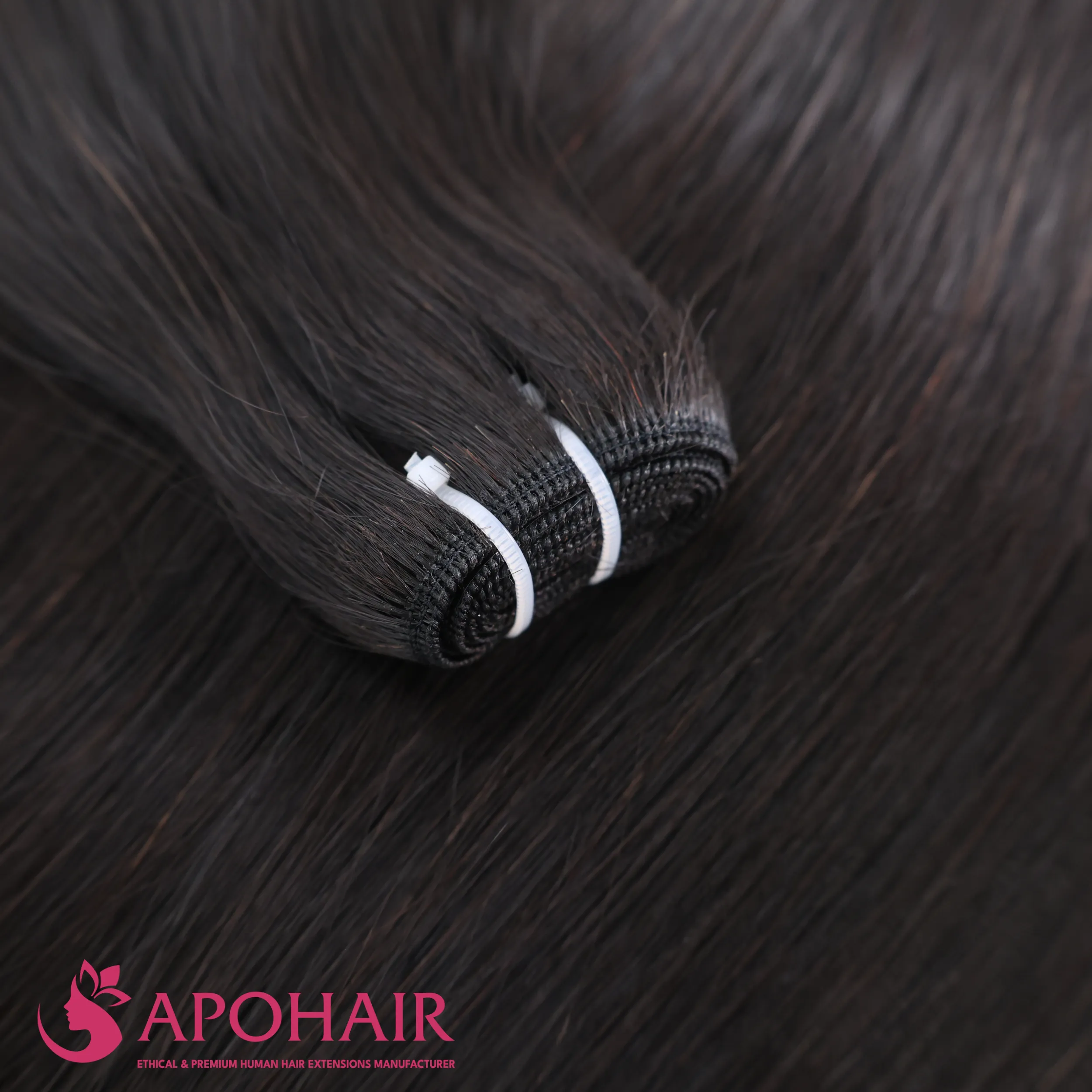
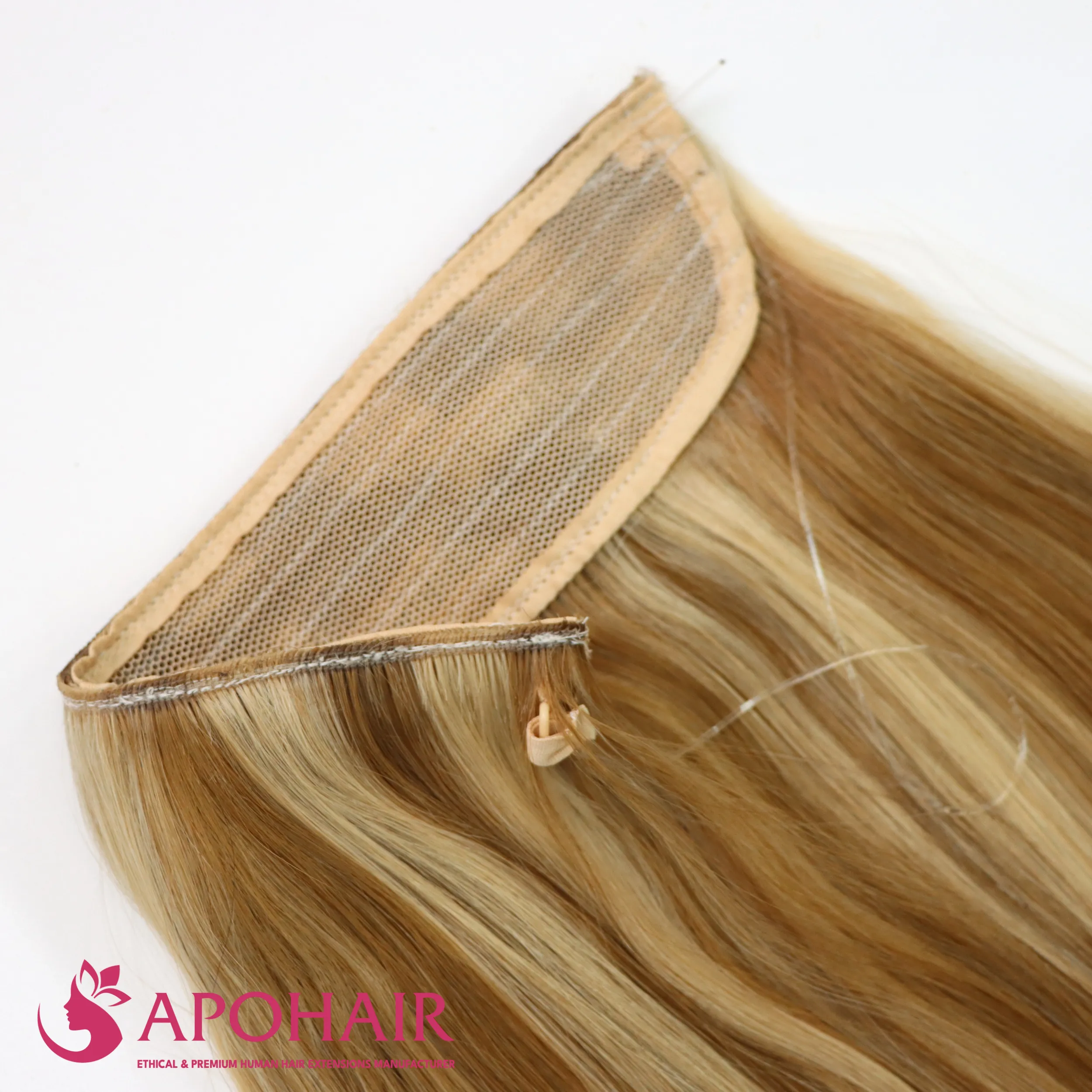
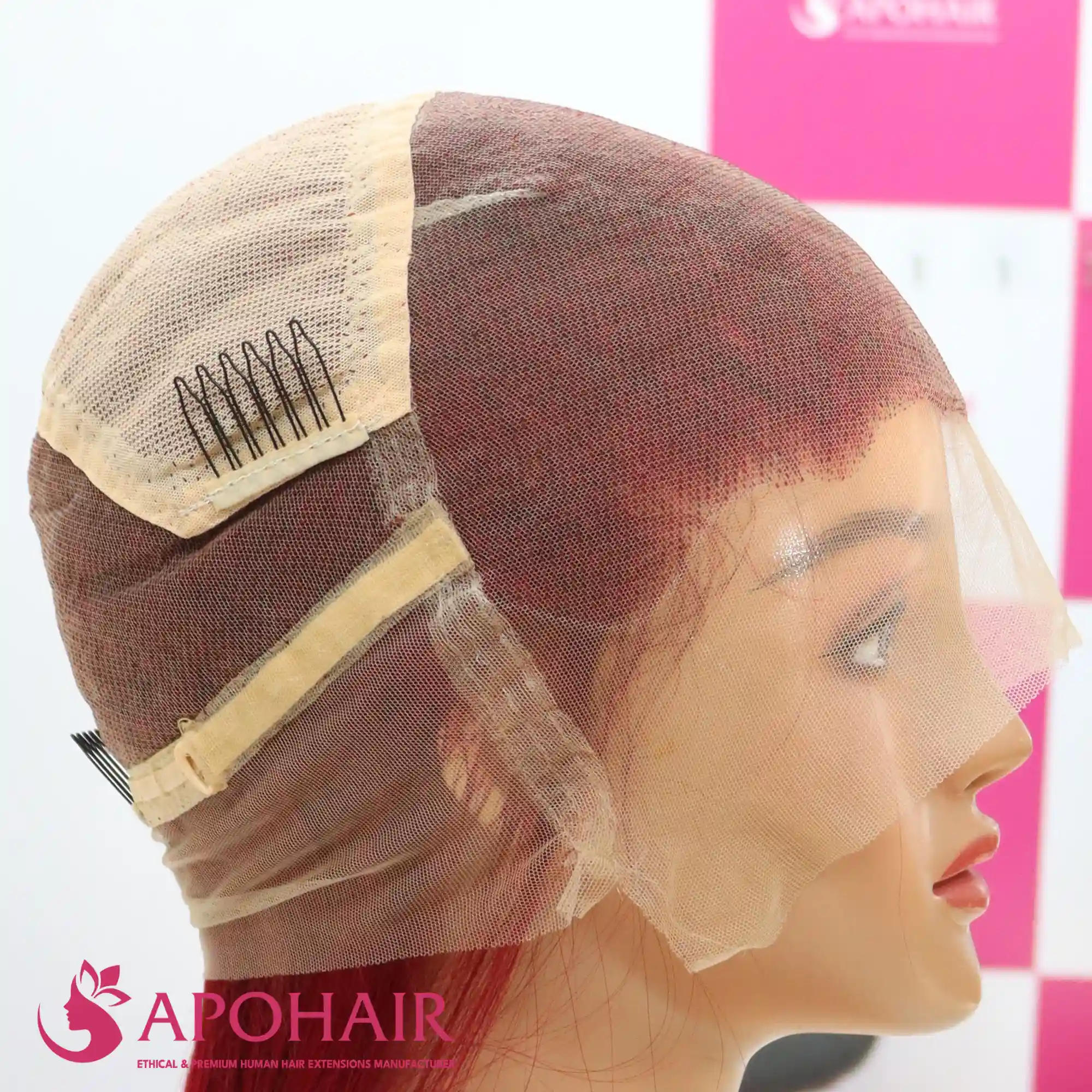
A cap wig is a traditional wig constructed with hair wefts sewn onto a solid, closed base that fully covers the scalp. The cap structure uses materials like lace, mesh, nylon, or synthetic fabric to create a continuous foundation. This closed design limits ventilation but creates a secure, snug fit that stays in place during movement. Cap wigs represent the traditional standard that has served wig wearers for decades.
The base material determines both comfort and durability. Lace caps feel softer against skin. Mesh options balance structure with lighter weight. Machine-sewn wefts attach in tight rows across the entire cap surface with no gaps. This “closed cap” design means complete scalp coverage—no open areas between hair sections. Those experiencing complete hair loss, or anyone wanting maximum security and full density, typically gravitate toward cap wig construction.

What Is A Capless Wig?
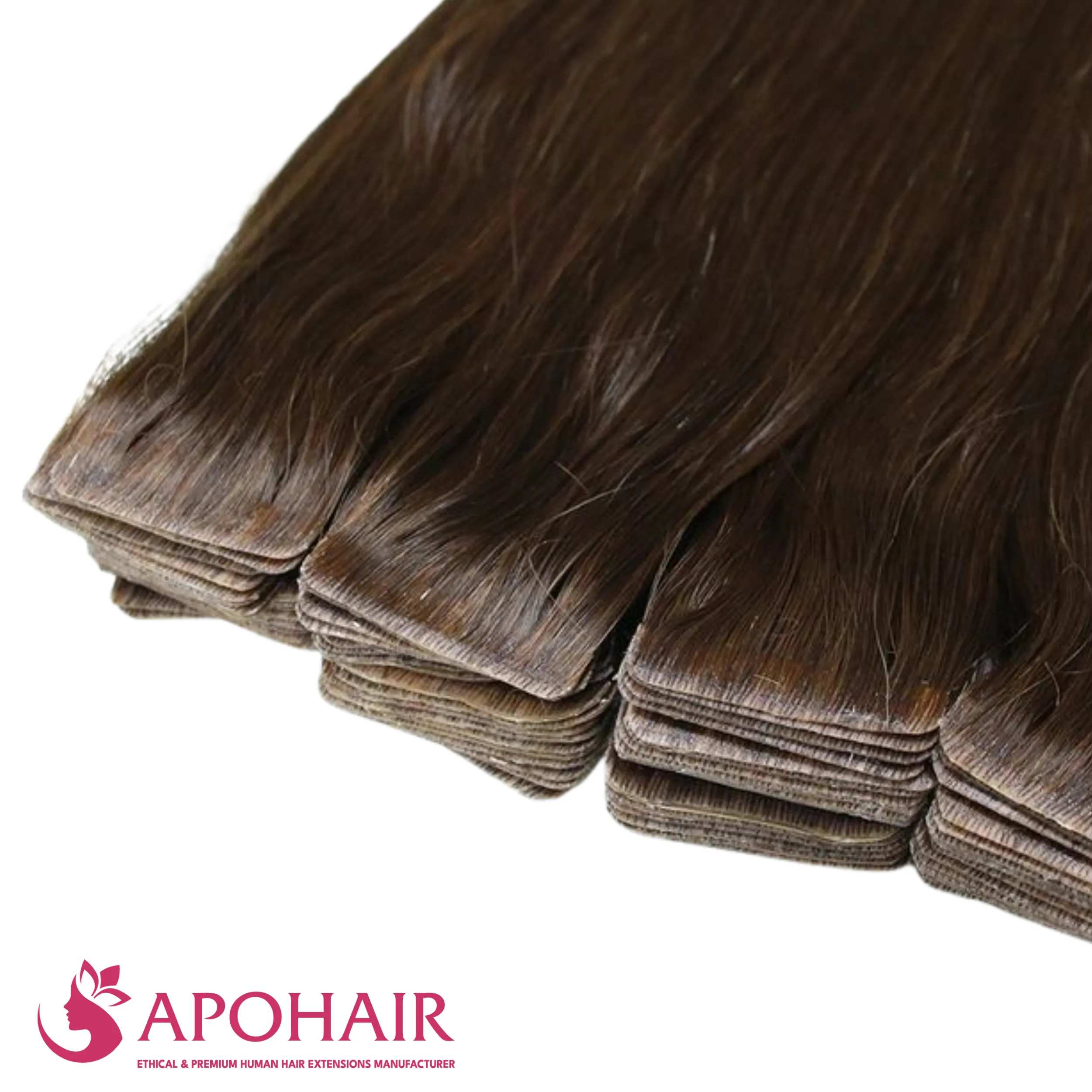
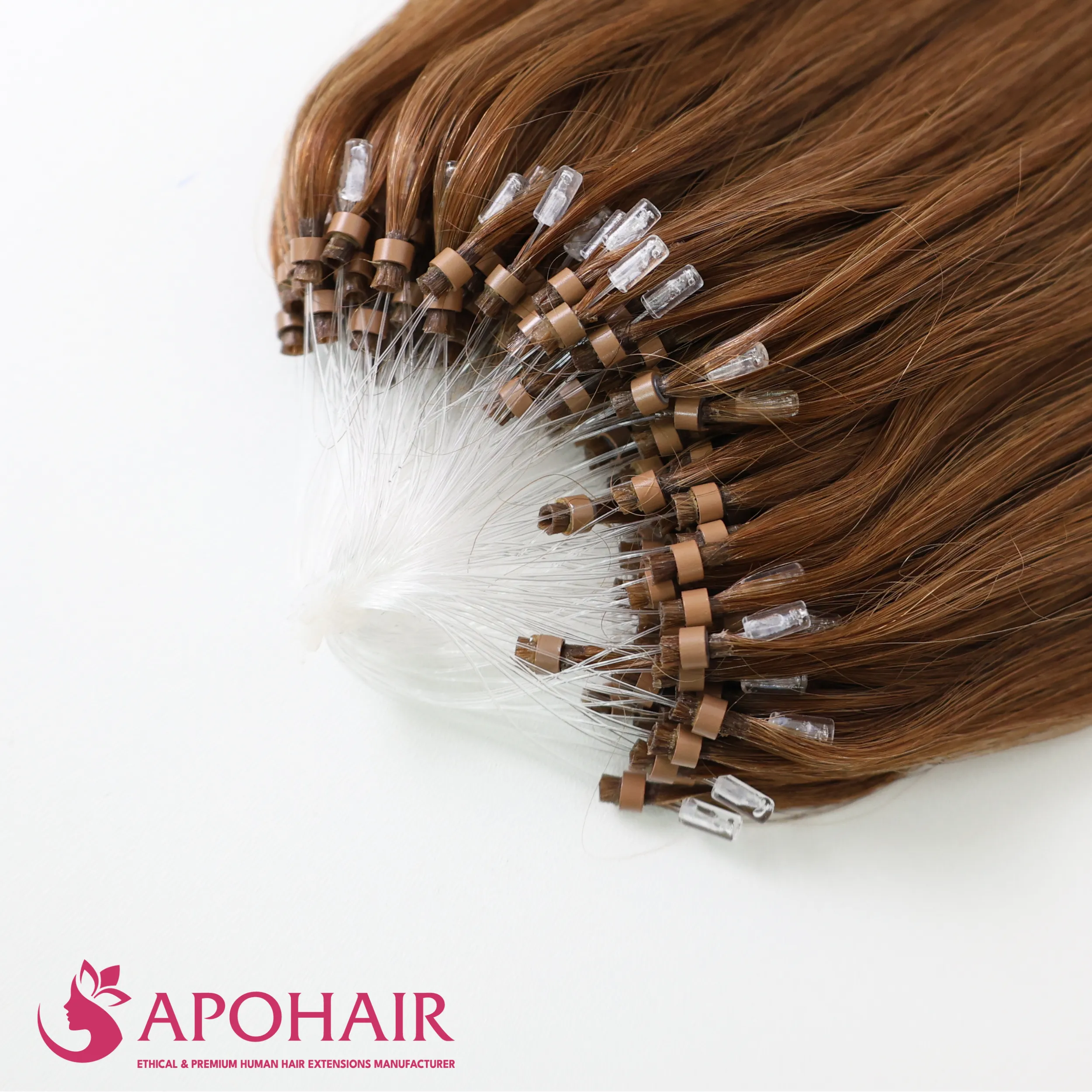
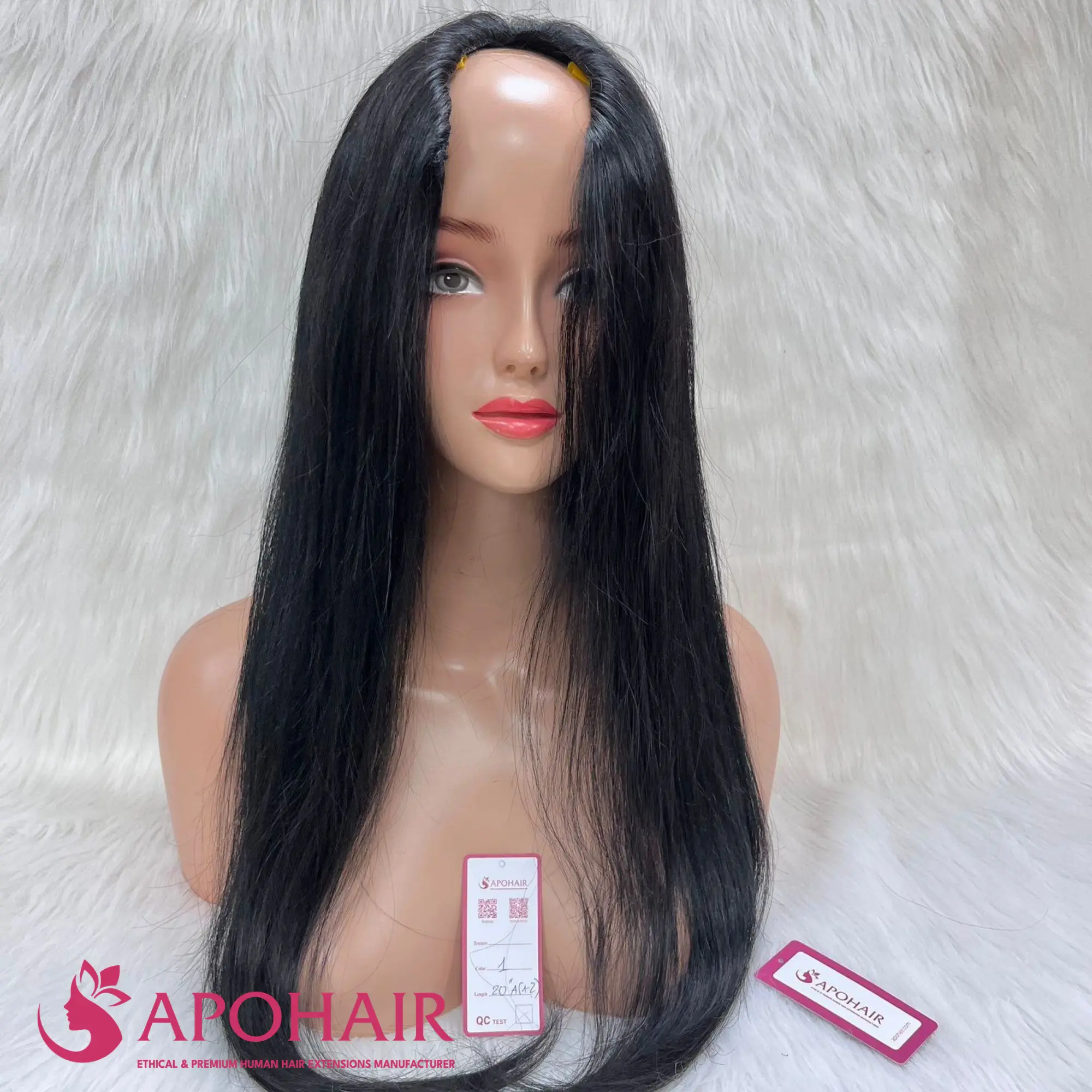
A capless wig, also called an open cap wig or wefted wig, features hair wefts sewn onto vertical strips with open spaces between them for airflow. The construction uses the same quality materials—lace, mesh, or synthetic fabric—but strategically spaces the weft rows to create ventilation channels. These gaps allow air circulation directly to your scalp. The name “capless” sometimes confuses buyers, but these wigs do have a cap structure; the open-weft design simply feels cap-free compared to traditional solid construction.
The open architecture creates 20-75% open space between weft rows. Hair attaches to thin vertical strips rather than a continuous base. This spacing dramatically reduces overall weight while maximizing breathability. Many wearers report forgetting they’re wearing a wig after adjusting to this lighter feel.

8 Key Differences Between Cap Wig and Capless Wig
Cap wigs and capless wigs differ in how their bases are built. Cap wigs use a solid, closed base that provides full scalp coverage and strong weft support. Capless wigs space weft rows apart with open gaps that allow airflow directly to the scalp.
This single construction choice creates measurable differences across eight categories:
| Feature | Cap Wig | Capless Wig |
| Construction | Solid, closed base with tightly sewn wefts | Open-weft design with 20-75% gaps between rows |
| Breathability | Limited airflow; heat stays close to scalp | Open ventilation; air flows through weft gaps |
| Comfort | Heavier; secure snug fit | Lightweight; comfortable for extended wear |
| Durability | Longer lifespan (12-24 months with care) | Shorter lifespan; thinner structural support at attachment strips |
| Appearance | Fuller volume; consistent density | Natural movement; scalp shows through gaps in pulled-back styles |
| Adjustability | Often fixed sizing; rigid structure | Adjustable straps; flexible fit |
| Price | Higher due to more material and construction | More affordable; simpler manufacturing |
| Styling | Supports updos, ponytails, heat styling | Best for down styles; updos expose weft gaps |
1. Construction and Design
Cap wigs attach hair wefts in tight, close rows onto a continuous lace or mesh foundation. The entire cap surface holds hair, leaving no open areas between weft rows. Capless wigs attach wefts to thin vertical strips spaced apart, creating gaps that account for 20-75% of the total cap area depending on the design. You can see your scalp through these gaps before installation.
The closed base of cap wigs uses more material per unit, which adds weight and production time. The open gaps in capless wigs reduce material usage and cut overall weight. Both construction methods accept the same hair types and textures; the difference sits entirely in the base structure.
2. Breathability and Airflow
Capless wigs provide superior breathability due to their open-weft design that allows air to circulate directly to the scalp. The gaps between weft rows act as ventilation channels, continuously moving fresh air across your head. This prevents the heat buildup and moisture accumulation that closed caps can cause.
Cap wigs trap heat against the scalp because air cannot pass through the solid base. During warm weather, physical activity, or long wearing sessions, this closed construction may cause scalp sweating and discomfort. Those prone to hot flashes or living in humid climates often find cap wigs uncomfortably warm for daily wear.
3. Wearing Comfort
Capless wigs feel lighter and more comfortable for extended wear, while cap wigs provide a more secure, snug sensation. The reduced material in open-weft construction translates directly to reduced weight on your head. Many wearers report they can comfortably wear capless wigs for 10-12 hours without noticing pressure or fatigue.

Cap wigs weigh more due to their solid construction. Some wearers experience head fatigue or tension headaches after wearing cap wigs for several hours. Sensitive scalps often respond poorly to the continuous pressure. That said, some people prefer the secure embrace that cap wigs provide—the snug fit feels protective and stable during movement.
4. Durability and Longevity
Cap wigs generally last longer due to their solid construction that provides greater structural support for the hair wefts. The continuous base anchors each weft row securely, reducing shedding and maintaining consistent density over time. With proper care, quality cap wigs serve wearers for 12-24 months.
Capless wigs face more structural stress because wefts attach to thin strips rather than a continuous foundation. This open construction may show wear faster, particularly at connection points. Both wig types benefit significantly from proper storage on wig stands and gentle maintenance routines. Quality human hair and construction matter more than cap style for ultimate longevity.
5. Natural Appearance and Volume
Cap wigs create fuller volume and consistent density, while capless wigs offer a more natural, scalp-visible look. The solid base behind cap wig wefts lifts hair slightly and creates uniform fullness from root to tip. Wearers who want full volume and complete coverage tend to choose cap wigs for this reason.

Capless wigs allow hair to move more naturally because nothing supports the strands from behind. Some scalp visibility through the weft gaps creates a visual effect closer to natural hair density. Natural hair does not cover every millimeter of the scalp either, so the slight gaps in capless wigs look less artificial to most observers. Those with thinning hair who want complete coverage typically prefer cap wigs. Those prioritizing natural movement often choose capless construction.
6. Fit and Adjustability
Capless wigs offer better adjustability than cap wigs because most capless designs include adjustable straps and elastic bands. Cap wigs have more rigid bases with fixed sizing. The open-weft structure has less rigid material, so capless wigs flex more easily across different head shapes. Built-in adjustable straps and elastic bands fine-tune the fit after purchase.

Cap wigs have more rigid structures that resist adjustment. Sizing must be accurate at purchase because the solid cap cannot stretch or compress much without affecting comfort and appearance. Wrong sizing often requires returns and exchanges. Wearers between standard sizes find capless wigs easier to adjust for a comfortable fit.
7. Cost and Affordability
Capless wigs cost less than cap wigs because they require less base material and fewer assembly steps. The open-weft design uses fewer base materials and requires less labor to assemble. These production savings translate to lower retail prices for comparable hair quality.
Cap wigs cost more because solid construction demands more material and additional assembly steps. The price gap between cap and capless wigs changes with hair type. Synthetic wigs show a smaller price difference between cap and capless versions. Human hair wigs show a larger spread because the solid base in cap wigs requires more hand assembly. For wholesale buyers, capless wigs offer better profit margins because acquisition costs per unit run lower than cap wigs of the same hair quality.
8. Styling Versatility
Cap wigs support a wider range of hairstyles including updos and heat styling, while capless wigs work best with down styles. The solid base behind cap wig wefts provides anchorage for ponytails, braids, and updos. You can pull hair back without exposing construction details or creating visible gaps.

Capless wigs show open wefts when hair is pulled away from the cap. High ponytails or complex updos can reveal the gaps between weft rows. For loose, flowing styles, capless wigs perform well and look natural. Human hair cap wigs accept curling, straightening, and coloring. The results come close to styling natural hair, though processed wigs respond differently to heat and chemicals than hair growing from your scalp.

Pros and Cons of Cap Wig and Capless Wig
Both construction styles offer distinct advantages depending on your priorities. Cap wigs excel at durability and coverage. Capless wigs shine in comfort and affordability. Understanding these trade-offs helps you invest wisely.
Cap Wig
Cap wigs offer six compelling advantages for specific wearing situations:
- Solid construction extends lifespan to 12-24 months with proper care
- Complete scalp coverage suits those with total hair loss or alopecia
- Shape and style hold consistently without sagging or distortion over time
- Secure fit minimizes shifting during movement, dancing, or physical activity
- Solid base supports ponytails, braids, updos, and heat tool styling
- Tight weft attachment reduces shedding compared to open construction
Cap wigs present five considerations to weigh before purchase:
- Heavier weight may cause head fatigue during extended wearing sessions
- Solid base traps heat and may cause scalp sweating
- Higher price point reflects increased material and construction costs
- Fixed sizing requires accurate measurement—returns needed if sizing incorrect
- Heat retention makes them less comfortable in warm or humid climates

Capless Wig
Capless wigs deliver six benefits that attract daily wearers:
- Lightweight construction allows comfortable all-day wear without pressure or fatigue
- Open-weft gaps provide continuous airflow that keeps your scalp cool and dry
- Lower production costs translate to more affordable retail pricing
- Adjustable straps and flexible structure accommodate various head sizes easily
- Breathable design suits warm climates and active lifestyles perfectly
- Simple installation takes minutes without glue, tape, or professional help
Capless wigs carry five limitations to consider:
- Open wefts may show through certain hairstyles, particularly updos
- Less structural support means wefts may loosen faster than cap wigs
- Gaps between wefts don’t suit those needing complete scalp coverage
- Ponytails and high styles can expose the cap construction
- Hair may tangle in open wefts during washing if not handled carefully

How To Choose Between Cap Wig and Capless Wig
- Your ideal wig type depends on your lifestyle, climate, hair coverage needs, and budget. Consider these seven factors before purchasing:
- Climate and weather: Hot or humid environments favor capless wigs for breathability
- Wearing frequency: Capless suits everyday use; cap wigs work well for events
- Hair loss level: Complete hair loss needs cap wig coverage; thinning hair suits either
- Activity level: Active lifestyles benefit from capless wig comfort and light weight
- Budget constraints: Limited budgets favor capless wigs; investment pieces favor cap wigs
- Styling requirements: Updos and ponytails require cap wigs; down styles suit both
- Scalp sensitivity: Sensitive scalps prefer capless wigs due to reduced pressure and heat
Quick Selection Guide:
Choose a CAP WIG if: You need full scalp coverage, want long-lasting durability, frequently style hair in updos or ponytails, and prioritize security over lightweight comfort.
Choose a CAPLESS WIG if: You live in a warm climate, wear wigs daily for extended hours, prefer lightweight comfort on your head, have a smaller budget, and value easy maintenance routines.

Care Instructions for Cap Wig and Capless Wig
Both cap and capless wigs require gentle washing, proper storage, and regular maintenance, though their cleaning techniques differ slightly based on construction.
Five general care practices apply to both wig types:
- Use sulfate-free shampoo and cool water to preserve hair integrity
- Air dry on a wig stand—never use high heat that damages fibers
- Store on mannequin head or wig stand to maintain cap shape
- Detangle gently from ends to roots, never pulling from top down
- Avoid sleeping in wigs to prevent tangling and cap distortion
Three cap wig-specific care tips maintain their solid construction:
- Use a wig brush to maintain smooth texture across dense weft rows
- Store on a mannequin head to preserve the closed cap’s original shape
- Spray interior with tea tree oil mixture monthly to prevent bacteria from sweat
Three capless wig-specific care practices protect the open-weft structure:
- Handle gently—open wefts are more delicate than solid construction
- Detangle carefully to prevent hair catching in gaps between weft rows
- Allow extra drying time—capless wigs dry faster due to open airflow

Where To Buy Quality Cap Wigs and Capless Wigs?
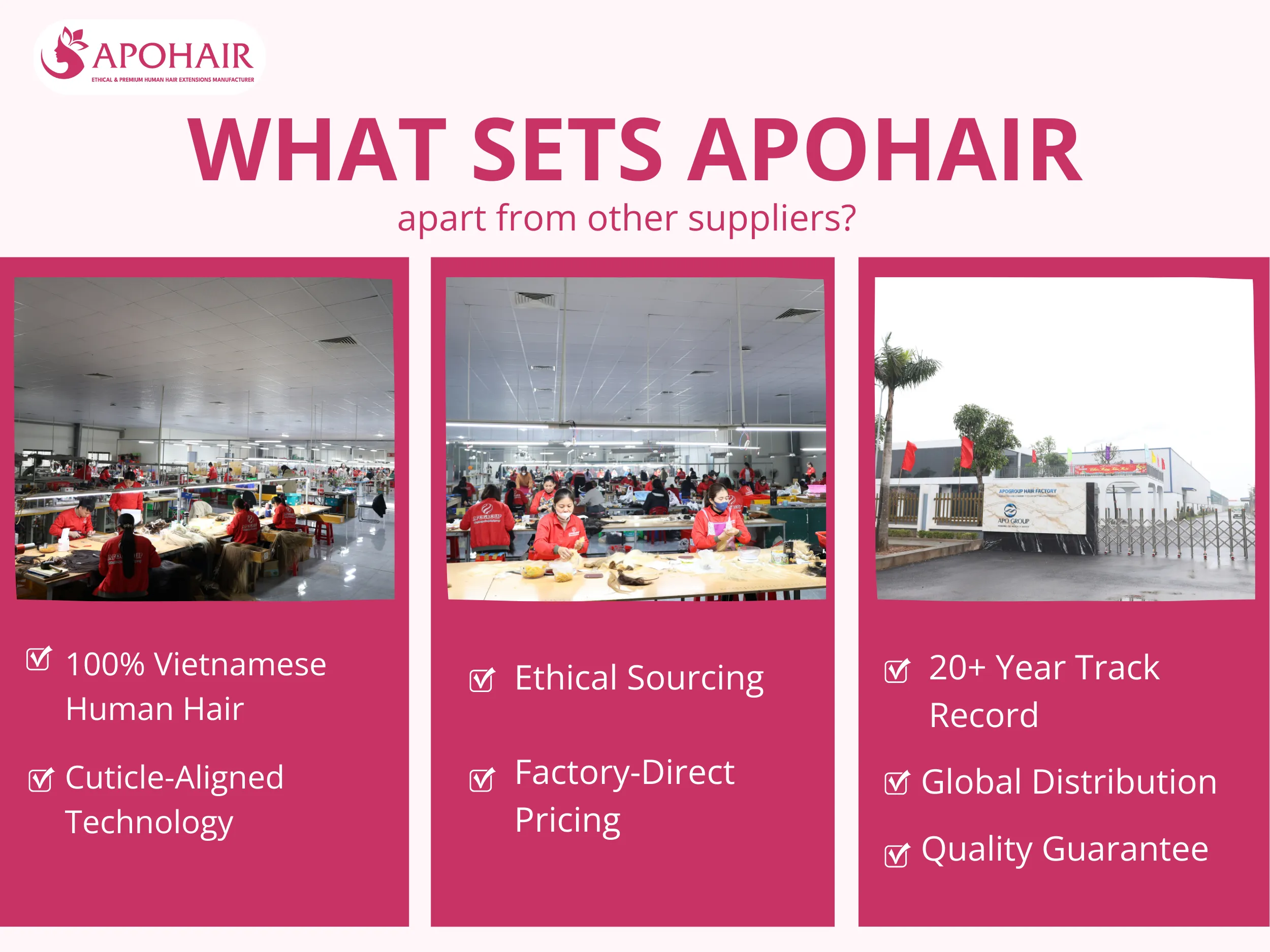
APOHAIR manufactures human hair wigs in both cap and capless constructions using 100% Vietnamese hair. The product range includes full lace wigs, lace closure wigs, U-part wigs, and V-part wigs, all available in multiple lengths, textures, and colors. APOHAIR sells directly from its factory in Nam Dinh Province, Vietnam, cutting out trading intermediaries and passing lower costs to wholesale buyers.
Seven reasons wholesale buyers choose APOHAIR for cap and capless wig sourcing:
- 100% Vietnamese Human Hair: Single-donor collection from Vietnamese villages ensures consistent texture, color, and quality across every unit
- Cuticle-Aligned Technology: All hair cuticles face the same direction, eliminating tangling and matting for the wig’s entire lifespan
- Ethical Sourcing: Direct collector network provides fair compensation to donors—verified transparency throughout the supply chain
- Factory-Direct Pricing: No intermediaries means wholesale rates 30-40% below typical retail market prices
- 20+ Year Track Record: Established manufacturing expertise, 250+ skilled factory workers, and 100+ dedicated sales staff
- Global Distribution: Ships to US, UK, EU, Australia, Africa, and Asia within 24 hours of order confirmation
- Quality Guarantee: 7-day warranty with free replacement policy for any manufacturing defects
APOHAIR transforms authentic Vietnamese hair into premium extensions trusted by beauty professionals worldwide. Our commitment: global leadership in the hair industry through ethical practices, manufacturing excellence, and customer success.
Ready to order cap wigs or capless wigs at wholesale prices? Contact our sales team:
APOHAIR ETHICAL & PREMIUM HUMAN HAIR EXTENSIONS MANUFACTURER
- Address: Building 3A, Lane 82 Duy Tan, Cau Giay, Hanoi, Vietnam
- Factory: Yen Luong Village, Y Yen District, Nam Dinh Province, Vietnam
- Phone number: (+84) 862 132 366
- Email: wholesale@apohair.com
Frequently Asked Questions About Cap Wig and Capless Wig
Are capless wigs better for summer?
Yes, capless wigs perform better in summer because their open-weft construction allows air to circulate directly to your scalp. The gaps between weft rows prevent heat buildup and reduce perspiration during warm weather. Those living in hot or humid climates often choose capless wigs for year-round comfort and cooler wearing experiences.
Can you wear a wig cap under both types?
Yes, you can wear a wig cap under both types, but it’s not always necessary or beneficial. For cap wigs, adding another layer increases heat retention—consider a wig grip band instead for extra security. Capless wig wearers may benefit from a thin cap if scalp visibility through the gaps concerns them aesthetically.
Which wig type is better for beginners?
Capless wigs suit beginners better due to their lightweight feel, simple installation, and lower price point. First-time wig wearers can slip on a capless wig and adjust the straps in minutes. No glue, tape, or professional installation required. This accessibility makes capless wigs ideal for those learning to wear and care for wigs.
Do cap wigs or capless wigs look more natural?
Both achieve natural appearance through different approaches. Cap wigs create fuller, more consistent volume across the entire head. Capless wigs show scalp through gaps, which some consider more realistic since natural hair doesn’t grow from every millimeter of scalp. Hair quality and proper fit matter most for achieving natural appearance with either construction type.
Conclusion
Cap wigs and capless wigs serve different needs based on construction philosophy. Cap wigs use solid bases for full coverage, durability, and styling versatility—ideal for complete hair loss, formal occasions, and updos. Capless wigs feature open-weft construction for breathability, lightweight comfort, and affordable pricing—perfect for daily wear, warm climates, and active lifestyles. Your choice depends on climate, wearing frequency, coverage needs, styling preferences, and budget. Both construction types benefit from gentle washing, proper storage, and regular maintenance. APOHAIR offers premium Vietnamese human hair wigs in both styles with factory-direct pricing, ethical sourcing, and global shipping.



 ABOUT US
 Human Hair Extensions
 Wholesale Tape-In Hair Extensions
 Clip-In Hair Extensions
 Wholesale Keratin Hair Extensions
 Weft Hair Extensions
 BEST SELLING PRODUCTS
 Human Hair Wigs
 Bulk Human Hair For Braiding
 Contact Us