



Do Vietnamese People Have Curly Hair Naturally?
Vietnamese people carry a straight or slightly wavy hair texture as their natural signature, with curl patterns showing up rarely, if at all. That near-absence of natural curl is exactly why the extension industry stepped in, using steam and heat to build curl onto straight Vietnamese hair rather than waiting for it to grow that way. This guide walks through how that curl gets created, what it looks like once it’s set, how to keep it from falling flat, and where salons and distributors can source it wholesale.
Do Vietnamese People Have Curly Hair?
Yes, curly hair does show up among Vietnamese people, though it’s rare. Most raw Vietnamese hair, the hair collected straight from a donor before any processing, grows straight or slightly wavy. Hair texture tends to run in families, and genetic factors explain most of that pattern, the same way they shape texture in any population group. A small share of people do grow naturally curly hair, but it isn’t treated as a defining trait of Vietnamese hair the way straightness is.

So how does an industry built around straight hair meet demand for curls? Vietnam’s hair factories don’t wait for nature. They create the texture themselves.
How Are Curly Textures Created From Naturally Straight Vietnamese Hair?
Curly texture in Vietnamese hair gets created in two different ways, depending on whether it’s happening on someone’s head or inside a factory. On natural hair still growing from the scalp, salons create curl with a chemical perm or heat styling tools, such as a curling iron, hot rollers, or a flat iron used the right way. Neither method changes the hair’s original growth pattern; they just reshape it temporarily or permanently, depending on the technique used.

Hair extension factories work differently, since the hair they’re curling is already cut and bundled, not attached to a scalp. Straight Vietnamese hair gets wrapped around rods or formers, then set with steam heat instead of chemicals. That steam-set method is built to hold the curl pattern through washing and daily wear, since the hair isn’t losing moisture or protein to harsh chemical bonds along the way.

What Does Curly Vietnamese Hair Look Like After the Curling Process?
Steam-set curly Vietnamese hair holds a defined, springy curl that catches light along each ridge instead of lying flat. The curl pattern runs consistently down the length of the strand, and the hair keeps its natural shine because steam doesn’t strip the cuticle the way bleach or chemical relaxers do.

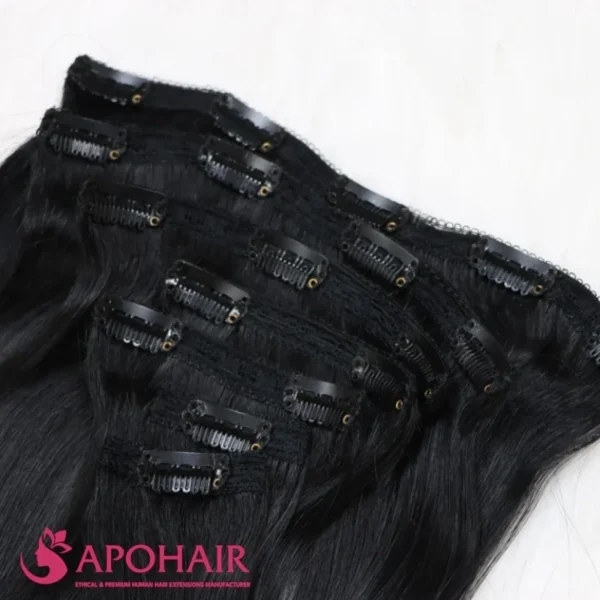
Once it’s installed as an extension, clipped in, taped, or sewn into a weft, that same curl pattern falls naturally against the wearer’s own hair, blending instead of sitting stiffly on top. This curl doesn’t have a scalp feeding it natural oils and keratin, since it comes from steam and heat rather than a follicle. Keeping that curl looking the way it did on day one comes down to how you take care of it.

How Do You Care for Curly Vietnamese Hair Extensions?
To care for curly Vietnamese hair extensions, focus on moisture, low heat, and gentle handling, since the curl pattern depends on all three. If you skip any of these steps, then the curl will loosen and frizz faster than a naturally grown curl would.
| Care Step | Why It Matters | Frequency |
| Deep condition with a leave-in cream | Steam-set curls lose moisture faster than straight hair, and dry curls frizz and lose definition. | Every 2 to 3 washes |
| Air-dry or use a diffuser on low heat | High heat breaks down the steam-set pattern the same way it would relax a chemical perm. | Every wash |
| Detangle with a wide-tooth comb, starting at the ends | Curly strands tangle more than straight strands, and pulling from the roots stresses the bond or weft | Before every wash |
| Wash with a sulfate-free shampoo | Sulfates strip the shine that steam curling preserves | Every 5 to 7 days |
Salons and distributors looking to stock this texture don’t need to run any of this in-house. Sourcing it pre-made from a factory that already handles the steam-curling process is the more practical route.
Where Can You Source Curly-Textured Vietnamese Hair Extensions Wholesale?
You can source curly-textured Vietnamese hair extensions wholesale directly from a factory that runs its own steam-curling process, rather than through a reseller adding a markup. We supply curly-textured Vietnamese hair extensions factory-direct, in weft, tape-in, and clip-in formats, with OEM and ODM options for salons and distributors who want a custom curl pattern under their own label. Every bundle starts as 100% Vietnamese human hair, steam-curled in-house using the process covered above, then checked for color consistency and curl uniformity before it ships. If your clients are asking for curl and you’re not sure which format fits your business, our wholesale team can walk you through it.

Ready to find your perfect match? Order a free physical color ring from our wholesale team and see our full shade collection before committing to a bulk order.
APOHAIR ETHICAL & PREMIUM HUMAN HAIR EXTENSIONS MANUFACTURER
- Address: Building 3A, Lane 82 Duy Tan, Cau Giay, Hanoi, Vietnam
- Factory: Minh Luong, Yen Luong Ward, Ninh Binh, Vietnam
- WhatsApp: +84 862 132 366
- Email: [email protected]
- Website: https://apohair.com/
For buyers who stock curly Vietnamese hair straight from the factory, the questions below follow how that hair is made, and each one leads to a different line of the same factory range.
How do salons get curl onto Vietnamese hair that grows straight?
Salons use a chemical perm or heat tools such as a curling iron, hot rollers or a flat iron, and neither one changes the hair’s growth pattern, since both only reshape the strand. A factory takes that step away from the client, because the curl is already set in the hair before the clips go on, and a remy clip in hair extensions factory can ship the set ready to wear, so no perm or iron ever touches the client’s own hair.
Why should curly extensions be detangled from the ends?
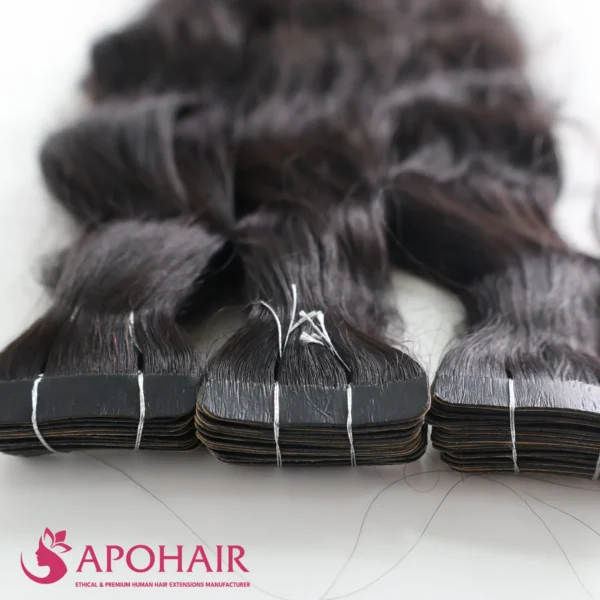
Because curly strands tangle more than straight ones, and pulling from the roots stresses the bond or weft, so a wide-tooth comb should start at the ends before every wash. For tape-ins the bond is the adhesive strip, and a tape in human hair extensions manufacturer controls what goes into it, with 4 x 0.8 cm strips made with a German adhesive and an Italian glue system, so the bond is built to take that handling.
What is raw Vietnamese hair, and why does it start out straight?
Raw Vietnamese hair is hair collected straight from a donor before any processing, and it mostly grows straight or slightly wavy because texture runs in families and genetics decide most of it. A keratin hair extension manufacturer starts from that raw hair, so the curl, set by steam instead of chemicals, arrives on a strand tipped with imported Italian keratin.
How does a factory set curl into hair that is already cut and bundled?
The straight hair is wrapped around rods or formers and set with steam heat instead of chemicals, a method built to hold the curl through washing and daily wear. A factory that runs the process in-house can build the curled hair into wholesale weave hair extensions at the same site, so a buyer orders by texture and not through a separate curling step, from 200 g per type.
Why does high heat break down a steam-set curl?
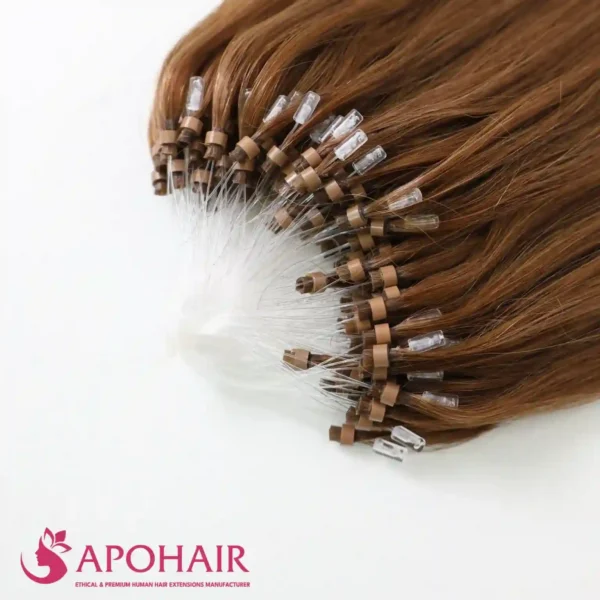
High heat breaks down the steam-set pattern the same way it would relax a chemical perm, which is why low heat and a diffuser are the rule. The same logic favors a join without heat, and an i tip hair extensions manufacturer supplies strands that close by cold fusion on micro rings, with ring fitting checked at the factory before dispatch.
How often should curly extensions be washed?
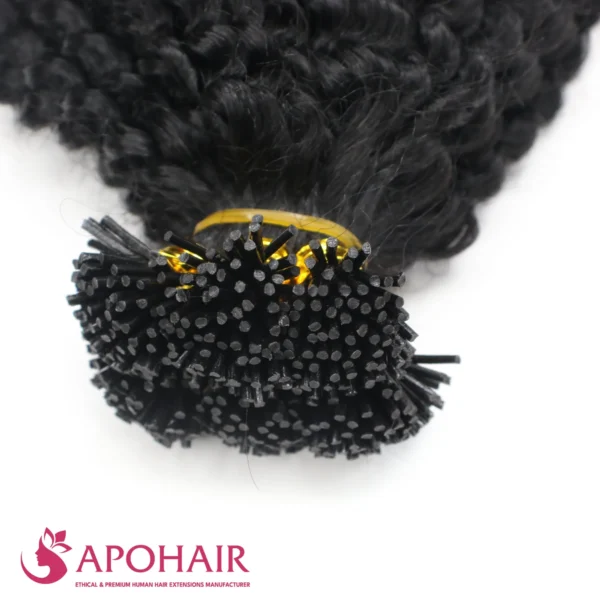
About every 5 to 7 days with a sulfate-free shampoo, because sulfates strip the shine that steam curling preserves. A set that stays in through that routine needs a bond made consistently, and a u tip hair extensions manufacturer tests the bond and weighs the strands batch after batch, using imported Italian keratin for the U-shaped bond.
Can a salon or distributor get a custom curl pattern under its own label?
Yes, through OEM and ODM options from a factory that runs its own steam-curling process, which is how a custom curl pattern can carry the buyer’s own label. For a thin, hand-knotted track in that custom curl, a hand tied weft human hair extensions supplier can offer the same OEM and ODM route, in Virgin and Remy grades with batch traceability.
FAQ
Is curly hair completely absent among Vietnamese people?
No, curly hair isn’t absent, it’s just uncommon. Most Vietnamese people grow straight or slightly wavy hair naturally, and the curl you see in extensions or styled hair almost always comes from a perm, heat styling, or factory steam-curling rather than growing that way from the scalp.
Can Vietnamese hair hold a curl naturally without heat or chemicals?
Not usually. Straight and slightly wavy Vietnamese hair needs some form of processing, whether that’s a curling iron at home or steam-curling at the factory, to hold a curl pattern. Without one of those methods, the hair reverts to its natural straight or wavy state after washing.
Are Vietnamese curly hair extensions suitable for wigs and other extension types?
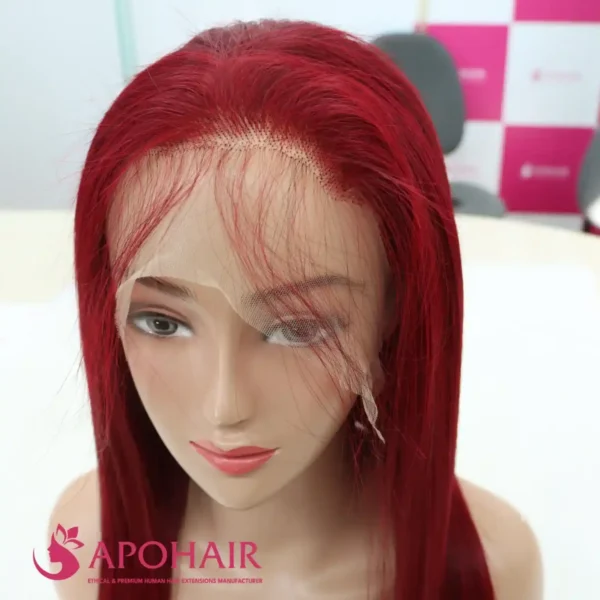
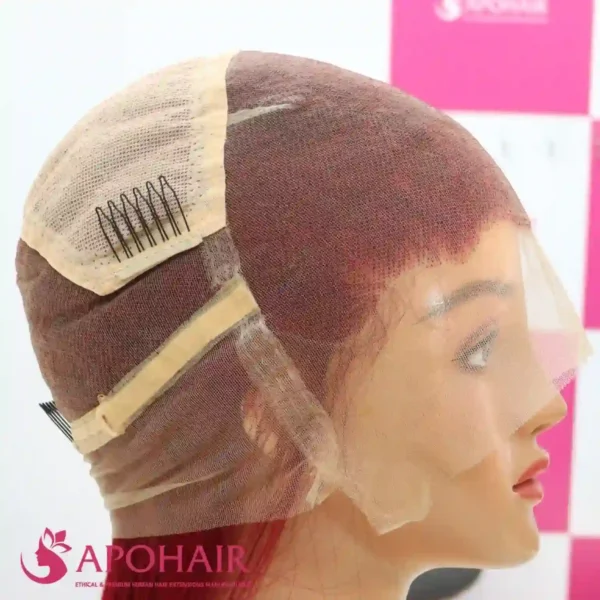
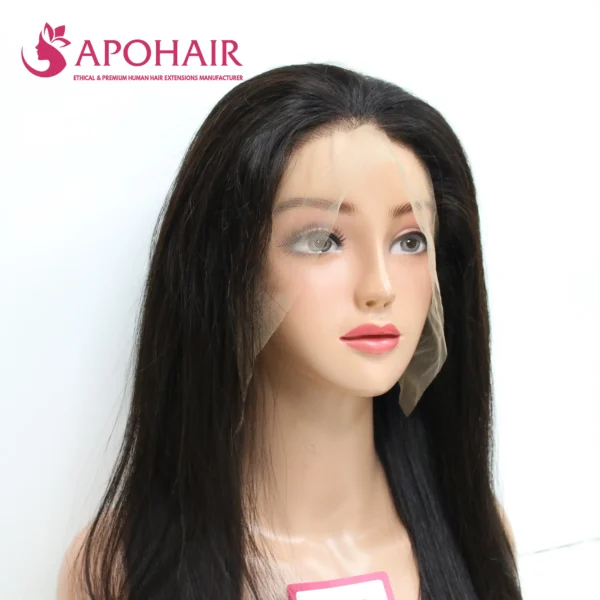
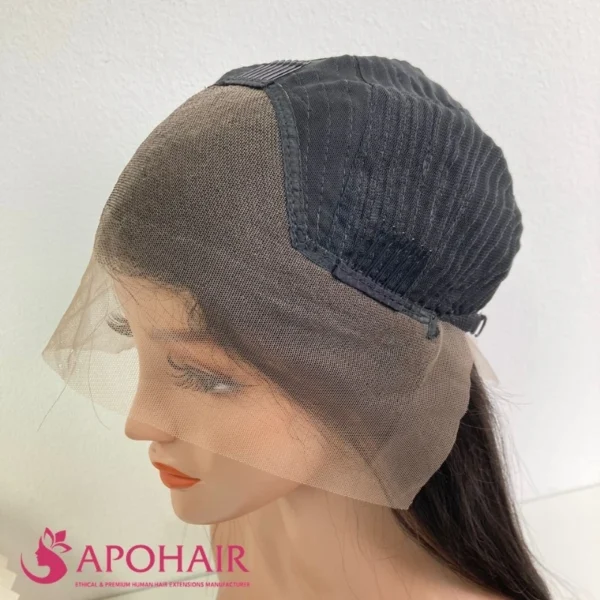
Yes. Curly-textured Vietnamese hair works across most extension formats, including wefts, tape-ins, clip-ins, and wigs built on lace closures or frontals. The same steam-curling process applies regardless of which format the hair ends up in.
Final Thought!
Curly hair isn’t the texture Vietnamese hair grows naturally, but that hasn’t stopped it from becoming one of the most requested textures in the extension market. Steam curling turns straight Vietnamese hair into a durable, natural-looking curl that holds up through washing and daily wear, provided it’s sourced from a factory that runs the process in-house rather than adding it as an afterthought. If curly is the one texture missing from your current lineup, that’s the gap worth closing next.
APOHAIR ETHICAL & PREMIUM HUMAN HAIR EXTENSIONS MANUFACTURER
- Address: Building 3A, Lane 82 Duy Tan, Cau Giay, Hanoi, Vietnam
- Factory: Minh Luong, Yen Luong Ward, Ninh Binh, Vietnam
- WhatsApp: +84 862 132 366
- Email: [email protected]
- Website: https://apohair.com/
