







How to Buy & Import Hair from Vietnam: A Complete Guide for Beginners
Hair from Vietnam is distinguished by its natural thickness, silky texture, and high luster, ethically sourced from the raw hair of a single donor, and then shipped worldwide for use in hair extensions and wigs. Buying it and importing it are two linked stages: First, you buy the hair from a supplier, then you import it through shipping and customs into your own country. This guide covers both. It walks you through the five buying steps, what the hair costs, what to check before you pay, the full import process, and where to buy direct from a factory. Most beginners worry about two things: Getting scammed on the buy side and getting stuck at customs on the import side. Both are avoidable once you know the order this guide follows.
5 Steps to Buy Hair from Vietnam
You buy hair from Vietnam in five steps: Choose a supplier, request samples, place and confirm your order, pay a deposit, then approve the packing video before you release the balance. The buy stage covers everything up to the moment your order is packed and handed to a courier. Importing it home is the next stage, covered further down. The sampling and packing-video steps matter most, so read those twice.

Step 1: Choose a Supplier
To buy well, start by choosing a supplier you can verify. You have three options: A factory, a trading vendor, or an online marketplace. A factory sells direct and gives the lowest price plus full customization, which is how Vietnamese factories supply markets like Nigeria and beyond, while a trading vendor buys from a factory and resells at a 15–20% markup. Some trading companies even present themselves as the maker. A real factory will share a video walk-through of the production floor, a business registration, and an address you can match on a map. You should pick factory-direct when you can, and buy from the maker, not the middleman.
Step 2: Request Samples
Order a sample before you commit to a bulk order. A 100-gram sample costs little and tells you more than any photo or video. Run it through the authenticity tests further down, dye a small piece to see how it takes color, and wash it to check shedding. We always recommend sampling two suppliers side by side before a first bulk order, because the quality difference shows up quickly once the hair is in your hands.
Step 3: Place Your Order & Confirm Specs
Once a sample passes, place the order by listing your exact specs. State the hair type, grade, texture, length, color, weight, and quantity. A standard bundle weighs 100 grams, and lengths run 8 to 32 inches (20 to 81 cm). A proforma invoice or sales contract that repeats every spec back to you is your protection if the order arrives wrong.
Step 4: Make a Secure Payment
It’s best to pay in two parts and never send the full amount upfront. A deposit starts production, and the balance falls due before shipping. Traceable methods like bank transfer, credit card, or an escrow service give you recourse if something goes wrong. Any supplier who demands 100% upfront is a red flag.
Step 5: Approve the Packing Video & Release the Balance
The step that prevents most disputes is simple: You should ask for a video of your order being weighed and packed, then release the balance only after you approve it. That single check confirms quantity, length, and color before the hair leaves Vietnam. Once you pay the balance, the supplier hands the order to the courier, and the import stage begins.
How Much Does It Cost to Buy Hair from Vietnam?
Vietnamese hair costs about $88 per kilogram for short, natural-color raw bundles and increases with length, grade, and product type. By the 100-gram unit, short lengths of 6 to 16 inches (15 – 40 cm) run roughly $12 to $23, and mid-lengths of 18 to 24 inches (45–60 cm) run about $25.80 to $39. Tape-ins sit higher, from $17 to $80 per 100 grams, because the tab and injection work add labor. These are factory base prices. Shipping and payment fees sit on top.
Three things move the price: Grade, length, and drawn type. Raw and virgin hair costs the most because the cuticle stays whole and the hair takes bleach to light blonde shades like #613 and #60. Remy hair costs less and suits high-volume buyers who care more about price than heavy bleaching. Longer hair always costs more per gram, since donors with 24-inch-plus hair are rarer. Raw bulk hair, sold loose rather than sewn into a weft, runs $2 to $5 cheaper per bundle.
Order size changes your unit price, too. Base rates for small orders of 1 to 5 kilograms stay fixed, while orders above 10, 20, or 50 kilograms a month unlock tier discounts, often around $5 off per kilogram. A small trial order of 5 to 10 kilograms lets you test quality first. A bulk order of 50 kilograms or more earns the best rate. The smart move is to start small, confirm the quality, then scale.

What Should You Check Before Buying Vietnamese Hair?
Before you buy, you should check three things: the hair grade, the drawn type, and the authenticity of a sample. These checks decide how long the hair lasts and how it takes color, so it’s worth settling them before any bulk order. The grade and drawn type set the price you can expect. The authenticity test, covered just below, tells you whether the hair is real human hair at all.

Hair grade comes in three levels. Virgin hair has never been dyed or chemically treated, so it keeps its full strength. Remy hair keeps its cuticles intact and aligned in one direction, which means less tangling and a longer life. Non-Remy hair mixes strands from many donors, with cuticles facing different directions, so it tangles quickly and requires heavy processing. That alignment is what you pay for. Remy hair holds color longer because the cuticle layer remains intact during dyeing.
Drawn type is another factor that affects price. It describes how strands of different lengths are sorted in a bundle. Single drawn mixes long and short strands, so the bundle looks thick at the top and thin at the ends. Double drawn has most short strands removed by hand, so it runs thick from root to tip. Super double drawn is the fullest and the most expensive. Of the three, double drawn gives most beginners the best balance of fullness and price.
How to Spot Fake Vietnamese Hair?
You spot fake Vietnamese hair with five quick tests: the burn test, the smell test, the feel test, the color test, and the price test. Aim to run at least two on any new supplier’s sample. Each takes under a minute.
Burn a few strands over a flame. Real human hair turns to grey ash and gives off white smoke, while synthetic hair melts into a sticky ball and smells like plastic. Smell the hair: human hair carries a faint honey or burnt-keratin scent, never a chemical one. Feel it, because real hair stays soft and a little uneven, while fake hair feels stiff, slick, and too perfect. Check the color for natural variation, since flat, ink-black uniformity often signals a synthetic blend. Last, weigh the price against the market: Hair priced far below the $88-per-kilogram floor carries a high risk of being fake. For the full method, see our guide on verifying authentic Vietnamese hair.

How Do You Import Hair from Vietnam After You Buy It?
After you buy, you import the hair in five steps: Agree on the Incoterm, clear export in Vietnam, ship and track it internationally, clear customs and pay import duty, then take delivery and inspect. Vietnam makes the export side easy, so most of the cost and paperwork sits in your own country, not at the factory. The customs step is where first-time importers get stuck, so plan it before the hair ships.

Step 1: Agree on the Incoterm (EXW, FOB, CIF, or DDP)
The Incoterm specifies who handles each leg of the journey, and it serves as the handoff point between buying and importing. Under EXW, you arrange everything from the factory door, so you carry the most work and cost. Under FOB, the supplier clears export and loads the goods, then you take over. Under CIF, the supplier also covers freight and insurance to your port. Under DDP, the supplier delivers to your door with duty paid, so you carry the least. Most first-time buyers start with FOB or CIF for a balance of control and simplicity.
Step 2: Clear Export in Vietnam
Your supplier handles export clearance, so this step requires little effort on your part. Hair sits under HS code 6704 for processed goods like wefts, extensions, and wigs, or HS code 0501 for unworked human hair. Vietnam’s rules are open: under Decree 69/2018/ND-CP, hair is not a banned export, Official Letter 7400/BYT-PC confirms no Ministry of Health permit is needed, and the export duty is 0%. The factory prepares the export declaration, commercial invoice, packing list, sales contract, and bill of lading or air waybill.
Step 3: Ship and Track Internationally
Vietnamese factories ship by DHL, FedEx, or UPS, and delivery runs 3 to 7 business days to most markets. Shipping is billed separately from the hair, calculated by the courier on the total package weight. You’ll want to save the tracking number and watch the customs-clearance stage, where most delays happen.
Step 4: Clear Customs and Pay Import Duty
This is where the real cost lands. Import duty on HS 6704 can run over 20% in some markets, including parts of the US, Europe, and Africa. You lower it by asking your factory for a Certificate of Origin (C/O) that meets a trade agreement, such as Form EUR.1 for Europe or the CPTPP form for Pacific trade members, which can cut the duty to 0% or a preferential rate. Some markets, including the US, Australia, and New Zealand, also check health and sanitary rules on imported human hair. You should confirm your country’s duty rate and required documents with your customs authority before the shipment lands.
Step 5: Take Delivery and Inspect on Arrival
It pays to inspect the order the day it clears customs, before you confirm receipt. Weigh the bundles, measure the length, and run your fingers through each weft to feel the texture. Run one quick authenticity test from the section above. Report any problems with photos and your packing video within the supplier’s return window, and a reputable factory will replace a genuine mismatch without argument.
Buy And Import Human Hair from Vietnam with APOHAIR (Factory-Direct)
Apohair is a Vietnamese hair factory-direct source for 100% human hair, and it meets all checks at both the buy and import stages above. The factory operates on a 33,000 m² (355,000 sq ft) in Ninh Binh, with 500+ craftspeople and an output of over 20 metric tons per month. That scale keeps the price down. Buying direct removes the 15–20% markup a trading company adds, because Apohair ships from its own floor with no reseller in the chain.
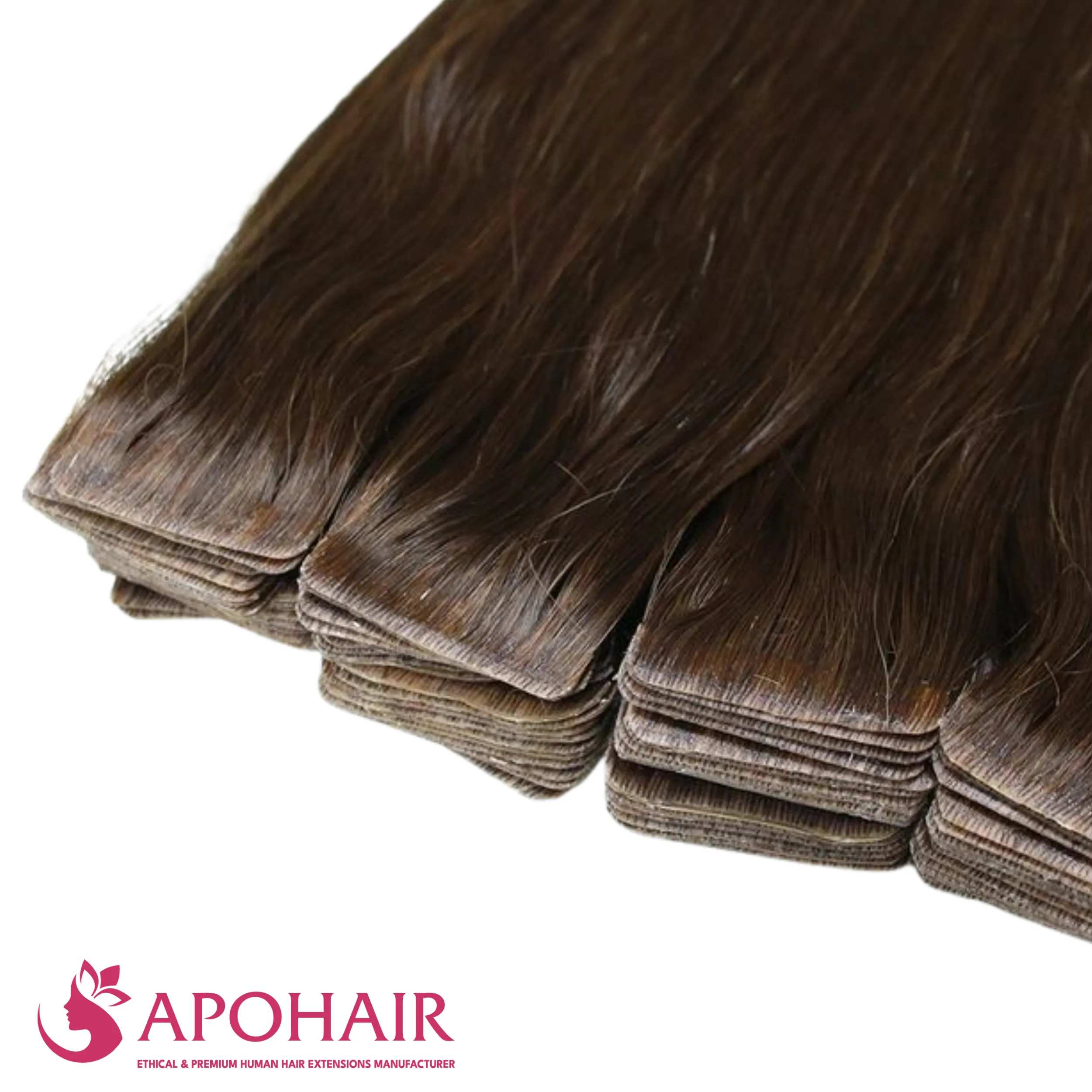
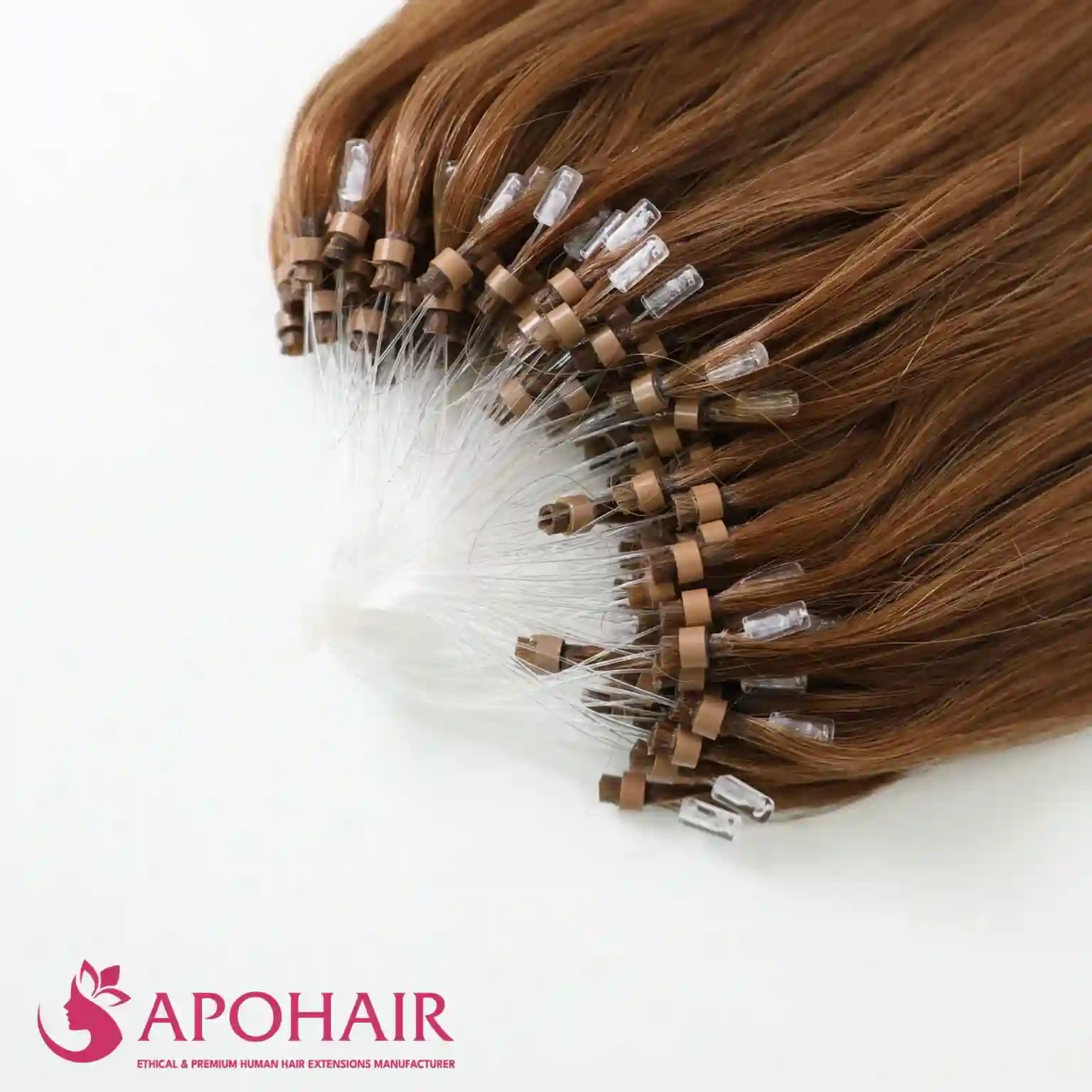
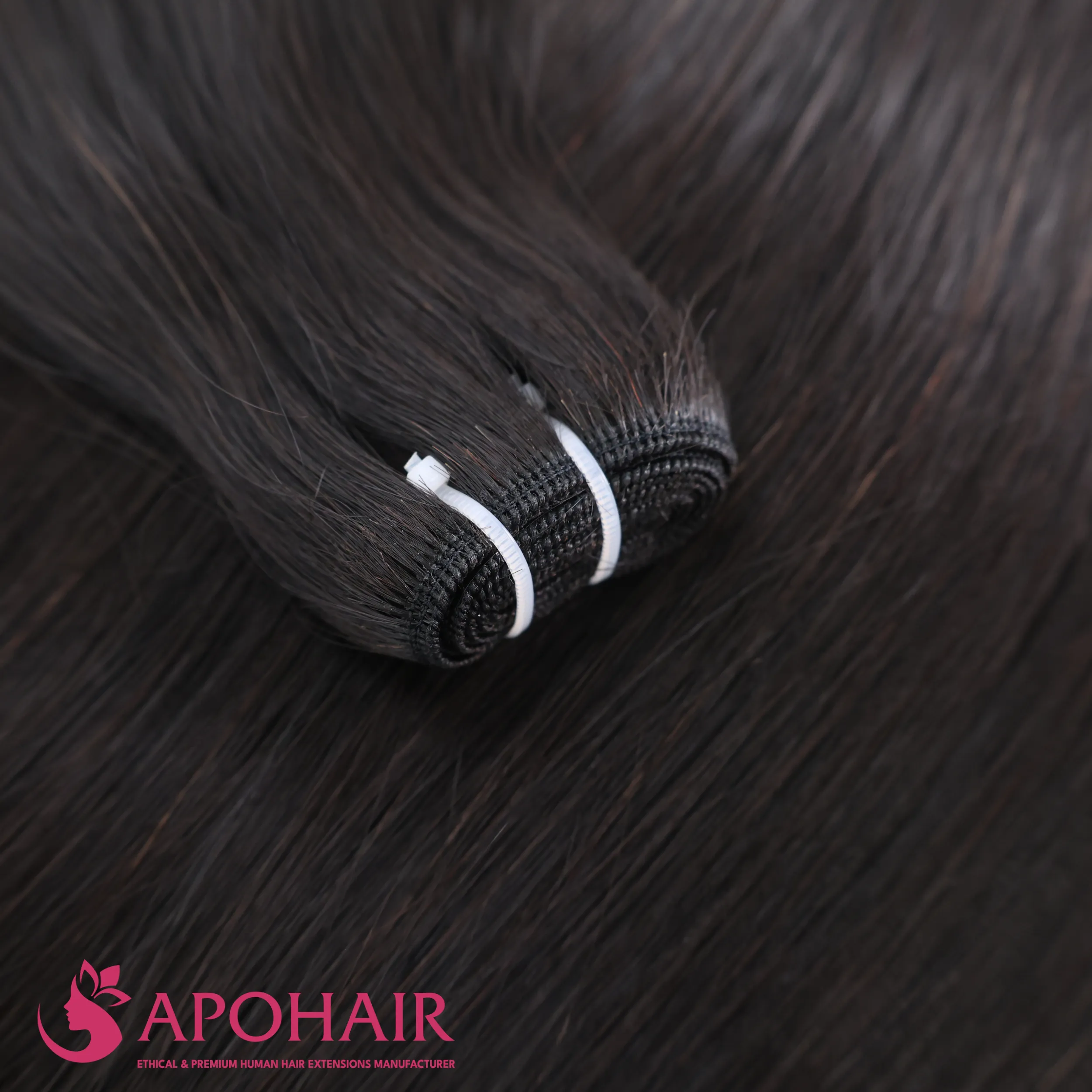
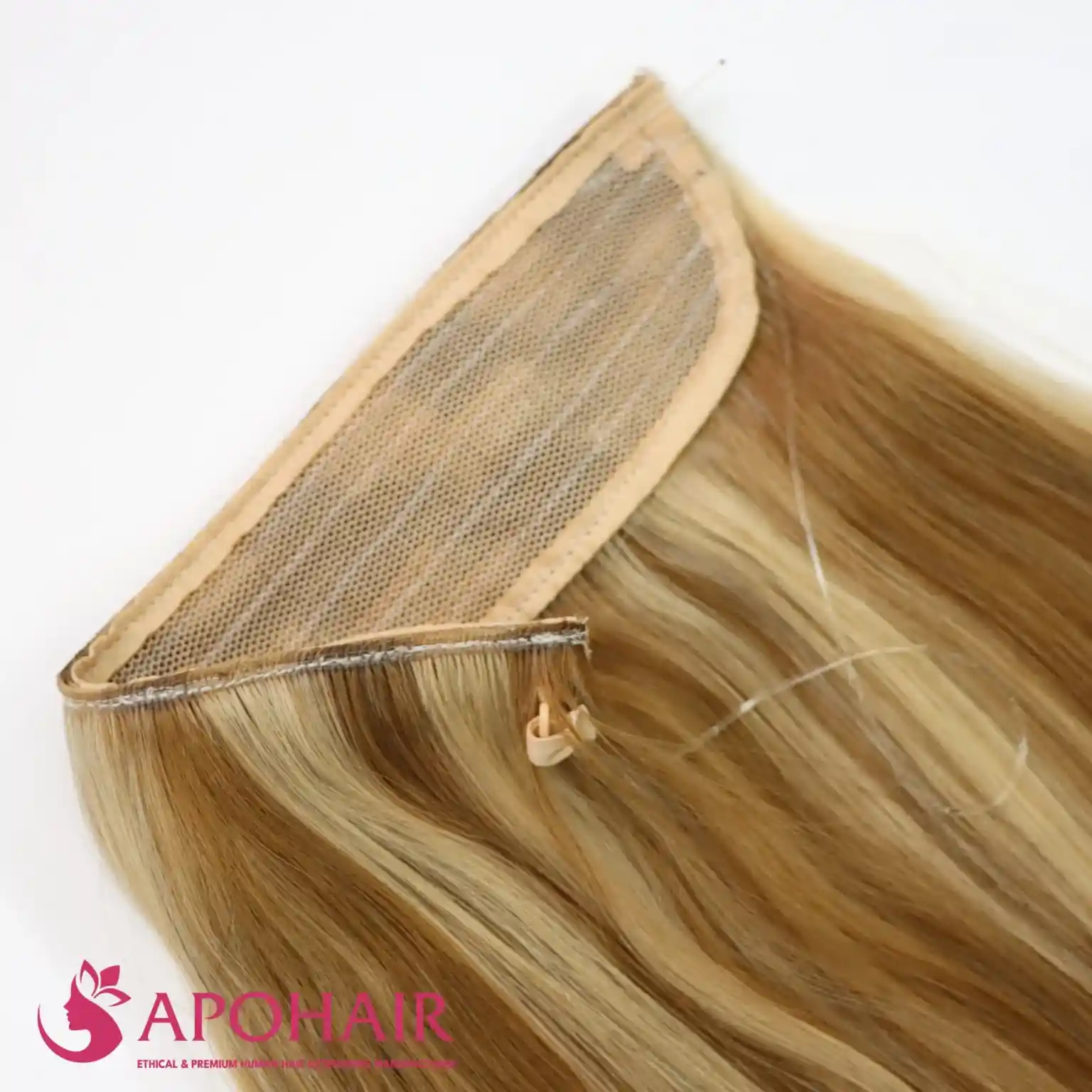
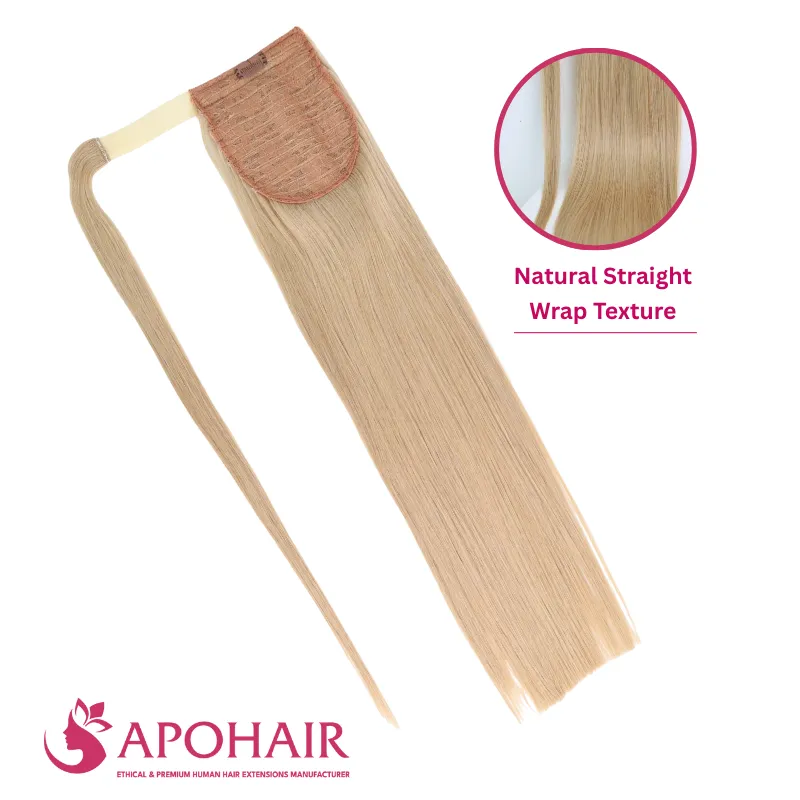
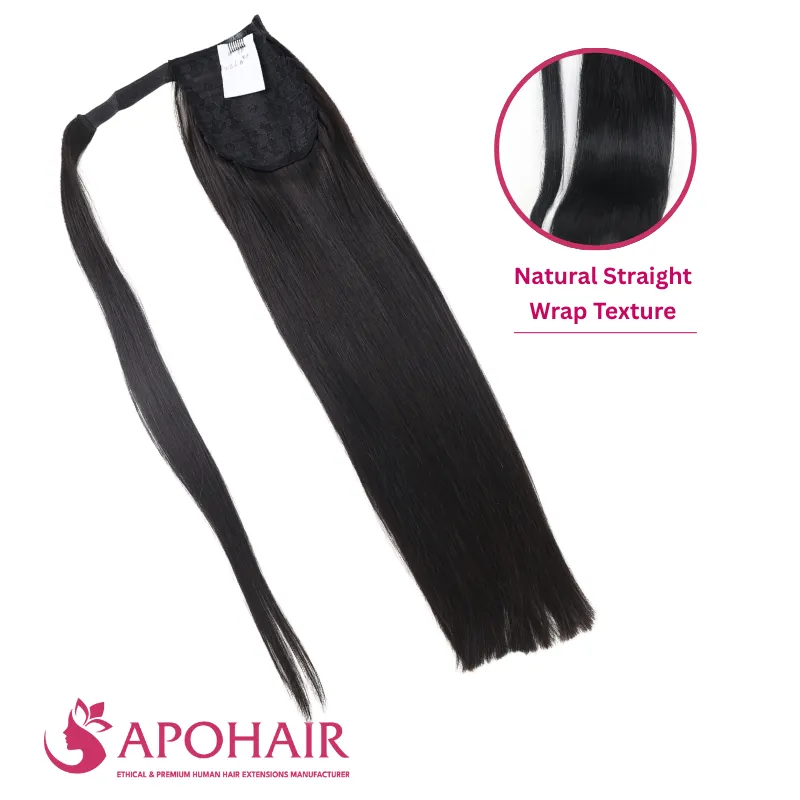
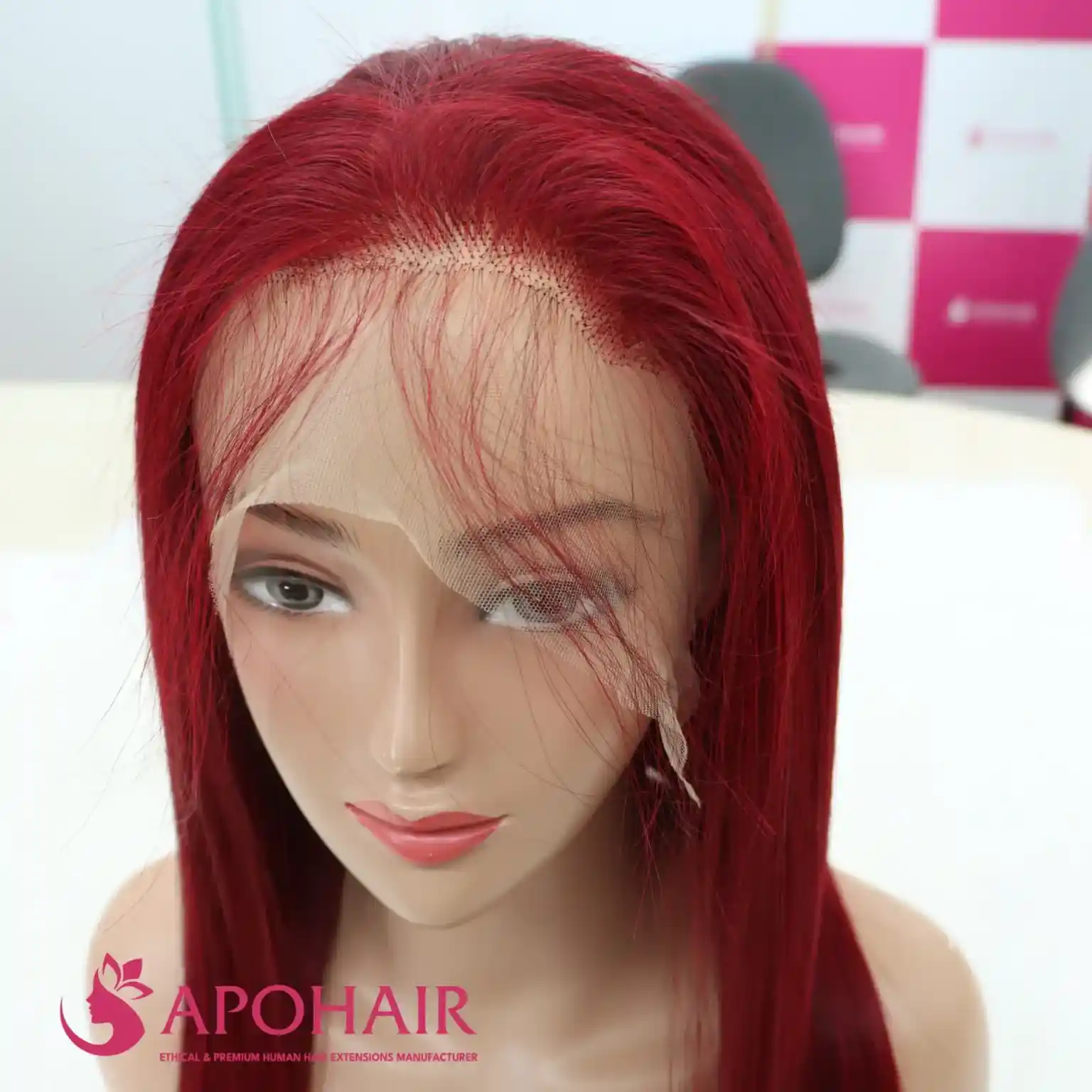
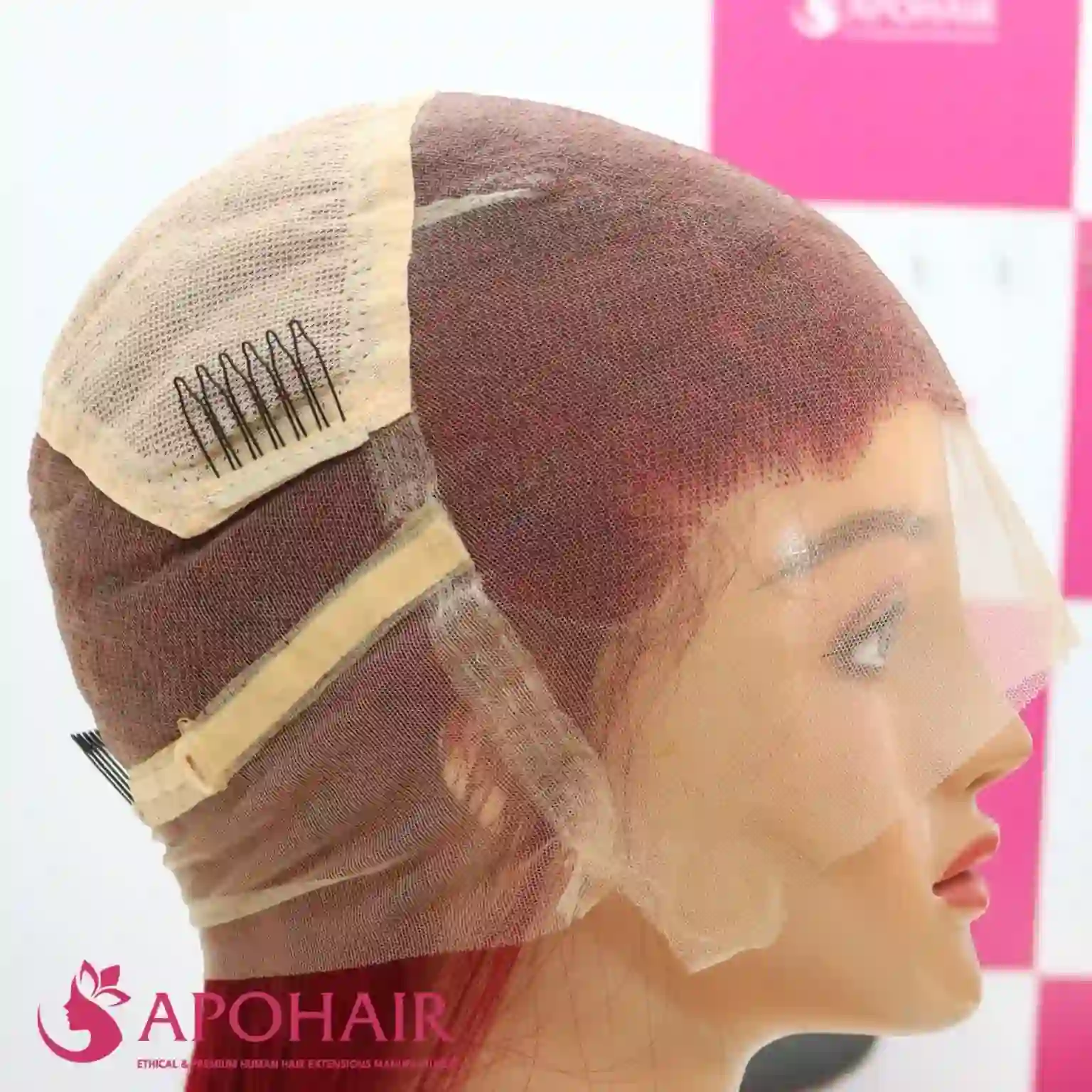
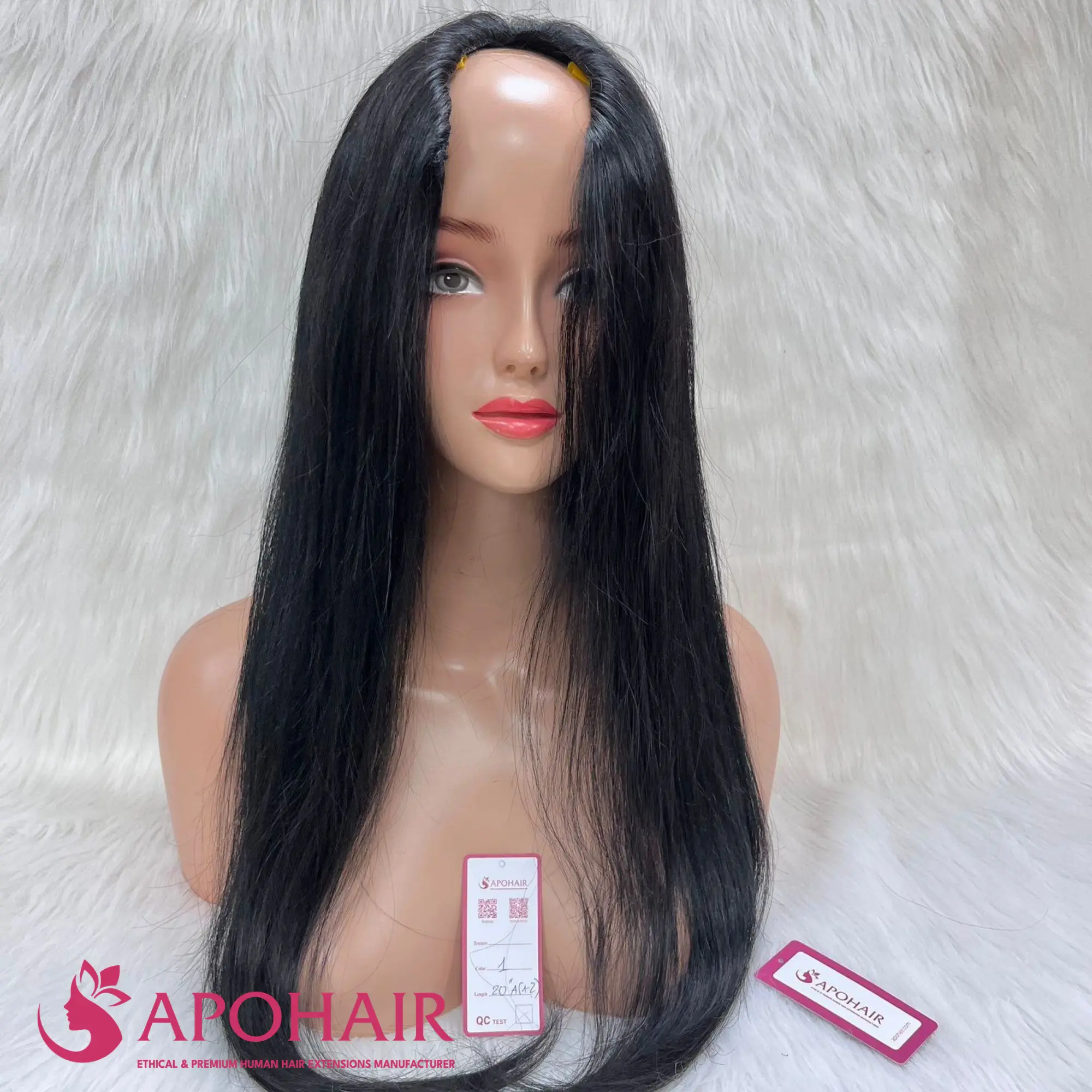
The range covers what most buyers need: weft, bulk, tape-in, clip-in, keratin tip, closures, frontals, and wigs. The minimum order starts at just 200 grams per product type. That low minimum lets a startup test the market before scaling, while larger distributors order 500-plus bundles a month. Every order undergoes a multi-point quality inspection before it ships via DHL, FedEx, or UPS to 120+ countries in 3 to 7 business days. You also control the specs, as the OEM and ODM services cover length, texture, color, density, and private labeling.

Browse the bulk human hair, weft extensions, and human hair bundles ranges, or message the team on WhatsApp for a quote with your specs.
FAQs: Buying & Importing Hair from Vietnam
These answers cover the questions first-time buyers ask most about buying and importing hair from Vietnam, including where to buy online and how to customize an order.
Where can I buy Vietnamese hair online?
You can buy Vietnamese hair online from three trustworthy channels: A factory website, a verified B2B platform like Alibaba, or a vetted wholesale vendor. A factory site gives the lowest price and direct customization. Before you order, it helps to confirm a real factory address and request a production video.
Can I buy human hair directly from a Vietnamese factory?
Yes, you can buy human hair directly from a Vietnamese factory, even as a small buyer. Factory-direct buying gives you lower prices, full customization, and tighter quality control than a reseller. To confirm that a factory is real, you should request its business registration, a video of the production floor, and a sample.
What is the MOQ to buy hair from Vietnam?
The minimum order for hair from Vietnam ranges from 200 to 500 grams per product type, depending on the supplier. Apohair’s MOQ starts at 200 grams, which lets a new buyer test quality before a bulk order. Larger orders above 10 kilograms unlock tier discounts.
How long does delivery take for hair orders from Vietnam?
Delivery for most international hair orders from Vietnam takes 3 to 7 business days. Factories ship by DHL, FedEx, or UPS with a tracking number issued at dispatch. Customs clearance in your own country can add a day or two.
Can I customize my order at Apohair?
Yes, Apohair customizes every order through its OEM and ODM service. You set the length, texture, color, density, and hair grade, and you can add private labeling for your own brand. Customization is available from a 200-gram minimum order.
Conclusion
Buying and importing hair from Vietnam runs across two stages. On the buy side, you choose a real factory, sample the hair, confirm your specs, and pay behind a packing video. On the import side, you agree on an Incoterm, let the factory clear export at a 0% Vietnam duty, then handle shipping, customs, and import duty in your own country. Buy from the maker, not the middleman, and that single choice protects both your price and your quality. You should start with a small sample order, confirm the hair holds up, then scale to bulk with a factory you trust.
APOHAIR ETHICAL & PREMIUM HUMAN HAIR EXTENSIONS MANUFACTURER
- Address: Building 3A, Lane 82 Duy Tan, Cau Giay, Hanoi, Vietnam
- Factory: Minh Luong, Yen Luong Ward, Ninh Binh, Vietnam
- WhatsApp: +84 862 132 366
- Email: [email protected]
- Website: https://apohair.com
