








Best Hairstyles for Every Face Shape: How to Find Your Most Flattering Cut
The most flattering hairstyle depends on your face shape’s proportions. The goal is simple: Create visual balance toward an oval silhouette by adding volume where the face is narrow and reducing it where it is wide. There are nine main face shapes, including round, oval, square, heart, diamond, oblong, rectangle, triangle, and inverted triangle. Each one has specific cuts that make your bone structure, whether you’re a woman or a man.
Your face shape is the geometric outline formed by 4 measurements: forehead width, cheekbone width, jawline width, and face length. Hairstylists use these proportions to place volume, layers, and length where they count most, visually steering any shape toward that balanced oval reference point.
In this article, you’ll learn how to determine your face shape. Then find the best hairstyles for round, oval, square, heart, diamond, rectangular, oblong, triangular, and inverted-triangle faces. We will guide you in choosing the right hairstyle based on your hair texture, lifestyle, and maintenance preferences. Finally, you’ll see how hair extensions and wigs let you test flattering styles without a permanent commitment.
How to Determine Your Face Shape?
Determine your face shape by measuring forehead width, cheekbone width, jawline width, and face length, then comparing their proportions. The widest measurement, combined with your jaw angle, tells you which of the 9 common face shapes you match.
Here’s the step-by-step process:
- Pull all hair (including bangs) back tightly from your face, and stand in front of a mirror at eye level.
- Measure forehead width at the widest point between your temples.
- Measure cheekbone width across the face at the outer corners of your eyes.
- Measure the jawline from the chin tip to below the ear at the jaw angle, then multiply by 2.
- Measure face length from the center of your hairline straight down to the chin tip.
- Compare all 4 measurements to the table below and identify your closest match.
The following table shows 9 common face shapes and how they differ across the 4 key facial measurements, along with a quick hairstyle recommendation for each:
| Face Shape | Prominent Characteristics | Best Hairstyle Direction | Styles to Avoid |
|---|---|---|---|
| Round | Equal face length and width; widest at the cheekbones with a soft, rounded jawline. | Vertical lines, height at the crown | Chin-length bobs, center parts |
| Oval | Length is roughly 1.5x the width; balanced proportions that taper gently to the jaw, widest at cheekbones. | Most styles work; maintain balance | Heavy blunt bangs, extreme length |
| Square | Forehead, cheekbones, and jawline are equally wide, matching the face length with straight sides and a sharp jaw. | Soft waves, side-swept bangs | Blunt jaw-length cuts, slicked-back |
| Heart | Widest at the forehead, tapering down through wide cheekbones to a narrow, pointed chin. | Jaw-level volume, curtain bangs | Slicked-back styles, short pixies |
| Diamond | Angular face featuring prominent, wide cheekbones with a distinctly narrow forehead and jawline. | Side-swept bangs, chin-length cuts | Center parts, slicked-back |
| Rectangle | Elongated shape (longer than wide) with equal width across the forehead, cheekbones, and a sharp, angular jaw. | Width at sides, bangs to shorten | Long straight hair, tall pompadours |
| Oblong | Elongated oval shape with equal width across the forehead, cheekbones, and a softer, rounded jaw. | Side volume, bangs, chin-length | Very long straight hair, skin fades |
| Triangle | Widest at the jawline, gradually narrowing upward to a notably narrow forehead. | Volume at the crown and temples | Flat center parts, jaw-length cuts |
| Inverted Triangle | Broadest at the forehead, gradually narrowing down through the cheekbones to a slender jaw. | Jaw-level fullness, side parts | High-volume top styles, slicked-back |
Most people have hybrid or combination shapes, so choose the closest match. If two shapes seem equally close, follow the recommendations for the one whose defining feature is most prominent on your face.
Best Hairstyles for Round Face Shape
The styling principle of a round face is to draw the eye up and down, not side to side. Round faces benefit from hairstyles that create vertical lines and angular structure. Side parts, face-framing layers, and cuts that add height at the crown visually elongate the face and offset the equal width-to-length ratio that defines this shape.
Best Women’s Hair Style For Round Face:
- Long layers with a deep side part: Create downward visual flow and break symmetry, making the face appear longer and slimmer. This is one of the most universally flattering cuts for round silhouettes.
- Angled lob ending below the chin: Adds visible length past the face’s widest point, pulling proportions downward.
- Side-swept bangs with shoulder-length waves: Introduce diagonal lines across the forehead that slim the face instantly.
- Pixie cut with volume at the crown: Builds height and definition at the top, elongating the round outline. Pro tip: ask your stylist to texturize the crown area with thinning shears for extra lift.
Best Men’s Hair Style For Round Face:
- High fade with textured top or pompadour: Stretches the round outline vertically, with concentrated height at the top.
- Side part with longer top: Breaks the circular shape with asymmetry, which a centered style can’t do.
- Quiff with tapered sides: Pairs height at the front with slim sides, creating balanced contrast.
Hairstyle to Avoid for a Round Face:
- Chin-length bobs that stop at the face’s widest point, center parts that highlight symmetrical width
- Blunt one-length cuts without layers, and full sides without compensating height on top.

Best Hairstyles for Oval Face
If you have an oval face, you hit the jackpot. Balanced proportions allow a wide range of flattering cuts, as long as the style doesn’t cover up or distort that natural symmetry. The focus is on choosing styles that maintain this balance without adding excess length or width.
An oval face is about 1.5 times as long as it is wide. The forehead sits slightly wider than the chin, tapering gently with no sharp angles. Cheekbones are often the widest point, but not dramatically so. This is the reference shape stylists aim for when balancing other face shapes.
Best Women’s Hair Style For Oval Face:
- Long layers with movement: Add texture and show off the naturally balanced bone structure without fighting it.
- Blunt bob at jaw level: A bold, modern cut that frames the face’s symmetry cleanly, and it holds its shape between salon visits.
- Shoulder-length waves: Mirror the oval’s natural rounded contour with gentle curves.
- Textured shag with curtain bangs: Adds personality and edge without disrupting proportional balance.
Best Men’s Hair Style For Oval Face:
- Textured crop: Complements the natural balance while keeping things modern and low-maintenance.
- Classic side part: It highlights the proportionate forehead-to-jaw ratio that defines the oval shape.
- Crew cut or buzz with slight length on top: Clean and understated, letting the oval symmetry speak for itself.
Hairstyle to Avoid for an Oval Face:
- Heavy blunt bangs that cut across the forehead and visually shorten the face
- Very long, one-length hair without layers that pulls proportions downward, and excessive top volume that over-elongates the face.

Best Hairstyles for Square Face Shape
Square faces look best with hairstyles that soften the strong, angular jawline. Side-swept bangs, soft waves, and textured layers create fluid movement that balances the equal forehead-cheekbone-jaw width and the sharp jaw angle defining this shape. A square face has forehead, cheekbone, and jawline widths that are roughly equal. The jaw angle is sharp and well-defined, and the sides of the face appear straight and parallel. Face length and width are similar, giving the face a structured, boxy outline.
Best Women’s Hair Style For Square Face Shape:
- Long layers starting below the chin: Soften the jawline without drawing a hard line right at the jawline. From our experience working with clients who have strong jawlines, starting layers 2 to 3 inches below the chin gives the best result.
- Side-swept or wispy bangs: Introduce diagonal lines across the forehead that counter the horizontal jaw angle.
- Beachy waves at shoulder length: Use soft curves to offset the face’s straight lines and sharp corners, creating a wash-and-go style that looks effortless.
- Textured lob with face-framing pieces: Breaks up the boxy silhouette with movement and dimension.
Best Men’s Hair Style For Square Face Shape:
- Textured fringe or angular fringe: Shifts attention from the jawline upward to the forehead area.
- Side part with medium length on top: Introduces asymmetry, softening the square outline.
- Short back and sides with longer textured top: Draws the eye up and away from the jaw with vertical contrast.
Hairstyle to Avoid for a Square Face Shape:
- Blunt chin-length bobs: End exactly at the jawline.
- Slicked-back styles: Expose the full square outline.
- Heavy straight-across bangs: Mirror the horizontal jaw angle.
- Symmetrical cuts: Lack texture or movement.

Best Hairstyles for Heart Face Shape
Heart-shaped faces are flattered by hairstyles that add width and volume around the jawline while softening the broader forehead. Chin-length or shoulder-length cuts with outward movement at the ends, curtain bangs, and side parts balance the top-heavy proportions of this shape.
A heart face is widest at the forehead and temples. The cheekbones are often prominent, and the face tapers to a narrow, sometimes pointed chin. A widow’s peak at the hairline is common. The goal is to redistribute visual weight from the upper face to the lower face.
Best Women’s Hair Style For Heart Face Shape:
- Lob ending at or just below the collarbone: Adds width around the chin and neck area where the face is narrowest.
- Curtain bangs: A center-parted fringe that softens and breaks the wide hairline without fully concealing the forehead.
- Deep side part with loose waves breaking at the jawline: Redirects attention away from forehead width and toward the mid-face.
- Chin-length bob with textured, outward-flipping layers: Places fullness at the face’s narrowest point, and the flipping movement adds dimension that a flat bob can’t deliver.
Best Men’s Hair Style For Heart Face Shape:
- Medium-length layers with side sweep: Redistribute volume away from the forehead while keeping things balanced.
- Low fade with textured top kept forward: Covers part of the forehead without exposing its full width.
- Fringe or bangs styles: Directly reduce the visual prominence of a broad forehead.
Hairstyle to Avoid for a Heart Face Shape:
- Slicked-back ponytails or high buns: Fully expose the forehead.
- Very short pixie cuts: Draw attention to the chin’s narrow point.
- Heavy volume at the crown: Adds even more width at the top.

Best Hairstyles for Diamond Face Shape
Diamond faces benefit from hairstyles that add width at the forehead and jawline to balance the prominent cheekbones. Side-swept bangs, chin-length cuts, and styles with volume at the temples and jaw area create a fuller, more balanced silhouette around this angular shape.
The diamond face has cheekbones as the widest point, paired with a narrow forehead and a narrow jawline. The chin may be pointed, and the face has an angular, geometric appearance. This is the rarest of the common face shapes.
Best Women’s Hair Style For Diamond Face Shape:
- Side-swept bangs with layers: Widen the narrow forehead area with diagonal volume and movement.
- Chin-length textured bob: Adds width right at the jawline, counterbalancing the dominant cheekbones. Texturizing the ends with point-cutting creates natural movement that a blunt cut would miss.
- Long layers with volume at the ends: Build fullness across the bottom half of the face where width is needed most.
- Tucked-behind-ear styling with loose waves: Showcases the high cheekbones as a feature, while waves add width below them.
Best Men’s Hair Style For Diamond Face Shape:
- Textured crop with longer fringe: Adds visual width at the forehead and draws attention upward.
- Side part with medium volume: Pulls focus away from the cheekbone dominance with asymmetry.
- Messy fringe or curtain-style bangs: Fill the narrow temple area with soft texture.
Hairstyle to Avoid for a Diamond Face Shape:
- Center parts: Highlight the narrow forehead.
- Slicked-back styles: Expose both the narrow forehead and jaw at once.
- High fades: Make the cheekbone area look even wider.
- Very short crops without top texture: Fail to add needed volume to the upper face.

Best Hairstyles for a Rectangle Face Shape
Rectangle faces need hairstyles that add width to the sides and reduce perceived vertical length. Shoulder-length cuts with horizontal volume, bangs that shorten the forehead, and styles with fullness at the cheekbones soften the elongated, angular structure of this shape.
What sets this shape apart? A rectangle face is noticeably longer than it is wide. The forehead and jawline are roughly equal in width, the jaw angle is sharp and squared, and the sides of the face appear straight and parallel. It’s different from an oblong face because of its angular (rather than curved) jawline.
Best Women’s Hair Style For Rectangle Face Shape:
- Shoulder-length waves with side-swept bangs: Add width at the cheeks while bangs reduce visible forehead height. This combination is the fastest path to visually shortening an elongated face.
- Full or thick bangs with a layered cut are the single most effective way to shorten perceived face length.
- Chin-length bob with volume at the sides: Widens the face at cheekbone level where it needs it most.
- Soft curls or body waves at shoulder length: Use horizontal texture to break the dominant vertical lines.
Best Men’s Hair Style For Rectangle Face Shape:
- Side part with textured, non-tapered sides: Keeps volume at the sides rather than making the face look longer.
- Fringe or bangs covering the forehead: Directly shortens the perceived face length from top to chin.
- Medium-length layered styles: Avoid the extreme height that pompadours or quiffs would create.
Hairstyle to Avoid for a Rectangle Face Shape:
- Very long straight hair without layers: Stretches the face even more.
- High-volume top styles such as tall pompadours or quiffs: Add more vertical length.
- Center parts: Create long vertical lines.
- Skin fades: Expose the elongated face outline.

Best Hairstyles for Oblong Face Shape
Oblong faces are flattered by hairstyles that create the illusion of wider proportions and reduced length. Layered cuts with volume at the sides, chin-to-shoulder length styles, and bangs all help shorten and widen the long, narrow appearance of this face shape.
An oblong face is like an oval but stretched vertically. Face length is noticeably greater than width, and the forehead, cheekbones, and jaw widths are relatively similar. Oblong shapes share the same elongation as elongate face, but have softer, curved jaw angles rather than sharp corners. This means oblong faces can handle slightly more structured cuts since there are no hard angles to soften.
Best Women’s Hair Style For Oblong Face Shape:
- Layered bob ending at chin or jaw: Adds width right at the face’s midpoint, breaking the vertical line.
- Shoulder-length waves with full bangs: Give you the maximum width-adding and length-reducing combination. This is the go-to recommendation for oblong faces.
- Side part with volume concentrated at ear level: Widens the mid-face where oblong faces are narrowest relative to their length.
- Curly or wavy texture at medium length: Creates natural horizontal expansion that offsets the vertical stretch.
Best Men’s Hair Style For Oblong Face Shape:
- Scissor-cut sides (not skin fades) with medium top: Maintains volume at the sides to widen the face outline.
- Side-swept fringe: Reduces forehead height without adding volume on top.
- Layered or shaggy medium-length cut: Combines width and texture to counter the elongation.
Hairstyle to Avoid for an Oblong Face Shape:
- Very long,g sleek, straight hair: Adds downward pull.
- Tall pompadours or quiffs: Add more height.
- Skin fades or very short sides: Narrows the already narrow face.
- Center parts without volume: Lengthen the face visually.

Best Hairstyles for Triangle Face Shape
Triangle faces are balanced by hairstyles that add volume from the cheekbones upward. Layered cuts with fullness at the temples and crown, side-swept bangs, and textured styles draw attention to the upper face and away from the wider jawline that defines this shape.
A triangle face has the jawline as its widest point, medium-width cheekbones, and the narrowest area at the forehead. The face widens from top to bottom, creating an inverted-V silhouette when viewed from the front.
Best Women’s Hair Style For Triangle Face Shape:
- Voluminous layers from mid-length upward: Build width at the temple and cheekbone area to counter the wide jaw.
- Side-swept bangs or full bangs: Add visual width to the narrow forehead, rebalancing the top-to-bottom ratio. If your natural hair is fine or thin, clip-in volume pieces at the crown area can give you the lift you need without a perm.
- Textured bob ending above the jawline: Avoids adding width where the jaw is already at its widest.
- Voluminous blowout with root lift: Creates top-heavy balance that directly counters the bottom-heavy proportions.
Best Men’s Hair Style For Triangle Face Shape:
- Textured top with volume and tapered sides: Builds height and width above the jawline.
- Side part with longer top swept to one side: Adds asymmetrical width at the forehead to offset the broad jaw.
- Quiff or pompadour: Concentrates top volume as the most direct counter to bottom-heavy proportions.
Hairstyle to Avoid for a Triangle Face Shape:
- One-length cuts: Follow the jawline width.
- Very short sides without compensating top volume: Emphasize the wider jawline.
- Straight flat hair parted in the center: Highlights the narrow forehead.
- Chin-length cuts: End exactly at the jaw’s widest point.

Best Hairstyles for Inverted Triangle Face Shape
Inverted triangle faces look best with hairstyles that add fullness at the jawline and minimize forehead width. Chin-length bobs, jaw-length layers, and side parts with volume concentrated at the lower face create visual balance for this top-heavy shape.
An inverted triangle face has the forehead as the widest point. The face narrows from the forehead through the cheekbones to a narrow jawline. It differs from a heart shape by having less angularity in the cheekbones and a less pointed chin. That’s why jaw-level volume becomes even more critical, and styles that highlight cheekbones should be approached with care.
Best Women’s Hair Style For Inverted Triangle Face Shape:
- Chin-length or jaw-length bob: Adds maximum width at the narrowest area of the face. A common mistake we see is clients choosing a chin-length bob but keeping it sleek and flat. You need texture and body at the ends, or the style won’t do its job.
- Waves or curls concentrated from the chin downward: Build targeted volume right at the jaw.
- Side part with layers flipping outward at the ends: Creates horizontal fullness at the jaw level.
- Layered cut with volume below the ears: Adds horizontal expansion across the lower face.
Best Men’s Hair Style For Inverted Triangle Face Shape:
- Low fade with longer textured top kept forward: Avoids exposing the full broad forehead.
- Fringe covering part of the forehead: Reduces perceived forehead width directly.
- Side-swept style with medium sides: Keeps some volume at the sides instead of emphasizing the narrowing toward the jaw.

Hairstyle to Avoid for an Inverted Triangle Face Shape:
- High-volume top styles (pompadours, quiffs): Widen the already broad forehead.
- Slicked-back styles: Fully expose the forehead.
- Very short sides: Accentuate the narrowing toward the jaw.
- Wide headbands or accessories across the forehead: Draw attention to the width of the upper face.
The following table compares all 9 face shapes with their defining feature, top recommended cuts for women and men, and styles to avoid:
| Face Shape | Defining Feature | Best Cuts for Women | Best Cuts for Men | Styles to Avoid |
|---|---|---|---|---|
| Round | Equal width-to-length, soft jaw | Long layers + deep side part, angled lob, pixie with crown volume | High fade + textured top, side part, quiff | Chin-length bobs, center parts, blunt cuts |
| Oval | Balanced proportions, gentle taper | Long layers, blunt bob, shoulder waves, textured shag | Textured crop, classic side part, crew cut | Heavy blunt bangs, very long one-length |
| Square | Sharp jaw angle, straight sides | Long layers below the chin, side-swept bangs, beachy waves | Textured fringe, side part, short back + longer top | Blunt jaw-length bobs, slicked-back |
| Heart | Wide forehead, narrow chin | Lob at collarbone, curtain bangs, chin-length bob | Medium layers + side sweep, low fade + forward top | Slicked-back ponytails, short pixies |
| Diamond | Prominent cheekbones, angular | Side-swept bangs + layers, chin-length bob, long layers | Textured crop + fringe, side part, messy fringe | Center parts, high fades, slicked-back |
| Rectangle | Elongated, angular jaw | Shoulder waves + bangs, chin-length bob with volume | Side part + textured sides, fringe, layered medium | Long straight hair, tall pompadours |
| Oblong | Elongated oval, rounded jaw | Layered bob, shoulder waves + full bangs, curly medium | Scissor-cut sides + medium top, side-swept fringe | Sleek long hair, skin fades, center parts |
| Triangle | Wide jawline, narrow forehead | Voluminous layers, side-swept bangs, bob above jaw | Textured top + volume, side part, quiff/pompadour | Flat center parts, jaw-length cuts |
| Inverted Triangle | Broad forehead, narrow jaw | Chin-length bob, jaw-level waves, outward-flipping layers | Low fade + forward top, fringe, side-swept medium | High-volume top styles, slicked-back |
How to Choose the Right Hairstyle for Your Face Shape?
To choose the right hairstyle for your face shape, identify your facial structure using 4 key measurements (forehead, cheekbones, jawline width, and face length), then match it to cuts that balance your proportions while factoring in hair texture, lifestyle, and maintenance preferences.
- Confirm your face shape: Measure your forehead, cheekbone, jawline width, and face length using the method above. Compare those numbers against the 9-shape reference table to find your closest match.
- Note your natural hair texture: Straight hair needs layers or bangs to create movement. Wavy and curly textures already carry volume, so focus on controlling bulk where your face is widest. Fine hair may need clip-in extensions to reach the density certain cuts demand.
- Factor in lifestyle and maintenance: Low-effort routines pair best with wash-and-go cuts like beachy waves or textured crops. If daily styling fits your schedule, blowouts and structured updos become realistic options.
- Match shape, texture, and lifestyle to a cut: Cross-reference your face shape’s recommended styles with your texture and time constraints. Shortlist 2 to 3 options, not just one.
- Test before committing: Bring reference photos to your stylist. You can also try extensions or a wig in the target style before picking up scissors, which removes the guesswork entirely.
Most people fall between two face shapes rather than fitting one category perfectly. Follow the recommendations for whichever defining feature is most prominent on your face, whether that’s a strong jawline, wide cheekbones, or a broad forehead. If your natural hair doesn’t have the length, volume, or texture for your ideal cut, hair extensions and wigs offer a way to test and achieve the style without permanent changes.
How Hair Extensions and Wigs Help You Achieve Your Ideal Hairstyle?
When your natural hair lacks length or density, hair extensions and wigs help you try out and achieve hairstyles that suit your face shape, adding volume, length, or texture without permanent cuts or chemical treatments. Different extension types serve different face-shape needs.
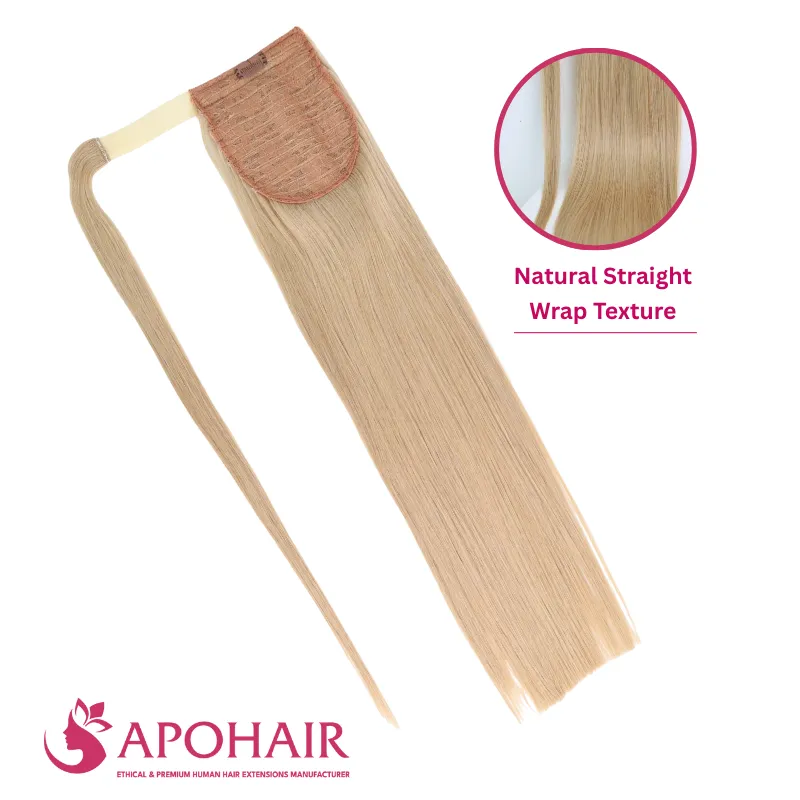
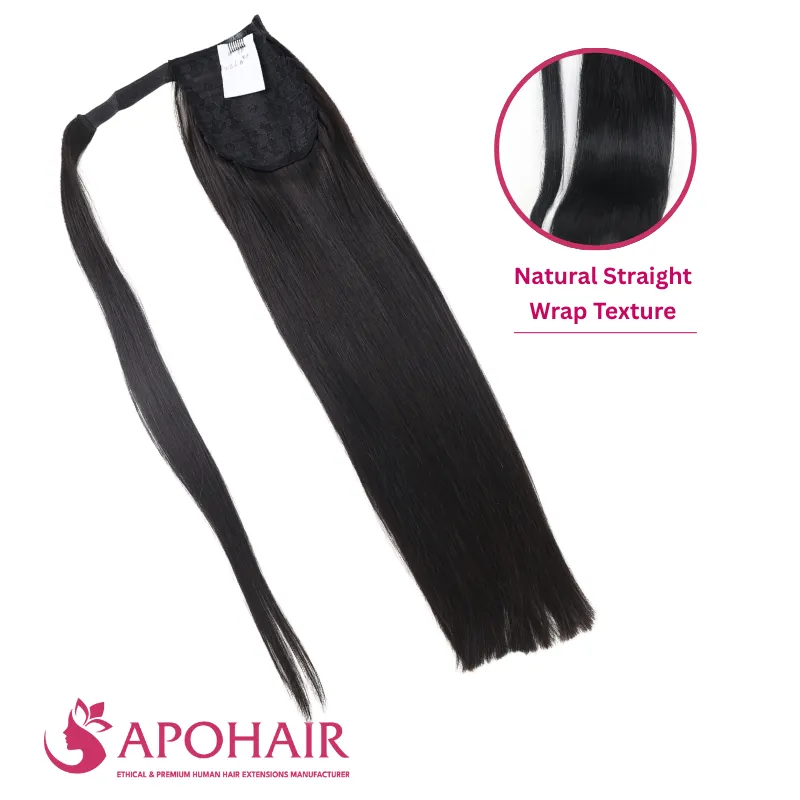
- Clip-in extensions: Add instant volume at specific areas (crown volume for round faces, jaw-level fullness for heart faces).
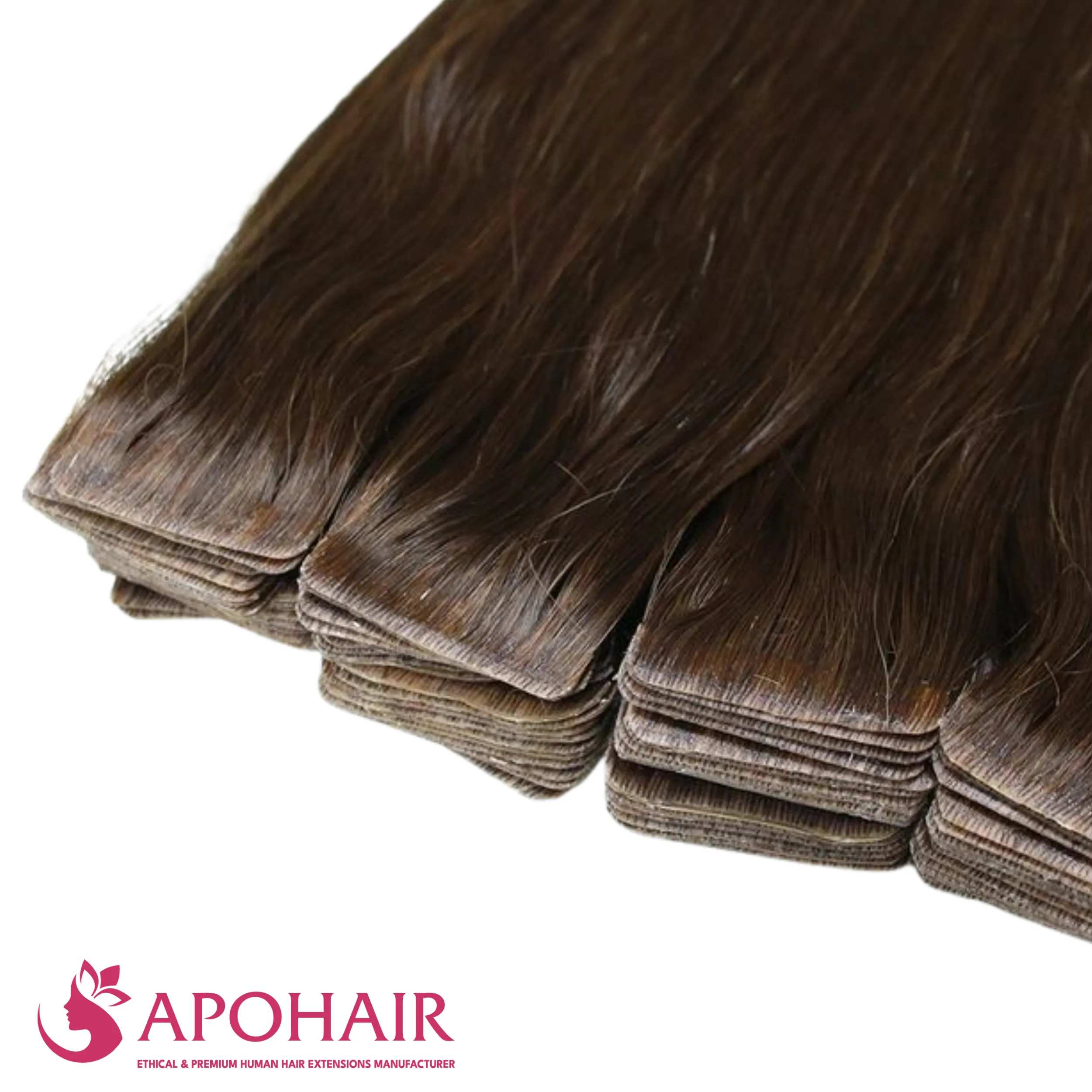
- Tape-in extensions: Give semi-permanent length for styles that need longer hair, such as elongating cuts for round or square faces.
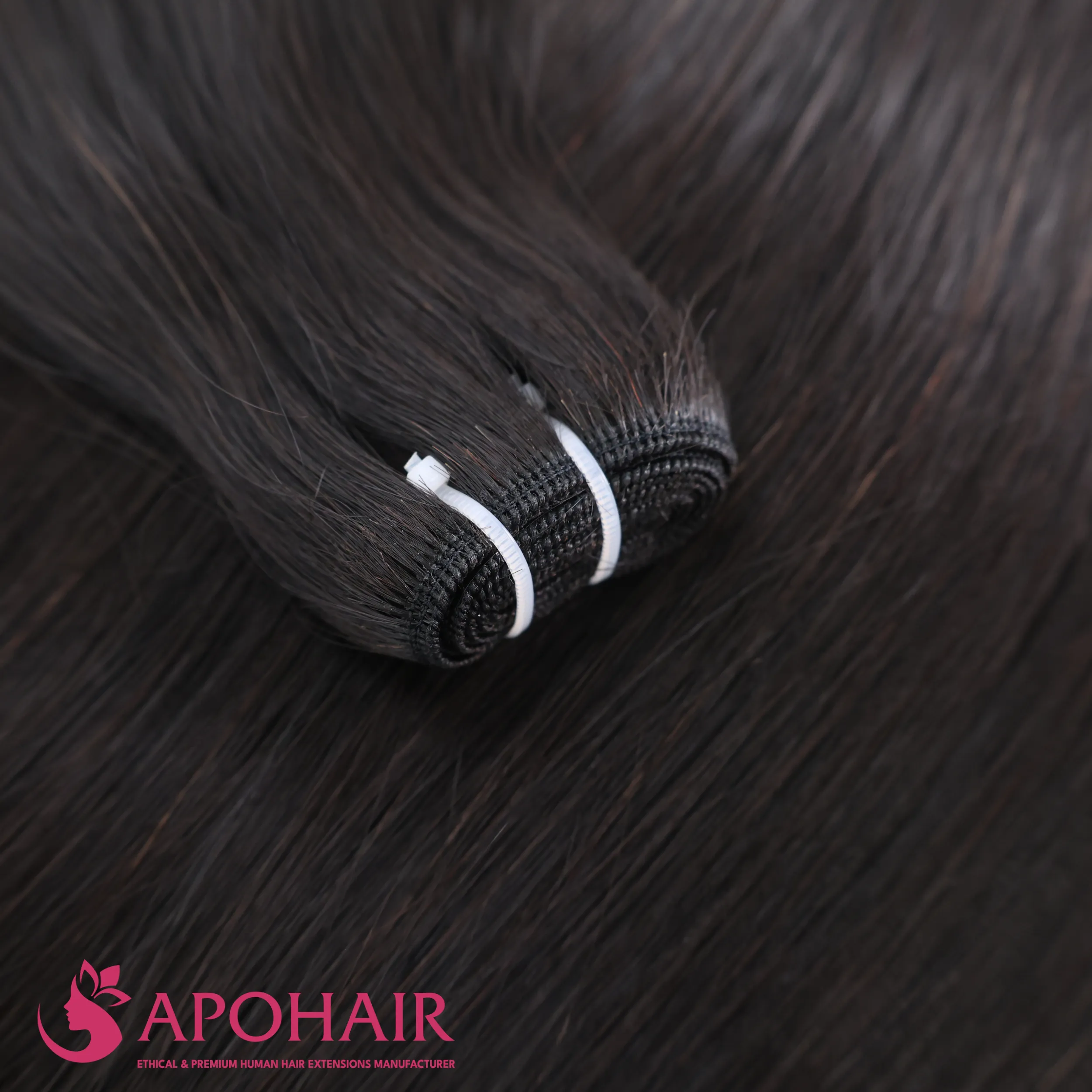
- Weft-and-weave extensions: Build full density for styles that demand thick, layered volume.
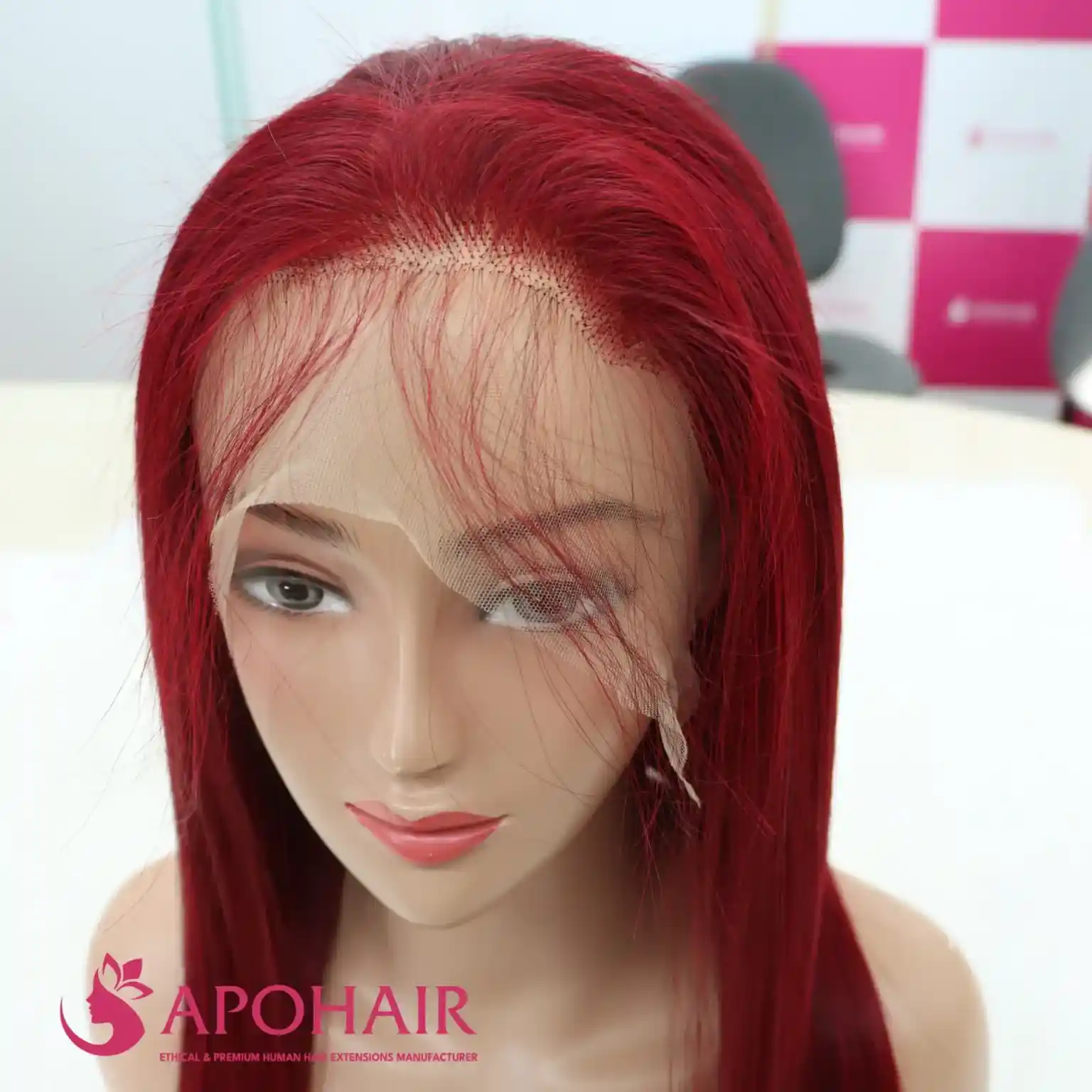
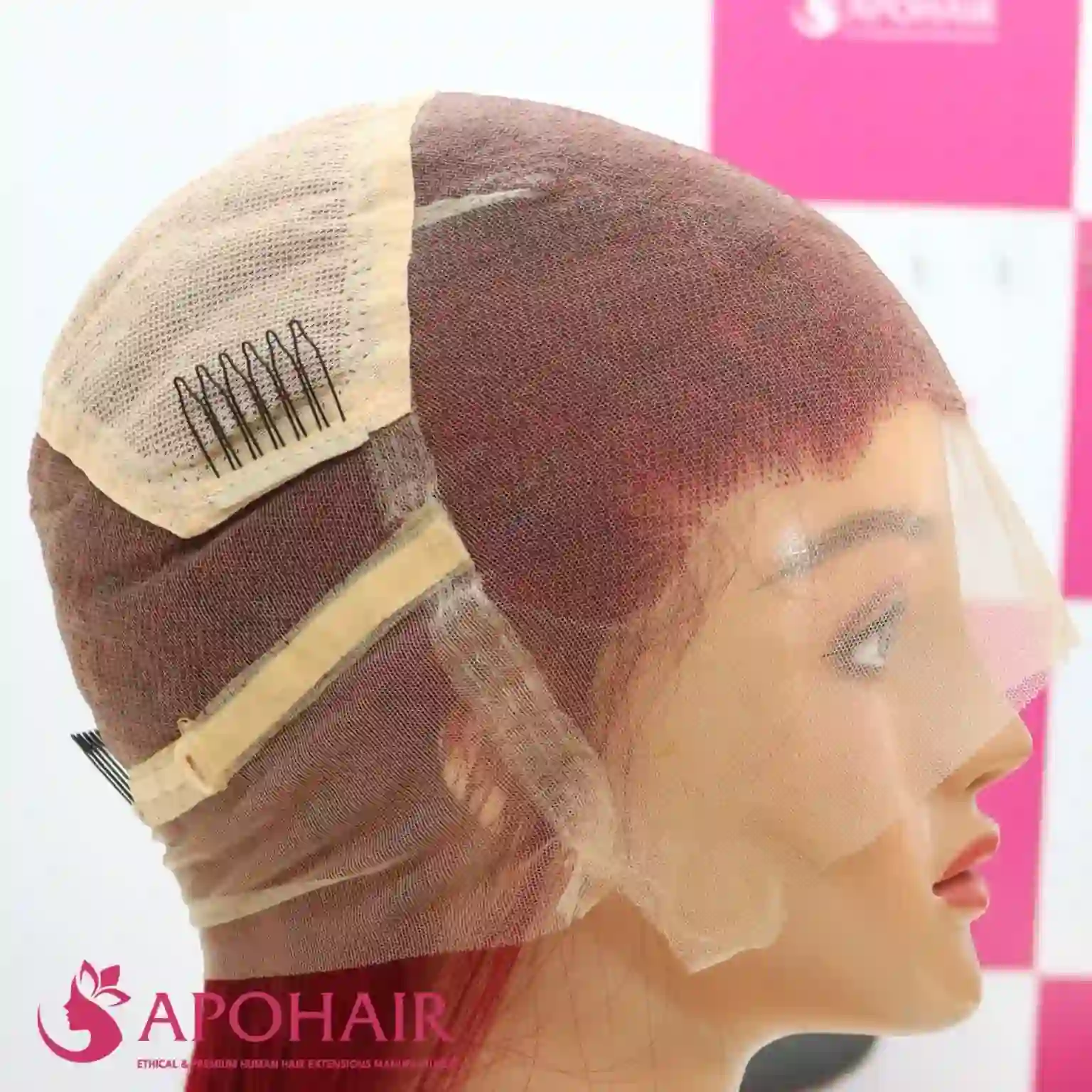
- Wigs: Allow a complete style transformation without altering your natural hair at all.
From our 20+ years supplying salons and distributors across 50+ countries, Apohair has seen firsthand how the right extension type can make a face-flattering cut possible when natural hair alone falls short. The following table matches each face shape with the most beneficial extension type and the styling outcome it achieves:
| Face Shape | Styling Goal | Recommended Extension Type | What It Achieves |
|---|---|---|---|
| Round | Add length for elongation | Tape-in or clip-in ponytail extensions | Visually lengthens the round silhouette with downward flow |
| Oval | Maintain versatility | Any type: clip-in, tape-in, or wigs | Preserves natural balance while adding density or length |
| Square | Soften jaw with layers | Clip-in layers or halo extensions | Creates soft, face-framing movement around the jawline |
| Heart | Add jaw-level volume | Clip-in wefts placed at mid-length | Builds fullness at the narrow chin area |
| Diamond | Balance the narrow jaw and forehead | Clip-in wefts at the nape level, falling at the jaw | Adds width at the jawline to counter dominant cheekbones |
| Rectangle | Add side volume and width | Clip-in volume pieces or weft extensions | Creates horizontal fullness that shortens the vertical look |
| Oblong | Create width and reduce length | Shoulder-length wigs or tape-in extensions | Adds volume at the sides and controls overall length |
| Triangle | Add top and temple volume | Crown toppers or clip-in volume pieces | Builds fullness above the jawline to rebalance proportions |
| Inverted Triangle | Add jaw-level fullness | Jaw-length wigs or clip-in wefts below the ear | Creates volume exactly where the face is narrowest |
For all face shapes, prioritize 100% human hair extensions that blend with your natural hair texture. Synthetic fibers limit heat styling and natural movement, reducing the effectiveness of face-flattering styles.
If you’re sourcing extensions for your salon or business, APOHAIR’s 100% Raw Human Hair line, ethically sourced from Vietnam, holds curl patterns and styled shapes better than processed alternatives.

Frequently Asked Questions
Can one hairstyle work for multiple face shapes?
Yes. Many medium-length layered styles with soft movement and a side part work across oval, heart, and diamond face shapes. These cuts provide balanced volume without over-emphasizing any single facial dimension.
That said, the specific details should be adjusted per shape. Where layers start, how bangs are cut, and where volume sits all change the effect, even within the same general haircut. A hairstylist consultation helps fine-tune a versatile cut to your specific features and bone structure.
Does hair texture affect which hairstyle suits my face shape?
Yes, and it matters more than most people realize. Curly and wavy hair adds natural horizontal volume, making strategic layering absolutely necessary to control bulk on round faces. Straight hair, on the other hand, needs layers and bangs to create the movement that balances proportions.
Fine or thin hair may benefit from extensions to achieve the volume that certain face-shape recommendations call for. Side-swept fullness for diamond faces or jaw-level volume for heart shapes both demand density that not all natural hair textures can deliver on their own.
What is the best haircut for a female’s jawline?
A “jawline face” typically refers to a square or rectangular face shape where the jaw is the most prominent feature. The best haircuts soften the jawline with movement: long layers that start below the chin, side-swept bangs, and textured waves that wrap soft curves around the angular jawline.
For a strong jawline, avoid blunt cuts that end at the jawline. Instead, choose cuts that fall well above (a pixie with softness at the temples) or well below (long layers past the collarbone) the jawline. This prevents the eye from locking onto the jaw angle.
What is the best haircut for a sharp-faced female?
A sharp-faced appearance usually corresponds to a diamond or inverted triangle face shape, characterized by angular cheekbones and a narrow, well-defined chin. The best cuts add soft, rounded volume to counterbalance the angularity: soft waves, curtain bangs, and layered cuts with outward-flipping ends that create curves against the sharp facial lines.
Wispy, textured finishes work better than blunt, geometric cuts for angular faces. The goal is contrast. Fluid movement set against a defined bone structure creates visual harmony rather than amplifying the sharpness.
How often should I change my hairstyle based on face shape?
Face shape is a permanent bone-structure feature, so the foundational styling principles stay constant regardless of trends. You can refresh or update your specific cut and style to match current trends whenever you like, as long as you keep the same face-flattering proportions intact. Schedule maintenance trims every 6 to 8 weeks to preserve the shape of your cut.
Conclusion
Your face shape is determined by your bone structure and remains consistent over time. To identify it, measure your forehead, cheekbones, jawline, and face length. Choose haircuts that add volume to narrow areas and reduce bulk in wider ones, while considering your natural hair texture and routine. If you want to experiment, extensions and wigs can be great options before fully committing to a new look.
For salon owners, hairstylists, and distributors looking to offer face-flattering styles to every client, Apohair supplies 100% Vietnamese human hair extensions and wigs that retain curl patterns, blend with natural hair, and hold their shape through repeated styling. Our factory ships direct to businesses across 50+ countries with no middleman. Contact Apohair today to request a sample or discuss wholesale pricing for your salon.
APOHAIR — ETHICAL & PREMIUM HUMAN HAIR EXTENSIONS AND WIGS MANUFACTURER
- Address: Building 3A, Lane 82 Duy Tan, Cau Giay, Hanoi, Vietnam
- Factory: (Old) Yen Luong Village, Y Yen District, Nam Dinh Province, Vietnam; (New) Minh Luong Hamlet, Van Thang Commune, Ninh Binh Province, Vietnam
- WhatsApp: +84 862 132 366
- Email: [email protected]
- Website: https://apohair.com
