








16 Hairstyles That Frame the Face Ideas for Women, From Curtain Bangs to Money Pieces
A hairstyle that frames the face has one section ending at a chosen landmark. That landmark decides which feature the eye reads first. Three landmarks carry almost every version: the cheekbone, the jawline, and the chin. The same length of hair frames very differently depending on which one the front section stops at, which is why the landmark matters more than the cut name.
The guide gathers 16 ideas for women in four groups: styles that start at the cheekbone, styles falling to the jawline, styles built for long hair, and styles that need no cutting at all. Each one covers the face shapes it flatters, the texture it needs, and the upkeep it carries. The sections that follow explain how to choose a landmark and which cutting, parting, and color errors cost the shape.
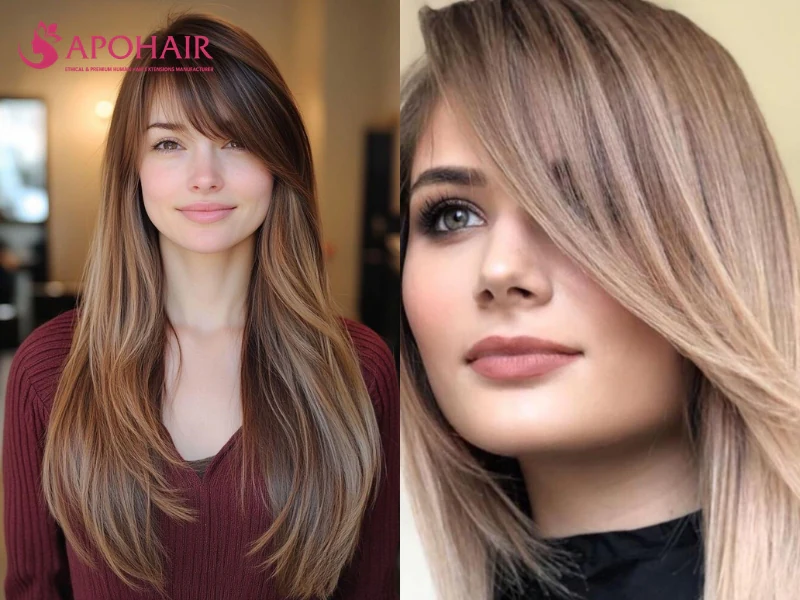
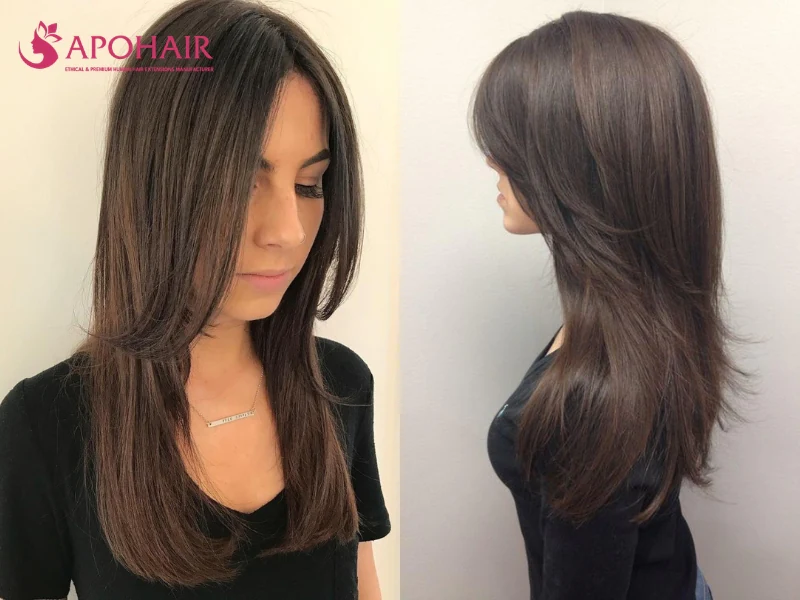
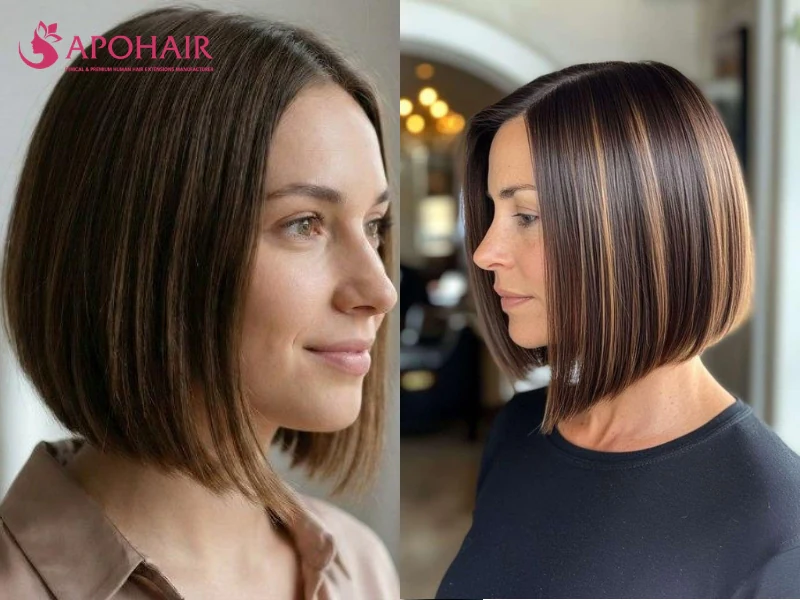

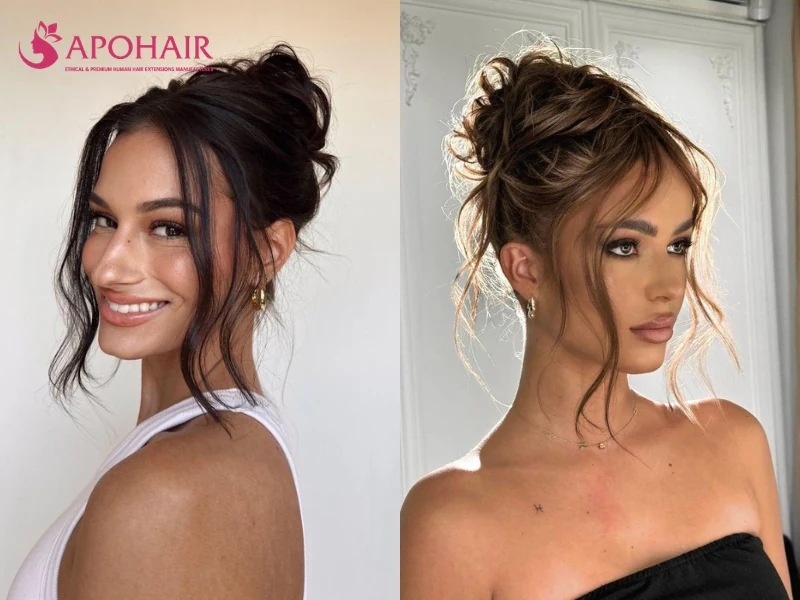
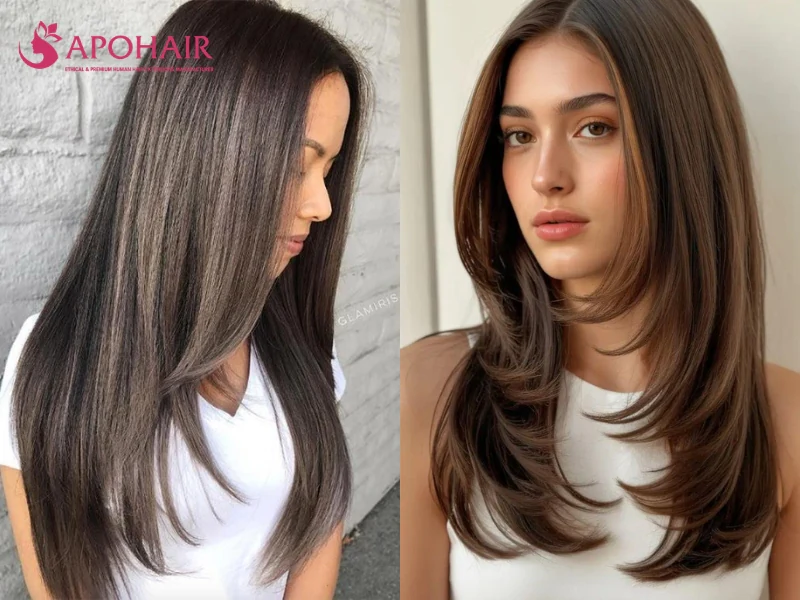
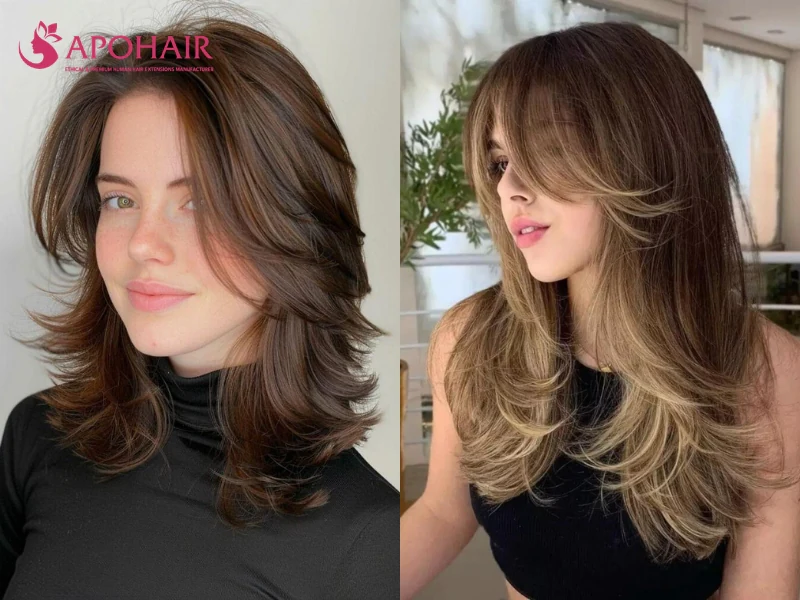
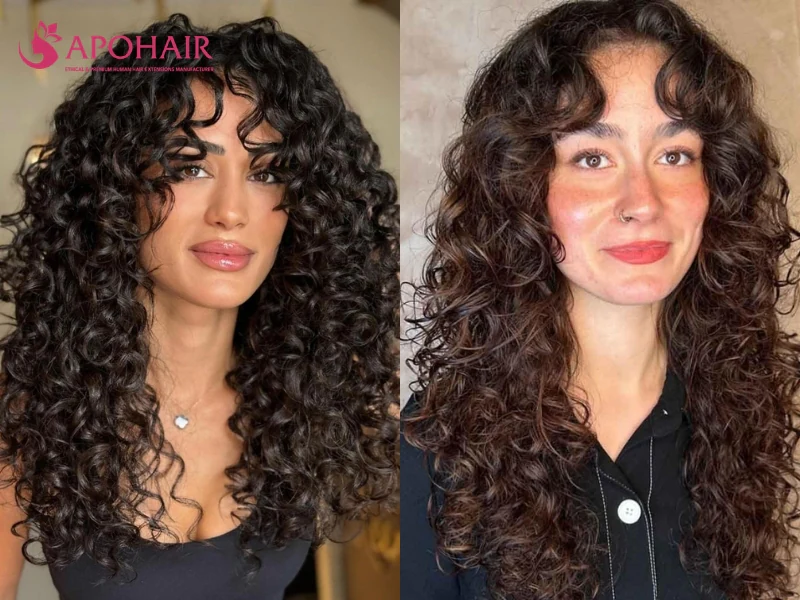
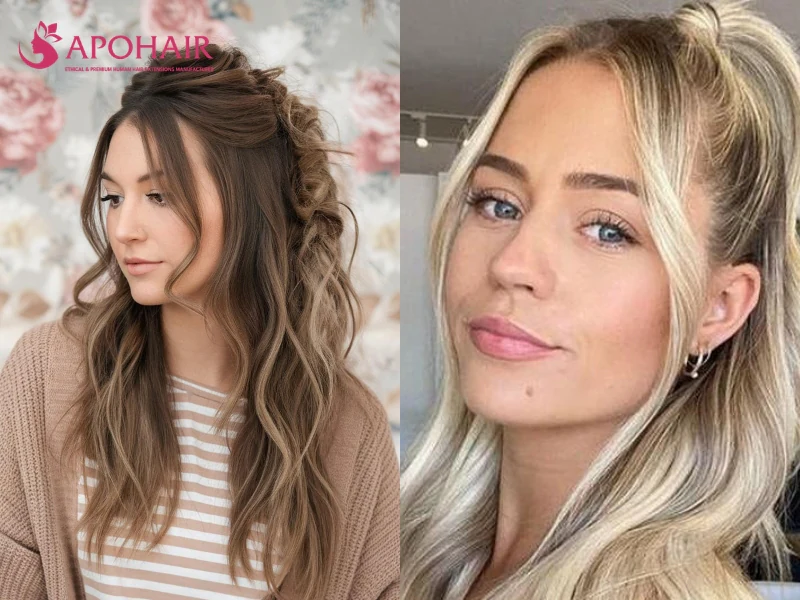
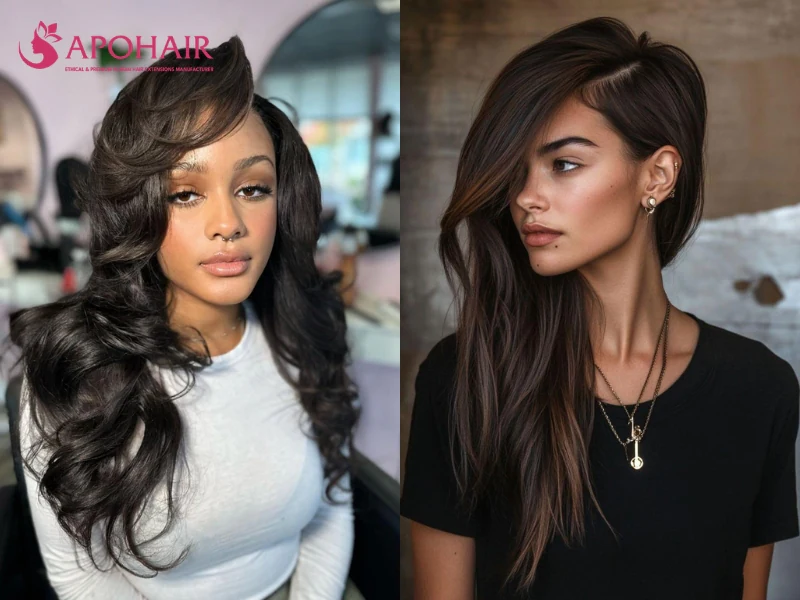
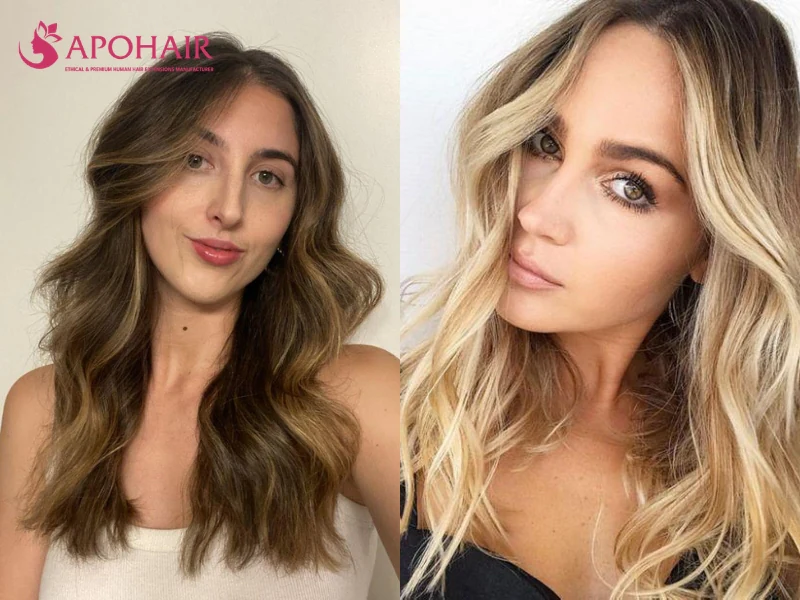
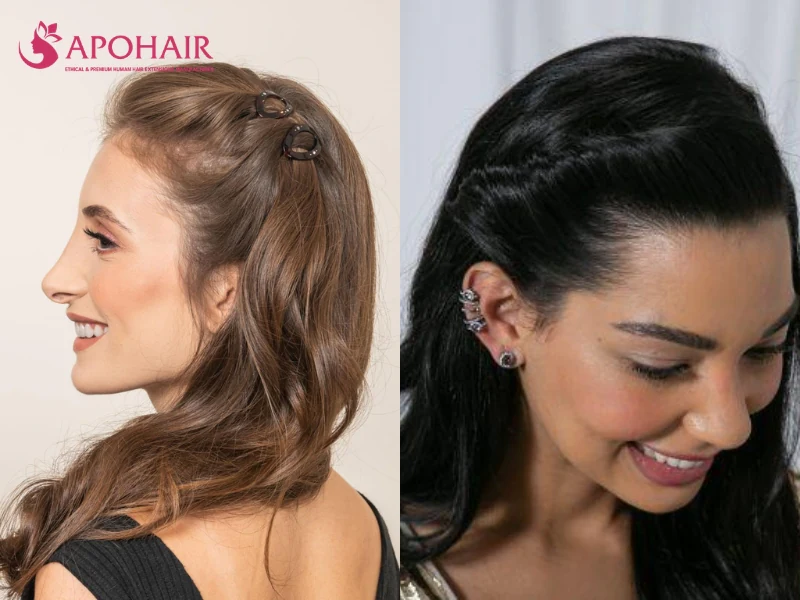
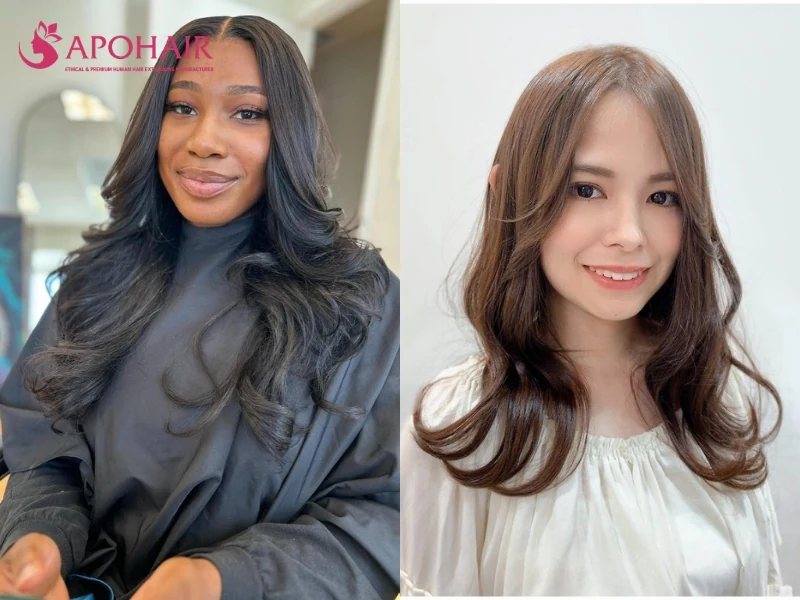
Face-Framing Hairstyles That Start at the Cheekbone
Cheekbone-level framing is the highest of the three landmarks. Curtain bangs split there, money piece highlights lighten the front sections, short face-framing layers cut above the cheek, and a wispy side-swept fringe crosses the forehead. Each one puts a visual break at the widest part of the upper face, which lifts attention toward the eyes.
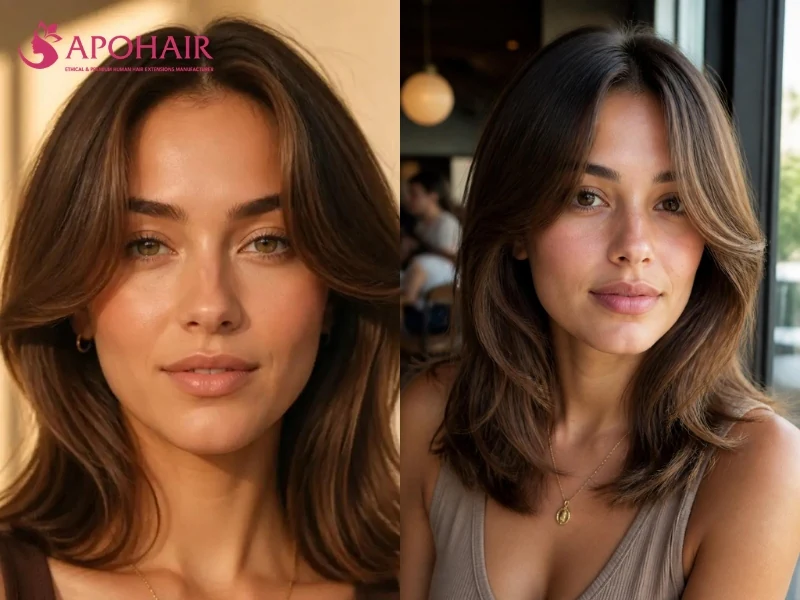
1. Curtain Bangs Split at the Cheekbone
Curtain bangs split down the middle and sweep outward, ending at the cheekbone. The split creates two diagonal lines opening from the nose, so the eye travels up and out rather than across. That diagonal suits a round face and a square face, since it cuts the horizontal width both carry. A long face gains when the bangs stay full enough to shorten the forehead. A heart-shaped face splits them wider to avoid narrowing a pointed chin. Type 1 to Type 3 hair holds the sweep for most women.
The front section needs enough length to reach the cheekbone after drying, so curly hair starts lower to allow for shrinkage. A round brush aimed away from the face on damp roots sets the outward bend, and without it the bangs read as a grown-out fringe. Fine hair takes a narrower section, while thick hair needs thinning at the ends only. Trims come every six to eight weeks. A common mistake is splitting them too narrow, which turns two curtains into one blunt fringe.
Why it works: Splitting at the center opens two diagonal lines from the nose, so the frame carries the eye up and out and trims the horizontal width a round or square face carries.
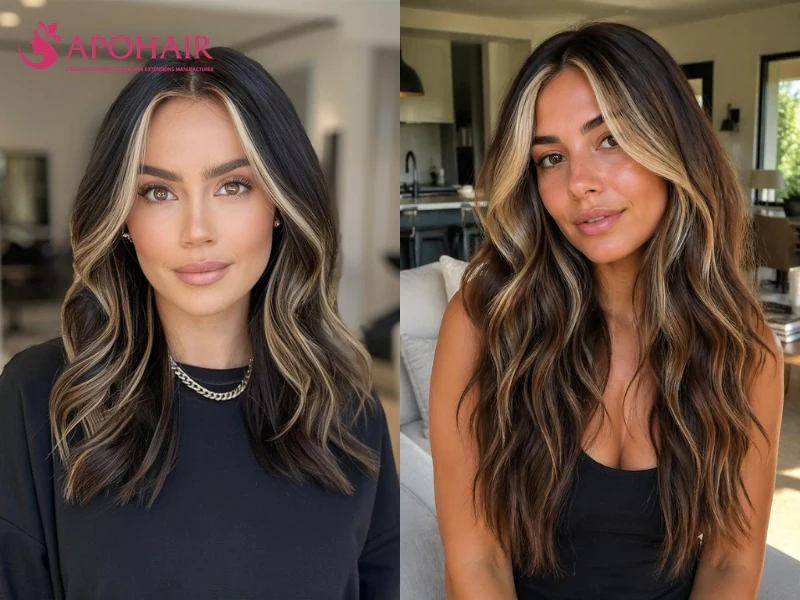
2. Money Piece Highlights on the Front Sections
A money piece lightens the two sections beside the parting, framing the face with color instead of a cut. Brightness at the front works like a highlight on a woman’s cheekbone. It suits a long face and a diamond face, where lightness near the temples widens the narrowest points, and an oval face takes it anywhere. A round face keeps the piece narrow and starts it lower, since a wide bright band adds width. Type 3 and Type 4 curls show it in ribbons.
The lightened section runs from the parting to the cheekbone, and its depth decides how bold the frame reads. Two to four levels lighter than the base stays believable, while a bigger jump reads as a separate block. Lifting several levels calls for bond protection and a toner, since dark hair lightened too fast turns brassy. Root touch-ups run every eight to twelve weeks. A common mistake is placing it on hair that parts elsewhere, which hides the color under the heavy side.
Why it works: Color does the framing here: a bright band beside the parting works like a highlight on the cheekbone, and on a long or diamond face it widens the narrowest points near the temples.
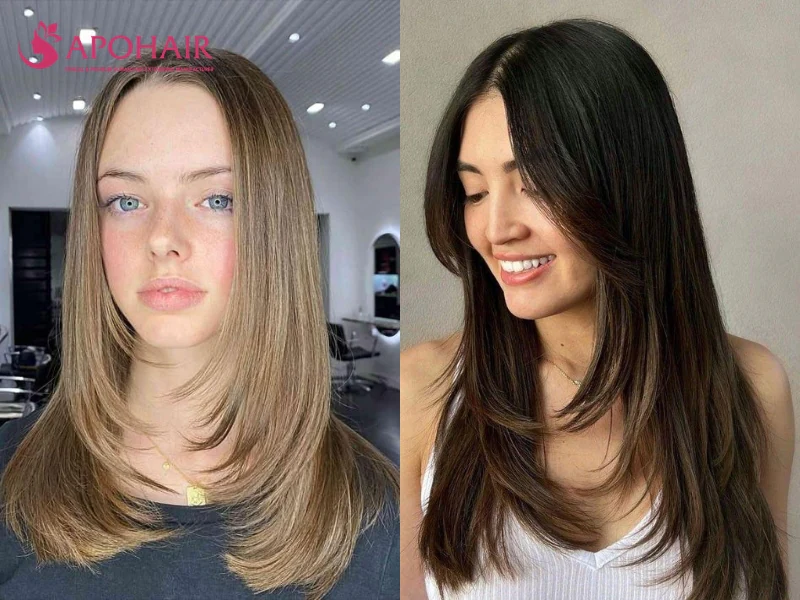
3. Short Face-Framing Layers Above the Cheek
Short face-framing layers cut the front pieces so the shortest sits just above the cheekbone and each layer below steps longer. The stacked steps build width at eye level and take weight off the jaw, which interrupts the vertical line of a long face and a rectangle face. A diamond face gains width exactly where the forehead needs it. A round face needs care, since the width at the cheek widens its roundest part. Type 1 and Type 2 hair show the steps most sharply.
A level head gives the true length, since a tilted one drops the shortest piece once the hair falls back. Women with thick hair can carry more steps, while fine hair takes two or three before the ends lose density. Curly hair needs every layer longer than the target landmark, since coils draw up as they dry. Trims run every six weeks. A common mistake is over-thinning the ends, which leaves wispy points instead of a clean step.
Why it works: Stepping the shortest layer just above the cheekbone builds width at eye level and takes weight off the jaw, which breaks the vertical line of a long or rectangle face.
4. Wispy Side-Swept Fringe
A wispy side-swept fringe falls diagonally across the forehead, reaching the cheekbone at its longest point. The diagonal breaks a wide forehead and sets an asymmetric line that softens angular corners. That suits a square face and a rectangle face, where the hard forehead corners disappear under the sweep. A round face gains from the diagonal too, though the fringe stays long enough to avoid widening the cheeks. Fine Type 1 and Type 2 hair sits lightest on women who want an airy look.
Dry hair falling naturally gives the true line, since wet cutting finishes heavier than intended. Point-cutting into the ends creates the wispy edge, and a blunt version becomes a different style. Thick hair needs a deeper section from the crown so the fringe lies flat. Trims run every four to six weeks. A common mistake is sweeping it against the growth direction at the hairline, which makes it lift and separate by afternoon.
Why it works: Sweeping the fringe on a diagonal softens the hard corners of a square or rectangle face, and women with fine hair get the lightest version of the look.
Face-Framing Hairstyles That Fall to the Jawline
Jaw-level framing works lower down. Jaw-length front layers sit over longer lengths, a chin-length bob angles forward, Birkin bangs graze the jaw, and face-framing tendrils drop from an updo. Every version puts a line beside the jaw, which is where angular corners soften and narrow chins gain width.
5. Jaw-Length Front Layers With Longer Back
Jaw-length front layers land the face-framing pieces at the jaw while the back keeps its full length. Hair falling across a corner reads softer than a bare corner, which suits a square face and a rectangle face. A heart-shaped face gains width at the jaw to balance a wider forehead. A round face drops the layers just below the jaw, so the line passes the widest point rather than stopping on it. Type 2 and Type 3 hair moves well through the step.
A level head gives the true jaw length, since a lifted chin drops the finish. Women with medium to thick hair hold the separation between front and back, while fine hair shows a gap where the step begins. Curly hair needs the layer below the jaw to cover shrinkage. Trims come every eight weeks, slower than cheekbone layers because the landmark forgives more. A common mistake is cutting the step too steeply, which isolates the front pieces instead of blending them.
Why it works: Hair falling across the jaw reads softer than a bare corner, so a square or rectangle face loses its edge while a heart-shaped face gains the width it needs against a wider forehead.
6. Chin-Length Bob With Forward-Angled Ends
A chin-length bob angled forward finishes shorter at the back and longest at the chin, so the ends point toward the face. That angle pushes width to the chin, filling the narrow lower third of a heart-shaped face and an inverted triangle face. An oval face wears almost any version. A square face suits it when the ends fall past the jaw, since a bob stopping on a strong corner emphasizes it. Type 1 and Type 2 hair gives the sharpest line.
The angle builds in small increments from the back forward rather than one steep drop. Women with fine hair keep a blunt perimeter to look dense, while thick hair needs weight removed underneath so the ends tuck rather than flick. A smoothing cream and a flat-wrapped blow-dry hold the direction. Trims run every six to eight weeks. A common mistake is angling so severely that the back sits above the occipital bone, which collapses the shape.
Why it works: With the ends angled toward the face, the weight collects at the chin, which fills out the narrow lower third of a heart-shaped or inverted triangle face.
7. Birkin Bangs Grazing the Jaw
Birkin bangs are a long, full fringe starting high on the head and grazing the brows, with the outer pieces lengthening to the jaw. The full top shortens the forehead while the outer pieces extend the frame down, which balances a long face and a rectangle face better than a short fringe. An oval face carries them comfortably. A round face keeps the outer pieces longer, since a heavy fringe plus a short frame compresses the face. Type 1 to Type 2C hair holds the shape.
The section reaches back to the crown so the fringe has weight to fall flat, since a shallow one lifts at the root. A long diagonal through the outer corners connects the fringe into the lengths and stops it reading as a separate block. Thick hair needs internal weight removed, while fine hair takes a narrow section. Trims run every four weeks, the shortest interval of any framing style, so women should budget for it. A common mistake is cutting the brow-grazing part too short.
Why it works: The full top shortens the forehead while the outer pieces stretch the frame down to the jaw, a balance a long or rectangle face does not get from a short fringe.
8. Face-Framing Tendrils From an Updo
Face-framing tendrils pull two thin pieces loose at the temples once the rest is up, falling alongside the face to the jaw. Two soft vertical lines break the severity of an exposed hairline, which suits a square face and a round face. An oval face wears tendrils at any length. A long face needs them curled rather than straight, since two straight lines add to its length. Type 3 and Type 4 curls need no styling at all for women who wear their natural texture.
The tendrils come loose before the updo fully secures, since pulling afterward drags the style apart. A small iron sets a soft bend on straight hair, as a poker-straight tendril reads like a missed strand. Fine hair needs the thinnest sections to avoid looking like an escaped chunk. The style lasts as long as the updo beneath it. A common mistake is pulling from too far back, which exposes a gap at the temple.
Why it works: Two loose strands add soft vertical lines to an exposed hairline, taking the severity off a square or round face, which is why many women reach for them with an updo.
Face-Framing Hairstyles for Long Hair
Long hair needs its front section clearly shorter than the rest, or the frame disappears into one heavy curtain. The options run from long layers starting at the collarbone and a butterfly cut with short top layers to curly layers shaped around the face and a half-up style leaving two front pieces out.
9. Long Layers Starting at the Collarbone
Long layers beginning at the collarbone keep every front piece below the shoulder, so the frame reads as movement rather than a step near the face. The lowest landmark of any framing style makes it the gentlest, which suits an oval face and a long face where volume higher up would add length. A round face gains from the downward line. Type 1 to Type 3 hair carries the layers, and women with thick hair benefit most.
Vertical cutting through the lengths stacks the layers softly rather than forming a shelf. Hair below medium density loses too much weight at the ends, so fewer layers suit fine hair. Curly hair needs dry cutting, curl by curl, to place each layer accurately. Upkeep is low at ten to twelve weeks, since a grown-out long layer still looks intentional. A common mistake is starting above the collarbone on very long hair, which leaves a disconnected block.
Why it works: Starting the layers at the collarbone keeps the frame low and gentle, so an oval or long face gets movement without extra volume higher up, and women with thick hair benefit most.
10. Butterfly Cut With Short Top Layers
A butterfly cut stacks short, curved layers over long lengths, with the shortest around the chin and the longest untouched. The short top creates volume at the cheek while the underlayer keeps the length, giving a long face and a rectangle face the horizontal width they need. An oval face wears it easily. A round face drops the shortest layer below the chin so the volume sits lower. Type 1 to Type 2C hair shows the two tiers most clearly.
Pulling the hair forward while cutting curves the short layers around the face rather than sitting them square. Both tiers read only on medium to thick hair, since on fine hair the top layer eats the density below. Curly hair needs every layer longer for shrinkage. The look depends on a round brush or an iron, so upkeep is daily for most women. A common mistake is cutting the top layer so short that it separates into a second haircut.
Why it works: Short layers on top bring volume to the cheek while the underlayer keeps the length, giving a long or rectangle face the horizontal width it needs.
11. Curly Layers Shaped Around the Face
Curly layers shape the front curls into a graduated outline, the shortest sitting at the cheekbone and each row below lengthening. A curl’s placement decides where volume lands, and volume at the cheek widens the middle third of the face. That suits a long face and a diamond face. A round face moves the shortest curl below the jaw to keep volume off the cheeks. Type 3A to Type 4C hair is the only texture this applies to.
Every curl comes off dry and in its natural clump, since a stretched curl springs up inches shorter once released. Density decides how much shaping holds: dense curls take more, while sparse curls need minimal removal to avoid a thin outline. A leave-in and a diffuser keep the outline defined between washes, a routine most women with curls already follow. Trims run every ten to twelve weeks. A common mistake is cutting wet to a straight guideline, which produces a triangle once the curls spring up.
Why it works: Because the curls graduate from the cheekbone down, the volume lands across the middle third of the face, exactly where a long or diamond face gains the most.
12. Half-Up With Two Front Pieces Left Out
A half-up style with two front pieces left out ties back the top while two strands stay loose at the temples. Pulling the bulk away and leaving two vertical lines outlines the face without weight around it, which adds length to a round face and softens a square one. An oval face wears any variation. A heart-shaped face needs the loose pieces past the chin, adding width low down. Every texture works.
The two pieces separate out before the rest gathers, since pulling them afterwards loosens the tie. Each stays narrow, because a thick loose section reads as half-finished rather than as a frame. Straight hair holds better with a light bend through the mid-length. The style takes a minute and lasts as long as the tie, which suits busy women. A common mistake is leaving the pieces so short that they sit at the cheek, where they read as escaped strands.
Why it works: Pulling the bulk back and leaving two narrow strands outlines the face without weight around it, which lengthens a round face and softens a square one in about a minute for busy women.
Face-Framing Styles You Can Do Without Cutting
Framing does not require scissors, since direction alone creates a landmark. A deep side part sweeps the front section across, loose waves bend away from the face, twisted front sections pin back, and a middle part curls the ends outward. Every option in this group is reversible the next morning.
13. Deep Side Part With a Sweeping Front Section
A deep side part moves the parting well off center, so the heavier side sweeps diagonally across the forehead toward the cheekbone. The diagonal replaces a symmetrical outline with an asymmetric one, which softens the hard corners of a square face and a rectangle face. A round face gains from the same break in symmetry. An oval face carries any parting. Type 1 to Type 3 hair sweeps cleanly, while tight coils need gel to hold the direction.
The part combs in on damp hair and dries in place, since a part set dry reverts to the natural fall within an hour. A brush directing the heavy side across the forehead builds the sweep. Women with fine hair need root lift on that side to stop it collapsing. Nothing comes off, so the only upkeep is daily drying. A common mistake is parting over a cowlick, which pushes the front section back up no matter how it dries.
Why it works: Moving the part off center sends the heavier side across the forehead on a diagonal, an asymmetric line that softens the corners of a square or rectangle face without a single cut.
14. Loose Waves Bent Away From the Face
Loose waves bent away from the face turn the first bend of each front section outward at the cheekbone rather than inward. That outward bend opens the outline instead of closing it around the cheeks, which keeps width off a round face while still giving movement. A square face gains softness against its corners. A long face places the bend higher, at the cheekbone, to widen its narrowest point. Type 1 to Type 2C hair holds a set wave longest.
The front sections wrap away from the face on the iron, the one detail separating this from an ordinary wave. Back sections can alternate directions for a natural finish. Women with fine hair need texture spray before heat so the bend holds past midday, while coarse hair holds unaided. The set lasts a day or two. A common mistake is curling the front toward the face, which drapes hair over the cheeks and hides the outline.
Why it works: Bending the first wave away from the face opens the outline at the cheekbone, which keeps width off a round face while still giving the hair movement.
15. Twisted Front Sections Pinned Back
Twisted front sections take a piece from each side, twist them away from the face, and pin them behind the ears. The twist lifts the front hair off the cheeks and sets a defined edge where the face is widest, which opens a round face and shows the cheekbones on a diamond face. An oval face suits any version. A heart-shaped face leaves slack forward, since a fully exposed forehead widens its broadest point. Type 3 and Type 4 hair holds without product.
Each section twists two or three turns before pinning, and fewer turns leave it slipping loose within the hour. Pins enter against the direction of the twist so they lock rather than slide out. Ladies with fine hair take a drop of gel through the section first. The style holds a full day and comes down in seconds. A common mistake is twisting the sections too tightly against the scalp, which flattens the crown and removes the lift the style depends on.
Why it works: The twist lifts the front hair off the cheeks and defines the edge where the face is widest, opening up a round face and showing the cheekbones on a diamond face, and ladies with Type 3 or Type 4 hair need no product to hold it.
16. Middle Part With Curled-Back Ends
A middle part with curled-back ends splits the hair evenly and turns the last few inches of each front section outward. The symmetrical part plus outward ends creates two matching curves, which suit the balanced proportions of an oval face and the narrow width of a long face. A heart-shaped face gains width near the jaw. A round face keeps the front pieces long enough that the curve lands below the chin. Type 1 to Type 2C hair holds it most reliably.
The ends wrap around the largest available barrel, away from the face, so the result reads as a bend rather than a curl. A comb sets the part on damp hair to keep both sides even. Fine hair needs light hairspray on the curve, while thick hair holds on its own. The look lasts until the next wash. A common mistake is curling from the mid-length, which loses the clean vertical line down the face.
Why it works: Matching curves from a center part and outward ends suit the balanced proportions of an oval face and the narrow width of a long face.
How Should Women Choose a Face-Framing Hairstyle?
To choose a face-framing hairstyle, make five decisions: the landmark where the front section ends, the face shape being framed, the texture, the density, and whether cutting is an option. The landmark comes first, since everything else adjusts around it.
- The landmark sets the effect. A cheekbone finish lifts attention to the eyes, a jaw finish softens corners and widens a narrow chin, and a chin-or-lower finish lengthens without adding width.
- The face shape decides which landmark helps. Square and rectangle faces gain from jaw-level softening, while long and diamond faces gain width at the cheek. Round faces do better when the framing line passes the widest point instead of stopping on it.
- Texture decides where the cut goes. Curly and coily hair draws up by inches as it dries, so the cut sits lower than the target landmark, and curls are shaped dry rather than wet.
- Density decides how many layers survive. Fine hair carries two or three steps before the ends go see-through, while thick hair needs internal weight removed or the layers prop up instead of falling.
- Cutting or not decides commitment. A part, a wave direction, or a twist creates the same landmark and reverses the next day, while a cut layer holds for weeks and grows out on its own schedule.
Face-Framing Layers Mistakes Women Should Avoid: Cutting, Parting, and Color Errors
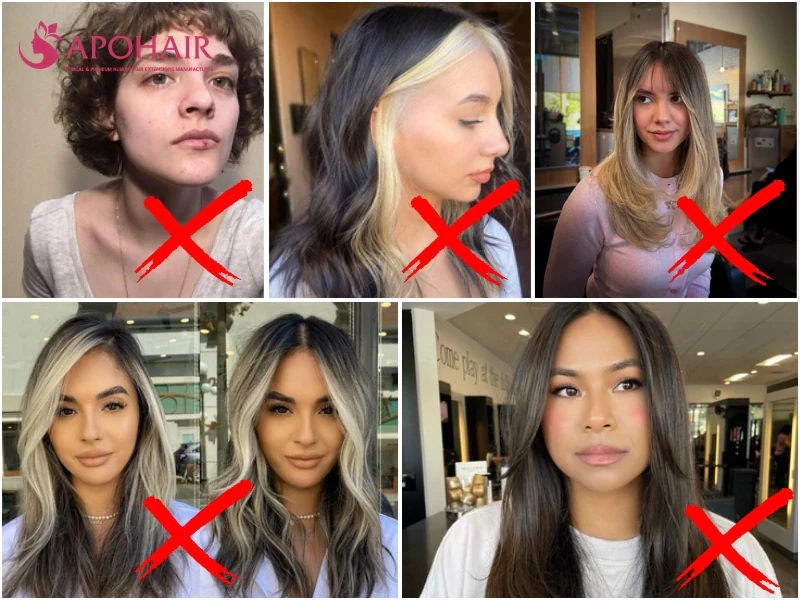
These failures come from cutting against how the hair behaves rather than from choosing the wrong style. Each one shows up within a wash or two, and no styling fixes them.
- Cutting the shortest layer above the cheekbone on curly hair. Coils draw up as they dry, so a layer cut at the cheek finishes at the eye and puffs rather than frames.
- Cutting layers before the parting is settled. The framing pieces follow the part, so moving it afterward drops the short side on the wrong side of the face.
- A money piece several levels brighter than the base. Too much contrast reads as a stripe rather than a frame and drags attention away from the eyes.
- Thinning the ends of face-framing layers on fine hair. Removing weight where there are few leaves with translucent points that never hold a shape.
- Framing pieces cut to identical lengths on either side of a middle part. Faces are not symmetrical, so a matched pair exaggerates whatever difference already exists.
Frequently Asked Questions
What Are Face-Framing Layers?
Face-framing layers are shorter pieces cut into the front sections beside the parting, graduating from the shortest point down into the rest of the length. They differ from all-over layers, which are cut throughout the head for movement. The shortest point sets the landmark, and everything below it steps longer to blend the frame into the lengths.
Do Face-Framing Layers Work on Curly Hair?
They work well on curly hair, provided every layer comes off dry and in its natural curl clump. Wet cutting misjudges the finished length, since curls draw up by several inches as they dry. Low-density curls need minimal removal, since taking too much leaves the outline thin rather than shaped.
How Short Should the Shortest Face-Framing Layer Be?
The shortest layer lands on whichever landmark suits the face: the cheekbone for lift toward the eyes, the jaw for softening corners, or below the chin for length without width. Curly and coily hair starts lower than the target to allow for shrinkage. Fine hair does better with a lower starting point, which preserves density.
Can You Get Face-Framing Layers Without Bangs?
Yes, and the two are separate services. Face-framing layers come from the side sections that already fall beside the face, so no fringe section comes off the top of the head. That keeps the forehead uncovered and lets the shortest piece start anywhere from the cheekbone down.
Conclusion
For women, a hairstyle that frames the face is a decision about one landmark, made before any decision about a cut name. The cheekbone lifts attention to the eyes, the jaw softens corners and widens a narrow chin, and anything lower lengthens without adding width. Texture then sets how much lower the scissors go. Density sets how many layers the hair carries before the outline thins.
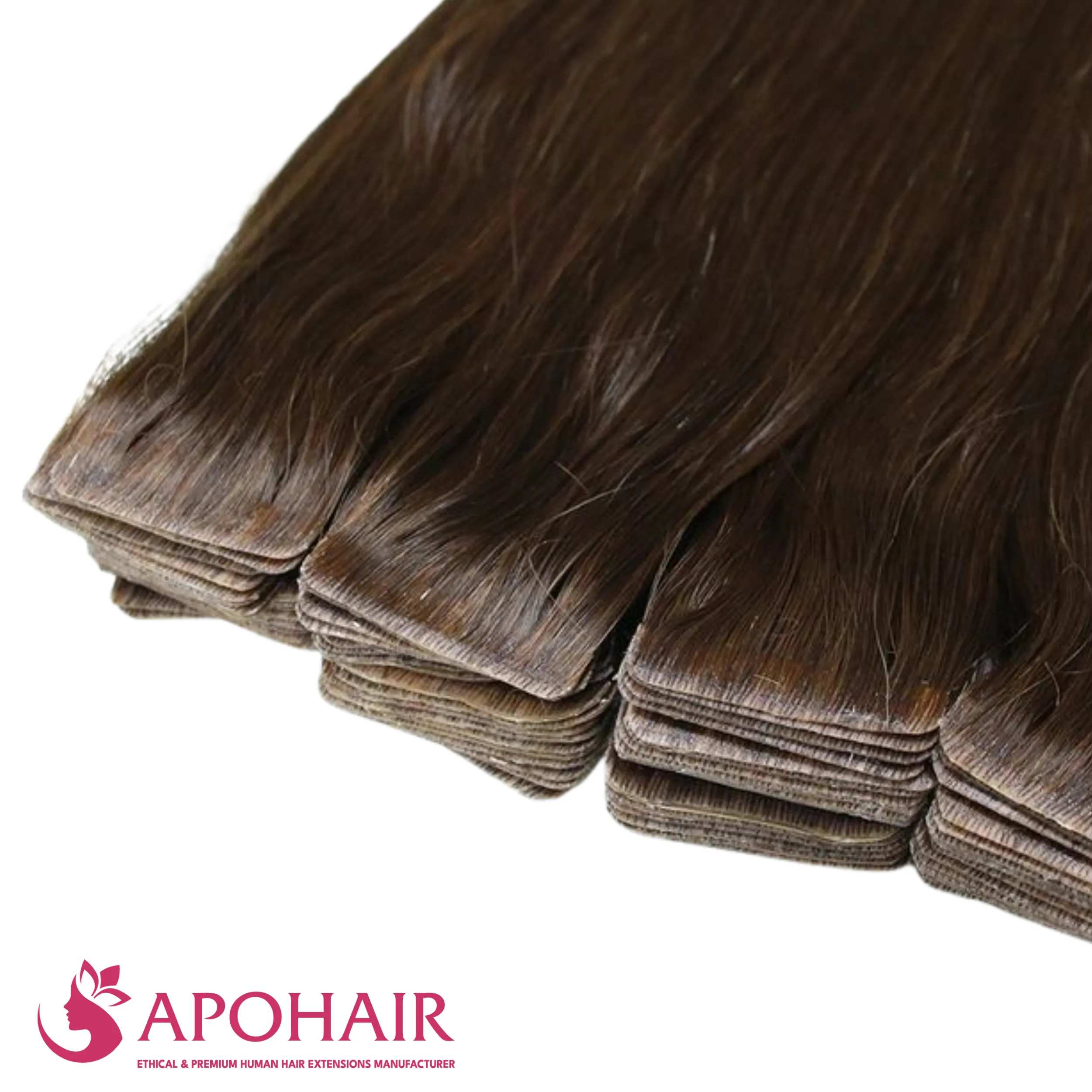
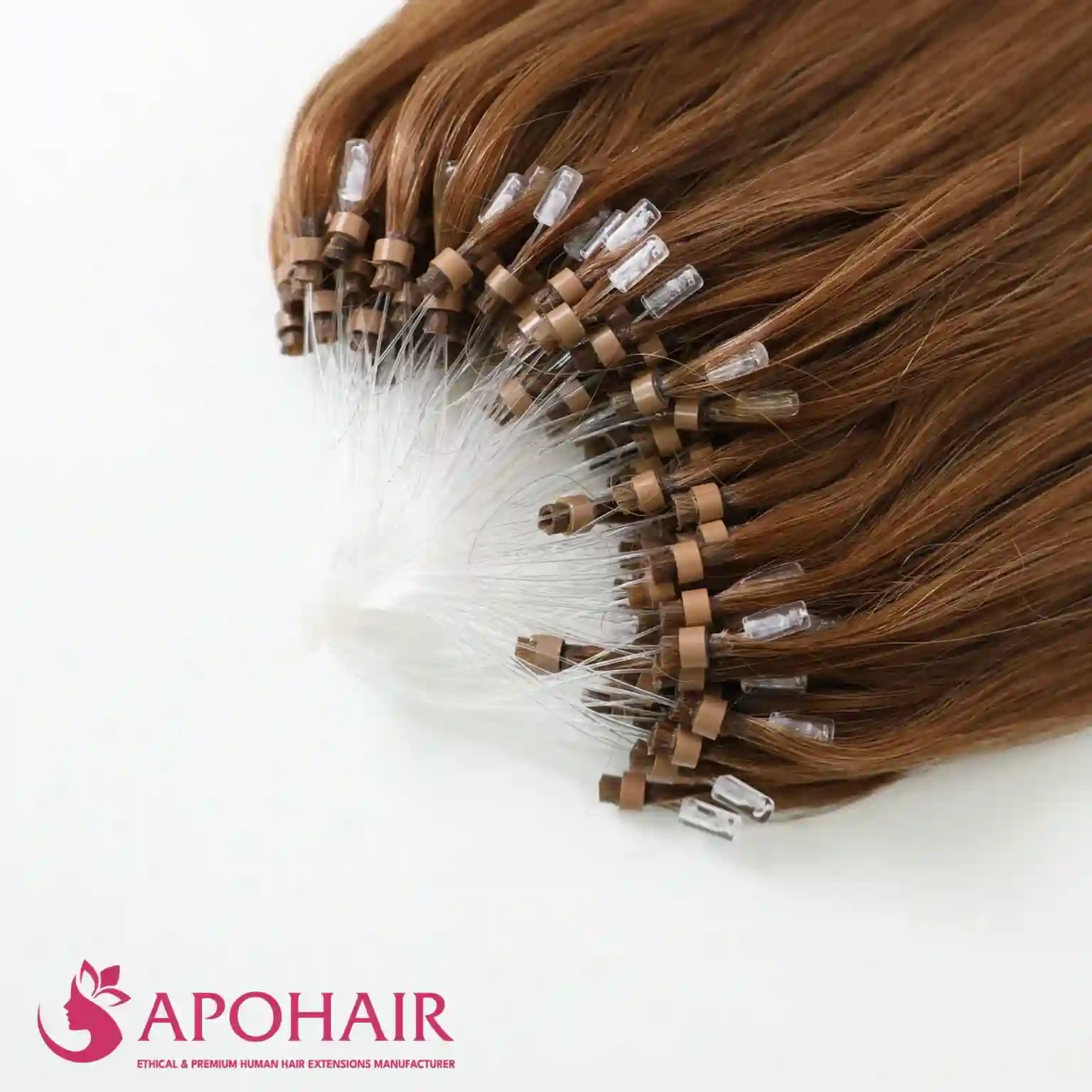
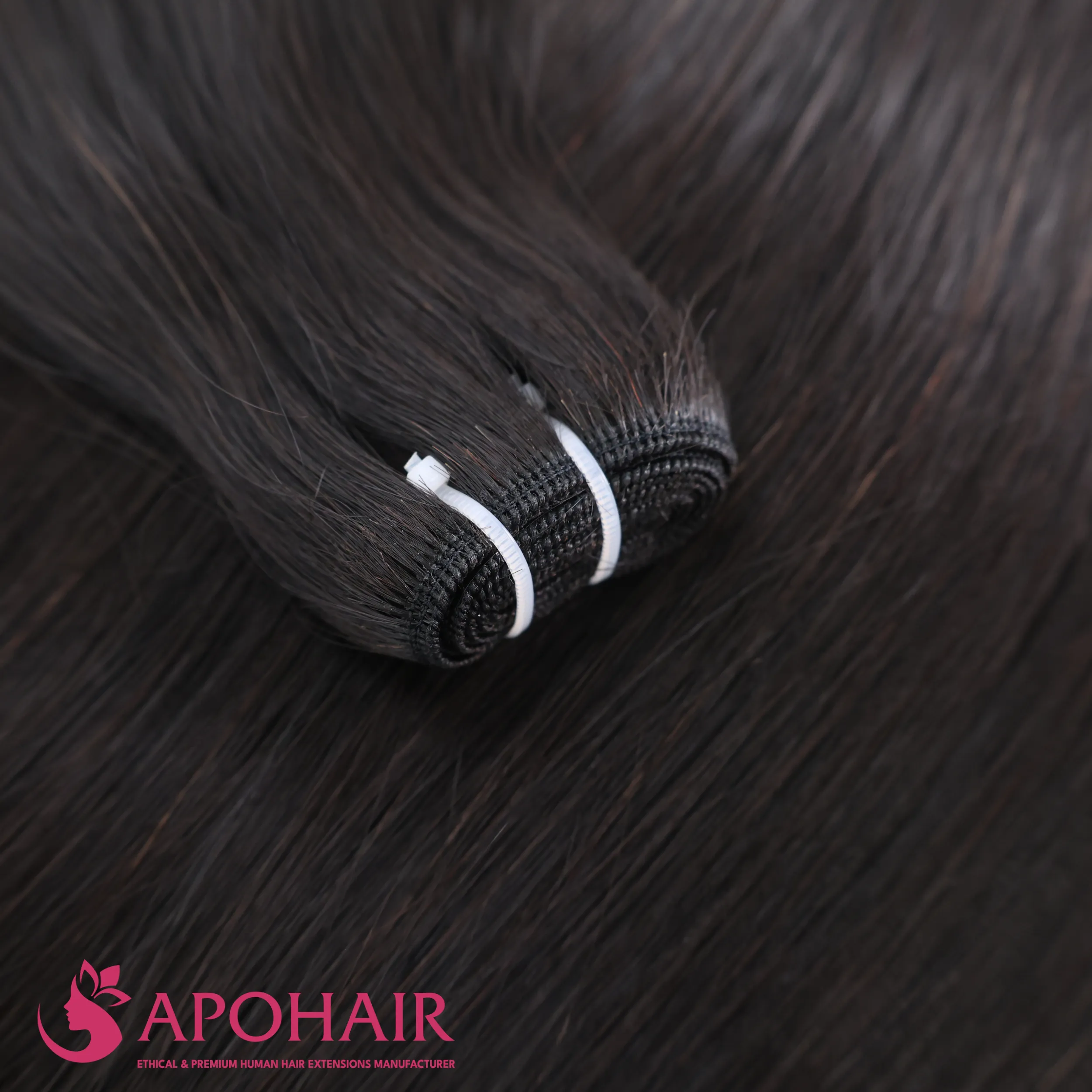
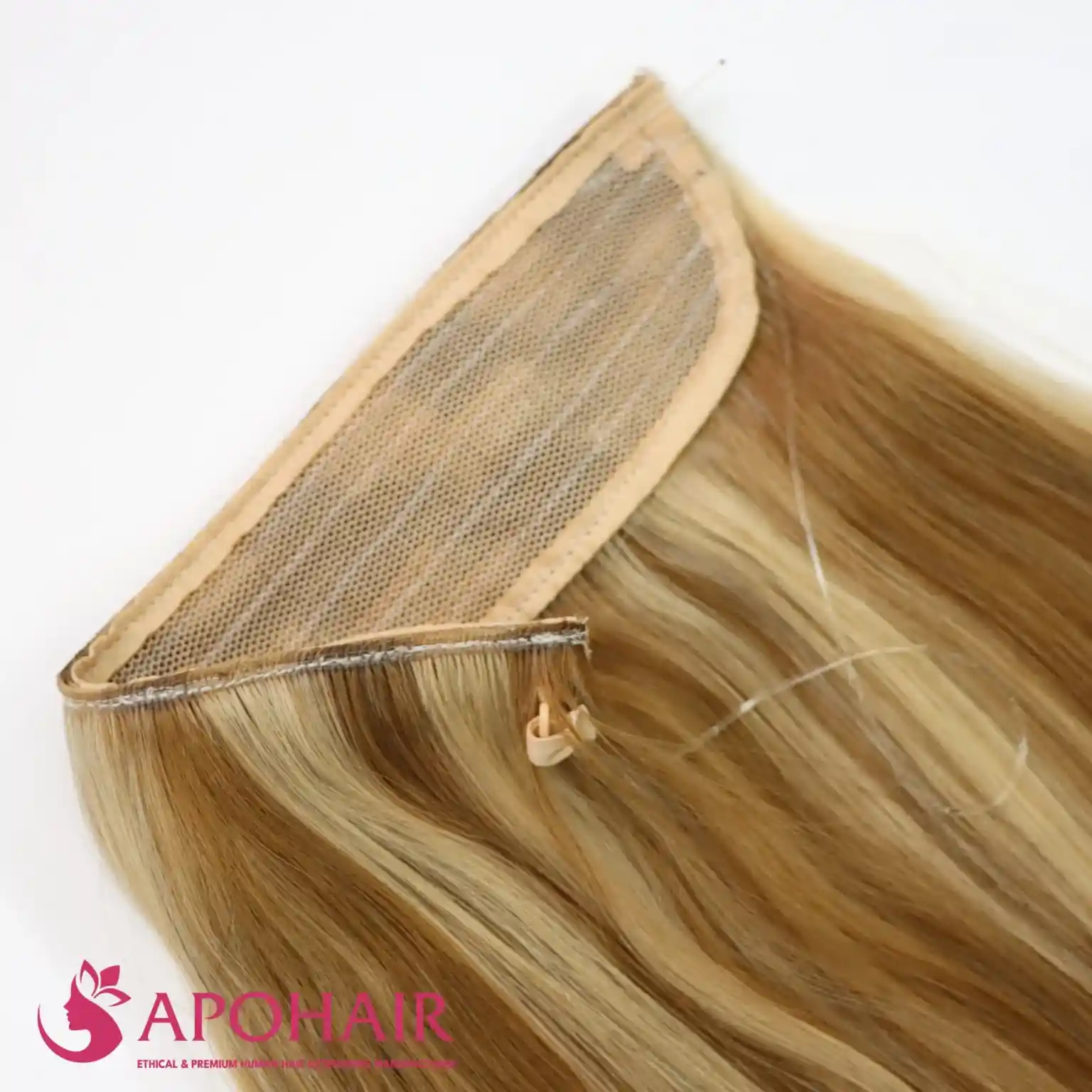
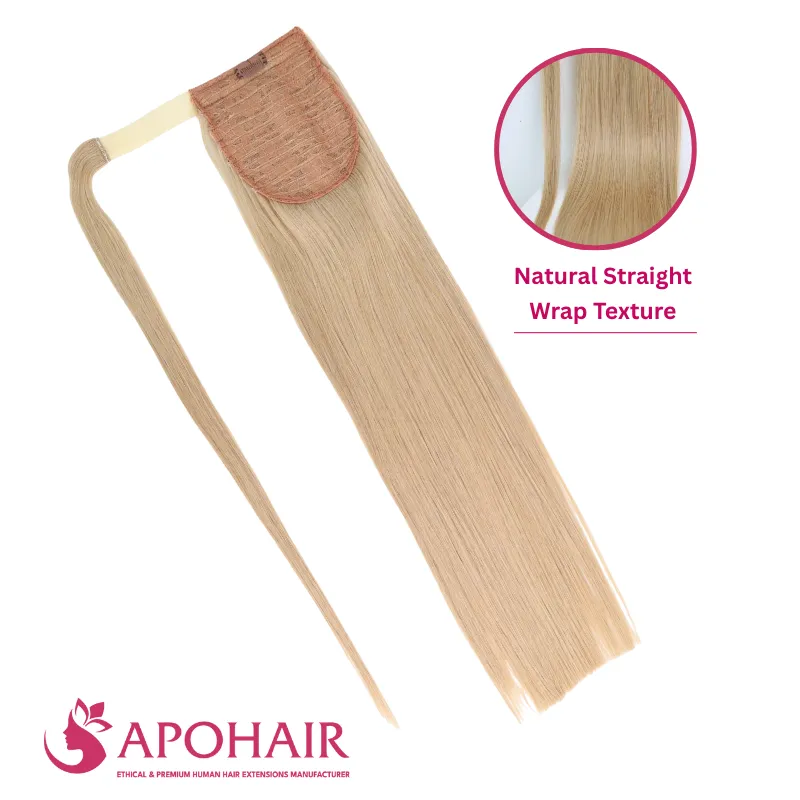
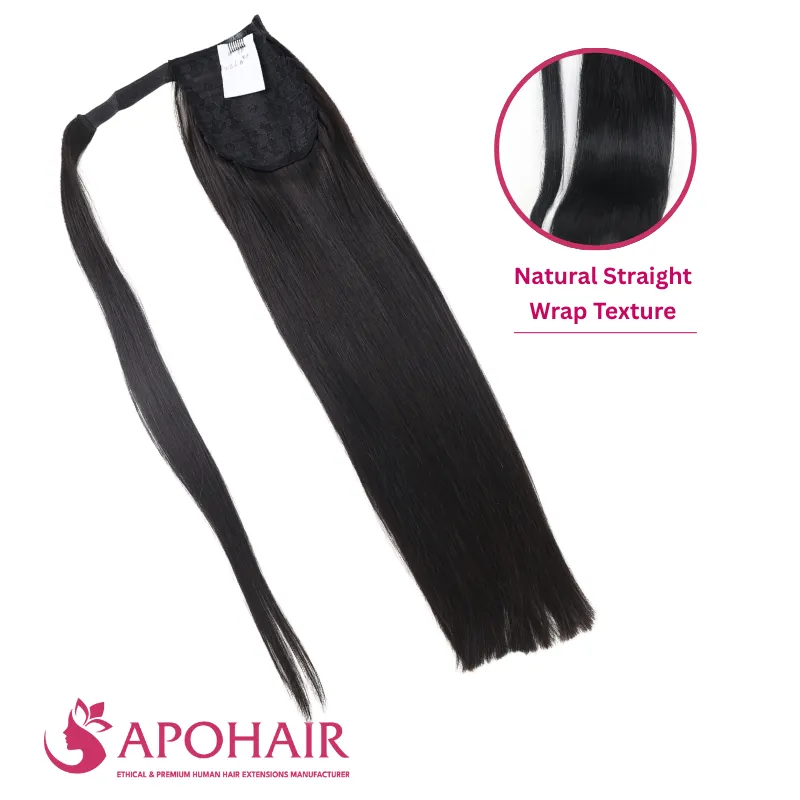
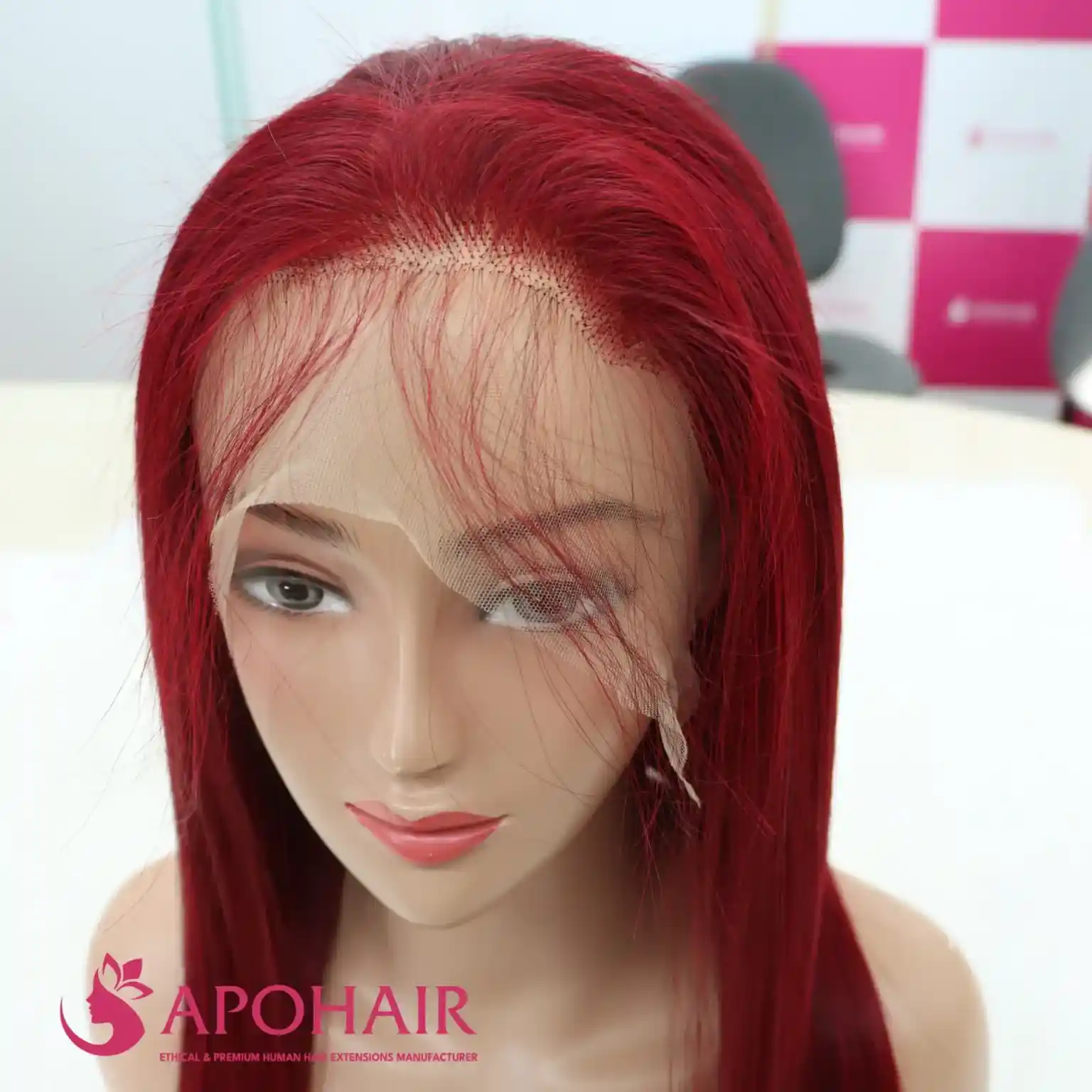
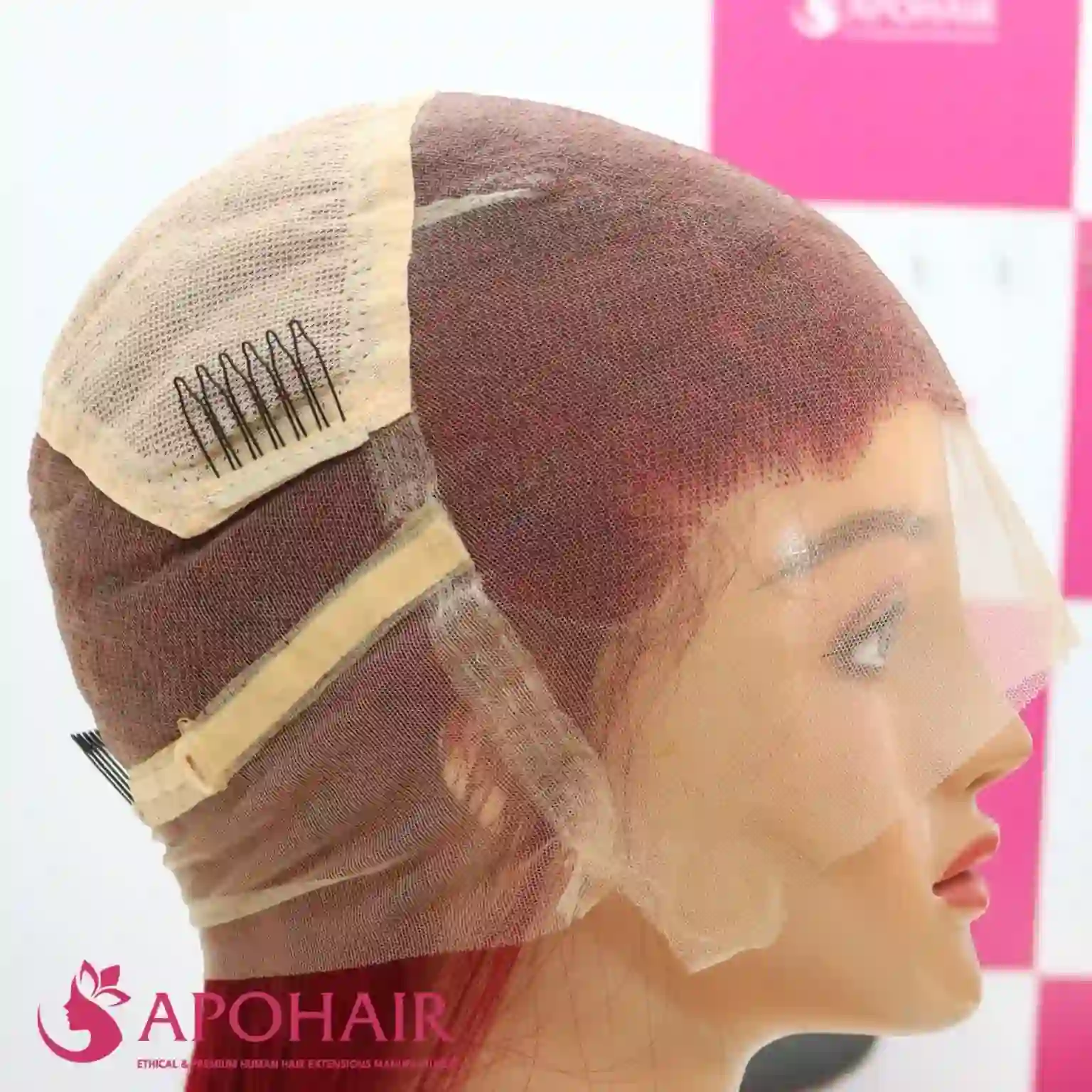
If you run a salon or supply one, framing work for female clients is where added density around the face changes what a cut can do, especially on fine hair that thins at the ends. Our team can send samples and factory-direct pricing on straight, wavy, and curly human hair wefts, tapes, and bulk hair. Because we manufacture 100% Vietnamese Human Hair in our own facility, you can match a client’s texture and color at the front sections, where any mismatch shows first.
APOHAIR — ETHICAL & PREMIUM HUMAN HAIR EXTENSIONS AND WIGS MANUFACTURER
- Address: Building 3A, Lane 82 Duy Tan, Cau Giay, Hanoi, Vietnam
- Factory: Minh Luong, Yen Luong Ward, Ninh Binh, Vietnam
- WhatsApp: +84 862 132 366
- Email: [email protected]
- Website: https://apohair.com
