




How To Mix Bleach And Developer: Easy Guide You Can Make At Home
Mixing bleach and developer is a common practice in the world of hair dyeing. Whether you’re a seasoned stylist or a DIY enthusiast, understanding how to mix bleach and developer correctly is essential to achieving your desired hair color. This article will provide you with a comprehensive step-by-step guide to help you achieve your desired hair color while ensuring safety and the best possible results. If you only want to go a shade or two lighter, you may not need powder at all: methods like lemon juice, chamomile tea, and a honey and cinnamon paste are the basis of most homemade hair bleach routines, and they lift color slowly without ammonia or peroxide.

What’s the Difference Between Bleach Powder And Developer?
Bleach powder and developer are two essential ingredients used in hair coloring, especially during the lightening or bleaching process. They serve separate but complementary purposes:
- Bleach powder is responsible for lightening the hair by removing its natural pigment, while the developer activates the bleach and controls the lightening process.
- Bleach powder is a fine powder, while the developer comes in liquid or cream form.

- Bleach powder doesn’t have volume measurements; it’s typically mixed with a developer, which does have volume measurements (e.g., 10, 20, 30, or 40 volumes).
- Developers with higher volumes (e.g., 30 or 40 volumes) are more potent and can lighten hair more quickly but are also more damaging. Lower-volume developers (e.g., 10 or 20 volume) are gentler but require more time for lightening.
Bleach and developer work together in the hair coloring process, with bleach powder providing the lightening action and the developer controlling the intensity and speed of the lightening process.
Gather Your Materials
Before you begin the guide on how to mix bleach powder and developer, gather the following materials and products:
- Bleaching powder: Choose a reputable brand and follow the instructions on the package to determine the appropriate amount.
- Developer (peroxide): The volume of developer will depend on the desired results and your hair type. Popular options include 10, 20, 30 or 40 volume developers.
- Mixing bowl: It’s best to use a plastic or glass bowl because metal can react with developer and bleach.

- Application Brush: A brush designed for applying hair color will help you achieve even coverage.
- Gloves: Latex or nitrile gloves are essential to protect your hands from chemical exposure (hair bleach powder and developer).
- Plastic or metal clips: These will help you section and manage your hair during the coloring process.
- Old clothes or a cape: Wearing something you don’t mind getting dirty is a smart choice.
For highlighting with developer and bleach, you’ll require aluminum foil. It’s advisable to purchase both the hair bleach powder and developer from the same brand. This is because different brands may have variations in their formulations for these materials.
Now that you’ve gathered your developer and bleach, roll up your hands and follow the instructions on how to mix hair bleach.
How To Mix Bleach And Developer
Are you eager to lighten your hair for the upcoming summer season or a special event? By following the steps on how to mix bleach powder and developer below, you’ll be well on your way to showcasing your fabulous new hair color.
Step 1: Choose the Developer For Hair Bleach

Choosing the right developer for hair bleach is crucial when mixing bleach for hair lightening. Developer volumes range from 10 to 40, with higher volumes providing more significant lightening power.
- 10 Vol: Suitable for a slight hair lightening effect with minimal color change.
- 20 Vol: The most popular choice, lifting hair color by two shades while being relatively gentle.
- 30 Vol: Commonly used in salons for a three-level lift, effective in activating bleach powder.
- 40 Vol: Extremely potent and best left to professionals due to the risk of hair damage and scalp irritation.
For beginners or mild lightening, 10 or 20 volume developer is recommended, while 30 and 40 volumes should only be used by experienced individuals or hairstylists. The volume you pick also sets the clock: a 10-volume mix can sit for up to 45 minutes while a 40-volume mix works far faster, so how long to leave bleach in hair is really a question of matching timing to developer strength, hair type, and starting color before over-processing sets in.
Step 2: Measure Hair Bleach And Developer
To properly mix bleach and developer for your hair, it’s essential to maintain a specific ratio of these ingredients, which is 2 parts developer to 1 part bleach. You can measure them out using a measuring tool or by weighing them.

It’s important to note that this 2:1 ratio remains consistent regardless of the developer’s volume. Deviating from this ratio can result in undesirable color outcomes or, in extreme cases, hair and scalp damage, including burns and epidermal thinning due to excessive bleach use or unnecessary heat. Follow the 2:1 ratio for the safe and effective blend.
Step 3: Add Powdered Bleach
To begin the mixing process, take your 2:1 ratio of hair bleach and developer and place them into a plastic bowl. It’s important to add the powdered bleach to the bowl first. This sequence ensures that you create a smoother and more liquid texture, which is essential for the bleach to effectively work on your hair.

Step 4: Mix Thoroughly
Next, it’s time to mix the developer into the bleach. Begin by adding small amounts of developer and use a paintbrush or other brush designated to gradually combine the two ingredients.

You should avoid adding all developers at once to avoid clusters clumps. Instead, add the developer gradually, using a brush to mix it with the bleaching powder. After a few times of mixing, you will have a bowl full of a well-mixed dye and bleach mixture.
Step 5: Remove Clumps
Even if you’re careful, clumps can still form while mixing bleach and developer, and they are far from harmless. These clumps interfere with the activation of the bleach, potentially resulting in uneven hair color with patches of lighter and darker shades.

To avoid this issue, carefully go through the mixture with your brush, breaking down any clumps and thoroughly integrating them with the liquid. If patchy spots do slip through and the color comes out blotchy, the result is still recoverable. Fixing uneven bleached hair can mean spot re-bleaching, a toning shampoo, a full dye, or a conditioning reset, depending on how far off the shade is.
Step 6: Do a Patch and Strand Test
Before applying the bleach and developer mixture to your entire head, it’s essential to conduct patch and strand tests.
- Patch Test: Apply a small amount of the mixture behind your ear or on a less visible area of your skin. Leave it on for 24 hours and check for any adverse reactions. Even if you’ve used the same products before, it’s a good practice, especially if you have sensitive skin.
- Strand Test: Apply the mixture to a strand of hair that isn’t highly visible. Follow the recommended processing time, rinse, and assess the level of lightening. This step ensures you’re satisfied with the outcome before applying the mixture to your entire head.

While these tests may seem time-consuming, they provide peace of mind and help ensure your desired hair color results.
How to mix bleach and developer is a common practice, but must be done carefully to achieve the best results while minimizing damage. Follow this guide, use the right materials, and prioritize safety to ensure your hair coloring experience is a successful one. With the right method, you can achieve the hair color transformation you desire.
With the mix and timing sorted, the last call is which shade you are lifting toward. Our hair color chart lays out around 40 tones side by side, so you can pick a realistic target level before you open the developer rather than guessing mid-process.
Level Up Your Hairstyle!
It’s important to know how to mix bleach and developer. Remember that mixing bleach and developer should be done with caution, and it’s essential to follow the instructions provided with your specific products to ensure safe and effective results.
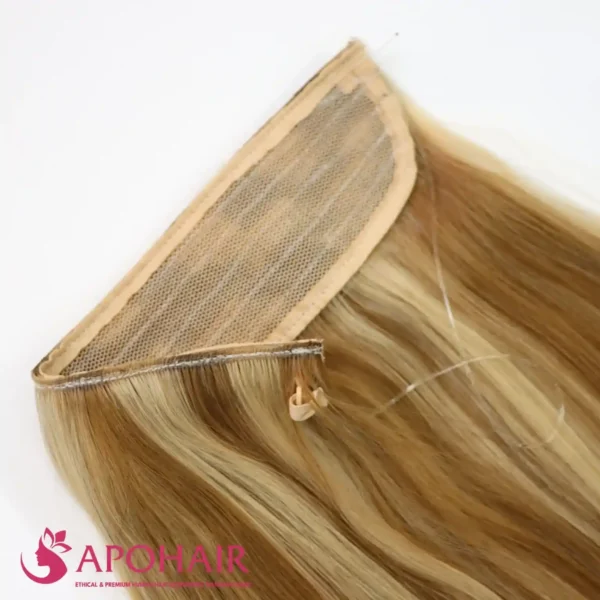
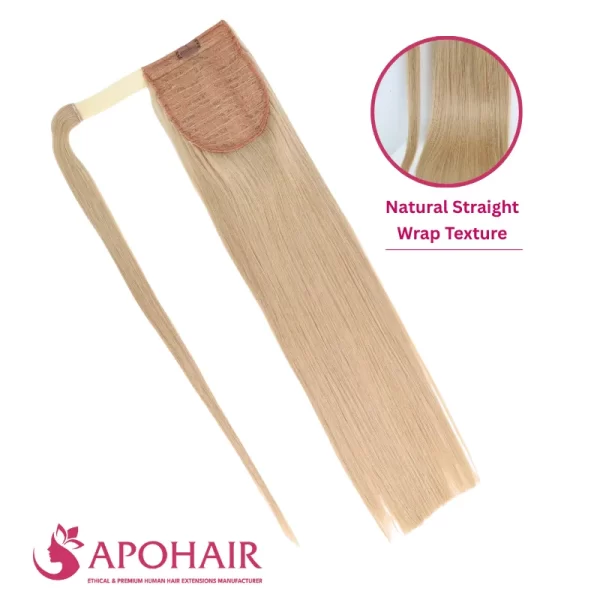
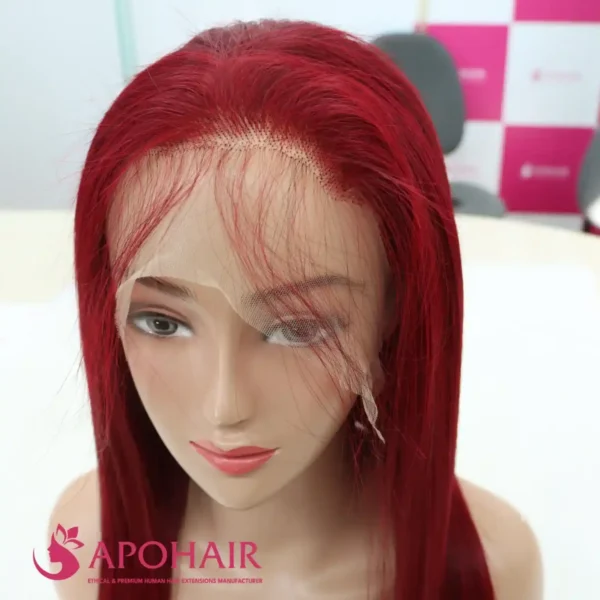
For those looking for alternatives to chemical treatments or wanting to change their hairstyle without the commitment of bleaching, consider exploring options like hair extensions and wigs. One reputable source for such products is Apohair, one of the well-known Vietnamese wholesale human hair in Vietnam.
With 20+ years of expertise, Apohair is proud to be the #1 Vietnamese Hair Factory. We specialize in offering high-quality hair extensions and wigs that can provide you with a new look without the risk of damage associated with bleaching. Visit our website to explore the various options available for transforming your hair without the need for bleach and developer.
Change your color without touching developer: If you would rather skip the bleach entirely, pre-colored human hair from APOHAIR gives you the shade with no processing and no regrowth to manage.
Extensions for a reversible color switch: When you buy human hair extensions wholesale from APOHAIR, the clip-in, tape-in, and weft pieces come ready in blonde and other shades, so you can go lighter for one event and back the next day.
Bundles for an all-over color change: For a full head in a new shade with none of the bleach damage, the wholesale hair bundles arrive pre-toned and ready to sew in.
Bulk pricing for salons and resellers: Keeping colored stock on hand for clients who prefer not to lighten is cheapest at bulk human hair wholesale rates.
Beyond a full sew-in, the attachment method decides how the color actually gets worn, from a one-night trial to a bond that holds for months, and how much of the head it can realistically cover.
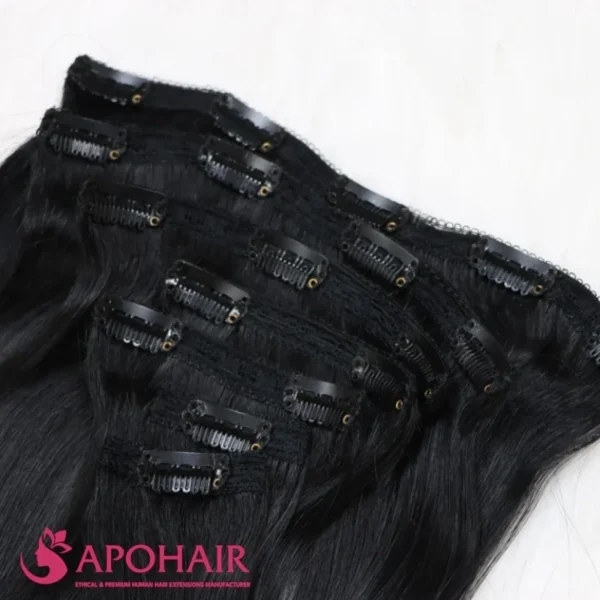
Clip-in for a same-day trial: Not every client wants to commit her own strands to a lighter shade right away. Our wholesale clip in colored hair extensions use stainless metal clips, so they go in for one night and come out again with no mixing ratio to get right. Resellers can stock one blonde SKU for exactly that kind of trial run.
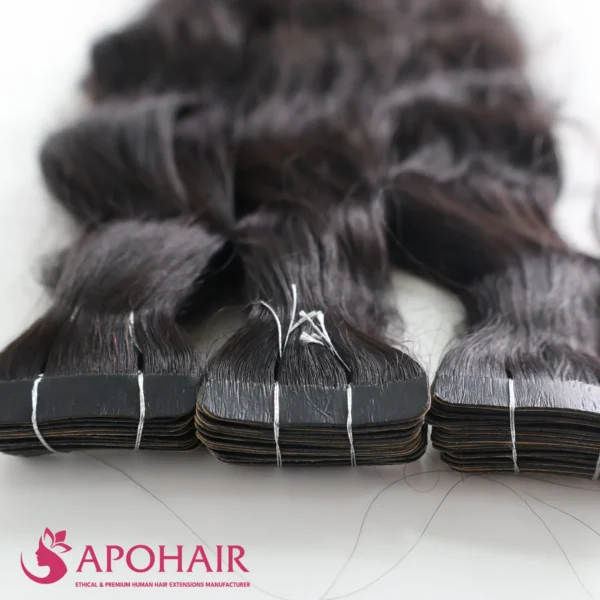
Tape-in for a seamless blend: Our remy tape hair extensions wholesale use a transparent German adhesive that lays flat against fine or thin hair, so stylists can offer a lightened look without measuring out a single ratio.
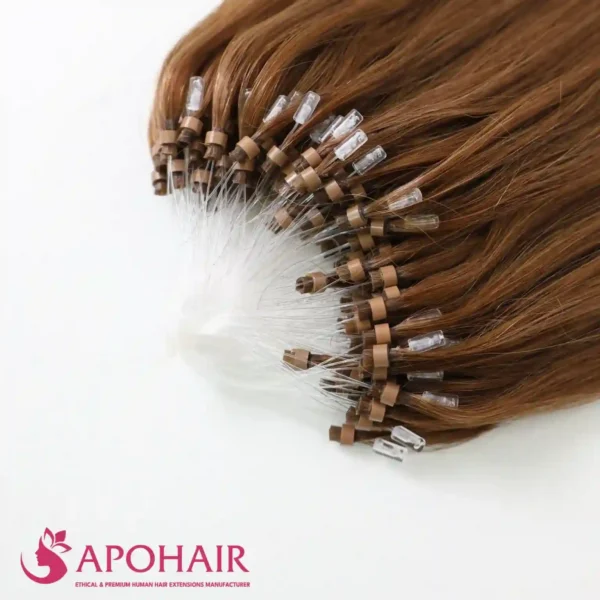
Keratin bonds for a longer wear cycle: Some clients want months of wear instead of repeating a mix every few weeks. Our wholesale keratin hair extensions fuse strand by strand for a natural root line, giving private label brands one bond type to build a low-maintenance color line around.
Weft for full-head coverage: A full-head lightening job needs more volume than a bleach bowl alone can add. Our wholesale remy weft hair extensions stock makes that easier to build, and resellers can cover both a highlight order and a full installation from the same inventory.
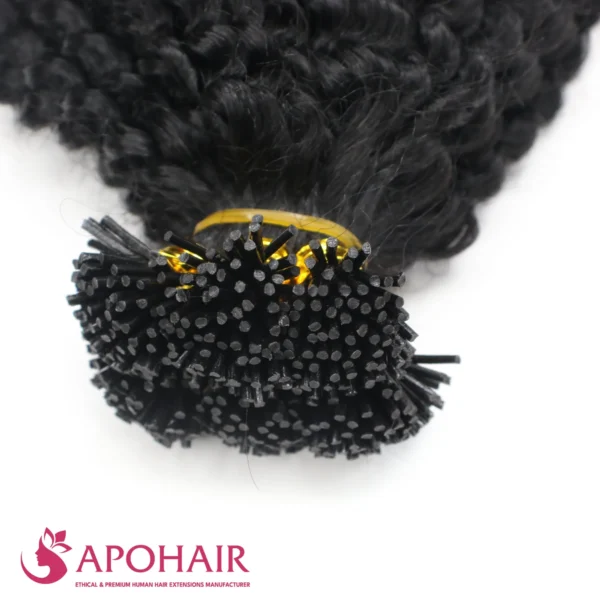
I-tip for fine, targeted sections: Our wholesale itip hair extensions come I-shaped for a cold fusion bond, so stylists can lighten small panels around the hairline without running a second bleach-and-developer batch.
U-tip for a quick fusion set: When the appointment window is tight, there is no time to wait out a strand test. Our u tip hair extensions wholesale are U-shaped with a nail tip for hot fusion, letting stylists finish a full set fast.
Hand-tied weft for a flat, low-bulk install: Stylists who want minimal bulk at the root reach for our wholesale hand tied weft human hair extensions rather than a bonded method.
Next article: How To Bleach Hair With Peroxide
