




Perm Or Color First: Which One Should You Do And Why?

Perm or Color First: The Basics
Perming and coloring your hair are both chemical treatments that change the structure and look of your hair. A perm breaks and restores the links that keep your hair in its natural pattern, whereas a color deposits or removes colors from the shaft of your hair. Both techniques can harm your hair if performed poorly or excessively, and they can also interfere with one another if performed too close together.
The conventional guideline is that you should perm your hair before coloring it, not vice versa. This is because a perm can fade or change the color of your hair, whereas a color can weaken or damage your hair, making it less receptive to a perm. There are, however, several caveats and aspects to consider before making your selection, such as:
1. The Type And Condition Of Your Hair
If you have fine, thin, or damaged hair, you should avoid getting both a perm and a color because it can do more harm than good. If you have thick, coarse, or healthy hair, you can perform both a perm and a color, but you should wait at least two weeks between them to allow your hair to recover.

2. The Type And Intensity Of The Perm And The Color
Similarly, if you want a delicate or gentle color, such as a gloss or a semi-permanent color, you can do it before a perm because it will not cause too much damage to your hair. If you want a bright or harsh color, such as a bleach or a permanent color, do it after a perm because it will weaken your hair and make it less suited for a perm. Bleach in particular is not a single product but a mix you control: the powder lifts pigment while the developer sets the pace. Mixing bleach and developer the safe way keeps a steady 2 parts developer to 1 part powder, with a strand test before you commit.
3. The Desired Result And Maintenance Of Your Hair
If you want your perm to last longer and look better, do it before applying a color, as the color might fade or alter your perm over time. If you want your color to be more brilliant and uniform, do it after a perm, as a perm might modify or unevenly distribute your color. You should also consider how frequently you want to touch up your perm or color, as well as how much money you want to spend on hair care products and treatments.

Perm Or Color First: The Pros and Cons
To help you decide whether you should perm or color your hair first, here are some pros and cons of each option:
1. Perm First, Color Later
- Pros: Because your color will not fade or affect your perm, it will last longer and look better. Your perm will not fluctuate or unevenly distribute your color, it will be more brilliant and consistent. You will have more color selections and versatility because you can see how your perm looks on your hair.
- Cons: Your perm can harm your hair, making it porous and prone to color loss. Your hair color can weaken it and leave it dry and brittle. You’ll have to wait at least two weeks between perms and colors, which can be inconvenient and time-consuming.

2. Color First, Perm Later
- Pros: Your color will be less damaged and more stable, as your perm will not fade or alter your color. Your perm will be more effective and uniform, as your color will not weaken or damage your hair. You will not have to wait too long between your color and your perm, which can be more convenient and fast. Thus, you’ve known the pros of color first, perm later. Which should you choose? Perm or color first?
- Cons: Your perm can change or uneven your color, especially if you have a strong or dramatic perm. Your color can interfere with your perm, especially if you have a vivid or harsh color. You will have less flexibility and options in choosing your perm, as you will have to consider how your color will affect your perm.

Can You Dye Your Hair With A Perm?
Here are a few tips to keep in mind when dyeing your hair after a perm:
- Wait for the Right Moment: Give your hair some time to recover after the perm. Waiting a week or two is usually recommended to give your hair time to stabilize.
- Consider Hair Condition: Beside considering perm or color first, you need to know your hair condition. It may be more ideal for coloring if it seems healthy and resilient. If your hair is damaged or too dry, you should wait a little longer and focus on feeding and conditioning it in the interim

- Professional Advice: If you are unsure or your hair is in poor condition, it is best to check with a professional stylist or colorist. They can analyze the quality of your hair and give you unique advise depending on your specific scenario.
- Select a Gentle Dye: Select a hair dye that is specifically formulated for use on chemically treated hair. These formulations are frequently milder and less likely to cause subsequent harm.
- Deep Conditioning: Deep condition your hair before and after coloring to help preserve hydration and recover any lost nutrients.
How Soon Can I Color My Hair After A Perm?

However, you must examine the exact products used during the perm as well as the quality of your hair. You may be able to color your hair sooner if your hair feels healthy and robust and you followed the post-perm care guidelines. If, on the other hand, your hair is damaged or severely dry after the perm, it is best to wait a little longer before adding hair color to avoid putting further stress on your hair.
If you’re unsure, consultzwith your stylist or a professional colorist. They can examine your hair’s condition and give you unique suggestions depending on your specific scenario.
Conclusion
But, if you are afraid of your natural hair damaging, you can consider to coloring permed hair extensions of Apohair. Apohair is a reputable wholesale hair company in Vietnam with more than 700 skilled workers across a 33,000 m² (355,000 sq ft) floor. Our ODM/OEM services will meet your demands. So, why wait?
Get the color and curl without the chemistry: If pairing a perm with color feels like too much strain on your natural hair, pre-styled human hair from APOHAIR gives you both with none of the processing.
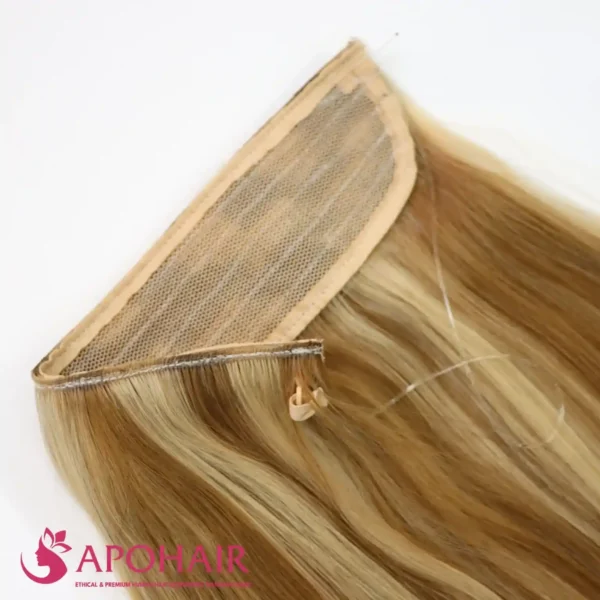
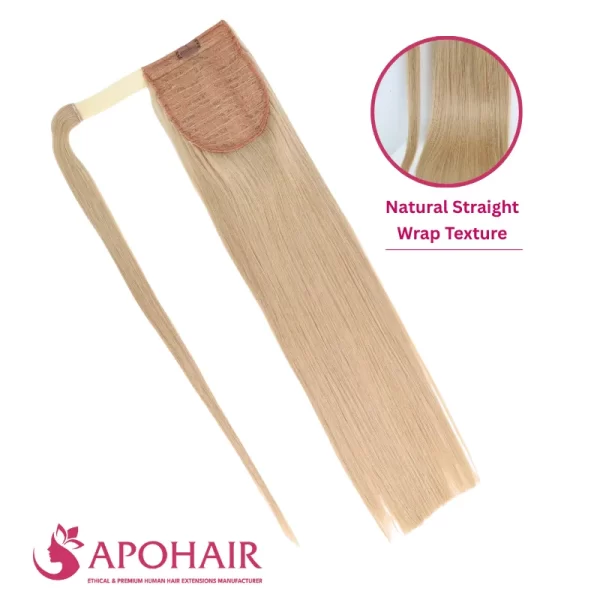
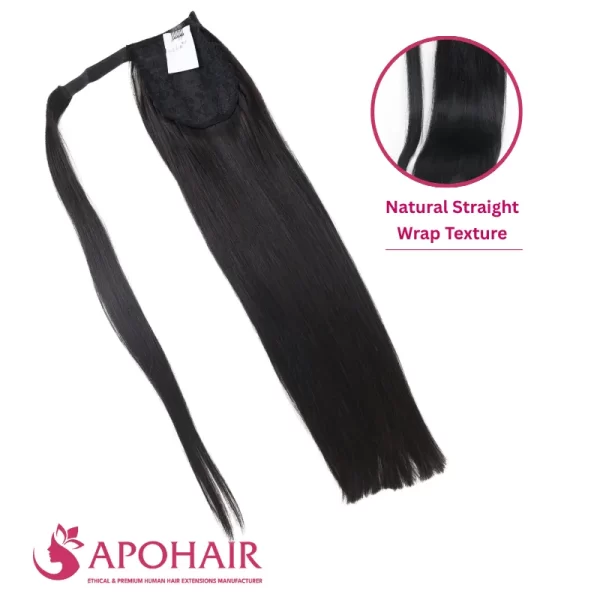
Extensions for adding color or waves: When you buy human hair extensions wholesale from APOHAIR, the clip-in, tape-in, and weft pieces come in a range of shades and can be curled without touching your own hair.
Bundles for a full permed-and-colored look: For an all-over change in shade and texture, our human hair bundles wholesale stock takes heat styling and holds a curl.
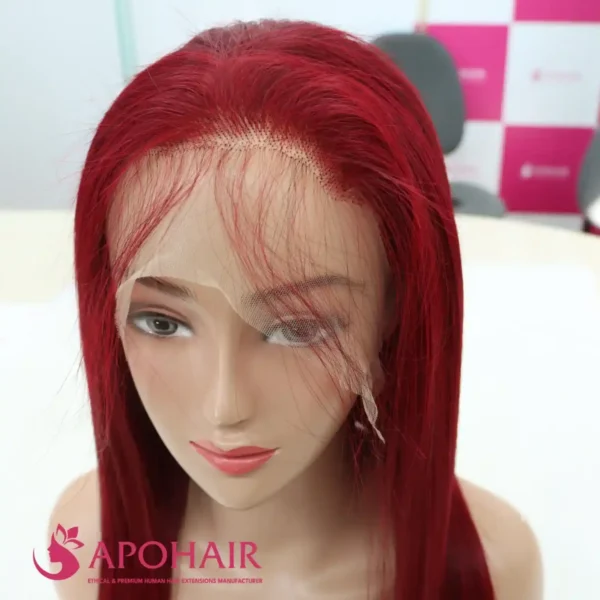
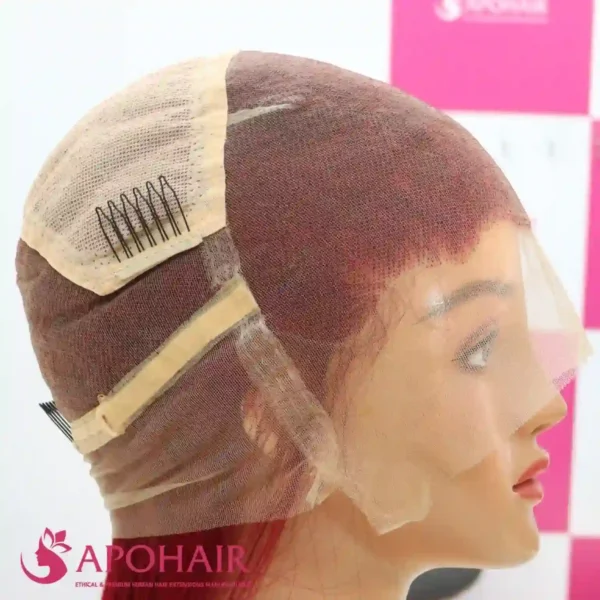
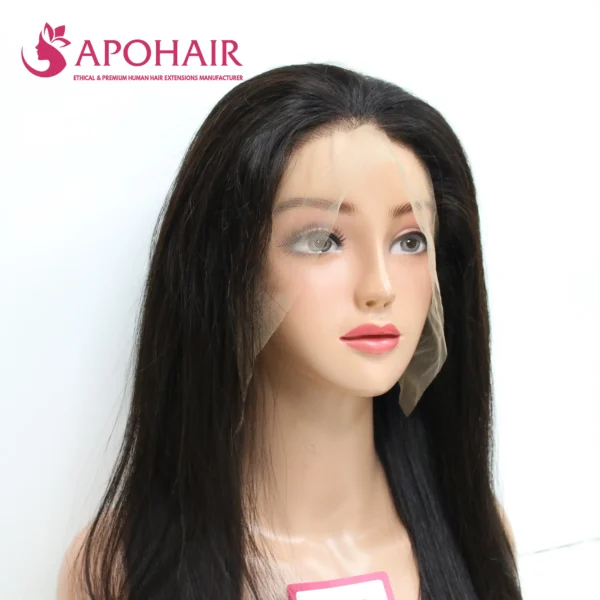
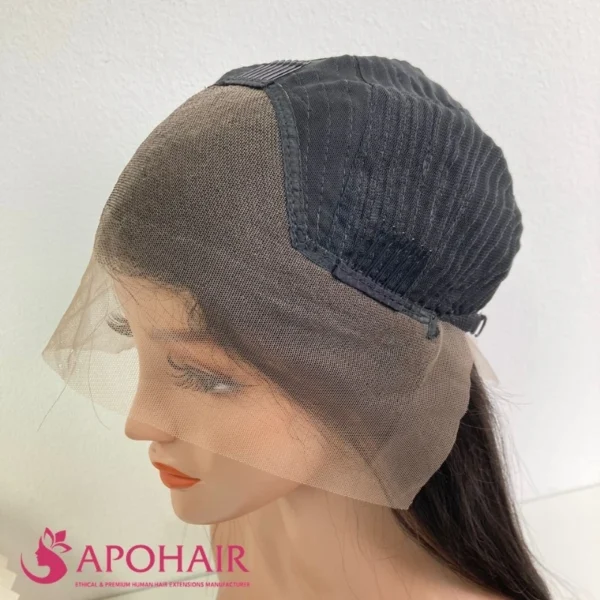
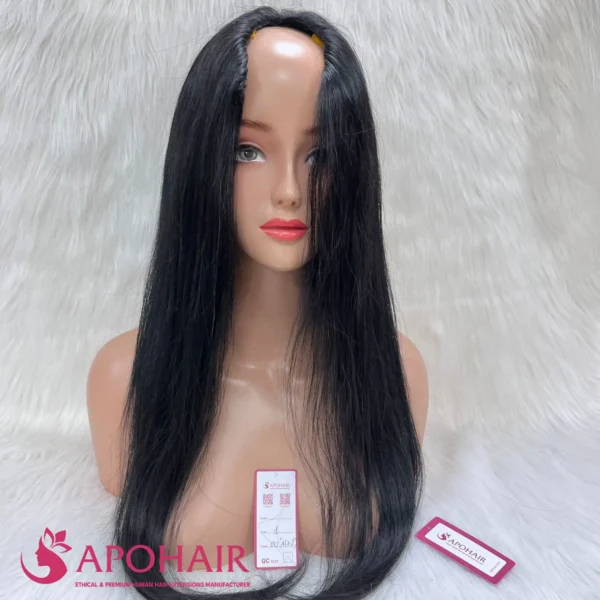
Wigs for a no-commitment switch: To test a permed, colored style before doing anything to your hair, our human hair wigs supplier catalog covers curly and colored bases.
Curl and color are one part of the decision. The other is how the piece attaches, since that decides how long it stays in and how much of the head it covers.
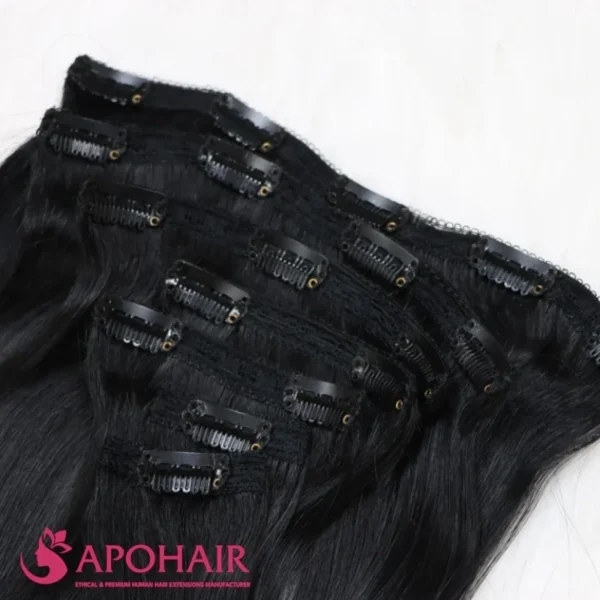
Clip-in for a same-day trial: Not every client wants to test a bold color or curl pattern on her own hair first. Our wholesale clip in colored hair extensions use stainless metal clips, so a client can wear the look tonight and remove it after, no waiting period between treatments needed. Resellers can stock one SKU for exactly that kind of trial run.
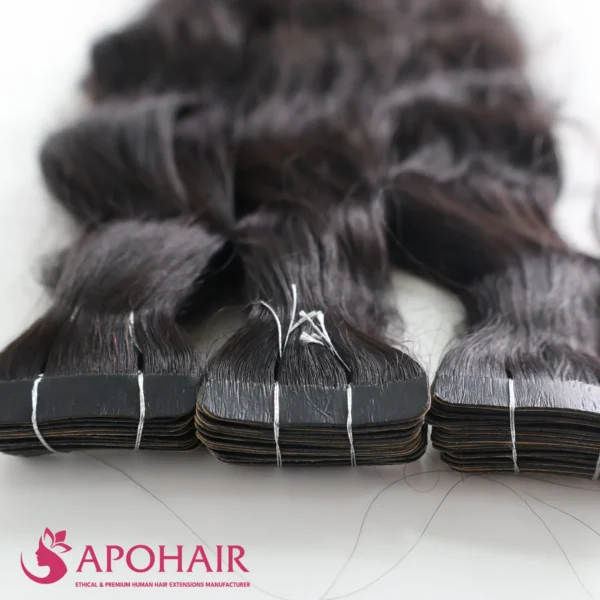
Tape-in for a small area worn for weeks: Our remy tape hair extensions wholesale use a transparent German adhesive that lays flat against the scalp, so a few colored or textured panels can stay in for weeks without a second chemical process stacked on top of a client’s own perm.
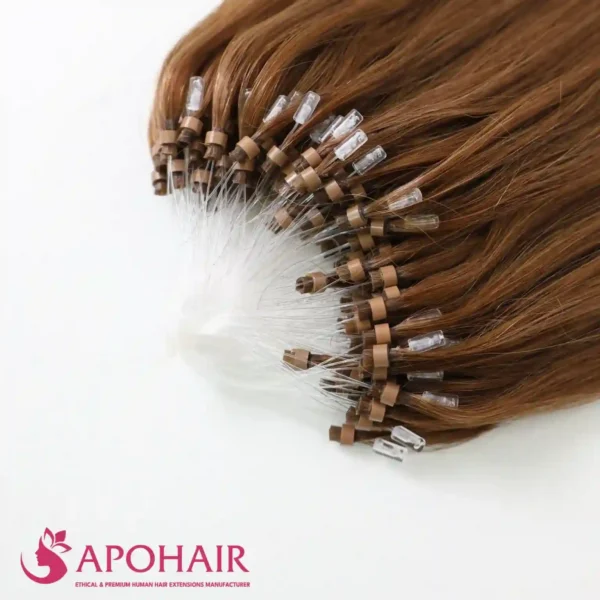
Keratin bonds for a longer wear cycle: Some clients want months of a permed-and-colored look instead of repeating both treatments every few weeks. Our wholesale keratin hair extensions fuse strand by strand for a natural root line, giving private label brands one bond type to build a low-maintenance line around.
Weft for full-head coverage: A full change in texture and shade takes more volume than a single treatment on natural hair can safely deliver. Our wholesale remy weft hair extensions stock makes that easier to build, and resellers can cover both a partial and a full-head order from the same inventory.
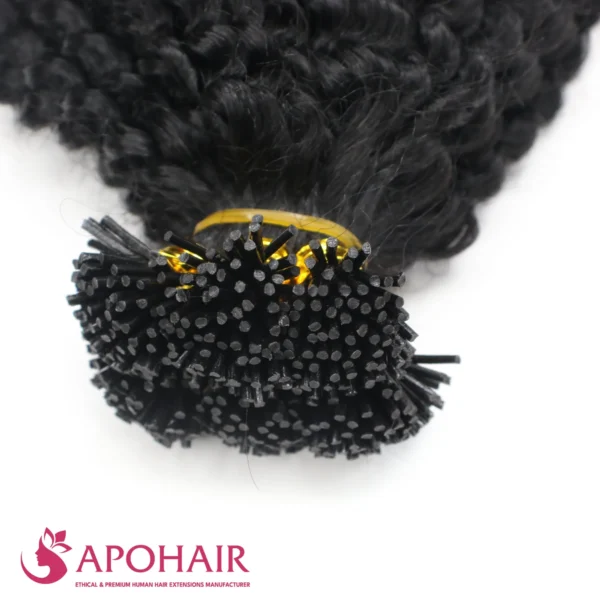
I-tip for fine, targeted sections: Our wholesale itip hair extensions come I-shaped for a cold fusion bond, so stylists can add curl or color to just the panels that need it without waiting out a two-week gap between a perm and a dye on natural hair.
U-tip for a quick fusion set: When the appointment window will not stretch to a perm session and a color session two weeks apart, our u tip hair extensions wholesale are U-shaped with a nail tip for hot fusion, letting stylists finish a full curled or colored set in one visit.
Hand-tied weft for wider coverage with less bulk: Stylists who need to cover more of the head without adding weight at the root reach for our wholesale hand tied weft human hair extensions instead of a bulkier machine-wefted piece.
