









3C Hair Type: Curl Pattern, Characteristics, and Care Routine Explained
3C hair is a tight corkscrew curl pattern that forms dense, high-volume ringlets. Its coiled structure prevents natural scalp oils from traveling down the entire hair shaft, making it prone to dryness, shrinkage, and frizz. Compared to 3B, the coils are tighter and denser with less shine. Compared to 4A, the curls are slightly larger with more definition and less shrinkage. In hair extensions, the 3C texture is often labeled “kinky curly” or “tight curly,” designed to match the springy, dense coil pattern of natural 3C hair.
This article covers how to identify 3C hair, its main characteristics, a step-by-step care routine, and how to choose hair extensions and wigs that match the 3C curl pattern.

What Is 3C Hair Type?
3C hair is a curly hair type made up of tight, well-defined corkscrews or coils. Many strands pack closely together, creating strong volume and texture. 3C curls are tighter and more voluminous than 3B curls, yet slightly larger and more defined than 4A coils. This places 3C hair at a clear midpoint between loose curly and tightly coiled hair.
Individual 3C strand thickness ranges from fine and thin to very thick and coarse. The curl shape forms because the hair follicle grows from the scalp in a flatter, more oval-shaped direction. The more oval the follicle cross-section, the tighter the curl it produces.

What Are the Main Characteristics of 3C Hair?
3C hair is characterized by tight, densely packed corkscrew curls or coils that typically have a diameter similar to a pencil or straw.
Key Characteristics of 3C Hair:
Shape: The hair forms consistent, tight S-shaped spirals that hold their shape from roots to ends without needing product support.
Curl Pattern: Features very tight, well-defined coils with high shrinkage and a strong spring factor of 3 to 6 inches (7.6 to 15.2 cm) when stretched.
Texture and Thickness: Strands feel coarse or densely packed overall, though individual strand thickness varies from fine to coarse across different areas of the head.
Size: The curl diameter sits at around 6 mm to 10 mm in circumference — about the size of a pencil or a small straw.
Volume: 3C hair is very full and thick, with noticeable shrinkage that makes it appear 40% to 60% shorter than its actual stretched length.

How Are 3C Different from 3B and 4A Hair Type?
3C hair sits between the looser 3B spirals and the tighter 4A coils. Its pencil-sized curl diameter, high but not extreme shrinkage, and dense springy texture are what set it apart from both sides.
| Feature | 3C | 3B | 4A |
| Shape | Very tight corkscrew curls | Tight, springy ringlets | Dense, tight coils (zig-zag or S) |
| Texture | Medium to coarse, densely packed | Medium to coarse | Fine to coarse, very dense |
| Diameter | Pencil-sized (~6–10 mm) | Marker-sized (~12–16 mm) | Crochet needle (~4–6 mm) |
| Volume | Very full and thick | Full and bouncy | Maximum volume, tightly packed |
| Shrinkage | High (40%–60%) | Moderate (25%–40%) | Very high (70%–75%) |

How To Identify a 3C Curl Pattern?
To accurately identify 3C curls, you can use several practical methods. The Pencil Test, the Wet-Hair Check, and a review of your hair’s texture, volume, porosity, and density all work together to give you a clear picture of your curl pattern.
The Pencil Test
The most reliable way to distinguish 3C curls is by measuring their circumference. Hold a pencil next to a dry, product-free ringlet and compare the curl diameter to the pencil’s width — approximately 6 mm to 8 mm (about 0.25 inch). A match confirms 3C. This measurement places 3C curls between the looser spirals of 3B hair, which are marker-sized, and the tighter 4A coils, which are about the size of a crochet needle.

The “Wet-Hair” Check
The best time to see your natural curl pattern is when your hair is soaking wet. At this stage, the curls appear at their most defined and frizz-free state. When 3C hair is wet, it forms clearly defined, tight S-shaped corkscrews that are smooth and compact. If those wet coils match a pencil in diameter, your pattern is 3C.

Texture and Volume Characteristics
3C hair has a dense, highly textured feel with strong volume at the root. This volume comes from tightly packed corkscrew coils that sit close together. The hair is naturally bouncy and springy, but because its raised cuticles allow water to escape quickly, 3C strands lose moisture faster than looser curl types. Natural scalp oils also struggle to travel down the twists of the coil structure, which leaves the mid-lengths and ends consistently dry.

Consider Porosity and Density
Porosity and density shape how well 3C hair holds moisture and how thick it looks. Low porosity 3C hair has trouble absorbing water and may turn brittle without heat-assisted conditioning. High porosity 3C hair pulls in moisture easily but releases it just as fast, so it needs sealing products like oils and creams after washing. One thing worth knowing: 3C hair often looks thicker than it actually is. Its densely packed strands and tight coil pattern create a lot of natural volume, even when the actual strand density is moderate.

Hair Care Tips for 3C Hair
A proper routine keeps 3C curls defined without weighing them down. The steps below work well for most 3C hair types, though you may need small adjustments based on your hair’s porosity, density, and strand thickness.
Avoid sulfate shampoos. Sulfates remove natural oils from the scalp too fast, which worsens dryness along the mid-lengths and ends of 3C coils.
Washing frequency. Wash 3C hair once or twice per week. This schedule keeps enough scalp oil in the hair to maintain moisture and definition between washes.
Pre-poo treatment. Before shampooing, apply a nourishing oil or conditioner to dry hair. This creates a protective layer that reduces moisture loss during the wash.
Deep conditioning. Once a week, deep condition for 10 to 20 minutes using heat or steam. This step delivers concentrated moisture that reduces breakage and keeps the curl pattern intact.
Pineappling. Before bed, gather your curls loosely at the top of your head and secure them with a soft scrunchie. This protects the curl shape and cuts down on frizz caused by friction against your pillow.
Brushing. Only detangle 3C hair with a wide-tooth comb or your fingers while the hair is wet and conditioned. Brushing dry coils breaks the curl pattern apart and leads to frizz and breakage.

How To Choose Hair Extensions and Wigs That Match 3C Curl Pattern?
Hair extensions that match the 3C curl pattern need a corkscrew or tight spiral texture with a curl width of 6 mm to 10 mm. 100% human hair extensions perform better than synthetic ones for 3C hair because they react to heat, humidity, and moisture the same way natural coils do. Synthetic fibers hold a fixed curl shape and sit visually apart from the natural 3C coil, creating a mismatched look that is easy to spot.
Human hair extensions can be heat-styled with a curling wand set to 150°C to 180°C (300°F to 356°F) to fine-tune the curl width and match the exact coil diameter of your natural 3C strands. Most suppliers label compatible textures as “Deep Curly,” “Light Curly,” or “Kinky Curly” — these names describe the spring and diameter that comes closest to the 3C curl pattern.

What Extension Types Work Best with 3C Hair?
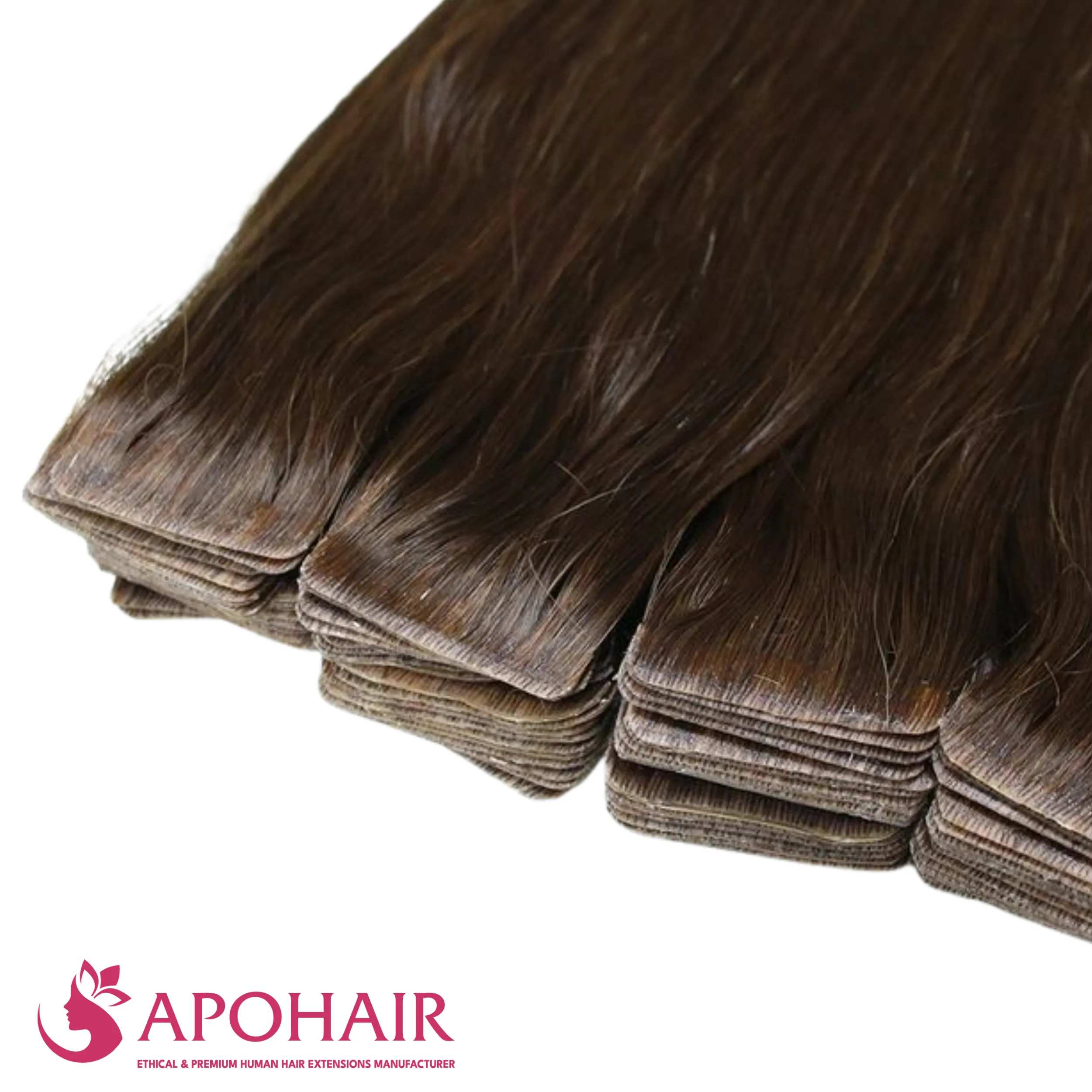
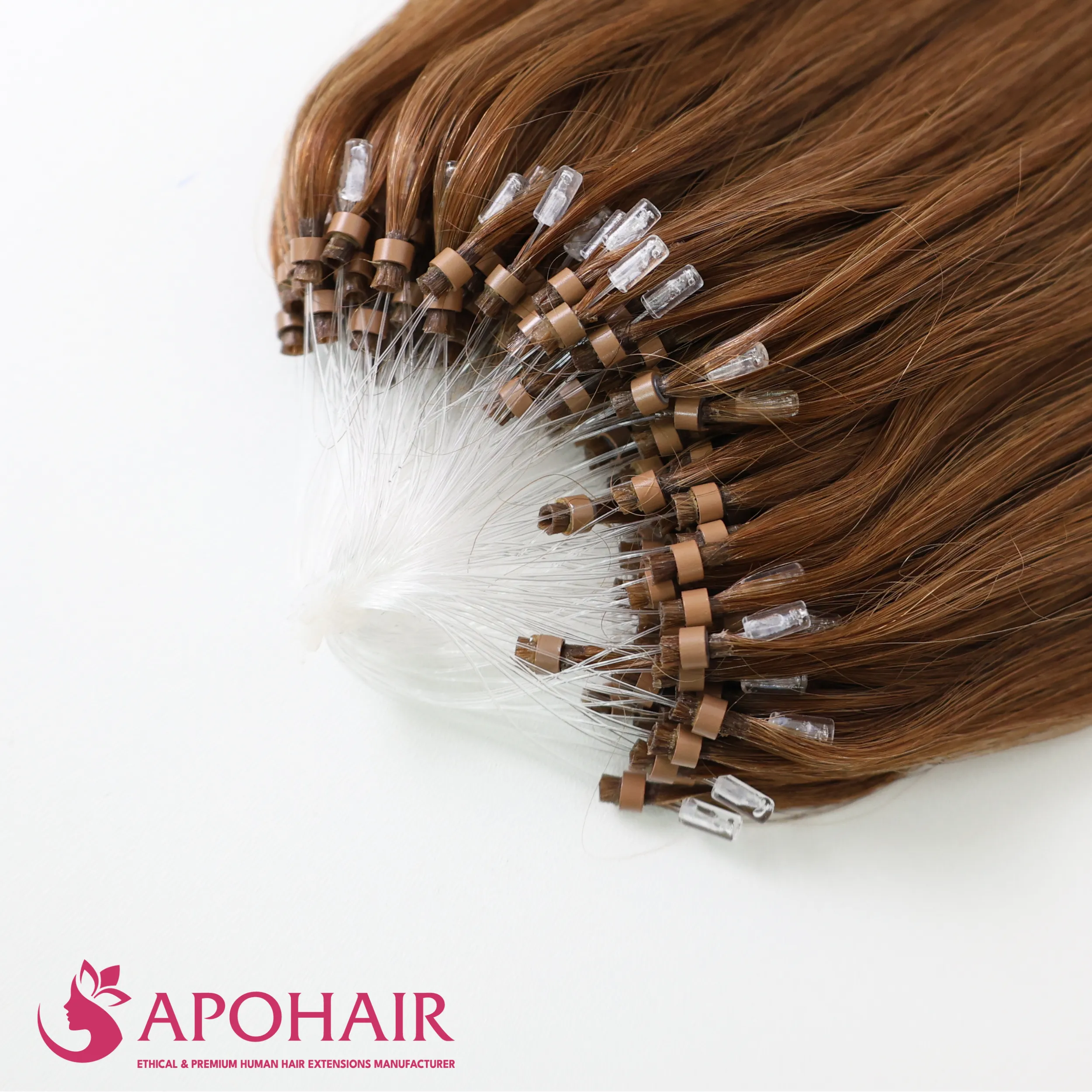
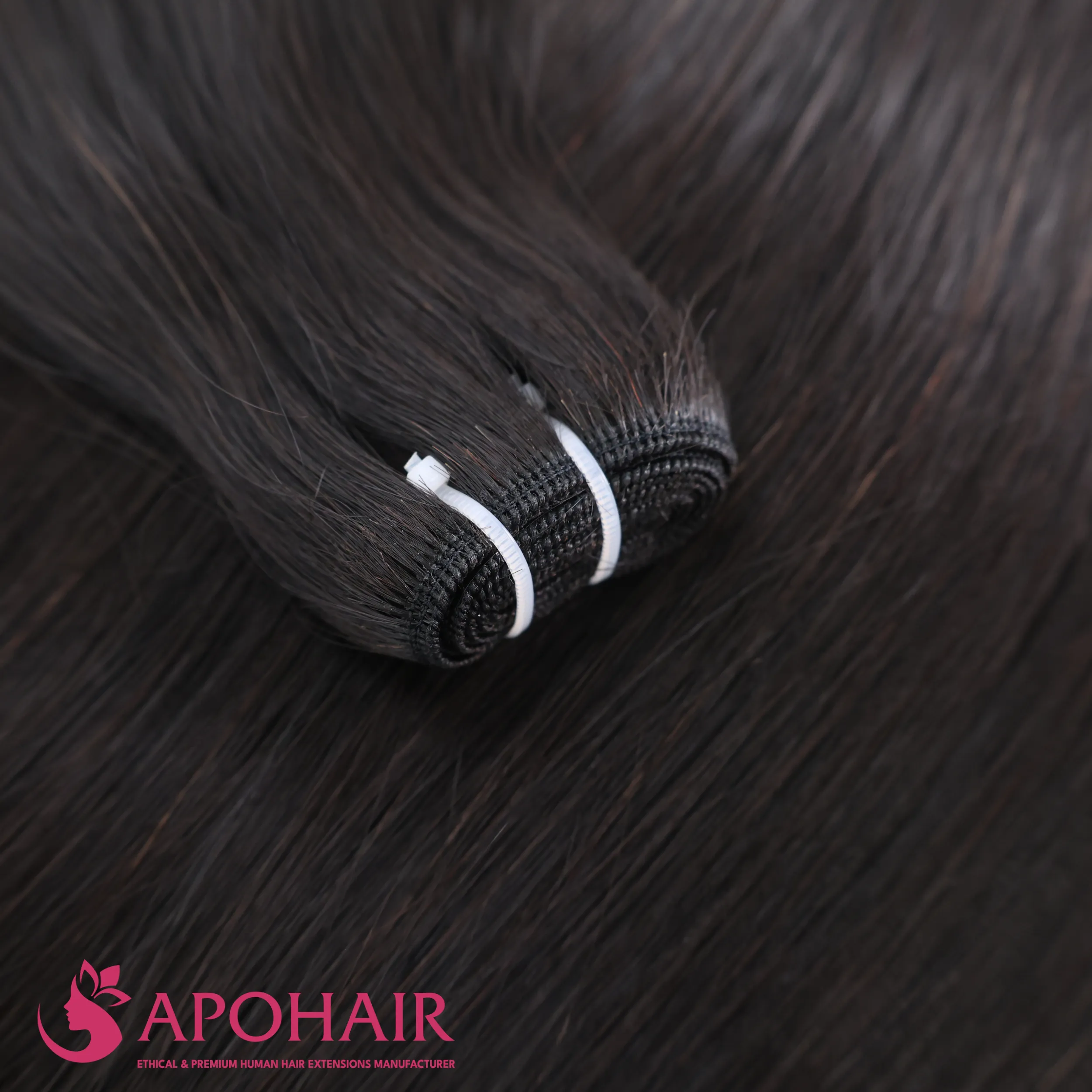
Tape-in, clip-in, keratin, and weft extensions work best with 3C hair. They add volume and length without placing constant tension on the natural coil structure.
Tape-in extensions are safe for 3C hair when the natural hair is healthy, has medium to high density, and is completely dry before installation. Clip-in extensions are safe when removed after each use, but leaving them in for several days can cause tension at the roots and lead to breakage. Keratin tip extensions work well for 3C hair when applied by a professional, as they allow the coils to move naturally without being pressed flat. Machine weft extensions fit well when sewn onto cornrows because this method spreads the weight evenly and allows the weft to sit flat beneath the natural curls.

How To Apply Extensions with 3C Natural Hair?
Applying extensions to 3C natural hair requires tight curl matching, secure attachment, and careful placement, because 3C coils are dense and highly defined. A mismatched texture or weak attachment makes blending difficult and creates visible contrast at the join.
Here is how to apply extensions effectively:
- Wash your hair with a sulfate-free, hydrating shampoo and follow with a lightweight conditioner. Detangle gently while the hair is damp and the coils are soft.
- Divide your hair into horizontal rows, starting from the nape and working upward to the crown.
- Secure each extension piece near the root of each section without pulling too hard on the coil base.
- Choose your method based on your lifestyle. Tape-ins give long-lasting wear but require fully dry hair before installation. Clip-ins offer quick, flexible styling with easy daily removal.
- Apply a light curl cream or leave-in conditioner, then define the coils using finger-coiling or twisting to blend the extension with your natural curl pattern.

What Problems Occur When Extensions Do Not Match 3C Hair Texture?
When extensions do not match 3C hair texture, a visible line appears where the extension meets the natural coils. The difference in curl diameter makes blending difficult. In humid conditions, natural 3C hair frizzes while mismatched extensions keep their original shape, and the contrast becomes more visible throughout the day.
Wrong-texture extensions also damage 3C hair roots over time. Straight extensions pull the coil attachment point downward under their weight, creating repeated tension at the follicle root. Wearing this type of extension for a long period weakens the follicle and can lead to traction alopecia — a gradual, localized form of hair loss that develops at the attachment points.

What APOHAIR Products Work Best for 3C Hair Types?
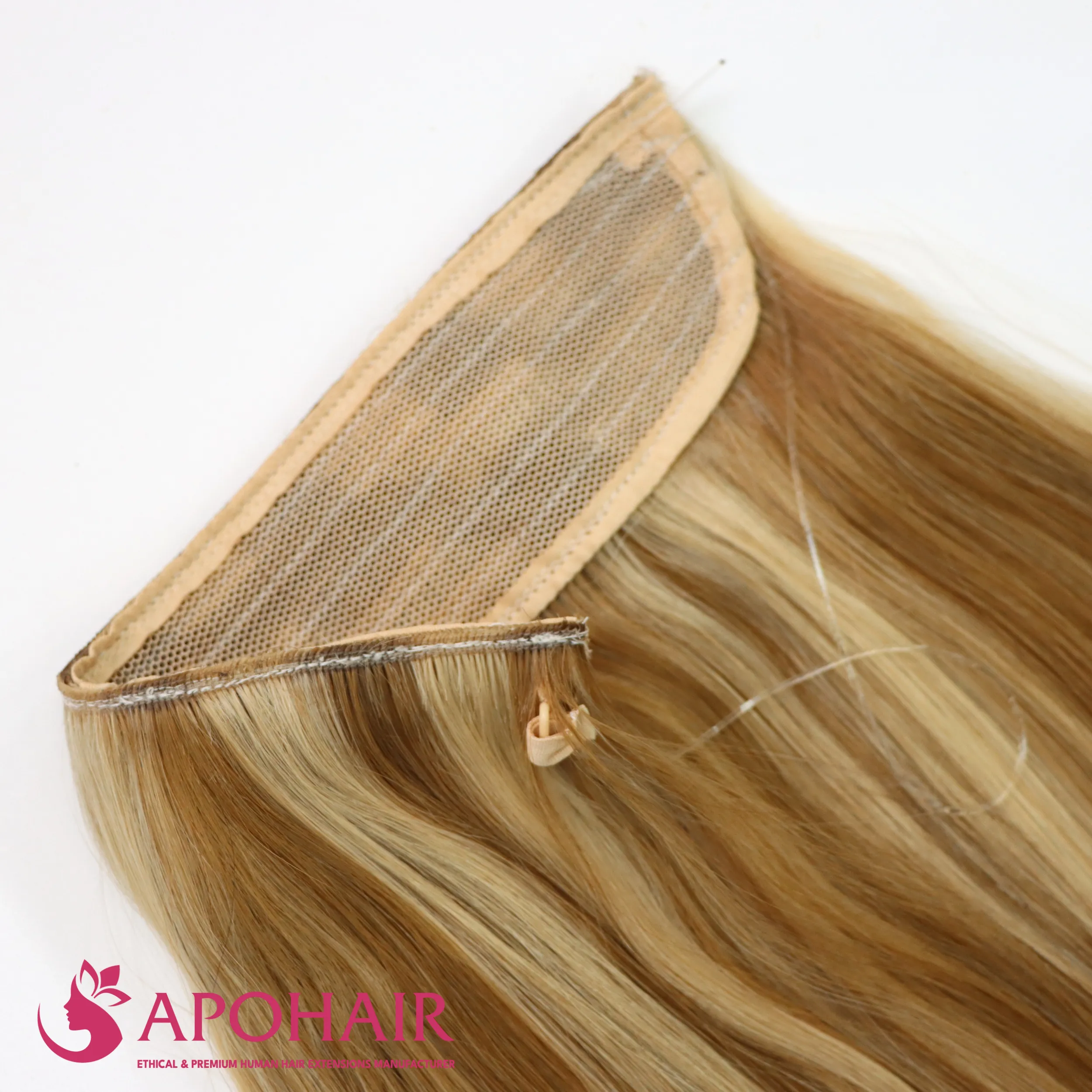
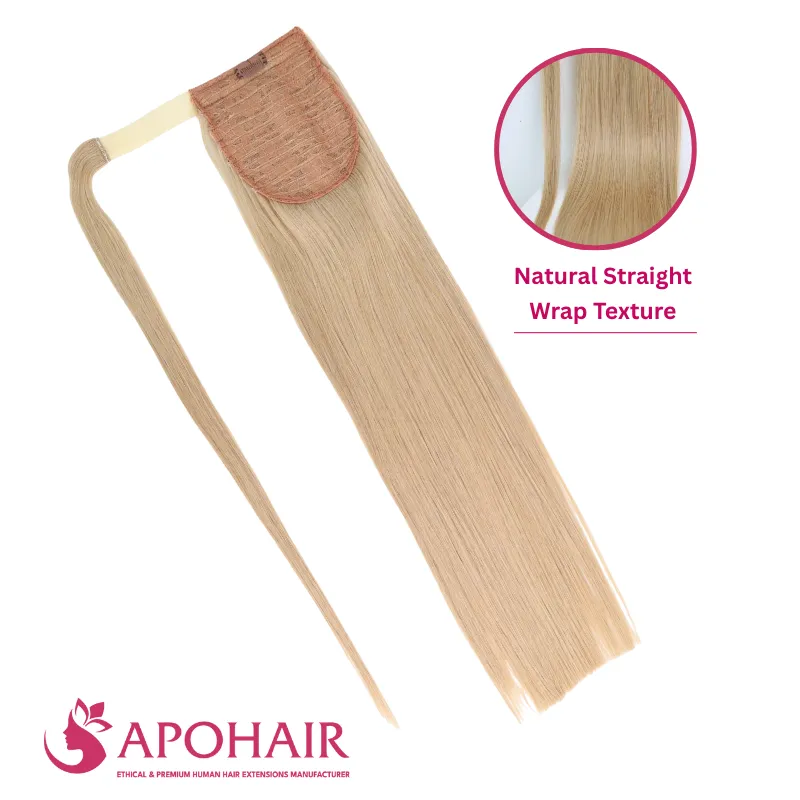
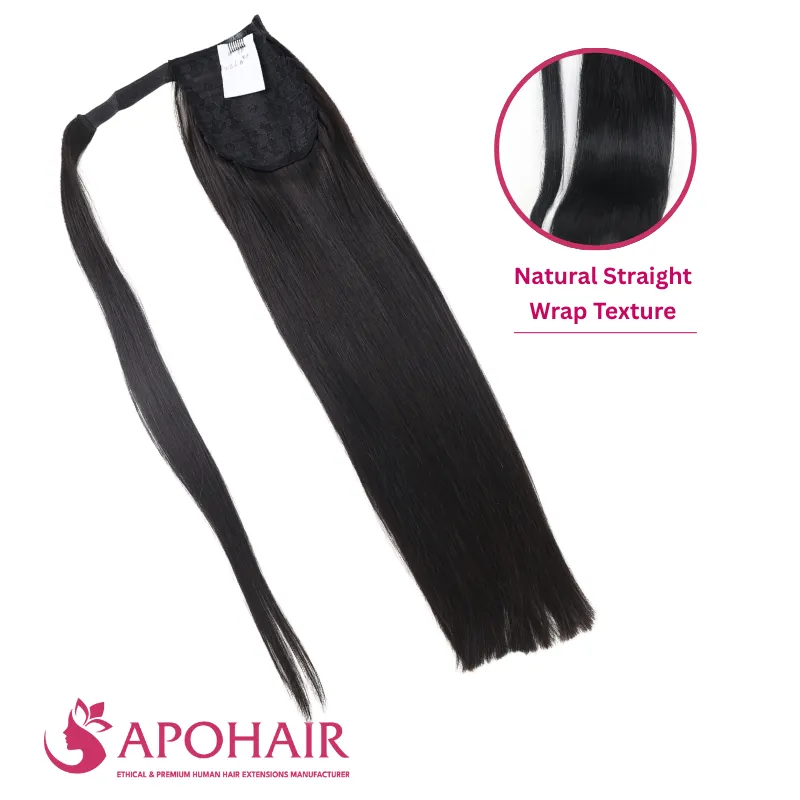
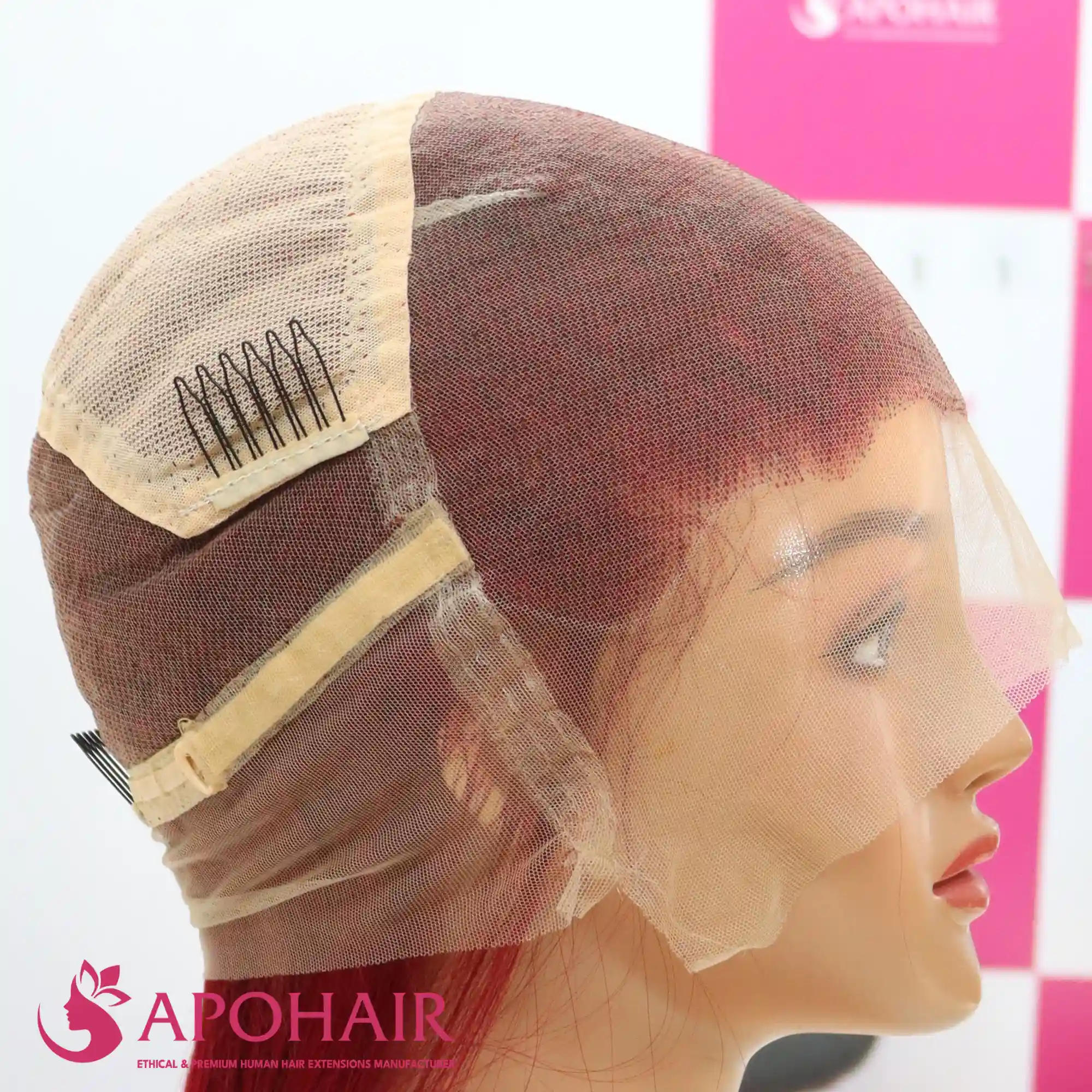
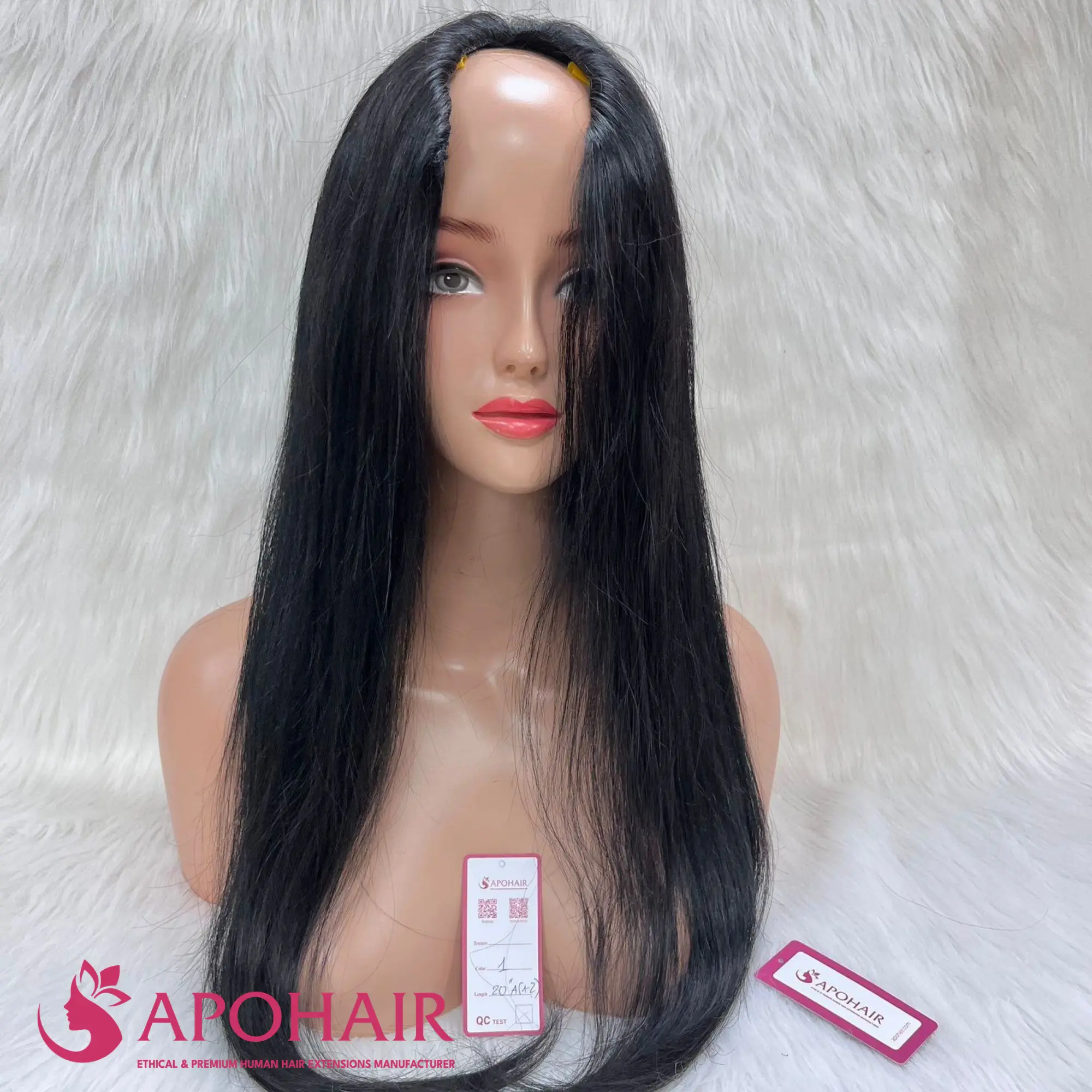
APOHAIR’s 100% Vietnamese human hair extensions in kinky curly and deep curly textures match the 3C curl pattern in both diameter and spring. Clip-in and hand-tied weft extensions are the safest choice for fine-to-medium 3C strands because they spread weight evenly across multiple attachment points without bonding chemicals that could weaken the natural coil structure. APOHAIR also offers lace-front wigs (13×4, 13×6) and lace-closure wigs (4×4, 5×5) with HD and transparent lace options. Both blend naturally with 3C hairlines by creating a smooth transition at the front and parting area.
APOHAIR stands apart from standard wholesale suppliers through a set of verified qualities that matter to salon owners and distributors:
100% Vietnamese Human Hair. Single-donor collection keeps texture and color consistent across each bundle. Vietnamese hair takes color better than Indian or Chinese hair because the cuticle layer stays fully intact.
Cuticle-Aligned Technology. All cuticles face the same direction. This stops tangling and matting after washing and extends the life of each extension set.
Ethical Sourcing. APOHAIR works through a direct collector network in Vietnamese villages. Fair compensation is verified at every collection point.
Factory-Direct Pricing. No middlemen are involved. Wholesale rates run 30% to 40% below retail prices, making APOHAIR a strong choice for salon owners and distributors.
20+ Year Track Record. The APOHAIR facility employs more than 1,000 factory workers and 100 sales staff, backed by over two decades of verified production experience.
State-of-the-Art Manufacturing. APOHAIR runs a 33,000 m² factory in Vietnam with modern production lines and a monthly output capacity of up to 20 metric tons.
Global Distribution. Orders are processed within 24 hours and delivered worldwide in 2 to 7 days, covering the US, UK, EU, Australia, Africa, and Asia.
Quality Guarantee. Every order comes with a 7-day warranty and a free replacement policy for verified defects.
Wholesale Flexibility. APOHAIR accepts wholesale orders starting at 200 grams, which suits both small-boutique buyers and large-scale distributors.
APOHAIR turns authentic Vietnamese hair into premium extensions trusted by salon owners and wholesalers worldwide. The goal is simple: lead the global hair industry through ethical practices, strong manufacturing, and real customer results.
Ready to source 3C-matched extensions? Contact APOHAIR:
APOHAIR — Ethical & Premium Human Hair Extensions Manufacturer
Address: Building 3A, Lane 82 Duy Tan, Cau Giay, Hanoi, Vietnam
Factory: Yen Luong Village, Y Yen District, Nam Dinh Province, Vietnam
Phone: (+84) 862 132 366
Email: wholesale@apohair.com
FAQs
What Curl Texture in Hair Extensions Is Closest to 3C Hair Type?
The extension curl textures closest to 3C hair are “kinky curly,” “tight curly,” and “deep curly”. All three share the pencil-sized coil diameter of 6 mm to 10 mm and the strong spring factor that defines the 3C pattern.
How Do I Reduce Shrinkage?
Use banding, stretching, or braid-outs to manage the 40% to 60% shrinkage that is common in 3C hair. Shrinkage is a natural sign of healthy elasticity. Managing it with these techniques preserves the curl pattern without using damaging heat.
How To Wash 3C Hair?
Wash 3C hair with moisturizing, silicone-free shampoos and avoid sulfates. Co-washing — cleaning with conditioner instead of shampoo — works well between full wash days. It keeps the coils hydrated without removing the scalp oils your hair depends on.
Conclusion
3C hair features tight corkscrew coils about the size of a pencil — denser than 3B and more defined than 4A. Its curl structure makes it prone to dryness, frizz, and shrinkage, so moisture retention sits at the center of every effective care routine. The Pencil Test and wet-hair observation are the two most reliable ways to confirm your curl pattern. For extensions, 100% human hair in kinky-curl or deep-curl textures most accurately matches the 3C coil. APOHAIR’s Vietnamese human hair extensions, with their cuticle-aligned construction and ethical sourcing, are made to work with this exact texture.


 ABOUT US
 Human Hair Extensions
 Wholesale Tape-In Hair Extensions
 Clip-In Hair Extensions
 Wholesale Keratin Hair Extensions
 Weft Hair Extensions
 BEST SELLING PRODUCTS
 Human Hair Wigs
 Bulk Human Hair For Braiding
 Contact Us