







Do Hair Extensions Ruin Your Hair?
Hair extensions do not ruin your hair on their own. They can damage it, and in the worst cases, contribute to hair loss, but the risk usually comes from the wrong type, too much weight, poor application, rough removal, or weak aftercare. Most damage traces back to stress on the hair and scalp, not to extensions as a category.
The honest picture is more practical than scary. The biggest factors are in your control: the type and weight you pick, who applies and removes the set, how you care for it, and how quickly you respond to pain, tightness, or thinning.
This guide explains what actually causes extension damage, what that damage looks like, whether your hair can recover, and which methods carry less tension. You’ll also get a practical routine for wearing extensions with lower risk, plus the warning signs to watch for so you can act early.
What causes hair extensions to damage your hair?
Hair extensions primarily damage your hair by placing excessive stress and tension on your natural strands and follicles. This damage often stems from improper installation, lack of routine maintenance, or aggressive removal techniques that pull on the hair. Below is a detailed explanation of each specific cause of hair damage from extensions.
Too much tension or weight
Extensions installed too tight or too heavy for your natural hair can pull on the roots, and that constant pulling can lead to traction alopecia, a form of hair loss driven by ongoing strain on the follicle. A weft that weighs too much strains fine or fragile follicles the hardest, since thin hair has the least anchoring strength to spare. A fresh set may feel secure, but pain, headaches, or lasting soreness are not normal. The American Academy of Dermatology notes that pain or a headache after fitting means the hair is too tight, and that is your signal to have it loosened.
Poor application or DIY removal
A rushed or untrained application can set bonds too tight or too close to the scalp, and pulling extensions out at home is one of the fastest ways to tear out your own hair. Removal is the hidden danger many guides skip. Tape or keratin bonds that are not loosened properly, beads opened the wrong way, or hair “sandwiched” at the attachment point can all take healthy strands with them. From our years supplying salons, we have seen the same lesson over and over: a bond removed without the right product can pull natural hair out alongside it, so this step belongs in trained hands.
Skipped maintenance and aftercare
Missing your move-ups, sleeping on wet hair, brushing roughly, or letting product build up at the bonds can all weaken the attachment and the hair around it. Grown-out extensions twist and matt at the roots as your own hair grows past the bond, and that matting tugs every time you brush. Oil-based products near the attachment points loosen them too, which is why where you apply conditioner matters as much as how often. None of this is dramatic on any single day. It adds up quietly, and that is exactly what makes it easy to overlook.
Low-quality hair or the wrong type
Low-grade or synthetic hair tangles and mats more easily, which can pull against your natural strands, and a method that is too heavy for your hair type adds stress it cannot handle. Synthetic fiber and non-Remy hair, where the cuticles sit in mixed directions, tangle far more than properly aligned human hair. The fix is to match the method to your hair density rather than to a trend.
At APOHAIR, we offer 100% Vietnamese human hair that is carefully processed to keep the cuticles aligned in the same direction. This attention to quality means our hair extensions glide smoothly with your own hair, reducing tangling and pulling.

What kind of damage can hair extensions cause?
When extensions do damage hair, it usually shows up as breakage and thinning, and at its worst as traction alopecia, a form of hair loss caused by constant tension that can become permanent. The damage falls into a handful of types, and traction alopecia is the one to understand best.
Breakage happens at the attachment points, where the weight and friction of a bond can snap strands over time. Thinning tends to appear around the hairline and temples, the most fragile zone on your scalp. Scalp irritation or soreness is your body flagging that a set is too tight, and lingering pain is never something to push through. Some people can also have an allergic or contact reaction to adhesives, especially if their skin is sensitive.
Traction alopecia is the serious one. The American Academy of Dermatology describes it as hair loss from repeated pulling on the follicle, and it is reversible when caught early. Once the tension scars the follicle, though, the loss can become permanent.
It’s important to understand that most issues with hair extensions come from how they are used, not from the extensions themselves. When applied correctly, used at a comfortable weight, and taken care of properly, hair extensions generally don’t cause problems.

Can your hair recover from extension damage?
In most cases, your hair can be recovered from extension damage. Breakage and early thinning grow back over a few months once you take the stress off, and traction alopecia caught early reverses once the tension is removed. The exception is damage that scars the follicle, which is permanent, so the sooner you act, the better your chances.
The timeline comes down to how hair grows. Hair adds roughly half an inch (about 1.25 cm) a month, so stressed strands and breakage tend to fill back in over 6 to 12 months once you stop the pulling. Traction alopecia follows the same logic when you catch it before scarring sets in. The American Academy of Dermatology and medical sources note that only scarred follicles cause permanent loss, which is why timing decides almost everything about recovery.
The short version on what to do is simple. Take a break from extensions, treat your hair gently while it recovers, and see a board-certified dermatologist for any thinning that does not improve or any bald patch that appears. Earlier care means a better outcome, and a dermatologist can tell scarring from temporary loss long before you could on your own.

Do hair extensions stop your hair from growing?
Hair extensions do not stop your hair from growing. Extensions attach to your hair shaft, the visible strand, while your hair grows from the follicle at the scalp. An attachment somewhere along the strand simply cannot switch off growth happening down at the root, which is why the “extensions stunt growth” worry does not hold up mechanically.
There is one real exception, and it is worth naming. Extensions can affect growth indirectly through traction alopecia, where ongoing tension damages the follicle itself and slows or stops what grows from it. That is a tension problem, not a growth problem, and it is preventable. So the honest answer comes down to the type you choose and how you wear it, which is exactly what the next section covers.

Which hair extensions are the safest, and which are the most damaging?
There is no universal “damage-free” extension method. Risk depends on how much weight and tension the attachment places on your hair, whether the method suits your density and condition, and how carefully it is installed, maintained, and removed. Temporary methods usually rank lowest because they come off daily. Semi-permanent methods can also be worn safely, but risk rises when weight is concentrated on small attachment points, a braid or row is too tight, or bonds are removed incorrectly. The ratings below are relative comparisons, not guarantees.
| Extension method | Relative risk | Main damage route | Lower-risk use |
|---|---|---|---|
| Halo | Very low | Wire carries the weft; no bond to natural hair | Fit correctly and remove before sleep |
| Clip-in / ponytail | Low | Clips or bands press on small areas | Use light pieces; rotate placement; remove daily |
| Tape-in | Low to moderate | Poor placement, grown-out tabs, or rough removal can pull hair | Professional fit, refits, and removal |
| Micro-link / I-tip / nano | Moderate | Beads concentrate weight and can twist small sections | Use adequate sections; never overtighten |
| Beaded row / hand-tied weft | Moderate | A full weft loads a bead-supported track | Use lighter rows and timely move-ups |
| Sew-in / braided weave | Moderate to high | Tight cornrows plus weft weight pull at roots and edges | Keep braids loose; protect the hairline |
| Keratin / fusion (K-tip) | Moderate to high | Small bonds concentrate weight; heat and removal add risk | Professional fit; fully dissolve bonds |
| Glue-in / bonded weft | High | Adhesive and peeling can strip or break natural hair | Avoid on fragile hair; never pull off |

Do halo extensions damage hair?
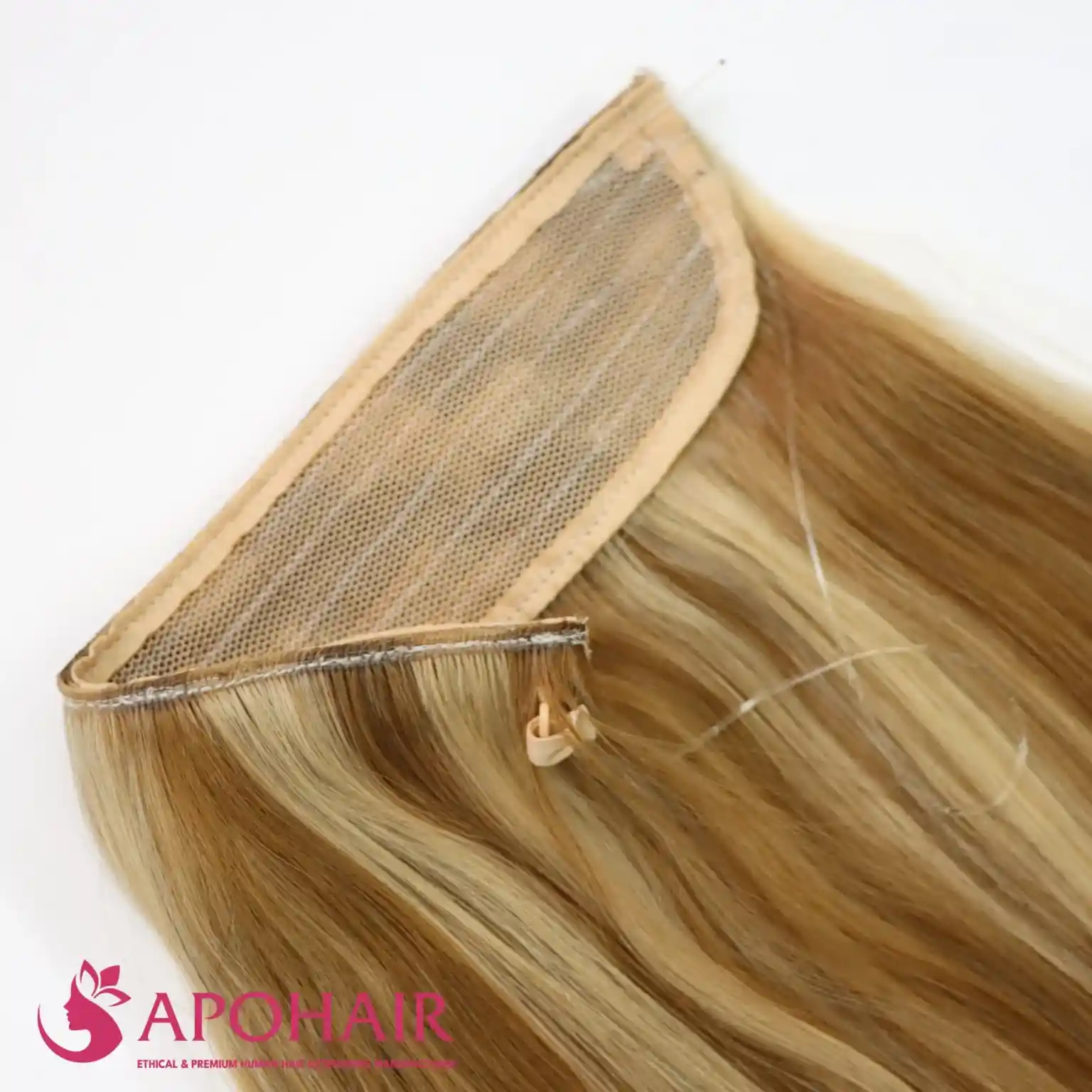
Halo extensions are generally the lowest-tension option because a wire carries the weft around your head instead of bonding it to your strands. They can still rub or feel heavy if the wire is the wrong size or the weft carries more hair than you need. Choose a lightweight halo, adjust it so it sits securely without pressing into the scalp, and remove it before sleeping, washing, or strenuous activity. If it causes a headache, tenderness, or repeated slipping, refit it rather than tightening it.
Do clip-in and ponytail extensions damage hair?
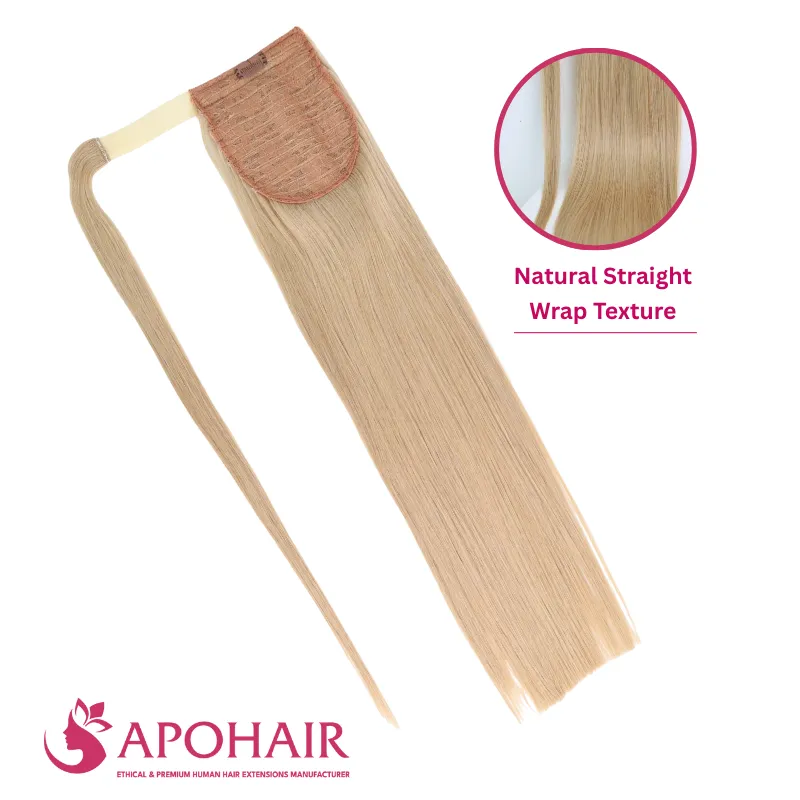
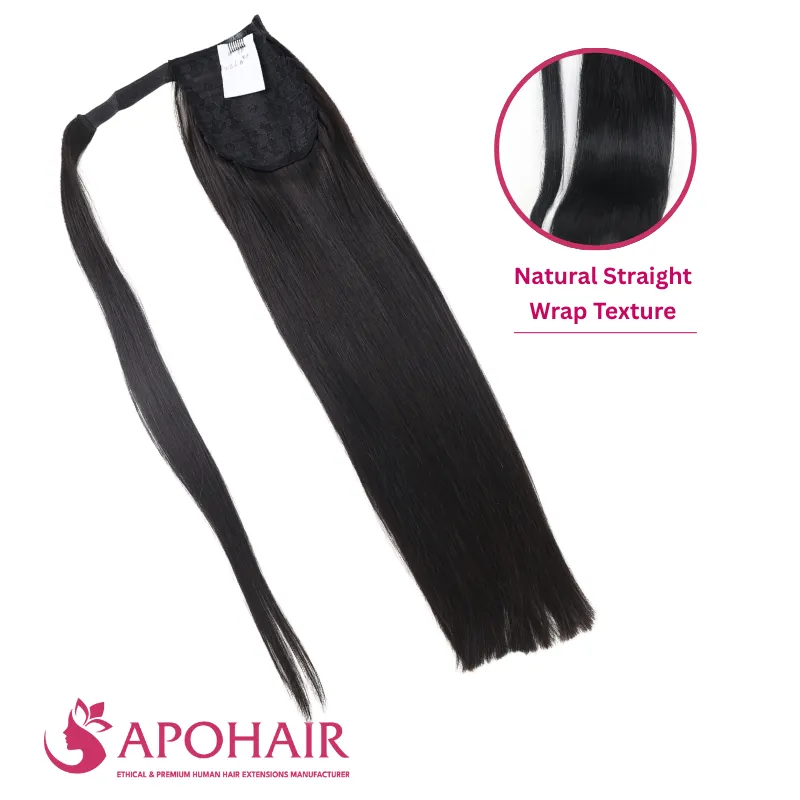
Clip-ins and ponytail pieces are temporary, but their clips, bands, or combs concentrate pressure in small areas. Damage is more likely when a piece is too heavy, attached to the same spot every day, slept in, or pulled out without opening every clip. Use enough natural hair to support each attachment, keep heavy pieces away from the fragile hairline, rotate placement, and remove them every night. If your hair is fine or already breaking, choose fewer, lighter wefts and save them for occasional wear.
Do tape-in extensions damage hair?
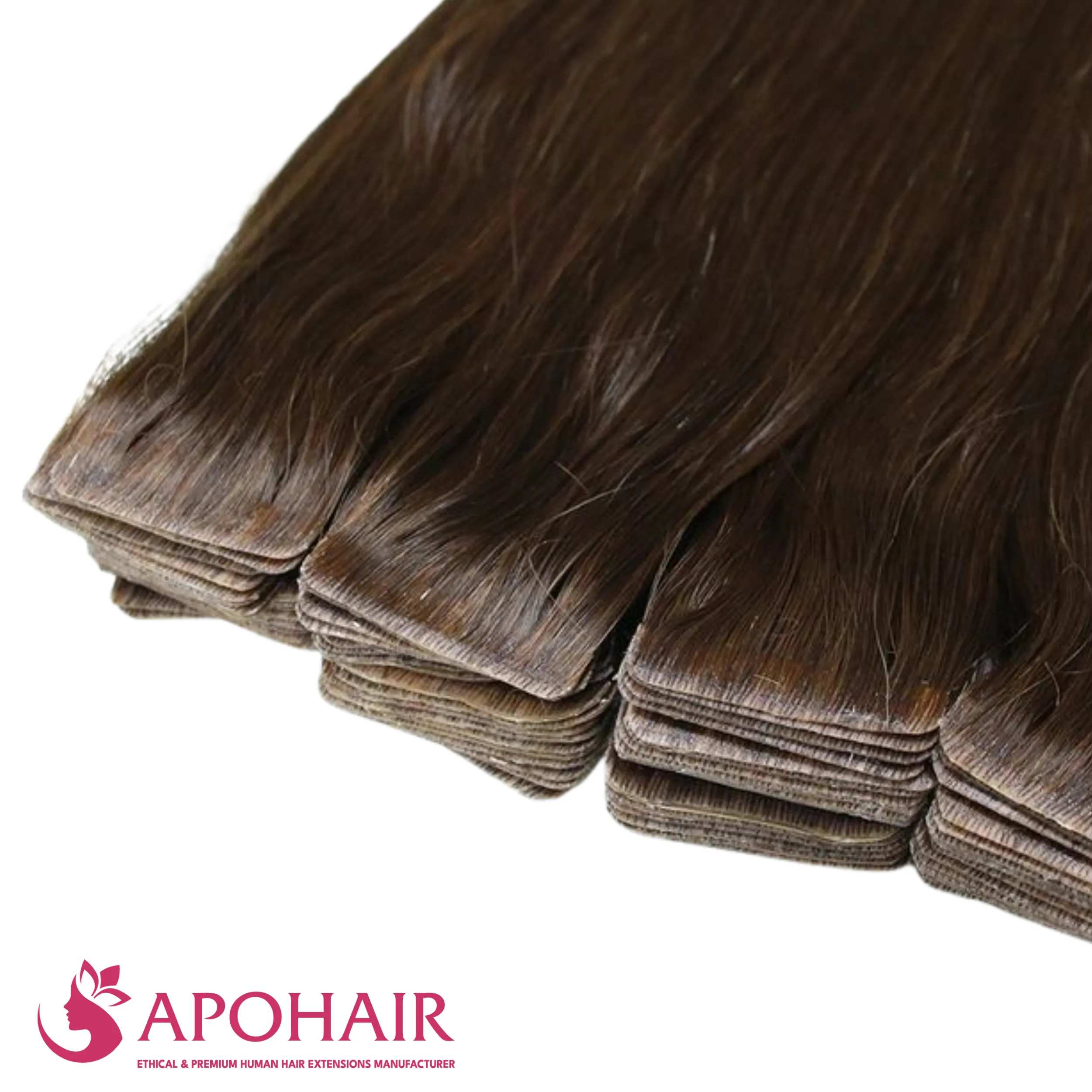
Tape-ins are often among the lower-risk semi-permanent methods because each flat panel spreads weight across a wider section of natural hair. The main problems come from tabs placed too close to the scalp, too little natural hair supporting the sandwich, overdue refits, matting, and DIY removal. Have a trained stylist fit and remove them with the correct release solution; never peel the tabs apart while they are still bonded to your hair. Fine hair may need smaller or lighter panels, and pain, slipping, or root matting calls for an earlier appointment.
Do micro-link, I-tip, or nano-ring extensions damage hair?
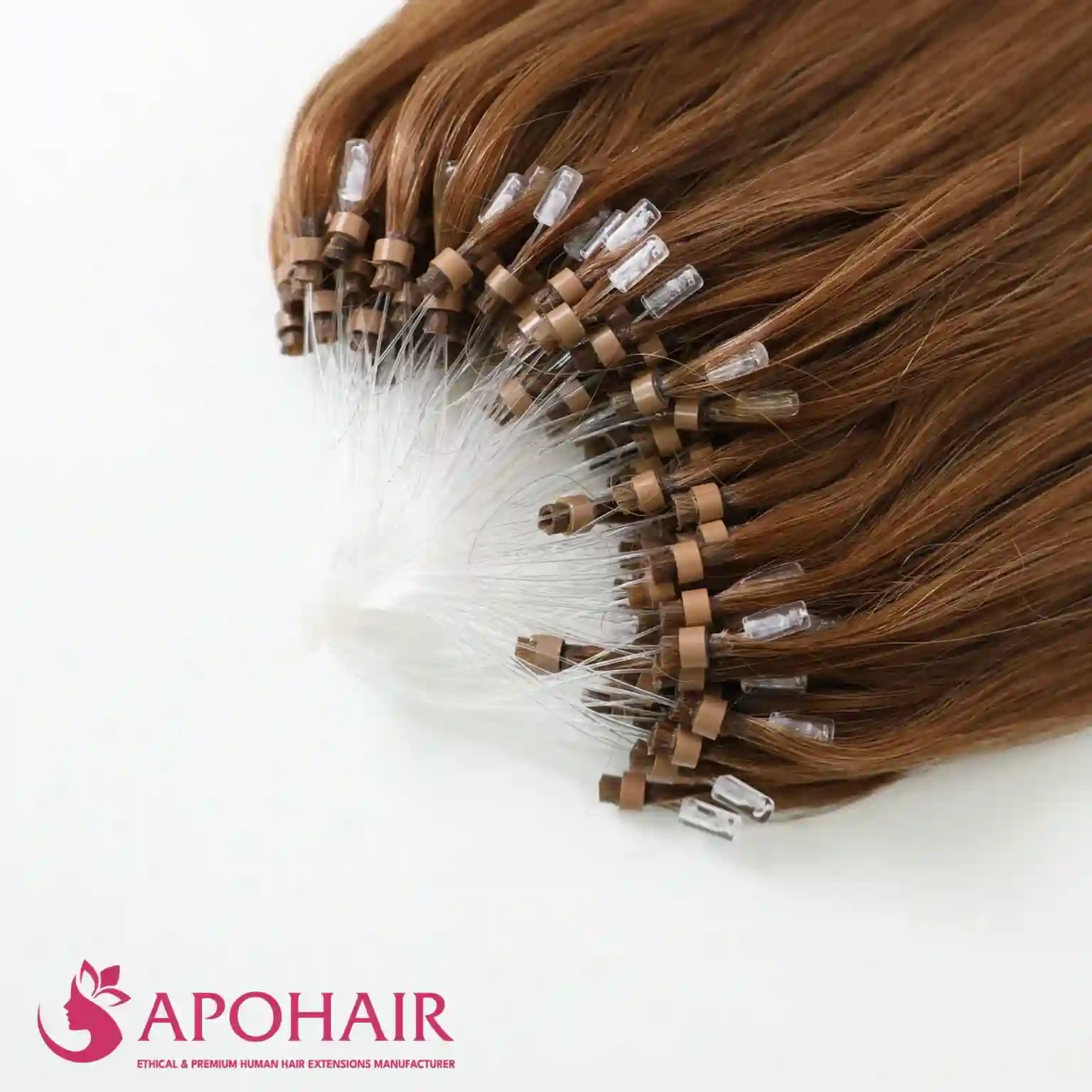
These methods avoid heat and adhesive, but that does not make them risk-free. Each bead grips a small cluster of natural hair, so the added weight and daily movement can twist or strain a concentrated area, especially on fine or thinning hair. The stylist should use sections strong enough to support each extension, leave comfortable movement at the root, and avoid clamping the bead too tightly. Have a bead adjusted if it hurts, rotates, pulls the scalp upward, or leaves short broken hairs around the attachment.
Do beaded-row or hand-tied weft extensions damage hair?
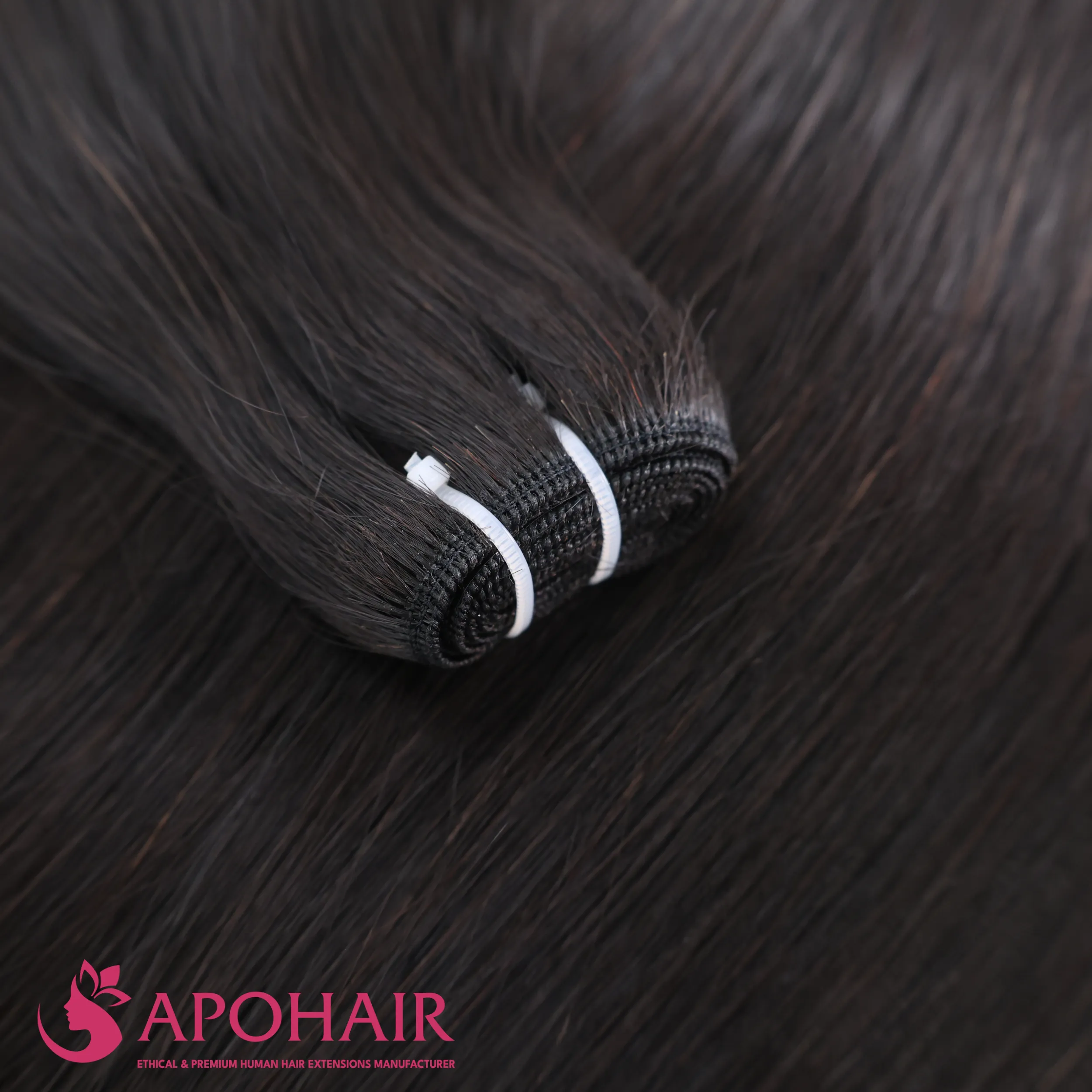
A beaded row spreads a long weft across the head, but the full row is still supported at a series of fixed bead points. A heavy weft, too few anchors, or an over-tight track can create focal tension and breakage. The label “hand-tied” does not automatically make a set gentle; the total weight and row construction still have to match your hair density. Ask for the lightest number of rows that meets your goal, keep rows away from weak edges, and attend move-ups before the track grows out and starts pulling at an angle.
Do sew-in or braided weaves damage hair?
Sew-ins can work well on strong, coarse, or textured hair, but the cornrow base and weft weight create steady tension at the roots. Risk rises when the braids are small or tight, bundles are long and heavy, the edges carry the track, or the natural hair is relaxed, thinning, or already fragile. The braids should feel comfortable from the day of installation. Choose lighter or shorter bundles, keep tension off the hairline, keep the scalp and braids clean and fully dry, and remove the style if you notice pain, stinging, crusting, bumps, or visible thinning.
Do keratin or fusion (K-tip) extensions damage hair?
K-tips attach individual strands with small keratin bonds. Their risk comes from concentrated weight, heat during hot-fusion application, bonds placed too close to the scalp, and removal before the keratin is fully softened. They are better suited to healthy hair with enough density to support each bond and should be installed and removed by an experienced professional. Keep styling tools off the bonds, do not pick or slide them as they grow out, and never pull them free. A lighter strand or a different method may be safer for fine or compromised hair.
Do glue-in or bonded-weft extensions damage hair?
Glue-in wefts carry the highest relative risk in this comparison because adhesive sits on or very close to natural hair, and peeling or rushed solvent removal can strip, snap, or pull out strands. Adhesive can also irritate a sensitive scalp. This is not a first choice for thin, chemically processed, or already damaged hair. If the method is used, have a qualified stylist keep adhesive off the scalp, use the product-specific remover, and separate the weft without force. Burning, swelling, oozing, or persistent itching needs prompt professional attention.
The bottom line: daily-removable halos and lightweight clip-ins usually carry the least risk, while well-fitted tape-ins are often among the gentlest semi-permanent choices. More permanent does not automatically mean more damaging, but small attachment points, glue, heat, and tight braided or beaded rows leave less room for error. Whatever the method, pain, headache, stinging, crusting, or visible thinning means the tension should be loosened or the extensions removed. The American Academy of Dermatology advises changing a style immediately when it causes pain or scalp irritation. See a board-certified dermatologist if hair loss or scalp symptoms persist.
How to wear hair extensions without damaging your hair?
You can wear extensions for years with healthy hair underneath if you control the few things that matter. Focus on the method and weight you choose, who applies and removes the set, your aftercare between appointments, the breaks you give your hair, and how well you maintain it. Get those right and the risk stays much lower.
Choose the right method and weight for your hair
When choosing hair extensions, it’s important to consider the type and thickness of your natural hair. If you have fine or thin hair, look for lightweight and gentle options, as heavy extensions or tight bonds can lead to breakage. Using high-quality human hair, like Remy hair, is beneficial because it is designed to be less tangled and easier on your scalp. Lighter extensions also help distribute the weight more evenly, which is better for your hair’s health.
We make our extensions factory-direct as 100% Vietnamese Human Hair, cuticle-aligned and weighted for professional use. We always recommend ordering a sample first. This way, you can feel the weight and texture of the extensions compared to your own hair before making a decision.
Use a professional for application and removal
Have a trained stylist apply and remove your extensions. The most serious damage occurs during rushed application or DIY removal, so this single choice prevents many problems. A pro applies even tension across the set so no single section carries too much load, and loosens the bonds properly with the right product when it is time to take them out. Never pull tape or keratin bonds out at home, no matter how loose they feel.
Follow a gentle aftercare routine
Treat extensions gently between appointments. Wash 2 to 3 times a week with a sulfate-free shampoo, brush from the ends up with a loop brush, and never sleep on wet hair. Protecting your edges and baby hairs deserves its own attention, since the hairline is where thinning shows first. Keep heated tools off the baby hairs, reach for water-based products near the hairline, and sleep on silk or satin so your strands glide rather than snag overnight.
Bedtime is where aftercare slips most often, and what helps depends on the method: tape-ins need dry hair, keratin bonds need gentle handling, and clip-ins always come out before sleep. How to sleep with hair extensions sets out a five-step bedtime routine and what each extension type needs overnight.
Give your hair regular breaks
Give your hair a rest between wear cycles. The American Academy of Dermatology recommends wearing weaves or extensions for no more than 2 to 3 months at a time, then taking a break before the next set. Those breaks let the scalp and follicles recover from the steady load of a bonded or sewn-in method. If you notice extra shedding when a set comes out, take a longer break before going again.
Keep up with maintenance
Book your move-up on schedule, usually every 6 to 8 weeks, so grown-out extensions do not tug, tangle, or mat at the roots. As your own hair grows past the bond, the attachment shifts away from the scalp and starts pulling at an angle it was not meant to, and that drift is what turns a comfortable set into a damaging one. Staying on top of the maintenance cycle keeps the tension where it belongs and your natural hair where it belongs.

Signs your extensions are damaging your hair
Catch trouble early by watching for the signs that extensions are stressing your hair. Ongoing scalp tenderness, breakage at the attachment points, and thinning along your hairline are the clearest red flags, and each one has a simple response.
- Scalp pain or tenderness: soreness that lasts beyond the first day means a set is too tight, so have it loosened or removed.
- Breakage at the bonds: short, snapped strands near the attachment points signal too much weight or friction, and a lighter method may suit you better.
- A thinning or receding hairline: any visible thinning at the temples or edges is a cue to take a break and see a professional.
- Increased shedding: more strands than usual coming loose when you brush points to tension, so ease off the wear time.
- Tangling and matting at the roots: this usually means you are overdue for a move-up, so book one.
- Itchy or slipping bonds: irritation or bonds that shift can flag an adhesive reaction or a loose fit, both worth a stylist’s eyes.
If you spot any of these, act sooner rather than later, since early action is the difference between a quick recovery and a lasting problem. The questions below cover the worries we hear most about extensions and hair health.
Frequently Asked Questions
Do hair extensions cause hair loss?
They can, mainly through traction alopecia, when extensions are too tight, too heavy, or worn too long. Fitted lightly by a professional and given regular breaks, they should not cause hair loss. The tension is the problem, not the extensions themselves.
What is the least damaging hair extension method?
Clip-ins and halos, because they come off daily and never bond to your hair. Among semi-permanent types, lightweight tape-ins and hand-tied wefts fitted by a pro are lower-tension options because they distribute weight rather than concentrate it.
Are hair extensions safe for thin or fine hair?
Yes, with the right choice. Lightweight, low-tension methods like clip-ins, halos, and fine tape-ins suit fine hair, especially when done by a stylist experienced with it. Avoid heavy or tight methods that fragile hair cannot handle.
Do hair extensions hurt?
They should not. A fresh set may feel secure, but pain, headaches, or lasting soreness mean the extensions are too tight and should be loosened, since that level of tension can damage follicles over time.
How long can you safely wear hair extensions?
Most semi-permanent extensions need a move-up every 6 to 8 weeks. Dermatologists suggest wearing them no more than 2 to 3 months at a time before giving your hair a break, which lets the scalp and follicles recover.
Are clip-in extensions safe?
Yes, they are among the safest, because you remove them daily. The only real risks are clipping them too tight or overloading fine hair with too much weight, so vary where you place them and never sleep in them.
Conclusion
Extensions do not ruin your hair when the method, weight, application, removal, and care routine all fit your natural hair. The risk is real, but most of it is manageable when you respond to pain early, keep up with maintenance, and give your scalp breaks. Hair quality matters too. If you source hair for a salon or wholesale business, APOHAIR, a human hair factory in Vietnam, supplies factory-direct 100% Vietnamese Human Hair, Remy and cuticle-aligned, so the extension hair tangles less and pulls less from the first wear.
Stocking lower-tension sets: Most extension damage comes from weight and tension, so a salon or reseller can build its range around lighter attachment methods, and these three APOHAIR categories split that range by format.
Extensions: The remy human hair weave wholesale range lists tape-in, keratin tip, clip-in, weft, and ponytail formats, which includes the clip-in and tape-in methods compared above as lower-risk choices.
Bundles: Human hair bundles wholesale are sold at about 100 grams each, so a buyer can match the bundle count to the lighter weights that suit fine or fragile natural hair.
Bulk hair: Bulk human hair wholesale is loose, unwefted hair in lengths from 10 to 30 inches and in single drawn, double drawn, and super double drawn grades, which lets a workroom control the density and weight of each custom piece, with orders from 200g per product type.
APOHAIR — ETHICAL & PREMIUM HUMAN HAIR EXTENSIONS AND WIGS MANUFACTURER
- Address: Building 3A, Lane 82 Duy Tan, Cau Giay, Hanoi, Vietnam
- Factory: (Old) Yen Luong Village, Y Yen District, Nam Dinh Province, Vietnam; (New) Minh Luong Hamlet, Van Thang Commune, Ninh Binh Province, Vietnam
- WhatsApp: +84 862 132 366
- Email: [email protected]
- Website: https://apohair.com/
