









What Is a Hair Texture Chart? Understanding All Different Hair Types
A hair texture chart classifies hair strands by their physical diameter into three groups: fine, medium, and coarse. This chart is separate from a hair type chart, which classifies curl pattern using the Type 1 to 4 system. Hair texture (strand diameter) and hair type (curl pattern) are two independent systems. A person with Type 4C coily hair can have fine strand texture, and a person with Type 1B straight hair can have coarse strands. APOHAIR’s hair textures chart covers straight, wavy, and curly extensions and wigs, all made from 100% single-donor Vietnamese human hair with cuticle-aligned construction, factory-direct pricing 30 to 40% below retail, and a 7-day replacement warranty.
This article breaks down the three hair textures, all four curl types with their subtypes, and how to test your hair texture at home. You will also find APOHAIR’s full texture chart for matching extensions and wigs to your natural hair.

What Is A Hair Texture Chart?
A hair texture chart is a visual reference tool that classifies hair strands by their physical diameter into three categories: fine, medium, and coarse (thick). It is separate from a hair type chart, which classifies curl pattern. Both charts together give a complete picture of how your hair looks, behaves, and responds to products. Many people confuse the two, but they measure different things.
A hair texture chart measures the physical diameter of a single strand, not curl pattern, hair volume, or how hair feels after styling. Strand diameter determines how much structural mass each hair fiber carries. Finer strands flatten under product weight faster, while coarser strands resist bending and hold styles longer.

Three Different Hair Textures
The three hair textures, fine, medium, and coarse, describe the physical diameter of one strand of hair. Any curl type from straight to coily can fall into any of these three categories. Most people carry more than one texture across different zones of their scalp, so testing multiple areas gives the most accurate reading.

Fine Hair Texture
Fine hair texture has the smallest strand diameter of the three categories. Individual strands feel nearly undetectable between the fingertips and are visibly thinner than a sewing thread. Fine hair is the most fragile texture, the most prone to breakage and flattening, and the most easily overwhelmed by heavy products.
Fine strands have a smaller cortex, the middle layer that gives hair its strength and elasticity. Each strand carries less structural mass and breaks more easily under tension or product weight. Oil and product accumulation on the shaft causes fine hair to collapse against the scalp faster than thicker textures under the same conditions. Fine hair performs best with pea-sized amounts of lightweight product applied at the roots. Starting small and building up gradually prevents the buildup and greasiness that flatten fine strands.

Medium Hair Texture
Medium hair texture is the most common strand diameter globally. Strands are clearly felt between the fingertips without roughness, matching the width of a standard sewing thread. Medium hair is versatile enough to hold a range of styles without needing special volume support or extra moisture.
Medium hair is labeled “normal” on product packaging because its balanced strand diameter makes it the most prevalent texture worldwide. Formulas designed for medium hair work reliably across the broadest range of users. Medium strands have a larger cortex cross-section than fine strands, giving each fiber enough mass to resist flattening under product weight and hold curl or style definition longer without external support.

Coarse (Thick) Hair Texture
Coarse hair texture, also called thick hair, has the widest strand diameter of the three categories. Individual strands feel visibly strong and rough between the fingertips, wider than a sewing thread. Coarse hair is the most resilient texture for heat and chemical treatments, but its larger surface area makes it the most prone to dryness.
Note: “coarse” describes the diameter of a single strand, while “thick” commonly refers to hair density, the number of strands per square centimeter of scalp. A person can have coarse individual strands with low overall density, or fine strands with high density. Coarse strands have a larger surface area and a denser cuticle layer, which slows natural scalp oils from traveling down the hair shaft, leaving mid-lengths and ends under-moisturized. Coarse hair withstands higher heat settings and chemical processing better than fine or medium hair because its wider cortex resists structural breakdown at temperatures that would damage thinner strands.

Hair Texture vs. Hair Type: What Is the Difference?
Hair texture refers to the diameter of a single strand, classified as fine, medium, or coarse. Hair type refers to your curl pattern: straight, wavy, curly, or coily. The two are independent. A person can have Type 4C coily hair with fine strand texture, or Type 1B straight hair with coarse strands. Hair texture measures the physical diameter of one strand, not how hair feels after applying products or how much hair covers the scalp.
Choosing products based on curl type alone, without accounting for strand thickness, often results in fine-textured hair weighed down by heavy creams intended for coarse strands. Knowing both curl type and strand thickness allows you to match the right product weight, heat tolerance, and extension specifications to your actual hair structure. This two-factor approach gives you a reliable framework for product selection, styling technique, and extension matching.

The Andre Walker Hair Typing System
The Andre Walker Hair Typing System classifies all hair into 4 types: straight (1), wavy (2), curly (3), and coily (4). Each type is divided into subtypes A, B, and C that reflect how loose or tight the pattern is within that family. Subtype A represents the loosest pattern within a type, subtype B falls in the middle range, and subtype C describes the tightest or most defined version of that curl family. Follicle shape varies slightly across different scalp zones, so you may have looser curls at the temples and tighter coils at the nape, producing two distinct subtypes on one head.
Type 1 — Straight Hair
Type 1 straight hair has no visible wave or curl from root to tip. It reflects light easily, giving it a naturally glossy appearance. Straight hair is the most prone to oil buildup because scalp sebum travels down straight strands faster than any other hair type. Here are the three subtypes:
- Type 1A is ultra-fine and pin-straight with no body, the rarest subtype in the straight family.
- Type 1B has slightly more volume and medium texture, and can hold a curl briefly before it drops.
- Type 1C is the coarsest straight subtype, with soft bends near the ends and added fullness.
Round hair follicles produce straight strands with a symmetrical cortex structure. This symmetry resists the bending force needed to hold a curl without chemical or heat intervention. That’s why Type 1 hair often requires styling products or thermal tools to create lasting waves or curls.

Type 2 — Wavy Hair
Type 2 wavy hair forms S-shaped bends that sit between straight and curly. Not flat enough to be Type 1, not springy enough to be Type 3. Wavy hair has natural body and movement but is the most frizz-prone pattern in humid conditions. Here are the three subtypes:
- Type 2A has loose, fine waves that start mid-shaft and respond well to both straightening and curling tools.
- Type 2B has more defined S-shapes with medium texture, and tends to frizz in damp weather.
- Type 2C features strong waves from root to tip with the thickest strands in the wavy family.
Wavy strands grow from a partially oval follicle shape that creates natural bends. Those bends allow moisture from the air to disrupt the pattern more easily than a flat, straight strand. Lightweight frizz-control products and gentle drying techniques help wavy hair maintain definition throughout the day.

Type 3 — Curly Hair
Type 3 curly hair grows in defined spirals or ringlets that range from loose loops (3A) to tight corkscrews (3C). Curly hair dries out faster than straight or wavy types because natural scalp oils move slowly along curved strands, leaving mid-lengths and ends under-moisturized. Here are the three subtypes:
- Type 3A curls are about as wide as a thick marker, with shine and natural bounce.
- Type 3B ringlets match the diameter of a standard Sharpie, with tighter definition and more volume.
- Type 3C corkscrews are as tight as a drinking straw, with the most shrinkage in the Type 3 family.
Curly strands grow in a spiral path, so the actual length of the strand is longer than it appears when dry. The tighter the curl, the greater the difference between stretched length and natural resting length. The American Academy of Dermatology recommends air-drying curly hair instead of blow-drying, and detangling with fingertips rather than combs, to minimize frizz and reduce mechanical breakage.

Type 4 — Coily Hair
Type 4 coily hair forms tight S-coils (4A), sharp Z-shaped bends (4B), or densely packed micro-coils (4C) with up to 75% shrinkage. This is the highest shrinkage of any hair type. Coily hair is the most delicate curl pattern and requires consistent moisture to prevent breakage. Here are the three subtypes:
- Type 4A has visible S-shaped coils with clear definition and a springy, soft texture.
- Type 4B has angular Z-bends with softer definition, requiring rich hydration to show length.
- Type 4C has the tightest coils with minimal visible pattern and the most shrinkage of any subtype.
In coily strands, the tight bends slow or stop natural oils from traveling past the first few centimeters from the scalp. The rest of the strand stays dry and prone to breakage without layered moisture. Type 4C hair can shrink up to 75% of its actual length when dry. A strand that is 12 inches (30.48 cm) stretched may appear only 3 inches (7.62 cm) at rest.

How to Identify Your Hair Type at Home?
Identifying your hair type at home requires one wash and a full air-dry with no product applied. The pattern your strands form once completely dry, with no gel, oil, or heat, is your true curl type. Strand thickness is confirmed separately using the thread test. Follow these steps:
- Wash hair with shampoo only, skip conditioner to avoid altering your natural pattern.
- Let it air-dry fully with no diffuser, towel-scrunching, or touching.
- Observe the natural pattern across three scalp zones: hairline, crown, and nape.
Pull one clean, dry strand and roll it between your thumb and index finger. Fine hair is barely detectable. Medium hair is felt clearly without roughness. Coarse hair feels thick or wiry. Keep in mind that hormonal changes from pregnancy or thyroid conditions, long-term heat damage, and chemical processing can all temporarily loosen or alter natural curl tightness without permanently changing the underlying follicle shape.

APOHAIR Hair Textures Chart for Extensions and Wigs
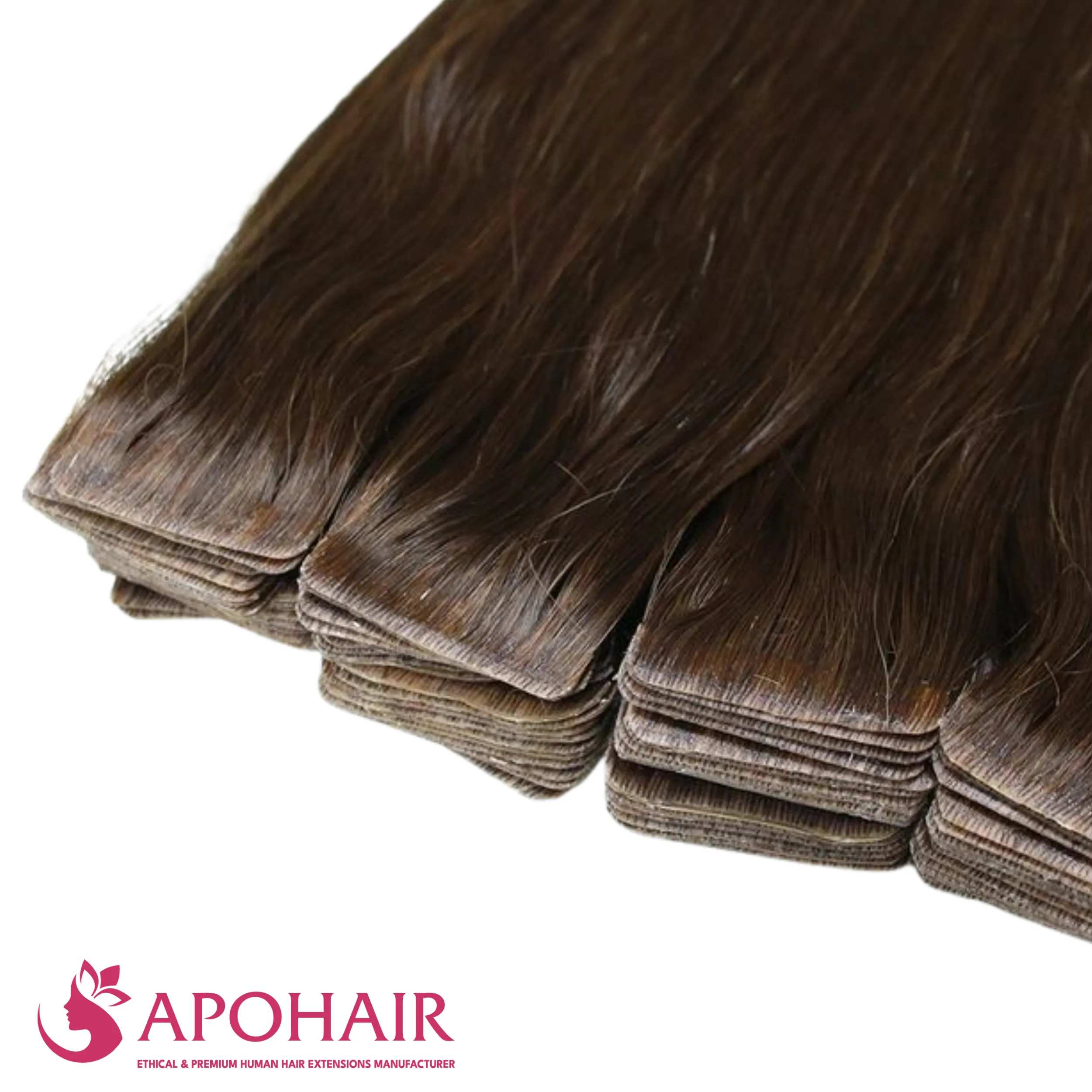
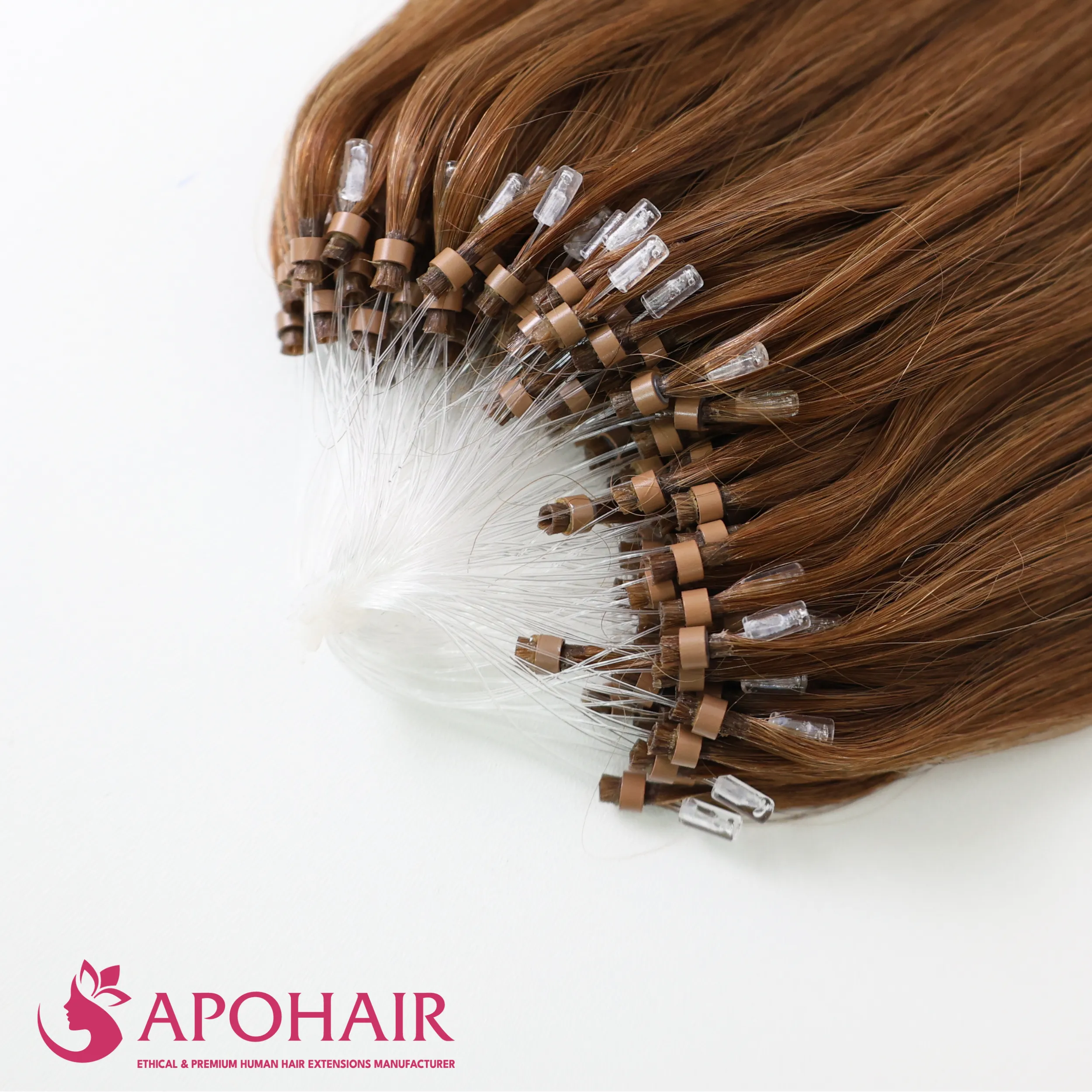
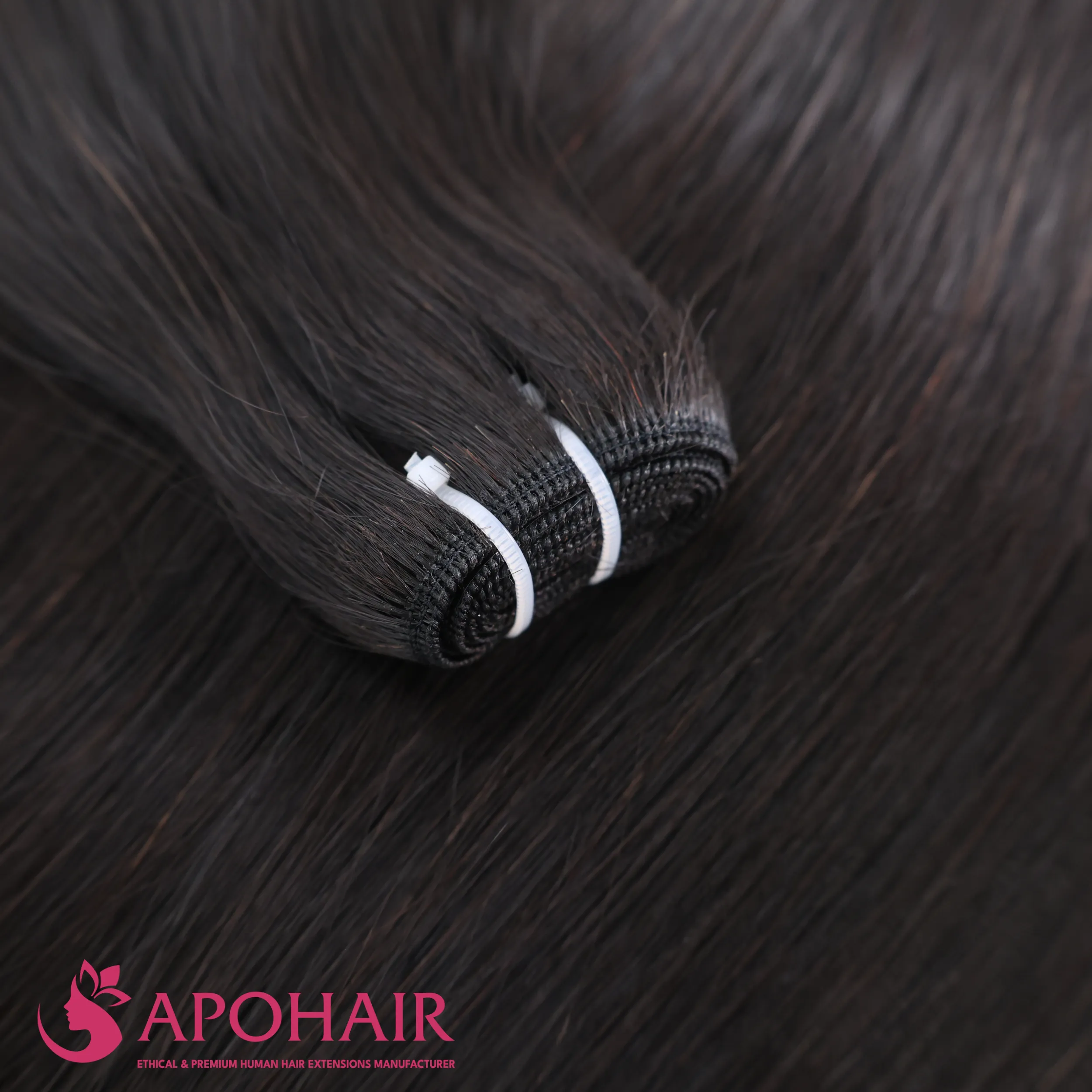
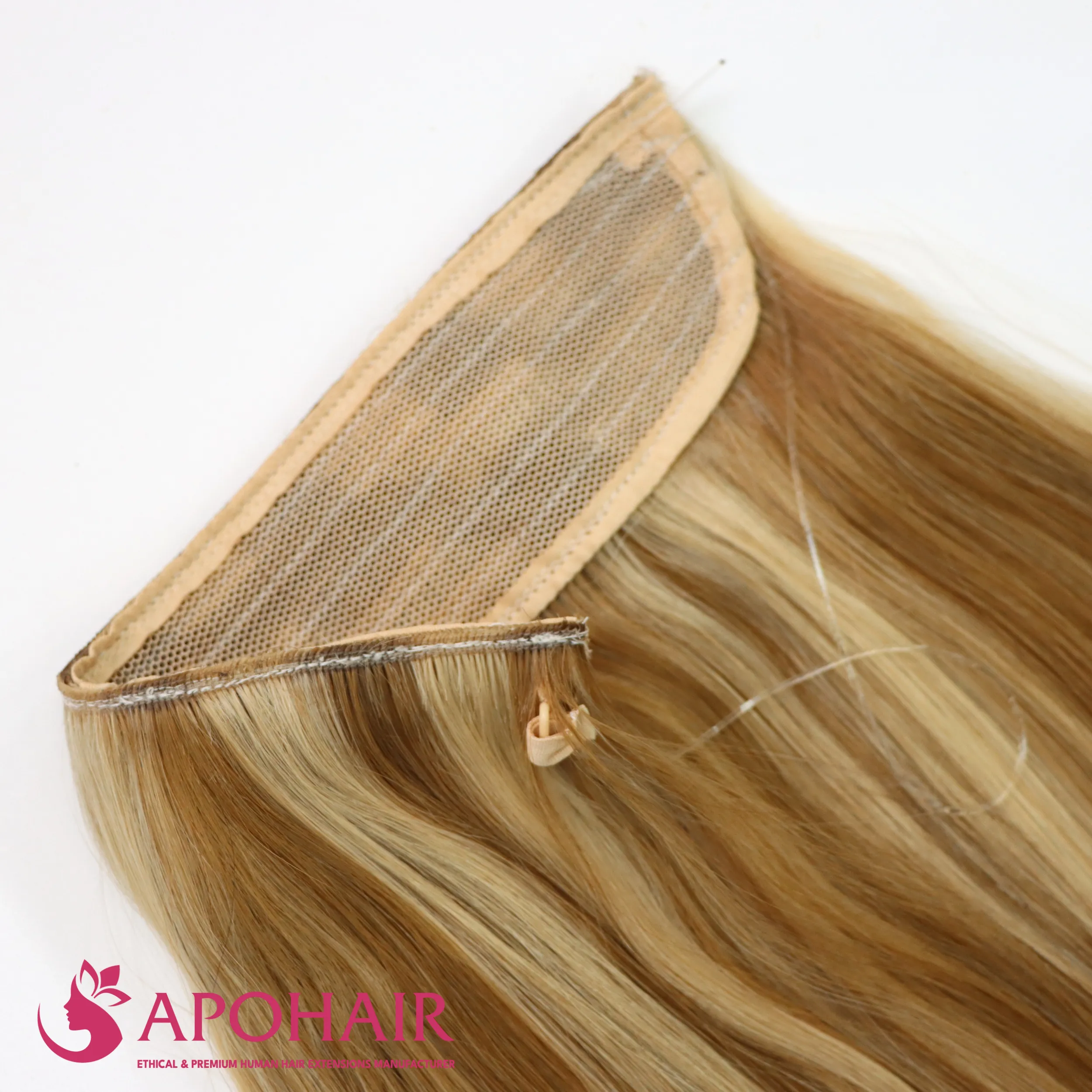
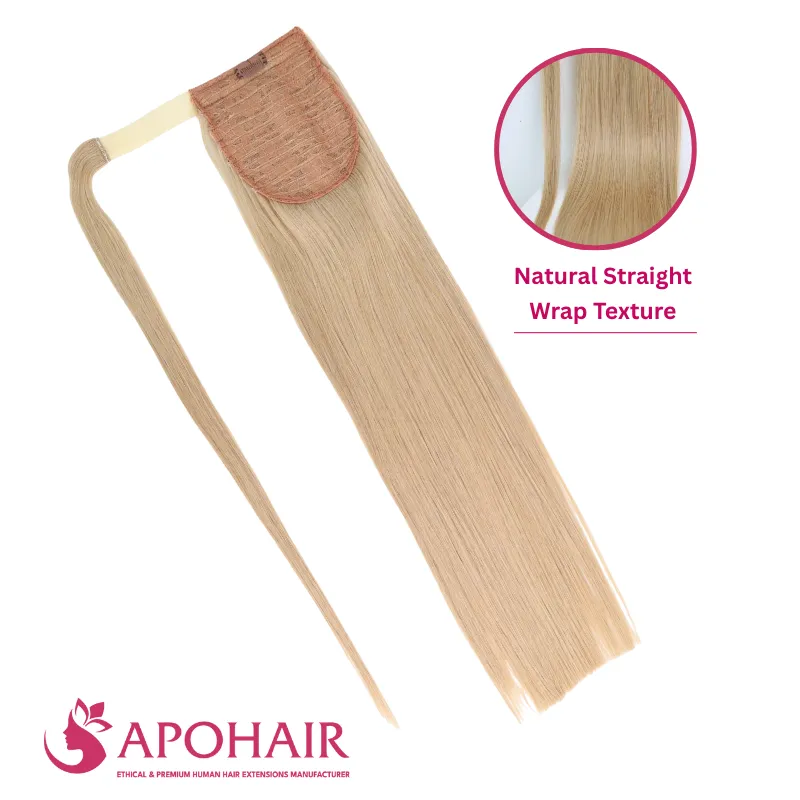
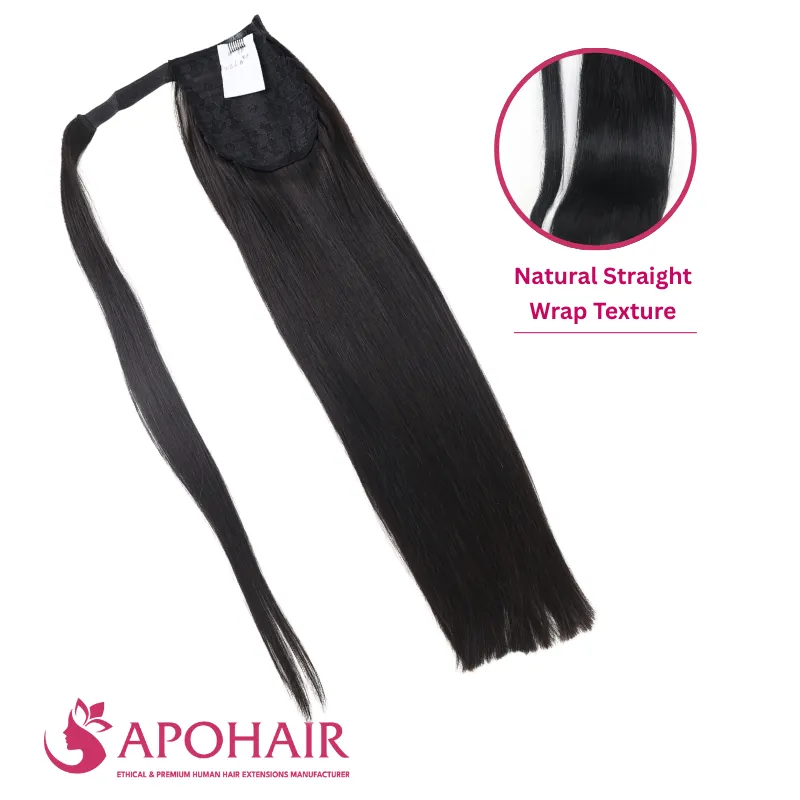
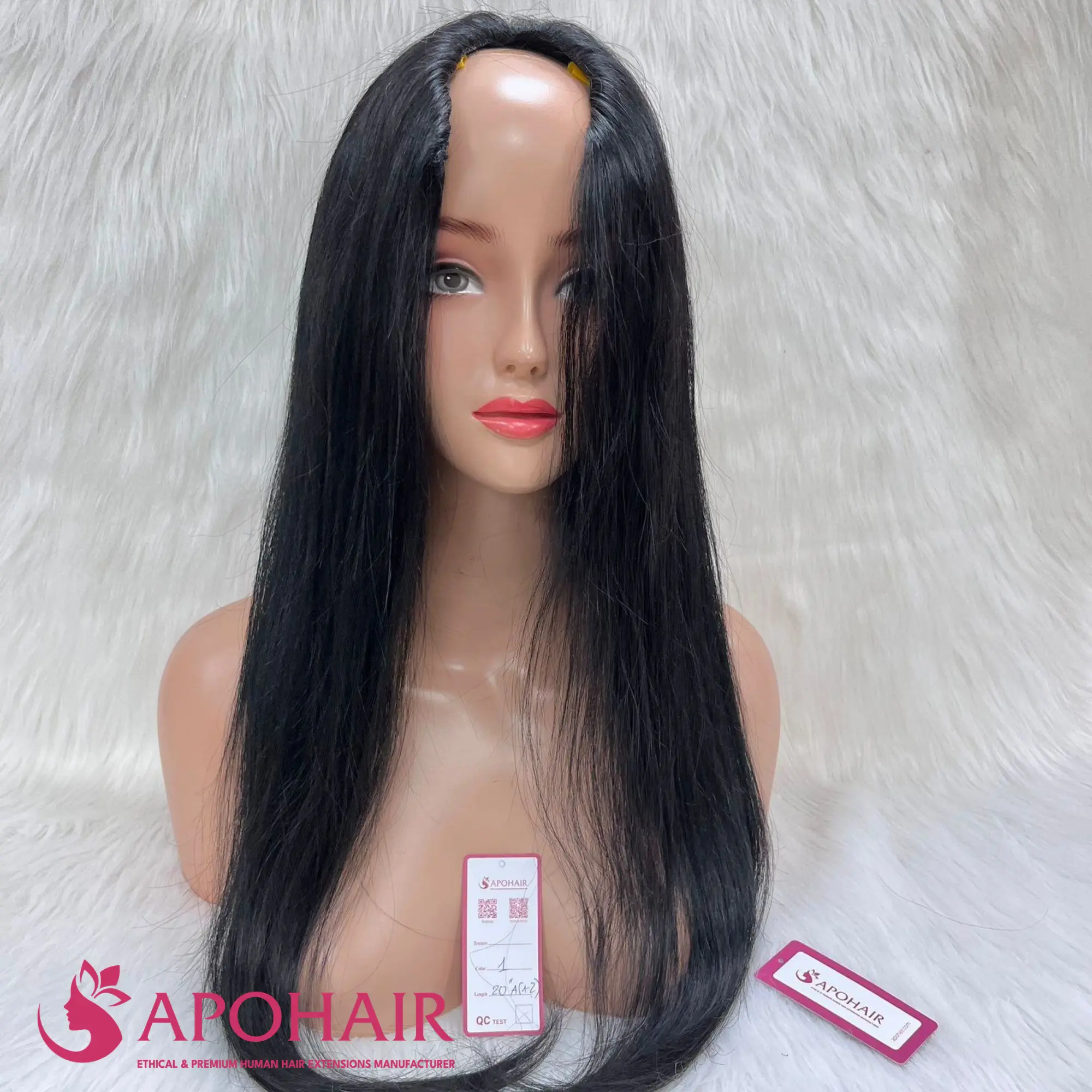
You can change your hair’s look with extensions and wigs that match or complement your natural texture. APOHAIR’s hair textures chart covers 3 hair types across its extensions and wigs: straight, wavy, and curly. For each type, 12 subtypes are listed in the chart below.
APOHAIR offers factory-direct human hair products backed by two decades of manufacturing and ethical sourcing. Here is what sets the brand apart:
- 100% Vietnamese Human Hair: Single-donor collection for consistent texture and color. Accepts dye better than Indian or Chinese hair due to its intact cuticle layer.
- Cuticle-Aligned Technology: All cuticles face the same direction, which eliminates tangling and matting during daily wear.
- Ethical Sourcing: Direct collector network in Vietnamese villages with fair compensation verified at every step.
- Factory-Direct Pricing: No middlemen. Wholesale rates run 30 to 40% below the retail market.
- 15+ Year Track Record: 700+ well-trained, skilled workers and 100+ sales staff producing and distributing hair globally.
- State-of-the-Art Manufacturing: A 33,000 m² (355,209 sq ft) factory in Ninh Binh Province, Vietnam, with modern production lines.
- Global Distribution: Ships to the US, UK, EU, Australia, Africa, and Asia within 24 hours of order confirmation.
- Quality Guarantee: 7-day warranty with a free replacement policy on all products.
APOHAIR transforms authentic Vietnamese hair into premium extensions trusted by salon owners and wholesalers worldwide. Our commitment: global leader in the hair industry through ethical practices, manufacturing excellence, and customer success.
Ready to find the right texture for your clients or your own collection? Contact APOHAIR for wholesale pricing and free texture samples.
APOHAIR ETHICAL & PREMIUM HUMAN HAIR EXTENSIONS MANUFACTURER
- Address: Building 3A, Lane 82 Duy Tan, Cau Giay, Hanoi, Vietnam
- Factory: Minh Luong, Yen Luong Ward, Ninh Binh, Vietnam
- Phone number: (+84) 862 132 366
- Email: [email protected]
FAQs Related to Hair Texture Chart
Does hair texture change with age?
Yes, hair texture can change with age. Strand diameter tends to decrease over time as follicle activity slows, meaning hair that was medium or coarse in youth can gradually become finer. Hormonal shifts, nutritional deficiencies, and certain medications can also reduce strand thickness without affecting curl pattern.
What is the difference between hair texture and hair porosity?
Hair texture measures the physical diameter of a single strand (fine, medium, or coarse), while hair porosity measures how well the strand absorbs and retains moisture. A person can have fine texture with high porosity, or coarse texture with low porosity. The two dimensions are independent, and both affect product selection.
How to choose the right hair extension texture matching with your real hair?
Match your extension texture to your natural hair when it is washed and air-dried. Focus on curl pattern, density, and strand thickness. Choose straight for sleek hair, wavy (like body wave) for natural movement, and curly or coily for consistent tight patterns. Prioritize 100% human hair to make sure it blends with your natural strands.
Outro
A hair texture chart classifies strand diameter into fine, medium, and coarse. A hair type chart classifies curl pattern into Types 1 through 4. The two systems are independent, and knowing both gives you the most accurate foundation for product selection, heat settings, and extension matching. Test your texture with the thread method on clean, dry hair. Test your curl type by air-drying without product across three scalp zones. APOHAIR’s texture chart pairs these results with 100% Vietnamese human hair extensions and wigs, so every salon owner, distributor, or stylist finds the right match for their clients.
APOHAIR ETHICAL & PREMIUM HUMAN HAIR EXTENSIONS MANUFACTURER
- Address: Building 3A, Lane 82 Duy Tan, Cau Giay, Hanoi, Vietnam
- Factory: Minh Luong, Yen Luong Ward, Ninh Binh, Vietnam
- Phone number: (+84) 862 132 366
- Email: [email protected]
