







How to Dye A Human Hair Wig at Home: Complete Step-by-Step Guide
Human hair wigs accept dye like natural hair, though success depends on quality and preparation. Your wig requires 5 preparation steps before coloring to prevent damage. The dyeing process follows 7 sequential steps: prepare, mix color, apply, monitor, rinse, condition, and style. Going darker remains the safest approach, while lightening requires bleaching that may stress hair fibers. Cool water rinses, avoiding sun exposure, and sulfate-free products will help your new color last for weeks. The most frequent mistakes include uneven color from poor saturation and dryness from over-processing the hair.
This guide walks you through each step with professional-level detail, from gathering materials to maintaining vibrancy. You will learn specialized techniques for ombre, highlights, and balayage. The troubleshooting section addresses common problems so you can color with confidence.

Can You Dye a Human Hair Wig?
Yes, 100% human hair wigs accept standard hair coloring products designed for natural hair. Success depends on three factors: hair processing level, current color, and dye type selection. Human hair accepts dye because its protein structure contains a cuticle layer with natural porosity that allows molecules to penetrate. Synthetic wigs require fabric dye and different processes—this guide focuses on human hair wigs only.
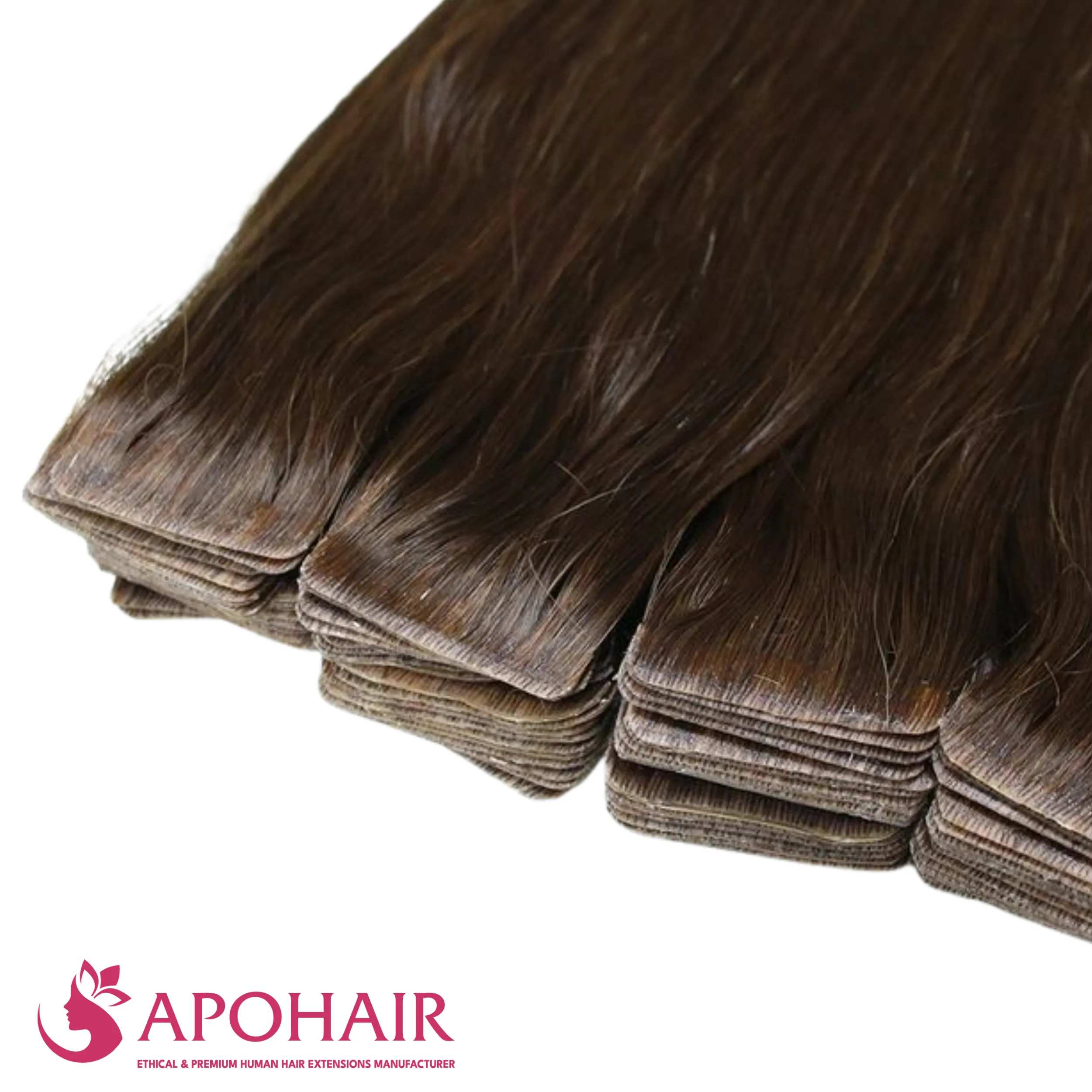
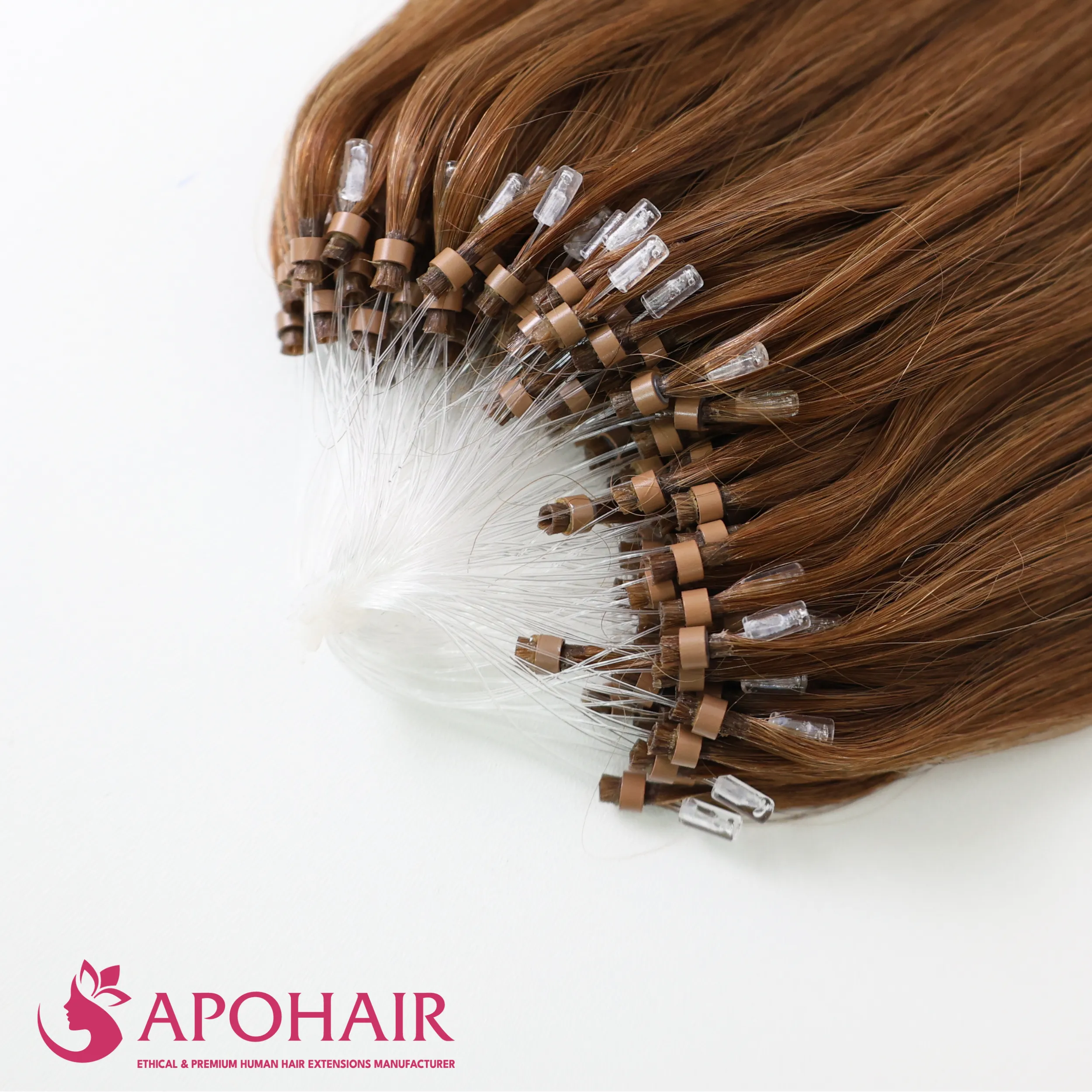
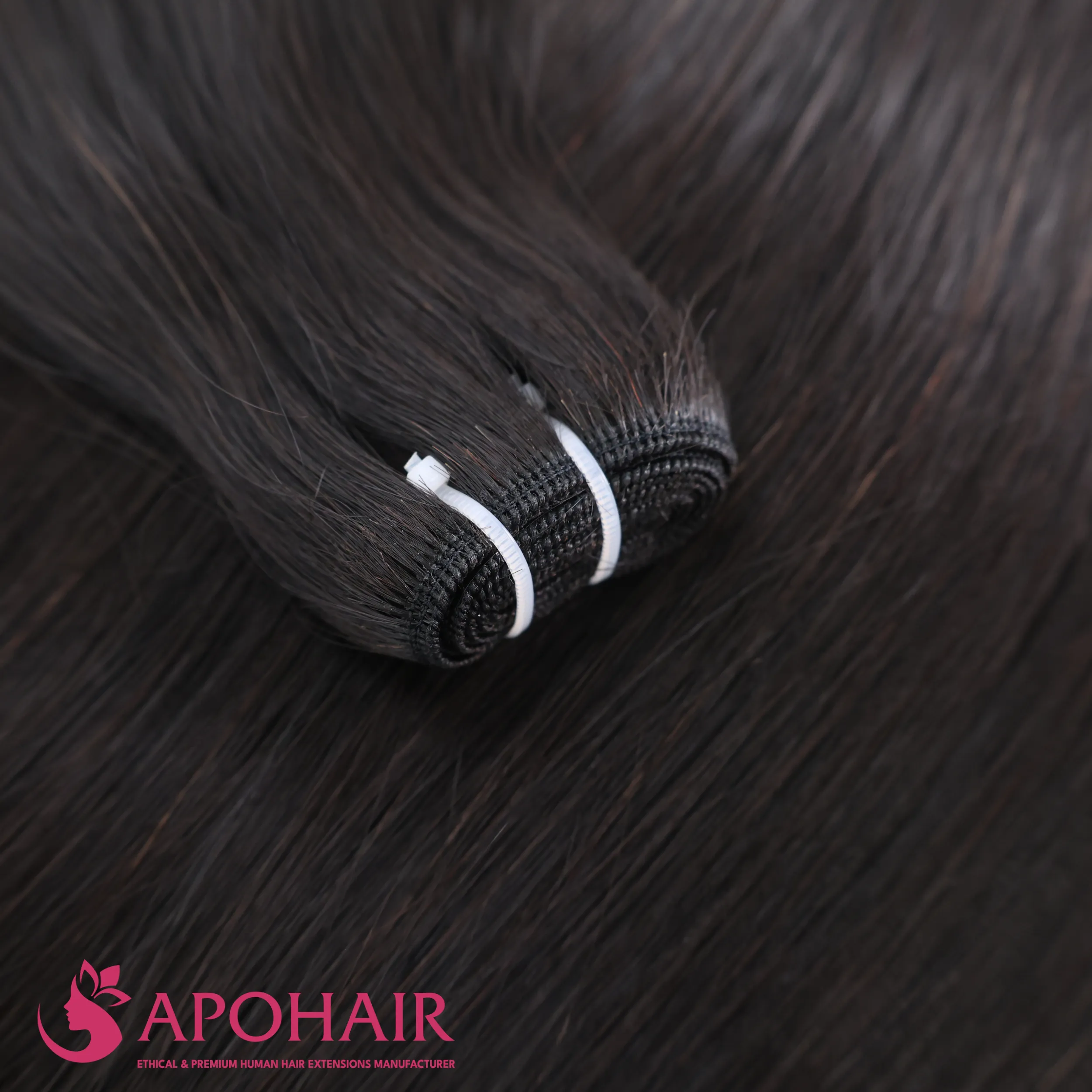
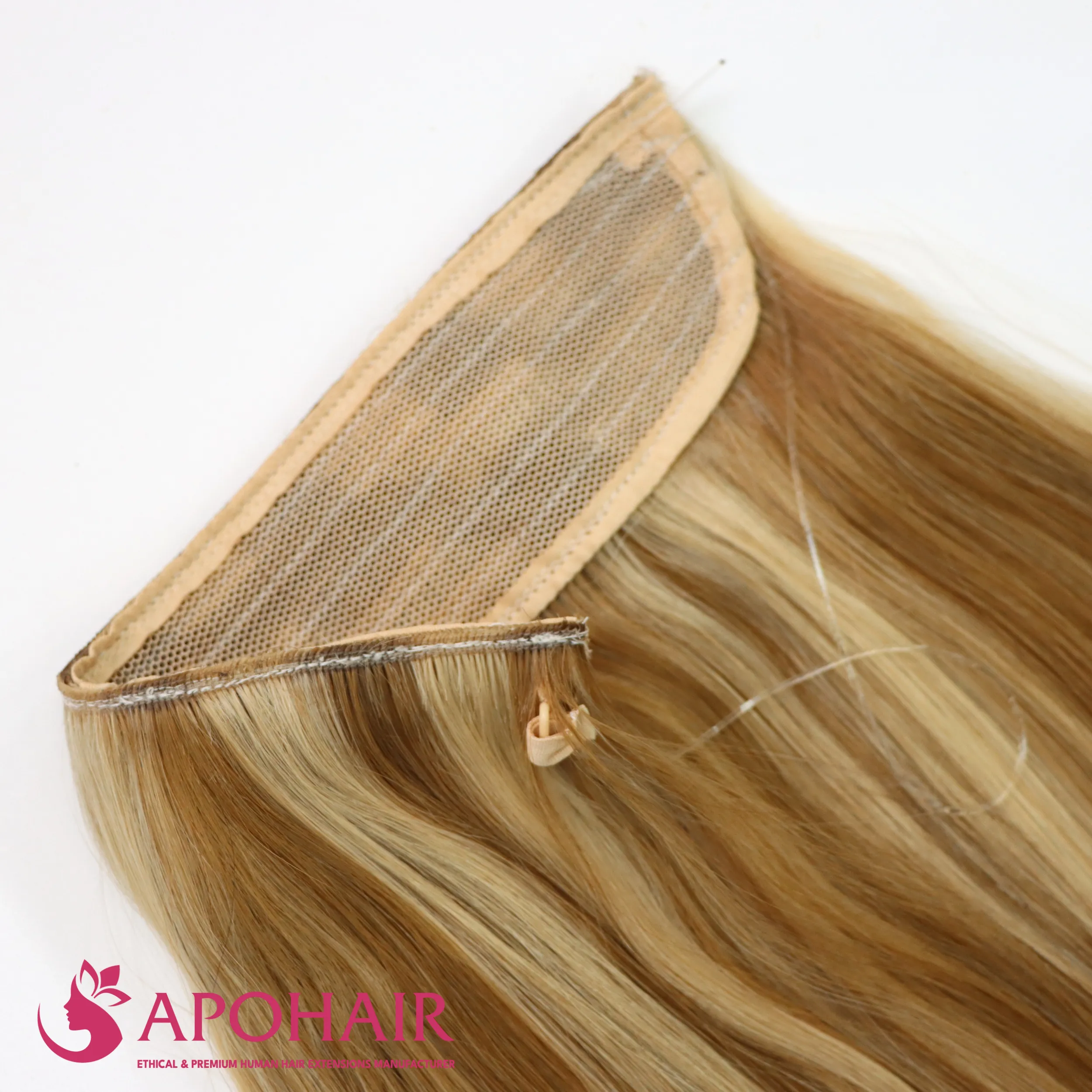
Vietnamese human hair, like those sourced by APOHAIR through ethical collection networks, offers superior dye absorption due to intact cuticles aligned in the same direction. This alignment ensures even color distribution without patchiness. When cuticles face root to tip, dye molecules penetrate uniformly from roots to ends. Wigs previously colored, permed, or chemically treated have compromised cuticle layers that require lighter dye formulas and extended processing times.
All human hair wigs can be dyed darker without bleaching—this is the safest, lowest-risk color change. Lightening requires bleaching first to remove existing pigment, which stresses hair structure and should only be attempted on virgin or minimally processed wigs. Without bleach, permanent dyes lift hair only 1-2 shades lighter. Wigs containing gray or white hair accept dye exceptionally well due to lack of competing pigment.

Essential Tools and Materials Checklist for Dyeing Human Hair Wigs
You need 12 essential items to dye your human hair wig with professional results.
- 1 Human Hair Wig (100% human hair, not synthetic)
- 2–4 oz (60–120ml) Hair Dye for full saturation coverage
- 4–8 oz (120–240ml) Developer at 20-Volume strength
- 1–2 oz (30–60ml) Clarifying Shampoo for pre-dye cleansing
- 2–3 oz (60–90ml) Deep Conditioner for post-dye restoration
- 1 Small Jar (3.5 oz) Vaseline for lace protection
- 1 Plastic Mixing Bowl (10 oz capacity minimum)
- 1 Tint Brush (2-inch width for precise application)
- 4–6 Sectioning Clips for organized quadrant divisions
- 1 Pair Disposable Gloves for skin protection
- 1 Mannequin Head with T-Pins for wig stability
- 1–2 Gallons Hot Water (watercolor method only)

How to Dye a Human Hair Wig: Complete Step-by-Step Process
The dyeing process follows 7 sequential steps that take approximately 90-120 minutes to complete. You will prepare your workspace, mix the color formula, protect the lace, apply dye systematically, monitor development, rinse and condition, then dry and style your transformed wig.
Step 1: Prepare the Wig and Workspace
Conduct a strand test first by applying dye to a hidden section near the nape to preview color and determine the exact processing time. Start with a clean slate by deep cleaning the wig with a clarifying or sulfate-free shampoo to remove product buildup and oils; however, skip the conditioner, as it creates a barrier that prevents even dye absorption. It is crucial to let the wig air-dry completely beforehand, ensuring the hair fibers are ready to lock in pigment for a uniform, vibrant result.
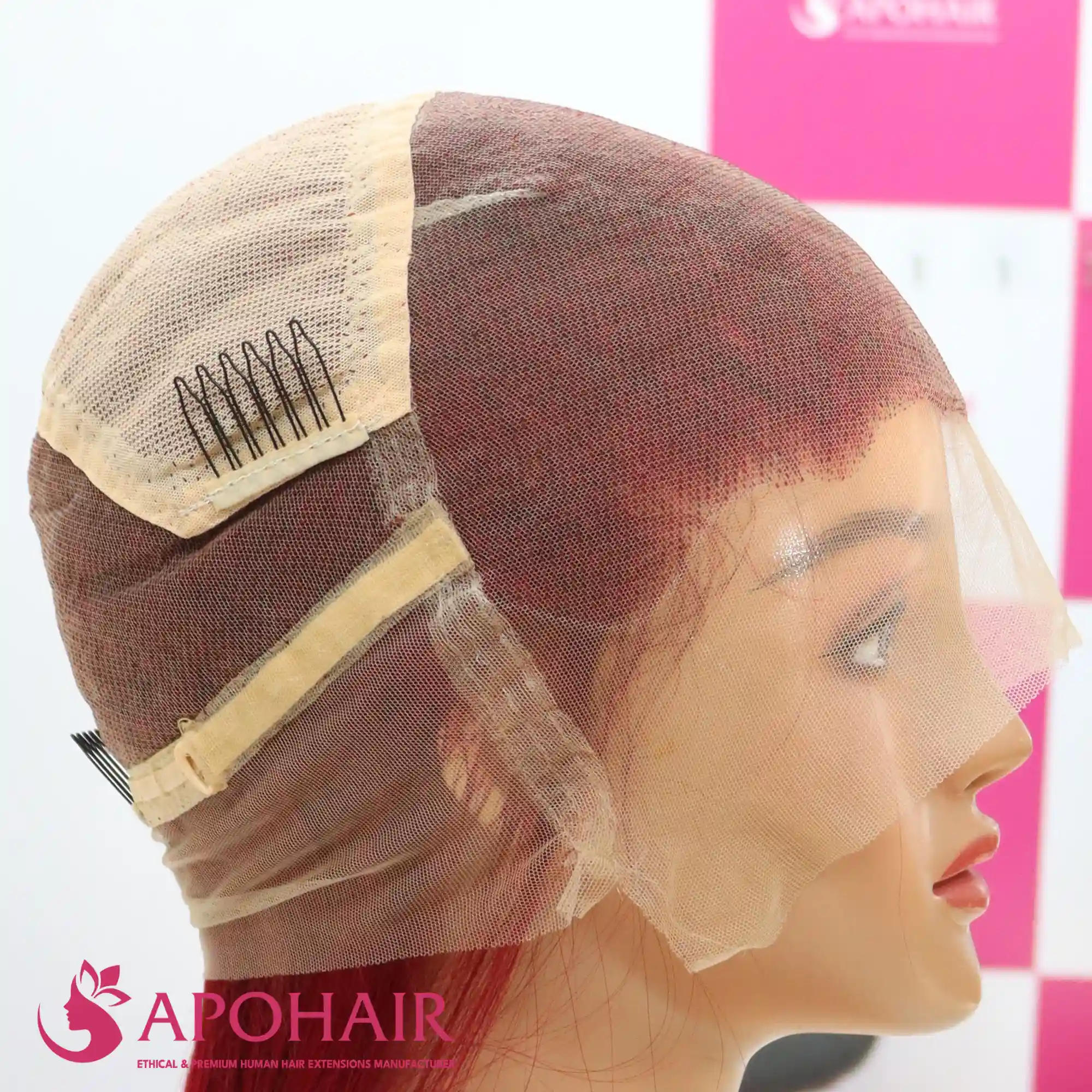
Protect the lace by applying petroleum jelly or plastic wrap to prevent permanent staining, then secure the piece on a mannequin head for maximum stability. To ensure a smooth application, use a wide-tooth comb to remove any lingering knots, working carefully from the tips upward to the roots. Once detangled, divide the hair into 4–6 organized sections with clips to ensure full coverage, and perform the task in a well-ventilated workspace with proper protective gear for your safety.

Step 2: Mix the Hair Color
Wear gloves and combine dye with developer in a plastic mixing bowl. The 20-volume developer works best for human hair wigs, providing sufficient lift without excessive damage.
Stir the mixture until it achieves a smooth, creamy, consistent texture. Lumpy or separated formulas will create uneven color distribution. Take 2-3 minutes to blend thoroughly before moving to application.

Step 3: Protect the Lace
Apply a thick layer of Vaseline or gel to the lace front edges. This barrier prevents permanent staining that would ruin the natural appearance of your wig’s hairline.
Secure the wig to a plastic-covered mannequin head to prevent “scalp” staining beneath. Check that no dye can reach the delicate lace material—stained lace cannot be restored to its original color.

Step 4: Apply the Dye
Divide the hair into four manageable sections using professional clips. Start from the bottom layers and work upward to ensure every strand receives color.
Use a tint brush to apply color from roots to tips. Saturate every strand completely—thin or rushed application creates patchy results. Check sections twice to confirm full coverage before moving forward. For highlights, ombre, or balayage placements, use foils or open-air balayage techniques on the mannequin head — the same methods a stylist would use on a salon client.

Step 5: Process and Monitor
Let the color develop for 30–45 minutes depending on your desired shade. Darker colors and previously colored hair may need the full time, while lighter changes develop faster.
Check a small section every 10 minutes to track color progress. Wipe away a tiny amount of dye to see the underlying shade. Avoid exceeding the recommended time to prevent damage or over-processing that leads to brittle hair.

Step 6: Rinse and Condition
Rinse with lukewarm water until the runoff runs completely clear. This may take 5-10 minutes, depending on hair length and thickness.
Apply a deep conditioner for 5–10 minutes to restore moisture lost during chemical processing. Use cool water for the final rinse to seal the hair cuticles and lock in your new color. For bleached hair, apply a toner at this stage to cancel out brassy, orange, or yellow tones, then rinse with cool water to seal the cuticle and lock in color.

Step 7: Dry and Style
Gently pat the hair with a towel instead of rubbing. Rubbing creates friction that causes tangles and potential breakage on chemically processed hair.
Place the wig on a stand to air dry completely. Apply heat protectant before using any flat irons or curling tools—heat styling without protection will fade your new color and damage the hair structure.

Special Effects Techniques: Ombre, Highlights, and Balayage for Wigs
Five professional coloring techniques create dimensional, salon-quality effects on human hair wigs, allowing for both natural and adventurous transformations. To pull these off with precision, always choose complementary shades or bold contrasting tones that align with your desired style, ensuring the wig is securely positioned for an accurate application.
- Ombre: Apply a darker shade to the roots and a lighter color to the ends, working the dye upward to the midpoint. Use a comb or applicator brush to blend the transition zones thoroughly, creating a seamless gradient effect that avoids sharp, unnatural lines. For a dramatic look, go bold with contrasting tones, or stay within the same color family for a subtle, sun-bleached appearance.

- Highlights: Isolate small vertical strands using foil strips to prevent the dye from bleeding into the surrounding hair. Place the foil underneath each section, apply a lighter or contrasting shade, and fold the foil securely to lock in the color. Concentrating placement around the face creates a brightening, face-framing effect, while scattering them throughout adds sun-kissed brightness and dimensional depth.

- Balayage: Hand-paint dye onto mid-lengths and ends using sweeping motions for a natural-looking, sun-painted dimension. If you prefer eye-catching results, incorporate bold accents like electric blue or fiery red into face-framing streaks or peekaboo layers. Apply the dye generously using small brushes or sponges to ensure the color pops vividly without over-saturating or unintentional blending.

- Bold Color Accents: Incorporate vibrant, eye-catching colors like electric blue or fiery red into face-framing streaks, peekaboo layers, or a single bold stripe. Apply the dye generously using small brushes or sponges to ensure the color pops vividly against the base. This technique is perfect for adding a pop of personality without over-saturating the entire wig or requiring complex blending.

- Mixed Techniques: Combine advanced methods like Ombre with Balayage to achieve maximum dimension and truly professional results. By layering a seamless root-to-tip gradient with strategically hand-painted highlights, you create a sophisticated, multi-tonal finish that adds depth and movement. This hybrid approach is the secret to high-end, bespoke wig styling that looks exceptionally natural yet stylish.

2026 Color Trends for Human Hair Wigs
The 2026 color landscape emphasizes natural-looking dimension with strategic pops of unexpected color. This marks a departure from flat, single-tone looks that dominated 2023-2024. These trends emerge from international runways in Paris, Milan, and New York Fashion Weeks, plus celebrity influences and social media movements.
Six colors dominate the trending palette for human hair wigs in 2026.
- Espresso Brown with Caramel Ribbons: Deep brown base with hand-painted caramel highlights for low-maintenance warmth

- Cool-Toned Chocolate (Mushroom Brown): Ashy brown with gray undertones, perfect for cool skin tones

- Honey Blonde Balayage: Natural blonde base lightening to honey tips, versatile but requires regular toning

- Auburn with Copper Highlights: Rich red base with copper accents, trending for fall and winter fashion

- Ice Blonde (Platinum): Ultra-light level 10 blonde with silver tones, requires professional skills and weekly maintenance

- Dimensional Brunette: Multi-tonal browns woven together, ideal for first-time dyers seeking low-risk results

Hair color trends typically rotate every 18-24 months. Today’s trendy shades will fade as new influences emerge. Choose timeless colors like classic browns and natural blondes for longevity, or embrace trendy shades for current fashion alignment.
How Can You Lock in Color and Maintain Your Wig’s Vibrancy?
Lock in color by waiting 48 hours before washing, using sulfate-free products, and limiting heat exposure. Nine maintenance practices will extend your wig’s color life by weeks.
- First Wash Timing: Wait 48–72 hours to allow dye molecules to bond fully
- Washing Frequency: Limit to 1–2 times weekly with sulfate-free, color-safe shampoos
- Water Temperature: Use lukewarm or cool water to keep cuticles closed
- Conditioning Protocol: Apply conditioner to mid-lengths daily, use color-depositing masks weekly
- Heat Protection: Keep tools below 350°F (175°C), always apply heat protectant spray
- UV Protection: Wear a hat or use UV-shielding products to prevent sun bleaching
- Swimming Precautions: Avoid chlorine and salt water, rinse immediately if wig gets wet
- Proper Storage: Keep wig on a stand in cool, dry place away from direct sunlight
- Color Refresh: Use semi-permanent dyes or color-depositing conditioners every 4–6 weeks

What Are the Most Common Problems When Dyeing a Human Hair Wig?
The most common problems include uneven color, lace staining, and over-processed hair from incorrect technique. Seven issues affect most wig dyeing attempts.
- Patchy or Uneven Color: Happens when hair wasn’t fully detangled or dye wasn’t applied with enough saturation
- Lace or Cap Staining: Failure to apply thick enough Vaseline barrier causes permanent dye stains
- Over-Processed or Dry Hair: Leaving dye on too long or using developer higher than 20-volume strips natural moisture
- Color Not Matching the Box: Results vary based on starting level, always perform strand test first
- Brassiness or Orange Tones: Lifting dark hair reveals warm undertones requiring toner or purple shampoo
- Dye Not Taking at All: Silicone or heavy styling products create barrier preventing color penetration
- Bleeding or Fading After First Wash: Hot water or washing too soon causes dye molecules to escape cuticle

Frequently Asked Questions About Dyeing Human Hair Wigs
Can You Dye a Wig That’s Already Been Colored?
Yes, but only going darker is safe. Lightening pre-colored hair causes extreme chemical stress. Limit total dye cycles to 4–6 applications to avoid unpredictable results and severe hair breakage.
Can You Bleach a Human Hair Wig Before Dyeing It Lighter?
Yes, bleaching is necessary for vibrant colors but reduces the wig’s tensile strength significantly. Crucially, this process should only be performed on virgin wigs, as they lack prior chemical damage. Use a 20-volume developer and monitor the hair every 5 minutes to prevent permanent fiber damage.
What Is the Difference Between Semi-Permanent and Permanent Dye for Wigs?
Permanent dye alters the internal structure for long-term results and can lighten hair. Semi-permanent dye only coats the surface, making it safer for delicate or experimental styles that may change frequently.
What Is the Maximum Number of Times You Can Dye the Same Wig?
Most wigs withstand 4–6 permanent dye applications before hair quality becomes unusable. Focus on root touch-ups instead of full-length dyeing to preserve the wig’s overall lifespan.
Is It Safe to Dye a Wig While Wearing It?
No, the chemicals cause severe skin burns, respiratory irritation, and permanent scalp damage. Always use a mannequin head to ensure even saturation and total protection of the lace.
Can you dye a synthetic wig?
No, synthetic plastic fibers cannot absorb human hair dye and require specialized fabric dyes. Lightening synthetic hair is impossible, and attempting standard dye carries a very high failure rate.
Conclusion
Dyeing a human hair wig transforms your look without a permanent commitment to your natural hair. The 7-step process, including prepare, mix, protect, apply, monitor, rinse, style, delivers professional results at home. Choose 100% human hair wigs like those from APOHAIR for the best dye absorption. Go darker for low-risk color changes, or bleach first when lightening. Maintain vibrancy with cool water, sulfate-free products, and proper storage. Your wig can handle 4–6 color applications with proper care between each session.


