







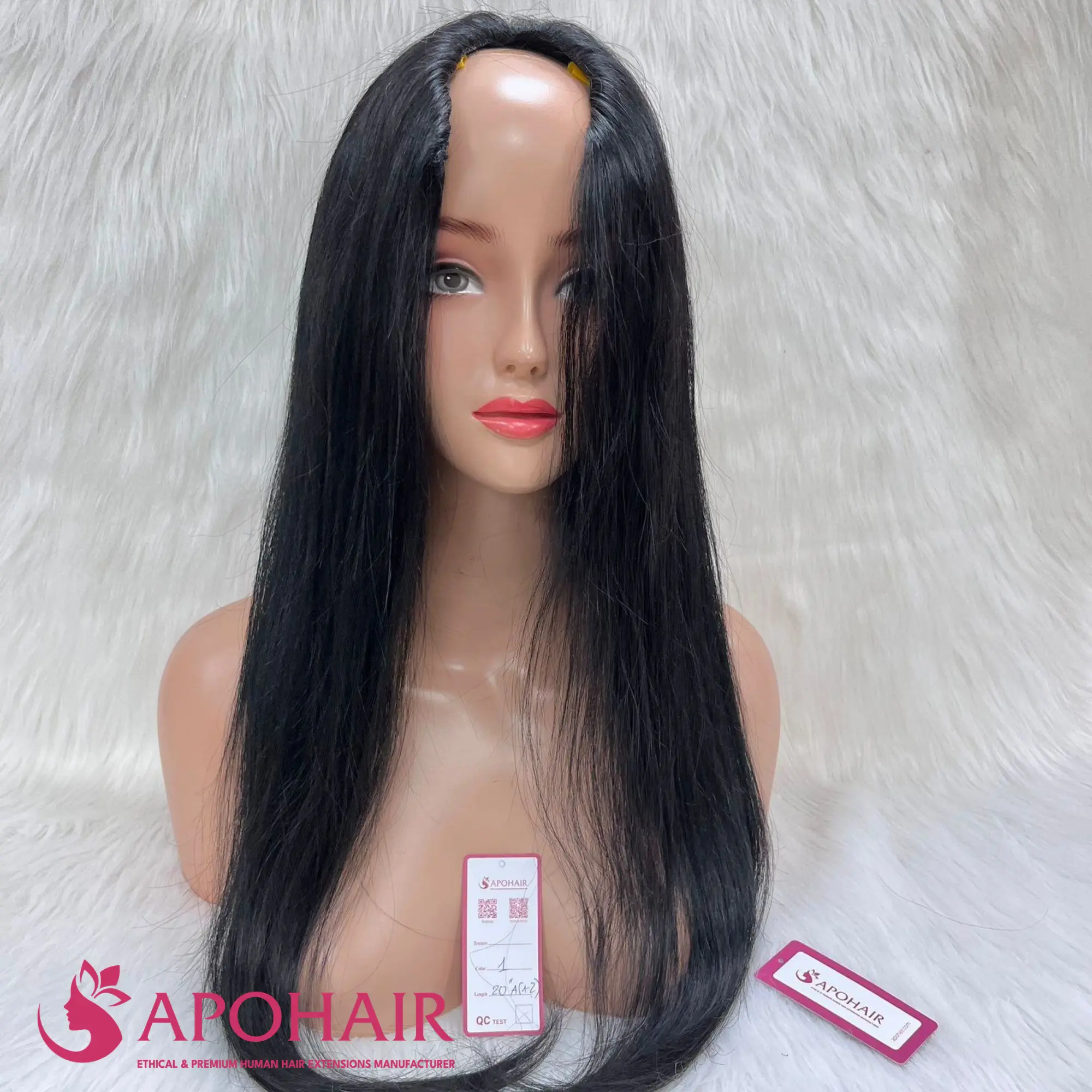

How to Care for Human Hair Wig: 13 Essential Practices for 36-Month Lifespan
13 Essential Practices for Caring Human Hair Wig for Long-Lasting Quality
These 13 practices cover detangling, washing frequency, product selection, conditioning, drying methods, heat protection, storage, knot sealing, friction prevention, environmental protection, hairline customization, and professional maintenance scheduling.
Detangle Gently Before Washing
Secure the wig at the cap and work through 5cm (2-inch) sections from ends toward roots. Use a wide-tooth comb with 1.3cm (0.5-inch) spacing or a specialized loop brush to prevent pulling on delicate hand-tied knots.
Apply 2-3 spritzes of leave-in conditioner to stubborn knots. Wait 30 seconds before combing through resistant areas. This pre-wash routine reduces breakage and prepares fibers for cleansing without mechanical stress. For stubborn tangles, see how to untangle a wig.

Washing Every 8-10 Wears
Wash your wig every 8-10 wears or every 2-3 weeks to remove product buildup without stripping moisture. Use lukewarm water between 29-35°C (85-95°F) to dissolve oils while keeping hair cuticles smooth and flat.
Overwashing creates problems. Washing more than once weekly reduces your wig’s total lifespan by 15-20%. The natural oils within hair fibers need time to redistribute between wash cycles. The step-by-step wash routine is in how to wash a human hair wig.

Use Wig-Friendly Products
Choose sulfate-free and alcohol-free shampoos with acidic pH levels between 4.5 and 6.5. These formulas cleanse without lifting the protective cuticle layer that gives hair its shine and smoothness.
Avoid products containing heavy butters like shea or cocoa butter. These ingredients attract dust and create buildup that weighs down strands. Select conditioners with natural oils like argan, coconut, or jojoba for gentle hydration that penetrates without residue.

Apply Shampoo and Conditioner Correctly
Dilute shampoo at a 1:3 ratio with water and apply only to the cap and root areas using downward strokes. This technique cleanses where oil accumulates while protecting vulnerable mid-lengths and ends from unnecessary stripping.
Apply 2-3 tablespoons of conditioner to mid-lengths and ends only. Avoid the cap and root knots entirely. Focus 60% of conditioning products on the bottom 15cm (6 inches) where damage concentrates most heavily.

Deep Conditioning for Moisture Restoration
Perform intensive deep conditioning treatments every 7-10 days for 15-20 minutes. Cover the wig with a plastic cap to trap body heat. This increases product absorption by 40-50% compared to an uncovered application.
Rinse with cool water between 24-27°C (75-80°F) to seal cuticles and lock moisture inside hair fibers. The temperature shift closes the cuticle layer flat, creating the smooth surface that reflects light and prevents tangling.

Air-Drying on Wig Stands
Place your damp wig on a canvas or wire stand in a well-ventilated area for 6-10 hours. The stand maintains a cap shape while allowing airflow around all surfaces. Proper drying prevents musty odors and bacterial growth.
Avoid styrofoam stands that trap moisture inside the cap lining. Keep the wig away from direct sunlight and heat sources above 29°C (85°F). UV rays and heat cause color fading that cannot be reversed without professional toning.

Protective Styling with Minimal Heat
Limit heat tool usage to once per week at temperatures strictly below 149°C (300°F). Apply heat protectant spray to fully dry hair and wait 30 seconds before using any hot styling tool.
Prioritize heat-free methods for everyday styling. Flexi-rods, foam rollers, and braiding create beautiful curls and waves without thermal damage. These techniques preserve protein bonds and extend the wig’s usable lifespan by months.

Strategic Storage Between Wears
Store your wig on a stand in a cool, dark location between 18-24°C (65-75°F) with 40-50% humidity. These conditions prevent mold growth while maintaining fiber moisture balance and cap structure.
Use a breathable silk or satin bag for storage periods longer than one week. Gently brush the wig before storing to remove daily tangles. This simple habit prevents mats from forming during extended storage. Before the next wear, prepare your natural hair underneath as shown in how to wear a wig with long hair.

Apply Knot Sealer for Longevity
Apply sealer to the cap interior every 4-6 weeks to reinforce hand-tied knots. Focus application on high-stress areas including the first 2.5-5cm (1-2 inches) of hairline and the part line where friction occurs daily.
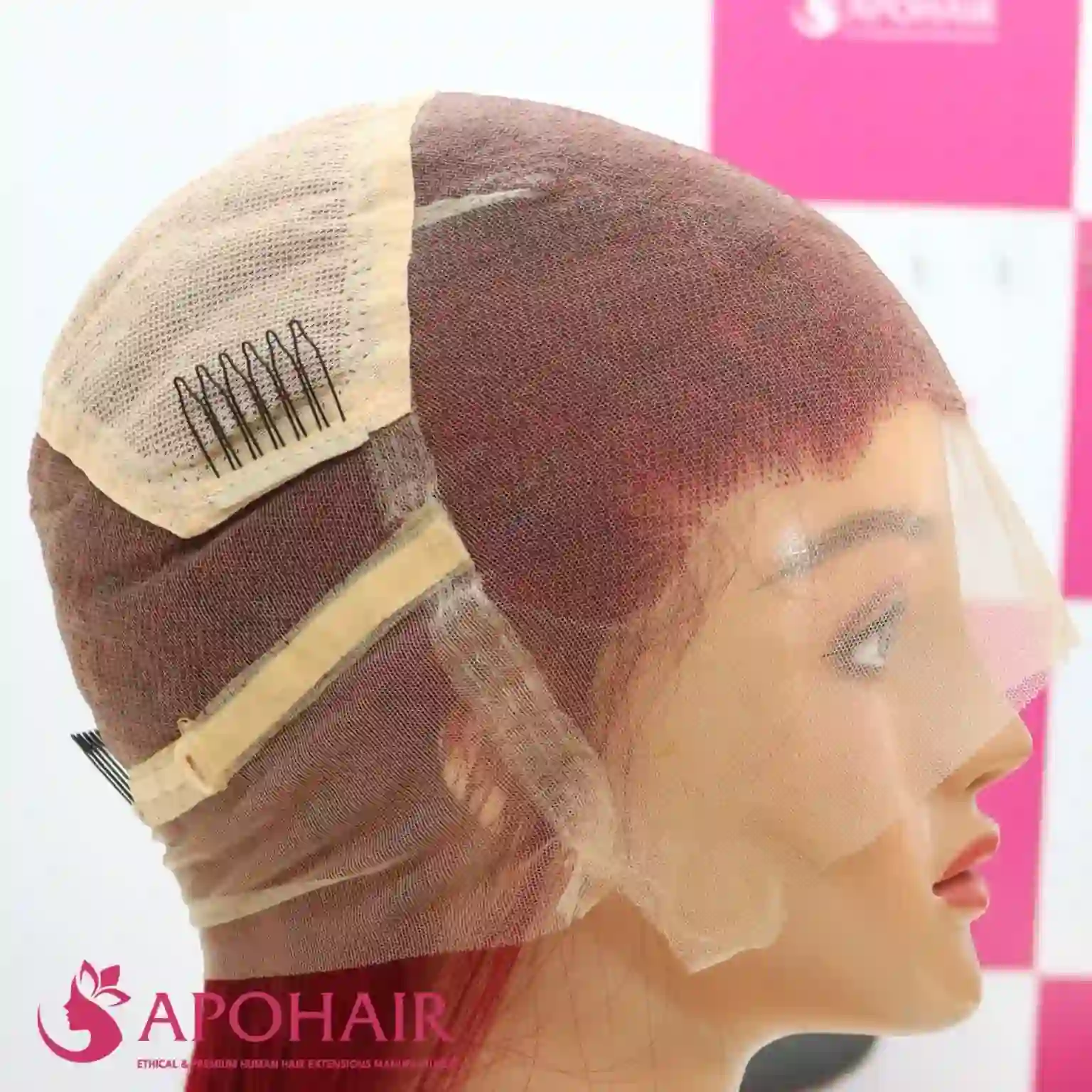
Allow sealer to dry completely for 4-6 hours before turning the wig right-side out. This patience prevents product transfer to hair strands while giving the sealer time to bond fully with lace material. Knowing how a unit is built helps you care for it, and how to make a wig follows the whole process step by step.

Protect with Silk or Satin
Sleep on silk or satin pillowcases with 400+ thread count. Use a satin bonnet as an alternative. These fabrics eliminate friction that catches and breaks individual strands during sleep movements.
Braid hair into a loose plait before sleeping to prevent internal tangling. Avoid cotton materials entirely. Cotton’s high friction coefficient creates mechanical damage that accumulates into visible breakage over weeks.

Avoid Chlorine and Saltwater
Keep your wig away from pools, oceans, and hot tubs. Chlorine acts as a bleaching agent that lightens dark wigs by 2-3 shades in under an hour of exposure.
Saltwater dehydrates hair through osmotic pressure. This process leaves strands brittle and straw-like with a texture that cannot be restored. A single swim session causes permanent fiber damage that shortens lifespan significantly.

Customize the Hairline (Plucking & Bleaching)
Limit plucking to 10-15% of original density. Removing more hair creates visible bald spots or tears the delicate lace foundation. Work slowly and step back frequently to assess natural appearance.
Apply 20-volume developer for knot bleaching for no longer than 15-20 minutes. Neutralize the lace with a pH-balancing toner immediately after bleaching. This stops chemical processing before it damages lace integrity.

Schedule Professional Maintenance
Visit a professional stylist every 3-4 months for deep cleaning, lace repairs, and re-ventilating services. These treatments restore structural integrity that home care cannot address.
Seek professional help for severe matting or lace tears. Attempting these repairs at home often causes permanent damage. Professional steam treatments restore 20-30% of original elasticity that standard conditioning cannot reach.

Smaller lace damage can be handled before it spreads. How to fix hole in lace wig shows how to repair a hole in the lace.
Troubleshooting Common Human Hair Wig Problems
These 10 problems affect most wig owners at some point, and each has a specific solution that restores quality and extends usable lifespan.
- Severe Tangling and Matting: Detangle for 3-5 minutes before washing to prevent wet hair from locking together.
- Excessive Shedding: Apply knot sealer every 4-6 weeks to reinforce knots and reduce shedding by 60-70%.
- Dry and Brittle Texture: Perform weekly deep conditioning for 15-20 minutes to restore internal moisture.
- Shortened Lifespan from Overwashing: Wash every 8-10 wears only to avoid 15-20% lifespan reduction.
- Roughness and Cuticle Lifting: Use water between 29-35°C (85-95°F); temperatures above 38°C (100°F) cause cuticle damage.
- Chemical Damage and Frizz: Avoid sulfates and high alcohol content (>5%) that cause 30-40% faster deterioration.
- Heat Damage and Protein Breakdown: Keep heat styling under 149°C (300°F) once weekly to prevent 50-70% lifespan reduction.
- Sun Fading and Discoloration: Air-dry and store away from direct sunlight that causes 30% faster color fading.
- Overnight Damage: Use silk or satin protection with 400+ thread count to reduce friction-induced tangling by 80-90%.
- Irreversible Chlorine/Saltwater Damage: Avoid pool or saltwater exposure; a single 20-30 minute swim reduces lifespan by 25%.

Frequently Asked Questions About Removing Wig Glue
Why is my wig shedding, and how can I stop it?
Shedding results from loose knots or aggressive brushing. Apply knot sealers every 4-6 weeks and use loop brushes designed for wigs. Detangle from ends to roots only to minimize mechanical stress on cap construction.
Why does my wig feel dry and frizzy?
Dryness stems from missing natural oils. Use weekly deep conditioning and avoid high-heat styling. UV exposure and low humidity also strip moisture from hair fibers, making environmental protection part of daily care.
How long does a human hair wig last with proper care?
With these 13 practices, a high-quality human hair wig lasts 36-48 months. Vietnamese virgin hair maintains quality 30-40% longer than processed alternatives due to intact cuticle alignment and superior fiber strength. For how that lifespan compares with extensions, see hair extensions vs wigs.
What products should I avoid using on my wig?
Avoid sulfates, high-concentration alcohols above 5%, and products listing protein in the first five ingredients. Never use household adhesives or generic craft glues for cap or knot repairs.
Can I dye or chemically treat my human hair wig?
Yes, especially Vietnamese virgin hair from APOHAIR, but a professional should perform the service to prevent cuticle over-processing. The full process is in how to dye a human hair wig. Always perform a strand test on a small, hidden section before applying chemicals to the entire wig.
Should I sleep in my human hair wig?
Remove the wig 3-4 nights per week to give the cap and your scalp rest. When sleeping in the wig, always use silk or satin protection to reduce friction-induced breakage throughout the night.
Proper human hair wig care requires 13 specific practices executed consistently. Wash every 8-10 wears with sulfate-free products. Deep condition weekly for 15-20 minutes. Limit heat styling to once weekly below 149°C (300°F). Apply knot sealer every 4-6 weeks. Store on a proper stand between 18-24°C (65-75°F). Use silk or satin protection nightly. Avoid chlorine and saltwater entirely. Schedule professional maintenance every 3-4 months. These practices extend a quality Vietnamese human hair wig’s lifespan to 36 months or beyond. Anyone comparing the best human hair factory in Vietnam can ask whether the knots are sealed and what lifespan the hair is rated for. Salons that want to sell wigs with this lifespan can source wholesale human hair wigs with intact cuticle alignment.
Sourcing wigs built for long-term care: A wig only reaches a 36-month lifespan when its lace and knots are well made, so a salon or store can stock the constructions whose care this guide covers.
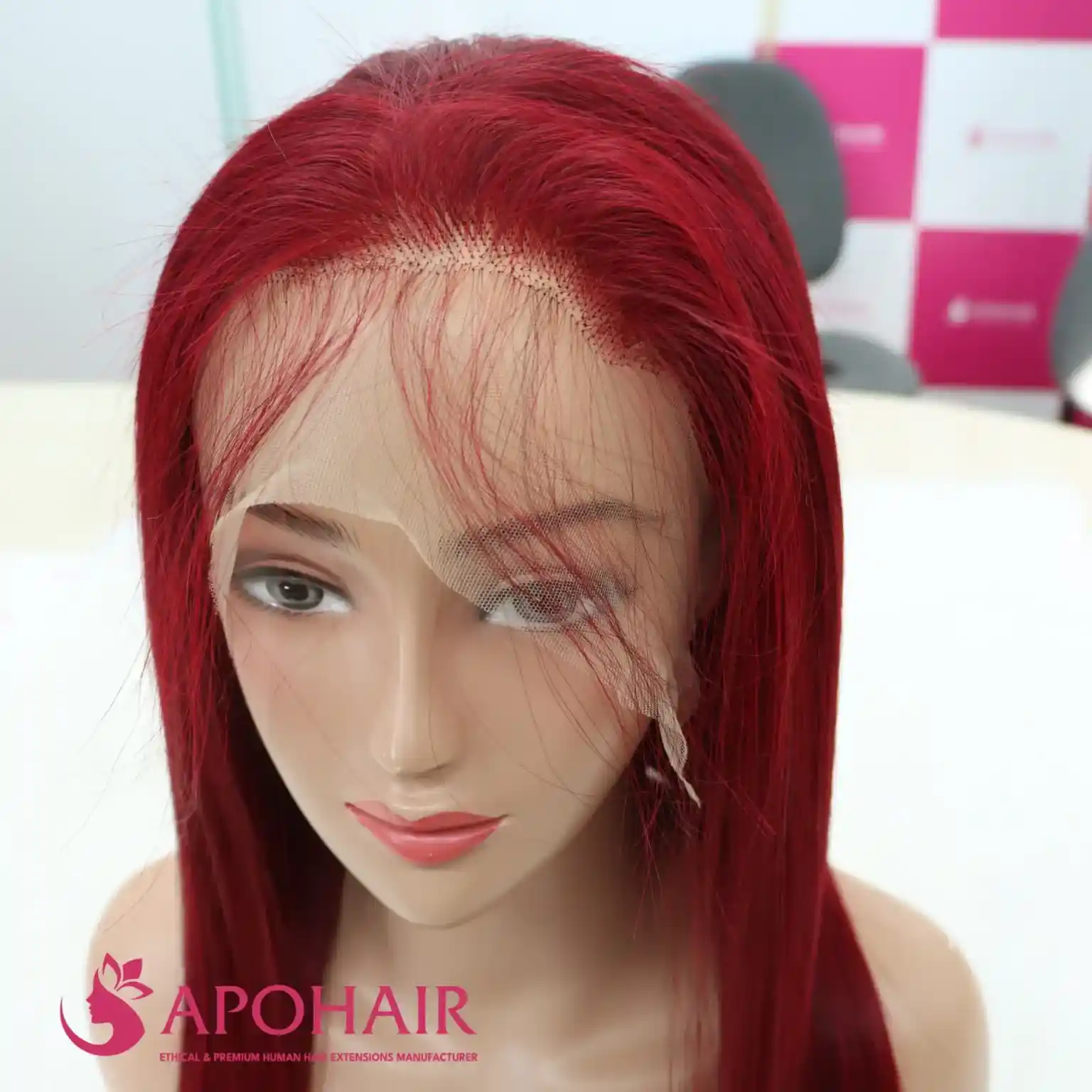
Lace front: Lace front wigs wholesale carry the hand-tied front lace that needs the gentle detangling, knot sealing, and hairline care described above.
Full lace: Human hair full lace wig manufacturers carry lace across the whole cap, which suits clients who commit to the professional maintenance schedule.
