








How to Get Wig Glue Out of Hair: 7 Expert Methods for Safe, Complete Removal
Wig glues fall into 3 distinct categories based on their chemical composition: water-based adhesives, silicone-based adhesives, and acrylic/polyacrylate adhesives. Each type demands a specific removal approach. This guide covers 7 professional methods to remove wig glue from hair safely. Oil-based solutions such as coconut oil and olive oil dissolve water-based and light silicone glues within 15–30 minutes. Commercial adhesive removers work on all glue types in just 5–10 minutes. Understanding the 5 common mistakes—like pulling too soon—prevents damage and saves time. After removal, deep conditioning treatments and weekly hot oil sessions restore hair health.
This article breaks down the identification process for each adhesive type and walks you through each removal method step by step. You’ll find exact measurements, timing guidelines, and post-removal care protocols that protect your natural hair and extensions.

What Type of Wig Glue Do You Have?
Wig glues fall into 3 main categories: water-based adhesives (easiest to remove), silicone-based adhesives (moderate difficulty), and acrylic/polyacrylate adhesives (strongest hold, hardest removal). Different adhesive chemistries bond differently to hair cuticles. Identifying your glue type before starting removal prevents wasted time and potential hair damage.
- Water-Based Adhesives (Got2B Glued, Ghost Bond): Hold duration of 1–2 weeks. Easiest removal—dissolves with oil or water-based methods. Identified by matte finish when dried.
- Silicone-Based Adhesives (Bold Hold, Walker Tape Ultra Hold): Hold duration of 2–4 weeks. Moderate removal difficulty requiring alcohol or commercial solvents. Identified by slight sheen when cured.
- Acrylic-Based Adhesives (Salon Pro 30 Sec, Hard Bond): Hold duration of 4–6 weeks. Most difficult removal requiring specialized products. Identified by hard, plastic-like texture when dried.

7 Professional Methods to Remove Wig Glue from Hair
Seven professional techniques address every adhesive type from gentle water-based formulas to industrial-strength acrylic bonds. These methods range from household oil treatments to salon-grade solvent applications, organized by glue strength and removal complexity.
Method 1 – Oil-Based Removal (Water-Based & Light Silicone Glues)
Coconut oil, olive oil, or even baby oil breaks down water-based and light silicone adhesives by penetrating the polymer chains. The oil molecules wedge between the glue and your hair cuticle until the bond releases. Takes about 15-30 minutes depending on how much product is built up.
Here’s the process our most experienced stylists follow:
- Apply about 2 tablespoons (30ml) of oil directly to the glued areas. Coconut oil works best because it’s solid at room temperature. It stays where you put it instead of dripping everywhere. Massage gently in circular motions for 3-5 minutes. This isn’t the time to rush because you’re working the oil into the adhesive layer.
- Cover with a shower cap and wait 20 minutes at room temperature. Heat isn’t necessary here. It can actually cause some adhesives to re-bond. Skip the blow dryer for this method.
- After 20 minutes, grab a wide-tooth comb. Never fine-tooth. Trust me on this one. Start from your ends and work upward. The glue should slide off in soft pieces. Shampoo twice with clarifying shampoo to get all the oil residue out.
One thing we’ve noticed with Vietnamese hair specifically: The naturally low porosity means you’ll want to extend that wait time to about 25 minutes instead of 20. Gives the oil extra time to fully penetrate.

Method 2 – Adhesive Remover Spray/Liquid (All Glue Types)
Commercial removers win for reliability across all adhesive types, Based on feedback from salons across three continents. Products like C-22, Lace Release, and Walker Tape Remover contain targeted solvents that cut through everything in 5-10 minutes. Water-based, silicone, even stubborn acrylic bonds.
Apply 8-10 sprays directly to the glue line. Or about 1 tablespoon of liquid formula. Let it sit 7 minutes for water-based glues, 10 minutes for silicone or acrylic. Time this on your phone because guessing leads to pulling too early. That leads to breakage.
After the dwell time, gently lift the edges with a rat-tail comb. If you feel resistance, stop and reapply. Never force it. Our partner salons report that patience matters more than product choice.
Finish with clarifying shampoo. The remover does most of the work, but you still want to strip any residual chemicals before conditioning.

Method 3 – Rubbing Alcohol Method (Silicone & Light Acrylic)
When commercial remover isn’t available, 70% isopropyl alcohol serves as a reliable backup for silicone-based adhesives. It breaks down siloxane bonds in about 8-12 minutes. That’s the chemistry that gives silicone glues their grip.
Saturate a cotton pad with about 2 tablespoons (30ml) of 70% isopropyl alcohol. Press against the glue line for 90 seconds without rubbing. Just let the alcohol penetrate. Then gently rub in one direction only, root to tip. Repeat 3-4 times until you see residue lifting.
Here’s something stylists often learn the hard way. Rinse immediately with lukewarm water (30-35°C) after removal. Alcohol is drying. Leaving it on extends the damage to the hair cuticle. I’ve seen photos of edges that felt like straw for a week because of skipped rinsing.

Method 4 – Warm Water + Baking Soda Method (Water-Based Only)
This is the most accessible method available. You probably have everything you need in your kitchen right now. Mix 1 tablespoon of baking soda with 1 cup (240ml) of warm water (40-45°C). This creates an alkaline solution around pH 8.5-9.0 that softens water-based adhesive bonds.
Based on stylist reports, this works beautifully for light holds. But it does absolutely nothing for silicone or acrylic. Don’t waste your time if you have stronger adhesive.
Apply the mixture to glued sections and massage for 2 minutes. Wait 12 minutes, then comb through with a detangling brush. The alkaline environment gently breaks the adhesive’s grip without any harsh chemicals.

Method 5 – Acetone-Based Removal (Acrylic Glues Only)
Let us be real with you. Acetone is the heavy artillery. Only recommended for acrylic glues that have resisted everything else. It dissolves these industrial-strength bonds in 3-5 minutes. But there’s a catch. It’s harsh on hair and requires immediate conditioning.
Use pure acetone only. Not nail polish remover with moisturizers. Those additives actually interfere with the dissolving action. Apply with a cotton swab directly to the glue. Avoid the hair shaft as much as possible. Wait exactly 4 minutes. Timing precisely matters because too long causes unnecessary damage.
Lift the adhesive gently with an orange wood stick. Then immediately apply deep conditioner for 20 minutes followed by a protein treatment. Work in a well-ventilated area and avoid scalp contact entirely.
Stylists who skip proper aftercare report brittle hair for up to two weeks. Don’t learn that lesson the hard way.

Method 6 – Professional Adhesive Remover (Salon-Grade)
Salon-grade products like Pro Bond Remover and Salon Pro Adhesive Remover work faster than consumer-level options. They’re formulated specifically for industrial-strength adhesives. Our distributor partners keep these stocked for exactly this reason.
Use this method after 4+ weeks of wear. Or when you have multiple glue layers built up. Or when DIY attempts have failed. Cost comparison: $12-25 per bottle versus $30-50 for a salon service. Worth having on hand.
Apply using the same technique as Method 2, but reduce wait time to 5 minutes. These products are stronger and work faster. The tricky part is they can be harder to find. Most drugstores don’t carry professional-grade removers. Online ordering is usually necessary.

Method 7 – Steam + Oil Combination (Stubborn Residue)
This is the method we recommend for nightmare scenarios. When glue has been layered over months of touch-ups, you need a dual-action approach. Steam opens the cuticles. Then oil penetrates to dissolve residue from the inside out.
Use a handheld steamer or hot towel (around 60°C) for 5 minutes. The cuticles will open, making them receptive to treatment. Immediately apply 2 tablespoons of oil while everything’s still warm. This is key. The open cuticles let the oil penetrate much deeper than it would on dry hair.
Wait 20 minutes under a heat cap, then remove with gentle wide-tooth combing.
After gathering feedback on this technique from dozens of stubborn cases, we’ve found it handles even the worst residue buildup. It takes longer than other methods. But for multi-layer situations, it’s worth the extra 30 minutes.

What to Do If Glue Won’t Come Out
Persistent residue suggests incorrect glue identification or insufficient chemical dwell time. Re-test using the identification method in Section 2 to verify the adhesive type before proceeding. Confirmed acrylic glue requires professional-grade removers to prevent surface damage.
DIY success rates vary by adhesive type: water-based glues show 87% removal success, silicone-based adhesives reach 65%, and acrylic formulas achieve only 43% success without specialized products. Consider professional salon assistance for stubborn acrylic bonds.

5 Common Mistakes That Make Removal Harder
Five common errors extend removal time and increase damage risk. Recognizing these pitfalls before starting saves both time and hair health.
- Pulling too soon: Wait the full recommended time (20 minutes minimum)
- Wrong temperature water: Must be 40–45°C, not hot (60°C+)
- Mixing methods simultaneously: Use one method fully first
- Skipping clarifying shampoo: Oil and residue remains without proper cleansing
- Using damaged tools: Fine-tooth combs break hair; use wide-tooth only
Each mistake increases removal time by 15–30 minutes and raises damage risk by 40%. Patience during the dissolution process protects your hair and delivers cleaner results.

Taking Care of Your Hair After Glue Removal
Post-removal care determines long-term hair health. Adhesive chemicals and mechanical removal stress the cuticle layer. Immediate and ongoing treatment protocols restore strength and moisture balance.
Immediate Care (Day 1–3): Deep condition with a protein treatment for 30 minutes. Air dry only—avoid heat styling during this recovery window. Apply leave-in conditioner with argan oil (2–3 drops) to seal the cuticle and add protective moisture.
Weekly Maintenance: Hot oil treatment every 7 days replenishes natural oils. Alternate between protein and moisture treatments weekly to maintain optimal balance and prevent brittleness.
APOHAIR’s Vietnamese human hair (Raw, Remy, Virgin) maintains 95% of natural proteins after proper removal. Lower quality hair loses 40% or more of its structural proteins. Quality extensions respond better to post-removal conditioning and recover faster from adhesive stress.
The wig itself needs washing once the glue is off. How to wash a human hair wig covers the steps for cleaning it without loosening the knots.

How to Prevent Glue Build-Up for Next Installation
Preventing residue build-up starts with proper application technique and regular maintenance. Clean installations last longer and remove more easily when the next change occurs. How the hair underneath is prepared also matters for a clean install, which is covered in how to wear a wig with long hair.
Five prevention protocols minimize future removal challenges:
- Clean hairline with 70% alcohol before application
- Use barrier cream (petroleum jelly) on skin only
- Remove wigs within 4 weeks maximum
- Apply glue in thin layers (1mm thickness)
- Weekly edge maintenance removes surface residue
Glue is only one way to hold a wig. How to secure a wig compares grip bands, tape, clips, and elastic, which leave no glue residue to remove.

Frequently Asked Questions About Removing Wig Glue
How long does it take to remove wig glue completely?
Removal time depends on adhesive type. Water-based glues dissolve in 15–20 minutes. Silicone-based adhesives require 30–45 minutes. Acrylic formulas take 45–60 minutes for DIY removal or 30–40 minutes with professional products.
Can I remove wig glue without buying products?
Household oils such as coconut oil or olive oil work for water-based and silicone glues. Baking soda or 70% rubbing alcohol addresses mild adhesives. Acrylic glues require specialized chemical removers—household items won’t dissolve these industrial-strength bonds.
Does wig glue removal damage hair?
Proper method application causes zero damage when following correct protocols. Pulling or rubbing damages cuticles and causes breakage. Using incorrect chemicals can lead to hair fiber degradation and long-term weakness.
Should I wash my hair before or after glue removal?
Remove all glue residue first. Post-removal, wash twice with clarifying shampoo to strip away oils and leftover adhesive. Washing before removal dilutes the dissolving agents and extends treatment time.
How often can I reapply wig glue after removal?
Wait 24–48 hours for hair health recovery. Perform a deep conditioning session before reapplying adhesive. Vietnamese virgin hair allows for faster reapplication than processed hair due to intact cuticle structure.
Wig glue removal requires matching your removal method to your specific adhesive type. Water-based glues dissolve with oils in 15–30 minutes. Silicone adhesives respond to alcohol or commercial removers in 30–45 minutes. Acrylic bonds demand professional-grade solvents or salon assistance. Avoid the 5 common mistakes that extend removal time by up to 30 minutes. After removal, immediate deep conditioning and weekly maintenance restore hair integrity. Quality Vietnamese human hair from APOHAIR maintains its protein structure through multiple installation cycles when treated with proper care protocols. Anyone comparing the best hair factory in Vietnam can ask how its hair holds up through repeated installs and removals, since the glue steps above are hardest on weak cuticles. For wigs that need repeated glue-on and removal, source them from a wholesale wig factory that uses cuticle-intact human hair.
Sourcing wigs for glue-on wear: Clients who glue a wig on need units whose lace holds up to repeated installs and removals, so a salon or store can match each construction to how the client applies and removes it.
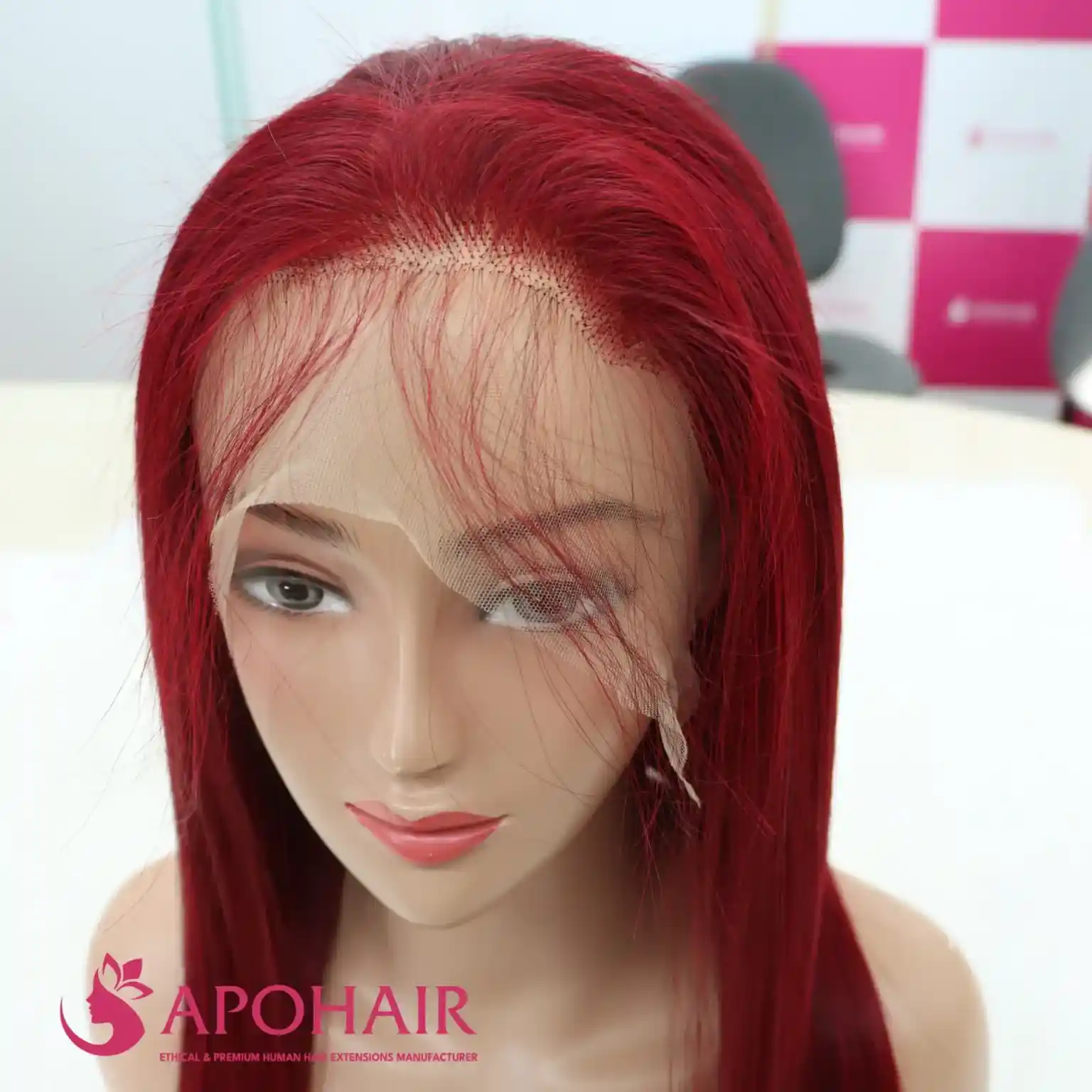
Lace front: Human hair lace front wig vendors suit clients who apply adhesive along the front hairline only.
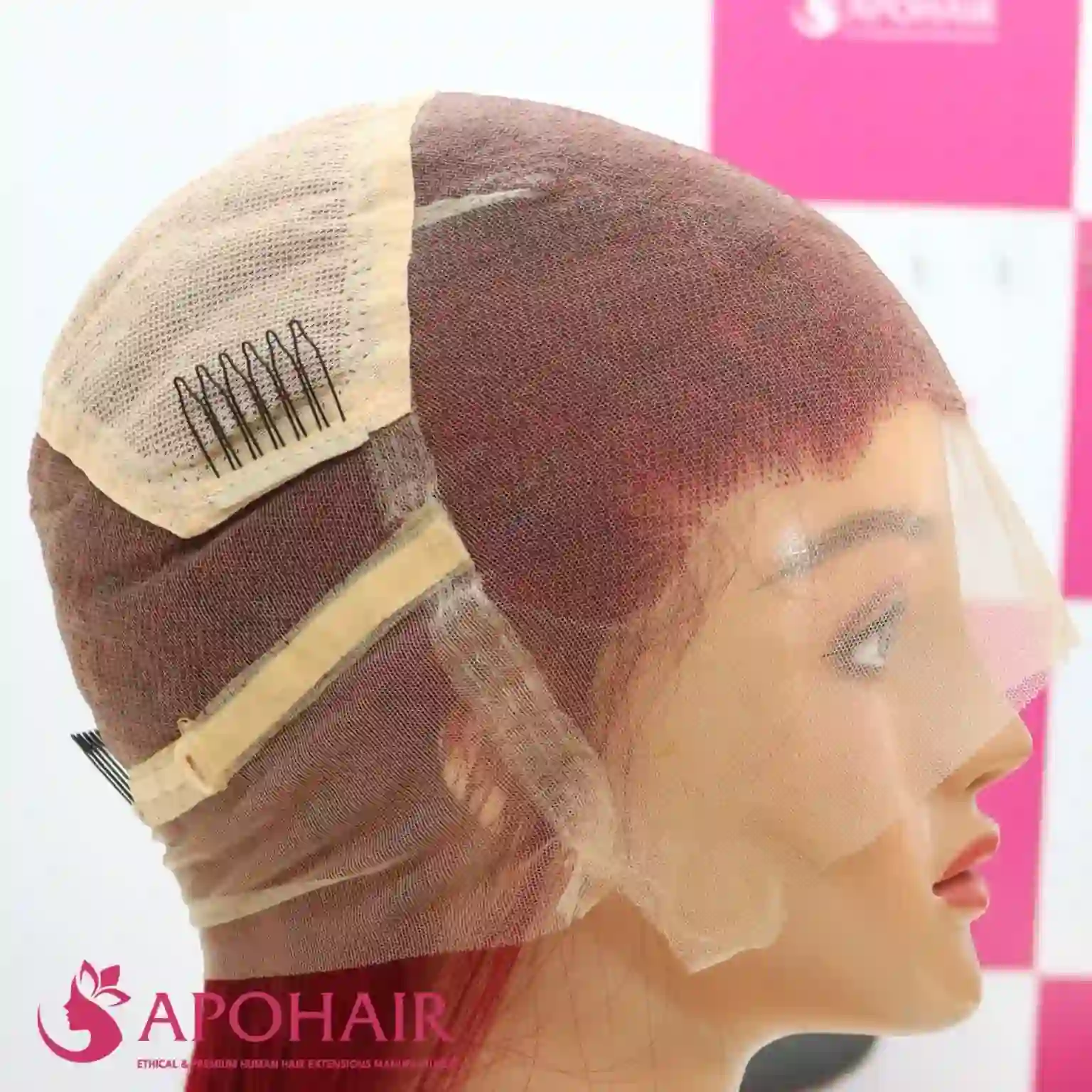
Full lace: Wholesale human hair full lace wig suit clients who wear lace across the whole base and want the adhesive and removal steps above done carefully.
