







Human vs Synthetic Hair Extensions: Ultimate Comparison Guide
Human hair extensions and synthetic hair extensions serve different purposes in the beauty industry. Human hair extensions, made from 100% real hair collected from donors, last 6-12 months with proper care. You can style them with heat tools up to 150-200°C (300-400°F), dye them, and apply chemical treatments just like your natural hair. They offer authentic movement, texture, and shine that mirror biological hair strands. In contrast, Synthetic hair extensions use artificial fibers such as nylon, acrylic, and polyester. These man-made alternatives cost under $200 and require minimal upkeep. Heat-friendly synthetic types tolerate temperatures up to 120°C (250°F). Standard synthetic extensions cannot withstand heat styling. Human hair extensions require sulfate-free products with pH levels between 4.5 and 5.5 and specific washing protocols. Synthetic options require cold-water washing and specialized care formulas.
This guide breaks down material composition, styling capabilities, durability, cost factors, maintenance routines, comfort levels, and appearance qualities. You will gain clear insights to select the extension type that matches your budget, lifestyle, and styling preferences. Read on to find your ideal hair transformation solution.

What Are Human Hair Extensions?
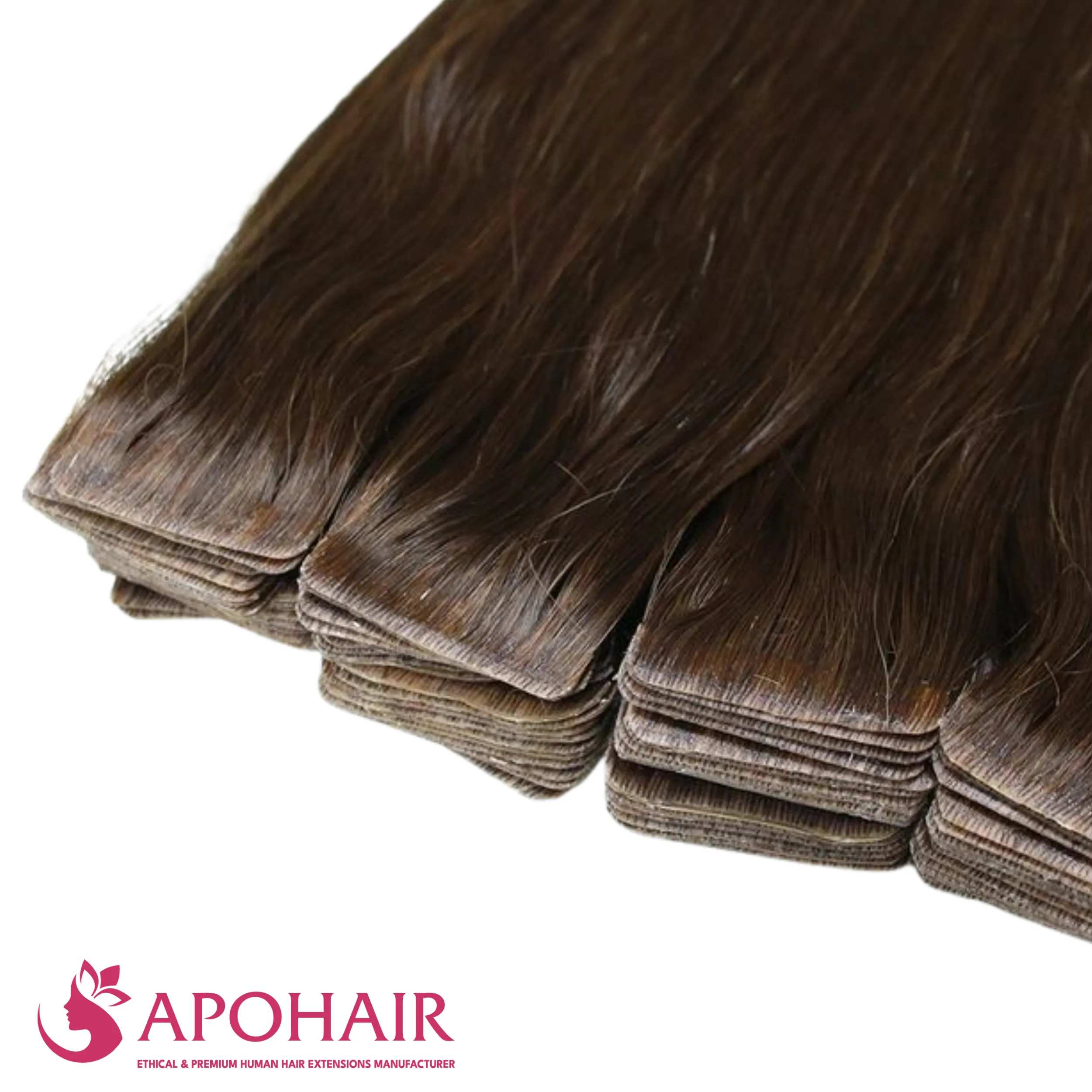
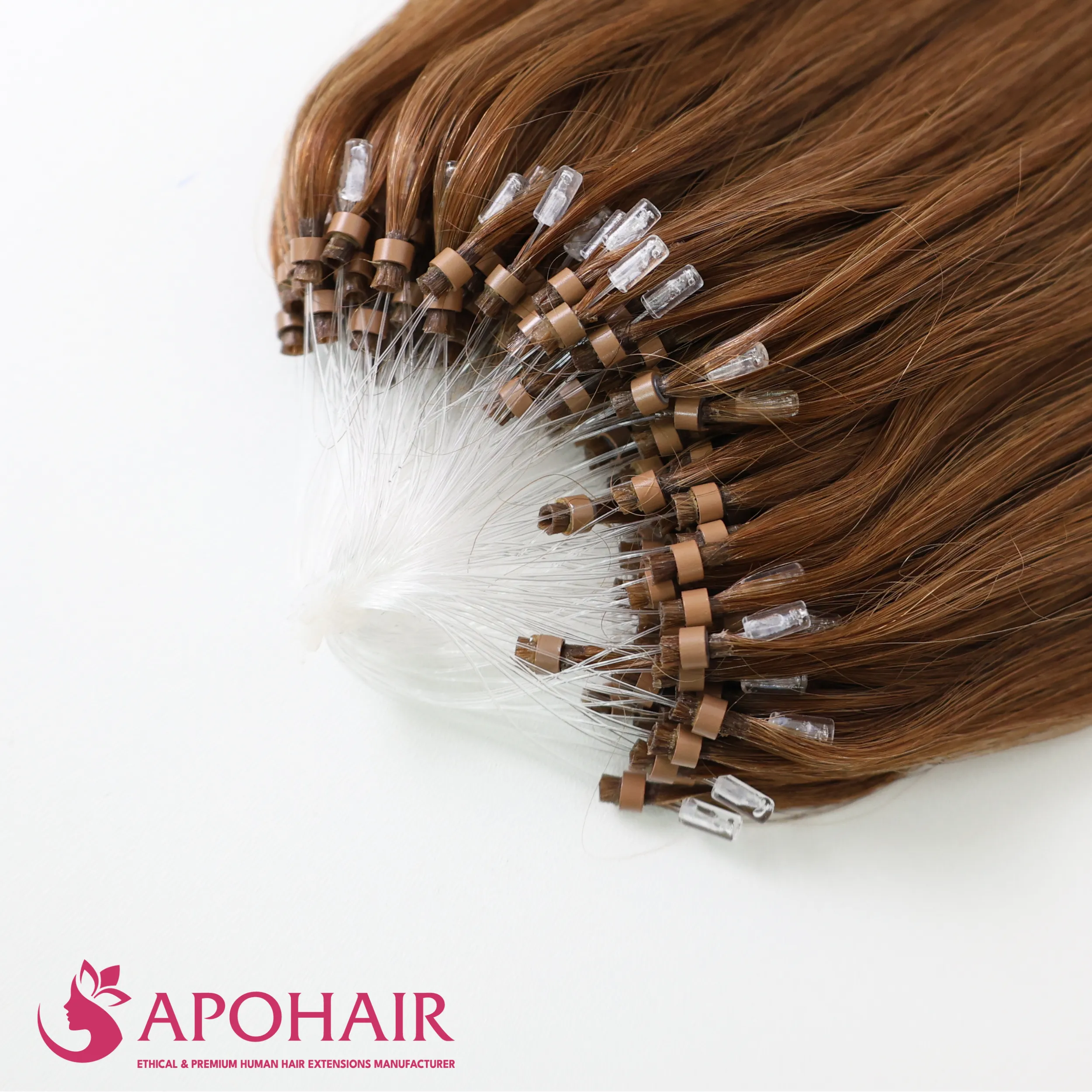
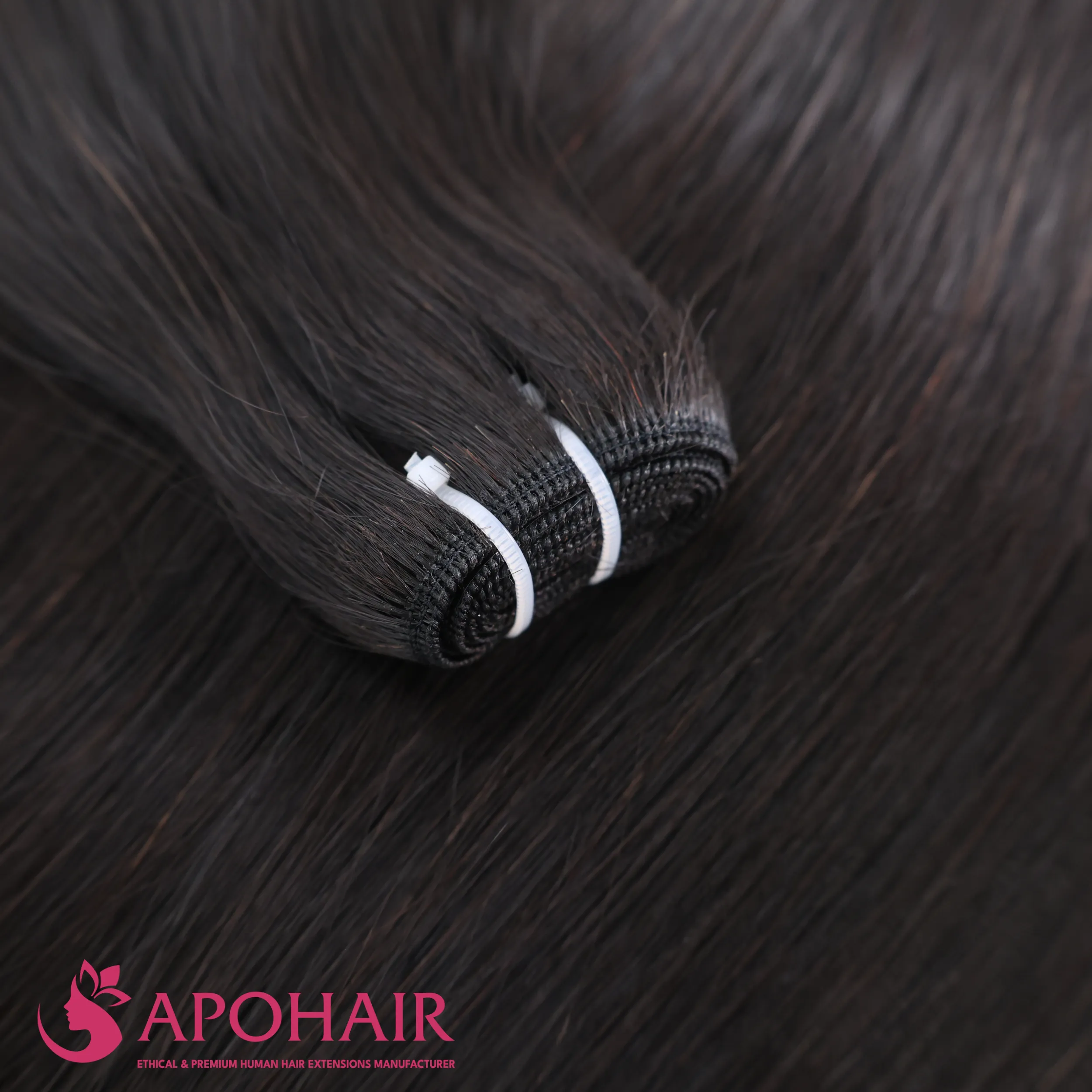
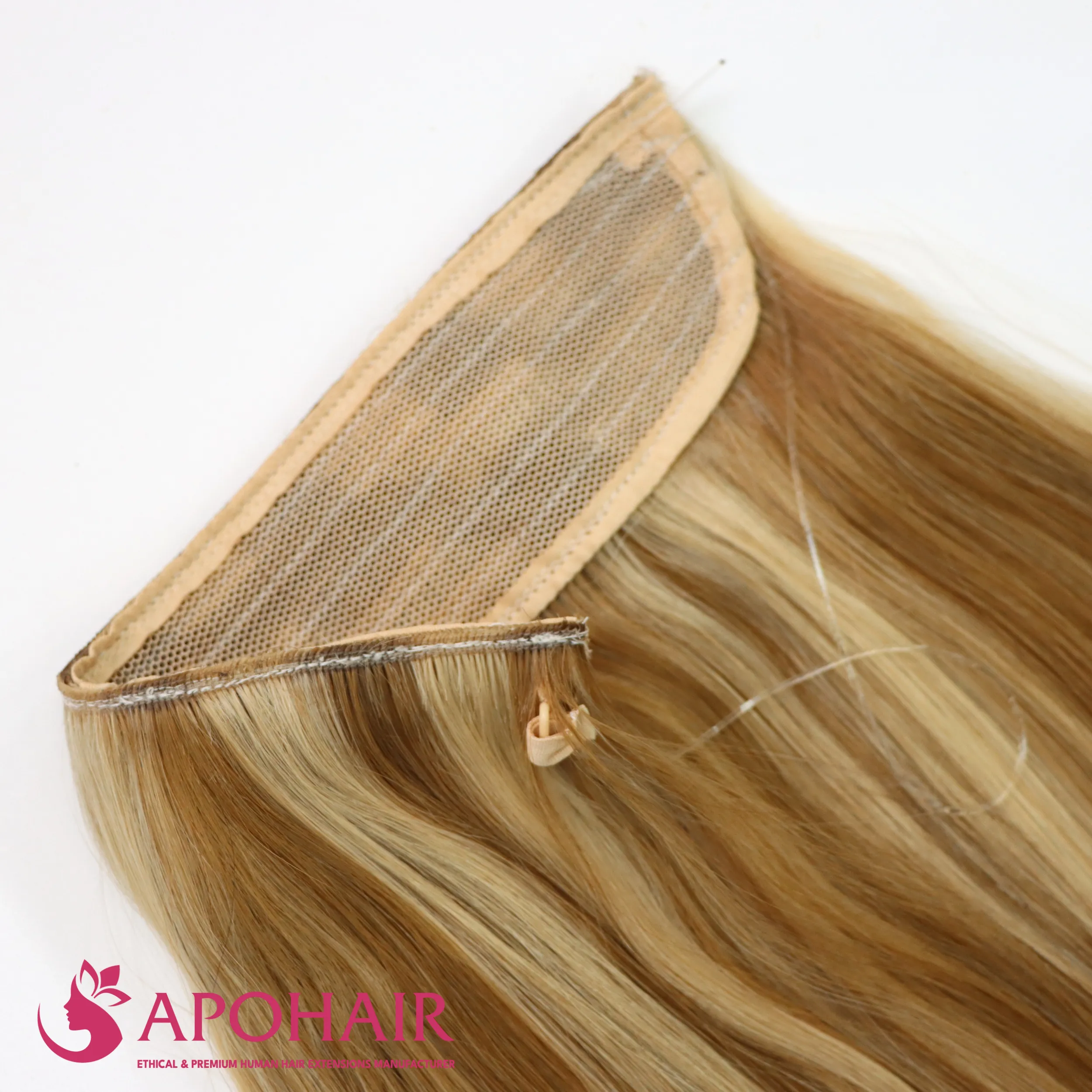
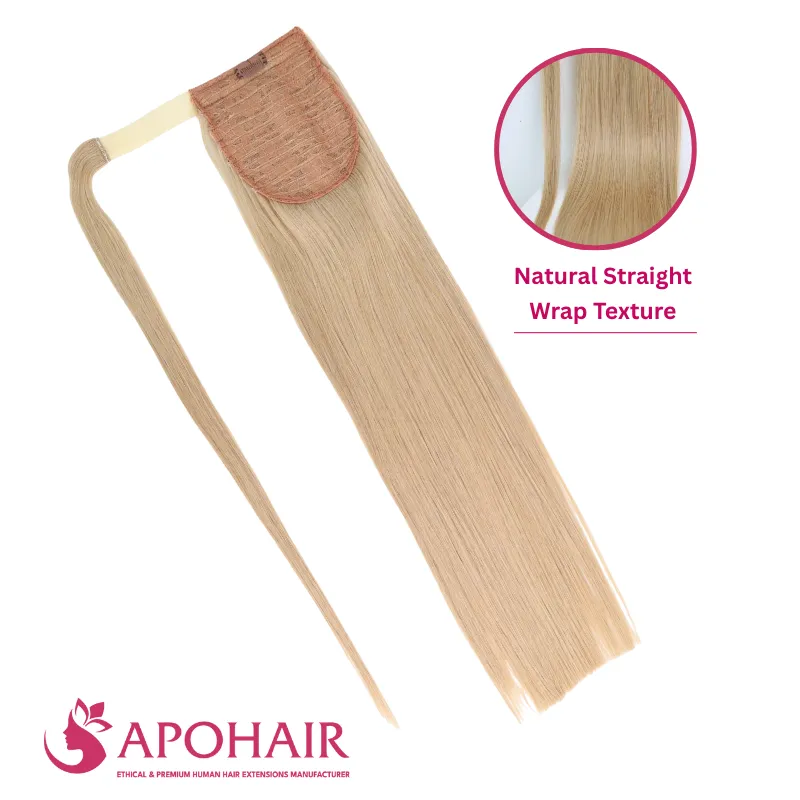
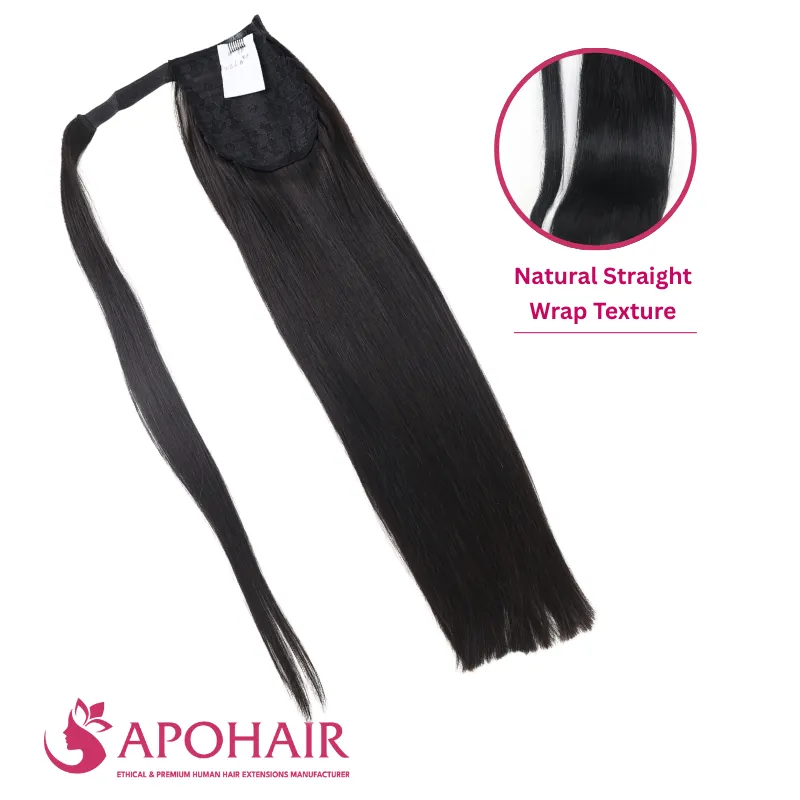
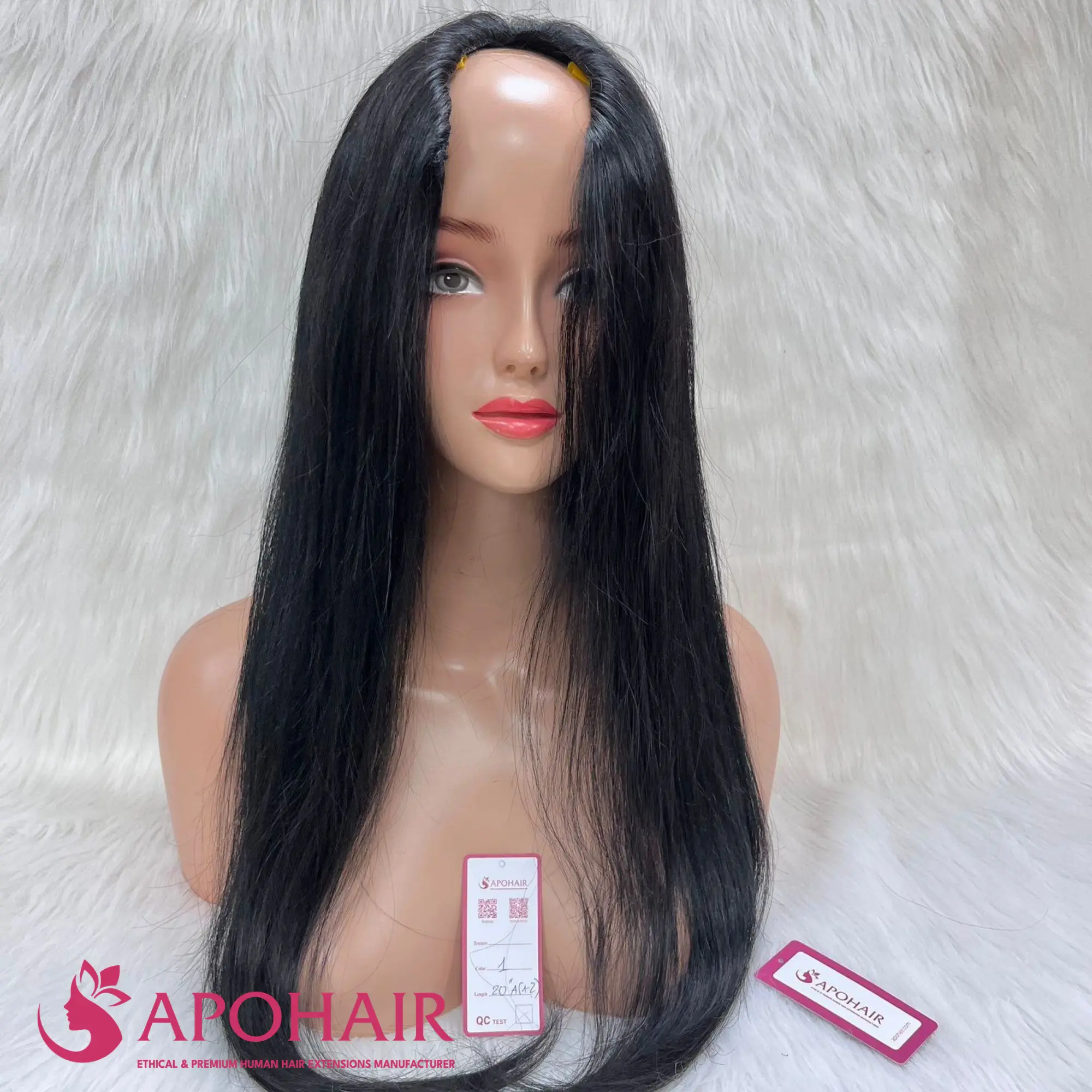
Human hair extensions are hairpieces made from 100% real hair collected from donors through ethical sourcing practices. These extensions undergo careful processing to maintain natural cuticle alignment and structural integrity. You can curl, straighten, dye, and bleach human hair extensions using the same techniques applied to biological hair. The extensions come in three primary grades: Raw virgin hair that remains chemically unprocessed, Remy hair with cuticles aligned in one direction, and processed hair that has undergone color or texture treatments.
Quality human hair extensions can last 6-12 months when you follow recommended care protocols. Some premium virgin collections last up to 24 months with diligent maintenance. The investment ranges from $200 to $2000+, depending on hair origin, processing method, and length. This higher price point reflects the authentic material quality and extended lifespan compared to synthetic alternatives.

What Are Synthetic Hair Extensions?
Synthetic hair extensions are manufactured hairpieces created from artificial materials, including nylon, acrylic, polyester, and modacrylic blends. These artificial strands undergo factory processing to replicate the visual appearance of biological hair. Manufacturers pre-style synthetic extensions into permanent curl patterns, waves, or straight textures that maintain their shape without daily restyling. Standard synthetic fibers cannot absorb traditional hair dye and will melt or distort when heated. Heat-resistant synthetic varieties tolerate temperatures up to 120°C (250°F) for light styling adjustments.
Synthetic hair extensions are affordable, costing under $200, making them more accessible for temporary changes, special events, or first-time users trying out different hairstyles. However, synthetic hair extensions do have some significant disadvantages, such as a shorter lifespan compared to natural hair, lasting only 1-3 months before needing replacement. The strands are also much more tangly and more difficult to style than natural hair.

What’s the difference between human vs synthetic hair extensions?
Human hair extensions use 100% real donor hair with natural cuticle structure, while synthetic hair extensions use man-made fibers like nylon and polyester that replicate the look of biological strands. This material difference drives every contrast in styling capability, lifespan, cost, comfort, and care demands between the two types.
The table below summarizes each factor before the detailed breakdown that follows:
| Aspect | Human Hair Extensions | Synthetic Hair Extensions |
| Material | 100% real donor hair with aligned cuticles | Artificial materials: Nylon, acrylic, polyester, modacrylic fibers |
| Styling Options | Heat styling up to 200°C, dyeable, chemical treatments | Pre-styled only; heat-friendly types max 120°C |
| Durability | 6-12+ months with proper care | 1-3 months typical lifespan |
| Cost | $200-$2000+, depending on grade and length | Under $200 for most options |
| Maintenance | Sulfate-free products (pH 4.5-5.5), weekly conditioning | Cold water, synthetic-specific products |
| Comfort | Lightweight, breathable, natural scalp feel | Heavier, less breathable, warmer |
| Heat Tolerance | Up to 150-200°C (300-400°F) | Standard: no heat; Heat-resistant: max 120°C (250°F) |
| Appearance | Natural movement, authentic shine, invisible blend | Plastic-like sheen, stiffer texture, visible distinction |

Material
Human hair extensions use premium cuticle-aligned strands sourced from donors through ethical practices. The natural protein structure creates smooth, tangle-resistant quality that blends invisibly with biological hair. Each strand retains its original cortex, cuticle layer, and medulla, allowing the extensions to respond to humidity, styling, and products just like hair growing from your scalp.
Synthetic extensions replicate hair appearance using plastic-based polymers engineered to mimic strand thickness and color depth. The artificial composition creates an affordable alternative but can produce a distinctive sheen that appears artificial under certain lighting. This difference in molecular structure determines how each type interacts with heat, color, and daily wear conditions.

Styling Options
Human hair extensions accept flat irons, curling wands, blow dryers, and chemical treatments without damage when you use proper heat protection. You can visit your salon for color services, keratin treatments, or permanent wave processes. This versatility allows you complete creative freedom to match your extensions to seasonal trends or to your personal style evolution throughout their lifespan.
Synthetic hair extensions arrive pre-styled in fixed curl patterns, wave textures, or straight configurations. Standard synthetic fibers cannot tolerate heat tools without melting, warping, or releasing harmful fumes. Heat-resistant varieties allow light touch-ups at temperatures below 120°C (250°F). This limitation makes synthetic extensions ideal for ready-to-wear convenience but restricts customization possibilities.

Durability and Maintenance
Human hair extensions provide 6-12 months of continuous wear when you follow proper care routines. Premium virgin hair grades can last 18-24 months with professional maintenance appointments every 6-8 weeks. The natural protein composition allows you to wash, condition, and treat extensions repeatedly without degradation. Your cost-per-wear decreases significantly over the extended lifespan, creating long-term value despite a higher initial investment.
Synthetic hair extensions require replacement every 1-3 months as fibers lose shape, develop frizz, and accumulate static charge. Frequent heat exposure, friction, and environmental factors accelerate deterioration. The lower durability means more frequent purchases, which can approach human hair costs over a 12-month period for regular extension wearers.

Cost
Human hair extensions require a higher upfront investment, ranging from $200 to $2000+, depending on hair origin, processing grade, and length specifications. Remy and virgin hair collections command premium pricing for their superior quality and extended durability. Professional installation adds $100-$500, depending on the method’s complexity and the stylist’s expertise. Calculate the true value by dividing the total cost across the months of wear.
Synthetic hair extensions provide budget-friendly access at $20-$200 for most styles and lengths. Lower manufacturing costs translate to accessible pricing for occasional use or first-time extension experimentation. Consider the replacement frequency when comparing overall annual expenditure between synthetic and human hair options for your specific usage pattern.

Comfort and Appearance
Human hair extensions integrate seamlessly with biological hair, creating invisible transitions at attachment points. The natural weight distribution feels comfortable during extended wear. Protein-based strands respond to air movement with authentic sway and bounce that cameras and observers cannot distinguish from hair growing directly from your scalp.
Synthetic extensions produce a plastic-like sheen that appears artificial under flash photography or direct sunlight. The manufactured fibers sit differently on the head, creating a heavier sensation and reduced airflow to the scalp. Warmer climates may cause discomfort as synthetic materials trap heat against the head. Bold fashion colors and dramatic styles can mask these visual differences for creative looks.

Maintenance and Care
Human hair extensions need washing every 15-20 wears with sulfate-free shampoo, with a pH of 4.5-5.5. Apply downward strokes during washing and avoid circular rubbing, which can create tangles. Condition from mid-shaft to ends only, protecting weft attachment points. Air drying preserves structural integrity; heat styling requires protection sprays rated for temperatures up to 150°C (300°F). Use loop brushes working from the ends upward. Weekly deep conditioning treatments maintain moisture balance. Store extensions hanging in low-humidity environments. Schedule professional maintenance appointments every 6-8 weeks for reinstallation methods.
Synthetic hair extensions require synthetic-specific cleansing products only. Wash in cold water and allow complete air drying with no heat application. Detangle using wide-tooth combs, working from ends to roots. Store in original packaging or on wig stands to maintain styled shape. Heat-resistant varieties tolerate styling tools at a maximum of 120°C (250°F). Manage static buildup with specialized sprays and address odor development with proper ventilation and storage practices.

What Are the Pros and Cons of Human vs Synthetic Hair Extensions?
Human hair extensions offer natural appearance and full styling freedom at higher cost and care commitment. Synthetic hair extensions provide affordable, pre-styled convenience with shorter lifespan and limited heat tolerance. The table below breaks down the key advantages and drawbacks of each type across six performance factors — including a wholesale buyer perspective that most comparison guides overlook:
| Factor | Human Hair — Advantages | Human Hair — Drawbacks | Synthetic Hair — Advantages | Synthetic Hair — Drawbacks |
| Appearance | Blends with biological hair — natural light reflection, authentic movement, invisible at attachment points | Requires color-matching by a trained stylist for best results | Bold, vivid colors available straight from the package without salon processing | Uniform plastic-like sheen visible under flash photography or direct sunlight |
| Styling | Accepts heat tools up to 200°C (400°F), dye, bleach, and chemical treatments like biological hair | Heat protectant spray and proper technique required to prevent damage over time | Arrives pre-styled — curls, waves, and straight textures hold shape permanently with zero daily effort | Standard types melt above 120°C (250°F). Heat-resistant varieties handle light touch-ups only |
| Lifespan | Lasts 6–12 months. Premium virgin grades reach 18–24 months with professional upkeep every 6–8 weeks | Shorter lifespan without consistent washing, conditioning, and proper storage | Low commitment — wear for an event, a season, or a style experiment without long-term obligation | Fibers frizz, tangle, and lose shape within 1–3 months of regular use |
| Cost | Cost-per-day drops over time. A $600 set worn 12 months = $1.64/day | Upfront investment of $200–$2,000+ plus $100–$500 for professional installation | Entry price under $200 for a full set — accessible for first-time buyers or bulk inventory | Four $80 replacements per year = $320 annually, narrowing the gap with human hair sets |
| Comfort | Lightweight, breathable, even weight distribution — comfortable for all-day or multi-week wear | Responds to humidity the same way biological hair does, which may require restyling after rain or workouts | No daily styling time needed — saves 15–30 minutes each morning for wearers who prefer ready-to-go looks | Heavier fibers trap heat against the scalp, causing discomfort in warm climates or during extended wear |
| For B2B Buyers | Higher profit margins per unit. Clients return for reinstallation every 6–8 weeks, creating recurring salon revenue | Requires educated sales staff who can explain care protocols and grade differences to end customers | Fast-moving inventory with low per-unit cost. Good entry product for new online stores or pop-up shops | Lower customer retention — buyers rarely develop brand loyalty toward disposable, short-term products |

Which Hair Extension Type Should You Choose: Human or Synthetic?
Human hair extensions suit wearers who prioritize authentic appearance, styling freedom, and long-term investment value. Synthetic hair extensions match users seeking affordable access, temporary transformation, and minimal maintenance commitment. Your ideal choice depends on budget availability, styling habits, wear frequency, and aesthetic expectations.
Choose human hair extensions if:
- You style your hair frequently with curling irons, straighteners, or blow dryers at temperatures above 120°C
- You want to dye, bleach, or apply chemical treatments to match extensions to evolving color preferences
- You need extensions for daily wear spanning 6 months or longer without replacement
- You have budget flexibility to invest $200-$2000+ in quality materials and professional installation
- You desire the most natural look that blends invisibly at professional events, weddings, or photo sessions
- You are willing to invest time in weekly washing, conditioning, and maintenance routines
- You have an active lifestyle requiring breathable, lightweight extensions that move naturally
- You prefer extensions that respond to humidity and styling like biological hair strands
Choose synthetic hair extensions if:
- You have a limited budget under $200 for complete extension purchases
- You need extensions for occasional events, parties, photos, or temporary style changes
- You want pre-styled looks that require no daily curling, straightening, or heat tool maintenance
- You prefer low-maintenance options with minimal washing and care protocols
- You are experimenting with extensions for the first time before investing in premium options
- You need quick style changes without long-term commitment or professional installation
- You do not use heat styling tools on your regular hair routine
- You want to test different colors, lengths, or styles before purchasing human hair versions
- You need extensions for costume purposes, theater performances, or creative cosplay projects
- You prefer immediate convenience over extended durability and natural appearance

How To Distinguish Between Human Vs Synthetic Hair Extensions?
Nine reliable methods help you identify extension material composition. These tests provide a clear distinction between authentic human hair and manufactured synthetic fibers when product labeling appears unclear or verification becomes necessary:.
- Material and texture: Human hair feels soft, smooth, and responsive to humidity changes; synthetic fibers feel coarser, produce slight plastic sensation, and maintain consistent texture regardless of environment conditions
- Styling flexibility: Human hair curls, straightens, and accepts dye like biological strands; synthetic extensions resist color absorption and melt or warp under heat tool contact above 120°C
- Appearance and shine: Human hair produces natural light reflection with subtle variation; synthetic fibers create uniform artificial sheen that appears plastic-like under flash photography or direct sunlight
- Longevity and maintenance: Human hair maintains quality for 6-12+ months with proper care; synthetic extensions degrade, frizz, and lose shape within 1-3 months of regular wear
- Burn test method: Cut a single strand from an inconspicuous area. Hold it with metal tweezers over a ceramic plate in a ventilated space, then light the tip for 1–2 seconds. Human hair burns slowly, smells like burning fingernails, and leaves soft grey ash that crumbles. Synthetic fiber melts into a hard plastic bead with sharp chemical odor.
- Water test method: Drop a strand into a glass of room-temperature water. Human hair absorbs moisture and sinks within 1–2 minutes. Synthetic fiber floats on the surface due to its plastic coating.
- The Water & Drying Test: While human hair is porous and absorbs moisture, the best indicator isn’t just weight, it’s drying time. Human hair takes a significantly longer time to air-dry because the water penetrates the inner cortex. Synthetic hair, being made of plastic or specialized fibers, usually repels water or only holds it on the surface, allowing it to dry much faster.
- Texture & Cuticle Observation: Human hair has a natural cuticle layer (microscopic scales). You can feel this by sliding your fingers up a single strand from the tip toward the root; it should feel slightly “rough” or provide resistance. Synthetic hair is usually uniform and perfectly smooth in both directions. Additionally, while some high-end synthetics have matte coatings, most still lack the multi-dimensional, natural luster of real hair.
- Elasticity & Recovery: Healthy human hair is remarkably elastic; it can stretch up to 30% of its length when wet and return to its original shape without damage. In contrast, synthetic fibers have very little “memory”. If you pull a synthetic strand too hard, it will either snap instantly or become permanently deformed, often taking on a crinkled, “over-stretched” appearance that cannot be fixed.

Where To Buy Human Hair Extensions?
You can purchase premium human hair extensions from APOHAIR, Vietnam’s leading manufacturer, offering raw, virgin, and Remy hair grades. Each collection delivers authentic Vietnamese hair, with cuticle alignment and ethical sourcing verified.
APOHAIR stands as Vietnam’s largest hair extension manufacturer with factory-direct operations spanning over two decades. Seven differentiators separate APOHAIR from standard suppliers in the global wholesale market:
- 100% Vietnamese Human Hair: Single-donor collection ensures consistency in texture, color, and strand quality throughout each bundle
- Cuticle-Aligned Technology: All cuticles face the same direction, eliminating tangling and extending product lifespan significantly
- Ethical Sourcing: Direct collector network across Vietnamese villages with fair compensation practices verified at every stage
- Factory-Direct Pricing: No middlemen involvement delivers wholesale rates 30-40% below typical retail market pricing
- 20+ Year Track Record: Established operations since the early 2000s with 250+ factory workers and 100+ dedicated sales staff
- Global Distribution: Ships to US, UK, EU, Australia, Africa, and Asia within 24 hours of order confirmation
- Quality Guarantee: 7-day inspection warranty with free replacement policy for any manufacturing defects
APOHAIR transforms authentic Vietnamese hair into premium extensions trusted by beauty professionals across 50+ countries worldwide. Our commitment drives us toward becoming the global leader in the hair industry through ethical practices, manufacturing excellence, and customer success.
Ready to source premium human hair extensions for your business? Contact APOHAIR today for wholesale pricing and product samples.
APOHAIR ETHICAL & PREMIUM HUMAN HAIR EXTENSIONS MANUFACTURER
- Address: Building 3A, Lane 82 Duy Tan, Cau Giay, Hanoi, Vietnam
- Factory: Yen Luong Village, Y Yen District, Nam Dinh Province, Vietnam
- Phone: (+84) 862 132 366
- Email: wholesale@apohair.com

Frequently Asked Questions about Human vs Synthetic Hair Extensions
How Long Do Human Hair Extensions Last With Proper Care?
Human hair extensions last 6-12 months with consistent maintenance routines. Premium virgin hair grades can extend to 18-24 months when you follow sulfate-free washing, weekly conditioning, and professional maintenance schedules every 6-8 weeks.
Can Synthetic Hair Cause Hair Breakage?
Yes, synthetic hair extensions can cause breakage when installed improperly, worn too heavy for natural hair density, or left in place for extended periods. Give your natural hair regular rest periods and ensure proper attachment technique to minimize stress on biological strands.
Can Synthetic Hair Extensions Be Dyed?
No, synthetic hair extensions cannot absorb traditional hair dye because they are made to plastic-based fibers. Chemical treatments damage artificial strands, causing melting, distortion, or irreversible texture changes. Purchase synthetic extensions in your desired color from the manufacturer.
What’s The Healthiest Type Of Hair Extension?
Clip-in and tape-in human hair extensions place less strain on natural hair than glued or sewn-in methods. These low-tension application techniques allow easy removal, even weight distribution, and minimal damage to biological hair when installed and maintained correctly.
Is It Possible To Blend Human And Synthetic Extensions?
Yes, you can blend human and synthetic extensions together with careful attention to texture matching and color coordination. Results vary based on fiber quality and styling limitations. The synthetic portions cannot receive heat styling, which restricts overall styling flexibility for the combined installation.
Conclusion
Human hair extensions and synthetic hair extensions serve distinct purposes based on their material composition, styling capabilities, durability, and cost. Human hair extensions deliver an authentic appearance, heat-styling freedom up to 200°C, dye compatibility, and a 6-12+ month lifespan at an investment of $200-$2000+. Synthetic extensions provide budget-friendly access under $200, pre-styled convenience, and minimal maintenance demands with 1-3 month durability and limited heat tolerance. Your ideal choice depends on budget availability, styling frequency, wear duration, and appearance expectations. Consider your specific transformation goals when selecting between these two extension categories.
APOHAIR ETHICAL & PREMIUM HUMAN HAIR EXTENSIONS MANUFACTURER
- Address: Building 3A, Lane 82 Duy Tan, Cau Giay, Hanoi, Vietnam
- Factory: Yen Luong Village, Y Yen District, Nam Dinh Province, Vietnam
- Phone: (+84) 862 132 366
- Email: wholesale@apohair.com


