









Partial vs. Full Highlights: Cost, Maintenance, and Salon Tips
Full highlights lift color across every strand for a bold, head-turning brightness that shifts your entire appearance. Partial highlights lighten only the top layer and face-framing sections for a softer, sun-kissed glow. A partial session lasts 1.5 to 2.5 hours and costs $100 to $300, while a full session runs 2.5 to 4 hours and costs $175 to $500. Full highlights need touch-ups every 6 to 8 weeks; partials stretch to 8 to 12 weeks. Full highlights suit clients who want a dramatic color transformation, and partials work best for a natural, low-effort refresh.
This guide breaks down the definitions, key differences, hair-type recommendations, cost comparisons, and maintenance schedules for both techniques. You will find practical decision rules, color ideas by hair type, and tips for applying highlights to human hair extensions and wigs so you can pick the method that fits your daily life.

What Are Partial Highlights?
Partial highlights are a hair coloring technique that lightens selected sections of hair. A colorist applies lightener to the top layer, face-framing pieces, and crown area to produce a soft, natural-looking result without altering the full head. The outcome is a subtle, sun-kissed brightness that adds dimension around the face, with natural roots that blend softly as hair grows out over time.
Partial highlights need a salon touch-up every 8 to 12 weeks (about 2 to 3 months), which is less frequent than full highlights. This technique is ideal for clients who want a gentle introduction to color, prefer low-maintenance upkeep, have fine or fragile hair, or want to brighten their appearance without a dramatic base change.

What Are Full Highlights?
Full highlights are a hair coloring method that applies lightener throughout the entire head. A colorist sections and foils (or balayage paints) hair across the top, sides, back, and underneath layers, from root to tip, to produce a uniform, high-impact brightness. The result is a bold, all-over lift that can shift hair 2 to 3 shades lighter, creating visible contrast and a polished, dimensional finish from every angle.
Full highlights require a professional touch-up every 6 to 8 weeks to prevent visible regrowth lines and maintain color consistency. This technique is ideal for clients seeking a major color transformation, those transitioning from dark to light, anyone needing gray coverage, or clients who wear updos and ponytails frequently and want even color throughout.

What Are the Differences Between Partial vs Full Highlights?
The main differences between partial and full highlights are coverage area, visual contrast, session time, cost, maintenance frequency, and the client profile each technique serves best. The table below compares each factor side by side.
| Factor | Partial Highlights | Full Highlights |
| Coverage Area | Top layer, face-framing strands, and crown (upper 50% of the head) | Entire head: top, sides, back, and underneath layers |
| Visual Effect and Contrast | Subtle, sun-kissed glow with soft blending into the base color | Bold, all-over brightness with visible contrast across the full length |
| Time in the Salon | 1.5 to 2.5 hours (90 to 150 minutes) | 2.5 to 4 hours (150 to 240 minutes) |
| Cost Comparison | $100 to $300 per session | $175 to $500 per session |
| Maintenance and Touch-Up Schedule | Every 8 to 12 weeks (4 to 6 visits per year) | Every 6 to 8 weeks (6 to 8 visits per year) |
| Customization | Targeted placement: face-framing, mohawk strip, top-half, or babylight mix | Full-head control: multi-tonal blends, color-melt, cool/warm alternation, gray coverage |
| Best For | Low-maintenance clients, fine or fragile hair, first-time color, natural look | Bold transformations, thick hair, gray blending, updo wearers, dark-to-light transitions |
Coverage Area: Full Highlights Cover More Than Partial Ones
Partial highlights cover only select sections of hair, while full highlights are applied throughout the entire head. This coverage gap produces distinctly different end results. Partial highlights target the top layer, face-framing strands, and crown. They treat the upper 50% of the head and leave the underneath layers and back sections at the natural base color.
Full highlights cover every section: top, sides, back, and underneath layers, so no portion of hair remains untouched by the lightening process. The difference in coverage means partial highlights create a soft contrast that fades naturally into the base, while full highlights produce a uniform lift visible from all angles, including when hair is tied up in a ponytail or braid.

Visual Effect and Contrast: Full Highlights Are Bolder While Partials Subtle
Partial highlights produce a subtle, natural-looking glow, while full highlights create a dramatic, high-contrast brightness. The starting base color directly determines how noticeable each technique appears. Partial highlights give a soft, multi-dimensional effect, often described as sun-kissed or lived-in, where lighter pieces blend into the base without a sharp line of demarcation.
Full highlights produce a bold, all-over brightness with visible contrast across the entire length of hair, making the color change noticeable even from a distance. On darker base colors like deep brown or black, partial highlights appear as gentle brightening around the face. Full highlights on the same base generate a striking contrast that shifts the overall perceived hair color by 2 to 3 shades.

Time in the Salon: Partial Highlights Are Faster Than Full Services
Partial highlights take less time in the salon than full highlights. A partial session runs 1.5 to 2.5 hours (90 to 150 minutes) from application to final rinse and styling, depending on the number of sections lightened. Session length varies by hair density, length, and whether the colorist uses foiling or balayage technique.
A full highlight session takes 2.5 to 4 hours (150 to 240 minutes) to complete, as the colorist works through every section of the head, including back and underneath layers. Hair density, length beyond 40 cm (16 inches), the use of toners, and the foiling or balayage method can extend session time for both techniques. Thick, long, or heavily pigmented hair adds up to 30 to 45 extra minutes to either service.

Cost Comparison: Full Highlights Cost More While Partials Cheaper
Partial highlights cost between $100 and $300 per session on average, while full highlights range from $175 to $500. Hair length, thickness, technique, toner use, and salon location determine where each falls within that range. Partial highlights average $100 to $300 per session, with shorter, finer hair at the lower end and longer or denser hair pushing toward $250 to $300.
Full highlights average $175 to $500 per session. The higher end reflects thick or long hair, multiple shades, or premium foiling techniques that require more product and chair time. Hair length and thickness drive the largest cost differences for both. Additional services such as toning, glossing, or deep conditioning treatments add $30 to $80 on top of the base highlight price at most salons.

Maintenance and Touch-Up Schedule: Full Highlights Require More Maintenance Than Partials
Partial highlights need a professional touch-up every 8 to 12 weeks, while full highlights require salon visits every 6 to 8 weeks. At-home care directly extends the result between appointments for both techniques. Partial highlights need a refresh every 8 to 12 weeks (2 to 3 months), as the soft grow-out blends naturally with the base and regrowth lines remain less visible.
Full highlights require a salon visit every 6 to 8 weeks (roughly every month and a half to two months), since lightened strands throughout the entire head make root contrast more noticeable as hair grows. Between appointments, using a sulfate-free color-safe shampoo, applying a purple or blue-toned toning conditioner weekly to neutralize brassiness, and limiting heat styling to below 180°C (356°F) each extend the vibrancy and blending quality of both partial and full highlights.

Customization: Full Highlights Offer More Options Than Partials
Full highlights offer broader customization in terms of coverage, color range, and placement patterns. Partial highlights allow for precise, targeted customization in specific zones. Each technique suits a different client profile. Partial highlights let a colorist place lightener in zone-specific patterns: face-framing pieces, mohawk strips down the center, top-half-only application, or a mix of babylights and thicker foils for varied dimension, all without altering the base color of the remaining hair.
Full highlights allow for customization across the entire head, including multi-tonal blends, color-melt techniques, alternating cool and warm tones throughout different layers, and dramatic base-to-tip transformations with complete gray blending. Clients who want precise brightening in one area benefit most from partial highlight customization. Clients who want a full color overhaul, gray coverage, or a cohesive look across updos, braids, and straight-down styles benefit more from the full highlight range.

Best For: Full Highlights Suit Bold Looks While Partials Natural
Partial highlights best suit low-maintenance clients with healthy hair who want subtle dimension. Full highlights best suit clients seeking high-impact color change. Both techniques work for any client who prioritizes consistent, all-over color visibility. The ideal candidate for partial highlights is someone with a low-maintenance lifestyle, fine or processed hair that needs minimal chemical exposure, a preference for natural-looking results, or a first-time color client testing color before committing to a full service.
The ideal candidate for full highlights is someone with thick hair seeking visible lift, a client going from dark to light for the first time, anyone who wears updos or ponytails regularly and wants color visible from all angles, or a client with scattered grays who needs complete blending coverage. Both techniques are viable for the same client with medium-density hair in moderate health who wants noticeable color without going platinum. Many colorists recommend alternating between partial and full services: start with a full set and maintain with partials every second appointment to preserve hair integrity while keeping color consistent.

Partial vs. Full Highlights by Hair Type, Color, and Texture
Partial vs. Full Highlights on Brown Hair
Brown hair offers a versatile canvas for both partial and full highlights. Below are 10 hair color ideas that range from soft caramel warmth to cool ash-toned dimension, giving you options for every preference.
- Caramel partial highlights around the face: warm golden tones brighten brown hair with a soft, natural glow.
- Honey blonde full highlights throughout: lift the entire head 2 shades for a warm, sun-drenched brightness.
- Toffee babylights on the top layer: fine, delicate strands add subtle dimension without changing the base.
- Chestnut balayage partials at the crown: hand-painted mid-tones create a lived-in warmth on medium brown.
- Ash blonde full highlights from root to tip: cool-toned lift produces a modern, smoky contrast on dark brown.
- Bronde color-melt with full coverage: blends brown and blonde seamlessly for a gradual, multi-dimensional shift.

- Copper face-framing partials: red-gold accents warm the complexion and brighten the front sections of brown hair.
- Golden bronze full highlights: rich warm tones add depth and movement across every layer of brown hair.
- Mushroom brown partial highlights: cool, muted tones on the top layer give a sophisticated, low-contrast refresh.
- Dark chocolate and espresso full highlights: subtle shade variation within the brown family adds depth without visible lightening.

Partial vs. Full Highlights on Black Hair
Black hair creates a striking contrast with highlights, whether placed softly around the face or woven throughout the full head. Below are 10 hair color ideas suited to jet-black and off-black base tones.
- Espresso partial highlights at the face frame: warm, deep brown accents soften the black base with gentle brightness.
- Jet-black to dark caramel full highlights: lift 2 to 3 shades across the whole head for a rich tonal shift.
- Blue-black babylight partials: cool-toned micro-highlights reflect light and add subtle dimension to dark hair.
- Burgundy face-framing partials: deep red accents create a warm glow around the face on a black base.
- Dark auburn full highlights: distribute red-brown tones throughout for a noticeable yet sophisticated color change.
- Midnight blue full highlights: cool-toned fashion color blends with black hair for a bold, editorial effect.

- Chocolate brown partial highlights on the crown: a natural-looking lift that keeps the overall base dark and rich.
- Warm mahogany full highlights: reddish-brown tones across every layer warm the complexion and add movement.
- Smoky gray partial highlights at the face frame: ashy streaks provide a modern, cool-toned contrast on black hair.
- Dark honey blonde full highlights: a high-contrast transformation that shifts black hair toward a warm brunette shade.

Partial vs. Full Highlights on Curly Hair
Curly hair lifts faster due to its higher natural porosity, so both partial and full highlights require careful developer selection and processing time. Below are 10 hair color ideas designed to celebrate curl definition and texture.
- Golden caramel partial highlights on the top layer: warm tones catch light in the curl pattern without over-processing.
- Sun-kissed balayage full highlights: hand-painted lightener follows each curl’s shape for a natural, dimensional finish.
- Honey blonde face-framing partials: brightens the curls closest to the face for a warm, youthful glow.
- Rich auburn full highlights on tight curls: red-brown tones add warmth and visual depth across every coil.
- Copper babylight partials at the crown: fine, warm strands weave through curls for subtle movement and brightness.
- Dark blonde full highlights on loose curls: 2-shade lift across the whole head gives a soft, beachy brightness.

- Warm bronze partial highlights on coily hair: placed on the top and front sections to define the curl shape.
- Strawberry blonde full highlights: pink-gold tones distributed through every layer create a playful, dimensional look.
- Cinnamon face-framing partials on spirals: spicy warm tones frame the face and enhance the curl definition.
- Icy platinum full highlights on dark curls: a high-contrast, fashion-forward choice for curly hair that demands attention.

How To Choose Between Partial vs. Full Highlights?
Choosing between full and partial highlights depends on four practical factors: your desired visual outcome, how much salon time and money you can commit to maintenance, your current hair type and health, and your total annual color budget.
Think Over Your Desired Vibe
The desired outcome is the clearest signal for which highlight technique to choose. Soft and natural points to partial; bold and all-over brightness points to full. Partial highlights produce a natural, face-brightening glow: sun-kissed at the surface, dimensional around the face, with a base color that remains visible and roots that grow in seamlessly.
Full highlights produce a high-contrast, head-to-toe brightness: consistent color from every angle, visible lift even in updos, and a clear departure from the original base shade. A relaxed, everyday personality who prefers effortless style gravitates toward partial highlights, while someone who enjoys bold style statements and frequent color updates feels more at home with full highlights. If you want a natural-looking refresh that blends with your roots, choose partial highlights. If you want a noticeable color overhaul visible from all angles, choose full highlights.
Look Into Your Maintenance Capacity
Schedule and lifestyle directly determine which highlight technique is sustainable. Partial highlights suit a low-maintenance routine, while full highlights fit someone who can commit to more frequent salon visits year-round. Partial highlights need touch-ups only every 8 to 12 weeks, which means clients visit the salon 4 to 6 times per year on average.
Full highlights require a visit every 6 to 8 weeks, translating to 6 to 8 salon appointments per year, roughly 2 to 4 more visits annually than partial highlights. If your schedule allows a salon visit only every 2 to 3 months, choose partial highlights. If you already schedule regular salon appointments every 6 to 8 weeks, full highlights fit your existing routine.

Check Your Hair Type, Texture, and Health
Hair type, texture, and damage history determine which technique delivers results safely. Partial highlights are gentler on compromised or fine hair, while full highlights work best on healthy, medium-to-thick strands. Partial highlights are safer for fine, fragile, or previously over-processed hair because fewer strands undergo chemical lightening, reducing cumulative damage to the hair’s protein structure.
Curly and coily textures lift faster due to higher natural porosity. Coarser or denser textures may need stronger developers or longer processing time to achieve the same lift with either technique. Hair shorter than 20 cm (8 inches) sees less visual distinction between partial and full highlights because the coverage gap narrows on shorter lengths. Gray hair, chemically relaxed hair, and color-treated hair are special-condition exceptions: gray strands lift unpredictably, relaxed hair is structurally weakened and needs extra care before lightening, and previously colored hair may have uneven porosity that creates patchy results. All three conditions benefit from a professional consultation before choosing the technique.

Figure Out the Total Spend
Full highlights cost more per year than partial highlights because of higher per-session prices combined with more frequent required touch-ups. Ongoing at-home color care adds to the annual spend for both techniques. Full highlights cost more annually: at $175 to $500 per session and 6 to 8 visits per year, the annual color spend ranges from $1,050 to $4,000.
Partial highlights are the lower annual investment: at $100 to $300 per session and 4 to 6 visits per year, the total annual cost ranges from $400 to $1,800. At-home costs for both techniques include sulfate-free color-safe shampoo, toning conditioner, and a bond-strengthening or deep conditioning treatment, averaging $20 to $60 per month. Full highlights often benefit from professional gloss or toning services between main appointments (every 4 to 6 weeks), adding $50 to $100 per interim visit. If per-session cost is the ceiling, partial highlights keep each salon visit within a lower price range. If annual total cost matters more, partial highlights still win overall due to less frequent visits.
How to Use Partial vs Full Highlights Hair Extensions and Wigs?
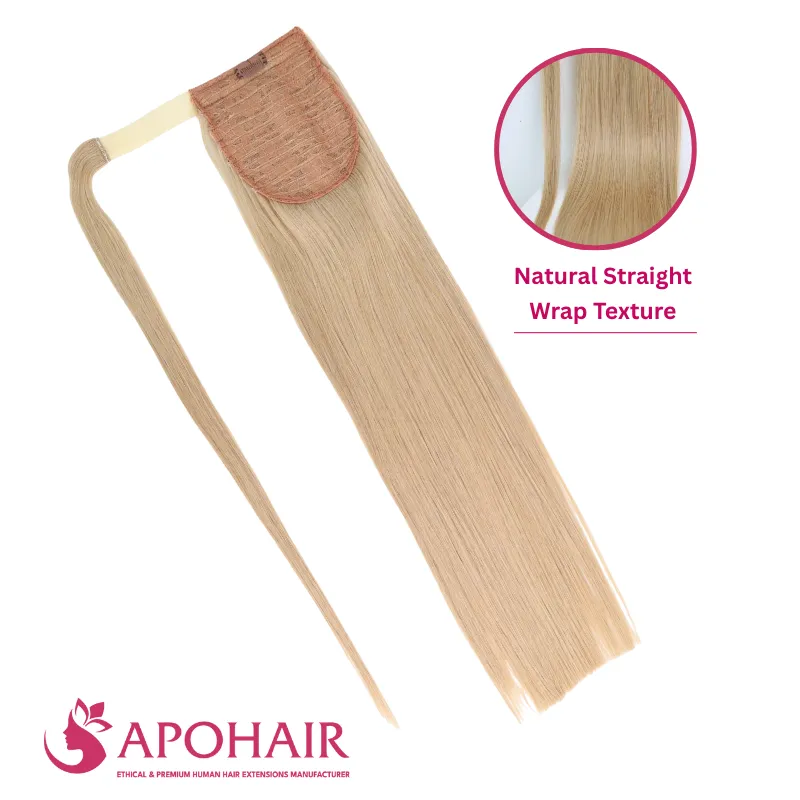
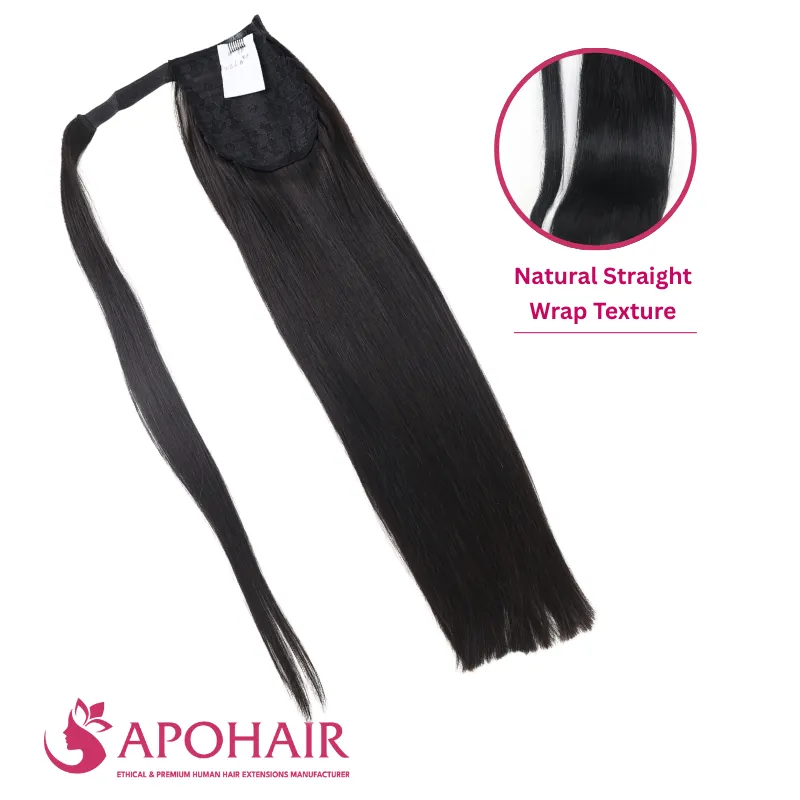
Partial and full highlights can both be applied to human hair extensions and wigs. Partial highlights on human hair extensions add targeted brightness to face-framing wefts or the top layer of a wig. They create a natural, blended effect that mimics how sun naturally lightens the front sections of real hair without altering every strand in the set. Full highlights on extensions and wigs produce a uniform, all-over lift that changes the overall perceived color of the piece, delivering consistent brightness from root to tip whether the extensions are worn down or styled into an updo.
To maintain partial highlights on human hair extensions and wigs, use a sulfate-free, color-safe shampoo, apply a toning conditioner every 1 to 2 weeks to neutralize brassiness, deep condition every 7 to 10 days, and store extensions in a cool, dry place away from direct sunlight to prevent fading. To maintain full highlights on extensions and wigs, follow the same sulfate-free wash routine, increase deep conditioning to twice weekly, apply a UV-protective leave-in spray before heat styling, and keep hot tools at or below 180°C (356°F) to protect color integrity across the fully lightened strands.
You can dye human hair extensions and wigs with partial or full highlights at home. 100% human hair extensions from APOHAIR behave like natural hair and accept color, bleach, and toner. The process requires a strand test first, proper developer selection based on the current hair color, and a bond-strengthening treatment applied immediately after.
However, purchasing pre-colored, highlighted extensions directly from APOHAIR is the lower-risk option. APOHAIR’s factory applies bleach and color under controlled conditions with cuticle alignment maintained, even pigment distribution verified before packaging, and professional-grade dyes that minimize structural damage. These results are difficult to replicate with at-home kits.

APOHAIR’s Partial vs. Full Highlights Hair Extensions and Wigs
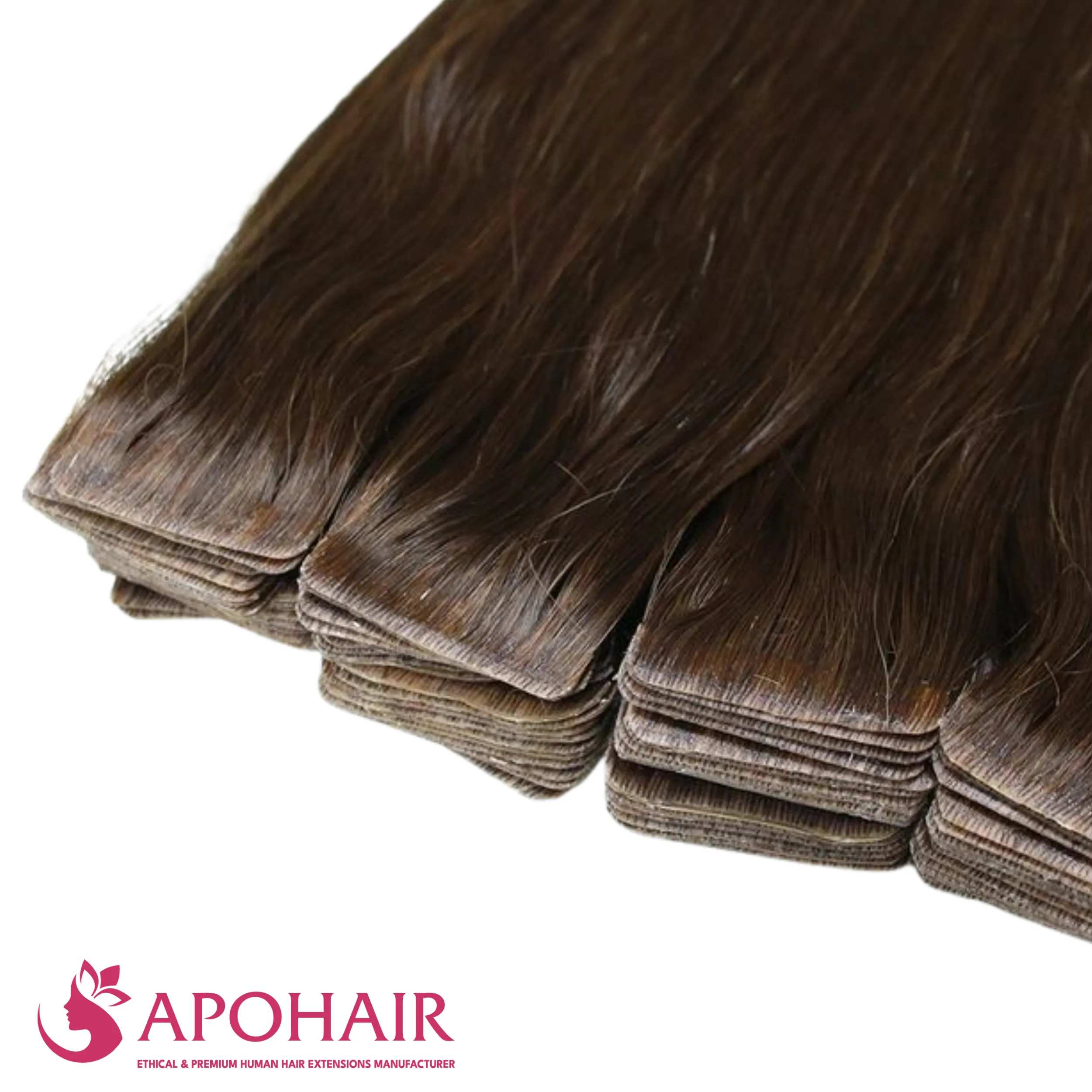
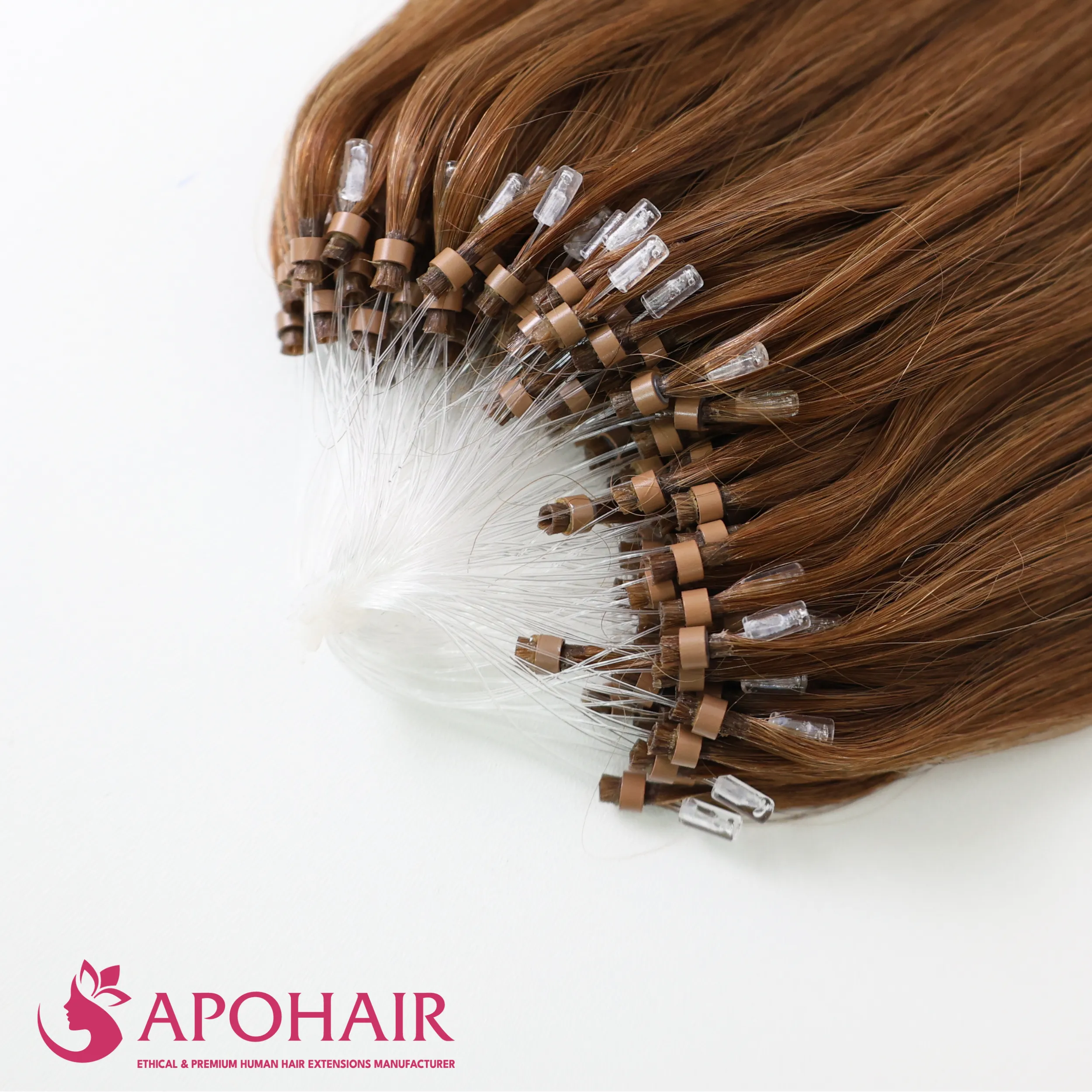
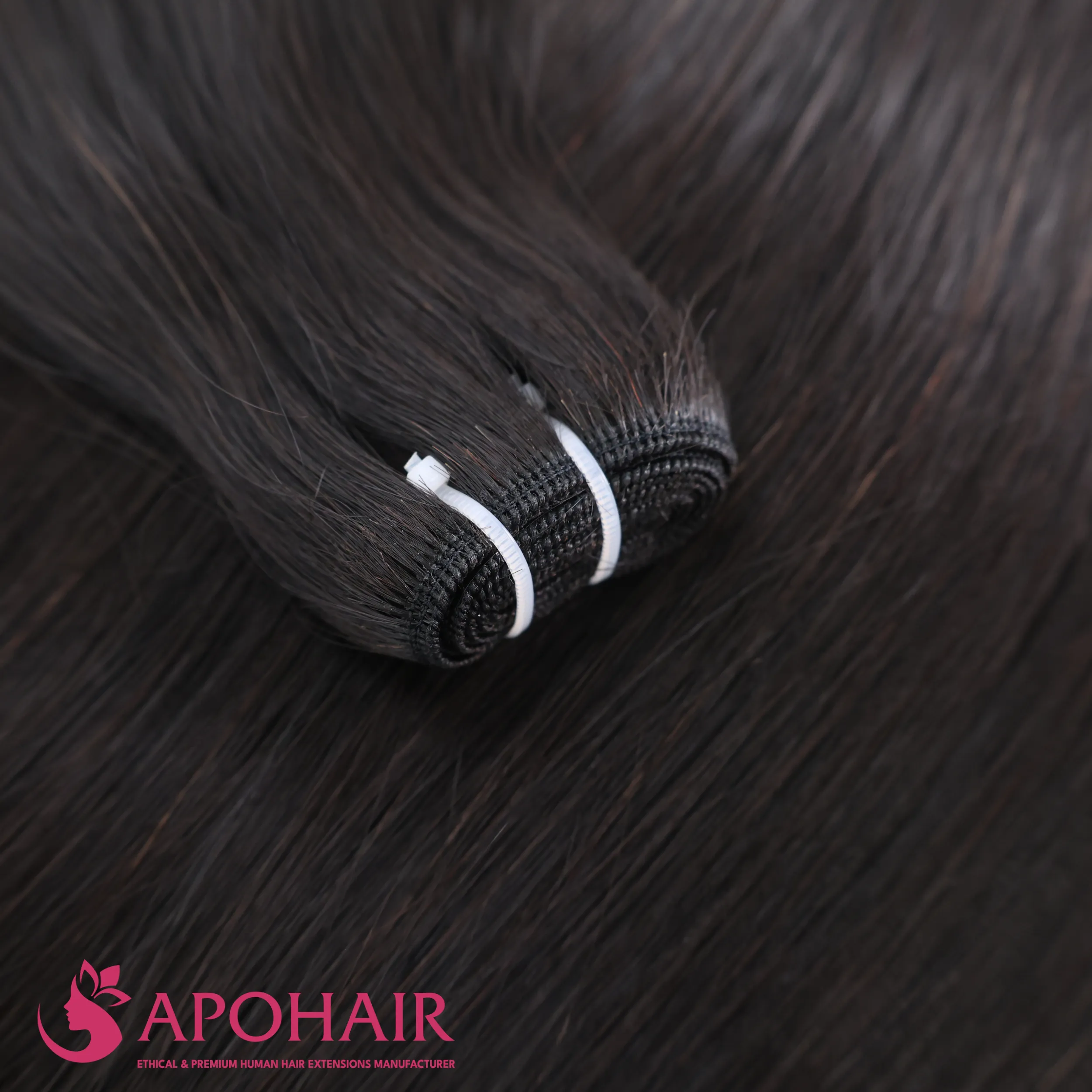
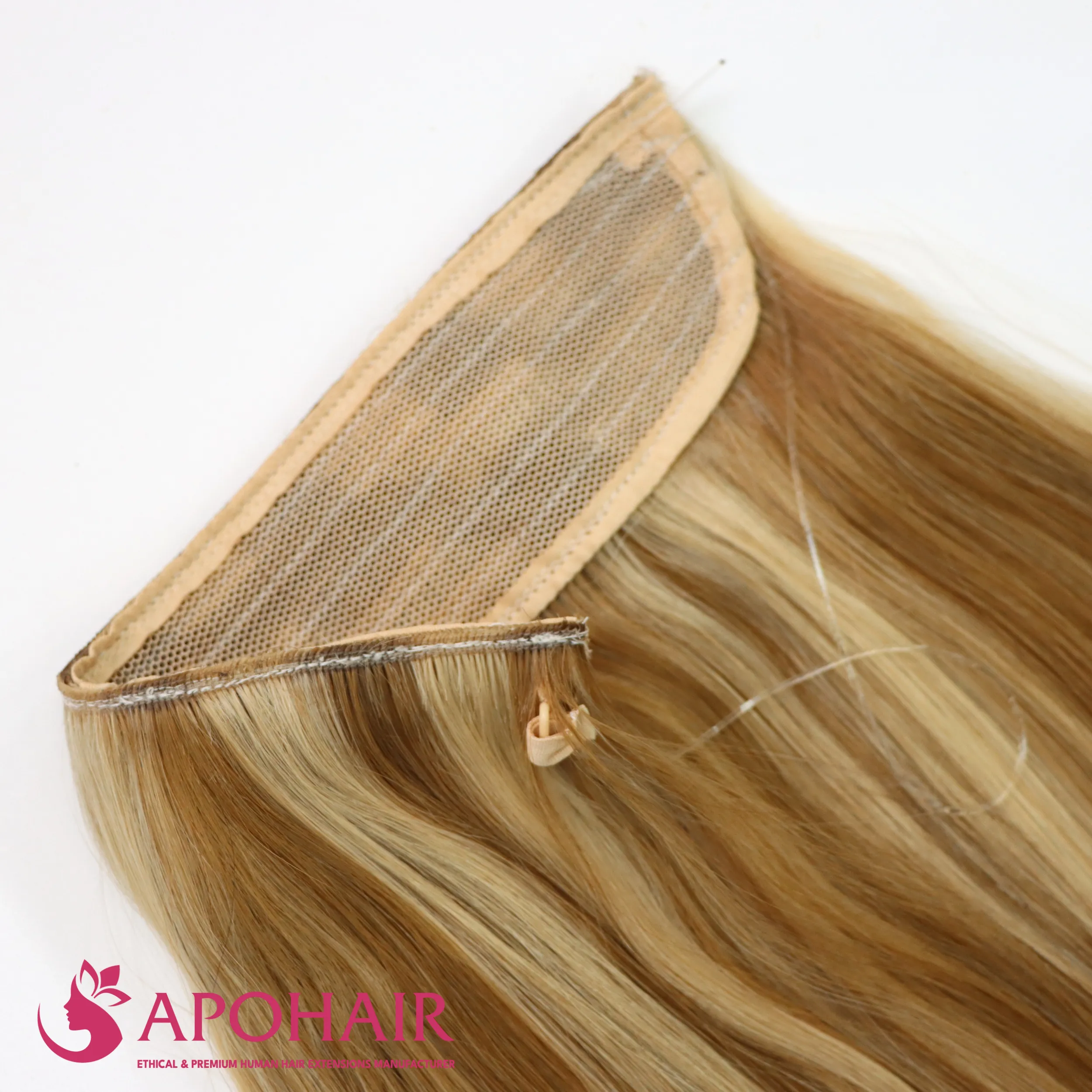
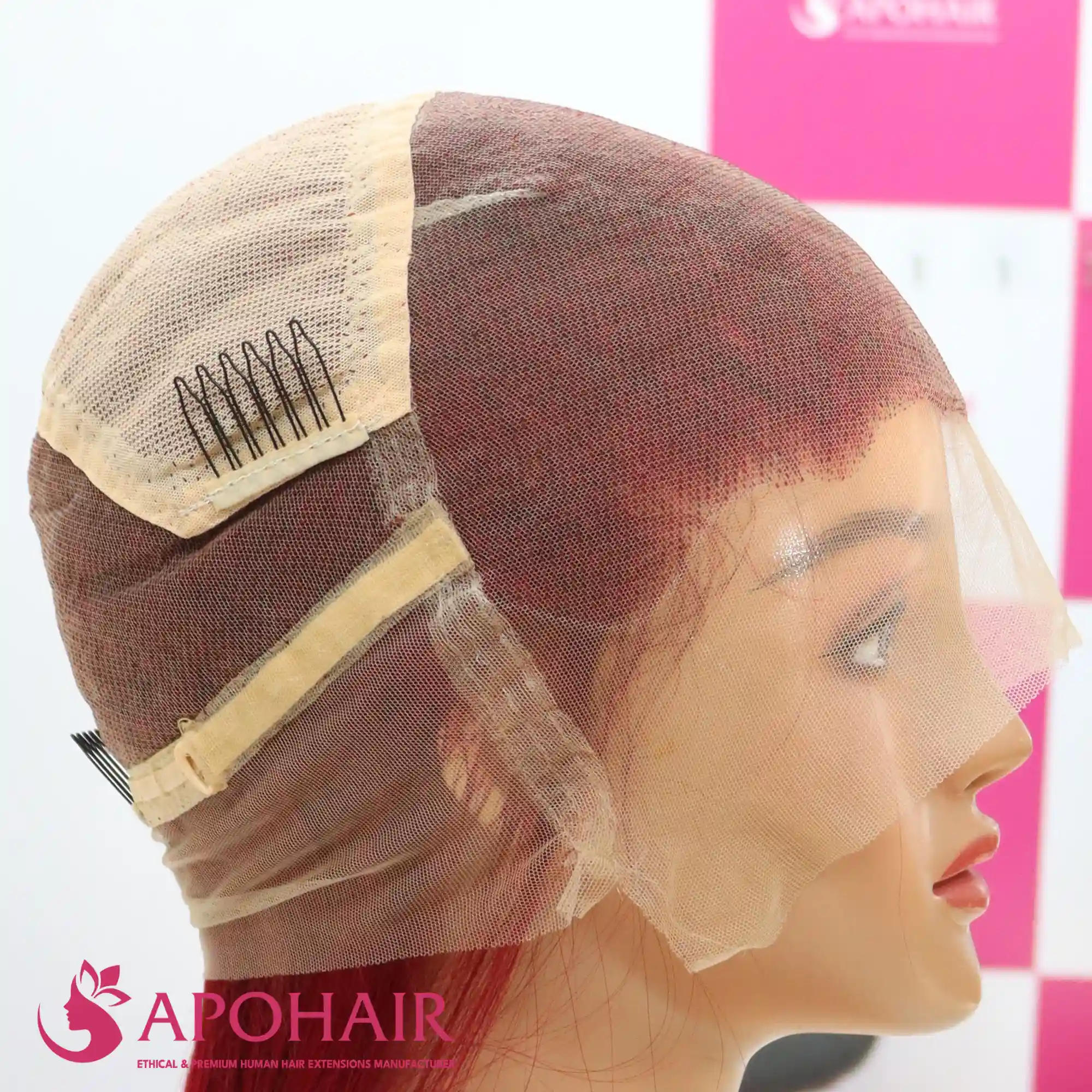
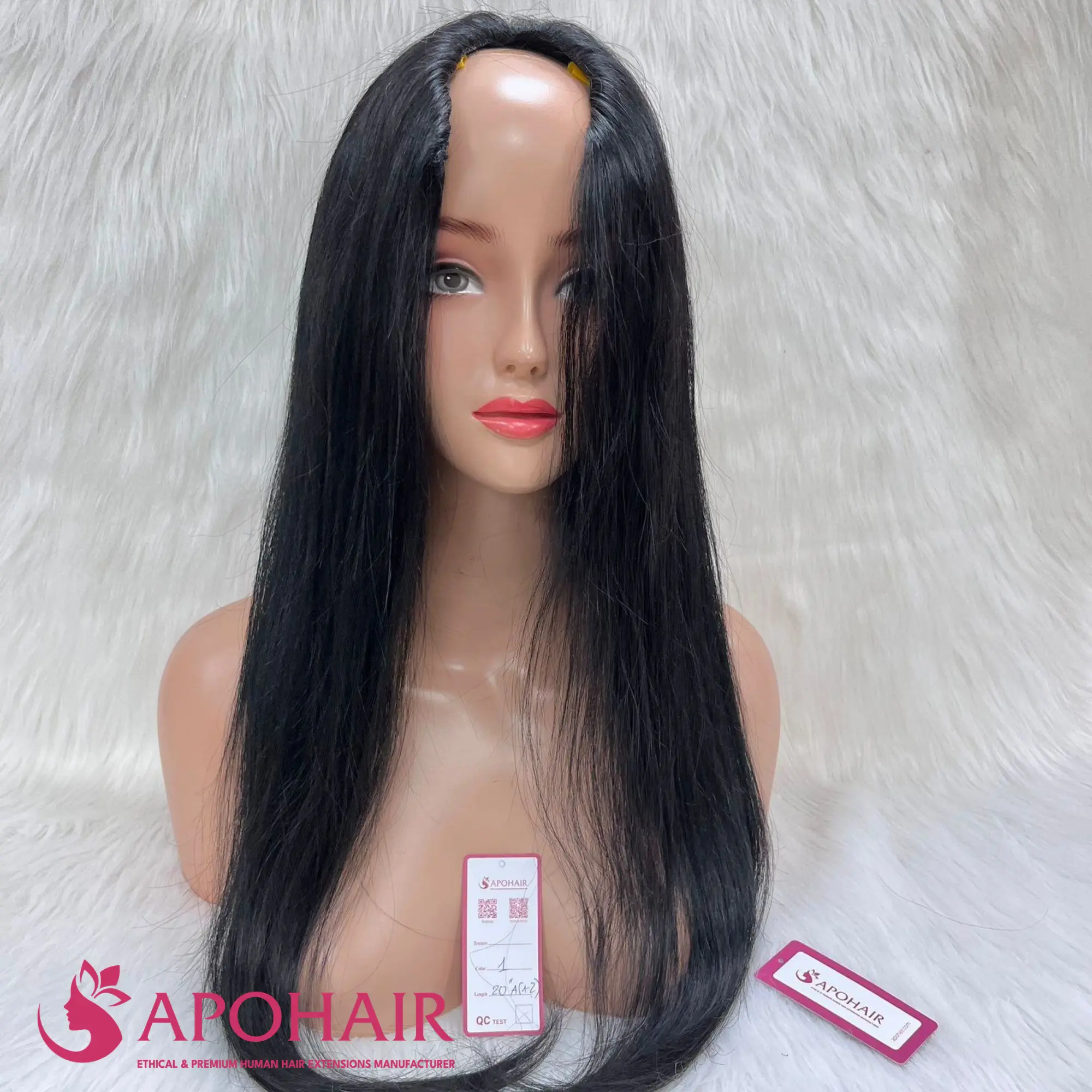
APOHAIR offers partial and full highlight options across its core extension and wig product lines, processed in its Vietnamese factory under controlled bleaching and dyeing conditions that preserve cuticle alignment and deliver consistent color results. APOHAIR carries highlighted hair across weft hair extensions, clip-in extensions, tape-in extensions, keratin tip extensions, and human hair wigs (5×5 lace, 13×4 lace, 13×6 lace, and full lace), with color customization available based on client specifications.
At APOHAIR’s factory, highlighted hair goes through a structured bleaching and dyeing process. Raw hair is sorted by texture and density, then cleaned with sulfate-free formulas before bleach is applied using gentle agents to strip pigment evenly. Professional-grade color or toner is applied per the client’s requested shade, with all strands processed in the same cuticle-aligned direction to prevent tangling and maintain color uniformity from root to tip.
APOHAIR stands apart through verified production standards, ethical sourcing, and factory-direct access. Below are the specific differentiators that support every highlighted hair product shipped from Vietnam.
- 100% Vietnamese Human Hair: Single-donor collection ensures texture and color consistency; intact cuticle layer accepts color better than alternatives.
- Cuticle-Aligned Technology: All cuticles face the same direction, eliminating tangling and matting after coloring and daily wear.
- Ethical Sourcing: Direct collector network in Vietnamese villages with fair compensation verified at every collection point.
- Factory-Direct Pricing: No middlemen in the supply chain, with wholesale rates 30% to 40% below retail market prices.
- 20+ Year Track Record: Over 1,000 factory workers and 100+ sales staff serving clients across 50+ countries worldwide.
- State-of-the-Art Manufacturing: Operates a 33,000 m² factory in Vietnam with modern production lines and monthly capacity of 20 tonnes.
- Global Distribution: Ships to the US, UK, EU, Australia, Africa, and Asia within 24 hours of order confirmation.
- Quality Guarantee: 7-day warranty with free replacement policy for any product that does not meet the agreed specifications.
APOHAIR transforms authentic raw Vietnamese hair into premium extensions trusted by salon owners and wholesalers worldwide. Our commitment: global leader in the hair industry through ethical practices, manufacturing excellence, and customer success.
Ready to order highlighted human hair extensions or wigs? Contact APOHAIR today.
APOHAIR ETHICAL & PREMIUM HUMAN HAIR EXTENSIONS MANUFACTURER
- Address: Building 3A, Lane 82 Duy Tan, Cau Giay, Hanoi, Vietnam
- Factory: Yen Luong Village, Y Yen District, Nam Dinh Province, Vietnam
- Phone number: (+84) 862 132 366
- Email: wholesale@apohair.com
FAQs Related to Partial vs. Full Highlights
Can you switch from partial to full highlights?
Yes. A colorist applies lightener to the sections previously left out and tones the whole head for a seamless blend at the next appointment. The switch is straightforward and requires no extra preparation.
Which is less damaging: partial or full highlights?
Partial highlights are less damaging because fewer strands undergo chemical lightening. This reduces cumulative stress on the hair’s protein bonds compared to a full highlight service that processes every section of the head.
Can partial and full highlights be done at home?
Yes, both can be done at home on human hair extensions and wigs. However, purchasing pre-highlighted extensions from a supplier like APOHAIR is the lower-risk option that preserves hair integrity and ensures even pigment distribution.
Is it better to alternate between partial and full highlights?
Yes. Alternating is a practical color strategy. A colorist typically recommends one full session followed by two or three partial touch-ups to maintain color while allowing different sections to recover between chemical services.
Conclusion
Partial highlights lighten selected sections for a soft, natural glow, costing $100 to $300 per session with touch-ups every 8 to 12 weeks. Full highlights cover the entire head for bold, all-over brightness at $175 to $500, requiring visits every 6 to 8 weeks.
Your choice depends on desired visual impact, maintenance commitment, hair health, and annual budget. Both techniques apply to human hair extensions and wigs. APOHAIR offers pre-highlighted extensions processed in its 33,000 m² Vietnamese factory with cuticle-aligned technology, ethical sourcing, and factory-direct pricing 30% to 40% below retail. Contact APOHAIR at wholesale@apohair.com to order.




 ABOUT US
 Human Hair Extensions
 Wholesale Tape-In Hair Extensions
 Clip-In Hair Extensions
 Wholesale Keratin Hair Extensions
 Weft Hair Extensions
 Human Hair Wigs
 Bulk Human Hair For Braiding
 BEST SELLING PRODUCTS
 Contact Us