









What Is a Balayage? Definition, Technique, and What to Expect
Balayage is basically a way to color hair by hand. Instead of using foils, your stylist just brushes the lightener onto certain spots. It gives you a really smooth look that fades from the middle of your hair down to the ends, so you won’t have to deal with any weird lines or roots showing as it grows out. Regular highlights usually start from the top and use foil to wrap the hair, but balayage is done freehand and keeps your roots looking natural.
The best part is that balayage can stay looking good for anywhere from 3 months to a full year before you need to get it done again. It really just depends on how close to your roots the stylist started the color. Balayage makes your hair look like it has a natural glow with different tones mixed in, while ombre looks more like a clear split between dark on top and light on bottom. Just make sure to use a shampoo that doesn’t have sulfates so your color stays fresh and doesn’t wash out too fast.
In this post, we’ll talk about how to say the word balayage and what it’s all about. We’ll also look at how it’s different from highlights or ombre, the three main ways people do it, and what happens when you’re at the salon. Plus, we’ve got info on who should try it, how to take care of it so it lasts, the risks of trying it yourself at home, and some easy balayage extensions from APOHAIR.

What Is a Balayage?
Balayage is basically a way to color hair by hand. Instead of using foils, your stylist brushes the lightener directly onto certain spots with a smooth, sweeping motion. This creates a soft look that gets lighter from the middle of your hair down to the ends. The name actually comes from the French word “balayer,” which means “to sweep.” That perfectly describes how the stylist moves the brush across your hair. You pronounce it “BAH-LEE-AHGE”. Unlike regular highlights that color every strand from top to bottom, balayage is more selective. It focuses on the mid-lengths and ends while keeping your roots their natural color.
The final look is meant to look like your hair naturally lightened after spending a lot of time in the sun. It gives your hair a lot of depth and looks like it has already grown in naturally from day one. Balayage works for everyone, no matter if your hair is straight, wavy, curly, or coily. It also looks great on any base color, from the darkest black to the lightest blonde. Because it’s so versatile, it’s one of the top things people ask for at salons all over the world.

What Is the Difference Between Balayage and Highlights?
The main things that set balayage and highlights apart are how the stylist puts on the color and where it starts. Regular highlights use pieces of foil to pick out certain strands and lighten them all the way from the top to the bottom. But with balayage, your stylist just paints the color by hand from the middle of your hair down, so your roots stay natural and don’t get touched at all.
With balayage, your stylist just brushes the color on and lets it air-dry. It creates a soft, blended look that’s dark at the top and bright at the ends. Since there’s no harsh line at your roots, it grows out perfectly. You won’t even need a touch-up for about 8 to 12 weeks. Plus, it’s easier on your hair because you aren’t coloring every single strand.
Highlights are different because the stylist sections your hair, wraps it in foil, and uses heat to set the color. This gives you an even look from top to bottom. But, you’ll see a clear line as your hair grows, so you’ll likely be back at the salon in 4 to 6 weeks. Since the color goes from root to tip, your hair goes through a bit more work.
If you’d rather have a natural look that’s easy to take care of, balayage will be a much better fit for you. But if you’re looking for a very neat and even style, highlights are the way to go.

Now that you understand how balayage creates a softer, blended effect compared to standard foils, you might want to explore the variations within highlighting techniques themselves before making a decision.
→ Read our guide on partial highlights vs full highlights
What Is the Difference Between Balayage and Ombre?
Balayage is how your stylist puts on the color, while Ombre is the actual look you get at the end. Balayage is a hand-painted technique that spreads light throughout your hair for a natural, mixed-tone result. Ombre is a different version of balayage that looks more modern and exciting. In this style, your hair color clearly changes from dark at the top to light at the bottom. It has a strong, straight line between the two colors.
Balayage is all about the method. Because the stylist paints it on by hand, they can create a few different looks depending on where they put the color. It scatters the highlights so there’s no clear line where the color starts, making the transition look very soft.
If you want a soft, sun-kissed look that blends in naturally, Balayage is definitely the best choice for you. But if you’re looking for a bold, two-tone style with a clear color change, go for Ombre.

3 Types of Balayage: Partial, Full, and Reverse
There are three main ways to do balayage. Partial balayage only lightens the top and outer parts of your hair. Full balayage goes through every layer for a bigger change. Then there’s reverse balayage, which actually adds darker colors instead of light ones to give your hair more depth. Here the details:
- Partial balayage puts the lightener only on the top and outer layers, leaving the hair underneath your natural color. This is great for framing your face without a lot of work or time at the salon.
- Full balayage covers everything—the top, middle, and bottom layers. It gives you a much brighter look all over. This is a good pick if you want a change that people will really notice.
- Reverse balayage uses dark shades instead of lightener, making it ideal for those who are “overly light” or want a lower-maintenance, warmer, or deeper look. Your stylist paints these on to add some shadow and richness near your roots and the middle of your hair. It’s the opposite of a normal balayage and works well if your blonde hair has become too bright or yellowish.
A partial balayage is perfect if it’s your first time getting color, if your hair is shorter than 12 inches, or if you just want to try something low-risk. A full balayage is better if you get your hair colored often and want a bold look all over. You should go with a reverse balayage if your current blonde color looks a bit brassy or if it has lost its natural look.
There are a few other versions of balayage too. Foilyage uses both hand-painting and foils to get the hair even lighter. Face frame balayage puts the highlights right around your face. Money piece balayage only colors the two front sections of your hair to make them stand out.

Trending Balayage Hairstyles in 2026
Balayage works for any hair color or length, and 2026 has 15 cool styles that everyone is asking for. They go from warm, golden tones to bold looks with a lot of contrast. Here are the top styles at salons right now:
- Honey blonde balayage makes medium-brown hair look warmer with golden tones.
- Ash blonde balayage gives light-brown hair a cool, smoky look.
- Caramel balayage adds a rich, toffee-like depth to dark-brown hair.
- Platinum balayage puts icy-white highlights against dark roots.
- Chocolate balayage paints deep cocoa streaks through black hair.
- Auburn balayage adds warm copper-red highlights to brown hair.

- Strawberry blonde balayage mixes pink-gold tones into light hair.
- Mushroom brown balayage uses cool gray-brown shades for a quiet look.
- Rose gold balayage layers soft pink metallic tones through blonde hair.
- Copper balayage fills strands with warm, burnt-orange highlights, offering a fiery look reminiscent of iconic female cartoon characters.
- Burgundy balayage brushes deep wine-red tones through dark hair.
- Money piece balayage highlights only the hair around your face for a bold look.

- Face frame balayage puts lighter tones right around your hairline.
- Bronde balayage is a mix of brown and blonde for a neutral result.
- Icy brunette balayage pairs cool ash tones with a dark-brown base.

Curious about specific mixed color codes?
If you are exploring warm color blends like auburn, strawberry blonde, or copper from these trends, you might see stylists or extension brands refer to numerical systems to achieve the exact shade mix.
→ Find out exactly what color is 27 30
The Balayage Process at a Hair Salon
Getting balayage at a salon usually involves 6 steps: chatting with your stylist, dividing your hair into parts, painting the color by hand, letting it sit, adding a toner if you need it, and finally washing and styling.
- Step 1: Talking it over.
Your stylist compares your natural color to a hair color chart and assesses your hair’s health to decide on the right formula and where to start the lightener.

- Step 2: Dividing the hair.
The stylist deeply divides your hair into sections, usually clipping the top up so they can work on the bottom parts first.

- Step 3: Painting the color.
Using a wide brush, the stylist paints the lightener onto certain strands starting an inch or two below the roots. They use a light touch at the top and add more color toward the ends.

- Step 4: Letting it sit.
The color stays on for about 30 to 45 minutes without any foil or heat. This helps the hair lighten slowly for a soft, blended look.

- Step 5: Adding toner.
If the lightened parts look a bit too yellow or orange, the stylist puts on a toner to get the exact shade you want.

- Step 6: Wash and style.
After rinsing out the toner, they wash your hair with a color-safe shampoo, use a deep conditioner to keep it soft, and then blow-dry it so you can see the final look.

There are also a few other ways salons do this. Wet balayage is done on damp hair for a very soft look. Basin balayage involves putting the hair in a bowl of lightener for more even color. French balayage uses very fine strokes for a super subtle finish that matches your skin tone perfectly.
Balayage usually costs between $150 and $350, depending on where the salon is and how experienced the stylist is. A simple partial look takes about 45 to 90 minutes, but a full session with toning and styling can take up to 3 hours.
Who Is Balayage Suited For?
Pretty much anyone can pull off balayage. It works for all hair types and lengths, and it’s the best choice if you want a natural look that doesn’t need many trips to the salon. Whether your hair is straight or curly, this technique fits in well because the hand-painted highlights follow the way your hair moves. Your stylist basically puts the color where the light hits your hair naturally.
Here are a few things to check before you book:
- Dark Hair: You can definitely do it, but your stylist will need to lighten your hair first before adding a toner. This usually gives you warm colors like caramel or honey.
- Gray Hair: Balayage won’t hide grays completely, but it does a great job of blending them into the rest of your hair. If you want them totally gone, you’ll need a separate color for your roots.
- Skin Tone: Warm shades like honey look great on darker skin, while cool tones like ash or platinum are better if you have pale skin.
- Hair Health: This is the most important part. Since balayage uses lightener, it isn’t a good idea if your hair is badly damaged or breaking. You should focus on getting your hair strong again before you try it.

How Long Does Balayage Last?
You can usually go anywhere from 3 to 12 months before you need to get your balayage done again. It mostly depends on how close to your roots the stylist puts the color. If the color starts further down, it blends in so well that you could wait up to a year before it looks like you need a touch-up.
Since hair grows about half an inch every month, color placed higher up shows a clear shift after 4 to 6 weeks. It’s also good to know that the toner fades faster than the actual lightened hair. If you have cool colors like platinum or ash, the toner usually stays fresh for about 6 to 8 weeks before things start looking a bit too warm. This means you might need to pop into the salon for a quick toner fix long before you need to redo the whole look.
Getting a “refresh” means your stylist adds more lightener to your new growth, which is a full appointment. A “retouch” is just a quick visit for toner or a gloss to keep the color bright and get rid of any brassy tones without using more lightener. To keep your color looking good, try these tips:
- Use a shampoo that doesn’t have sulfates so the color doesn’t wash out too fast.
- Use a purple shampoo once a week to keep blonde or ash tones from turning yellow.
- Don’t use heat on your hair too often since it can damage the hair and make the color fade.
Would you like me to help you find some of the best sulfate-free shampoos that people are using right now?

How to Look After Balayaged Hair?
To keep your balayage looking great and your hair healthy, you just need a simple routine focused on gentle washing, extra moisture, and protecting it from heat. Here is the best way to do it:
- Pick the Right Shampoo: Stick to a sulfate-free, color-safe shampoo to keep your color from washing out too fast. Sulfates are harsh and can strip away your hair’s natural oils, which is a big problem for cool blonde or ash tones.
- Use Purple Shampoo: This is a lifesaver for neutralizing any yellow or orange tones that show up as your color starts to fade. Use it once or twice a week to keep your hair looking fresh.
- Deep Condition Weekly: Since lightened hair gets dry faster, put on a hydrating mask or deep conditioner once a week. Focus on the middle and ends of your hair to lock in moisture.
- Always Use Heat Protection: Lightened hair is a bit more fragile, so never skip your heat protectant spray before using a flat iron or curling wand. This keeps your hair from getting damaged by the high heat.
- Watch Out for the Sun: The sun can actually change your hair color and make it look brassy. If you’re going to be outside for more than an hour or so, try wearing a hat or using a UV-protectant mist to save your color.

How To Do Balayage At Home?
You can try doing balayage yourself using a store-bought kit, but keep in mind that pros spend years learning how to get the look just right. Doing it at home is a bit risky because the color might not blend well, or you could end up damaging your hair.
You need seven tools to attempt a balayage at home:
- 1 mixing bowl
- 1 application brush
- 1 tail comb
- 1 pair of protective gloves
- 1 container of clay lightener
- 1 bottle of 30 vol developer
- 1 bottle of toner
Here is the basic process for doing it at home:
- Step 1: Mixing.
Mix the lightener and developer in your bowl until it’s thick, like cake frosting. This keeps it from dripping while you work.
- Step 2: Dividing your hair.
Part your hair down the middle and use your comb to make diagonal sections, starting from the back and moving toward the front.
- Step 3: Painting.
Take a thin strand, pull it tight, and brush the mix from the middle down to the ends. Stay away from your roots and put more product on the tips for a natural fade.
- Step 4: Waiting.
Let it sit for about 40 minutes. Check a small spot every 10 minutes to see how the color is coming along.
- Step 5: Toning.
Wash the lightener out and put on your toner for 20 minutes to fix any yellow tones. Finish up with a deep conditioner.
There are three main risks when you do this yourself:
- You might leave the color on too long and break your hair,
- The placement might look uneven
- The toner might turn out looking muddy.
If your hair is already damaged from heat or other chemicals, it’s best to skip the DIY and see a pro. Always do a patch test 48 hours before you start to stay safe. If you don’t want to risk it, using balayage hair extensions or wigs is a great way to get the look without hurting your natural hair.

APOHAIR’s Balayage Hair Extensions and Wigs
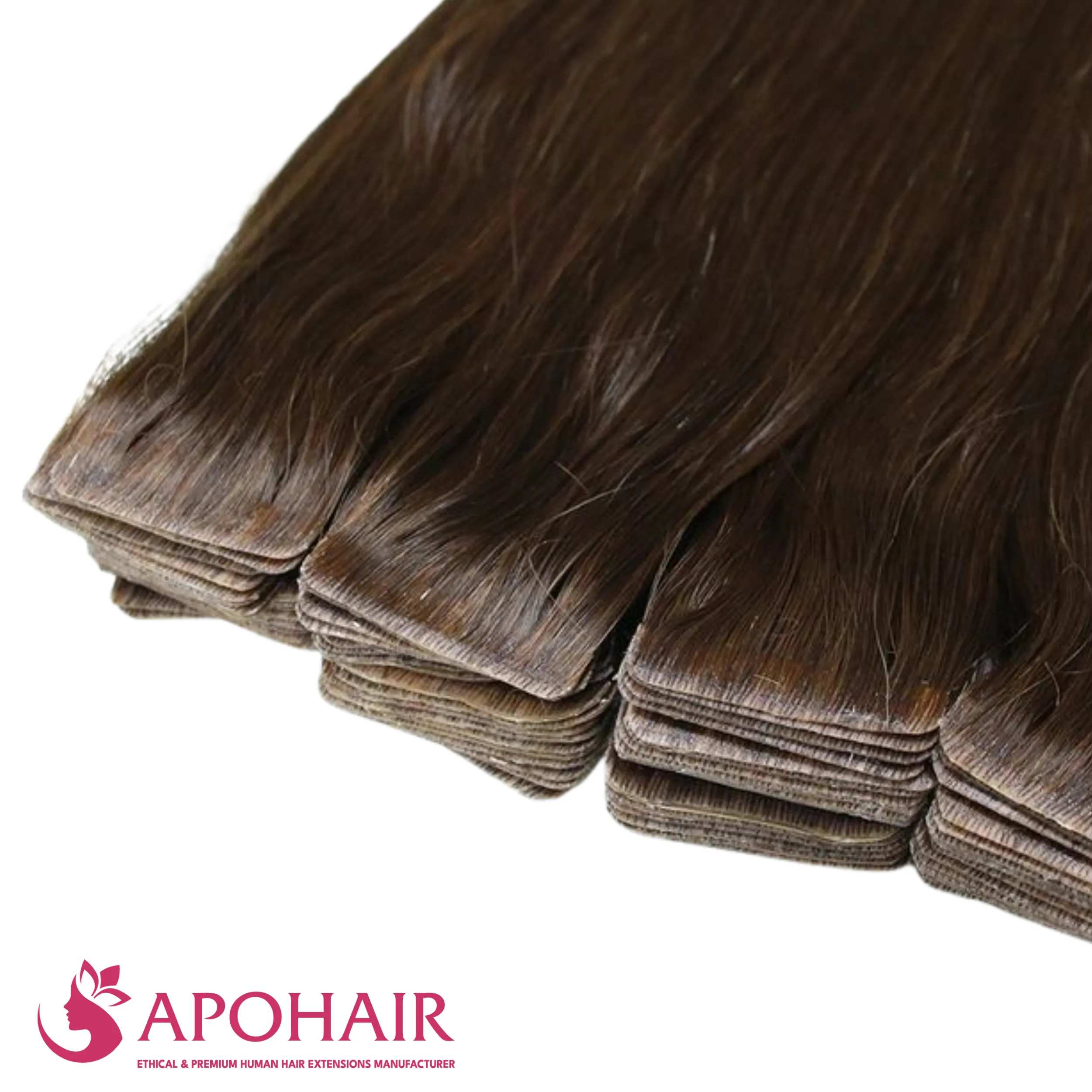
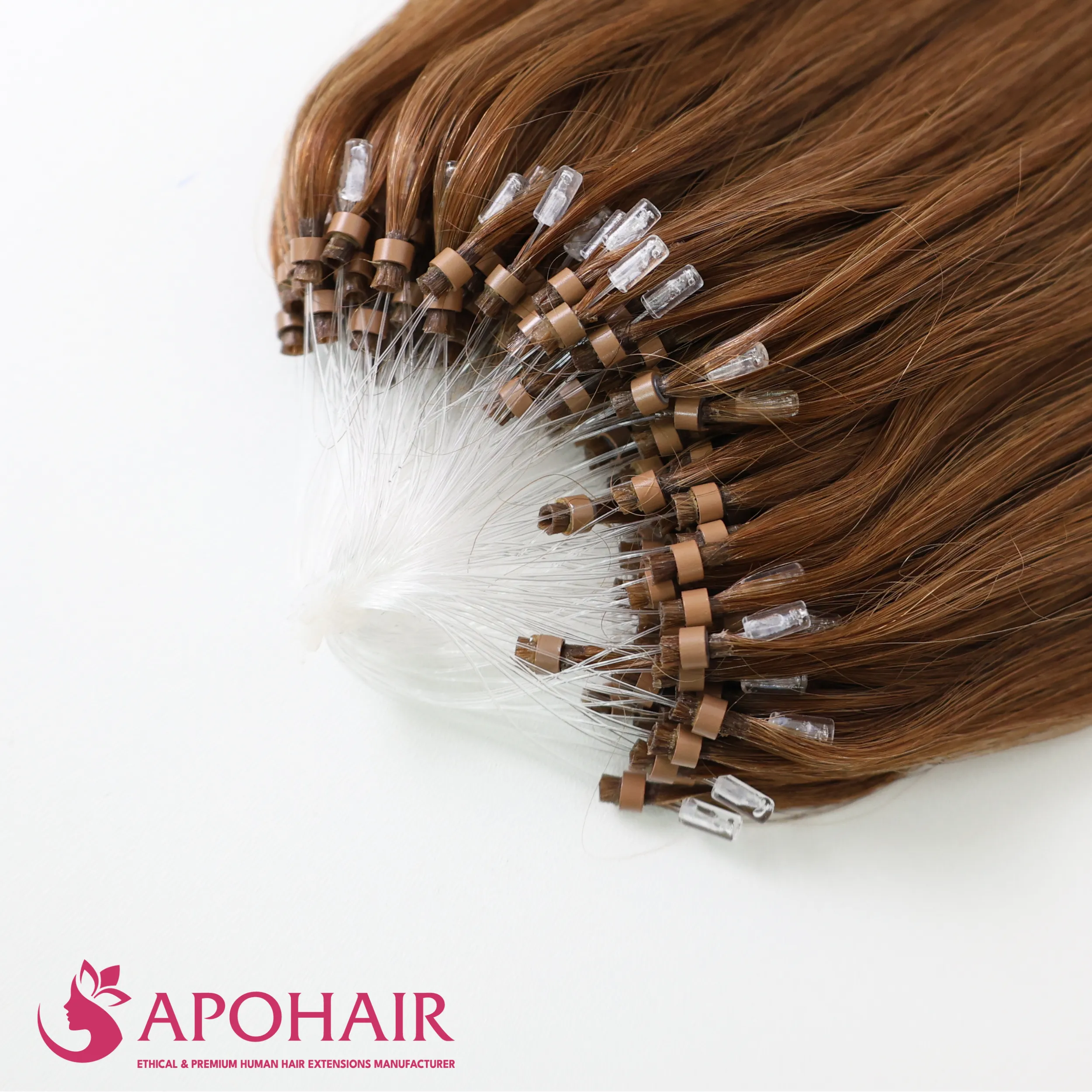
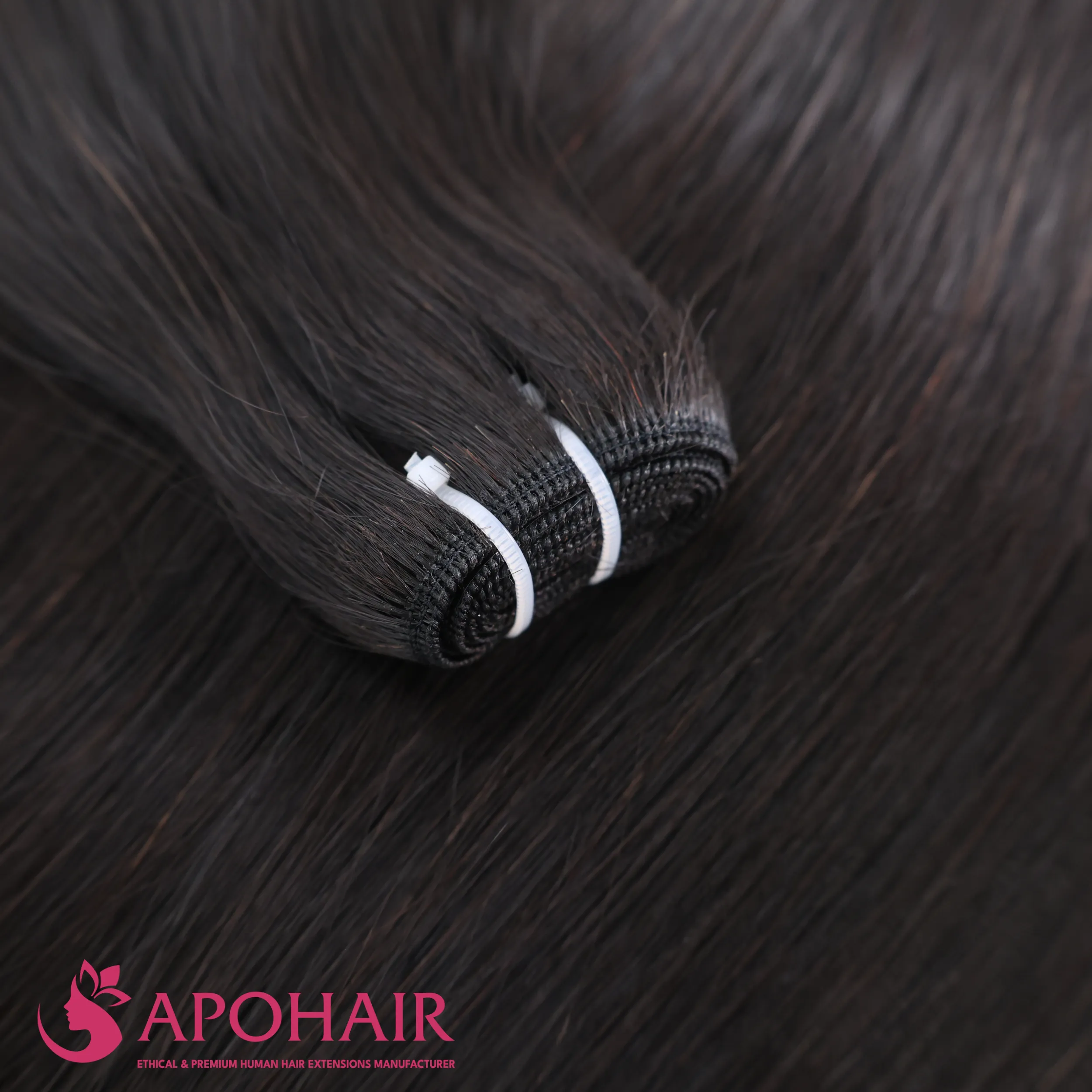
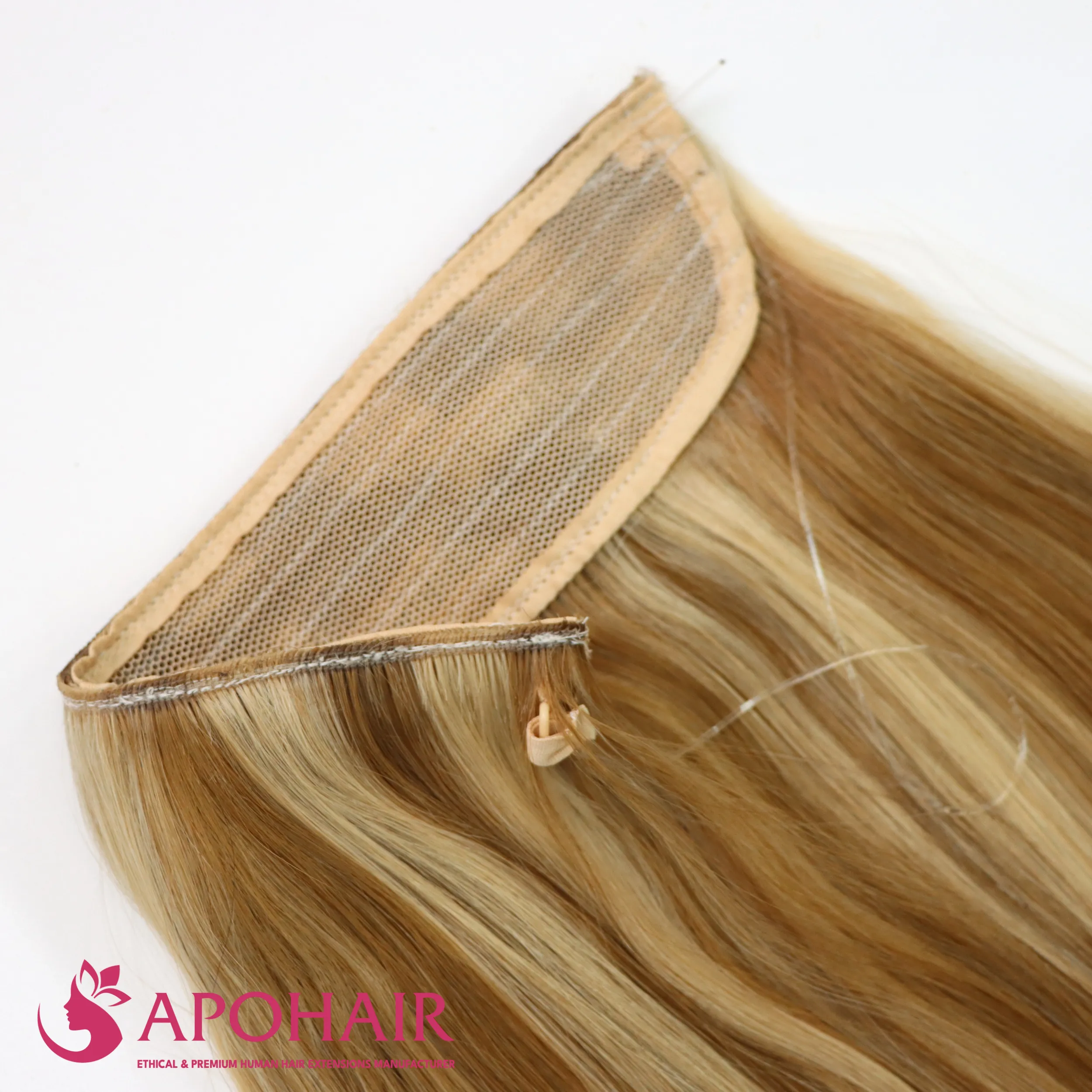
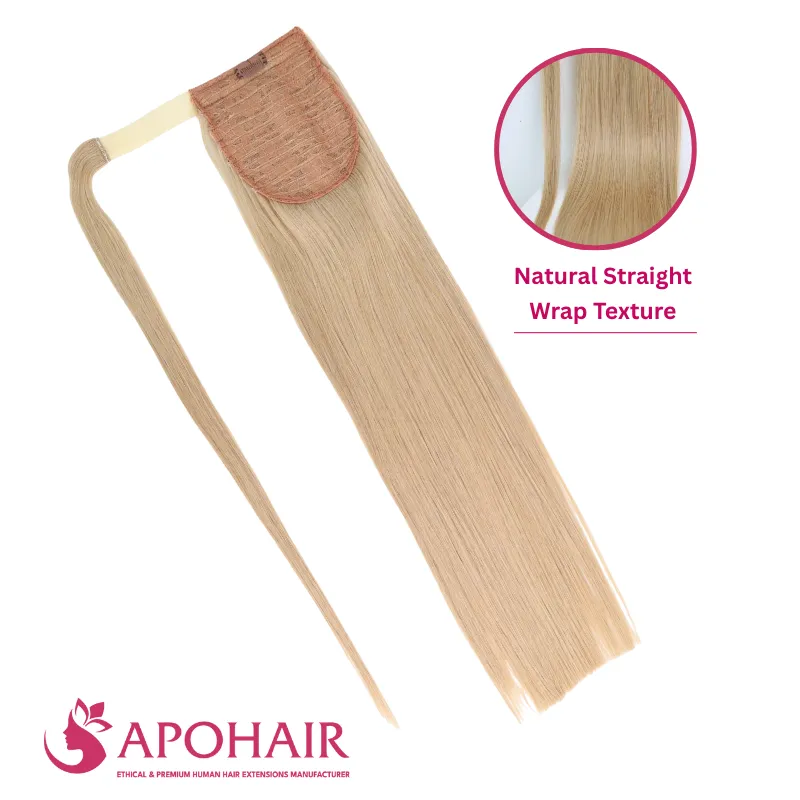
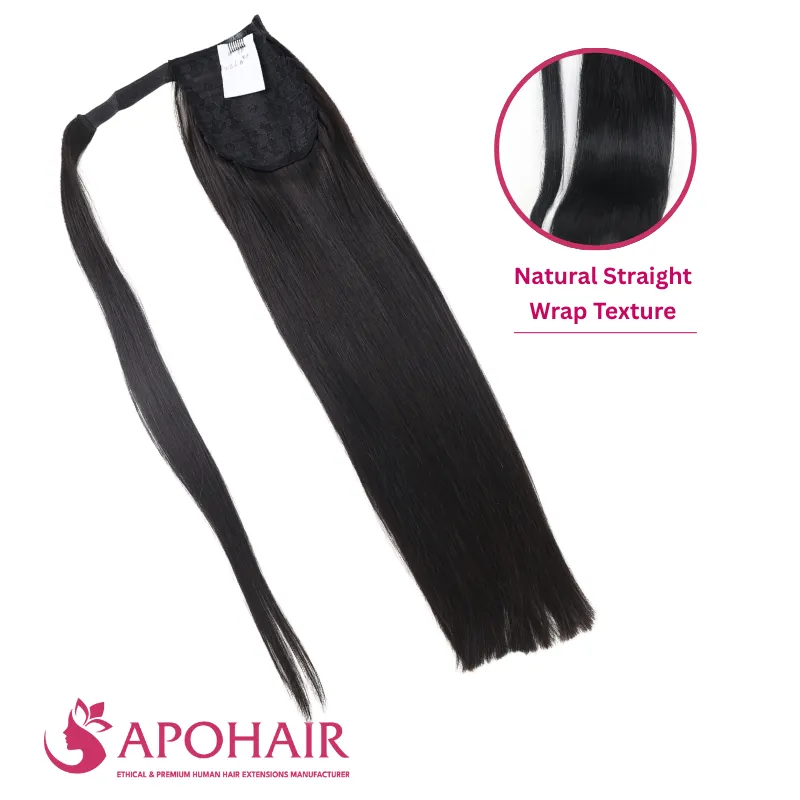
You can get the balayage look with 100% human hair extensions in two different ways. You can either have your stylist color the extensions once they are in your hair, or you can just buy them already colored and toned from the factory. These pre-colored sets are bleached and finished before they even get to you, so you get that perfect look without spending hours in a salon chair for chemical treatments. You can find these styles in all sorts of options like wefts, tape-ins, clip-ins, or bulk hair, depending on how you want to put them in and how much volume you need.
APOHAIR offers factory-direct hair extensions in balayage, highlights, and ombre styles. These are made from 100% Vietnamese human hair. The company has been in the business for over 20 years, so they really know their stuff. Plus, they make sure all their hair is sourced the right way.
- 100% Vietnamese Human Hair: Single-donor collection with intact cuticle layers accepts color better than alternatives and holds toner longer.
- Cuticle-Aligned Technology: All cuticles face the same direction, preventing tangling and matting throughout the wear cycle.
- Ethical Sourcing: Direct collector network in Vietnamese villages with fair compensation verified at every stage.
- Factory-Direct Pricing: No middlemen. Wholesale rates sit 30 to 40% below standard retail market pricing.
- 20+ Year Track Record: Over 1,000 factory workers and 100+ dedicated sales staff serving clients in 120+ countries.
- State-of-the-Art Manufacturing: A 33,000 m² factory in Vietnam with modern production lines and rigorous quality control.
- Global Distribution: Ships to the US, UK, EU, Australia, Africa, and Asia within 24 hours of order confirmation.
- Quality Guarantee: 7-day warranty with free replacement policy on every order.
APOHAIR turns real Vietnamese hair into high-quality extensions that salon owners and wholesalers everywhere rely on. We are focused on leading the hair industry by sticking to fair practices, making great products, and helping our customers succeed.
APOHAIR ETHICAL & PREMIUM HUMAN HAIR EXTENSIONS MANUFACTURER
- Address: Building 3A, Lane 82 Duy Tan, Cau Giay, Hanoi, Vietnam
- Factory: Yen Luong Village, Y Yen District, Nam Dinh Province, Vietnam
- Phone number: (+84) 862 132 366
- Email: wholesale@apohair.com
Ready to source premium hair for your salon or business?
Whether you need ready-to-wear units or bulk raw materials, comparing different wholesale purchasing options ensures you get the exact balayage products your clients demand directly from the source.
→ wholesale remy human hair extensions — Compare pre-colored, cuticle-aligned extension options
→ human hair bundles wholesale — Select bulk hair bundles perfect for custom salon coloring
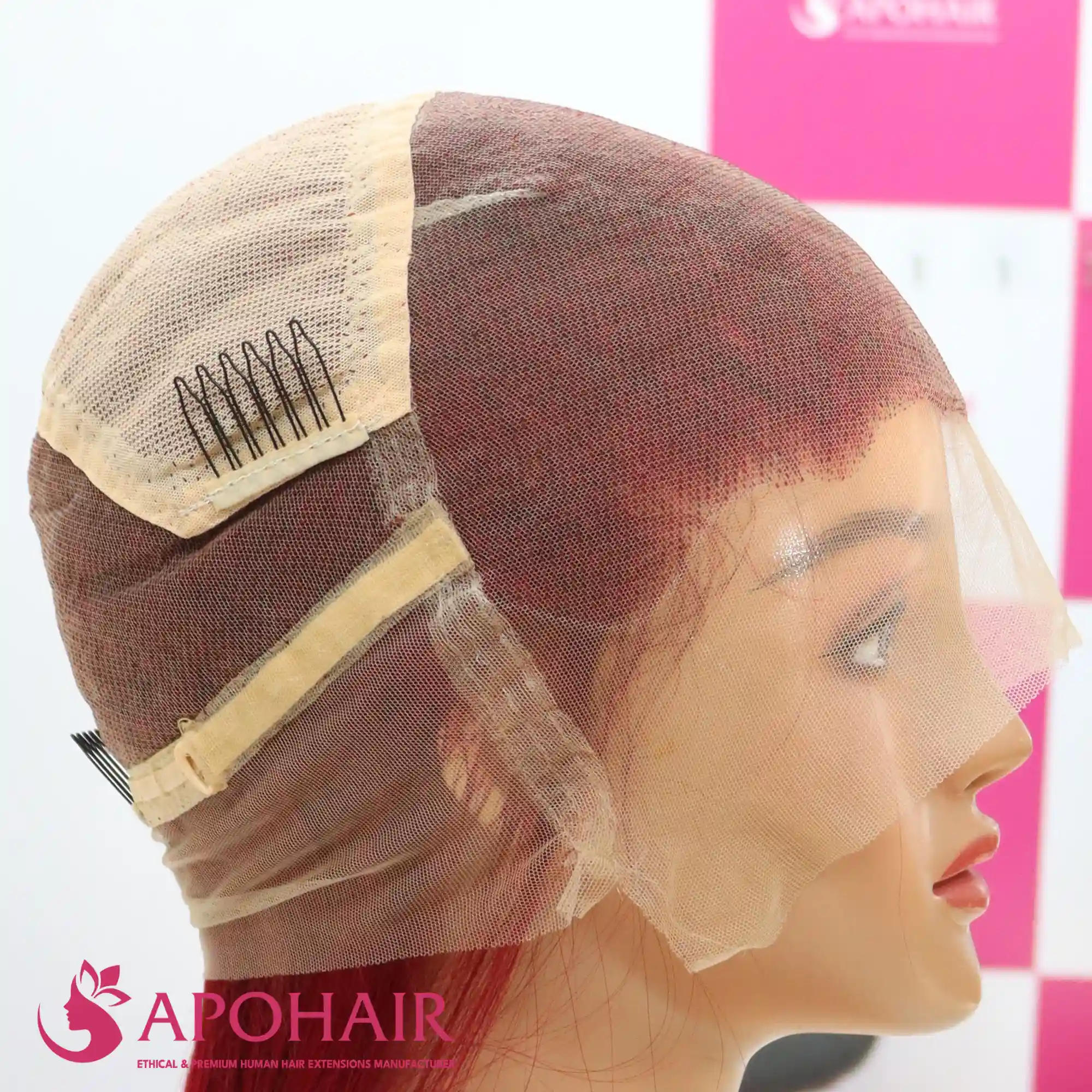
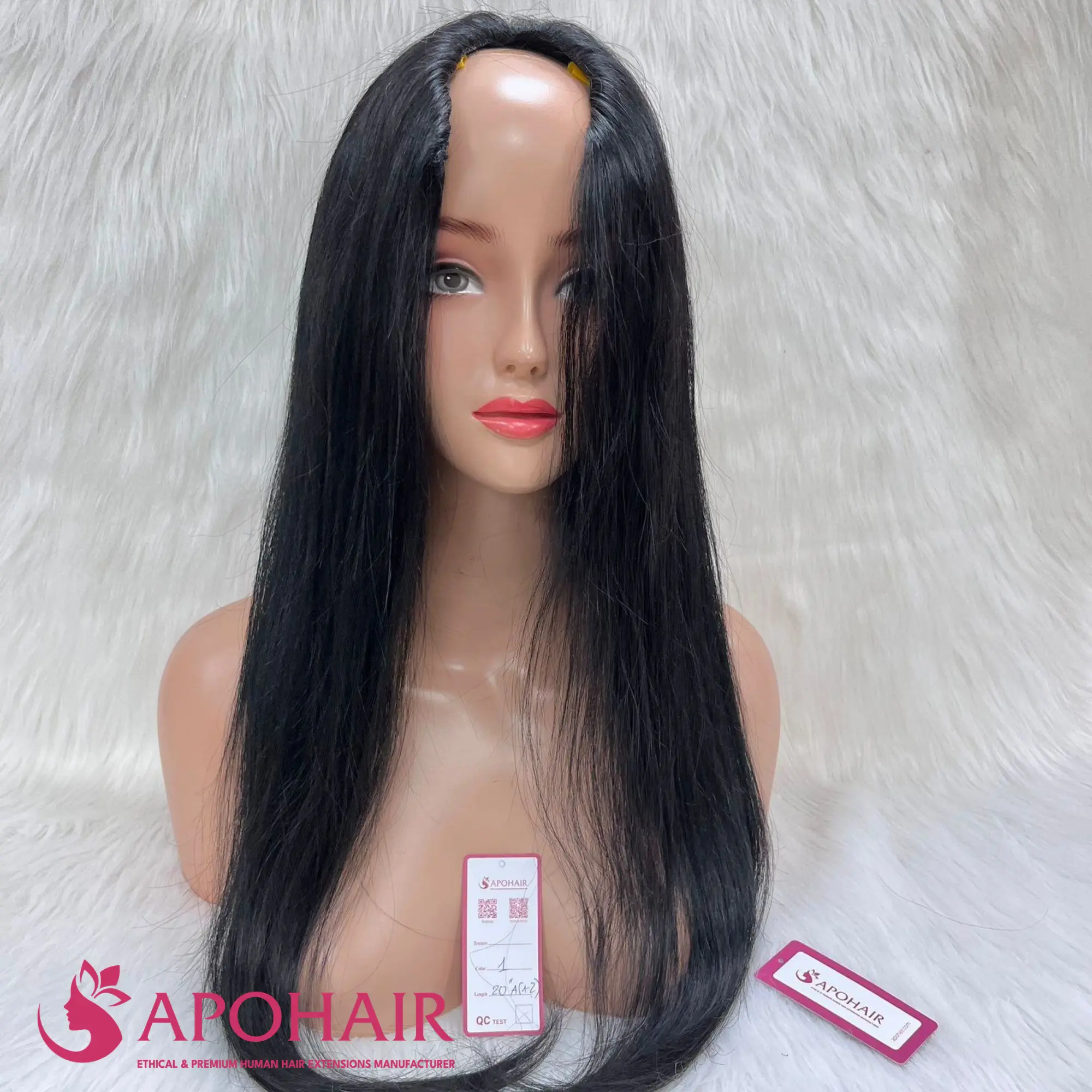
→ human hair wigs supplier — Browse our full-coverage, ready-to-wear balayage wig units
FAQs
Can Balayage Cover Grays?
Balayage won’t fully hide your gray hair. It works by blending those gray strands into the rest of your hair with strategically placed light ribbons, making them way less obvious. If you want those grays gone completely, you’ll need a permanent root tint done before or at the same time as your balayage.
Do I Have to Grow Out Existing Foil Color Before Getting Balayage?
Not at all. You can get balayage over your old foil color without waiting for it to grow out. Since this technique starts in the middle of your hair and moves down, it doesn’t really matter what’s happening at your roots. Your stylist can just layer the balayage over your old highlights during your visit.
What Causes a Botched Balayage?
A bad balayage usually happens when the color is applied in the wrong spots. If the lighter is placed too close to the roots, done in even straight lines, or isn’t blended out smoothly, it ends up looking like old, grown-out foils instead of that natural, hand-painted look you’re after.
Does Balayage Damage Hair?
Balayage is actually much easier on your hair than bleaching your whole head or getting constant foils because the lightener only touches certain strands and never hits your scalp. It’s still a chemical process that affects your hair’s strength, so you’ll want to stick to a good routine with deep conditioning and heat protection afterward.
Conclusion
Balayage is the perfect way to get that natural, sun-kissed glow without the high maintenance of regular highlights. Whether you want a soft shift or a bold change, this hand-painted technique works for every hair type and stays looking fresh for months. To keep your color vibrant, just stick to sulfate-free products and regular moisture.
If you’re ready for a transformation without the salon wait, APOHAIR stands out among human hair wholesale suppliers by offering premium extensions that provide a safe, stunning shortcut to the perfect balayage.




 ABOUT US
 Human Hair Extensions
 Wholesale Tape-In Hair Extensions
 Clip-In Hair Extensions
 Wholesale Keratin Hair Extensions
 Weft Hair Extensions
 Human Hair Wigs
 Bulk Human Hair For Braiding
 BEST SELLING PRODUCTS
 Contact Us