









2C vs 3A Hair Explained: How Texture, Curls, and Care Routines Differ
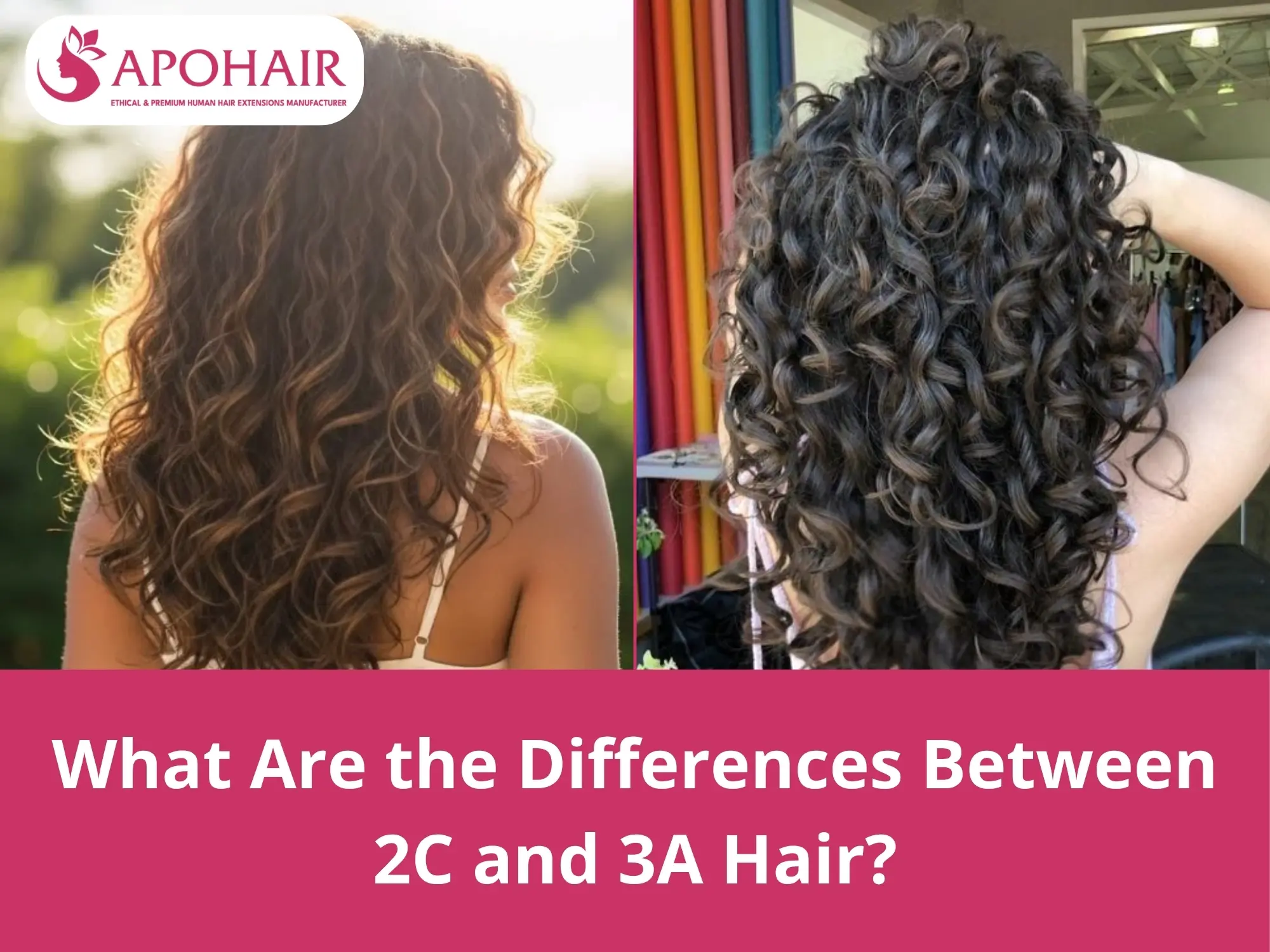
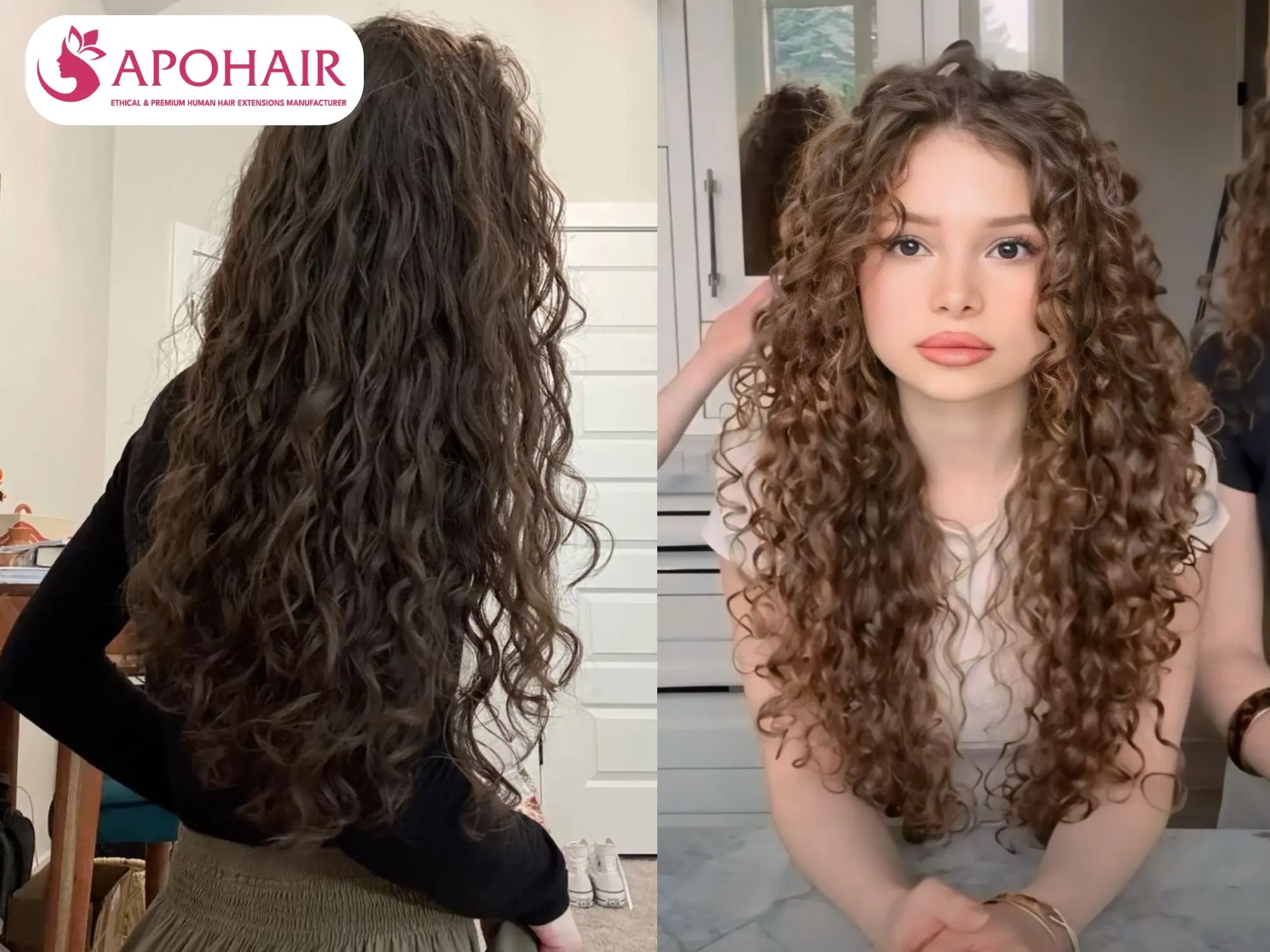
2C hair basically forms S-shaped waves because of how your hair grows from the follicle, while 3A hair gives you those bouncy ringlets that coil up from the root all the way to the tip. 3A hair usually gets frizzy more often because the curls are tighter, making the strands rub together and open up when it’s humid. Since those ringlets start right at the top, you get plenty of natural lift and volume without even trying. Sebum moves down the hair easier with 2C waves, so 3A ends tend to get dry and really need some extra moisture.
This guide points out five main differences between 2C and 3A hair, covering everything from curl shape to shine. You’ll find helpful ways to look after your hair, tips for using extensions, and honest answers to the questions people ask most. We want to help you pick the texture that’s just right for you.
What Are the Differences Between 2C and 3A Hair?
The main differences between 2C and 3A hair come down to how the curls form, how much volume you get, and how they handle moisture and frizz. 2C hair gives you S-shaped waves that start right at the top. On the flip side, 3A hair is all about those loose, bouncy ringlets that coil up from the root to the tip. These two types sit right on the line between wavy and curly, but there are five traits that really set them apart.
Here is a quick look at how 2C and 3A hair compare so you can spot the differences easily:
| Aspect | 2C Hair | 3A Hair |
| Hair Structure and Follicle Shape | Moderately oval follicle; produces defined S-waves that flatten toward the ends | Oval-to-elliptical follicle; produces uniform ringlets that hold spiral shape from root to tip |
| Oil and Moisture Distribution | Sebum travels down the shaft easily; roots can get oily between washes | Tighter coils slow oil movement; ends stay drier and need more hydration |
| Volume | Moderate body; often needs root-lifting spray or diffusing for fullness | Natural lift at the crown; ringlets create visible body without product |
| Frizz | Moderate frizz from low moisture or product buildup weighing down the wave | Higher frizz from humidity swelling the cortex and disrupting curl shape |
| Shine | Higher shine; flatter wave surface reflects light at a consistent angle | Lower shine; coiled cuticle scatters light in multiple directions |
Hair Structure and Follicle Shape
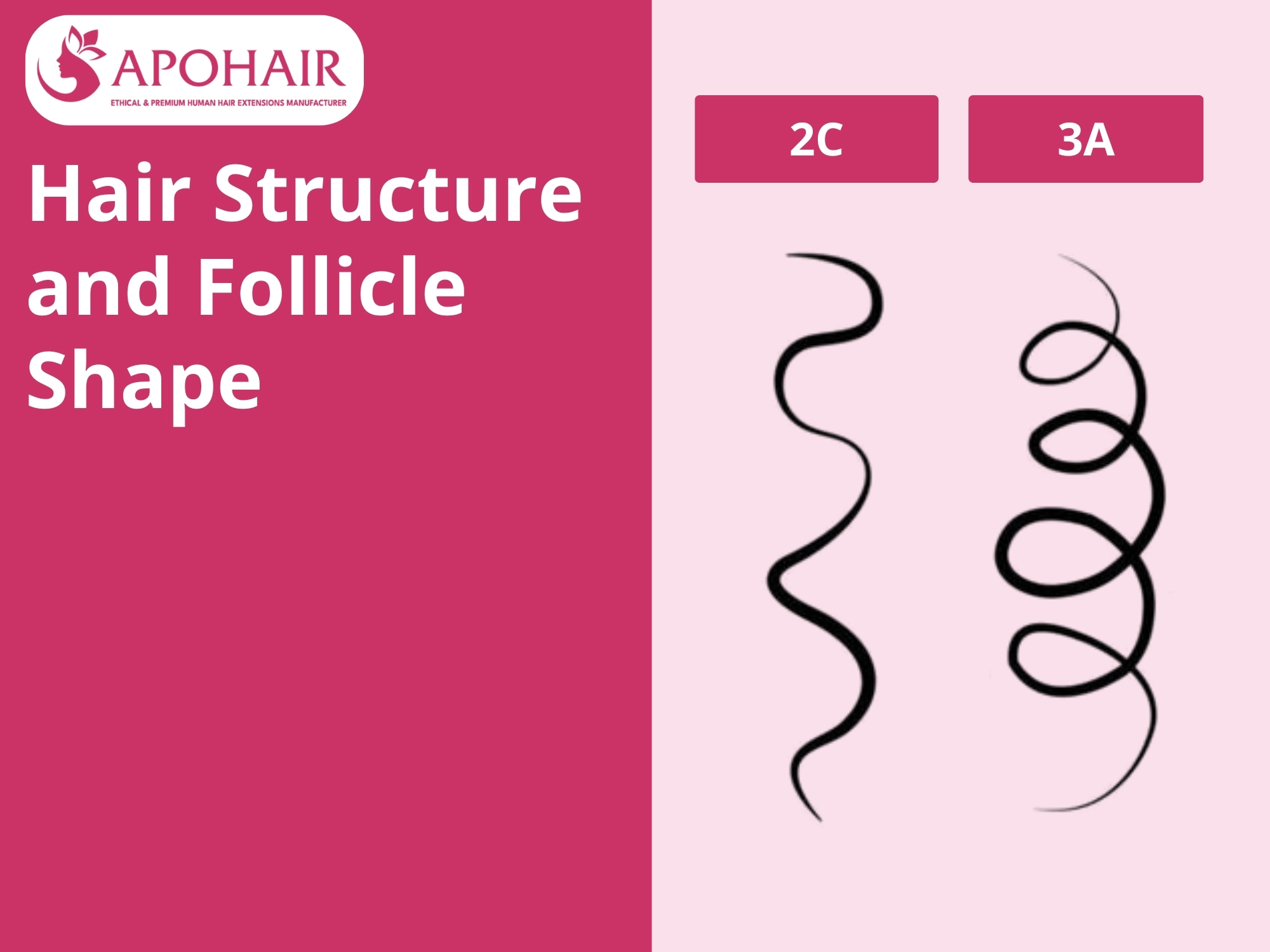
Your hair type actually comes down to the shape of your follicles. 2C hair grows from an oval-shaped follicle, which gives you those clear S-waves. 3A hair, though, comes from an even flatter, more elliptical follicle that creates those bouncy, uniform ringlets. The shape of a 2C follicle pushes your hair into that S-pattern, which starts at the top and usually gets a bit flatter toward the ends.
Since a 3A follicle has more of a curve, it keeps a tight spiral going from your roots all the way to the tips. Basically, the more oval the follicle, the tighter the curl you get. That’s why 3A hair forms full-on ringlets while 2C hair stays as flatter waves. This shape also has an effect on how thick each strand feels. 3A strands often seem thicker because that tight curl structure packs the hair fibers together more than 2C waves do.
Oil and Moisture Distribution
With 2C hair, the natural oils from your scalp travel down the strands much easier than they do with 3A hair. This is why 3A ends usually feel drier and really need you to put in some work to keep them hydrated. Oil moves faster on a 2C strand because those S-waves don’t have as many sharp bends. But with 3A hair, those tight ringlets actually slow the oil down on its way to your ends.
That said, 3A hair is actually great at holding onto moisture once you apply your products. The coiled shape helps trap water inside the curl, while the flatter waves of 2C hair let moisture get away a bit quicker. There is a catch, though: 3A ends often stay dry because the tight coils rub together more, which makes the tips lose moisture even if the rest of your hair feels fine.
Volume
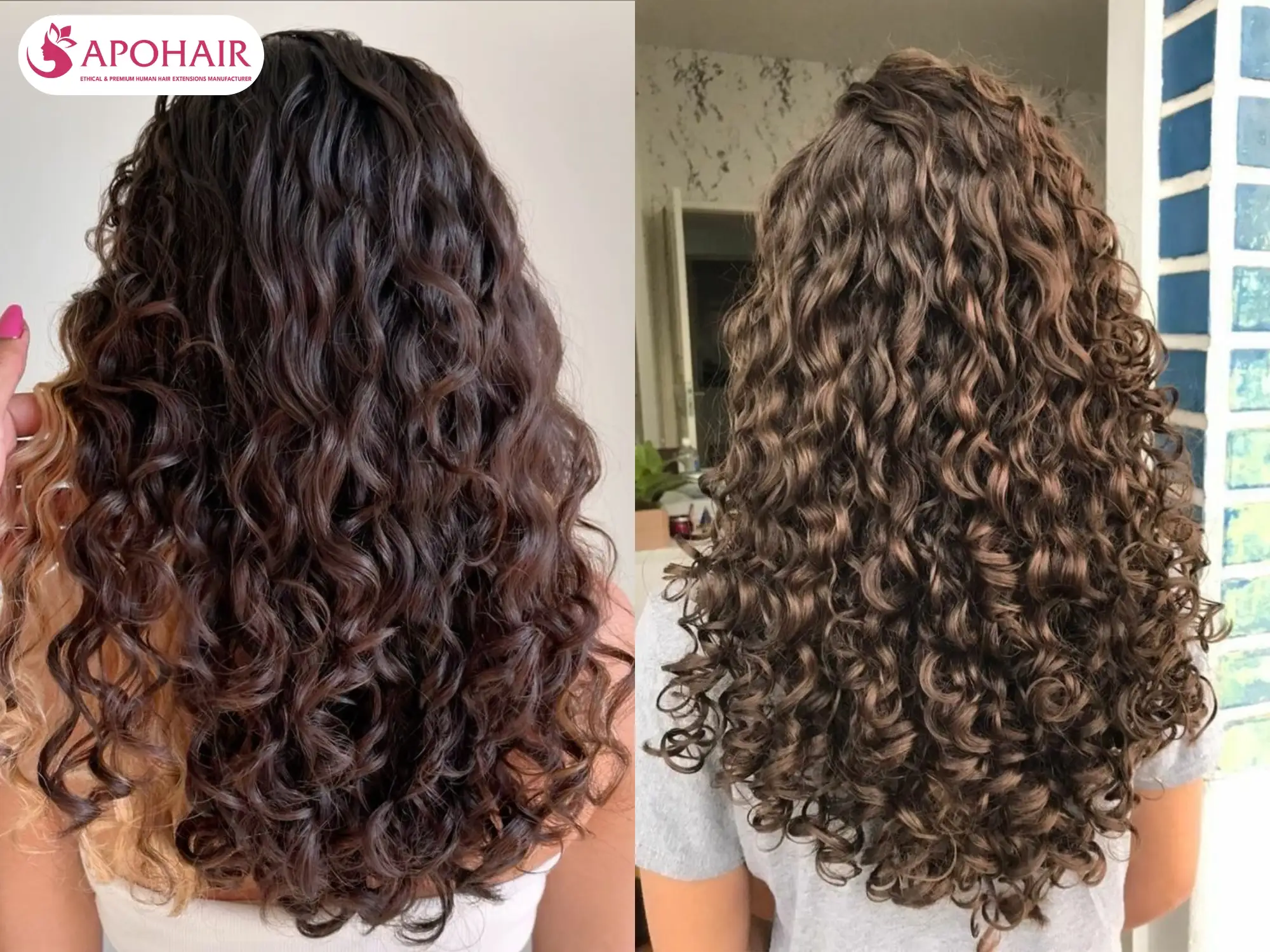
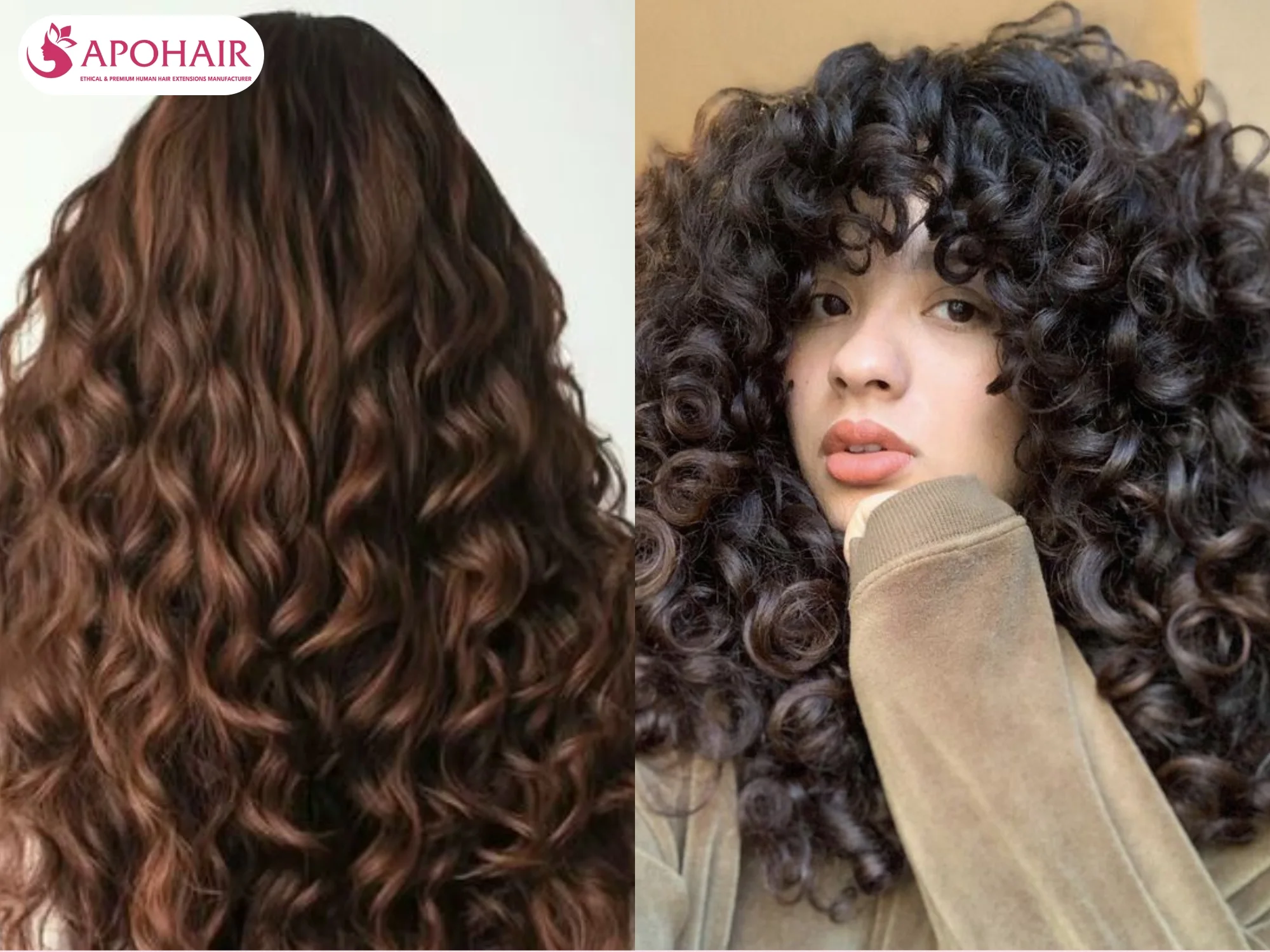
3A hair naturally has more body than 2C hair because those ringlets start right at the root, which gives you a nice lift at the top without needing any product at all. Since the curl shape pushes each strand away from your scalp, your hair looks full all over. Those tighter curls also make your hair look a bit shorter but way thicker.
That’s exactly why 3A hair always looks fuller than 2C hair, even if they’re actually the same length. You can definitely get 2C waves to look just as big with some root-lifting sprays or mousse, but it won’t stay that way on its own. Without some help from styling products, 2C hair usually ends up looking a bit flat by the middle of the day.
Frizz
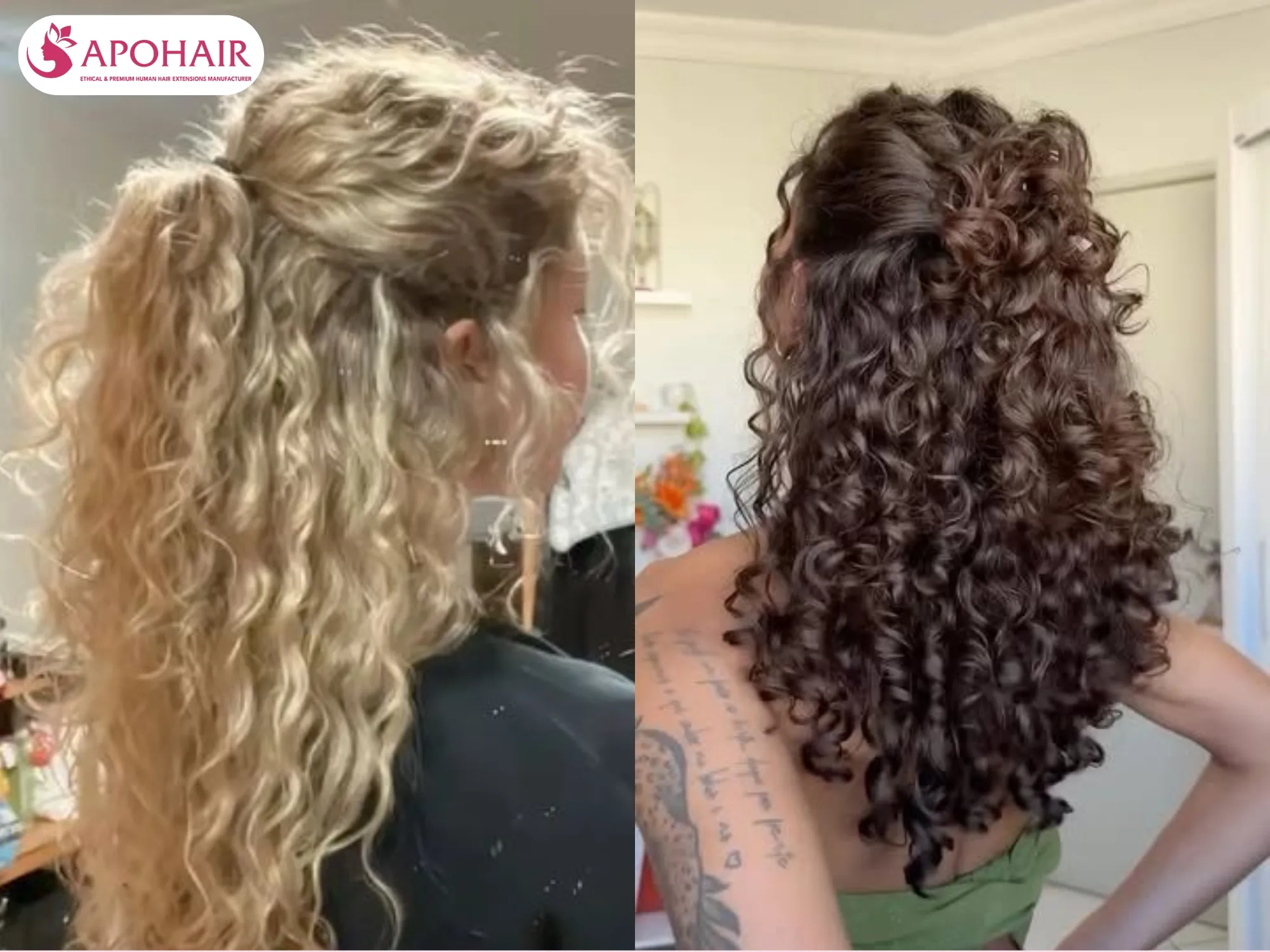
3A hair usually deals with more frizz than 2C hair. Because the curls are tighter, there’s more surface area for humidity to hit, which messes with the hair’s outer layer. Since 3A ringlets constantly rub against each other, those spots open up fast as soon as there’s moisture in the air. 2C hair is a bit different. Its frizz mostly comes from being too dry or having too much product buildup that pulls the waves down.
With 3A hair, humidity actually makes the inside of the hair swell, which ruins the shape of your curls. The outer layer of 2C hair stays pretty flat between those S-waves, so it handles the weather a bit better. But because 3A hair is always coiling, that outer layer is under more pressure, making it react way faster to any moisture in the air.
Shine
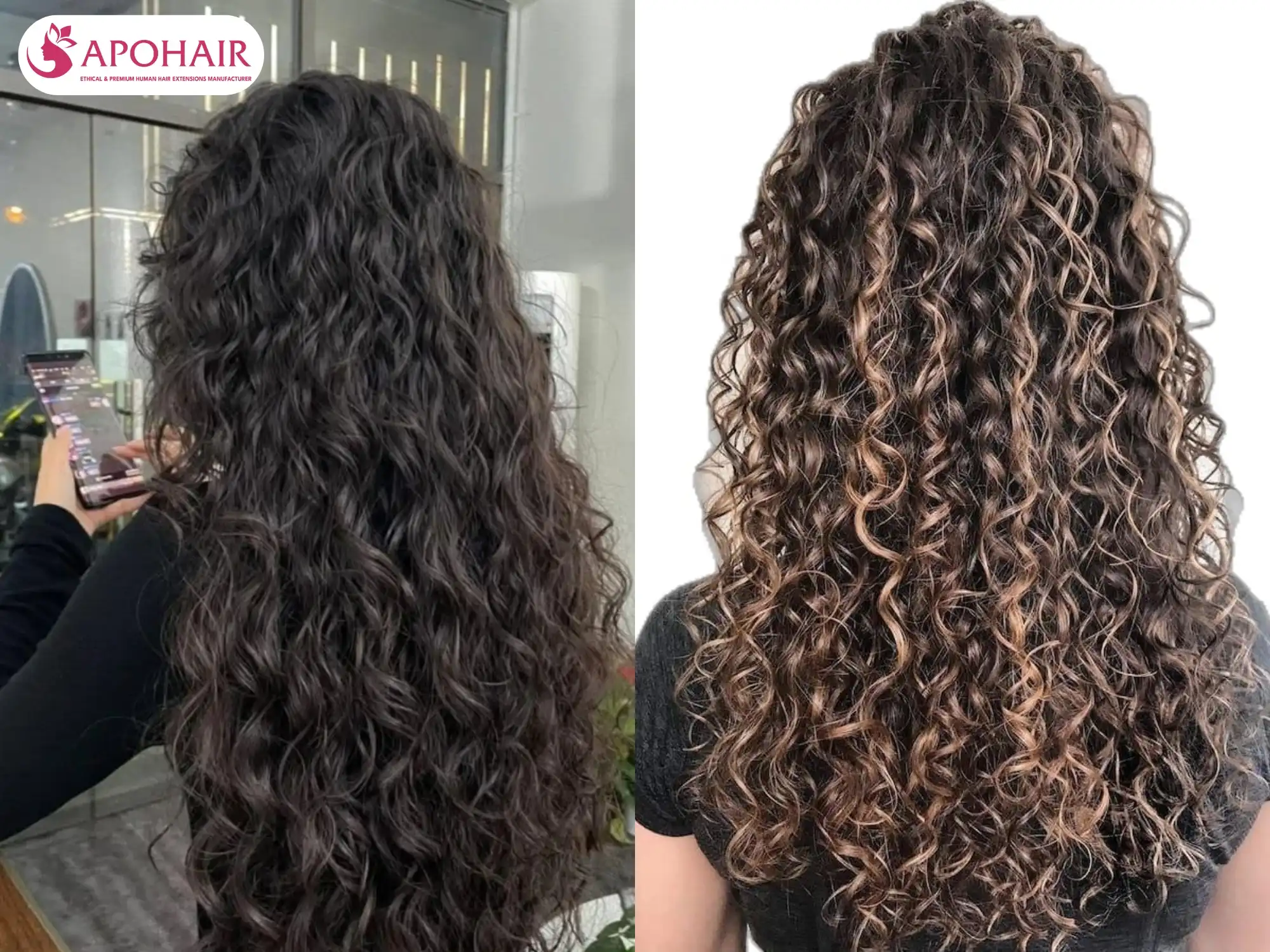
2C hair usually looks shinier than 3A hair because its flatter S-waves let light hit the surface at a steady angle. You can think of it like this: a flat mirror reflects way more light than a curved one. Since the surface of 2C waves is smoother and flatter, light bounces off the strands much more evenly. It really comes down to how the outer layer of the hair sits.
With 2C hair, that layer stays pretty parallel along the flat parts of the wave. But with 3A hair, those tight coils aim the hair’s surface in all sorts of directions, which scatters the light instead of reflecting it. You can still get 3A hair to look almost as shiny as 2C, though. Just use some light serums or oils to smooth things down and create a nice, even layer for the light to bounce off of.
Can You Change 2C Hair to 3A Hair?
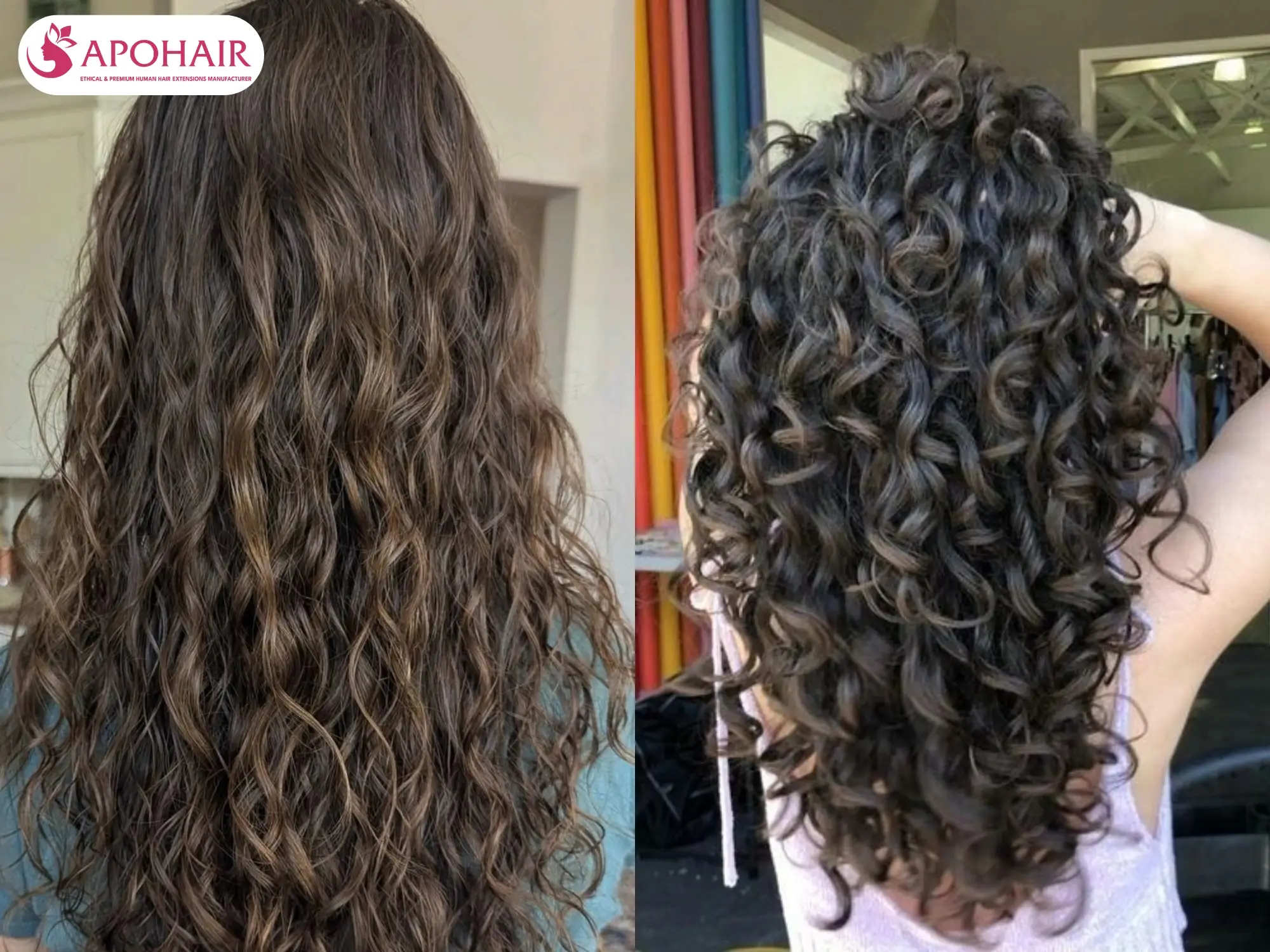
You can’t actually change 2C hair to 3A hair for good. Your curl pattern comes from the shape of your follicles, which is down to your genes, and no cream or chemical can change that. If you want to get that 3A look with 2C hair, you could try curl creams, finger coiling, or using a diffuser. These methods work, but they’re just temporary. Your hair will go back to its usual S-waves as soon as you wash it. Usually, styling like this takes anywhere from 20 to 45 minutes, depending on how much hair you have.
Curl perms or chemical treatments can change your wave pattern for a few weeks, but they really do a number on your hair’s health. Using them over and over makes your strands pretty weak. Even after using chemicals or heat, your hair will eventually return to its natural shape as it grows out. While things like hormones or health changes might slightly change how your waves act over time, you won’t see a permanent shift from 2C waves to 3A ringlets without a lot of effort.
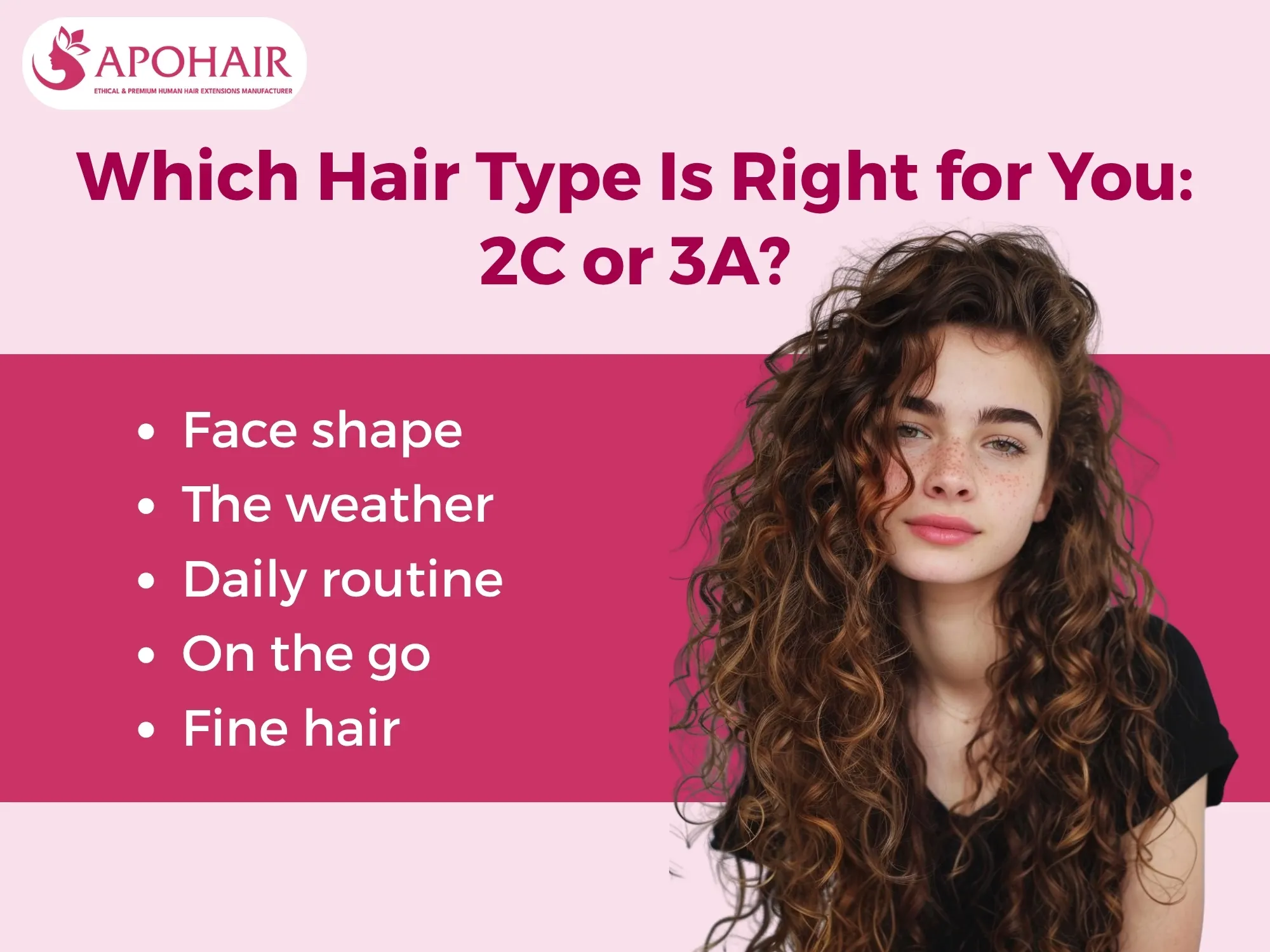
Which Hair Type Is Right for You: 2C or 3A?
Deciding between 2C and 3A hair really comes down to how much work you want to put in, where you live, and your face shape. 2C hair is great if you want something easy to look after that works for different styles. 3A hair is the way to go if you want bold, bouncy curls that stand out. Think about these things before you make a choice:
- Face shape: If you have an oval or heart-shaped face, 2C waves look amazing because they add some width without taking over your whole look. 3A ringlets are usually better for longer or more angular faces since they give you extra fullness and height.
- The weather: In humid areas, 2C hair is more sensible because it handles frizz way better. If you live somewhere dry, 3A hair stays in shape easier since there isn’t much moisture in the air to mess with your curls.
- Daily routine: 2C hair is pretty low-maintenance. You can just let it air-dry with a bit of product and you’re good to go. 3A hair needs a solid routine with hydrating creams and a diffuser if you want those ringlets to stay looking sharp.
- On the go: 2C hair handles sweat and moving around much better. 3A ringlets tend to lose their shape fast when you’re active, so you’ll probably have to fix them afterward.
- Fine hair: 2C waves are usually a better fit for fine hair because they don’t need heavy products. 3A curls on fine hair can sometimes fall flat because the moisturizing products they need are just too heavy.
2C vs 3A Hair Extensions: Which One Should You Choose?
Choosing the best hair extension texture between 2C and 3A really depends on your natural hair, your daily life, and how much time you want to spend on it. 2C extensions tend to blend easily with more hair types and stay in shape longer without needing you to put in more product every day. 3A extensions give you that high-definition volume and look great for a long time if you look after them right, but 2C extensions are often more practical for everyday wear.
Picking the right texture is about more than just a new look; it’s how you build trust with your clients so they keep coming back. Those waves and curls stay looking their best when the hair is high-quality, has the outer layer facing the right way from top to bottom, and isn’t mixed with synthetic fibers that mess up the pattern when it gets hot or humid.
APOHAIR offers a steady supply of high-quality Vietnamese human hair for salons. We have many wavy and curly styles for you to choose from. You can find anything from “water body wave” and “natural wave” (2C types) to “romantic curly” and “deep curly” (3A types). We are here to provide your salon with the best hair textures whenever you need them.
Whether you’re working on a bride’s hair, adding volume for a shoot, or helping a client try something new, our hair works perfectly every single time.
- 100% Vietnamese Human Hair: Single-donor collection gives consistent texture and color, with an intact cuticle that accepts dye better than Indian or Chinese hair.
- Cuticle-Aligned Technology: All cuticles face the same direction, which prevents tangling throughout the extension’s lifespan.
- Ethical Sourcing: Direct collector network in Vietnamese villages with verified fair compensation for every donor.
- Factory-Direct Pricing: No middlemen. Wholesale rates run 30% to 40% below retail market prices.
- 15+ Year Track Record: 700+ well-trained, skilled workers and 100+ sales staff support every order.
- State-of-the-Art Manufacturing: A 33,000 m² (355,000 sq ft) factory in Vietnam with modern production lines.
- Global Distribution: Ships to the US, UK, EU, Australia, Africa, and Asia within 24 hours of order confirmation.
- Quality Guarantee: 7-day warranty with a free replacement policy on every shipment.
APOHAIR transforms authentic raw Vietnamese hair into premium extensions trusted by salon owners and wholesalers worldwide. Our commitment: global leader in the hair industry through ethical practices, manufacturing excellence, and customer success.
Ready to stock cuticle-aligned Vietnamese hair extensions for your salon or store? Contact APOHAIR for wholesale pricing on wavy and curly textures.
APOHAIR ETHICAL & PREMIUM HUMAN HAIR EXTENSIONS MANUFACTURER
- Address: Building 3A, Lane 82 Duy Tan, Cau Giay, Hanoi, Vietnam
- Factory: Minh Luong, Yen Luong Ward, Ninh Binh, Vietnam
- Phone number: (+84) 862 132 366
- Email: [email protected]

FAQ Related to 2C and 3A Hair Type
Can 2C Hair Become 3A Naturally?
No. 2C hair cannot become 3A naturally because curl pattern depends on follicle shape, which is set by genetics. Hormonal shifts or pregnancy can alter waves slightly, but a full transition from 2C S-waves to 3A ringlets requires deliberate styling or chemical treatment.
Is 3A Hair Harder to Maintain Than 2C Hair?
Yes. 3A hair is harder to maintain because its tighter ringlets need consistent hydration, structured styling routines, and protection from humidity and friction. 2C hair air-dries into a wearable wave with lighter product use.
Can You Get 3A Extensions If Your Hair Is Naturally 2C?
Yes, many clients pair 3A extensions with natural 2C hair to add curl definition and volume. The key is blending. Choose a 3A extension that matches your density, then use curl-enhancing products on your natural 2C sections to bring them closer to the ringlet shape.
Conclusion
2C and 3A hair sit on the border between wavy and curly, but they differ in follicle shape, oil distribution, volume, frizz behavior, and shine. 2C hair offers easier maintenance, better sebum flow, and higher light reflection. 3A hair delivers natural volume, defined ringlets, and holds styling products well. You cannot permanently change one into the other, but extensions let you wear either texture.
APOHAIR supplies cuticle-aligned Vietnamese human hair in both wavy and curly textures for salons and wholesalers across 120+ countries.
APOHAIR – ETHICAL & PREMIUM HUMAN HAIR EXTENSIONS MANUFACTURER
- Address: Building 3A, Lane 82 Duy Tan, Cau Giay, Hanoi, Vietnam
- Factory: Minh Luong, Yen Luong Ward, Ninh Binh, Vietnam
- WhatsApp: +84 862 132 366
- Email: [email protected]
- Website: https://apohair.com
