

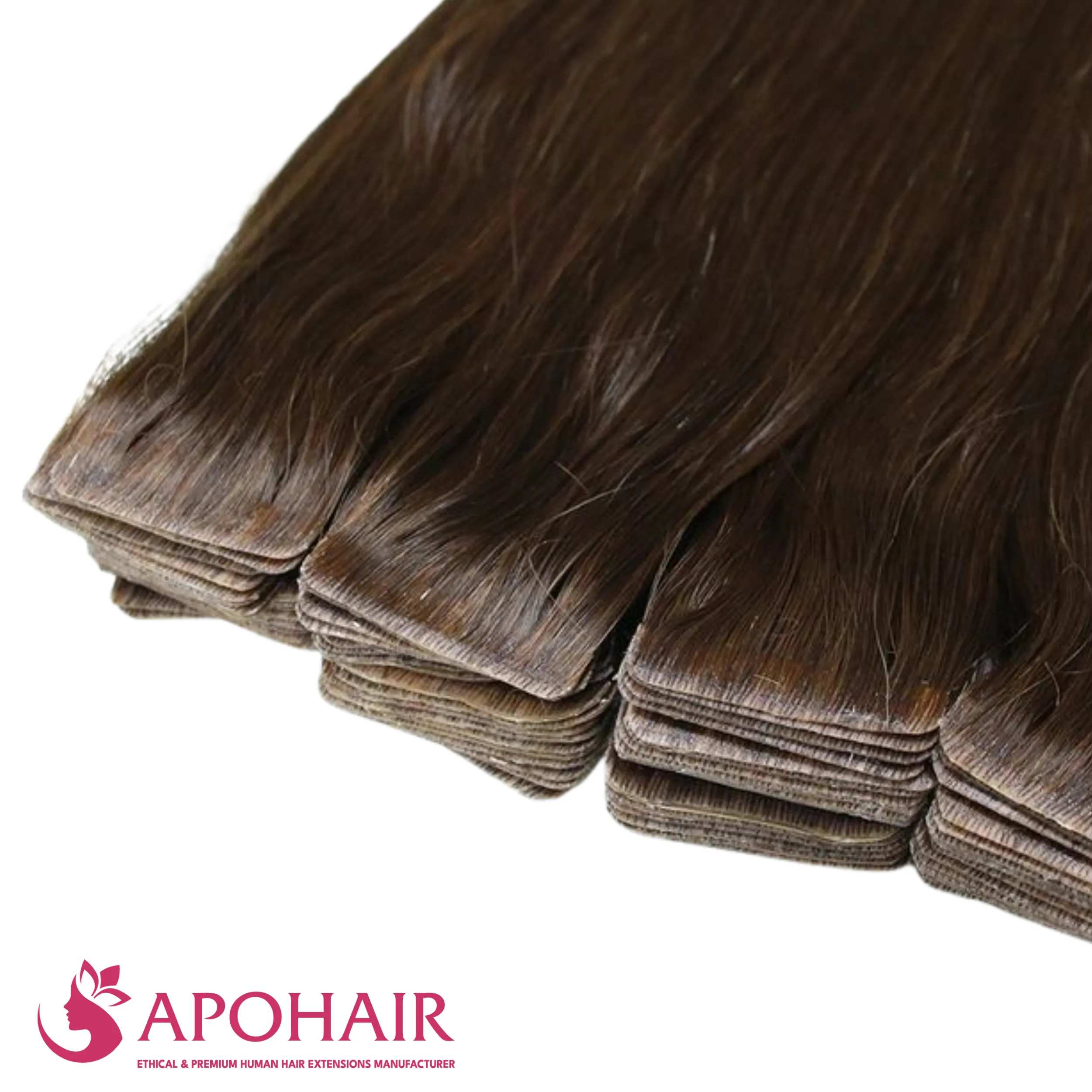

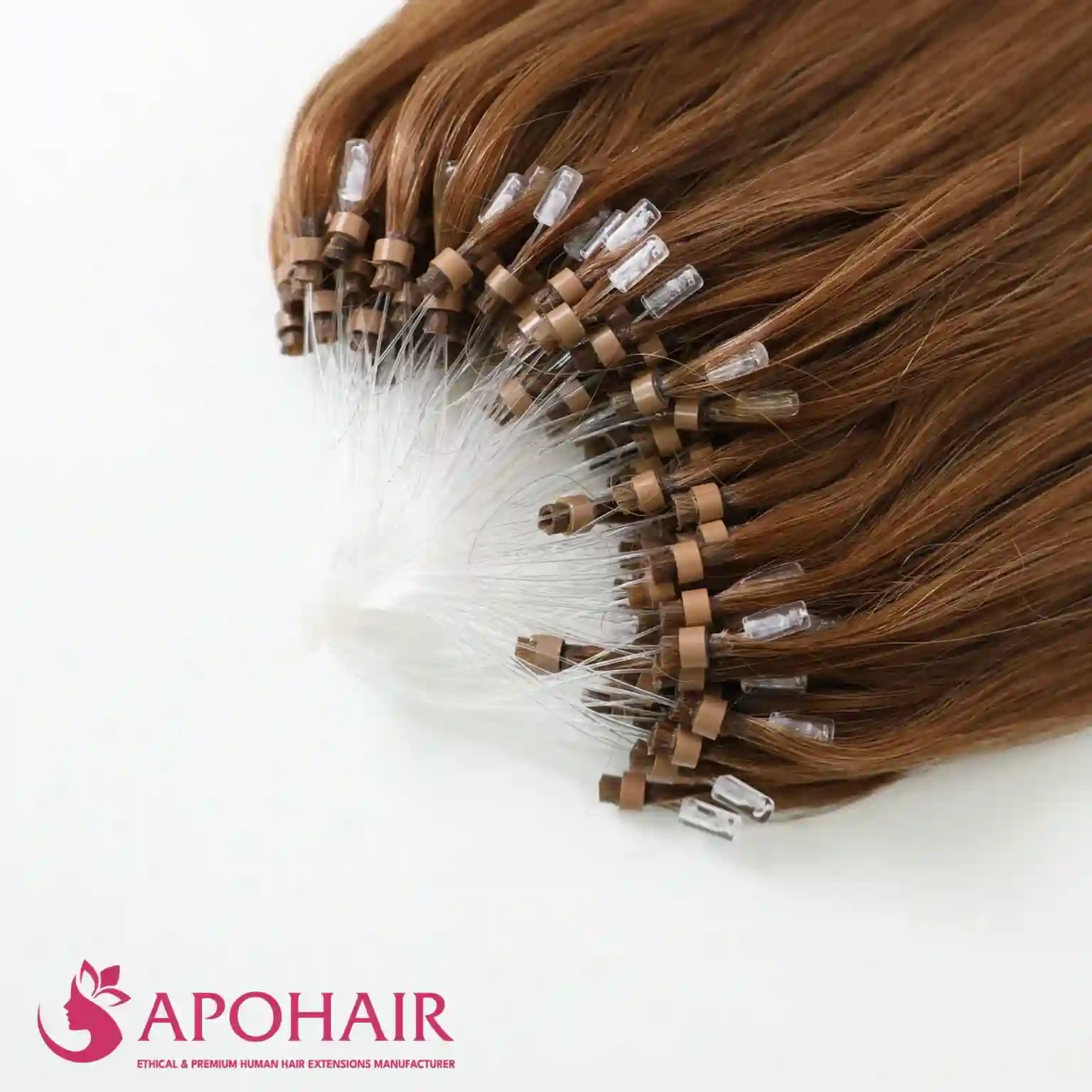

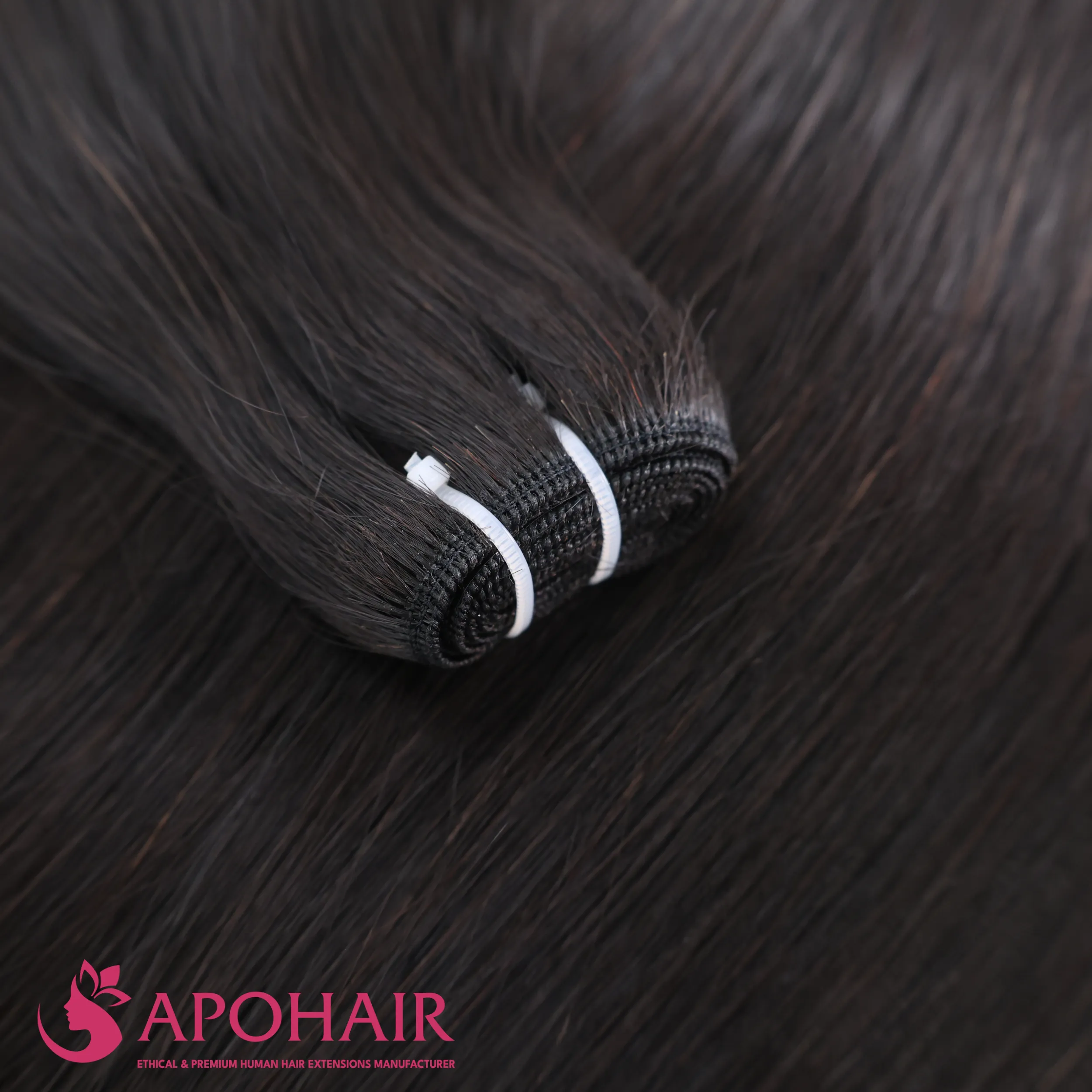


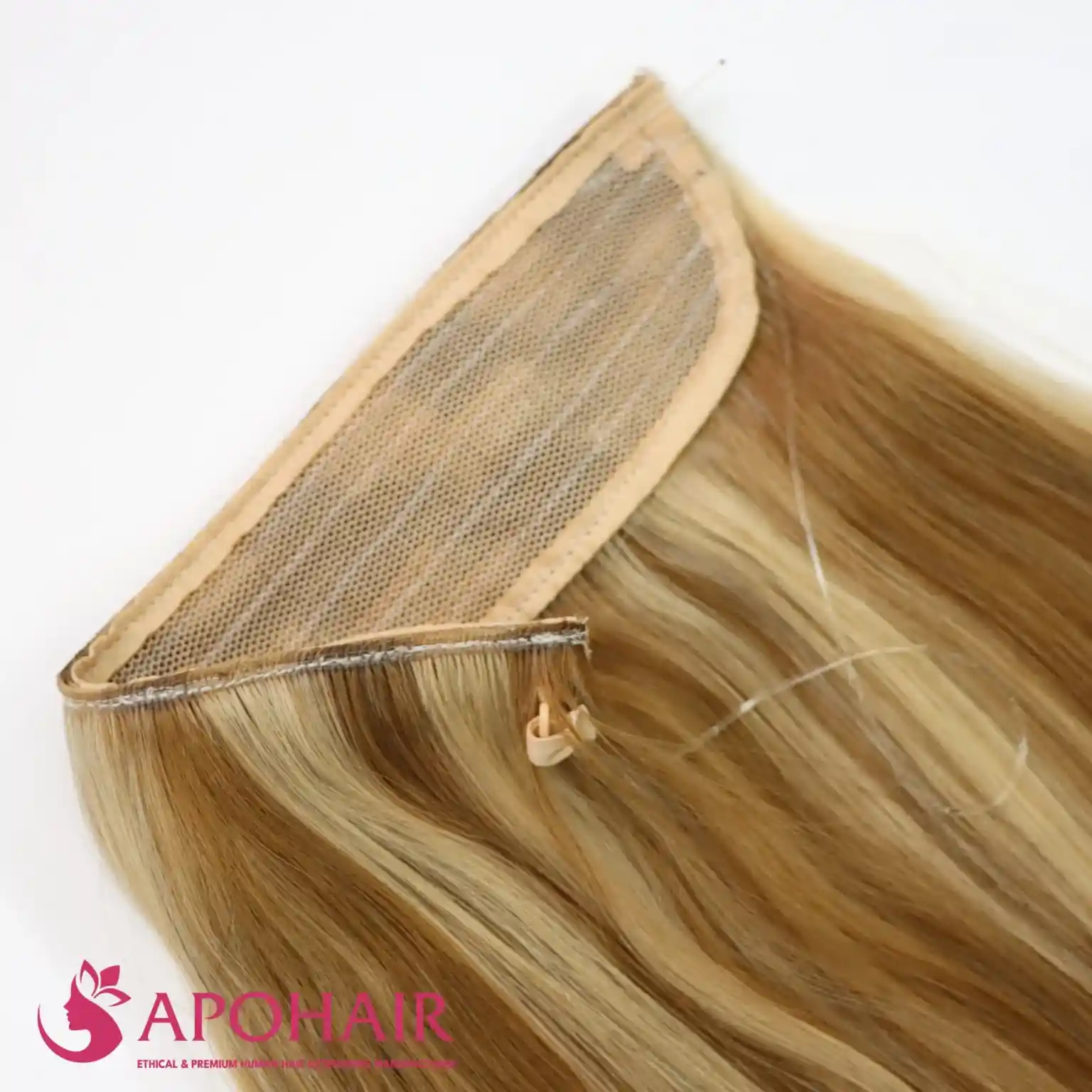



How To Find A Good Hair Vendor In 7 Steps
To find a good hair vendor, first define what your business needs to source consistently. Then find suitable suppliers, contact each one with the same requirements, verify their claims, test comparable samples, review the full commercial terms, and validate the strongest candidate with a paid trial order.
The goal is not to find the lowest quote or the vendor with the most attractive social media account. A reliable supplier must reproduce the approved quality, follow written specifications, deliver accurate orders, maintain consistency across batches, and resolve problems professionally.
This guide organizes the sourcing process into seven practical steps:
- Define a clear supplier brief.
- Build a longlist of 10 to 15 potential vendors.
- Contact 6 to 8 vendors that match the brief.
- Verify the 3 to 5 strongest candidates.
- Order comparable samples from approximately 3 vendors.
- Compare their sample results, landed costs, and commercial terms.
- Place a paid trial order with 1 or 2 finalists.
These numbers can change according to your budget, product range, and sourcing experience. The purpose of the funnel is to remove unsuitable suppliers through evidence instead of choosing the first vendor that responds.
Use the Hair Vendor Sourcing Sheet throughout the process to record your requirements, vendor details, verification evidence, sample results, costs, terms, and trial-order findings. Each step below explains what to check, what proof to request, and what information to enter before moving to the next decision.
Step 1: Define What Your Business Needs From A Vendor
Create one supplier brief that defines your core products, quality standards, commercial limits, operating requirements, and required evidence. Send the same brief to every vendor so their quotations, samples, and terms remain comparable.
The brief should cover:
- Core product scope: List the products the vendor must supply, such as bundles, wefts, tape-ins, keratin tips, I-tips, clip-ins, bulk hair, closures, frontals, toppers, or wigs. State whether you need standard stock, private-label packaging, OEM production, or custom specifications. Separate the core range from products you may add later.
- Product specifications: Define hair origin, accepted meanings of raw, virgin, or Remy hair, permitted processing, cuticle alignment, donor blending, texture, color, length, weight, density, and construction. Include the acceptable variation between units and restock batches.
- Performance standards: Record how the product must perform during washing, drying, brushing, heat styling, coloring, installation, removal, and reuse. Connect every customer-facing claim to a test. For example, a product promoted as suitable for coloring needs a defined starting color, target level, test method, and pass criteria.
- Commercial requirements: Set the acceptable sample MOQ, standard order MOQ, target landed cost per sellable unit, required margin, payment method, and first-order budget. Landed cost should include the product price, packaging, freight, duties, payment fees, inspection costs, and expected losses from rejected units.
- Supply requirements: Estimate the monthly or quarterly restocking range for each core product family. Define the maximum production lead time, delivery time, restock time, and acceptable capacity during peak periods.
- Branding and logistics: Specify packaging, labels, inserts, barcodes, destination country, preferred Incoterm, and required shipping method. List the documents you need, including commercial invoices, packing lists, certificates of origin, test reports, and tracking information.
- Quality-claim terms: Define the inspection period, acceptable tolerances, evidence required for a claim, claim submission deadline, and available remedies. The vendor should confirm whether defective products receive a replacement, refund, credit, or discount.
An established business should base product scope and restocking quantities on several months of sales, return, stockout, and customer-request data. A new business should define a focused launch range, target customer, quality promise, price position, and affordable restocking level instead of using unsupported sales forecasts.
Classify each item as required, preferred, or optional. A required item determines whether the vendor qualifies. A preferred item helps compare qualified vendors. An optional item does not outweigh inconsistent quality, inaccurate orders, unclear sourcing, or weak written policies.
Record in the Hair Vendor Sourcing Sheet: requirement, priority, target standard, acceptable alternative, evidence required, and completion status.
Step 2: Find Hair Vendors Through Several Sourcing Channels
Build an initial longlist of 10 to 15 hair vendors through search engines, B2B marketplaces, social platforms, trade shows, professional referrals, and local business directories. Record each supplier as a candidate for verification, since search rankings, marketplace badges, social followers, and referrals do not confirm product quality.
Use the following sourcing channels:
- Google and other search engines: Combine the product, supplier model, hair origin, and location instead of searching only for “hair vendor.” Useful searches include:
- wholesale supplier [country]
- manufacturer [country]
- [hair origin] raw hair factory
- human hair extensions OEM manufacturer
- virgin hair wholesale distributor [location]
- private label hair vendor [country or state]
- hair vendor near me
- Open the supplier’s website before adding it to the longlist. Check the company name, address, product range, contact details, stated business model, and evidence supporting claims such as direct manufacturing, raw hair sourcing, private labeling, or local inventory.
- B2B marketplaces: Use Alibaba, Global Sources, and comparable platforms to identify suppliers, review product catalogs, and compare advertised MOQs. Check whether the profile identifies the business as a manufacturer, trading company, or distributor. Cross-check its company name, address, website, registration details, and payment beneficiary because one business may operate several storefronts or use different trading names.
- Social and professional platforms: Search Instagram, TikTok, YouTube, Facebook groups, LinkedIn, and stylist communities using the product, factory location, hair origin, and company name. Look for consistent staff and facilities, current inventory, production or handling stages, unstyled products, wash results, salon installations, repeat customers, and responses to complaints. Promotional posts, affiliate reviews, vendor-list sellers, and anonymous recommendations should remain unverified leads.
- Trade shows and professional referrals: Review exhibitor directories from beauty trade shows and ask salon owners, stylists, educators, importers, and other hair businesses for supplier contacts. Use in-person meetings to inspect products, compare constructions, and ask about sourcing, processing, MOQ, customization, lead time, and defect handling. Apply the same verification process to referred vendors.
- Local and US-based sources: Search Google Maps, state business registries, beauty supply districts, salon networks, warehouses, and trade-show exhibitor lists. Confirm whether the supplier holds inventory locally, imports after receiving an order, or operates only a local sales office. This distinction affects MOQ, delivery time, returns, product control, and customization.
Choose supplier models according to the brief from Step 1. A local distributor often provides smaller MOQs, faster delivery, and simpler returns. A factory-direct supplier often provides greater control over specifications, packaging, and custom production. An importer or stockist can suit businesses that prioritize domestic availability over direct manufacturing access.
That local-versus-factory tradeoff plays out with real numbers once shipping and duty enter the picture, and the gap shifts depending on where the buyer is based. Top wholesale hair extensions suppliers in Nigeria works through that exact comparison for one market, landed cost against local pricing, order size against the point where factory sourcing wins.
A longlist built entirely from cold search results still needs a starting pool of names to filter, and 13 Good quality wholesale human hair vendors covers 13 candidates already screened for manufacturing origin and hair grade. Add suitable companies to the longlist, then verify their identity, claims, samples, costs, and terms through the remaining steps.
Record in the Hair Vendor Sourcing Sheet: vendor name, discovery channel, website or profile, country, location type, stated supplier role, product fit, contact person, contact channel, and initial notes.
Step 3: Contact Each Vendor With The Same Request
Send the same written request for information and quotation to each shortlisted vendor. Use identical products, specifications, quantities, packaging, and shipping destinations so you can compare responses on the same basis.
Contact vendors through a business email address or verified company account. Keep quotations, specifications, product photos, policies, payment details, and follow-up messages in a channel that preserves the complete conversation.
Your request should provide:
- Your business type and target market.
- Core product categories and specifications.
- Required hair claims and permitted processing.
- Products and quantities needed for sample testing.
- Expected repeat-order range.
- Destination country and postal code.
- Packaging, private-label, or customization requirements.
- Required sample or trial-order delivery date.
Ask every vendor to answer the same questions:
- Company identity: What are the registered company name, business address, factory or warehouse address, website, and registration details?
- Supplier role: Does the company manufacture the products, distribute finished stock, or source from another factory?
- Hair source and processing: Where does the hair come from, how is it collected or sourced, and which chemical, color, steam, texture, or coating processes does it receive?
- Product definitions: How does the vendor define raw, virgin, Remy, and other quality terms used in its catalog?
- Specification control: How does the vendor measure length, weight, density, texture, color, and construction? What tolerances apply?
- Sample selection: Does the sample come from current production stock? Will the vendor use the same materials and process for future orders?
- MOQ: What minimum quantity applies to samples, standard products, custom specifications, and branded packaging?
- Quotation basis: Is the price calculated per piece, bundle, pack, set, 100 g, kilogram, or order? Which currency, packaging, freight, duties, and Incoterm does the quotation include?
- Lead time: How many working days does the vendor require for samples, first wholesale orders, custom orders, and repeat orders?
- Quality control: Which inspections take place before shipment, and what documents or evidence accompany the order?
- Defect resolution: What claim period, evidence requirements, tolerances, replacements, refunds, or credits apply when products differ from the approved specification?
- Payment: Which payment methods provide an invoice, transaction record, and buyer protection?
- Repeat-order consistency: How does the vendor control variations between the approved sample and later production batches?
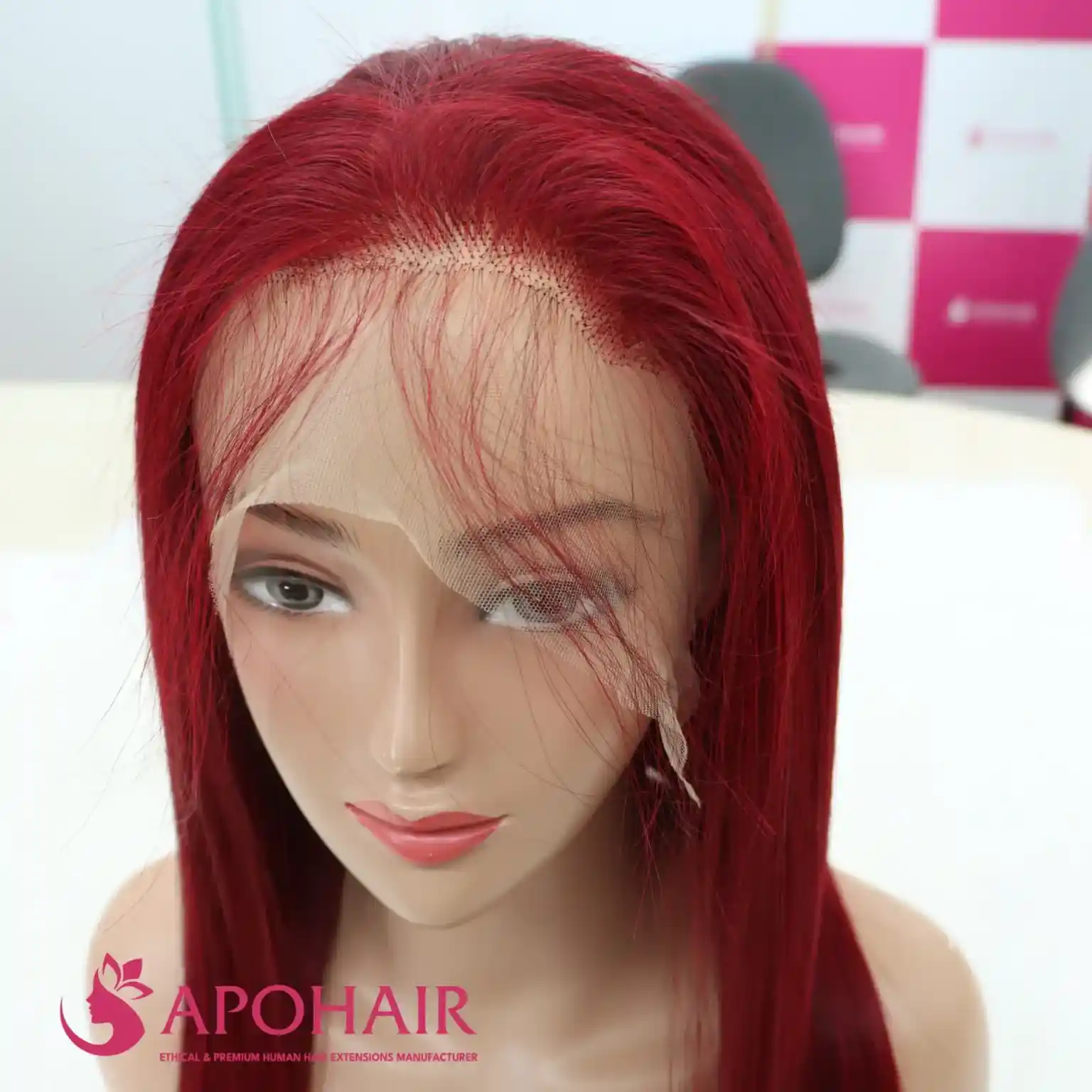
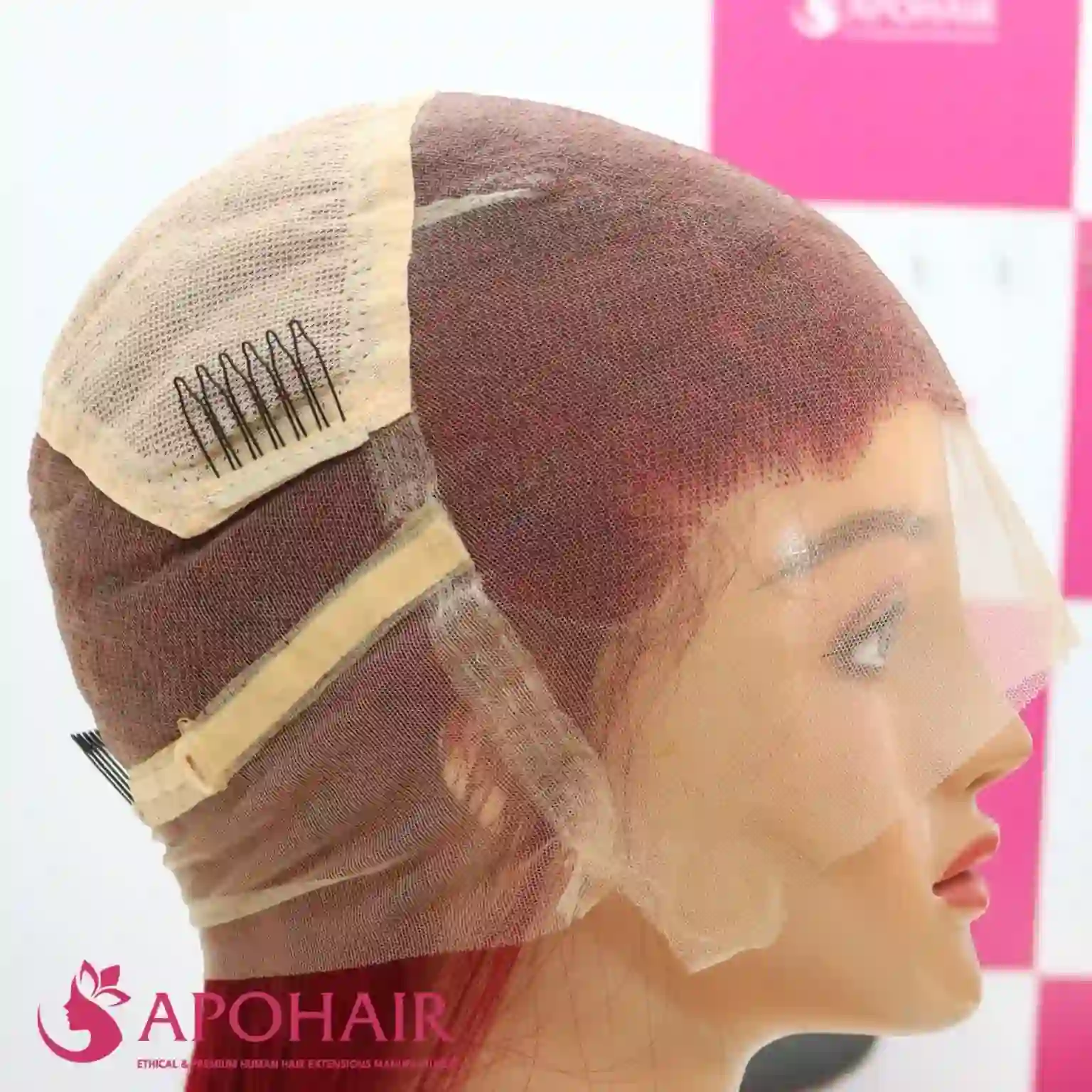
Add questions that affect the specific product. For wigs, request the cap construction, lace type, lace dimensions, density, hairline, and knot details. For extensions, request the weft construction, tape dimensions, bond material, tip size, strand weight, and installation requirements.
Use this first-contact message:
Hello, [company name] is evaluating suppliers for a long-term supplier relationship in [market]. We are sourcing [category], and our required specifications are attached.
Please confirm which products meet these requirements. Provide your registered company information, supplier role, hair origin, processing details, measurement methods, current-stock sample options, MOQ, quotation basis, production lead time, shipping terms, payment methods, customization options, quality-control process, and written defect policy.
Please quote only products that match the attached specifications and show all costs separately, including the product, packaging, customization, freight, and other applicable charges.
Evaluate the completeness and accuracy of each response before ordering samples. A fast reply does not compensate for missing specifications, inconsistent company details, unclear pricing, or an unwritten defect policy.
Record in the Hair Vendor Sourcing Sheet: response date, quoted product and specification, sample availability, MOQ, currency, price basis, included costs, Incoterm, production lead time, payment method, policy documents, unanswered questions, and next action.
Step 4: Verify The Supplier And Its Hair Claims
Verify the vendor’s legal identity, supplier model, operational control, product claims, and written policies before paying for samples. The vendor does not need to own a factory, but it must explain who sources the hair, who processes it, who holds the inventory, and who accepts responsibility when an order fails the agreed specification.
Check the following areas:
- Business identity: Compare the registered company name, trading name, business address, website, email domain, quotation, invoice, and payment beneficiary. If the trading name differs from the registered name, request documentation connecting the two entities. Confirm that the quotation or proforma invoice comes from the company expected to supply the order.
- Payment details: Confirm that the receiving account belongs to the registered company, its documented owner, or an authorized payment provider. Require a written explanation and supporting document before paying an unrelated person or company.
- Supplier model: Determine whether the vendor manufactures products, distributes another factory’s products, imports finished inventory, or combines several models. A manufacturer should explain its production stages, quality checks, customization limits, and batch controls. A distributor should identify what it stocks, what it inspects, how it selects manufacturers, and how it manages supplier changes.
- Production and inventory evidence: Request a live video call when factory, warehouse, or local-stock claims affect your decision. Ask the representative to show the exterior or identifying signage, relevant inventory, work areas, packaging stations, and quality-control activity. Prerecorded footage supports the review but does not confirm that the seller controls the facility shown.
- Independent online evidence: Reverse-search factory and product images to identify copied content. Review tagged salon, stylist, and business accounts instead of relying only on testimonials published by the vendor. Prioritize feedback covering the exact product, several washes or installations, repeat orders, quantity accuracy, delivery time, and claim resolution.
Repeated complaints about substituted quality, incorrect color, missing units, delayed dispatch, or refused returns require a written explanation. A single complaint provides context, while the same unresolved issue reported by several buyers indicates a recurring risk.
Ask the vendor to define every hair claim in writing because raw, virgin, Remy, and single-donor describe different product characteristics:
| Claim | What The Vendor Must Explain | Evidence To Request |
| Raw hair | Hair origin, collection method, sorting process, and confirmation that no chemical processing has occurred | Processing statement, current-stock sample, natural texture after washing, and relevant production evidence |
| Virgin hair | Hair origin and every color, chemical, steam, texture, or coating process applied before sale | Complete processing disclosure, current-stock sample, and product-specific test information |
| Remy hair | How the vendor maintains cuticle direction during collection, sorting, processing, and construction | Process explanation, wash-test performance, and consistency across several units |
| Single-donor hair | How the vendor keeps one donor’s hair separate through collection, sorting, storage, and production | Written claim and identifiable batch information where available |
Raw hair refers to hair sold without chemical processing. The commercial use of “virgin hair” varies between suppliers, so the complete processing history provides more useful information than the label alone. Remy describes aligned cuticle direction; it does not confirm that the hair is raw, chemically unprocessed, or collected from one donor.
Cuticle direction and single-donor sourcing are exactly what a vendor cannot fake with a label, which is why verifying them tends to be easier the closer the supplier sits to the actual collection point. Southeast Asia raw hair vendors profiles eight suppliers from that origin region, where donor-level sourcing is part of the normal claim rather than an exception worth advertising.
Do not use a burn test to verify hair origin, donor count, processing history, cuticle alignment, or commercial grade. A burn test distinguishes some human and synthetic fibers, but it does not prove the claims above.
Reject a vendor immediately when it:
- Refuses to identify the product specification used for the sample.
- Requests payment to an unrelated recipient without supporting documents.
- Changes the stated grade, weight, length, construction, or terms when asked to confirm them in writing.
- Uses images traced to unrelated businesses and cannot provide current evidence.
- Pressures you to place a wholesale order before reviewing the sample and written terms.
- Provides no written process for shortages, defects, specification failures, replacements, or refunds.
Record in the Hair Vendor Sourcing Sheet: registered company details, payment beneficiary, supplier model, factory or warehouse evidence, hair origin, processing disclosure, policy links, independent proof, identified conflicts, immediate disqualifier, and verification status.
Step 5: Order Comparable Samples And Test Them Consistently
Order samples from approximately three verified vendors, then test equivalent products under the same conditions. The sample should confirm whether the vendor supplied the quoted specification and whether the product meets the acceptance criteria defined in Step 1.
Request each sample from current stock or a normal production batch. Ask the vendor to identify the product code, batch, specifications, and processing history. A specially prepared sample shows what the supplier can produce under controlled conditions, not what it routinely ships.
Make the samples comparable by selecting the same:
- Product category and intended use.
- Hair claim and permitted processing.
- Length, color family, texture, and construction.
- Weight, density, strand count, or pack quantity.
- Customization level and packaging condition.
Record any difference before comparing results. Label samples with neutral codes such as Sample A, Sample B, and Sample C so branding, price, packaging, and the sales representative do not influence the evaluation.
Inspect each sample before washing or styling. Confirm the product type, quantity, color, texture, construction, packaging, weight, length, width, density, and strand count where relevant. Examine root-to-end fullness, wefts, bonds, tape, lace, caps, attachment points, odor, residue, dryness, coatings, mixed fibers, and visible damage.
Photograph every sample under the same lighting and include the measuring tool in specification photos. Keep an untreated section or complete unit from the strongest sample as the physical reference for the paid trial order.
Use the following test procedure:
| Test | Use The Same Method For Every Sample | Record |
| Identity and quantity | Compare the received product with the quotation, invoice, and written specification | Product type, color, texture, dimensions, weight, density, quantity, construction, and packaging accuracy |
| Wash and air-dry | Use the same shampoo, water conditions, washing method, cycle count, drying position, and drying time | Color release, coating loss, odor, tangling, dryness, frizz, stiffness, natural pattern, and texture recovery |
| Comb and shedding | Test samples in the same wet or dry condition with the same tool, section size, and number of passes | Shed strands, snagging, matting, friction points, and breakage |
| Heat and styling | Apply the same tool, temperature, contact time, and styling method required by the product brief | Odor, texture response, breakage, curl formation, straightening result, and style retention |
| Color or bleach | Test only when coloring forms part of the product promise; use the same formula, developer, processing time, and sample size | Lift level, color uniformity, elasticity, breakage, texture change, and condition after washing |
| Construction and fit | Inspect or install each product through its intended method | Weft shedding, tape hold, bond security, tip consistency, lace behavior, cap fit, attachment comfort, and application problems |
| Rest and recovery | Store every tested sample for the same period after washing and styling | Matting, odor return, texture loss, stiffness, and recovery before the next use |
Define the pass criteria before testing. Apply only the tests relevant to the product and its advertised use. Hair promoted for professional coloring requires a defined color-processing result. Natural-texture hair requires a wash-and-air-dry result. Wigs require construction, density, lace, fit, and shedding checks. Extension products require attachment, installation, removal, and bond-performance checks.
Send the vendor photographs, measurements, and test notes when a sample differs from the quotation or specification. Ask the vendor to identify the cause, confirm the corrected specification, and explain how it will prevent the same issue in the next sample or order. A replacement without a documented correction leaves the original risk unresolved.
A passing sample moves the vendor to commercial comparison and a paid trial order. It does not prove that the supplier can reproduce the same quality across larger quantities or later production batches.
Record in the Hair Vendor Sourcing Sheet: sample ID, vendor ID, product, quoted specification, received date, current-stock confirmation, test conditions, measurements, evidence link, result for each test, overall result, vendor response, and unresolved risks.
Step 6: Compare Landed Cost, Terms, And Business Support
Compare only vendors that pass verification and sample testing. Use the landed cost per sellable unit, written commercial terms, fulfillment capability, and weighted score instead of ranking suppliers by quoted product price.
Calculate each vendor’s cost with the same formula:
Landed cost per sellable unit = total landed cost ÷ accepted sellable units
Total landed cost should include:
- Product and customization charges.
- Packaging and private-label costs.
- International or domestic freight.
- Shipping insurance and customs brokerage.
- Duties and non-recoverable taxes.
- Payment and currency-conversion fees.
- Inspection and testing costs.
- Rework, replacement, or correction expenses.
Accepted sellable units equal the received units that meet your written specification. Exclude missing, damaged, defective, incorrect, and rejected units from the denominator. This calculation shows the cost of inventory you can sell under your quality promise.
Normalize every quotation before comparing it. Use the same currency, exchange-rate date, product specification, order quantity, shipping destination, and Incoterm. Confirm whether the vendor quotes per piece, bundle, pack, set, wig, 100 g, kilogram, or complete order. Keep standard-product costs separate from custom color, construction, branding, and packaging charges.
Review the following commercial terms in writing:
- MOQ for samples, standard products, custom specifications, colors, and packaging.
- Deposit percentage, balance date, transaction fees, and payment protection.
- Price-validity period and volume-discount tiers.
- Production, dispatch, transit, and repeat-order lead times.
- Shipping service, Incoterm, insurance, tracking, and delivery responsibility.
- Required customs documents and responsibility for clearance.
- Inspection period after delivery.
- Definition of a shortage, defect, or specification failure.
- Claim deadline, required evidence, and response time.
- Conditions for replacements, refunds, credits, and remakes.
- Ownership and reuse of custom designs, packaging, molds, or product specifications.
- Capacity limits during normal and peak periods.
Place every agreed exception in the final quotation, proforma invoice, purchase specification, or signed policy. A promise from a sales representative does not protect the order unless the supplier confirms it in writing.
Match the supplier model to your operating needs:
| Supplier Model | Best Fit | Main Tradeoff To Check |
| Manufacturer | Custom specifications, OEM development, larger repeat orders, and direct production control | MOQ, development time, production capacity, and overseas logistics |
| Distributor or importer | Local stock, smaller orders, faster delivery, and simpler returns | Limited production control, changing upstream suppliers, and fewer customization options |
| Private-label supplier | Ready product programs, packaging support, and faster brand setup | Additional markup, limited exclusivity, and fixed specifications |
| Reseller or dropship agent | Low inventory commitment and outsourced fulfillment | Limited visibility into sourcing, inventory, quality control, and batch consistency |
The supplier model does not determine product quality. Select the model that meets the required MOQ, specification control, restocking speed, documentation, and claim process defined in Step 1.
Score each qualified vendor from 1 to 5 using the same scale:
| Evaluation Area | Suggested Weight |
| Product and specification fit | 20% |
| Sourcing and production transparency | 20% |
| Sample performance | 25% |
| Landed cost and commercial terms | 15% |
| Repeat-order and fulfillment capability | 10% |
| Documentation and communication | 10% |
Use 1 for a clear failure, 2 for major unresolved gaps, 3 for an acceptable result, 4 for a strong documented result, and 5 for performance that exceeds the requirement. Attach evidence to each score and set the weights before viewing the totals. Vendors that fail an immediate disqualification rule should remain excluded regardless of their numerical score.
Select one or two finalists for a paid trial order. The scorecard identifies the strongest candidates, while the trial order confirms whether they can reproduce the approved product and execute a normal transaction.
Record in the Hair Vendor Sourcing Sheet: comparison product, all landed-cost components, ordered units, rejected units, sellable units, landed cost per sellable unit, MOQ, lead times, payment terms, claim policy, capability limits, category scores, weighted score, rank, decision, and decision notes.
Step 7: Validate The Final Vendor With A Paid Trial Order
Place a paid trial order to confirm that the vendor can reproduce the approved sample and complete a normal commercial order. Use standard production, quality control, packaging, payment, and shipping processes. The quantity should be large enough to compare several units from one batch while limiting the loss if the order fails.
Build the trial around the core product range and the risks that remain after sample testing. Include relevant variations in length, color, texture, construction, packaging, or customization. The order should reflect the products and operating conditions you expect the vendor to support repeatedly, not a few current customer orders.
Attach a written purchase specification to the purchase order or proforma invoice. It should state:
- Product names, SKUs, and vendor identification codes.
- Hair origin, quality claim, and disclosed processing.
- Color, texture, length, weight, density, and construction.
- Measurement methods and acceptable tolerances.
- Quantity required for each product.
- Packaging, labels, inserts, barcodes, and branding.
- Approved sample or reference code.
- Unit prices and additional charges.
- Production, inspection, dispatch, and delivery dates.
- Shipping method, Incoterm, and required documents.
- Inspection period, claim deadline, required evidence, and remedies.
Use the purchase specification as the acceptance standard. Previous messages should support the agreement, not replace the final document.
Evaluate the trial order in four areas:
- Batch consistency: Compare several units with the retained approved sample. Check color, texture, dimensions, weight, density, construction, fullness, shedding, wash behavior, and other required attributes.
- Order accuracy: Confirm that every SKU, quantity, package, label, insert, and customization detail matches the purchase specification. Record shortages, substitutions, incorrect specifications, and corrections required before dispatch.
- Operational execution: Compare promised and actual production, inspection, dispatch, tracking, and delivery dates. Check whether the vendor provides accurate invoices, packing lists, shipment details, and customs documents. When delays occur, assess how early the vendor reports them and whether the revised plan is reliable.
- Issue resolution: Document each discrepancy and assess how the vendor investigates its cause, communicates corrective action, and applies the agreed replacement, refund, credit, or remake policy. A clear corrective process matters more than an apology or discount on the next order.
Inspect the shipment within the agreed claim period. Photograph unopened packaging, labels, quantities, and product condition before washing, styling, installing, or altering the products. Retain representative units from the trial batch for later comparison.
A passing trial confirms one successful order, not long-term consistency. Place a controlled repeat order using the same specification before increasing volume substantially. Compare the repeat order with both the approved sample and the first trial batch.
Approve the vendor as primary when the trial and repeat order meet the product, documentation, timeline, and issue-resolution requirements. Classify a qualified alternative as backup when it meets the required standards but offers a weaker fit for cost, capacity, specialization, or restocking. Use further testing for unresolved inconsistencies and rejected for failed specifications, critical unresolved issues, or broken commercial terms.
Record in the Hair Vendor Sourcing Sheet: Purchase-order reference, promised and actual dates, batch consistency, order accuracy, documentation, issue resolution, corrective action, repeat-order result, unresolved critical issues, qualification status, and final role.
What Hair Vendor Red Flags Should You Avoid?
The strongest red flags involve unverifiable business information, changing product claims, unsafe payment requests, and resistance to written specifications or sample testing. Treat a warning sign as a reason to investigate, and reject the vendor when the risk remains unresolved.
Watch for:
- Product or factory images copied from unrelated businesses.
- Different company names across the website, invoice, and payment account.
- Raw or virgin claims without a clear processing explanation.
- A quotation that omits weight, length method, construction, or unit basis.
- Prices far below comparable specifications without a credible explanation.
- Refusal to provide samples or pressure to place a bulk order first.
- Repeated changes to MOQ, price, product grade, or delivery time.
- No written defect, shortage, return, or replacement process.
- Strong communication before payment followed by limited production updates.
- A sample that differs from current stock or a trial order that differs from the approved sample.
Do not reject a legitimate manufacturer only because it has fewer public reviews than a consumer brand. B2B factories often have a smaller retail footprint. In that case, require stronger company, production, sample, and documentation evidence.
Frequently Asked Questions About Finding Hair Vendors
Where Can I Find Hair Vendors Online?
You can find hair vendors online through Google, B2B marketplaces, manufacturer directories, trade-show exhibitor lists, LinkedIn, Instagram, TikTok, YouTube, and professional hair communities. Search by product, supplier model, claimed origin, and location instead of using only “hair vendor.” Treat every result as an unverified lead until the supplier passes company checks, sample testing, and a trial order.
How Do I Find A Raw Or Virgin Hair Vendor?
Find a raw or virgin hair vendor by searching for suppliers connected to a stated sourcing region and requesting the complete processing history of the hair. For raw hair, confirm whether the product has undergone coloring, bleaching, perming, acid treatment, chemical texturizing, or silicone coating. For virgin hair, request a written statement listing every chemical, color, steam, and finishing process applied before sale.
Where Do Hair Vendors Get Their Hair From?
Hair vendors obtain human hair through donor and collector networks, regional sorting facilities, processing factories, manufacturers, and upstream distributors. The collection country, processing country, factory location, and vendor location are not always the same. Ask the vendor to identify each location and explain which company controls sorting, processing, construction, and quality inspection.
How Do I Know If A Hair Vendor Is Legitimate?
A legitimate hair vendor provides traceable company details, consistent contact information, written product specifications, verifiable samples, and documented commercial policies. Confirm that the company name, invoice issuer, payment beneficiary, website, business address, and stated operating location form a consistent business relationship. Use a live video call, independent customer evidence, and a traceable payment method before placing a trial order.
Can A Hair Vendor Be Legitimate Without Owning A Factory?
Yes, a hair vendor can be legitimate without owning a factory. Distributors, importers, private-label suppliers, and sourcing agents can provide reliable products when they disclose their supplier model and control inventory, inspections, specifications, and defect claims. Evaluate the vendor’s control over the finished product instead of accepting “factory-direct” as proof of quality.
How Do I Find A Good Hair Vendor Near Me?
Find a good hair vendor near you through Google Maps, local business registries, beauty-supply districts, trade-show directories, and salon referrals. Confirm whether the company stores inventory locally or operates only a sales office. Visit the warehouse or pickup location when available, inspect normal stock, and apply the same testing process used for overseas vendors.
Should I Buy A Hair Vendor List?
You do not need to buy a hair vendor list to find a reliable supplier. A list can shorten the discovery stage, but it does not verify current quality, product origin, commercial terms, or batch consistency. Check when the list was updated, how its vendors were selected, and whether the publisher receives commissions before using it to build your longlist.
How Long Should I Test A Hair Vendor Before Scaling?
Test a hair vendor through at least three stages: a current-stock sample, a paid trial order, and a controlled repeat order. Compare the trial and repeat batches with the retained sample for specifications, construction, wash performance, order accuracy, and delivery. Increase volume only after the supplier reproduces the approved standard across separate orders.
When Should I Reject A Hair Vendor?
Reject a hair vendor when it cannot support a safe, verifiable transaction. Immediate rejection reasons include conflicting company or payment details, refusal to provide an identifiable sample, undocumented changes to the quoted product, copied factory evidence, pressure to order before testing, and no written remedy for shortages or nonconforming goods.
Choose A Vendor That Performs Consistently
Approve a hair vendor only after its normal order and controlled repeat order match the retained sample, written specification, and agreed commercial terms. A successful sample confirms product potential; repeat-order performance determines whether the supplier is ready for ongoing business.
After approval, retain the reference sample and continue recording received measurements, accepted-unit rate, order accuracy, actual lead time, and claim resolution. Pause volume increases when product performance changes, and transfer affected orders to the qualified backup vendor until the issue is resolved.
If APOHAIR matches your product scope, evaluate it through the same standards used for every shortlisted supplier. As a Vietnamese raw human hair vendor, APOHAIR operates a 33,000 m² (355,000 sq ft) factory in Ninh Binh, Vietnam, with more than 700 workers and a production capacity of up to 20 tons per month.
Send your required product categories, specifications, destination, sample needs, and expected order range to request current-stock samples and a written product and commercial quotation.
- Email: [email protected]
- WhatsApp: +84 862 132 366
- Website: https://apohair.com/
