








Top 20 Pixie Cuts for Women With a Diamond Face Shape: Crown Volume, Soft Sides, Fringes & Piecey Textures
Top 20 pixie cuts for women with a diamond face shape are the textured pixie with side-swept bangs, the pixie with volume on top, and the piecey textured pixie. For women with a diamond face, a pixie shows the cheekbones rather than hiding them. The cut’s job is to keep that choice balanced. Height at the crown lengthens the face, soft sides keep the cheekbones from reading as the widest line, and a fringe widens the narrow forehead.
Four decisions then narrow the choice: crown height, the fringe, how the sides sit against the cheekbones, and the hair’s texture and density. Pixies fail on a diamond face when they lie flat and uniform, carry a heavy blunt fringe, or pull the temples in tight.
A diamond face is widest at the cheekbones, with a narrow forehead and a narrow, often pointed chin. For women with this face shape, the pixie is one of several short cut families that suit it, and the one that puts the bone structure most on display.
Twenty pixie cuts keep that display balanced for women, from textured and fringed pixies to long, grown-out, curly, and coily versions.
Best Pixie Cuts for a Diamond Face Shape
The textured pixie with side-swept bangs, the pixie with volume on top, and the piecey textured pixie suit a diamond face best, each pairing lift on top with soft sides. The other seventeen widen the forehead with a fringe, change the length, or lean on natural texture.
1. Textured Pixie With Side-Swept Bangs
A textured pixie with side-swept bangs lifts a piecey crown and lays a long fringe diagonally across the forehead, with the sides kept soft over the ears. On a diamond face, each part does its own job. The lifted crown lengthens the face, the diagonal fringe widens the narrow forehead, and the soft sides keep the cheekbones from reading as a hard ledge. The diagonal also adds asymmetry, which softens the face’s matched angles.
Deep point-cutting on top creates both the texture and the lift, since separated pieces stand up more easily than a solid layer. The fringe runs from a deep part to the opposite temple, which lets it cover the forehead’s full width. Around the ears, the sides stay long enough to lie flat without clippers. For women, hair in the Type 1B to 2B range lifts and sweeps with little product. The fringe needs a trim every 4 weeks, and the crown a reshape every 6 weeks.
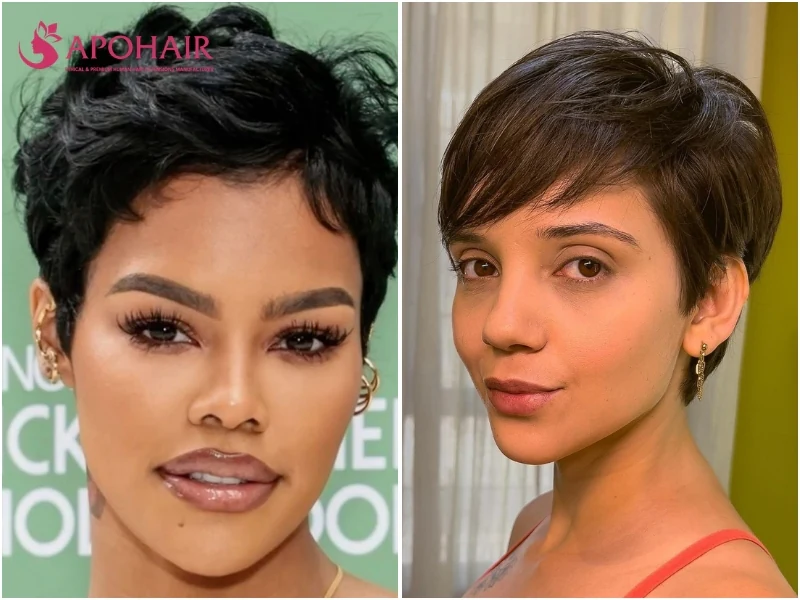
Why it works: A lifted, piecey crown lengthens the face while the diagonal fringe widens the narrow forehead, and soft sides over the ears keep the cheekbones from reading as a hard ledge.
2. Pixie With Volume on Top
A pixie with volume on top leaves the crown longer than the sides and styles it upward into soft height. On a diamond face, that height stretches the face vertically. The wide cheekbones then read as part of a longer oval instead of the widest line of a short one. The sides stay soft and close, which keeps the added height from looking like a peak.
The crown carries about 2 to 3 inches of length, layered so it lifts with a blow-dry and a little mousse at the roots. The sides taper gently rather than clippering tight, since tight temples narrow the forehead. For women with thick and medium hair, height holds without much product, while fine hair needs a root-lift spray. A recut every 5 to 6 weeks keeps the crown taller than the sides.
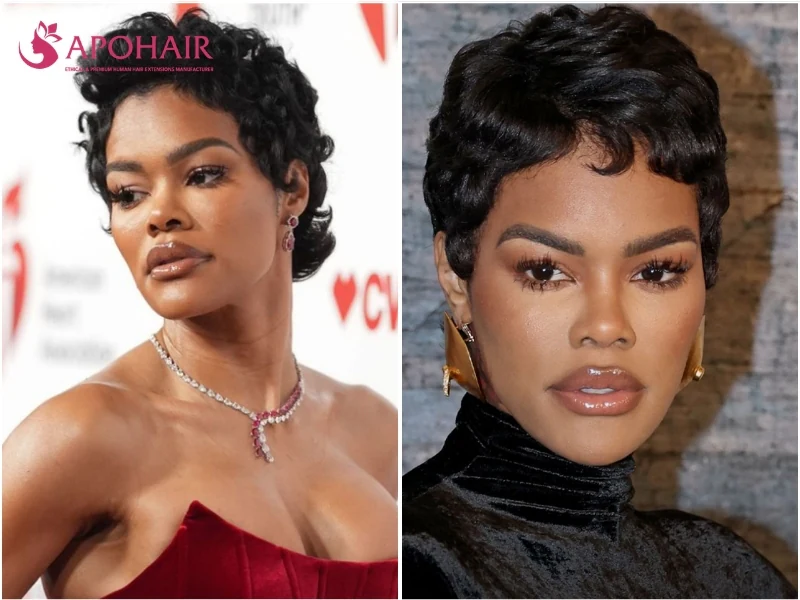
Why it works: Height at the crown stretches the face vertically, so the wide cheekbones read as part of a longer oval instead of the widest line of a short crop.
3. Piecey Textured Pixie
A piecey textured pixie breaks the whole cut into separate, pointed pieces, from the crown to the temples and nape. On a diamond face, that broken outline keeps the cut from drawing a solid edge around the cheekbones, so the bone structure shows without looking sharp. Pieces at the temples also flick outward and add a little width where the forehead narrows.
Point-cutting runs deep on top for lift and shallower at the sides, where pieces need to lie close without clumping. A matte paste worked through dry hair defines each piece. Thicker hair keeps the pieces apart on most women, while fine hair clumps unless the texture stays light. The pieces blur after about 5 weeks and need recutting.
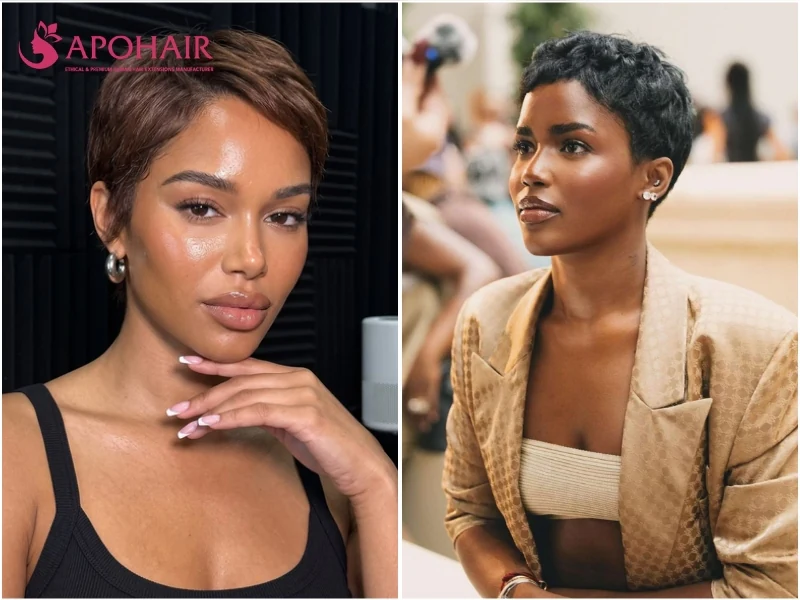
Why it works: Breaking the cut into separate, pointed pieces avoids a solid edge around the cheekbones, and pieces flicking out at the temples add width where the forehead narrows.
4. Pixie With Curtain Bangs
A pixie with curtain bangs opens a center-parted fringe into two soft wings that lift off the forehead and land at the temples. On a diamond face, the wings add width right where the forehead narrows, and because they end at the temples, they never sit on the cheekbones. The top of the face grows wider while the widest point stays uncovered.
A slight upward bevel inside each wing helps it lift at the root and curve out rather than lie flat. The front needs about 3 inches of length for the wings to form, enough for most women to style the wings without heat. A quick round-brush dry sets the lift on straight or wavy hair. After about 5 weeks, the wings grow past the temples and need trimming back.
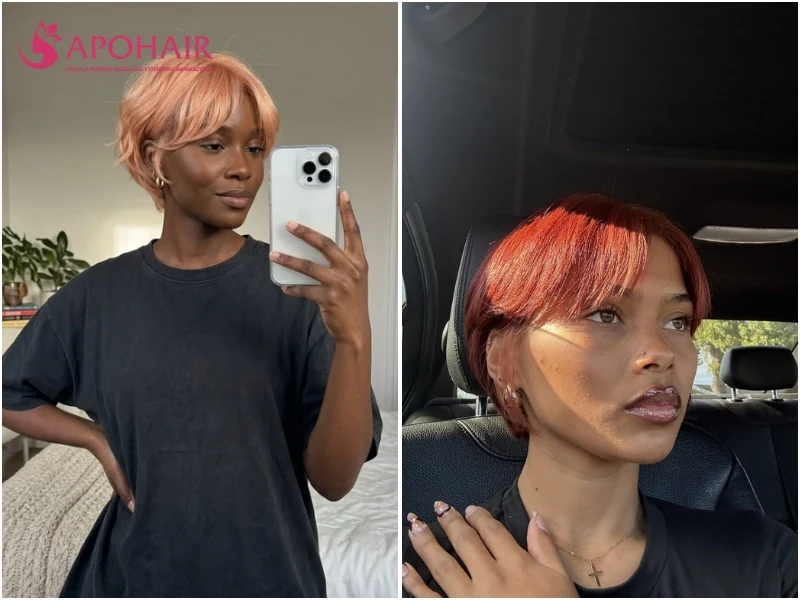
Why it works: Two soft wings lift off the forehead and land at the temples, adding width exactly where the forehead narrows without ever sitting on the cheekbones.
5. Pixie With Wispy Fringe
A pixie with a wispy fringe runs a sheer fringe the full width of the hairline, reaching each temple. On a diamond face, width matters more than weight, since the forehead is narrow. A fringe that reaches both temples widens it without adding a heavy bar. The crown can then carry a little lift above it.
The fringe section runs wide but shallow, using only the front inch of the hairline, so the crown keeps its volume. Point-cutting leaves each strand tapered. Fine and medium hair gives the most see-through finish, a texture many ladies with thinner strands already have. The fringe thickens after about 4 weeks and needs thinning.
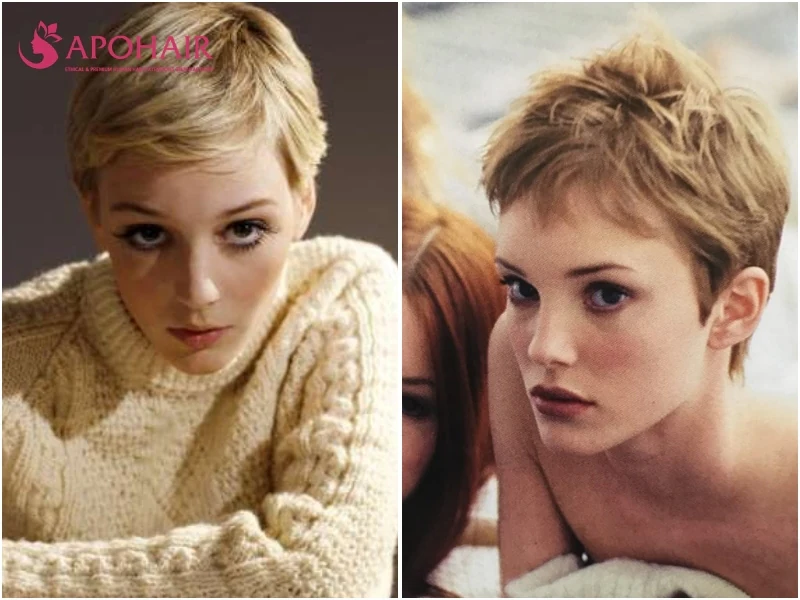
Why it works: A sheer fringe reaching both temples widens the narrow forehead without adding a heavy bar, leaving room for the crown to carry a little lift above it.
6. Pixie With a Long Sweeping Fringe
A pixie with a long sweeping fringe carries a long front section across the forehead and down over one cheekbone, with a lifted crown behind it. On a diamond face, the fringe widens the narrow forehead as it crosses and veils one cheekbone as it falls. That softens the strongest angle on that side, while the crown lift keeps the look from sitting low and heavy.
The fringe runs from about 2 inches at the part to 5 inches at its tip, enough to reach the cheekbone. Keeping the tip just past the cheekbone, well above the jaw, stops the fringe from dragging the eye down to the narrow chin. Straight and wavy hair both drape well, and a light serum keeps the sweep smooth. A trim every 4 weeks holds the tip just past the cheekbone.
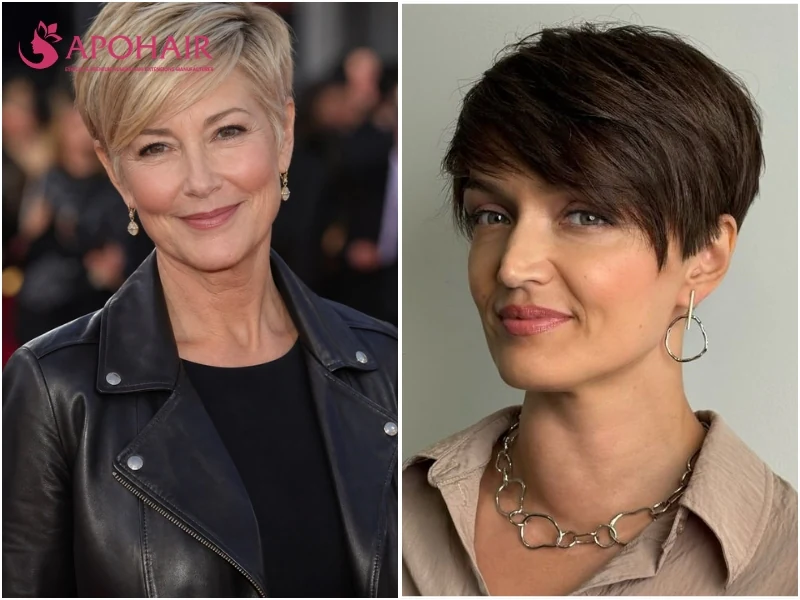
Why it works: The long fringe widens the forehead as it crosses and veils one cheekbone as it falls, softening the strongest angle while the lifted crown keeps the look from sitting low.
7. Quiffed Pixie With Soft Sides
A quiffed pixie with soft sides sweeps the front up and back into a rounded wave above the forehead. The sides stay long enough to lie softly over the ears. On a diamond face, the quiff adds the crown height that lengthens the face, and the soft sides keep the cheekbones from looking bare beneath it. It is the most vertical pixie that still suits the face shape.
The front section stays about 3 inches long, with layering that points upward so it lifts from the root. Clipper-tight sides turn the quiff into a hard, geometric shape, so the sides stay scissor-cut and slightly longer at the temples. Thick, straight hair holds a quiff best, and fine hair needs mousse and a blow-dry. The front needs a recut every 5 weeks to keep its lift.
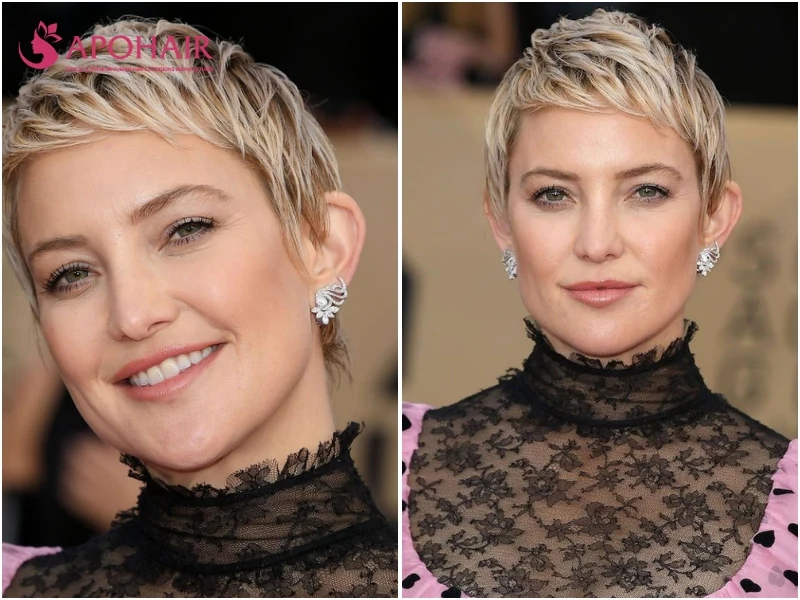
Why it works: The rounded quiff adds crown height that lengthens the face, and soft sides keep the cheekbones from looking bare beneath the added lift.
8. Layered Feathered Pixie
A layered feathered pixie raises its layers toward the crown and lets the feathered tips flare out at the temples. On a diamond face, that combination lengthens the face at the top and widens it at the temples, the two places it needs help. Over the cheekbones, the feathering lies close, so the widest point stays soft rather than bulked up.
Layers shorten toward the crown so they stack into lift, the reverse of the flat layering many other face shapes need. A razor feathers the tips at the temples, and scissors keep the layers over the cheekbones smooth. Fine and medium hair lift and feather most easily for women who want movement without bulk. The crown drops after about 6 weeks, when a reshape lifts it again.
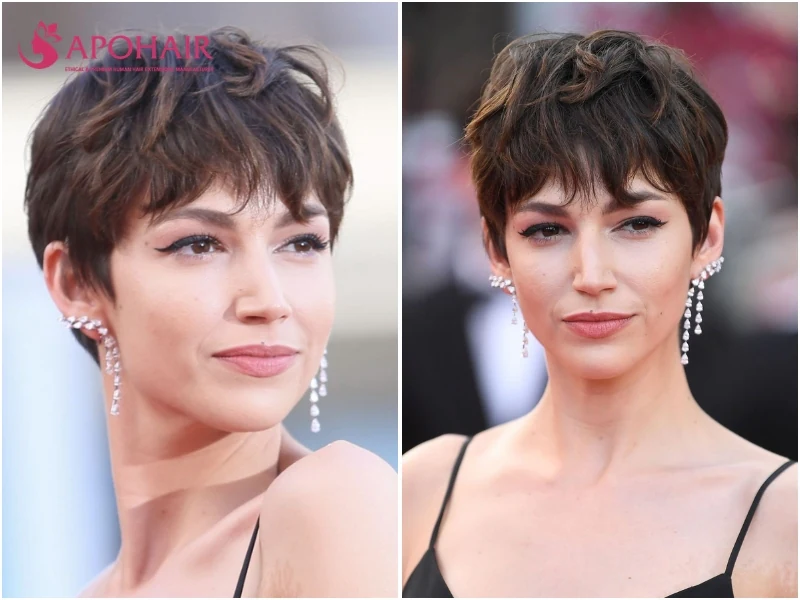
Why it works: Layers stack toward the crown for lift while feathered tips flare at the temples for width, and the feathering lies close over the cheekbones so the widest point stays soft.
9. Rounded Pixie With Temple Volume
A rounded pixie with temple volume builds a soft, round outline that is fullest at the temples and crown and close at the cheekbones. On a diamond face, that shape reverses the face’s own outline, adding width where the forehead narrows and keeping it off the cheekbones, where the face is widest. The result reads more oval than angular.
Round layering over the crown and temples creates the fullness, while the sides below the temples taper in over the ears. A round brush at the temples lifts the roots outward. For women, medium density gives the smoothest curve. A recut every 5 to 6 weeks keeps the fullness at the temples.
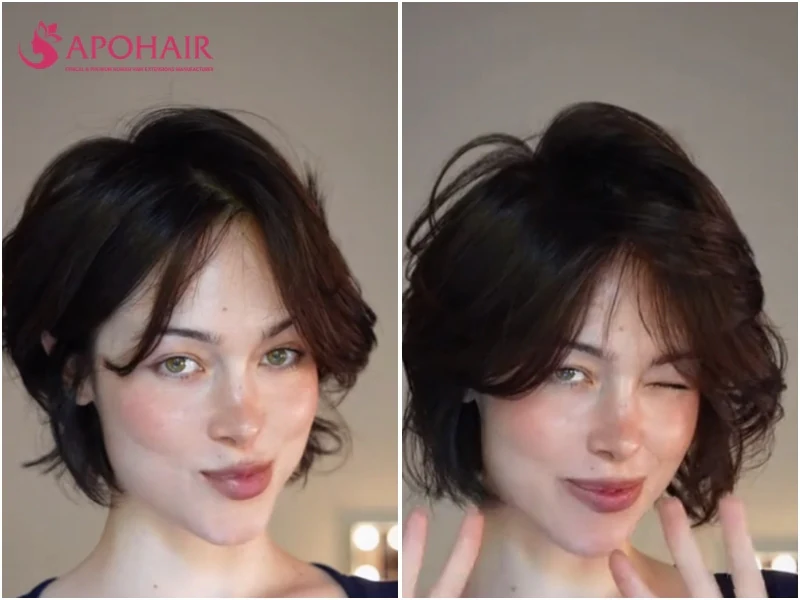
Why it works: A round outline that is fullest at the temples and crown reverses the diamond face’s own shape, adding width where the forehead narrows and keeping it off the cheekbones.
10. Shaggy Pixie
A shaggy pixie scatters choppy pieces through the crown and temples, where they add lift and width, and keeps the layers over the cheekbones smoother. On a diamond face, the tousled top and temples balance the broad cheekbones from above, while the calmer sides stop the shag from adding bulk at the widest point. The look stays relaxed and lived-in.
Short, choppy layers at the crown stand up on their own, and a razor roughens the pieces at the temples. Loose waves give the most natural shag, and straight hair needs a texture spray to match that same lived-in look women tend to want from this cut. It needs reshaping every 7 to 8 weeks.
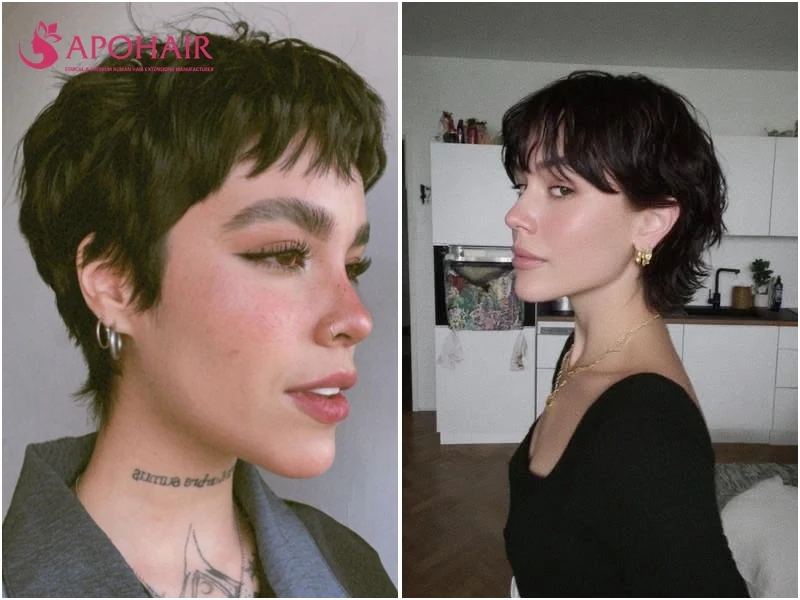
Why it works: Choppy pieces scattered through the crown and temples add lift and width above, while smoother layers over the cheekbones stop the shag from adding bulk at the widest point.
11. Long Pixie
A long pixie gives a diamond face the most options of any pixie. The top has enough length to lift or sweep, and the sides fall to the middle of the cheekbone. On a diamond face, the longer sides lie over the cheekbones and soften their edge, and the top can be lifted for height. It also grows out more gracefully than a crop.
The top carries 3 to 4 inches, layered so it lifts off the crown with a blow-dry. The sides stay soft and uneven at the ends so they drape over the cheekbone rather than drawing a line across it. Most textures work, and straighter hair holds the lift with a little mousse. The sides need a trim every 6 to 8 weeks to stay at the cheekbone.
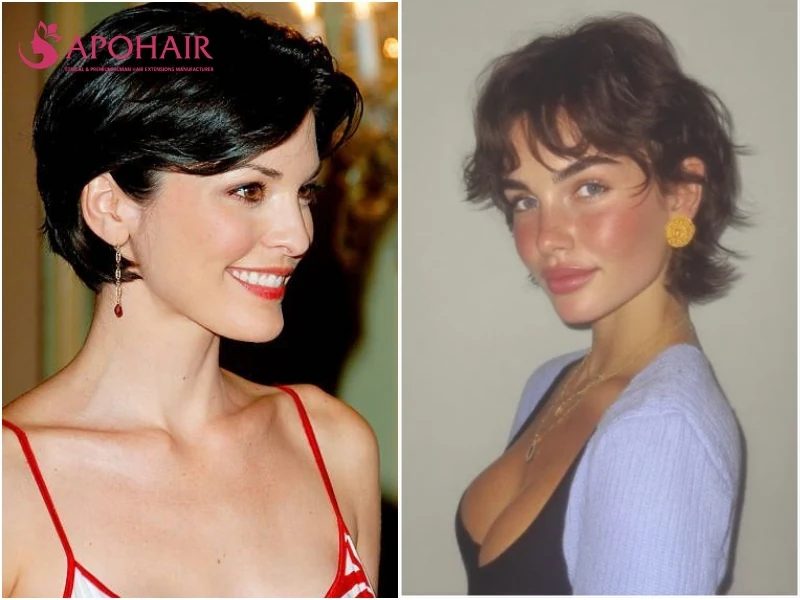
Why it works: Sides falling to the middle of the cheekbone soften its edge, while the longer top can still be lifted for the height a diamond face needs.
12. Medium-Length Pixie
A medium-length pixie sits between a classic crop and a long pixie, with a couple of inches on top and sides that cover the tops of the ears. On a diamond face, it keeps enough length at the sides to soften the cheekbones and enough on top for moderate lift. It is the balanced middle of the pixie range for this face shape.
The top carries around 2 to 3 inches, and the sides taper gently from the temple to the ear. Point-cutting keeps the top light enough to lift. Most densities suit it, and medium hair gives the easiest result. A recut every 5 to 6 weeks holds the proportions.
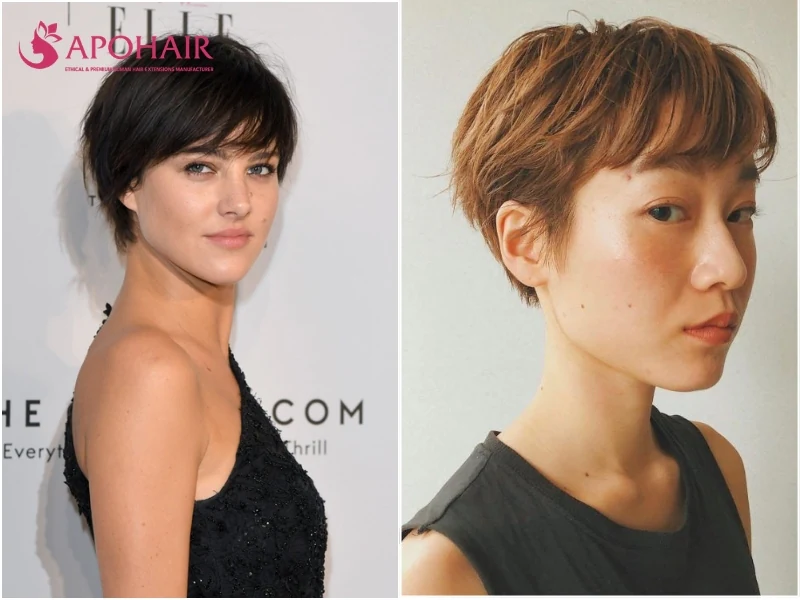
Why it works: Sides that cover the tops of the ears soften the cheekbones while moderate length on top still gives enough lift, balancing both needs of a diamond face.
13. Grown-Out Pixie With Chin-Level Ends
A grown-out pixie with chin-level ends lets the front and side pieces grow down to the chin while the back stays short, which keeps it in the pixie family. On a diamond face, those chin-level pieces add width at the narrow lower face, the one area a normal pixie never reaches. On the way down, they also fall over the cheekbones. The grow-out stage turns into a useful shape rather than an awkward one.
Trims at the nape keep the shape neat while the front lengthens. The front pieces end in soft, point-cut tips so they curve toward the chin, a detail female clients often request to soften the jaw. Wavy hair turns the ends in naturally. A shaping every 6 weeks keeps the back short and close.
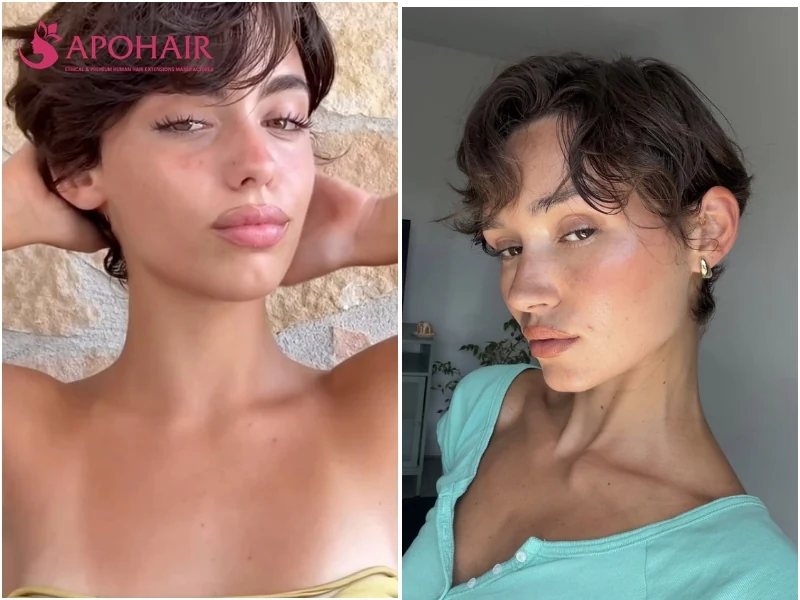
Why it works: Chin-level front pieces add width at the narrow lower face, an area a normal pixie never reaches, while also falling over the cheekbones on the way down.
14. Nape-Length Pixie
A nape-length pixie leaves a longer back that brushes the neck, pairing it with a lifted crown and soft sides. On a diamond face, the longer nape and the crown lift stretch the head’s outline in two directions, which makes the broad cheekbones look less dominant. In profile, the cut reads long and graceful rather than round.
The nape tapers to a soft point instead of a blunt line, so the length looks deliberate. Short layers at the crown supply the lift. Straight and wavy hair both sit neatly at the nape. Every 6 weeks, a recut stops the back from reaching the collar.
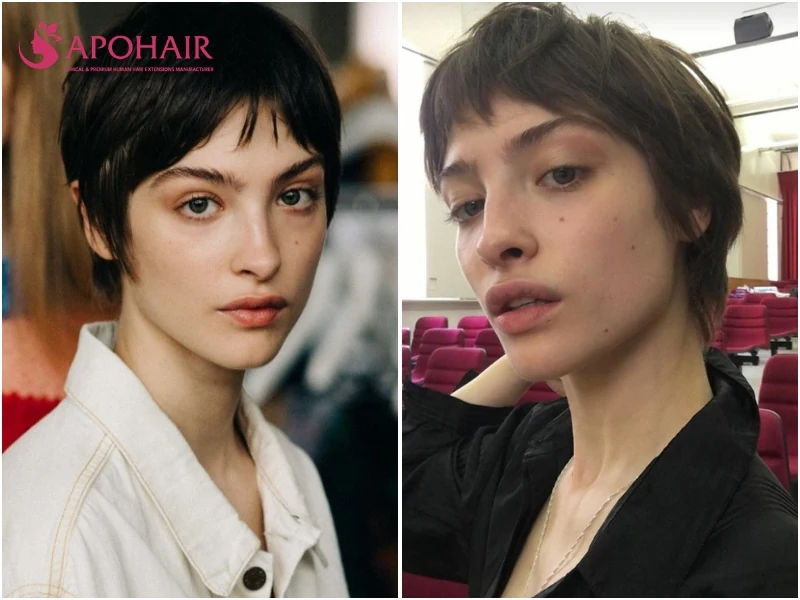
Why it works: A longer back paired with a lifted crown stretches the head’s outline in two directions, making the broad cheekbones look less dominant.
15. Textured Bixie
A textured bixie sits right at the boundary between a pixie and a bob, with a lifted, textured pixie top and piecey sides that end at the jaw. That makes it one of the few pixie-family cuts to put texture at the narrow jaw of a diamond face, where the piecey ends add width. The top still supplies the crown height a pixie relies on. Crossing into bob territory is exactly what makes it useful on a diamond face.
Point-cutting breaks up the side ends so they flick slightly out at the jaw. The top carries short, textured layers that stand up with a little paste. Keeping the sides above the chin keeps it a bixie, and past the chin it becomes a bob. Wavy hair shows the texture best. A reshape every 6 to 8 weeks keeps the sides at the jaw.
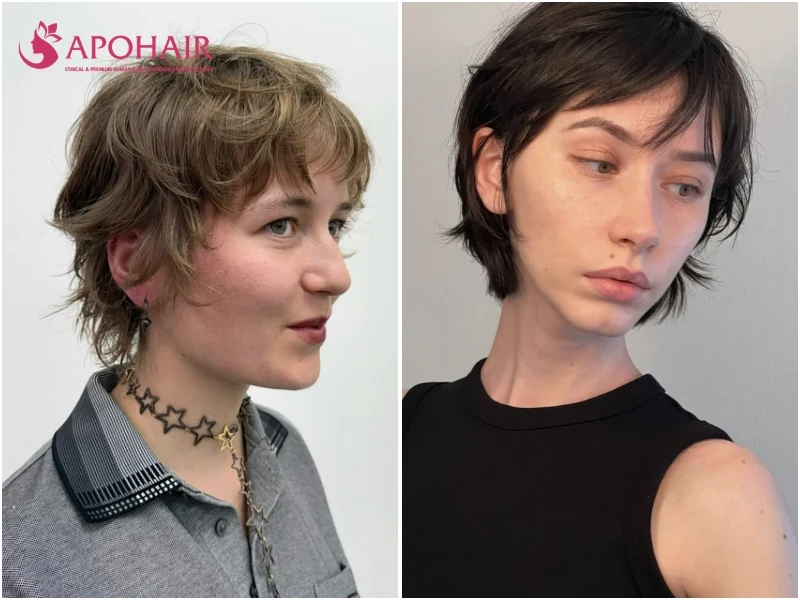
Why it works: Piecey ends at the jaw add width at the narrow lower face while the lifted, textured top still supplies the crown height a pixie relies on.
16. Asymmetrical Pixie
An asymmetrical pixie weights one side of the cut and leaves it long enough to drape over a cheekbone, while the other side stays short but soft. On a diamond face, the draped side hides one of the two matching cheekbone points, so the face stops reading as symmetrical and angular. The short side keeps some softness at the temple instead of a tight crop, which would narrow the forehead.
The long side falls from a deep part and reaches the cheekbone, not the jaw. The short side tapers softly around the ear with scissors, since clippered temples pull the forehead in on most women’s faces. The contrast stands out most on straight hair. The long side passes the cheekbone after about 5 to 6 weeks and needs trimming back.
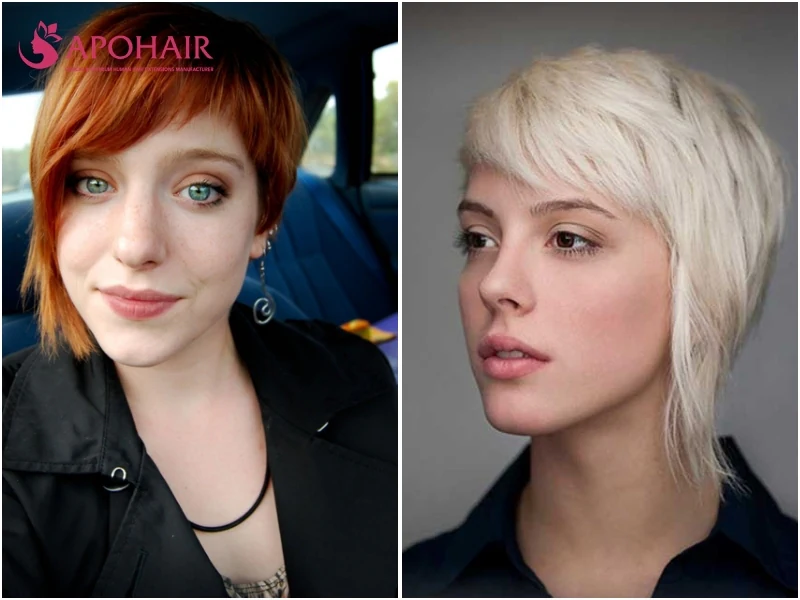
Why it works: One side draped over a cheekbone hides one of the two matching cheekbone points, so the face stops reading as symmetrical and angular.
17. Pixie Mullet
A pixie mullet for a diamond face pairs a textured, lifted crown with a longer nape, and keeps the sides softer than a classic mullet would. The lifted top and the long nape pull the outline up and back, so the cheekbones no longer set the widest line of the head. Soft sides stop the classic mullet’s tight temples from narrowing the forehead.
Short, choppy crown layers give the lift, and the nape stays two to three inches longer than the sides. The sides taper with scissors rather than clippers, so the temples keep some width. Wavy and textured hair gives the mullet its casual look. The crown and sides need recutting every 6 weeks, while the nape lasts about 10 weeks.
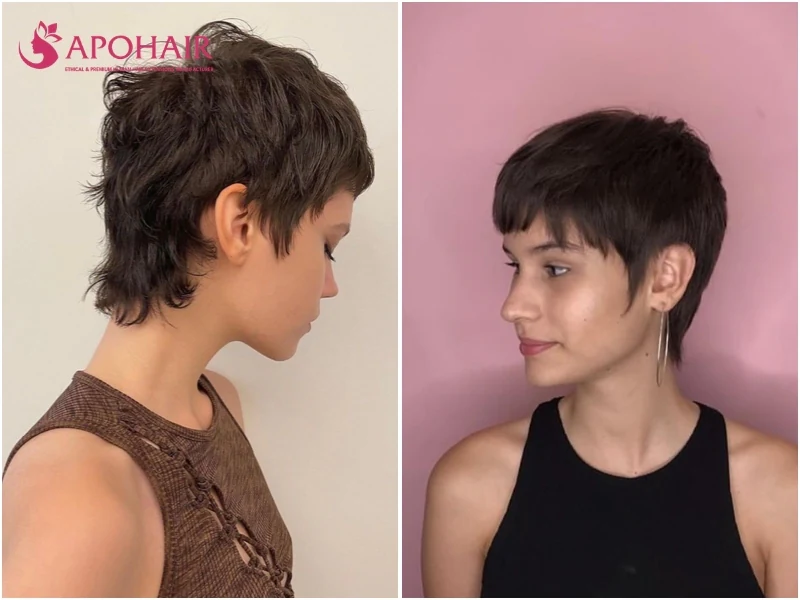
Why it works: A lifted crown paired with a longer nape pulls the outline up and back, so the cheekbones no longer set the widest line of the head.
18. Curly Pixie With Forehead Volume
A curly pixie with forehead volume keeps the curls longest at the front and crown, so they stand up and spread out over the hairline. On a diamond face, that forward volume widens a narrow forehead while adding height, which answers both of the face’s needs with one feature. The sides stay shorter, so the curls do not pile up at the cheekbones.
The front curls start longer than they look, since curls shrink as they dry, and shaping them dry shows the final height. The sides taper closer so the width stays at the forehead rather than the cheekbones. Type 3A to 4A curls suit it, with a curl cream to define the front. A reshape every 6 to 8 weeks keeps the front fuller than the sides.
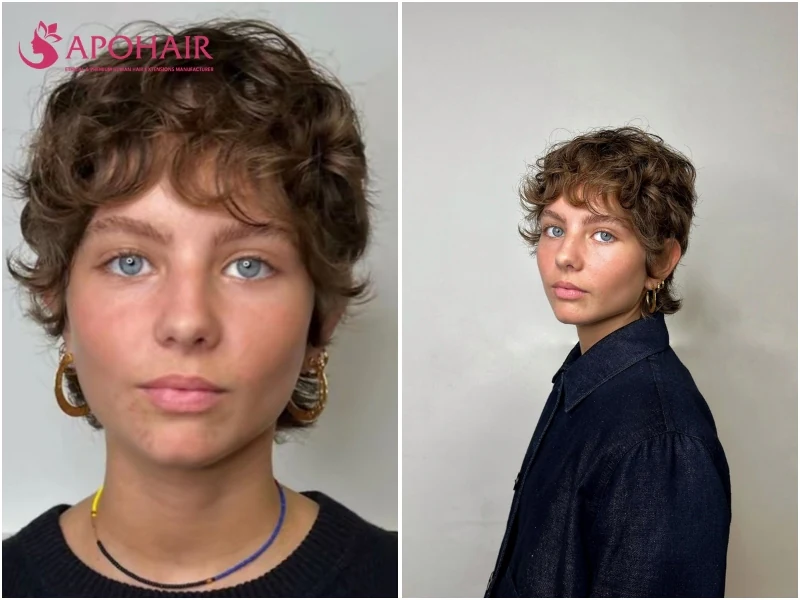
Why it works: Curls kept longest at the front and crown widen a narrow forehead while adding height, answering both of a diamond face’s needs with one feature.
19. Wavy Textured Pixie
A wavy textured pixie keeps enough length on top and at the temples for a natural wave to bend and lift. On a diamond face, the waves give the crown lift and the temples width without any teasing, so the face lengthens at the top and widens where the forehead narrows. The waves over the cheekbones stay looser and lower.
The top carries about 3 inches, enough for a full bend, and point-cutting lightens it so the wave springs up. A sea-salt spray or a light mousse brings out the wave on second-day hair, a routine most women already use. Type 2A to 2C hair waves naturally. A reshape every 6 weeks keeps the wave at the crown.
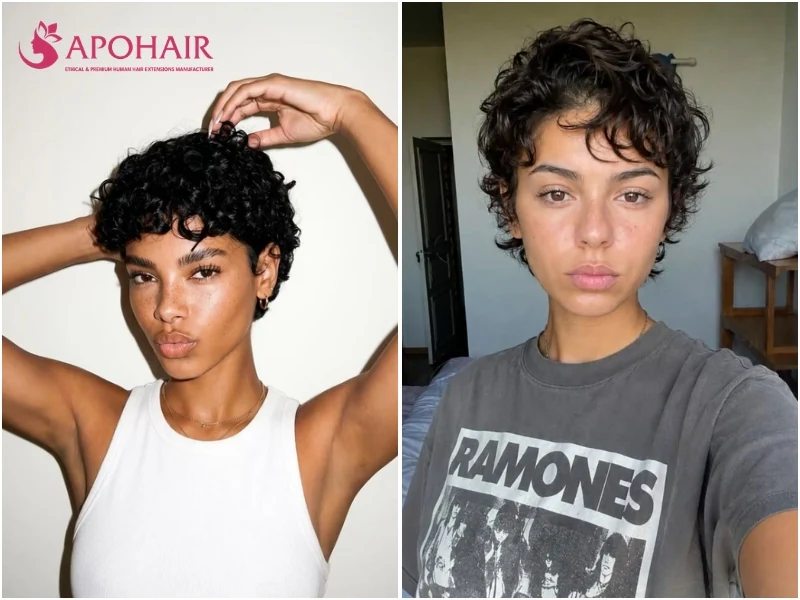
Why it works: Natural waves at the top and temples give the crown lift and the temples width without teasing, lengthening the face at the top and widening where the forehead narrows.
20. Coily Tapered Pixie With a Rounded Fringe
A coily tapered pixie with a rounded fringe grades the coils close at the nape and sides and shapes the front into a soft fringe above the brows. On a diamond face, the rounded fringe widens a narrow forehead, and the fuller crown behind it adds height. The taper keeps the sides from adding width at the cheekbones. The coils give the whole shape a soft outline.
The fringe takes its final shape after the coils dry, since shrinkage can take inches off the length. Clippers blend only the nape and the sides below the temples, and shears shape the temples and the curve of the fringe. Type 4A to 4C hair holds the rounded shape with a light leave-in. The taper needs a clean-up every 3 weeks, and the fringe needs a reshape every 6 weeks.
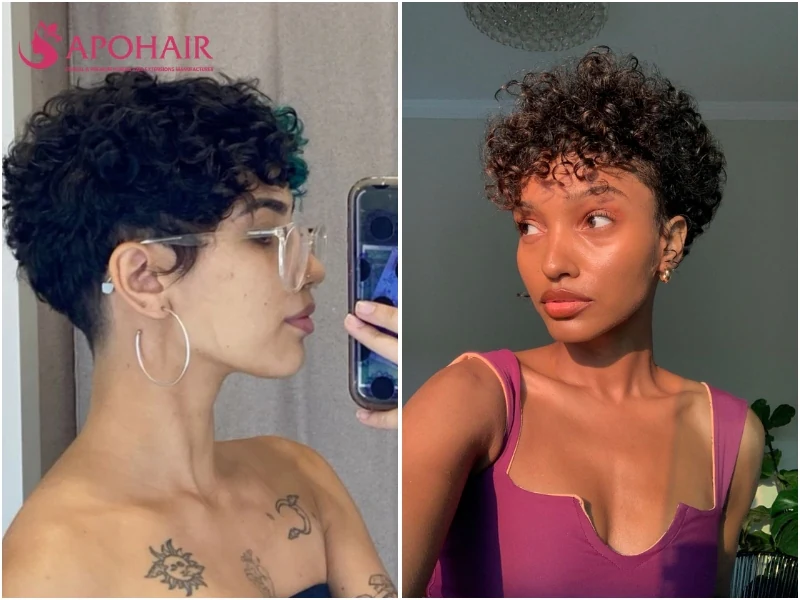
Why it works: A rounded fringe widens the narrow forehead while the fuller crown behind it adds height, and the taper keeps the sides from adding width at the cheekbones.
All twenty treat a pixie on a diamond face the same way: lift at the crown, width at the forehead, and softness at the sides. The hair’s texture and density decide which of them holds that balance with the least effort.
How to Choose a Pixie Cut for a Diamond Face Shape?
Four decisions choose a pixie for a diamond face shape: crown height, the fringe, how the sides sit against the cheekbones, and texture and density. For women, the face shape sets the goal of lengthening the face and widening the forehead, and these four decide which pixie does both.
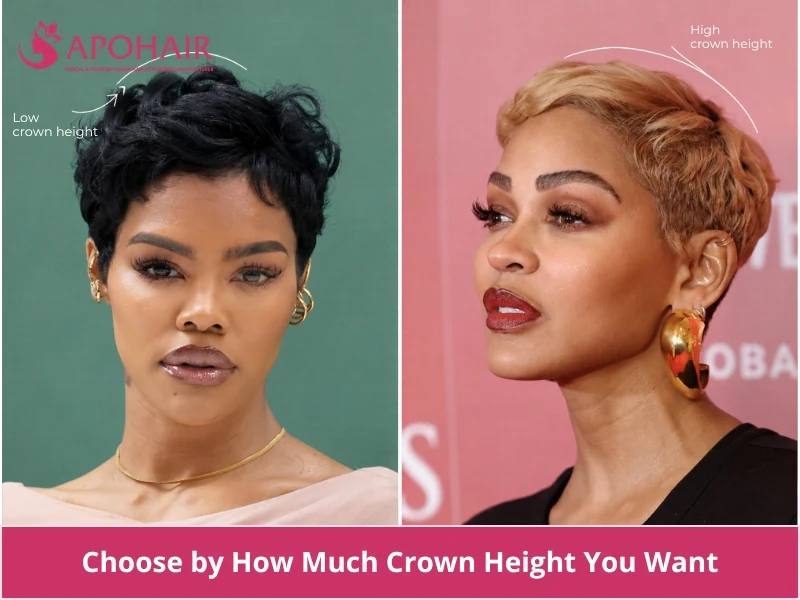
Choose by How Much Crown Height You Want
On a diamond face, a pixie needs some crown height, since it has no length at the jaw and height is the only lever left to lengthen the face. About 1.5 to 3 inches of lift works for most women, from a textured top to a full quiff. Flat, uniform crops do the opposite, letting the cheekbones set the widest line of the head. More height calls for softer sides to stay balanced.
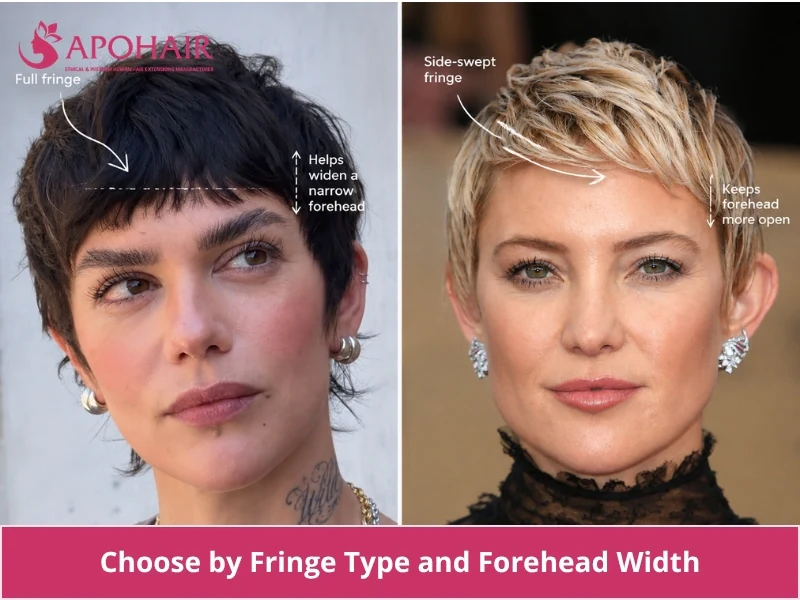
Choose by Fringe Type and Forehead Width
A fringe that spreads toward the temples suits a pixie on a diamond face, since the forehead is narrow. Side-swept and long sweeping fringes widen the forehead on a diagonal, curtain bangs lift out to both temples, and a wide, wispy fringe covers the full hairline, a combination most ladies find easy to style at home. A blunt, heavy fringe makes the upper face look narrower and is the one fringe to skip.
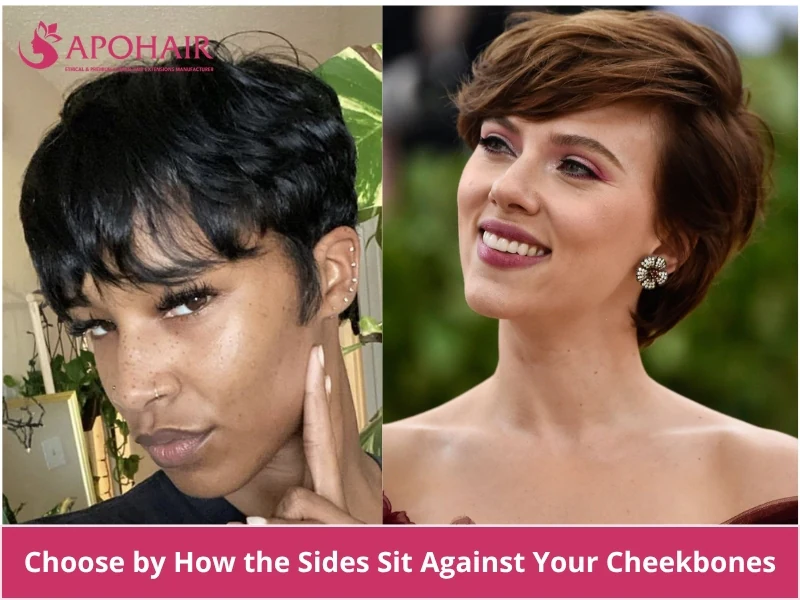
Choose by How the Sides Sit Against Your Cheekbones
The sides of a pixie on a diamond face work best soft and close at the cheekbones, with a little extra fullness at the temples. Soft, scissor-cut sides keep the cheekbones from looking like a hard ledge, and longer sides can drape over them for women who prefer more coverage. Tight, clippered temples and undercuts pull the forehead in and leave the cheekbones as the only wide point.
Choose by Hair Texture and Density
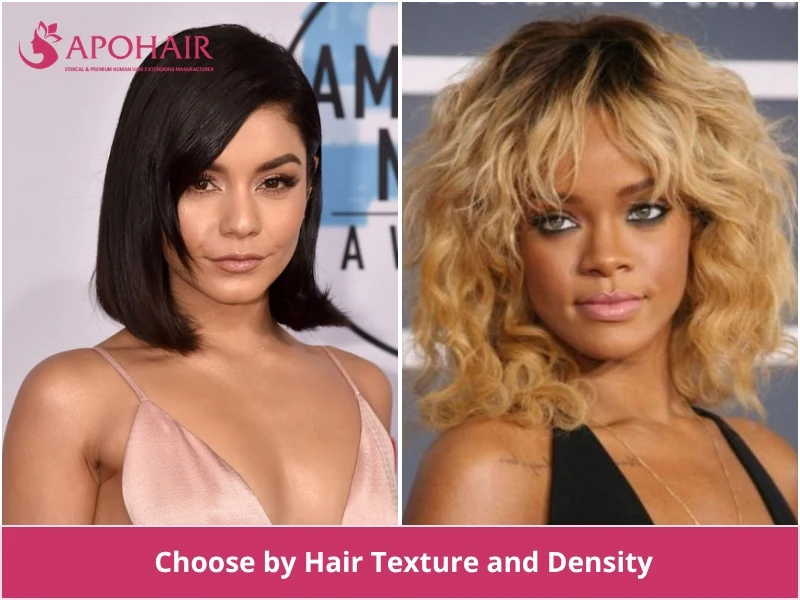
Wavy, curly, and coily hair suit a pixie on a diamond face well, because natural texture builds crown height and temple width without much styling. Straight hair needs layering and a little product to lift. Thick hair holds a quiff or a lifted crown easily, while fine hair looks fullest in piecey or feathered shapes on most women. Thin, fine hair gains visible height from a root-lift spray and a round-brush blow-dry.
Which Pixie Cuts Should You Avoid With a Diamond Face Shape?
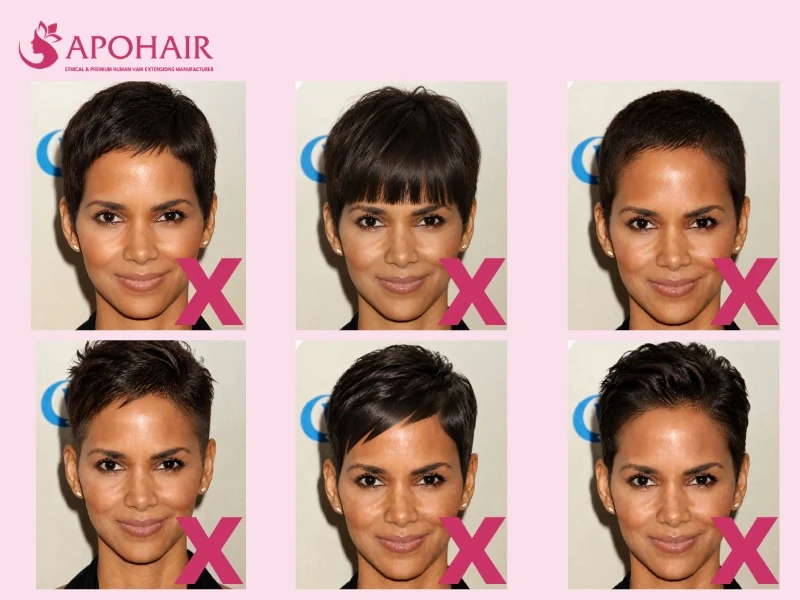
The pixie cuts to avoid on a diamond face shape are the ones that lie flat, narrow the forehead, or frame the cheekbones with hard edges. Each one leaves the cheekbones as the widest, sharpest line of the face:
- A flat, uniform crop. A crop the same length all over lies flat against the head, so nothing adds height and the cheekbones set the width of the whole silhouette.
- A blunt, heavy fringe. A solid fringe cuts straight across an already narrow forehead and makes the upper face look narrower still.
- A micro buzz crop. A buzz removes any chance of crown height or temple width, which leaves the diamond shape fully exposed.
- An undercut with tight temples. Clipping the sides and temples close pulls in the forehead exactly where it needs width.
- A sleek sculpted pixie with hard edges. A glossy, geometric finish outlines the head in sharp lines that echo the angles of the cheekbones.
- A slicked-back pixie with no fringe. Pulling everything back exposes the narrow forehead in full, with no fringe to widen it.
Frequently Asked Questions
Does a Pixie Cut Suit a Diamond Face Shape?
A pixie cut suits a diamond face shape well, as long as the crown carries some height, the sides stay soft, and a fringe widens the narrow forehead. With those three in place, the cut shows off strong cheekbones instead of exaggerating them. Flat crops, blunt fringes, and tight temples are the versions that tip the face out of balance.
Does a Pixie Cut Make Cheekbones Look Wider?
A pixie cut makes cheekbones more visible, but it only makes them look wider when the crown lies flat and the sides are tight. With height on top and soft sides, a pixie lengthens the face, so the cheekbones read as a feature rather than the widest line. That is why many stylists call a pixie flattering on a diamond face.
How Much Crown Height Does a Diamond Face Need?
A diamond face usually needs about 1.5 to 3 inches of lift at the crown in a pixie, enough to lengthen the face without forming a peak. A textured or piecey top gives the lower end of that range, and a quiff gives the upper end. The softer the sides, the more height the cut can carry and still look balanced.
What Fringe Works With a Pixie on a Narrow Forehead?
A side-swept, curtain, or wide wispy fringe works best with a pixie on a narrow forehead. Each spreads hair toward the temples, which makes the top of the face read wider. A long sweeping fringe also veils one cheekbone. A blunt, heavy fringe is the one to avoid, since its solid bar makes a narrow forehead look narrower.
Is a Long Pixie or a Cropped Pixie Better for a Diamond Face?
A long pixie is usually the better choice for a diamond face, because its longer sides soften the cheekbones and its top has enough length to lift. A cropped pixie works too, but only with textured lift on top and soft rather than clippered sides. A flat, uniform crop is the version that exposes the cheekbones most.
Is a Bixie Better Than a Pixie for a Diamond Face Shape?
A bixie suits a diamond face well because its jaw-length sides add width at the narrow jaw, something a cropped pixie cannot do. It sits at the boundary between a pixie and a bob. A pixie still works when it has crown height and soft sides, so the choice depends on how short the wearer wants to go.
What Pixie Cut Suits a Diamond Face Over 60?
A long pixie or a layered feathered pixie tends to suit a diamond face best over 60. Both add soft height and cover the temples, which can look hollow with age, and a quick blow-dry is enough to lift them. Longer, softer sides also keep the cheekbones from looking sharp as the face loses some fullness.
Can a Diamond Face With Curly Hair Wear a Pixie?
A diamond face with curly hair wears a pixie very well, because curls build crown height and forehead width on their own. A curly pixie with forehead volume puts the fullest curls at the front and crown, where the face needs them. Keeping the sides shorter stops the curls from widening the cheekbones.
Conclusion
Choosing a pixie on a diamond face means showing off the cheekbones, and the cut’s job is to keep that choice balanced for women who want the shape to work for them. Height at the crown lengthens the face, a fringe widens the narrow forehead, and soft sides keep the cheekbones from reading as a hard edge. Flat crops, blunt fringes, tight temples, and slicked-back finishes all work against it. Texture and density then decide which of the 20 pixies holds that balance best.
If you run a salon or supply hair to one, female clients with a diamond face who choose a pixie often need more lift at the crown than fine hair can hold. A human hair topper adds that height without changing the cut. Our team can send samples and factory-direct pricing on toppers and wigs in matching textures. Because we manufacture 100% Vietnamese Human Hair in our own facility, you can match density and texture to each client rather than relying on whatever a middleman had in stock.
