







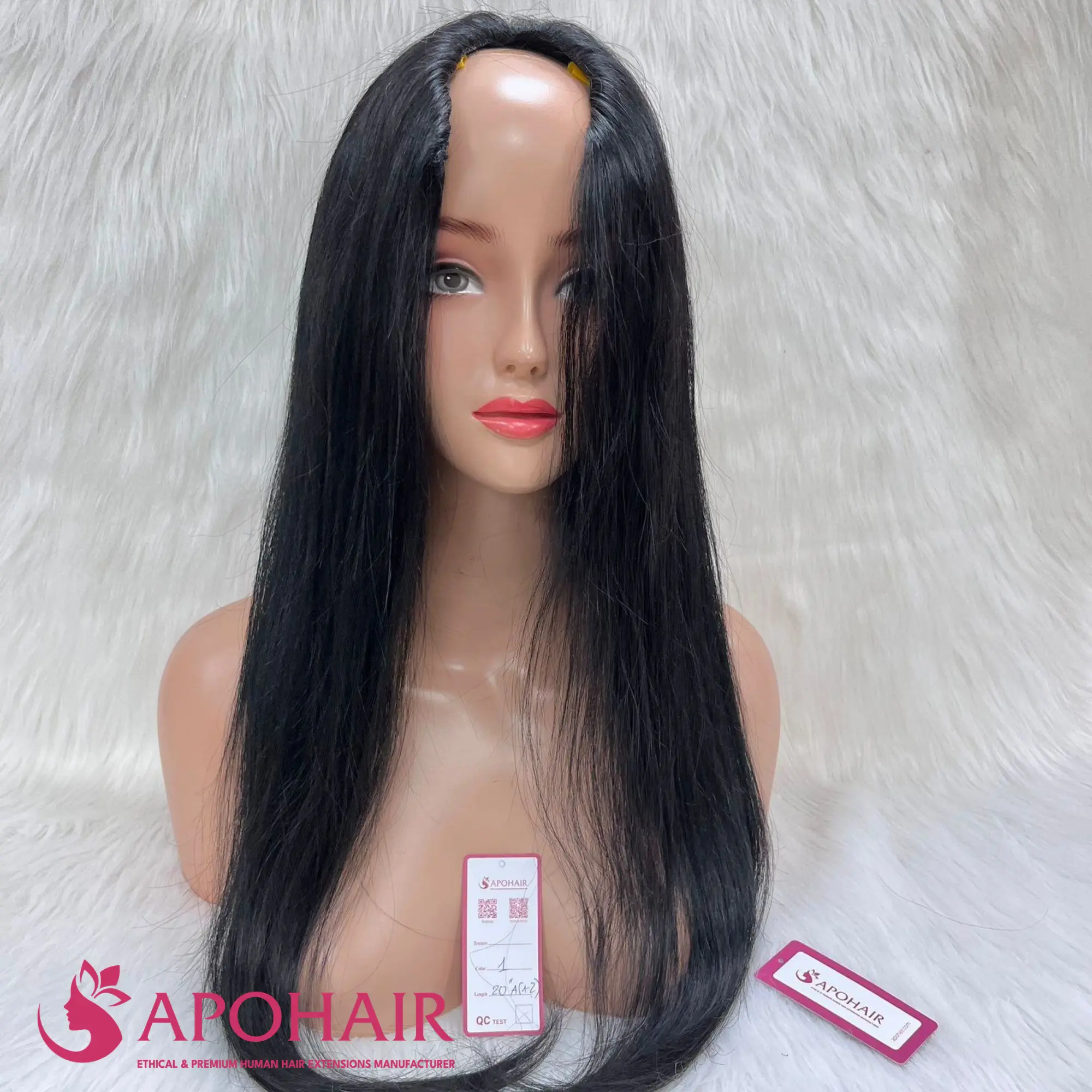

Straight Hair Texture: Understanding Different Types and Hair Care
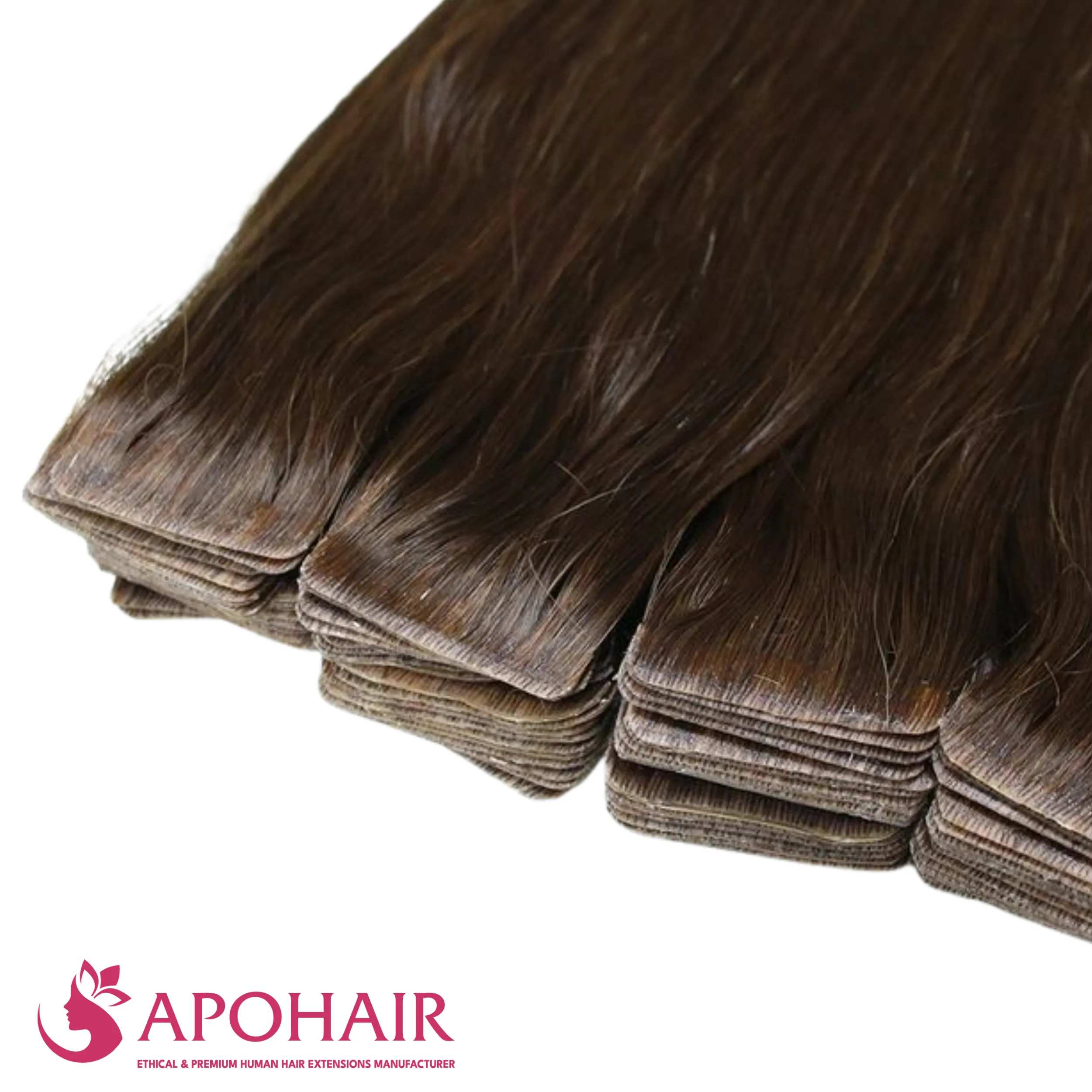
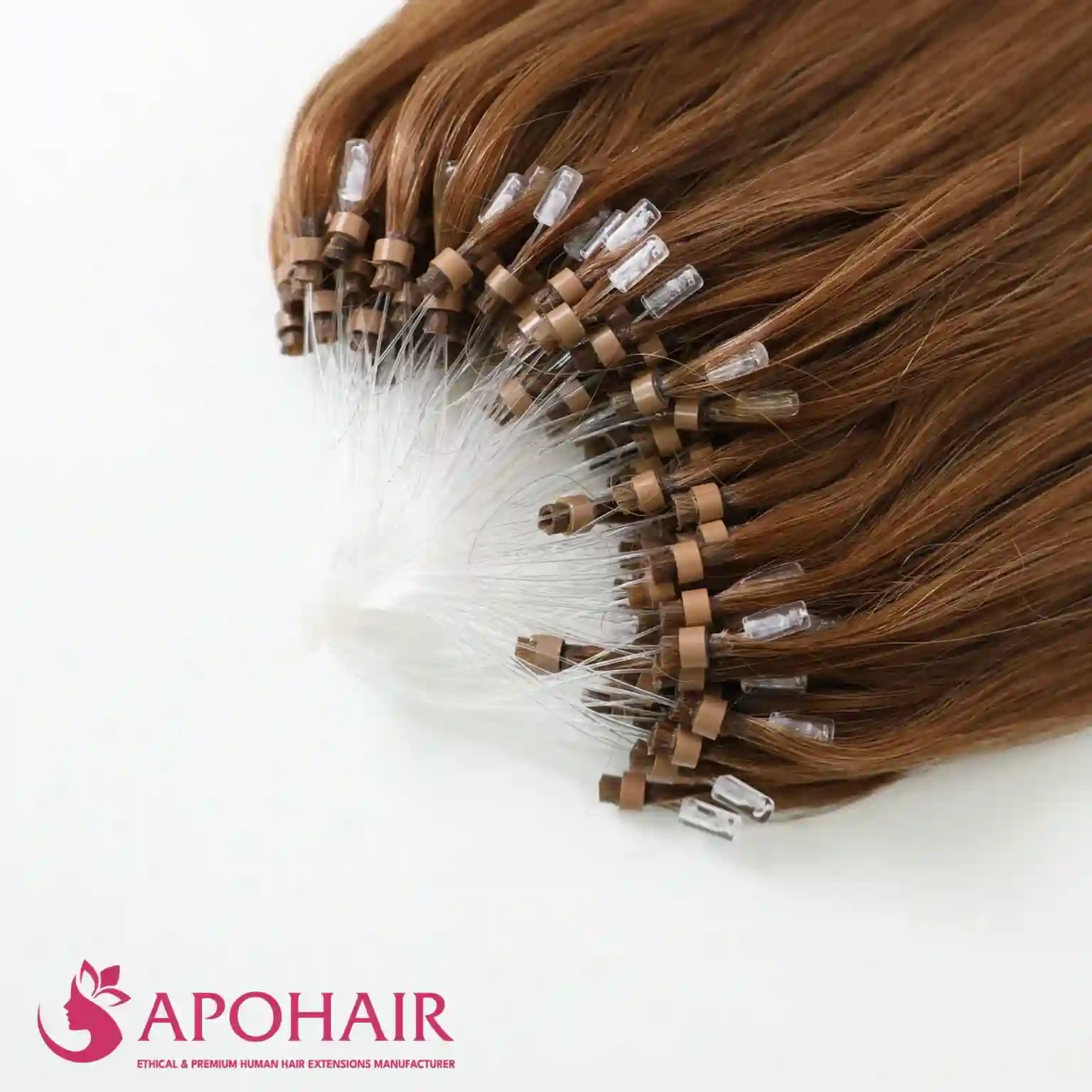
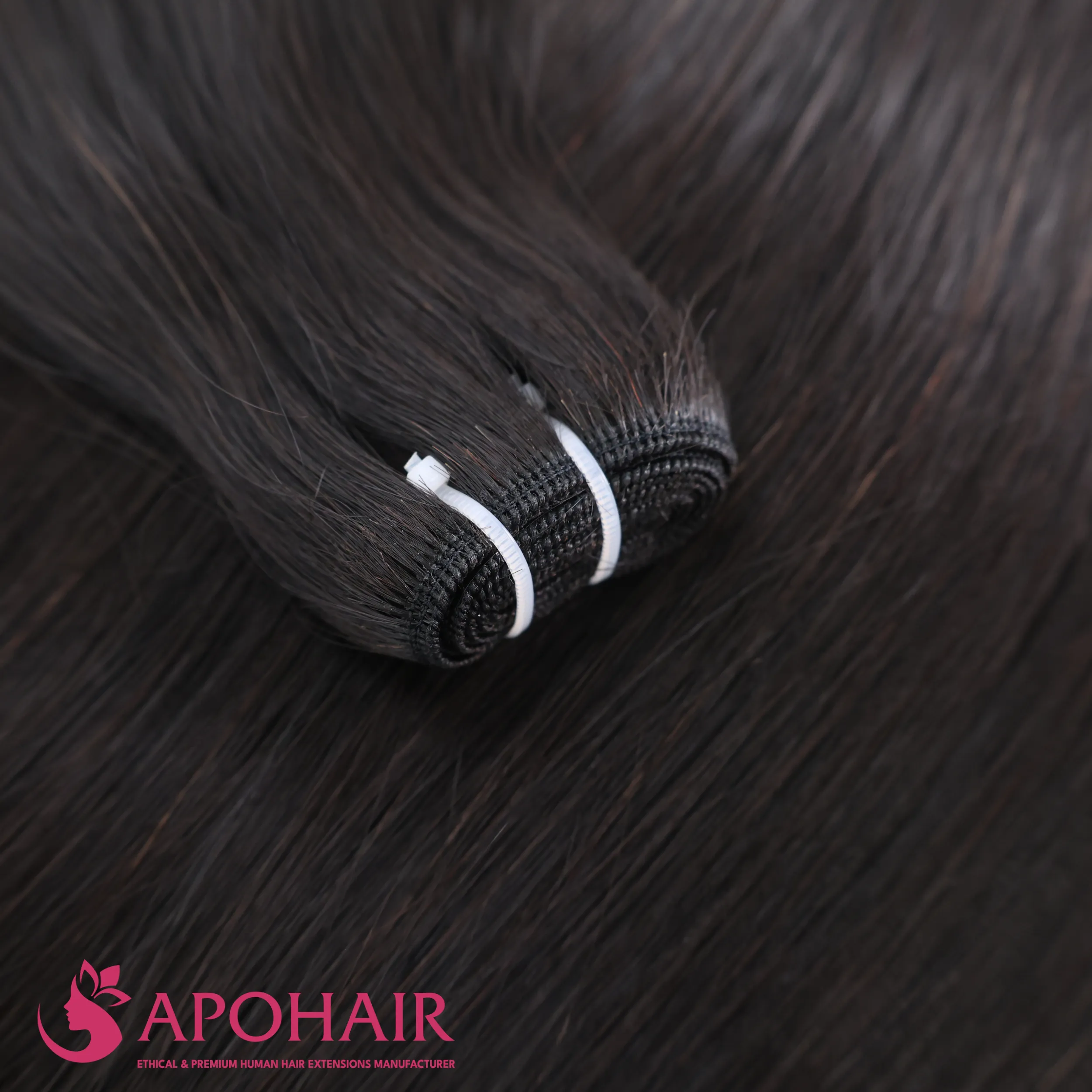
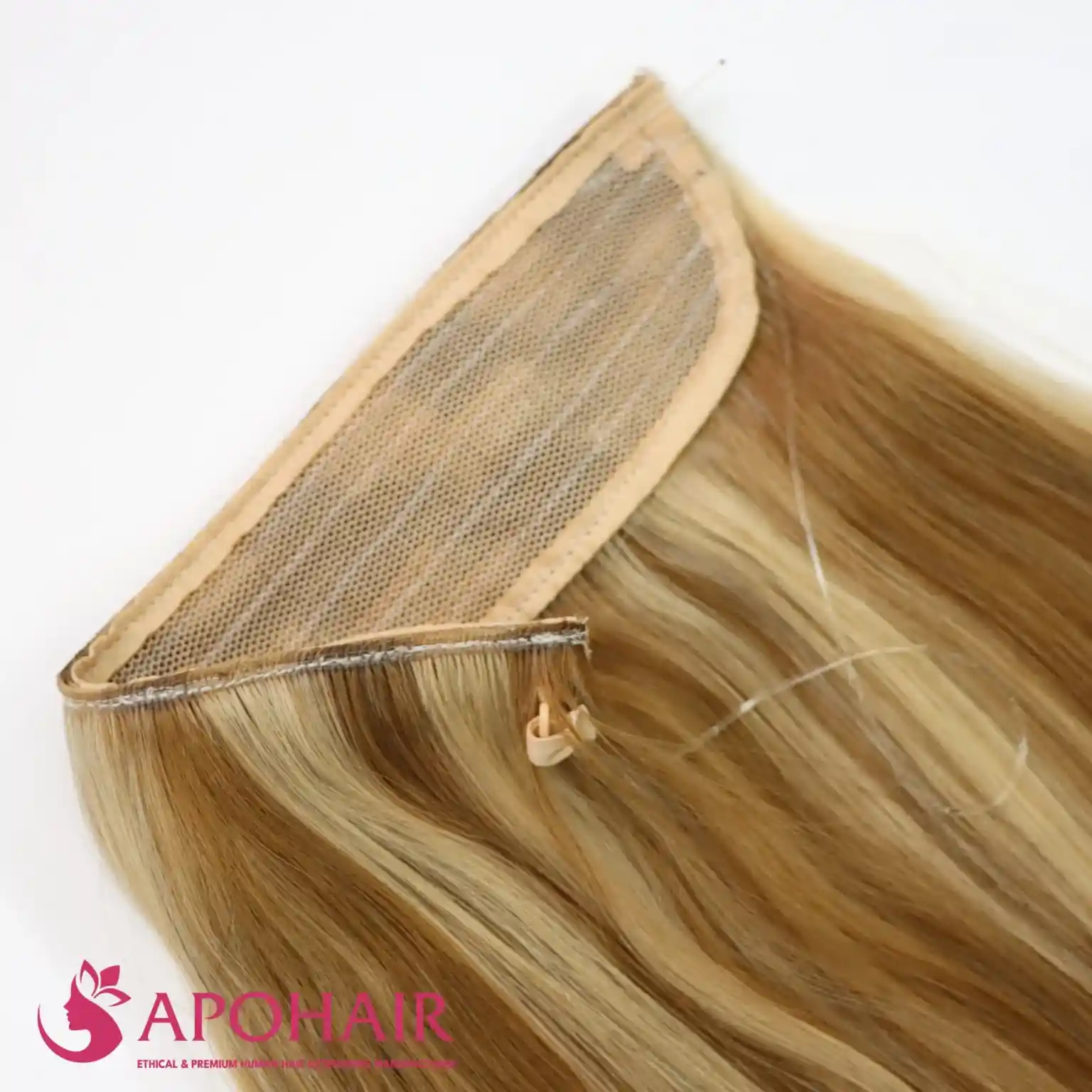
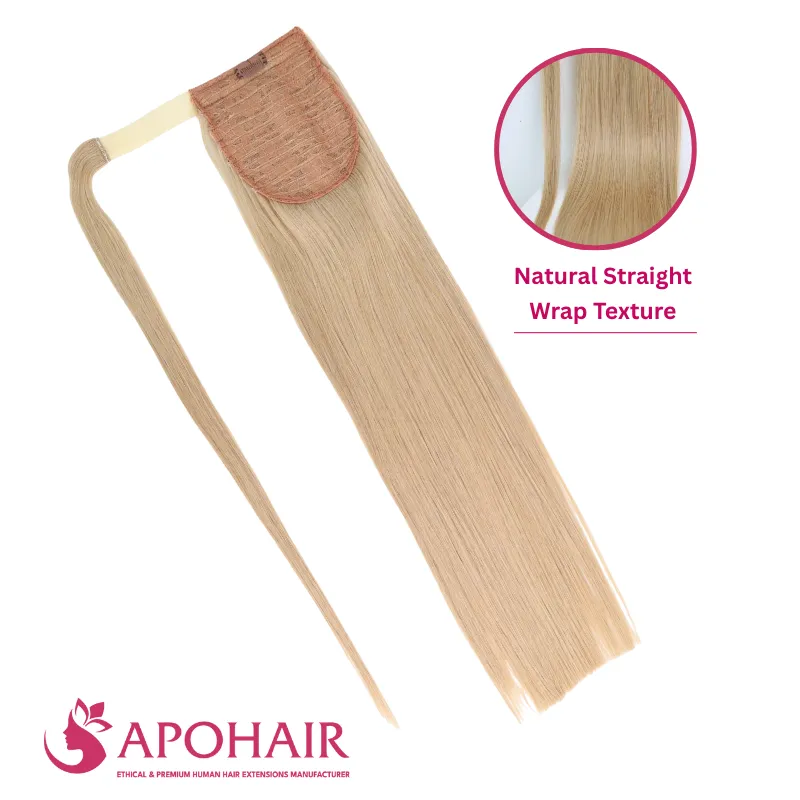
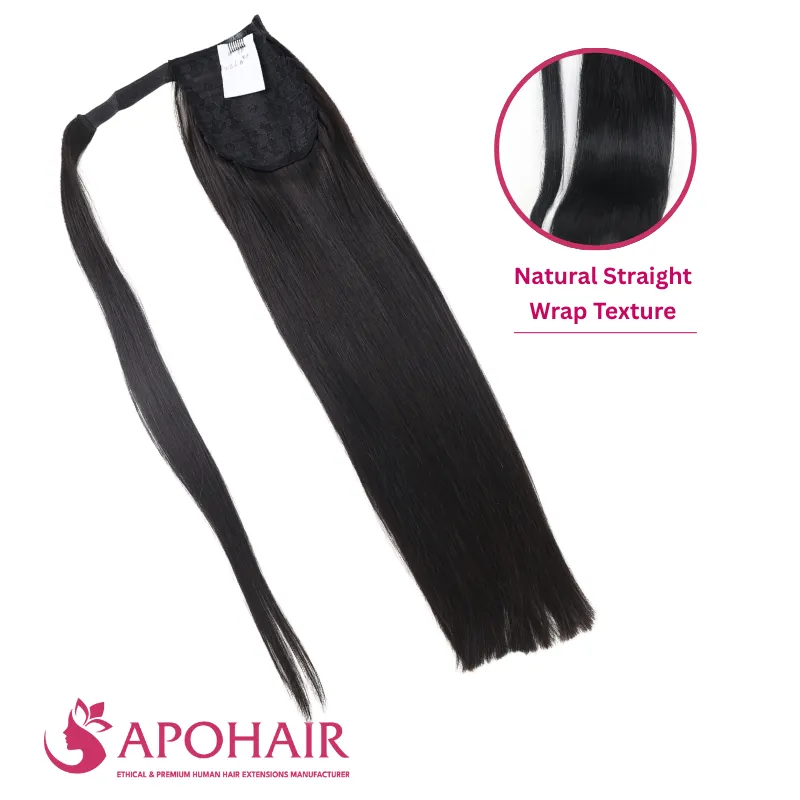
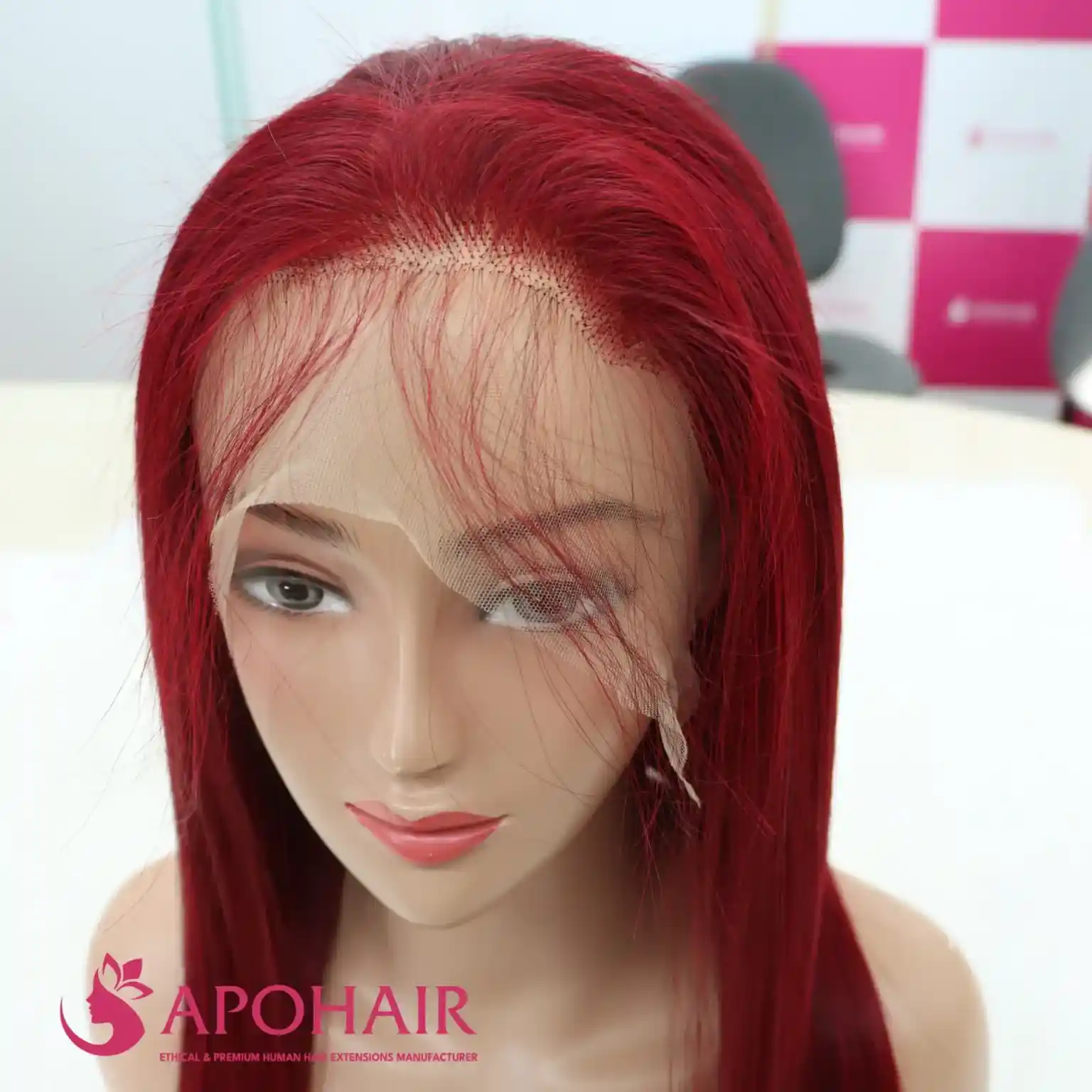
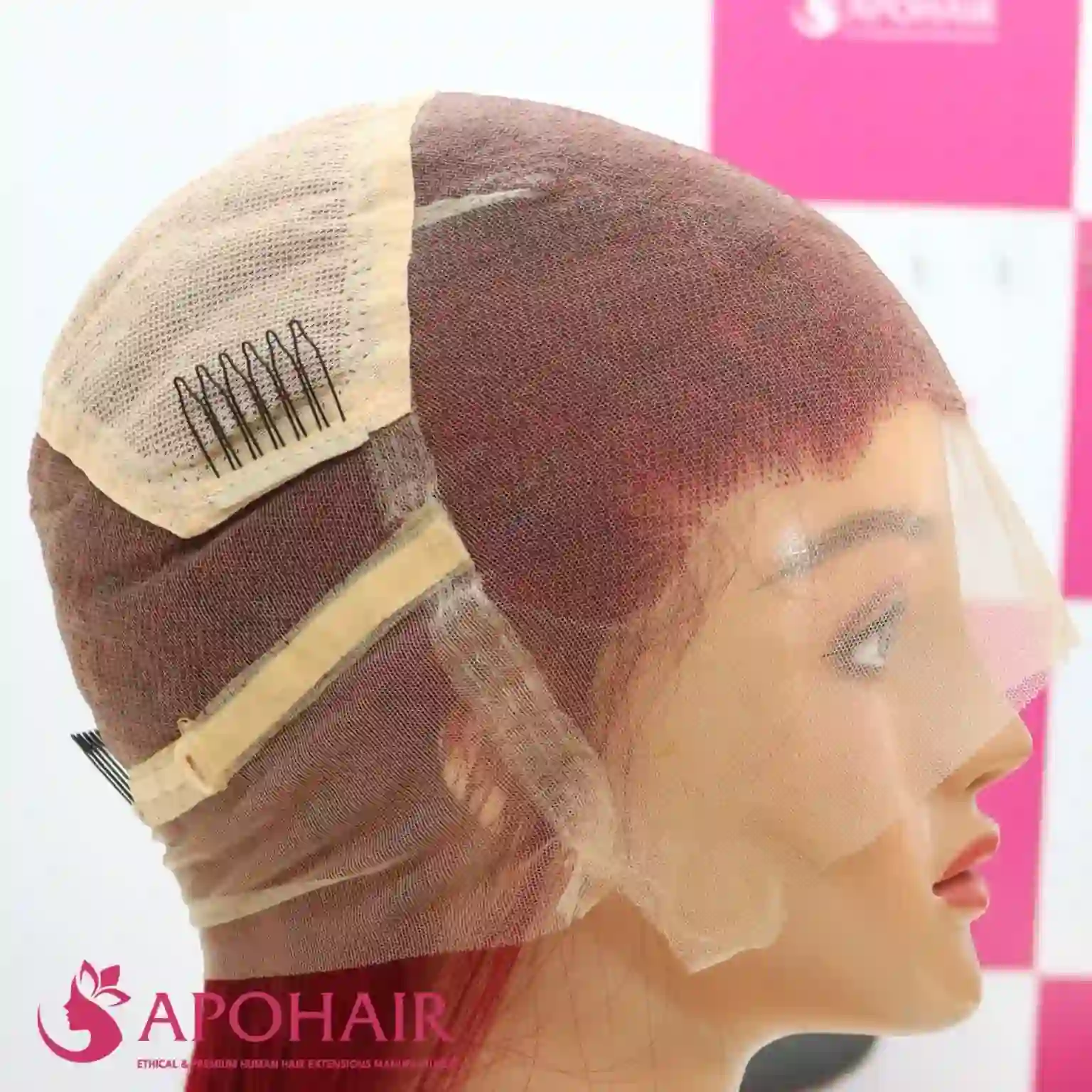
Straight hair is basically a type where every single strand grows flat from the root down to the tip without any curls or waves. This happens because your hair follicles are round and symmetrical. There are three main subtypes known as 1A, 1B, and 1C. Even though they all grow the same way, they actually differ in how thick they are and how well they hold a style. Type 1A is the finest and definitely the hardest to find. These strands are super thin and pin-straight with zero volume, which you’ll mostly see in people of East Asian descent. APOHAIR provides wholesale straight extensions made of 100% Vietnamese human hair. They naturally have a Type 1B texture and come in plenty of options like clip-ins, hand-tied wefts, tape-ins, and wigs. Plus, they offer OEM/ODM and private-label services if you are running a business.
This guide helps you figure out which subtype you have and gives you tips on hairstyles and how to take care of your hair to keep it healthy. You can also check out the matches below to find the best extensions for your own hair.

What Is Straight Hair Texture?
Straight hair is basically when your hair grows in a totally flat way from the roots all the way to the ends, so you won’t see any curls or waves at all. This happens because your hair follicles are round and symmetrical. Hair grows straight when the follicle has a round shape, which means the strand doesn’t have a directional bend as it exits the scalp. Straight hair also looks shinier because its flat cuticles align in one direction and reflect light evenly across the whole surface.
Natural oils produced at the scalp travel down a straight strand without getting stuck, reaching the ends within 24 to 48 hours. This is much faster than on curly or wavy hair. Because the oil spreads so quickly, straight hair often looks greasy at the roots sooner than other types. It’s also the most curl-resistant type out there, so you usually need heat tools or chemical treatments if you want it to hold a curl.

Three Subtypes of Straight Hair Texture
All three types, 1A, 1B, and 1C, grow the same flat way without any curls, but they actually differ in how thick the strands are and how well they hold a style. Type 1A is the finest and definitely the flattest of them all. On the other hand, Type 1C is the thickest and has the most natural volume, so it is also the best at holding a curl among the three.
Go ahead and check out the details for each hair type below.
Type 1A Hair
Type 1A is the finest and definitely the hardest to find out of all the straight hair types. It’s got these super thin, pin-straight strands that lie completely flat without even a hint of a wave or any volume. When it dries, it stays totally flat from the roots all the way to the tips, giving it a smooth and almost glassy look, but you’ll notice very little lift at the crown. You mostly see this type in people of East Asian descent because that’s where round hair follicles are most common.
Since Type 1A strands are so fine and smooth, they just can’t get a grip on curls from heat tools. Any style you try usually falls flat within just a few minutes of being set. Your best bet for Type 1A hair is to stick with lightweight volumizing products, like mousses or sprays for fine hair. Just make sure to apply them only at the roots so you don’t end up weighing the rest of your hair down.

Type 1B Hair
Type 1B is a medium-textured straight hair that’s slightly thicker and has a bit more body than Type 1A. It’s actually the most common and versatile type of straight hair you’ll find. If you let it air-dry without any products, you’ll notice a subtle bend or a very slight wave near the middle and the ends. Because the strands have that medium thickness, they provide enough grip for curls from heat tools to last for several hours.
You’ll see Type 1B hair across all kinds of different ethnic backgrounds. In fact, it’s the standard “natural straight” texture used as the baseline for most hair extensions. Vietnamese human hair naturally falls into this category, which is why it’s such a popular choice for making extensions all over the world.

Type 1C Hair
Type 1C is the thickest of all the straight hair subtypes. It has stronger strands, a soft natural bend, and way more volume than the other two types. When you let Type 1C hair air-dry, it looks a bit tousled and slightly wavy. It isn’t quite wavy enough to be called Type 2, but it definitely has a visible body and movement. Because it sits right on the line between straight and wavy, people often mistake it for Type 2A before they see how it actually dries.
If the humidity gets above 60%, Type 1C hair might get a little frizzy or show some slight waves on the surface. That is because the thicker strands are more porous than Type 1A or 1B. On the bright side, Type 1C holds curls better than any other straight hair type. Since the strands are thicker, they can keep the heat and stay in shape from your styling tools for a much longer time.

How to Identify Your Straight Hair Texture Subtype?
To figure out your specific straight hair subtype, you should start by washing your hair with a clarifying shampoo. This is a great way to get rid of any product buildup or silicone that might be hiding your natural texture. After that, let your hair air-dry completely without putting any products in it. Once it’s dry, take a good look at the pattern and try rolling a single strand between your fingers to check the thickness.
- If your hair is bone-straight with absolutely no movement, you’re likely looking at Type 1A or 1B.
- If you notice a tiny bend at the very ends, it’s probably 1B or 1C.
- If your hair has some noticeable body or a bit of a tousled look, that is a clear sign of Type 1C.
You can also tell by how the hair feels. You won’t even be able to feel a Type 1A strand between your fingers, while a 1B strand has just a tiny bit of texture to it. Type 1C is different because you can clearly feel it as a distinct, thick strand. It’s also pretty common for people to have a mix of types. For example, your hair might be 1B at the top but 1C at the back of your neck. That is totally normal, and it just means you’ll need to think about where to place your extensions.

Popular Hairstyles for Straight Hair Texture
Straight hair is super versatile and works with so many different looks, whether you want something sleek and polished or a bit more textured. Here are 15 styles that look great on all three subtypes.
- Blunt bob: A sharp, one-length cut that frames your face perfectly.
- Long layers: These layers go around your face to add some movement without losing any length.
- Middle-part sleek straight: Just part your hair down the center and use a flat iron for a really neat look.
- Low ponytail: A smooth way to pull your hair back and keep it out of your face.
- Curtain bangs: Soft bangs that are parted in the middle and blend right into your longer hair.
- Side-swept bangs: These angled bangs are great for adding a bit of shape to straight hair.

- High ponytail: This style lifts your hair up to give you more volume at the top.
- Straight pixie cut: A short and textured style that is very easy to look after.
- Half-up half-down: You just pull the top half back and let the rest hang straight down.
- Slicked-back bun: A tight, low bun that works perfectly for a clean or formal look.
- Wispy fringe with long hair: Thin, light bangs that look really nice with long, straight strands.
- Lob (long bob): A shoulder-length cut that is both structured and soft at the same time.

- Straight shag: A layered look with choppy ends for a more relaxed and easygoing vibe.
- Braided accent with straight hair: Try weaving some small braids into your loose hair to add a little detail.
- Straight hair with a claw clip: A simple way to put your hair up quickly for a casual day.

How to Care for Straight Hair Texture?
You should take care of straight hair by washing it every 2 to 3 days with a sulfate-free shampoo. Make sure to apply conditioner only from the middle of your hair down to the ends, and use lightweight products that won’t weigh your strands down. Natural oils travel down a straight strand easily, which makes the roots get oily within a day or two. This happens much faster than it does with curly or coily hair. Check out these tips to keep your straight hair clean and full of life:
- Use lightweight shampoos: Choose products that clean your hair without using heavy moisturizing ingredients that make it look greasy.
- Sulfate-free formulas: Pick sulfate-free shampoos so you don’t strip away too much natural oil, which actually stops your scalp from producing even more oil to compensate.
- Condition safely: Only put conditioner on the mid-lengths and ends. Stay away from the roots so your hair doesn’t end up looking flat.
- Clarify regularly: Use a clarifying shampoo or a scalp scrub once a week or every other week to get rid of product buildup and extra oil.
Straight human hair extensions need the same kind of love. Washing with sulfate-free products, conditioning the ends, and using light products will keep the hair smooth and help your extensions last much longer. Just treat your extensions with the same gentle routine you use for your own natural hair.

Straight Hair Texture Extensions Wholesale from APOHAIR
APOHAIR provides wholesale straight extensions and wigs in many different styles, such as natural straight, bone straight, kinky straight, and yaki straight. You can find these straight textures across our entire range, including clip-ins, wefts, tape-ins, keratin tips, and even human hair wigs like 5×5 or 13×6 lace options. Plus, we can customize the colors exactly how your clients want them.
Choosing the right extension is about more than just a style; it helps you build trust so clients keep coming back. Our hair is consistent with cuticles lined up from top to bottom, and we never mix in synthetic bits. APOHAIR uses Vietnamese human hair that is ethically sourced and strictly checked at our factory. Salons can rely on us for any job, from bridal looks and photoshoots to helping a client try a fresh new style.
APOHAIR has been a factory-direct manufacturer for over 15 years. Here is why so many people choose us over other suppliers:
- 100% Vietnamese Human Hair: We collect hair from single donors with the cuticles still intact. This type of hair takes color much better than hair from other places.
- Cuticle-Aligned Technology: We make sure all the cuticles face the same way. This is the best way to prevent tangling and matting while wearing them.
- Ethical Sourcing: We work directly with a network of collectors in Vietnamese villages and make sure everyone is paid fairly at every step.
- Factory-Direct Pricing: Since there are no middlemen involved, our wholesale rates are usually 30% to 40% lower than retail prices.
- 15+ Year Track Record: With 700+ well-trained, skilled workers and 100 sales staff, we are more than capable of handling large orders.
- Modern Manufacturing: Our huge factory in Ninh Binh, Vietnam, uses the latest production lines to keep quality high.
- Global Distribution: We ship to the US, UK, Europe, and many other places within 24 hours after you confirm your order.
- Quality Guarantee: Every order comes with a 7-day warranty and a free replacement policy if something isn’t right.
APOHAIR turns raw Vietnamese hair into high-end extensions and wigs that salon owners and wholesalers around the world really trust. We aim to lead the industry by doing things the right way and helping our customers succeed.
Ready to source straight hair texture extensions and wigs at wholesale prices? Contact APOHAIR today.
APOHAIR ETHICAL & PREMIUM HUMAN HAIR EXTENSIONS MANUFACTURER
- Address: Building 3A, Lane 82 Duy Tan, Cau Giay, Hanoi, Vietnam
- Factory: Minh Luong, Yen Luong Ward, Ninh Binh, Vietnam
- Phone number: (+84) 862 132 366
- Email: [email protected]
FAQ Related to Straight Hair Texture
How to Add Texture to Straight Hair?
Try using sea salt spray, matte clay, or texture powder on damp hair to give it some grip and volume. You can also scrunch your hair while using a diffuser on your hairdryer to help lock in waves and get that effortless, messy look.
What Is the Rarest Straight Hair Texture Type?
Type 1A is definitely the rarest kind of straight hair, and you’ll mostly see it in people of East Asian descent. It’s made up of very fine, pin-straight strands that don’t have any wave, bend, or natural volume at all.
Can Straight Hair Texture Change Over Time?
Yes, straight hair texture can change due to hormonal shifts such as puberty, pregnancy, or menopause. Aging and chemical processing also alter follicle shape or the strand’s internal protein structure.
How Do I Match Straight Hair Extensions to My Natural Texture?
Match extensions by strand thickness, not just color. Fine 1A hair needs lightweight extensions. Medium 1B hair matches standard Vietnamese straight hair. Coarser 1C hair benefits from thicker weft constructions.
Outro
To wrap things up, straight hair grows flat from root to tip and comes in three types: 1A (finest), 1B (medium), and 1C (thickest). You can identify yours by washing, air-drying, and feeling a single strand between your fingers. Keep your hair healthy by using sulfate-free shampoo, conditioning only the ends, and choosing lightweight products. When buying extensions, always match the strand thickness to your own hair for the best blend. APOHAIR offers wholesale 100% Vietnamese human hair in natural, bone, kinky, and yaki straight styles.
APOHAIR ETHICAL & PREMIUM HUMAN HAIR EXTENSIONS MANUFACTURER
- Address: Building 3A, Lane 82 Duy Tan, Cau Giay, Hanoi, Vietnam
- Factory: Minh Luong, Yen Luong Ward, Ninh Binh, Vietnam
- Phone number: (+84) 862 132 366
- Email: [email protected]
