









Curly Hair Textures Chart: How to Discover Your Curl Pattern Easily
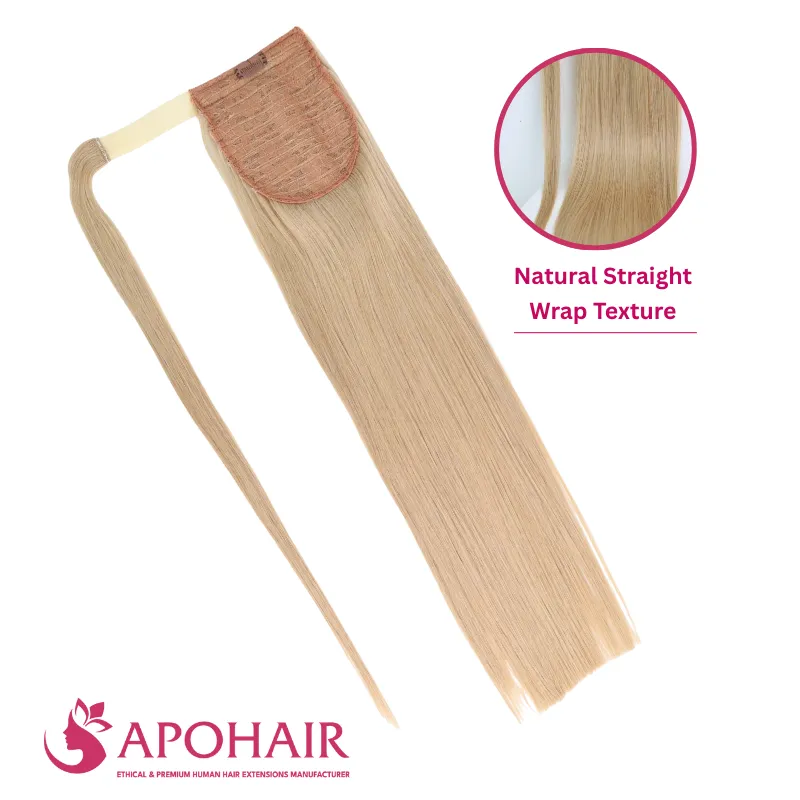
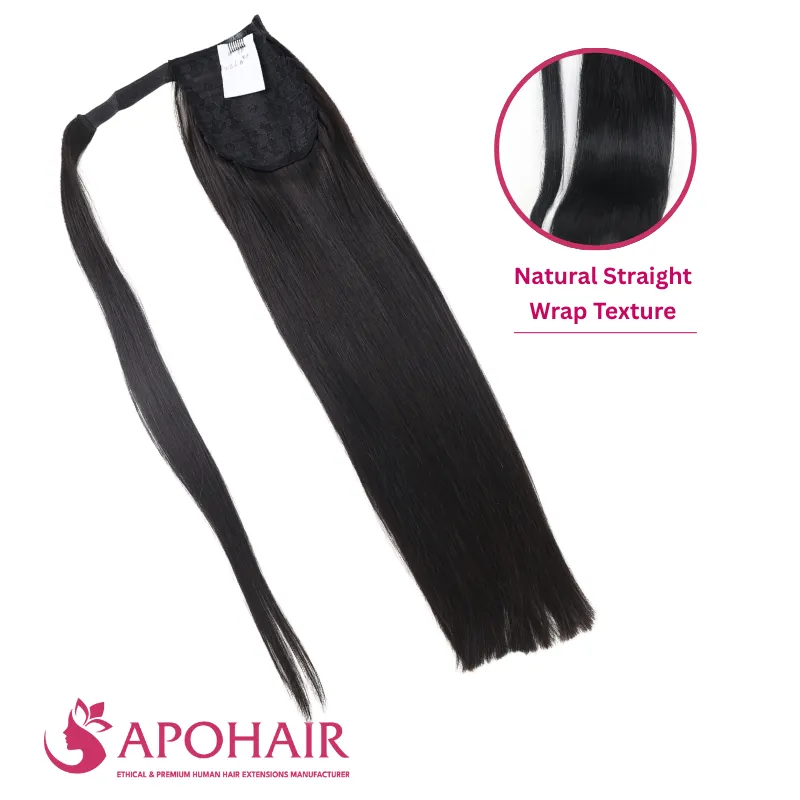
Curly hair grows in cool spirals or ringlets, ranging from loose S-shapes to tight coils. We usually group it into three types: 3A, 3B, and 3C, based on the curl size and how much they shrink when dry. Since natural oils move slowly down curved hair, curls tend to get dry quite easily. APOHAIR offers 100% Vietnamese human hair extensions in body curly, deep curly, and kinky styles. You can get them in wefts, clip-ins, or lace wigs.
This guide helps you figure out your specific curl pattern and how it acts. You’ll learn the best ways to style and take care of your hair so you can feel confident, whether you’re rocking your natural curls or extensions

What Is Curly Hair Texture?
Curly hair is a type that grows in clear spirals, ringlets, or loops right from your scalp. It can look like anything from a loose S-shape to very tight coils. Each hair grows out of a curved follicle, which makes it spiral or loop instead of just falling straight down. Because of this shape, light doesn’t hit it evenly, so your hair ends up looking much more voluminous and textured from every angle than straight or wavy hair.
Curly hair doesn’t get as much natural oil from the scalp as straight hair does. This is because the oil moves quite slowly down the curved strands. That slow process leaves your curls naturally drier and more likely to lose moisture. The hair also tends to soak up humidity from the air fast, which leads to swelling and frizz. That’s why it’s often harder to keep curly hair perfectly styled when it’s humid compared to other textures.

Three Subtypes of Curly Hair Texture
Curly hair is usually grouped into three types: 3A, 3B, and 3C. We break them down based on how wide the curls are, how thick the hair feels, and how much it shrinks once it’s dry. All three types are pretty much the same in some ways: they have a lot of natural volume, tend to get dry easily, and can get frizzy fast. Plus, the curl starts right from the root. The main difference between 3A and 3C is just the size of the curl. 3A curls are roughly as wide as a piece of sidewalk chalk (about 1 inch), while 3C curls are much tighter, more like the size of a pencil.
Type 3A Hair
Type 3A is all about those big, shiny loops. It’s the loosest curly subtype, with curls about 1 inch wide that look very smooth and clear. If you just let it air-dry without any product, 3A hair usually forms wide loops that keep their shape, though they might turn into soft waves if you don’t use a bit of leave-in conditioner. One thing to watch out for is that these curls can lose their shape during the day. Since the loops are so large, gravity tends to pull them down, making the curls stretch out over time.
You’ll mostly see 3A hair on people with fine-to-medium hair, and it’s common across many backgrounds, like European, Latin American, or mixed heritage. If you have this hair type, lightweight curl creams and alcohol-free gels are your best bet. Avoid heavy products because they’ll just weigh your hair down and turn those nice curls into messy waves.

Type 3B Hair
Type 3B has those medium-sized, bouncy ringlets that are about as wide as a standard marker. These curls have a lot of bounce and look very clear. If you look closely, 3B differs from 3A because the curls are tighter and shaped more like tubes or spirals instead of wide loops. Because these curls are quite elastic, they can hold their shape for a long time, whether you use heat styling, braids, or twist-outs.
Actually, 3B is the most common curly type since it sits right in the middle of the curl scale. Most people with natural curls find they belong to the 3B group. This hair type responds really well to layering products. You should start with a leave-in conditioner, then add some curl cream, and finish it off with a light gel to keep everything in place.

Type 3C Hair
Type 3C is the tightest curly subtype. It’s made up of pencil-sized spirals that grow in thick clusters right from the root. When you let it air-dry, these curls form tight corkscrews. They often look much shorter than they really are because of shrinkage, which can take away 30 to 75 percent of the visible length. 3C sits right on the line between curly and coily hair. It has the clear spiral shape of Type 3 but is almost as dense as the tight coils you see in Type 4.
When it’s very humid, 3C hair soaks up moisture from the air fast. This makes the hair swell and lose its clear curl shape, leading to frizz on the outer layers. The best thing about 3C hair is its natural volume. Because it’s so thick, you can easily do styles like wash-and-gos or braid-outs, and they’ll hold their shape perfectly without you needing to add any extra products for volume.

How to Identify Your Curly Hair Texture Subtype?
To find out your exact curly type, start by washing your hair with a gentle shampoo. Skip all your styling products and let it air-dry completely. You need to see how your curls form naturally without any help. It’s really important to wash and air-dry fully before you check, because things like product buildup, heat, or even rubbing your hair with a towel can change your natural pattern and lead to the wrong results.
- It’s dry, a wide, loose loop means you’re a 3A.
- A springy, clear ringlet is 3B.
- A tight, pencil-thin spiral with a lot of shrinkage is 3C.
You can also use the pencil test to be sure. Just compare your curl size to a few common objects. If your curl is wider than a marker, it’s 3A. If it’s about the same size as a marker, it’s 3B. If it’s as thin as a pencil or even smaller, you’ve got 3C. Also, don’t worry if you see different types of curls on your head. This is totally normal since hair follicles can vary. Many people have looser curls at the top and tighter ones near the back of the neck or around the temples.

Popular Hairstyles for Curly Hair Texture
Curly hair looks great in at least 15 different styles, ranging from relaxed daily looks to more polished ones for special events. Here are some of the best options for Type 3 curls:
- Wash-and-go: Just air-dry your curls with some leave-in conditioner for a natural, clear look.
- Pineapple updo: Pull your curls into a high, loose ponytail to keep their shape while you sleep.
- Diffused blowout: Use a diffuser on low heat to get more volume without dealing with frizz.
- Twist-out: Twist damp hair in two-strand sections and unravel them once they’re dry for longer, clearer curls.
- Braid-out: Braid damp hair in sections and let them loose when dry for a wavy, stretched-out pattern.
- Half-up, half-down: Simply pull the top part of your curls back and let the rest hang down.

- Curly bob: A chin-length or jaw-length cut gives your curls a bouncy, structured shape.
- Side part curls: Use a deep side part to get asymmetrical volume and a neat finish.
- Curly bangs: Cut shorter curls across your forehead to frame your face.
- Protective bun: Twist your curls into a low or high bun so you don’t have to touch them too much during the day.
- Curly ponytail: Use a satin scrunchie to tie your curls back without breaking the hair.
- Finger coils: Wrap small sections of damp hair around your finger to create perfect, matching spirals.

- Flexi-rod set: Roll damp curls onto flexible rods overnight for bouncy curls without using any heat.
- Curly shag: Layer your curls around your face and the top of your head for a cool, retro look.
- Headband style: Put on a satin or fabric headband for a quick and pretty accent.

How to Care for Curly Hair Texture?
Taking care of curly hair is all about keeping it hydrated. You should focus on a moisture-first routine with co-washing or low-sulfate shampoos, deep condition every week or two, and use a cream or oil after washing to lock everything in. It’s a good idea to deep condition every 7 to 14 days because the natural oils from your scalp can’t easily reach the ends of your curls. Follow these tips to keep your hair healthy and looking great:
- Sulfate-free cleansing: Wash your hair with a sulfate-free cleanser or a co-wash. This gets rid of buildup without stripping away the natural oils you need.
- Deep conditioning: Use a balanced protein and moisture treatment every week or two. Leave it on for about 20 to 30 minutes under a shower cap for the best results.
- Leave-in on wet hair: Put your leave-in conditioner on while your hair is still soaking wet. Doing this before your curl cream or gel helps the hair soak up the product better.
- Squish to condish: Cup your hands and “squish” water and conditioner into your hair from the bottom up. This helps your curls clump together and stops frizz.
- Gentle detangling: Only detangle your hair when it’s wet and covered in conditioner. Use a wide-tooth comb or just your fingers, and always work from the ends up to the roots.
- Microfiber drying: Stay away from regular towels. Instead, use a microfiber towel or an old cotton T-shirt to gently blot your hair dry so you don’t mess up the hair surface.
- Satin sleep protection: Sleep on a satin or silk pillowcase, or wrap your hair in a satin bonnet. This prevents the friction that leads to frizzy hair overnight.
- Limit heat styling: Try not to use heat tools more than once a week. If you do use them, always put on a heat protectant spray first.
These same rules work for curly human hair extensions too. Since 100% human hair extensions have the same structure as your natural hair, they react to moisture, heat, and friction the exact same way. If you treat your extensions with this routine, they’ll stay soft, clear, and last much longer.

Curly Hair Texture Extensions And Wigs from APOHAIR
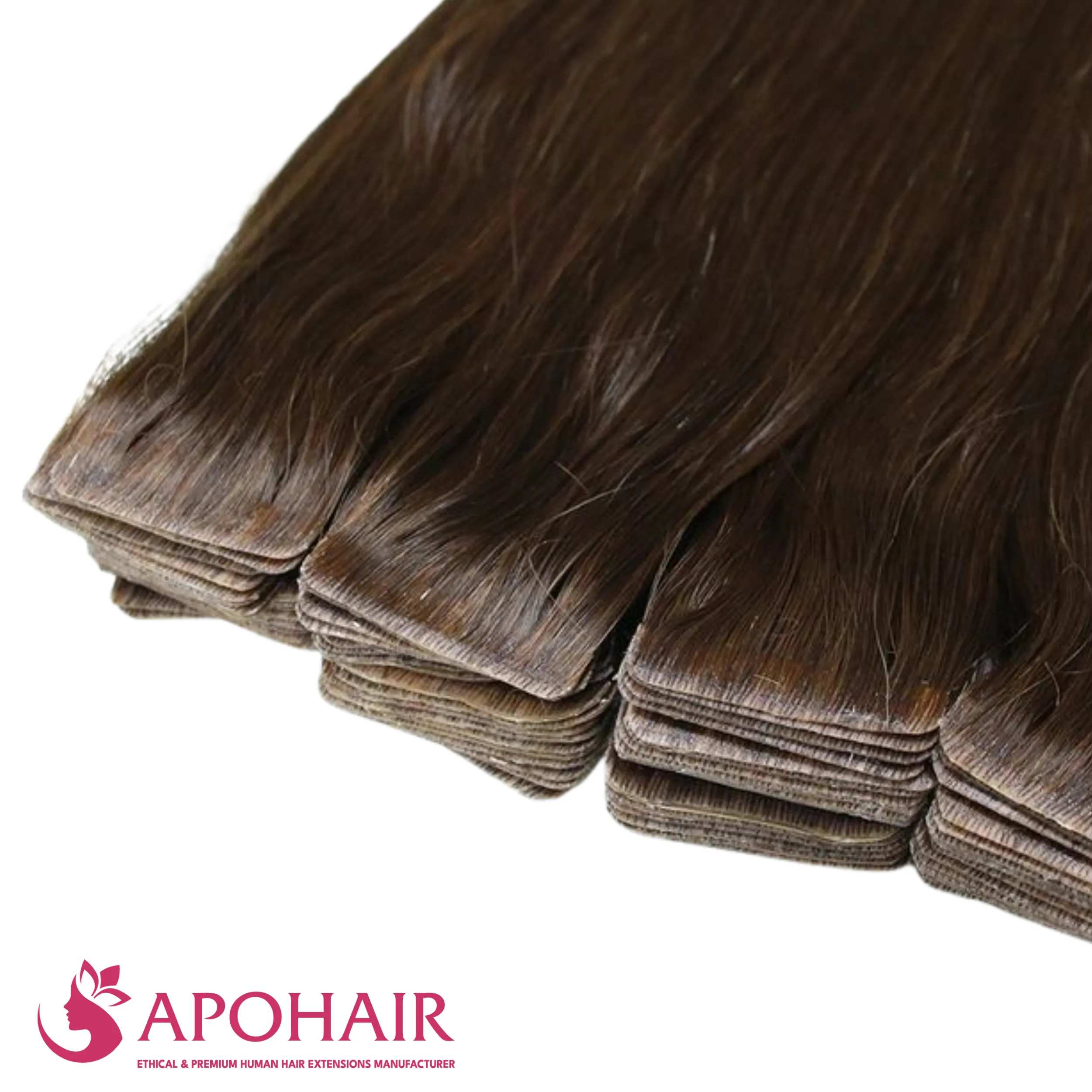
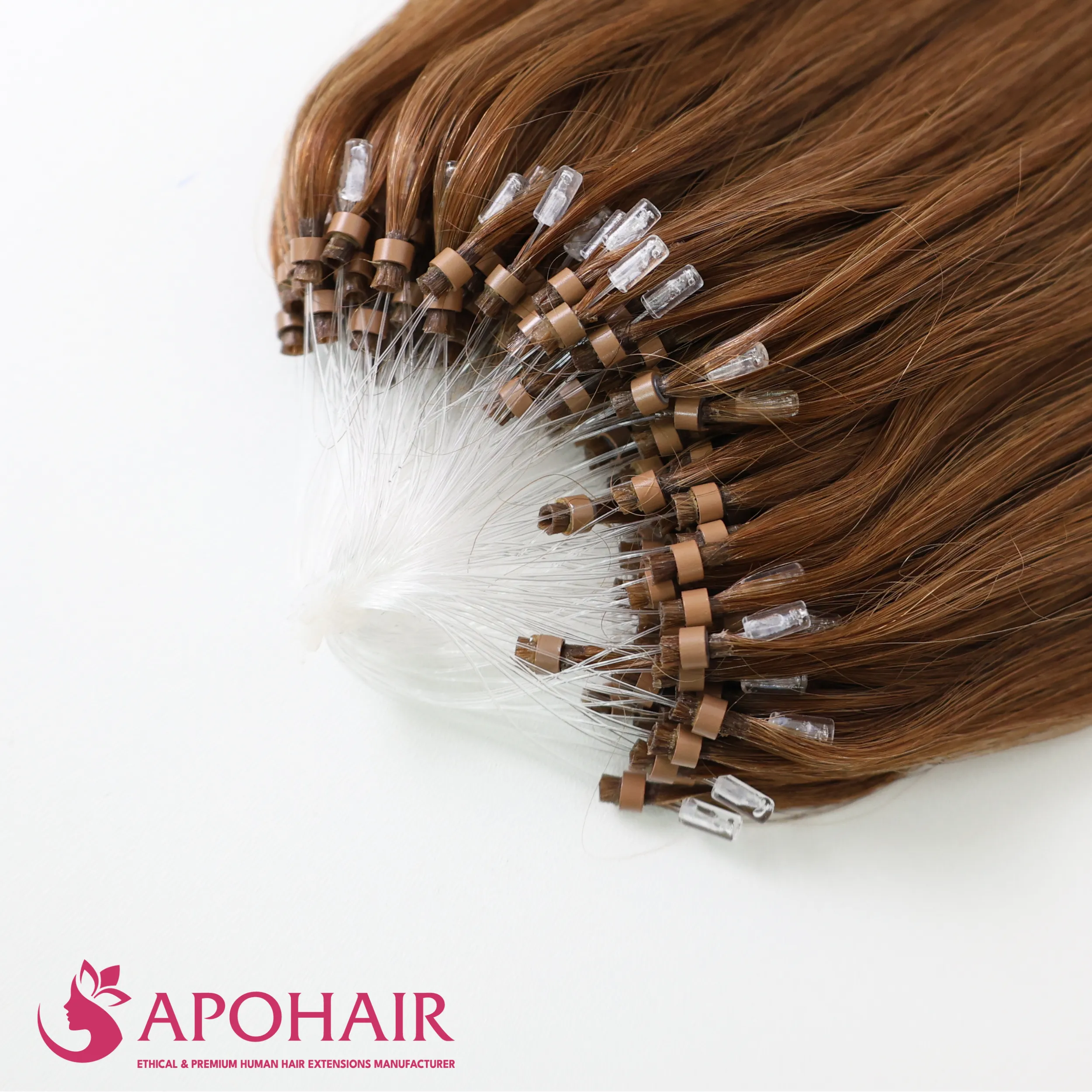
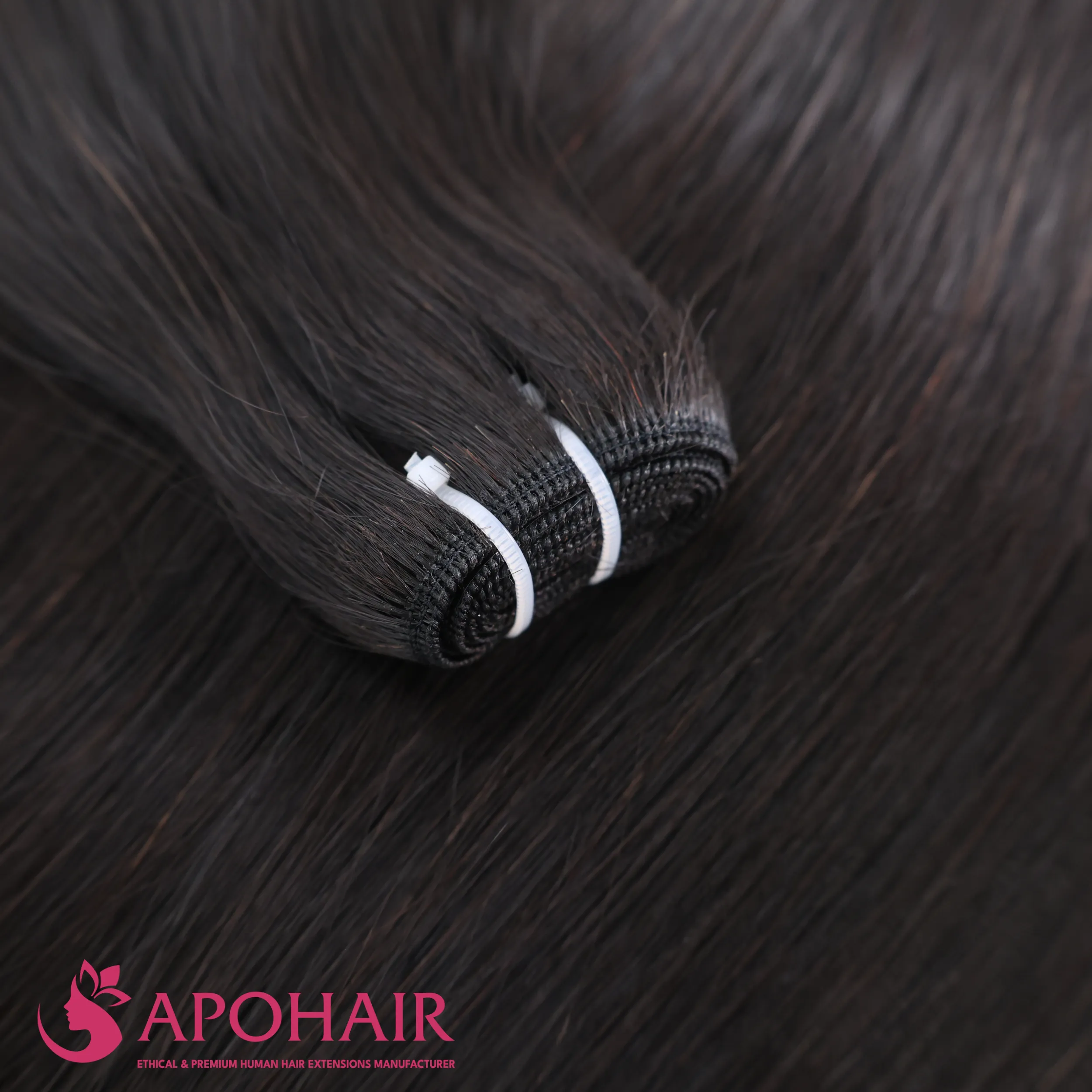
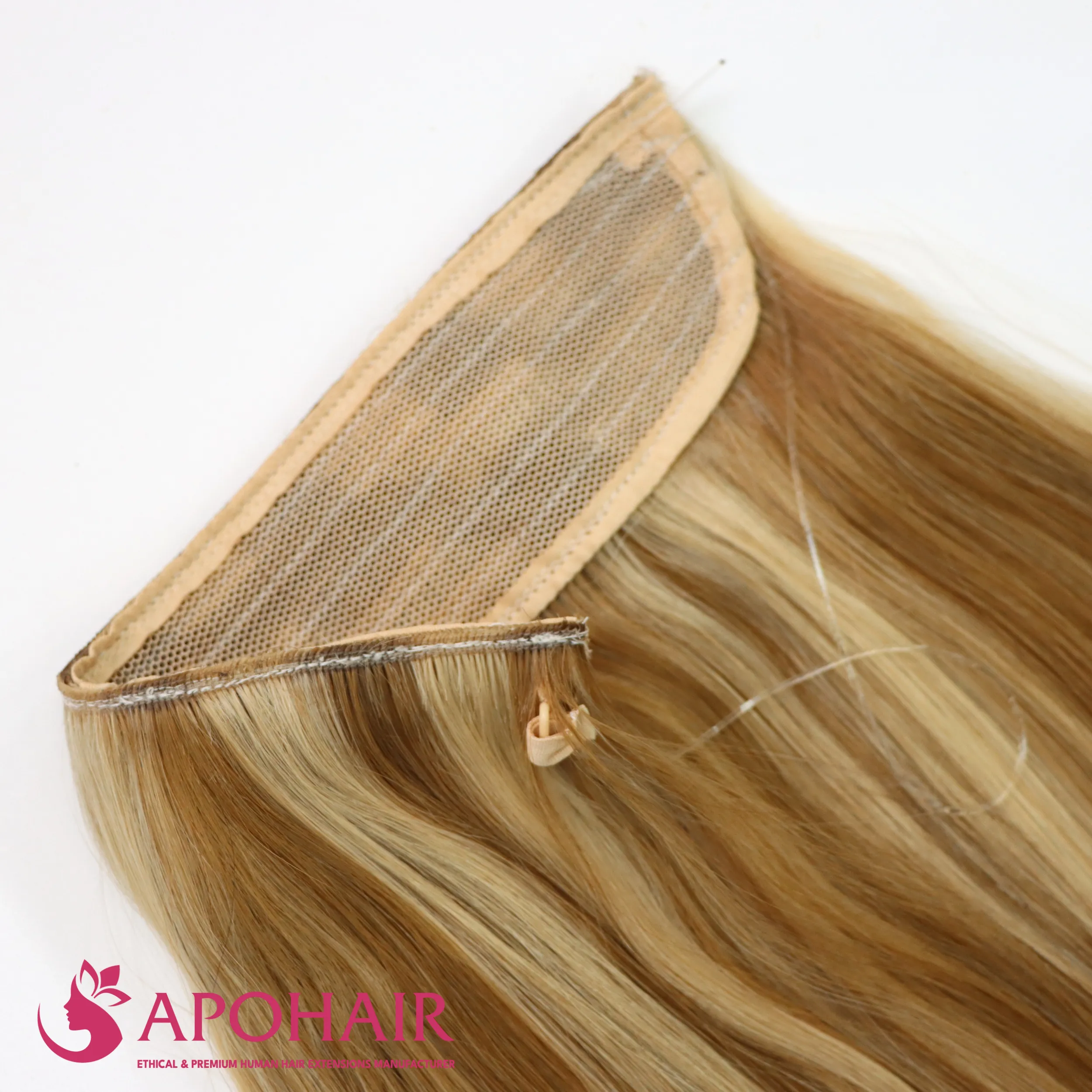
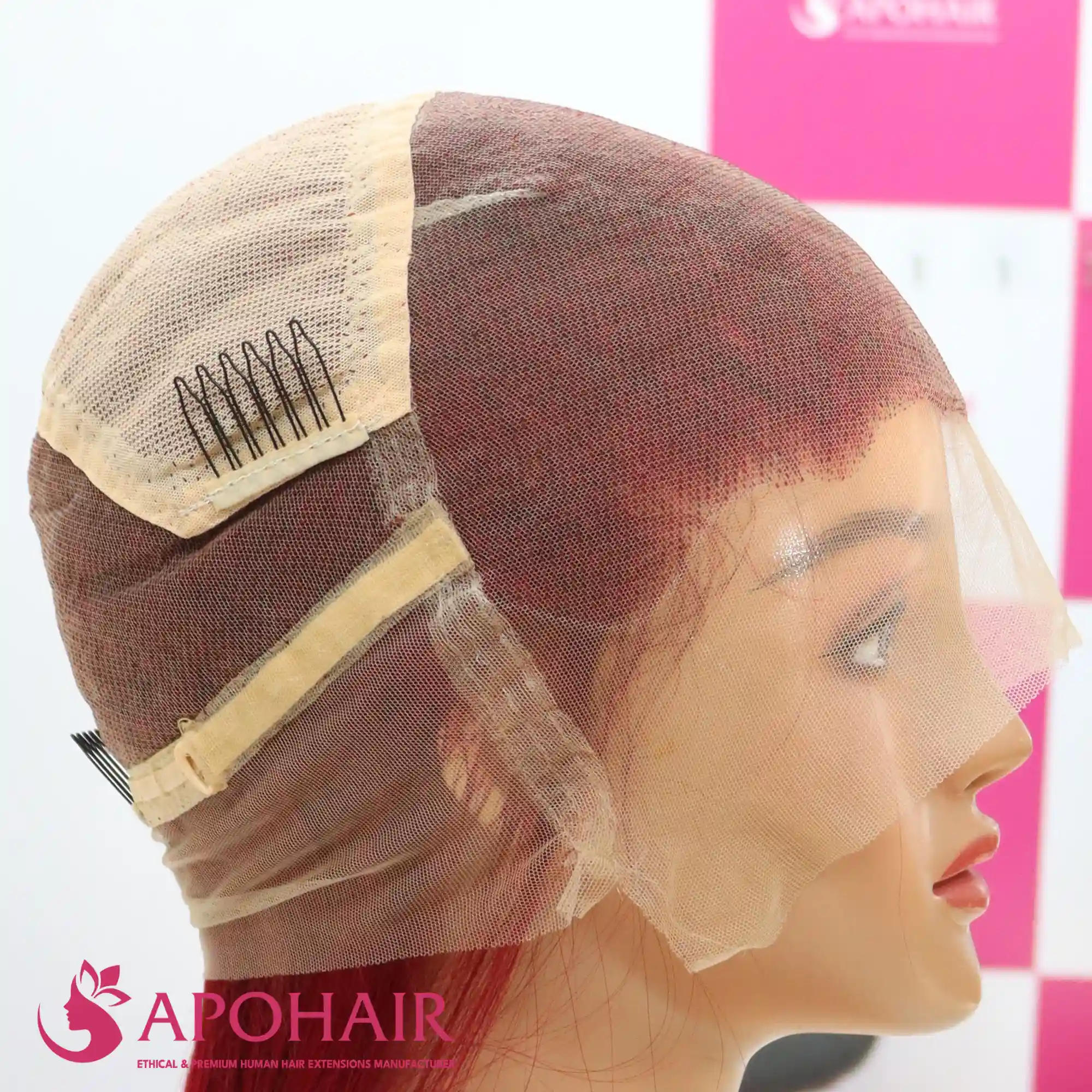
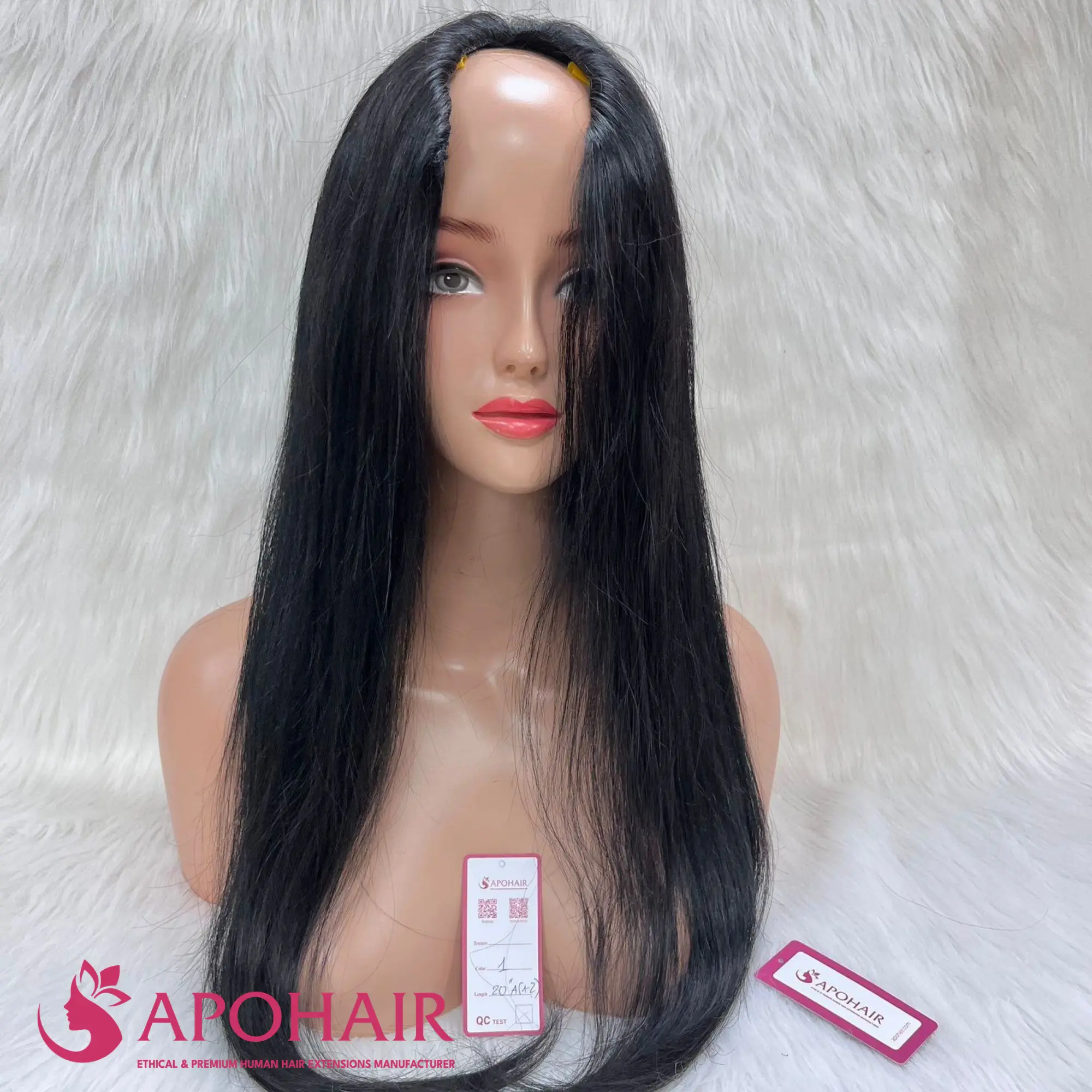
APOHAIR offers 100% Vietnamese human hair extensions and wigs in several curl types to match your natural look. We have “body curly” (like 3A), “deep curly” (similar to 3B), and “kinky curly” (close to 3C), so finding your size is easy. These come in hand-tied wefts, machine wefts, clip-ins, or full lace and lace front wigs, making it simple for salons and stylists to get exactly what they need.
Choosing the right extension helps you build trust so clients keep coming back. Our hair stays consistent since the cuticles all face the same way, and we never mix in synthetic strands. We use ethically sourced hair that is checked carefully at our factory. You can rely on us for anything, from weddings and photoshoots to everyday style changes.
APOHAIR stands out because we focus on quality and make everything ourselves. Here is what makes us different:
- 100% Vietnamese Human Hair: Single-donor collection with intact cuticle layer accepts color better than Indian or Chinese hair.
- Cuticle-Aligned Technology: All cuticles face the same direction, which eliminates tangling and matting.
- Ethical Sourcing: Direct collector network in Vietnamese villages with fair compensation verified.
- Factory-Direct Pricing: No middlemen, wholesale rates 30 to 40% below retail market.
- 15+ Year Track Record: 700+ well-trained, skilled workers and 100+ sales staff serving 120+ countries.
- 33,000 m² Factory: State-of-the-art manufacturing facility in Ninh Binh, Vietnam with modern production lines.
- Global Distribution: Ships to the US, UK, EU, Australia, Africa, and Asia within 24 hours.
- Quality Guarantee: 7-day warranty with free replacement policy on all orders.
APOHAIR turns real Vietnamese hair into high-quality extensions that salon owners and wholesalers everywhere trust. Our goal is to lead the hair industry by focusing on ethical work, great manufacturing, and helping our customers succeed.
Ready to source curly hair extensions and wigs for your salon or store? Contact APOHAIR for wholesale pricing and free samples:
APOHAIR ETHICAL & PREMIUM HUMAN HAIR EXTENSIONS MANUFACTURER
- Address: Building 3A, Lane 82 Duy Tan, Cau Giay, Hanoi, Vietnam
- Factory: Minh Luong, Yen Luong Ward, Ninh Binh, Vietnam
- Phone number: (+84) 862 132 366
- Email: [email protected]
FAQ Related to Curly Hair Texture
Does curly hair shrink when it dries?
Yes, curly hair shrinks when it dries. The curved strand coils back toward the scalp as moisture evaporates, reducing visible length by 30 to 75 percent depending on curl tightness. 3C hair experiences the most shrinkage of all three curly subtypes.
Can you brush curly hair without damaging it?
You can brush curly hair without damage only when it is wet and coated in conditioner. Brushing dry curly hair breaks apart curl clumps, causes frizz, and stresses the cuticle where the strand curves. Use a wide-tooth comb or detangling brush designed for curls.
Is curly hair more prone to damage than straight hair?
Curly hair is more prone to dryness-related damage than straight hair because the curved shaft slows sebum distribution and the porous cuticle loses moisture faster. Breakage at the curl’s bending points is the most common damage pattern, particularly in 3C hair with tight, frequent coils.
Outro
Curly hair grows in spirals or loops and falls into three types: 3A (loose loops), 3B (bouncy ringlets), and 3C (tight spirals). All these types have a lot of volume but tend to get dry and frizzy easily. To keep them healthy, focus on moisture by using sulfate-free products, deep conditioning, and sleeping on satin.
This routine also works for hair extensions and wigs. APOHAIR offers 100% Vietnamese human hair in body curly, deep curly, and kinky textures. We have everything from wefts and clip-ins to full wigs. Since we ship directly from our factory, our wholesale prices are 30% to 40% lower than retail.
APOHAIR – ETHICAL & PREMIUM HUMAN HAIR EXTENSIONS MANUFACTURER
- Address: Building 3A, Lane 82 Duy Tan, Cau Giay, Hanoi, Vietnam
- Factory: Minh Luong, Yen Luong Ward, Ninh Binh, Vietnam
- WhatsApp: +84 862 132 366
- Email: [email protected]
- Website: https://apohair.com
