



37 Hairstyles for Oval Faces: Short, Medium & Long Cuts for Women
The most flattering hairstyles for women with an oval face include the blunt bob, lob with curtain bangs, long face-framing layers, textured pixie, and soft shag. An oval face is longer than it is wide, with cheekbones slightly wider than the forehead and a softly tapered jaw. Because those proportions are naturally balanced, the aim is not to correct the face shape but to highlight the cheekbones, preserve the jaw’s taper, and keep the haircut in proportion with the hair’s texture and density.
Oval faces suit both short and long hair. Short cuts expose the eyes, cheekbones, and jaw; medium lengths provide easy framing and movement; and long hair works best when layers, waves, curls, or fringe interrupt a flat vertical fall. Hair texture, density, forehead height, and maintenance preference therefore matter more than length alone.
This guide covers 37 hairstyles for oval faces: 10 short cuts, 10 medium-length cuts, 10 long styles, four pulled-back options, and three special-occasion looks. Each recommendation explains the suitable texture, density, cutting technique, and level of upkeep.


What Makes A Hairstyle Flattering On An Oval Face?
A cut flattens an oval face when it shows the bone structure rather than rebuilds it. Three decisions carry almost all the weight, and none of them involve correcting anything.
- Where the face-framing sits. Layers or bangs that begin at cheekbone level point at the two strongest features on this shape, the eyes and the cheekbones. Start them higher and they cover the proportion you were trying to display.
- How the volume is spread. Even distribution holds the balance. Volume concentrated at the crown adds length to a face that already runs one and a half times its width, which is the single most common way an oval cut goes wrong.
- Where the part falls. A side part adds asymmetry to otherwise symmetrical proportions, which reads as interest rather than correction. A center part works too, as long as the hair has texture or movement to stop it hanging flat.
Where the face-framing starts is the decision stylists flag most often on this shape. “Layers that start around the cheekbone and move downward help open the face up and highlight your features”, says hairstylist Carla Zuniga, who also warns that “a heavy, one length cut can sometimes drag the face down visually”, On length itself there is far less to decide, since celebrity hairstylist Dimitris Giannetos notes that “with an oval face shape, any length works”.
An oval face differs from other face shapes because the haircut usually preserves its existing balance rather than shifting visual width or length. If your forehead, cheekbones, and jaw do not match the oval proportions described above, compare hairstyles for different face shapes before applying the recommendations below.

Short Hairstyles for Oval Faces That Keep The Natural Balance
Short cuts expose the jaw and cheekbones instead of framing them, and this is the one shape where full exposure is an asset rather than a gamble. Pixies and textured crops build shape at the crown without overdoing the height; the French bob and micro bob work off a clean hem; the bixie and wavy bob sit between the two; and the two curly cuts control volume at the cheek. The only real constraint is the same one that runs through the whole guide: height on top costs more here than it gains.
1. Pixie Cut With Swept Bangs
A short crop with clipped sides and a longer top falling into a diagonal fringe. The swept bangs draw attention to the eyes while the cropped sides leave the jaw fully visible, which is the trade this shape can afford to make.
- Best on: a defined jaw worth showing.
- Texture: Type 1A to 1C (fine to coarse straight).
- Density: fine to medium.
- Stylist note: Maintain a tight taper at the nape and point-cut the swept fringe so it moves in feathery pieces rather than a heavy line.
- Upkeep: low daily, a lightweight pomade, trim every 4 to 6 weeks.
Why it works: The diagonal fringe directs attention toward the eyes and cheekbones, while the close sides leave the tapered jaw visible. Keeping the crown controlled preserves the oval face’s natural length-to-width balance.
2. Textured Pixie Crop With A Piece-y Fringe
A short cut with heavily textured top layers and a broken-up fringe. Texture rather than length supplies the interest, and keeping the crown moderate stops the cut from stretching the face.
- Best on: anyone with under five minutes in the morning.
- Texture: Type 1B to 2A (straight to loose wave).
- Density: medium to thick.
- Stylist note: Texturize the top hard but keep the crown low. Height here works against the proportion rather than for it.
- Upkeep: low, a matte paste.
Why it works: The broken fringe and separated top layers add detail without creating a solid horizontal line. Moderate crown height keeps the crop lively without making the face appear longer.
3. Classic French Bob
A chin-length blunt bob, usually worn with a fringe. The hem sits at the chin and the fringe at the brow, and the face reads between two clean lines with the cheekbones in the middle.
- Best on: straight hair with enough weight to hold a precise line.
- Texture: Type 1A to 1B (fine to medium straight).
- Density: fine to medium.
- Stylist note: Keep the perimeter blunt and the fringe just above the brow.
- Upkeep: medium, trim every 4 to 6 weeks to hold the line.
Why it works: The brow-level fringe and chin-length perimeter frame the cheekbones between two clean horizontal lines. An oval face can carry this precision because its forehead, cheeks, and jaw already sit in balanced proportion.
4. Ear-Length Bixie
A cut between a bob and a pixie, with layered texture and pieces long enough to sit against the cheekbone. It is the safest way into short hair, since it keeps some framing while removing most of the length.
- Best on: anyone moving from a bob toward a pixie for the first time.
- Texture: Type 1B to 2B (straight to defined wave).
- Density: medium.
- Stylist note: Blend the crown layers smoothly into the longer sections around the ears so there is no visible step.
- Upkeep: medium, texturizing spray.
Why it works: The longer pieces around the ears retain cheekbone-level framing, while the shorter layered crown opens the jaw and neckline. This combination shows the face structure without adding excessive height.
5. Chin-Length Blunt Bob
A one-length bob finishing at the chin with no fringe. It exposes the forehead and the jaw at the same time, which on balanced proportions is the most flattering thing a short cut can do.
- Best on: a forehead and a jaw that both read in proportion.
- Texture: Type 1A to 1C (fine to coarse straight).
- Density: medium.
- Stylist note: Cut the hem level and leave the ends heavy. Any graduation softens the effect the cut exists for.
- Upkeep: medium, flat iron, trim every 6 weeks.
Why it works: The level chin-length edge emphasizes the jaw, while the open forehead preserves the full vertical proportion of the face. The clean outline complements an oval shape without adding corrective layers or volume.
6. Blunt Micro Bob
A very short blunt bob finishing above the jaw. It is the boldest cut on this list and works for the same reason the chin-length version does, with less hair left to hide behind.
- Best on: a long neck and features that hold their own without framing.
- Texture: Type 1A to 1B (fine to medium straight).
- Density: medium to thick.
- Stylist note: Keep the baseline razor-clean. At this length any unevenness is visible from across a room.
- Upkeep: high, trim every 4 weeks.
Why it works: The above-jaw baseline exposes the cheekbones, jaw, and neck instead of covering their taper. Its compact width keeps the silhouette defined without building unnecessary height at the crown.
7. Short Wavy Bob With A Side Part
A jaw-length bob worn wavy from an off-center part. The wave keeps the cut from reading severe and the side part supplies the asymmetry, which together make it the least formal short option here.
- Best on: natural wave that fights a blunt finish.
- Texture: Type 2A to 2C (loose to strong wave).
- Density: medium.
- Stylist note: Cut with a slight graduation so the wave has somewhere to sit, and part it off-center while cutting.
- Upkeep: low, sea salt spray and scrunch.
Why it works: The off-center part introduces a diagonal through the forehead, and the waves add soft lateral movement around the cheeks and jaw. Together, they prevent the short bob from looking rigid or overly symmetrical.
8. Shaggy Pixie Cut
A short heavily layered cut with piecey ends and a soft fringe. The layering gives shape without adding height, which is the balance a pixie has to strike on this shape.
- Best on: anyone who wants short hair without a polished routine.
- Texture: Type 1B to 2B (straight to defined wave).
- Density: medium.
- Stylist note: Razor the ends to keep the finish airy and resist building the crown too high.
- Upkeep: very low, a texturizing spray.
Why it works: Airy layers and a soft fringe create texture around the eyes and cheekbones without hiding the jaw. The low, spread-out crown volume maintains the oval face’s existing balance.
9. Curly Asymmetrical Bob
A short curly bob cut longer on one side. The asymmetry stops curl volume from reading as a symmetrical dome, and it gives the cut a direction that a round curly bob does not have.
- Best on: curl that expands evenly and needs a direction.
- Texture: Type 2C to 3B (strong wave to springy curl).
- Density: medium to thick.
- Stylist note: Slightly undercut the nape to reduce bulk at the bottom, and cut dry so the asymmetry survives shrinkage.
- Upkeep: medium, a diffuser and leave-in conditioner.
Why it works: The unequal lengths give the curls a diagonal direction instead of allowing them to form a uniform rounded outline. The asymmetry adds visual interest while preserving the face’s cheekbone-to-jaw taper.
The five bob variations above show how length, perimeter, texture, and asymmetry can change the result on an oval face. For more options, compare our complete guide to bob hairstyles for oval faces.
10. Tapered Curly Pixie
A tapered curly pixie keeps the sides and nape close while maintaining controlled curl volume through the top and temples. Moderate top volume gives the cut definition, but the highest point should remain broad rather than tall so the hairstyle does not unnecessarily lengthen the face.
- Best on: tight curl that goes wide before it goes up.
- Texture: Type 3B to 4B (springy curl to tight zigzag).
- Density: medium to thick.
- Stylist note: Taper progressively from the temples to the nape, shape the curls dry, and keep the top rounded rather than vertically stacked.
- Upkeep: low, refresh spray, trim every 6 to 8 weeks.
Why it works: The close sides and nape reveal the jawline, while the rounded top distributes curl volume outward instead of stacking it vertically. This keeps the silhouette defined without elongating the face.
These ten examples cover the main short-hair directions for an oval face, but the best choice still depends on texture, density, and upkeep. Compare more cuts and narrow down your options in our full guide to short hairstyles for oval faces.
Medium-Length Hairstyles for Oval Faces That Frame Without Distorting
Medium length is the safest bracket for this shape, since the hem lands between the jaw and collarbone, framing the cheekbones and jaw without adding length to either. The collarbone lob and blunt clavicut hold a clean edge and let the bone structure carry the look; the shag, wolf cut and butterfly build movement without bulk; the face-framing midi, money-piece lob and deep side part all work the front sections; and the curly cut and beach waves let natural texture supply the shape. None of them ask for crown height.
11. Classic Collarbone Lob
A blunt one-length cut resting exactly at the collarbone. The horizontal hem grounds the face and balances the vertical proportion, and because there is no layering to distract from it, the cut lets the jaw and cheekbones do the work.
- Best on: anyone who wants the bone structure visible and nothing else going on.
- Texture: Type 1A to 3A (straight through loose curl).
- Density: any, though thick hair may want the interior thinned.
- Stylist note: Cut a solid perimeter with minimal texturizing at the ends, and check the length grazes the collarbone when completely dry.
- Upkeep: very low, air-dry or a quick blow-out, trim every 8 to 10 weeks.
Why it works: The collarbone-length perimeter creates a stable horizontal base beneath the face, while the one-length shape leaves the cheekbones and jaw visible. Its restrained structure supports the oval face without changing its proportions.
12. Soft Layered Shag With Curtain Bangs
A soft shag combines feathered interior layers with curtain bangs that open around the cheekbones. The fringe frames the forehead without covering it completely, while the side layers create movement through the middle of the cut rather than concentrating volume at the crown.
- Best on: a high forehead you want softened rather than hidden.
- Texture: Type 2A to 2C (loose to strong wave).
- Density: medium to thick.
- Stylist note: Angle the curtain from the cheekbone outward and blend it into the interior layers so the two read as one shape.
- Upkeep: low, texturizing spray and air-dry.
Why it works: Curtain bangs open around the cheekbones instead of covering the forehead completely, and the side layers distribute movement through the middle of the cut. The volume stays beside the face rather than concentrating above it.
13. Face-Framing Midi
Mid-length hair past the shoulders with layers cut to sit against the cheekbones. The front sections trace the widest part of the face, which highlights the structure without narrowing or widening anything.
- Best on: strong cheekbones worth pointing at.
- Texture: Type 1A to 2B (straight to defined wave).
- Density: medium.
- Stylist note: Slide-cut the face-framing sections starting at the cheekbone so they curve rather than step.
- Upkeep: low, grows out without losing shape.
Why it works: Layers beginning at the cheekbones trace the widest point of an oval face and direct attention toward the eyes. The longer perimeter maintains length without creating an uninterrupted vertical fall.
14. Blunt Clavicut
A one-length cut finishing precisely at the collarbone with weight left in the ends. It reads as thicker than it is, which makes it the cut that fine hair reaches for when layers would only take away what little density there is.
- Best on: fine hair that has lost its outline to over-layering.
- Texture: Type 1A to 1C (fine to coarse straight).
- Density: fine to medium.
- Stylist note: Cut at zero elevation and leave the ends untexturized. The whole point is the weight at the perimeter.
- Upkeep: low, flat iron the ends, trim every 6 to 8 weeks.
Why it works: The dense collarbone-level perimeter gives fine hair a stronger outline without removing weight through layers. That horizontal endpoint grounds the hairstyle while leaving the face’s natural taper unobstructed.
15. Textured Lob With A Money Piece
A collarbone cut with the two front sections cut shorter and lightened a shade or two. The brighter front pieces pull light to the cheekbones, which does the framing job that layers would otherwise do with scissors.
- Best on: anyone who wants framing without cutting into the length.
- Texture: Type 1B to 2B (straight to defined wave).
- Density: any.
- Stylist note: Keep the money piece narrow and start it at the cheekbone. A wide panel reads as a grown-out highlight instead of a design.
- Upkeep: medium, a toner refresh every 6 to 8 weeks.
Why it works: The lighter front pieces concentrate contrast near the cheekbones, while the collarbone perimeter provides a clean base below the jaw. This creates visible framing without cutting short layers into the face.
16. Wolf Cut
A wolf cut combines short shag-like layers through the upper section with longer, tapered ends. On an oval face, it works best when crown lift remains moderate and texture spreads through the sides, allowing the cheekbones and jaw to remain visible instead of disappearing inside one dense shape.
- Best on: a creative workplace and a taste for a visible haircut.
- Texture: Type 2A to 2C (loose to strong wave).
- Density: thick.
- Stylist note: Cut distinct crown layers without building a tall top section, then taper them gradually into lighter ends.
- Upkeep: low, styling cream and nothing else.
Why it works: Short upper layers distribute movement through the sides, and the tapered ends prevent thick hair from forming one heavy block. Keeping the crown moderate lets the texture add character without lengthening the oval outline.
17. Shoulder-Length Beach Waves
Shoulder-length hair set in loose irregular waves from mid-length down. The waves add movement at the cheek and jaw without changing the outline, which is the lightest touch on this list.
- Best on: anyone whose hair falls flat and reads featureless.
- Texture: Type 1B to 2C (straight to strong wave).
- Density: any.
- Stylist note: Leave the roots and top section straight so the volume stays below the cheekbone.
- Upkeep: low, a wand or overnight braids.
Why it works: Loose waves introduce width and movement through the cheeks, jaw, and shoulders, while the smoother roots keep the crown from becoming too tall. The result softens symmetry without obscuring the face.
18. Medium Butterfly Cut
Chin-length face-framing layers disconnected from longer shoulder-length layers. The two tiers move independently, giving thick hair somewhere to put its weight without the cut turning into a solid block.
- Best on: thick hair that goes heavy and triangular in a one-length cut.
- Texture: Type 1B to 2B (straight to defined wave).
- Density: thick.
- Stylist note: Keep the tiers genuinely disconnected and the top tier shorter than shoulder length, or the effect blends away.
- Upkeep: medium, a round brush for the top tier.
Why it works: The shorter tier frames the cheeks and jaw, while the longer tier preserves a full shoulder-length perimeter. Separating the two layers removes internal bulk without sacrificing the balanced outer shape.
19. Sleek Midi With A Deep Side Part
Straight mid-length hair swept from a part set well off-center. The asymmetry supplies the only thing symmetrical proportions lack, which is a reason for the eye to move.
- Best on: very symmetrical features that read a little static.
- Texture: Type 1A to 1B (fine to medium straight).
- Density: any.
- Stylist note: Cut with the hair fallen into the finished part, and add root lift on the heavy side only.
- Upkeep: medium, flat iron and a root spray.
Why it works: The deep side part breaks central symmetry with a strong diagonal, and controlled lift on one side adds interest without creating uniform crown height. The sleek lengths keep the jawline clearly defined.
20. Curly Shoulder-Length Cut
A shoulder-grazing cut shaped for natural curl, layered so the curl sits evenly from crown to ends. Curl provides all the movement this shape needs, and the layering exists only to stop it stacking into a triangle.
- Best on: curl that goes wide at the ends and flat at the roots.
- Texture: Type 2C to 3C (strong wave to tight corkscrew).
- Density: medium to thick.
- Stylist note: Cut dry, curl by curl, and remove weight from the ends rather than the interior.
- Upkeep: medium, curl cream and a diffuser.
Why it works: Graduated curl layers distribute volume from the crown to the ends instead of allowing it to collect at the perimeter. This prevents a triangular silhouette while preserving the oval face’s natural width.
Length past the collarbone opens up more options than any other shape gets, though it comes with the one condition this shape genuinely has.
Long Hairstyles for Oval Faces That Show The Bone Structure
Long hair suits this shape as long as something interrupts the vertical drop, since uninterrupted length past the collarbone pulls the eye down and stretches proportions that were already balanced. Curtain-bang and blunt-fringe cuts work at the forehead, the U-cut and V-cut shape the perimeter, face-framing layers and shag handle the front sections, and curls, mermaid waves, and blowout add width through texture. The one cut here with no interruption at all is included for a specific reason, and it is flagged as such.
21. Long Layers With Curtain Bangs
Flowing length with cheekbone-level layers sweeping into a soft curtain fringe. The bangs break the facial length horizontally while the layers keep the body from hanging flat, which is the most reliable long option on this shape.
- Best on: long hair that has gone heavy and shapeless.
- Texture: Type 1B to 2C (straight to strong wave).
- Density: medium.
- Stylist note: Avoid blunt lines and slide-cut the ends so they blend into the face frame.
- Upkeep: medium, daily round-brush for the bangs, trim every 4 to 6 weeks.
Why it works: Curtain bangs interrupt the upper vertical line and open toward the cheekbones, while long layers keep the remaining length in motion. The combination prevents long hair from hanging as a flat curtain beside the face.
22. Long U-Cut With Face Framing
Long hair with the back perimeter rounded into a U and the front sections cut to frame. The U keeps the ends full rather than tapering them away, so the length reads deliberate instead of grown out.
- Best on: anyone growing hair long who wants a shape while they wait.
- Texture: Type 1A to 2B (straight to defined wave).
- Density: medium to thick.
- Stylist note: Cut the U with the head upright and check the curve from behind. It goes lopsided fast if the head tips.
- Upkeep: low, trim every 10 to 12 weeks.
Why it works: The rounded U-shaped perimeter keeps the ends visually full, while shorter front layers return attention to the cheekbones. This gives long hair a defined shape without narrowing or stretching the face.
23. Long V-Cut Layers
Long hair cut so the back falls to a point with layers starting below the chin. The V gives the silhouette a defined finish, and on a balanced face that definition reads as styling rather than correction.
- Best on: thick hair that needs weight taken out of the ends.
- Texture: Type 1A to 2B (straight to defined wave).
- Density: thick, the V tail goes stringy on fine hair.
- Stylist note: Pull the hair straight back and point-cut the V from the center outward.
- Upkeep: low, trim every 10 to 12 weeks.
Why it works: The V-shaped perimeter organizes thick length into a deliberate point, while layers beginning below the chin remove weight without covering the cheekbones or jaw. The balanced face remains the focal point.
24. Long Soft Shag With A Wispy Fringe
Heavily layered long hair with a light see-through fringe. The layering runs the full length so the movement is continuous, and the wispy fringe covers the forehead without laying a solid line across it.
- Best on: naturally wavy hair that needs movement without a heavy fringe.
- Texture: Type 2A to 2C (loose to strong wave).
- Density: medium; fine hair needs lighter internal layering to preserve fullness at the perimeter.
- Stylist note: Point-cut the fringe deeply for the see-through effect, and keep the interior layering light on fine hair.
- Upkeep: low, texturizer, fringe trim every 3 to 4 weeks.
Why it works: The see-through fringe softens the forehead without closing it off, and the continuous layers break up the vertical drop of long hair. Movement stays distributed through the sides and lengths rather than at the crown alone.
25. Long Blowout With Flipped Ends
Long hair with rounded layers and the ends turned outward. The flip creates width at the shoulders rather than the cheeks, which balances the length without touching the face at all.
- Best on: anyone who wants volume without a fringe or face-framing.
- Texture: Type 1B to 1C (medium to coarse straight).
- Density: medium to thick.
- Stylist note: Cut blended layers with rounded ends. Choppy layers will not hold the flip.
- Upkeep: high, a round brush every wash.
Why it works: The outward flip creates width near the shoulders, balancing the visual weight of the long hair below the face. Rounded layers add movement while leaving the forehead, cheekbones, and jaw fully visible.
26. Straight Long Hair With Blunt Bangs
Long straight hair paired with a brow-skimming blunt fringe creates a clean horizontal line across the upper face while preserving length below the shoulders. On an oval face, the style works best when the fringe reveals enough of the forehead and the lengths retain slight movement rather than hanging as one rigid curtain.
- Best on: a tall forehead on straight hair.
- Texture: Type 1A to 1C (fine to coarse straight).
- Density: medium to thick.
- Stylist note: Adjust the fringe to the forehead height, keeping it at or slightly above the brows, then add subtle internal layers through the lengths.
- Upkeep: medium, flat iron and a fringe trim every 3 to 4 weeks.
Why it works: The brow-level fringe creates a horizontal break across the upper face, while subtle internal layers prevent the long lengths from becoming two rigid vertical panels. This keeps the polished style from overextending the oval outline.
27. Long Layered Curls
Long natural curls cut with cascading layers that keep the curl pattern springing rather than pooling. Length and curl together add both movement and weight, and the layering is what stops the weight winning.
- Best on: long curls that have gone flat at the crown and heavy at the ends.
- Texture: Type 3A to 3C (loose curl to tight corkscrew).
- Density: medium to thick.
- Stylist note: Cut dry and take the weight out of the ends so the curl can lift.
- Upkeep: medium, deep conditioning and a careful detangle routine.
Why it works: Cascading layers spread curl volume along the sides and lengths, so the eye moves outward as well as downward. Removing weight from the ends restores lift without building a narrow, elevated crown.
28. Waist-Length Cascading Curls
Very long natural curls layered through the lengths. This is the most length this shape can carry, and it works because curl occupies horizontal space the whole way down, which is the interruption that straight hair at the same length would not have.
- Best on: dense natural curl with the health to carry real length.
- Texture: Type 3A to 4A (loose curl to soft coil).
- Density: thick.
- Stylist note: Layer for shape but keep the perimeter dense. Thinning the ends at this length reads as damage.
- Upkeep: high, a strict moisture and detangle routine.
Why it works: The curl pattern occupies horizontal space throughout the full length, interrupting the downward pull that waist-length straight hair can create. A dense perimeter keeps the longest sections full rather than stringy.
29. Long Mermaid Waves
Long hair set in continuous S-waves from root to tip. The wave pattern occupies width along the entire length, so the eye travels across as much as down.
- Best on: straight hair with no natural movement of its own.
- Texture: Type 1B to 2B (straight to defined wave).
- Density: medium to thick.
- Stylist note: Use a three-barrel waver for a consistent pattern, and add long invisible layers so the waves do not read as a solid sheet.
- Upkeep: medium, one styling session holds two to three days.
Why it works: Repeated S-waves create horizontal movement from the upper lengths to the ends, preventing the hair from reading as one uninterrupted vertical sheet. Invisible layers keep the wave pattern separated and fluid.
30. Long Sleek Center-Parted Hair
Long sleek hair with a clean center part emphasizes the natural symmetry of an oval face. Long invisible layers or a slight bend through the mid-lengths keep the hair from forming two flat vertical panels, allowing the polished finish to remain soft rather than visually stretching the face.
- Best on: balanced features that need no framing at all.
- Texture: Type 1B to 2A (straight to loose wave).
- Density: medium to thick, fine hair reads sparse at this length.
- Stylist note: Add long invisible layers through the mid-lengths even though the finish is sleek. Genuinely one-length hair at this length flattens the proportion.
- Upkeep: medium, flat iron and an anti-humidity finish.
Why it works: The center part displays the oval face’s natural symmetry, while invisible layers and a slight bend soften the two vertical sections beside it. The result stays sleek without visually stretching the face.
Cutting above the jaw removes the framing entirely, which on this shape is less risky than it sounds.
4 Pulled-Back Hairstyles for Oval Faces
Pulled-back hairstyles reveal the symmetry, cheekbones, and tapered jaw of an oval face. Low placement produces a polished finish, while a side part or loose face-framing pieces add asymmetry when needed. Higher styles can also work, but the volume should spread outward rather than forming a narrow vertical stack above the crown.
- Sleek low ponytail with a deep side part. The part supplies asymmetry while the low placement keeps the height down. It reads polished enough for an office and takes under two minutes.
- Messy low bun with face-framing pieces. A loose twist at the nape with tendrils pulled free at the temples. The bun exposes the structure, the tendrils keep it from reading severe.
- Curly pineapple with side width. Gather the hair loosely near the crown and allow the curls to spread outward across the top and sides. Avoid stacking the curls into one narrow, tall column.
- Claw-clip French twist. The fastest formal-looking option there is. Twist, clip, and leave two front pieces down.
The only version to avoid is a hard slicked-back style pulled tight with a high, dense knot, since that combination is the one way to make a balanced face read longer than it is.
Why it works: Low placement keeps added height under control, while side parts and loose front pieces introduce asymmetry around balanced features. The curly pineapple also spreads volume outward instead of stacking it into a narrow column.
Of the pulled-back options above, the low ponytail is the easiest to vary by placement, texture, and occasion. Explore more ponytail hairstyle ideas for sleek, textured, braided, and extension-supported versions.
3 Special-Occasion Hairstyles for Oval Faces
Because the shape itself imposes so few constraints, the decisions here shift to the practical ones: an accessory has to sit somewhere, a style has to hold for eight hours, and it will be photographed from the side and back as often as head-on.
- Soft braided crown. A braid running across the top of the head with the length left down or gathered behind. It holds an accessory anywhere along its line, which makes it the most flexible option for a veil or a comb.
- French twist with curtain bangs. The twist handles the hold, and the curtain keeps the forehead framed so the style does not read austere in photographs.
- Classic bridal chignon. A smooth low knot at the nape. It is the most reliable eight-hour style on this list and the easiest to pin a veil beneath.
Necklines are more open here than on other shapes. A strapless or bateau neckline works because there is no width to exaggerate, and a deep V works because there is no length to extend. The real constraint is hold time, so pick the style your hair type will keep rather than the one that photographs best in the first hour.
Why it works: The braided crown, French twist, and low chignon expose the cheekbones and tapered jaw while keeping their main volume controlled. Curtain bangs, soft braid texture, and low accessory placement prevent the formal silhouettes from adding excessive vertical length.
How to Choose a Hairstyle for an Oval Face?
The face shape rules almost nothing out here, which means the deciding factors are your own hair and your own routine rather than your proportions. Work through the five questions below in order. The first two narrow the list fastest, and the last three decide how much of the result you will actually keep up with.
What Are The Best Low-Maintenance Hairstyles For An Oval Face?
The cuts that hold their shape without heat are the ones with a solid perimeter or with texture cut into them rather than styled in. The classic collarbone lob, the wolf cut and the long shag with a wispy fringe all air-dry into the silhouette they were cut for. Leave the long blowout and the sleek midi to anyone who genuinely styles daily, since both collapse into a flat curtain without a round brush.
What Hairstyles Suit An Oval Face With Curly Hair?
Curl needs no correction on this shape, so the cut is about controlling where the volume sits rather than adding or removing it. Cut dry, take weight from the ends, and let the pattern spring. The curly shoulder-length cut, the long layered curls and the tapered curly pixie all work on that principle. Skip anything that builds extra height at the crown, because curl already supplies more than the proportions need.
What Hairstyles Suit An Oval Face Over 50?
Age does not determine the ideal length as much as density, texture, and daily styling preference do. When hair becomes finer, a blunt clavicut, textured crop, or softly layered bob can preserve a fuller perimeter. Medium and long hair can still work when the ends remain healthy and the layers do not remove too much density. Choose a cut that holds its own outline between washes rather than one that depends on a daily blowout.
Do Bangs Work On An Oval Face?
Bangs work well on an oval face, and the best type depends on what you want to emphasize. Curtain bangs open around the cheekbones, side-swept bangs add a diagonal, and a wispy fringe softens the forehead without hiding it. A blunt fringe can create a stronger statement, but its depth and length should leave enough forehead visible to preserve the face’s natural proportions. Still deciding between curtain, side-swept, wispy, and blunt fringe? See our guide to bangs for an oval face shape to compare how each type affects forehead coverage, cheekbone emphasis, and the face’s natural proportions.
What Hairstyles Suit An Oval Face With Thick Hair?
Thick hair on balanced proportions goes heavy rather than wide, and the fix is removing weight from inside while keeping the outline intact. The medium butterfly cut, the long V-cut and the long U-cut all take bulk out without breaking the perimeter. Avoid thinning the ends, since a tapered end on thick hair reads as damage rather than as shape.
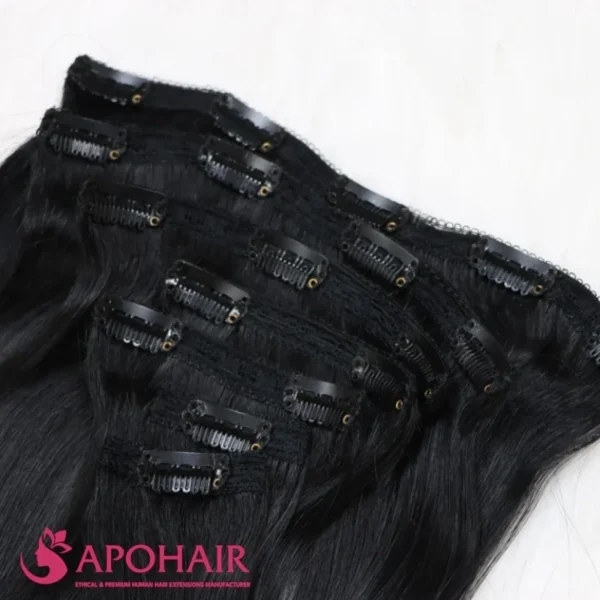
If your hair will not reach the length a U-cut or a long layered look needs, clip-in wefts matched to your own texture let you test the length before growing into it.
Hairstyles to Avoid for Oval Faces
An oval face can wear most hairstyles, so the following options are not universal bans. They become less flattering when they hide the cheekbones and jaw taper, concentrate excessive height at the crown, or combine several proportion-changing techniques in one cut.
- A heavy blunt fringe taken low over the forehead. Covering the forehead entirely removes the visible length that makes the proportion read as oval, and the face shortens and rounds. A fringe sitting above the brow gives the same coverage without the cost.
- Very long one-length hair with no layers or texture. A flat curtain hides the jaw and pulls the eye downward, stretching a face that was already one and a half times its width.
- Volume concentrated at the crown. Height on top adds to the longer dimension and throws off the width-to-length ratio. Spread the volume evenly or shift it toward the sides.
- A cut that hides the jaw completely. Hair falling forward over the jawline on both sides removes the taper that defines the shape, which leaves the outline reading as a rectangle.
- Three corrections stacked in one cut. Crown volume plus a heavy fringe plus inward-curving face-framing will each do something, and together they produce a face that looks worked on. On this shape one adjustment is usually the whole job.

Frequently Asked Questions About Hairstyles for Oval Faces
What is the most flattering haircut for an oval face?
Face-framing layers at shoulder-to-collarbone length are the most universally flattering option because they highlight the cheekbones and jaw across every texture without adding length or width. The classic collarbone lob and the face-framing midi score highest for versatility and low upkeep together. That said, this is the shape with the widest range of workable cuts, so the more useful question is usually which cut suits your texture and your routine.
Do oval faces look better with shorter or longer hair?
Oval faces can wear both short and long hair. Short styles such as pixies and blunt bobs expose the cheekbones and jaw, while long layers, waves, and curtain bangs preserve length without allowing the hair to hang flat. Medium-length hair is generally the most versatile because it combines visible framing with manageable weight.
Can an oval face wear a middle part?
Yes. A center part emphasizes the natural symmetry of an oval face and works especially well with waves, layers, curtain bangs, or a softly shaped perimeter. On very long, straight, one-length hair, adding subtle internal layers or movement through the mid-lengths prevents the part from creating an overly flat vertical finish.
Is an oval face the same as a long face?
No, though they are the two shapes most often confused. Both run longer than they are wide, but an oval face has cheekbones noticeably wider than the forehead and a chin that tapers, which gives it a curved outline. A long face keeps roughly the same width from forehead to jaw, so it reads as a narrow column rather than a taper. The styling advice diverges sharply: a long face needs width added at the cheekbones, while an oval face needs its existing proportion left alone.
If your forehead, cheekbones, and jaw remain closer to the same width, use our guide to hairstyles for long faces instead; those recommendations focus more on adding width around the cheeks and avoiding extra vertical height.
Is an oval face considered attractive?
An oval face is often described as balanced because its cheekbones, forehead, and tapered jaw form gradual proportions. However, no face shape is objectively more attractive than another. Its main hairstyling advantage is versatility: many lengths, parts, fringes, and textures can work without requiring the haircut to visually correct the face shape.
Can hair extensions help achieve these hairstyles?
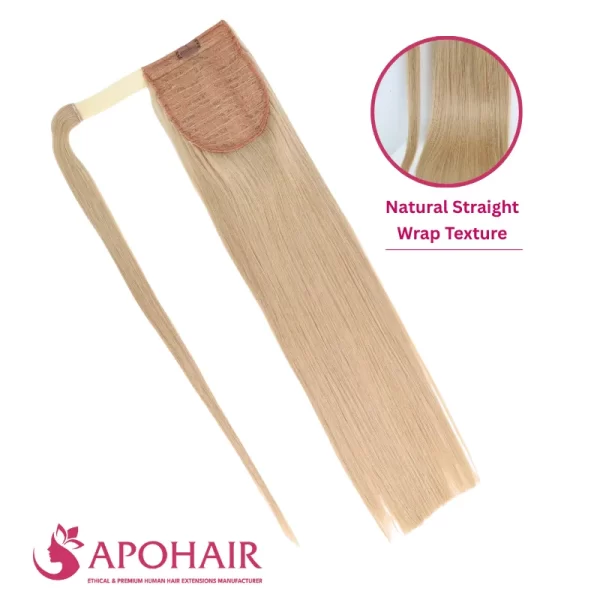
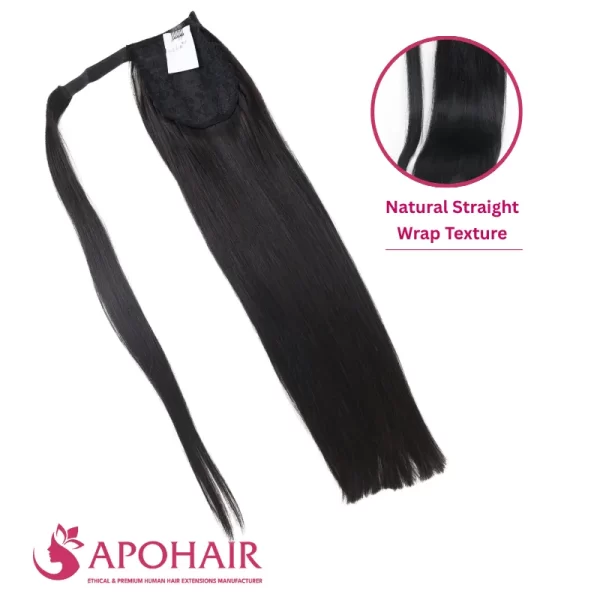
Extensions are useful here for reach rather than correction, since an oval face does not need its proportions changed. Texture-matched clip-in hair extensions can provide the length needed for a U-cut, long layers, or waist-length curls without waiting for natural growth. A ponytail piece can add fullness to a gathered style, but its shade and texture should match your own hair so the join does not separate visibly.
Conclusion
Among these 37 hairstyles for oval faces, the right choice is the one your natural texture can reproduce after the salon appointment. Choose a pixie, textured crop, or blunt bob when you want to expose the bone structure; a lob, soft shag, or butterfly cut when you want movement; and long layers or curtain bangs when preserving length matters most.
Before cutting, agree with your stylist on four details: the final perimeter, the shortest face-framing layer, the fringe length, and the highest point of the volume. These decisions are more useful than copying a reference image exactly because they adapt the style to your hair density, growth pattern, and daily routine.
For clients who need additional length or density, texture-matched clip-in wefts and ponytail pieces can build the chosen silhouette without permanently changing the haircut. APOHAIR supplies factory-direct 100% Vietnamese Human Hair, with shade and texture matching available before a larger salon or wholesale order.
