









15 Short Hairstyles For Oval Faces
An oval face is characterized by a length that is approximately 1.3 to 1.5 times greater than its width. The widest point is typically at the cheekbones, while the forehead is slightly wider than the chin. This balanced shape means that almost every short hairstyle flatters an oval face.
A short hairstyle enhances an oval face by maintaining the natural length-to-width ratio, adding texture or volume at the cheekbone level, and keeping the overall silhouette between 2 and 14 inches (5 to 35.5 cm) from root to tip. Three cuts that hit all these marks: the chin-length blunt bob for its clean jaw-framing symmetry, the classic pixie for full cheekbone and eye exposure, and the layered bob with curtain bangs for soft face-framing movement across nearly every hair texture.
This guide outlines the four key criteria that determine whether a short haircut flatters an oval face. It also presents 15 specific hairstyles, organized from shortest to longest, detailing each option’s texture suitability, maintenance requirements, and ideal user profile. Additionally, the guide includes a decision matrix and a list of styles to avoid, so you leave with 2 to 3 viable options.

What Makes a Short Hairstyle Flattering on an Oval Face?
A flattering short hairstyle for an oval face preserves the natural 1.3 to 1.5 length-to-width ratio, builds texture or layers at cheekbone height, and avoids cuts that elongate the face or add bulk at the temples. The following 4 criteria determine whether a short hairstyle flatters an oval face:
- Proportion Preservation: Cuts should never push the visual width beyond 1.5 times the face’s natural ratio. Extremely tall crown volume (pompadour height above 4 inches) or lengths that hang well below the jaw can throw off the oval’s natural symmetry. Keep the overall silhouette within that balanced envelope.
- Cheekbone Emphasis: Layers, waves, or cut lines that land at cheekbone level draw the eye to the face’s widest point. That’s the oval’s built-in focal zone, and the right cut spotlights it rather than competing with it.
- Texture-Appropriate Execution: A pixie on fine hair and a pixie on thick curls produce two different silhouettes. The cut must be adapted to the hair’s density, wave pattern, and strand thickness.
Each of the 15 styles below is measured against these 4 criteria. Every entry specifies the best hair texture, target age range, and realistic maintenance schedule.

15 Best Short Hairstyles for Women with Oval Faces
The 15 styles below move from shortest to longest: pixies, crops, bobs, and lobs. Each entry covers the cut definition, why it flatters oval proportions, the best hair texture, who should and shouldn’t choose it, and the maintenance reality.
1. Classic Pixie Cut
The classic pixie features tapered sides with 1 to 3 inches (2.5 to 7.6 cm) of length on top, exposing the full face, turning cheekbones, jawline, and eyes into focal points. Oval geometry is built to highlight exactly those features, which is why the pixie reads as effortless rather than severe on this face shape. Straight or slightly wavy hair carries the cut best and flatters women of all ages, particularly those 40 and older.
Stylists should point-cut the top layers for soft movement instead of blunt-cutting into a helmet silhouette. Reshaping every 4 to 6 weeks keeps the shape clean. Daily styling takes under 5 minutes with a light hold cream. Steer clients with very curly or coarse hair toward the curly pixie (#3) instead, where the natural texture does the shaping work.

2. Side-Swept Pixie with Long Fringe
The longer front section, 3 to 5 inches (7.6 to 12.7 cm), sweeps asymmetrically across the forehead while tapered sides keep the profile clean. That off-center fringe frames the cheekbones and eyes without disrupting the oval’s balanced proportions. Women aged 30 to 50 with straight-to-wavy hair wear this cut well. Avoid recommending it for very thick hair, where the long fringe can look heavy rather than airy.
Fringe trims every 3 weeks prevent eye-covering overgrowth, and a full reshape lands at 6 to 8 weeks. For fine-haired clients, a lightweight mousse at the root before blow-drying gives the fringe hold without stiffness. Stylists should thin the fringe section with point-cutting so it falls naturally to one side rather than sitting flat against the forehead.

3. Chin-Length Blunt Bob
A single-length cut ending at the jawline with a clean, sharp bottom edge frames the jaw and cheekbones simultaneously, reinforcing the oval’s natural symmetry. Fine hair benefits most from a blunt perimeter, which concentrates visual weight at the bottom, creating an illusion of fullness that layered cuts can’t match. Women of all ages wear this bob well, and it carries naturally into professional settings.
Stylists often advise clients that this bob is unforgiving of flyaways. Stylists should finish with a round brush blow-dry and a light smoothing serum to keep the edge crisp. Trims every 6 to 8 weeks to maintain the line. For clients with thick or coarse hair, consider the textured bob (#12) instead, as blunt ends on dense hair can push the shape into a triangular silhouette.

4. A-Line Bob
The back sits shortest and the sides graduate longer toward the front, forming the letter A with a 1 to 3 inch (2.5 to 7.6 cm) difference between back and front. Tapered sides direct the eye toward the cheekbones, while the shortest back adds crown lift without disrupting the oval’s vertical balance. Straight or blown-out hair shows the angle cleanest. Women 25 to 55 who prefer structured styling appreciate this polished geometry.là viết tắt
This cut grows out unevenly, which is why 6-week trims are the standard. Stylists should use a comb-over-fingers technique to keep the graduated line precise on both sides. Daily styling calls for a flat-iron touch-up on the front pieces and a light-hold spray.

5. Inverted Lob
The back is cut shorter and angles gradually longer toward the front, creating a structured, tapered silhouette. Angled front pieces frame the cheekbones directly, while the shorter back builds visual lift without vertical elongation. Straight, smooth, blown-out, wavy hair showcases the architecture best. Thick hair can look triangular without enough internal layering, so steer dense-haired clients toward careful consultation first.
Precision cutting is non-negotiable. Stylists should check the angle from multiple viewpoints before finishing. Trims every 6 to 8 weeks to preserve the graduated line. Clients should expect to blow-dry with a paddle brush to maintain the tapered shape, since air-drying blurs the angle. Women 25 to 50 who want structured polish gravitate here.

6. Asymmetrical Bob
One side sits 1 to 3 inches (2.5 to 7.6 cm) longer than the other, creating a dynamic line that frames one cheekbone without distorting the oval’s balance. The asymmetry reads as intentional and modern. Straight or wavy hair at medium density shows the angle best. Thick curly hair blurs the distinction between sides, so steer those clients toward the textured bob (#10) instead.
The angle must be precise enough to read as a design choice. Stylists should section carefully and cross-check the length differential from the front before finishing. Trims every 6 to 8 weeks to prevent the angle from growing out unevenly. Women 25 to 45 who want a bold statement gravitate here, and a light smoothing serum keeps the line clean between visits.

7. Wavy Short Bob (Wob)
A Bob-length cut (chin to just above the collarbone), styled with loose, relaxed waves, adds horizontal width at cheekbone level, softening the oval’s vertical dimension. Naturally wavy hair gets the easiest routine: sea salt spray, scrunch, air-dry. This cut works from the 20s through the 60s. Straight-haired clients should know upfront that a 1-inch curling wand and about 10 minutes of daily heat styling are required.
Stylists should cut internal layers to support wave retention rather than depending on texture spray alone. Trims every 6 to 8 weeks to maintain the shape. For clients worried about crown volume, clip-in volumizers for short styles add body without permanent commitment. Avoid this cut on very fine, limp hair that won’t hold a wave past midday.

8. Layered Bob with Curtain Bangs
Chin-length bob with layers starting at cheekbone level and center-parted curtain bangs sweeping outward on both sides. The bangs frame the face without hiding it, directing attention to the eyes and cheekbones, while layers add movement where oval faces benefit most. Straight, wavy, and slightly curly textures at medium density carry this cut well. Women 30 to 60 gravitate toward it because it reads as modern without feeling extreme.
Bangs are trimmed every 3 to 4 weeks to prevent drooping over the eyes. The bob holds for 6 to 8 weeks before a reshape. Stylists should blend the bang section into the first layer with slide-cutting so the grow-out stays smooth. A round brush blow-dry angled away from the face sets the curtain shape in under 5 minutes.

9. Short Lob with Face-Framing Layers
The “long bob” sits just above the collarbone, 1 to 2 inches (2.5 to 5 cm) past a classic bob, with face-framing layers starting at the chin. Those front layers spotlight the cheekbones, while the overall length adds styling versatility, including loose updos. Women aged 30 to 60 with straight-to-curly textures wear it well, though highly coily hair may require thermal styling to maintain the lob silhouette. Layers reduce bulk on thick hair, and the blunt baseline adds perceived thickness for fine strands.
Trims stretch to 8-10 weeks, making this the lowest-maintenance option on the list. Use face-framing pieces cut with slide-cutting for a soft blend rather than blunt-chopping the front layers. A round brush blow-dry angled toward the face sets the frame. Stylists report this is the most common “gateway” cut for clients moving from long to short.

10. Pompadour Pixie
A pixie cut with raised top volume ranging from 2 to 4 inches (5 to 10 cm) is styled upward and slightly back, adapting elements from the classic male pompadour. Keeping the height below 4 inches prevents the oval shape from stretching into an oblong form, while volume at the crown creates a striking visual impact. Thick, medium-density hair holds the lift best, as very fine or flat hair often lacks the structure needed to support this style, resulting in volume collapse by midday.
Daily heat styling, along with the use of volumizing powder or strong-hold mousse, is essential for maintaining the look. It’s important for stylists to set clear expectations: achieving the editorial version of this hairstyle requires effort every morning. Regular trimming every 4 to 6 weeks is necessary to keep proportions balanced. This style is particularly appealing to women ages 20 to 40 who are looking for a bold statement for evening or high-fashion occasions. However, it is not suitable for clients seeking a low-maintenance routine.

11. Textured Crop with Micro Bangs
Choppy layers at 2 to 4 inches (5 to 10 cm) on top, paired with wispy micro bangs 1 to 2 inches (2.5 to 5 cm) above the brow, add width at the cheekbones and shorten the forehead’s vertical line. Together, they preserve oval proportions while creating a fashion-forward silhouette. Women 20 to 45 with medium-to-thick hair get the best results. Very fine hair loses choppy definition within the first week, and the micro bangs can appear sparse.
Stylists should use a razor or a point-cutting technique to add dimension without removing too much weight from any single layer. Reshaping every 4 to 5 weeks keeps the texture from growing shapeless. A matte texturizing paste worked through the top layers gives the piecey separation this cut needs daily.

12. Textured Bob
A chin-length bob with internal texturizing via point-cutting or a razor technique removes bulk and adds movement within the shape. Textured ends create a soft, lived-in finish that mirrors the oval’s smooth contours, and internal movement prevents flatness at the cheekbone line. Medium-to-thick hair benefits most. Very fine hair should avoid this cut, as texturizing the perimeter further thins the ends.
Stylists should focus on texturizing internal layers rather than the perimeter to keep the bottom edge clean. Trims every 6 to 8 weeks to maintain the shape. Daily styling forgives more than the blunt version because textured ends don’t expose imprecise blow-drying. A light hold cream applied to damp hair before air-drying provides enough separation without crunch.

13. Short Shag
Heavily layered chin-to-jaw-length cut with choppy textured ends, typically paired with curtain or side-swept bangs. Layered volume at cheekbone level, combined with bangs that break forehead length, preserves oval proportions while adding a rock-inspired edge. Medium-to-thick wavy or straight hair carries the shag’s movement best. Fine hair loses the layered dimension fast, so redirect those clients to the blunt bob (#7) or the layered bob (#9).
Trims every 6 to 8 weeks to keep the choppy ends from growing flat. Stylists should use a combination of slide-cutting and point-cutting to build graduated texture rather than removing weight in blocks. Daily styling works best with a texturizing spray scrunched into damp hair and air-dried. Women 20 to 50 who want expressive, personality-driven hair find this cut holds up well between visits.

14. Modern Mullet
Shorter on top and sides with a slightly longer back at the nape, the modern version uses graduated layering rather than harsh contrast. Top-heavy layers and bangs maintain the oval’s balance, while the softer back adds interest without elongating the face. The front must stay cropped near chin level. Women 20 to 40 with medium-thick hair who lean into self-expression wear this cut best. Stylists should discuss lifestyle and workplace fit before committing.
Reshaping every 5 to 7 weeks keeps the front-to-back contrast looking intentional. Blend the transition zone with texturizing shears so the shift feels graduated, not abrupt. A dry-texturizing spray and finger-styling give this cut the casual separation it needs each morning.

15. Short Curly Pixie
Natural curls at 2 to 3 inches (5 to 7.6 cm) on top, with tapered sides, let the curl pattern define the silhouette. Curls add volume right at the cheekbone level, the zone where oval faces gain the most emphasis. This pixie suits curl patterns 3A through 4C and works well for natural-hair wearers or women transitioning from chemical treatments. Skip it for clients who heat-straighten daily, since the style depends entirely on the natural curl doing the work.
A curl-trained stylist is non-negotiable. Cut the hair dry, not wet, so the shape holds once curls spring back. Trim intervals fall at 6 to 8 weeks. Daily styling stays simple: apply curl cream to damp hair and air-dry. No blow-dryer, no diffuser needed for most curl types in this length range.

How to Choose the Right Short Hairstyle for Your Hair Texture, Age, and Lifestyle?
The right short hairstyle depends on three practical factors beyond face shape: hair texture, age, and maintenance tolerance. The following table matches hair texture and age range to the most suitable cuts from the 15-style gallery, with maintenance level noted:
| Hair Texture | Age 20-35 | Age 35-50 | Age 50+ | Maintenance Level |
| Fine, Straight | Chin-Length Blunt Bob (#7), A-Line Bob (#11) | Layered Bob with Curtain Bangs (#9), Short Lob (#14) | Chin-Length Blunt Bob (#7), Layered Bob with Curtain Bangs (#9) | Low to Medium (6-8 weeks) |
| Medium, Straight | Classic Pixie (#1), Asymmetrical Bob (#6), A-Line Bob (#11) | Side-Swept Pixie (#2), Inverted Lob (#15) | Side-Swept Pixie (#2), Short Lob (#14) | Medium (4-8 weeks) |
| Medium, Wavy | Wavy Bob / Wob (#8), Short Shag (#12), Modern Mullet (#13) | Wavy Bob / Wob (#8), Textured Bob (#10) | Wavy Bob / Wob (#8), Layered Bob (#9) | Low to Medium (6-8 weeks) |
| Thick, Straight | Pompadour Pixie (#4), Textured Crop (#5), Modern Mullet (#13) | Inverted Lob (#15), Textured Bob (#10) | Textured Bob (#10), Short Lob (#14) | Medium to High (4-6 weeks) |
| Thick, Wavy/Curly | Short Shag (#12), Modern Mullet (#13) | Short Shag (#12), Textured Bob (#10) | Short Lob (#14), Layered Bob (#9) | Medium (6-8 weeks) |
| Curly (3A-4C) | Short Curly Pixie (#3), Short Shag (#12) | Short Curly Pixie (#3), Layered Bob (#9) | Short Curly Pixie (#3), Short Lob (#14) | Medium (6-8 weeks, curl-trained stylist) |
For those with thinning hair, regardless of age, cuts that place weight at the ends are often the most flattering. Options like the chin-length blunt bob (#7) or the layered bob with curtain bangs (#9) are excellent choices. It’s important to avoid heavy layering or excessive texturizing on thinning hair, as removing too much internal volume can make the ends appear even sparser.

Short Hairstyles to Avoid on Oval Faces
Oval faces carry most short hairstyles well, but three specific choices can disrupt the natural balance. Avoiding these keeps the oval’s proportional harmony intact.
- Tall Top Volume Above 4 Inches (10 cm): Pompadours or styled crowns that exceed 4 inches in height push the oval face vertically into oblong territory. The natural 1.3 to 1.5 length-to-width ratio falls outside its flattering range, making the face appear longer than it actually is.
- Heavy Blunt Micro Bangs Below 1 Inch Above the Brow: Ultra-short heavy fringe creates a harsh horizontal line that shortens the face visually and conflicts with the oval’s soft proportional balance. Wispy or textured micro bangs work fine; it’s the thick, blunt version that creates problems.
- One-Length Cuts Below Jaw Without Layers: Uniform cuts that fall past the jawline with no face-framing or layering drag the face downward. The cheekbone emphasis that oval faces rely on gets buried under a curtain of flat hair, and the overall silhouette reads as heavy rather than balanced.

Frequently Asked Questions
What is the best short hairstyle for an oval face over 50?
The soft layered bob with curtain bangs (#9) and the textured pixie with side-swept fringe (#2) are the two strongest options for women over 50 with oval faces. Both build youthful volume at the cheekbone level while maintaining face-framing softness, avoiding a dated appearance. Ultra-blunt geometric cuts or heavily structured shapes can read as severe rather than polished at this stage.
For thinning hair, which is common after 50, the layered bob provides the most visual fullness because the blunt baseline concentrates weight while the layers add movement.
Can women with fine hair pull off short hairstyles on oval faces?
Yes, fine hair often looks its strongest in short cuts. The chin-length blunt bob (#7), classic pixie (#1), and layered bob with curtain bangs (#9) perform best on fine strands. Blunt cuts create an illusion of thickness by concentrating visual weight at the bottom edge, while internal texturizing in pixies adds apparent dimension.
Avoid heavy layered cuts and shags that strip too much internal bulk from already-thin hair. For fine hair that needs extra crown body, clip-in volumizers designed for short styles add fullness instantly without permanent commitment.
Do short hairstyles work with glasses on oval faces?
Yes, oval faces carry glasses particularly well with short hairstyles because the balanced proportions accommodate most frame shapes. The chin-length blunt bob (#7) and side-swept pixie (#2) work especially well because they keep the forehead partially visible, allowing the glasses frames to occupy their own visual space without competing with the hair.
Avoid styles that cover the eyebrow line entirely, such as heavy, blunt bangs, as they create visual clutter when combined with frames. Round, cat-eye, and rectangular frames all pair naturally with these cuts.
What’s the difference between a pixie, crop, and bob on an oval face?
A pixie is the shortest option at 1 to 3 inches (2.5 to 7.6 cm) on top. A crop sits slightly longer at 2 to 4 inches (5 to 10 cm) with defined bangs. A bob reaches chin-length or longer, typically 5 to 12 inches (12.7 to 30 cm). On oval faces, all three work because balanced proportions handle any of these lengths. The real choice comes down to desired face exposure: pixies expose the entire face for cheekbone and jaw emphasis, crops frame the forehead with bangs for softer contrast, and bobs frame the jawline for polished symmetry.
How often should short hairstyles for oval faces be trimmed?
Trim frequency depends on the cut type. Pixies, textured crops, and A-line bobs need reshaping every 4 to 6 weeks to hold their silhouette. Chin-length bobs, textured bobs, and lobs can stretch to 6 to 8 weeks. Shags and layered bobs fall between at 5 to 7 weeks. Bangs of any type, whether curtain, micro, or side-swept, require separate trims every 2 to 3 weeks to prevent them from covering the eyes. Skipping trims by more than 2 weeks past the recommended interval causes all structured short cuts to lose their intended shape, and the grow-out starts working against the face rather than with it.
Conclusion
Oval faces are the most versatile face shape for short hairstyles. All 15 cuts in this guide offer flattering options when matched correctly to hair texture, age, and lifestyle demands. The most flattering short hairstyle isn’t the trendiest one on social media; it’s the one that balances your natural features with your daily reality. Take 2 to 3 favorites from this list to a stylist consultation, and bring reference photos that show hair texture and density similar to yours, not just the final look.
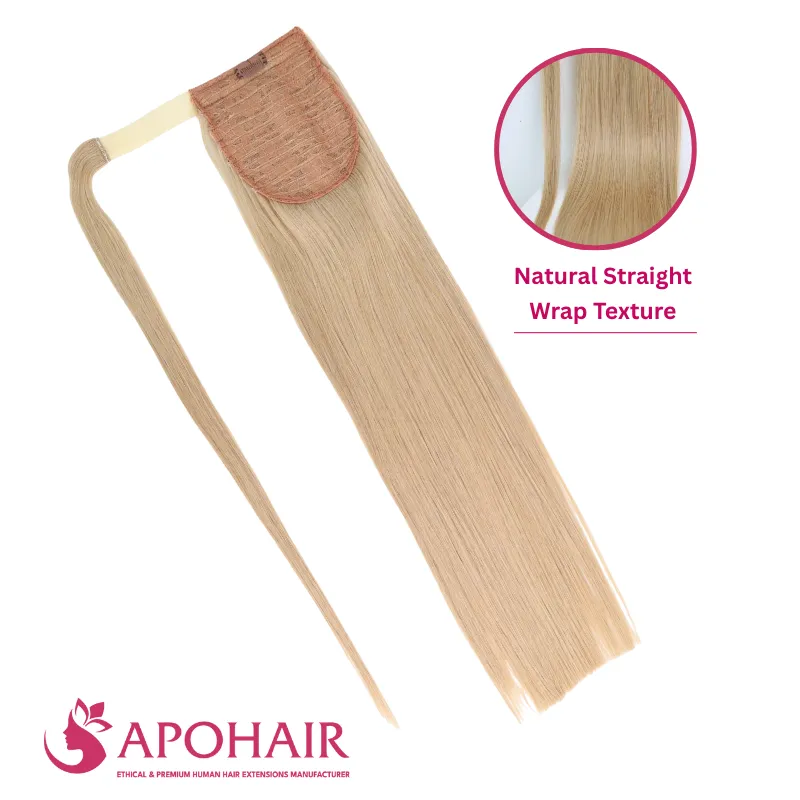
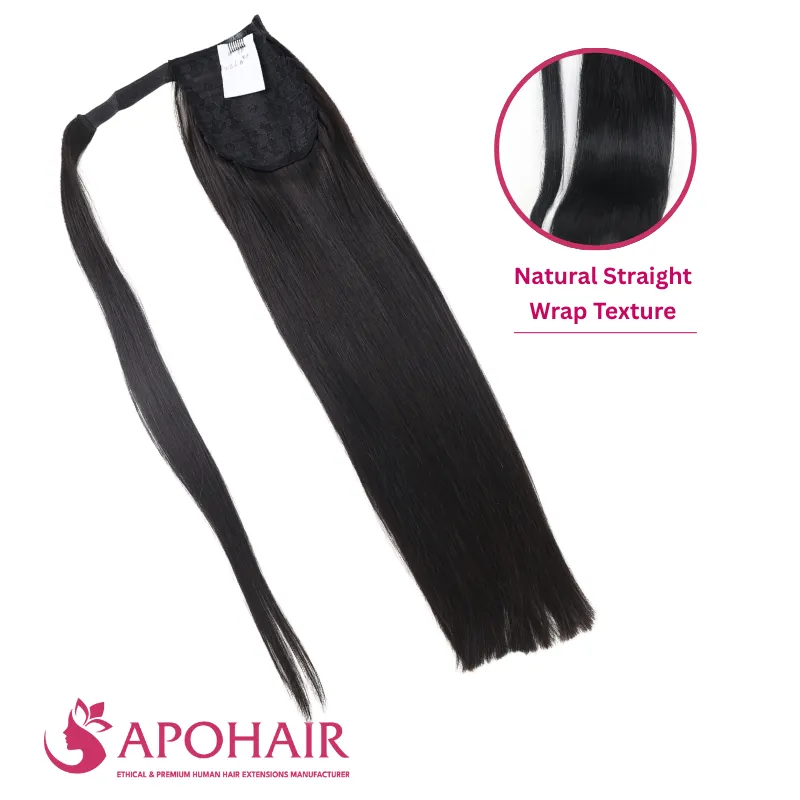
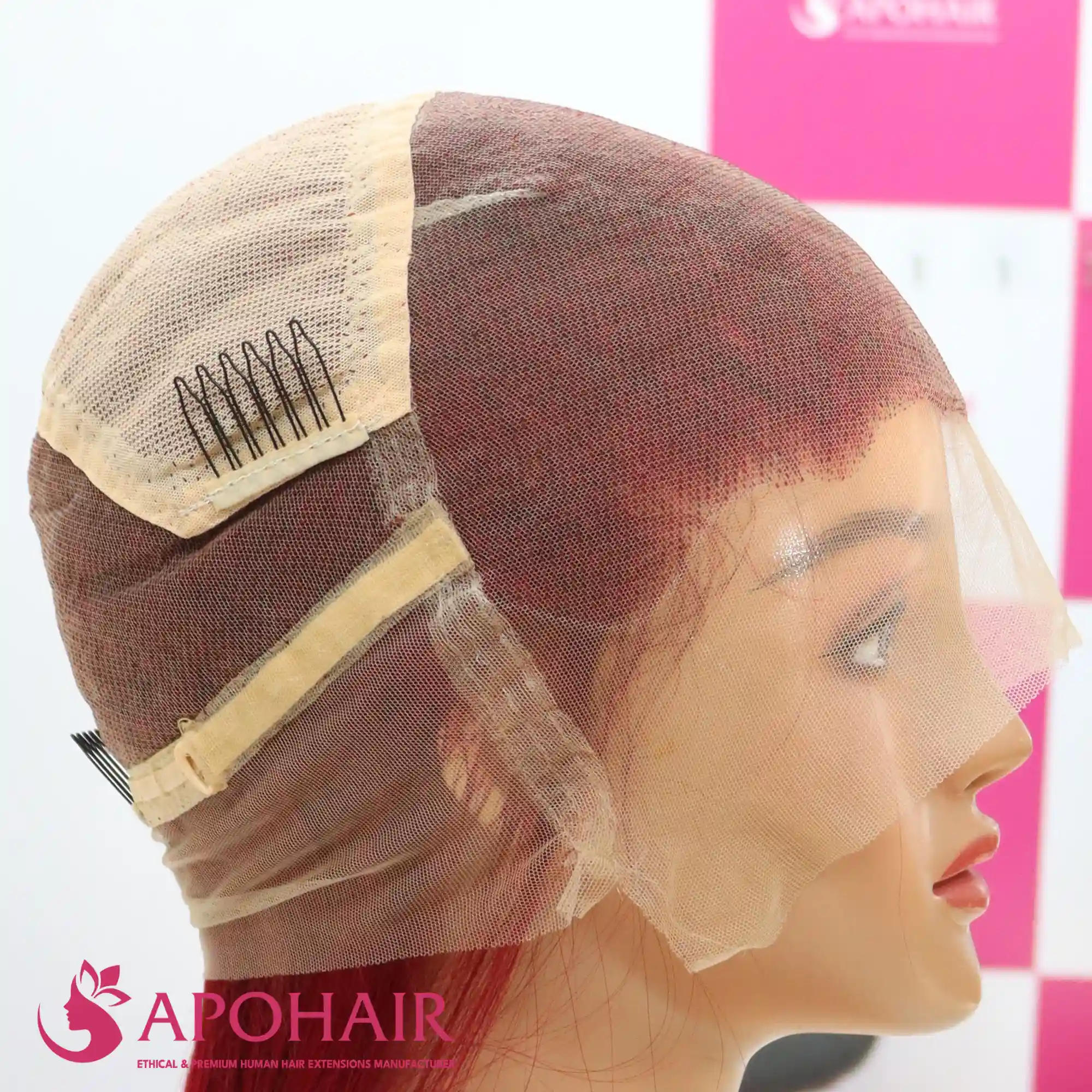
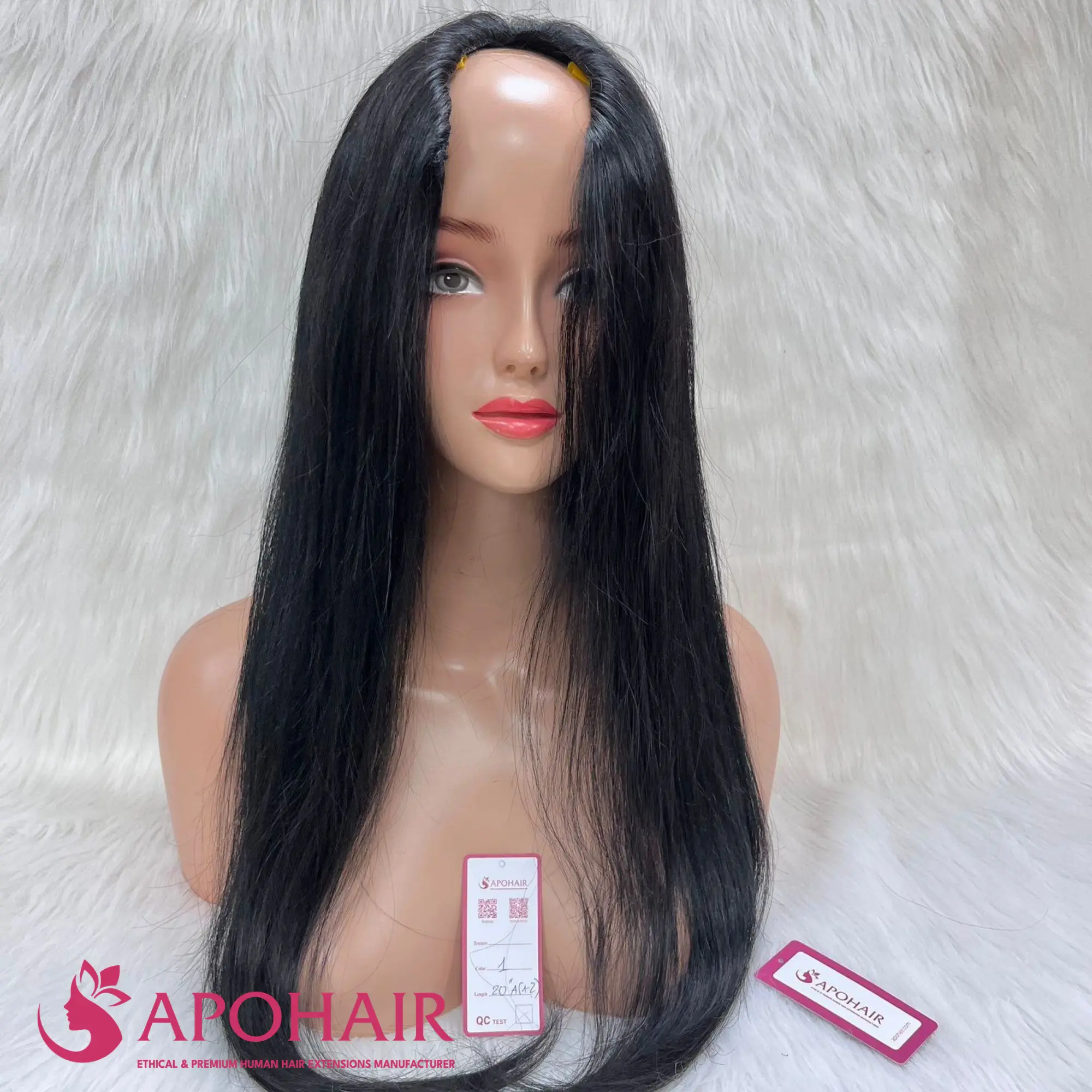
APOHAIR specializes in manufacturing clip-in extensions, seamless clip-ins, and toppers made from 100% Vietnamese human hair. Our products are specifically designed to blend seamlessly with short hairstyles, ranging from pixie cuts to lobs. If you’re looking for volume solutions for short styles for your clients, please contact our wholesale team to request a physical color ring and product samples that match the styles outlined in this guide.
APOHAIR – ETHICAL & PREMIUM HUMAN HAIR EXTENSIONS MANUFACTURER
- Address: Building 3A, Lane 82 Duy Tan, Cau Giay, Hanoi, Vietnam
- Factory: Yen Luong Village, Y Yen District, Nam Dinh Province, Vietnam
- WhatsApp: +84 862 132 366
- Email: wholesale@apohair.com
- Website: https://apohair.com


 ABOUT US
 Human Hair Extensions
 Wholesale Tape-In Hair Extensions
 Clip-In Hair Extensions
 Wholesale Keratin Hair Extensions
 Weft Hair Extensions
 Human Hair Wigs
 Bulk Human Hair For Braiding
 BEST SELLING PRODUCTS
 Contact Us