



26 Best Bob Hairstyles for Oval Faces: Layered Bobs, Lobs, A-Lines, Bangs & Curls
The best bob hairstyles for oval faces are the layered bob, the long bob (lob), and the chin-length blunt bob. An oval face carries balanced proportions, so a bob has nothing to correct. Its perimeter chooses a feature instead, because the eye goes to the feature nearest the line, whether that is the cheekbones, the jaw, the neck, or the collarbone. Four decisions then separate one bob from another: where the perimeter sits, what the fringe covers, how the hair moves, and how much there is. Bobs fail on an oval face only when a heavy fringe shortens it, a piled crown or an unlayered length stretches it, or flat ends leave it lifeless.
An oval face is about one and a half times as long as it is wide. The forehead runs slightly broader than the jaw, and the chin finishes in a soft curve. That balance is why stylists treat the oval as the easiest face to cut for, and a bob puts the claim to a direct test. Every landmark from the earlobe to the collarbone is open to it, and each one shifts the focus to a different feature. Twenty-six bobs use that freedom, from layered and blunt cuts to lobs, fringes, and curls.




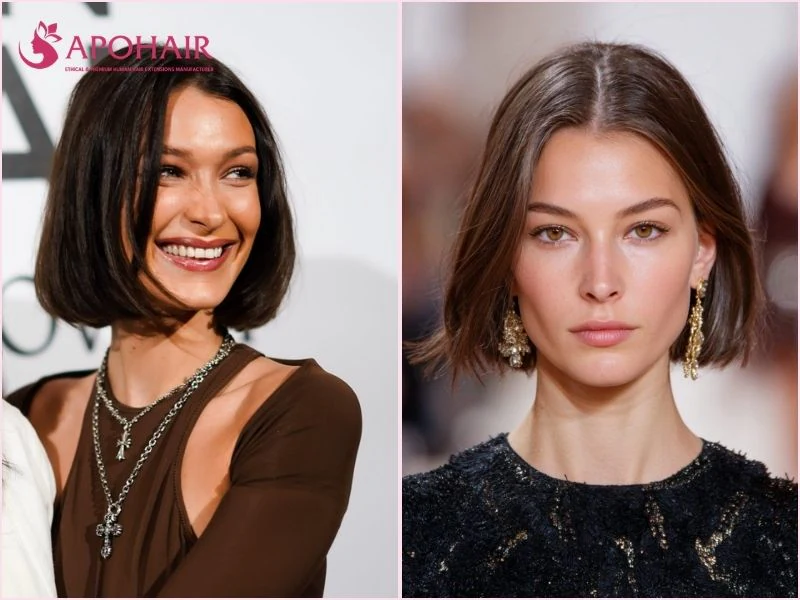


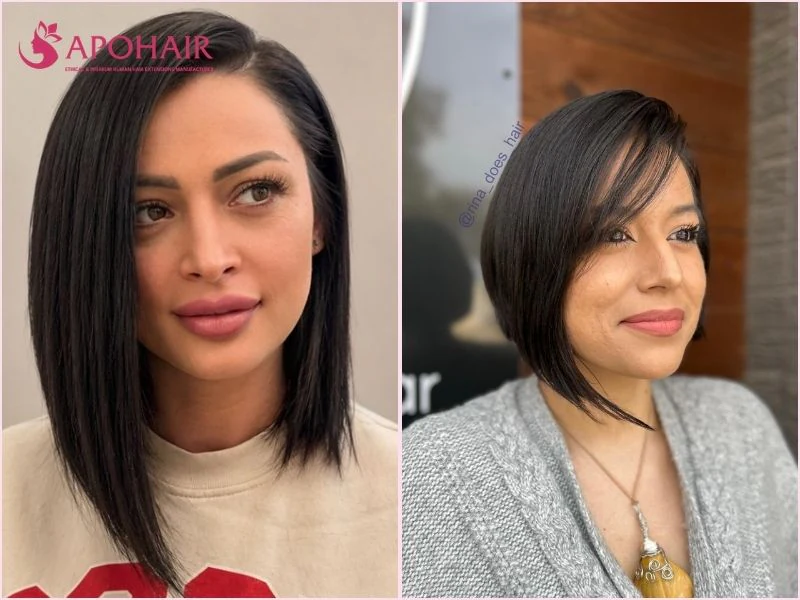

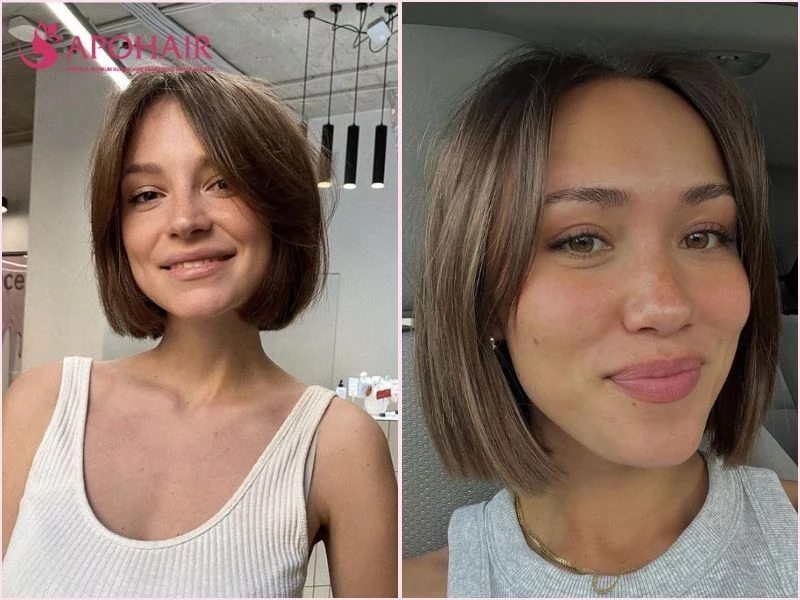


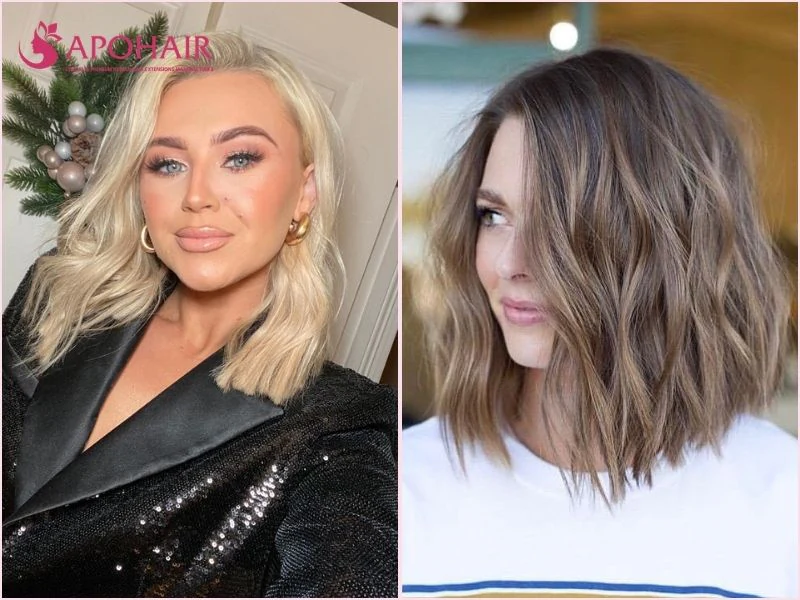

Best Bob Hairstyles for Oval Faces
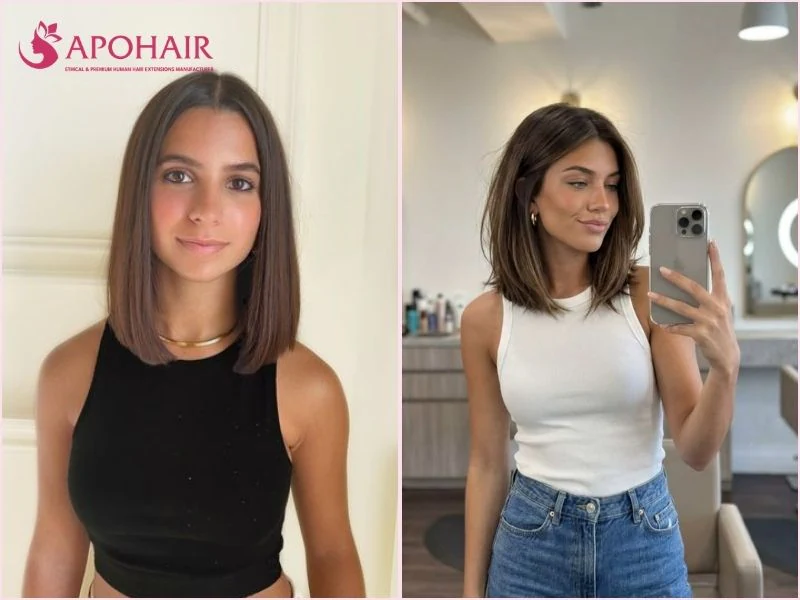
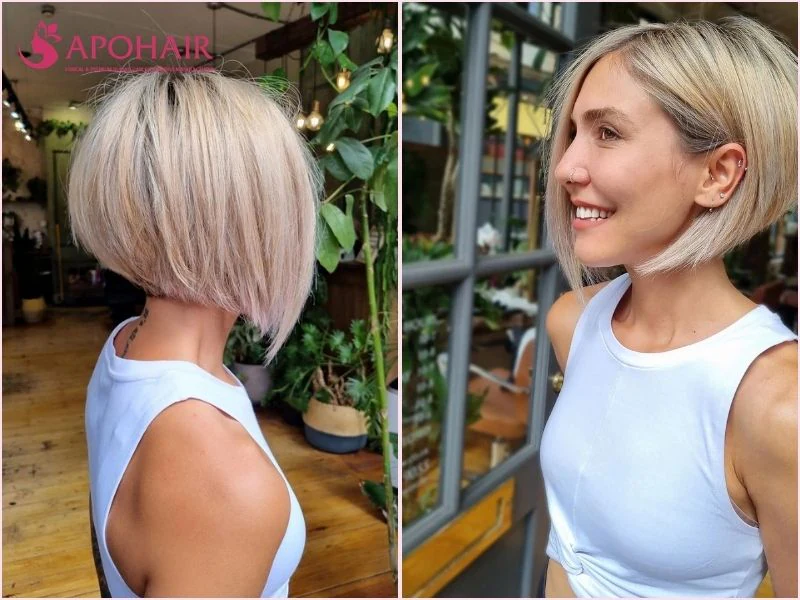
The layered bob, the long bob, and the chin-length blunt bob suit an oval face best, each placing its perimeter at a different landmark without disturbing the face’s balance. The other twenty-three shift the focus, drawing the eye toward the cheekbones, the jawline, the neck, or the curl pattern itself.
1. Layered Bob
A layered bob cuts shorter lengths into a chin-to-shoulder bob, so the hair moves in tiers instead of hanging as one block. On an oval face, the height of those layers is a free choice below the crown, since no zone needs widening or slimming. Layers that begin at the cheekbone put the focus there, and layers that begin at the jaw keep attention on the lower face.
The top layer stays long enough to cover the shorter ones beneath it, which keeps the outline smooth rather than stepped. Layers started close to the crown add height, and height is the quickest way to tip an oval face out of balance. Medium to thick hair carries the tiers best. Fine hair takes only a few long layers, or the perimeter thins into wisps. The layers lose their shape after about 8 weeks.
Why it works: A layered bob’s tiers start anywhere below the crown, at the cheekbone or the jaw, so the cut highlights the chosen feature while keeping an oval face’s balanced proportions intact.
2. Long Bob (Lob)
A long bob, or lob, ends just above the shoulders, long enough to swing and short enough to keep a bob’s shape. On an oval face, that extra length reads as ease rather than stretch, because the proportions leave room for a vertical that a long face could not carry. It is the most requested bob for this face shape, since it wears tucked, waved, or straight without a recut.
A slight forward angle keeps the front from sliding behind the shoulders when the head turns. Blunt ends suit fine hair, which gains density from a solid edge, while thick hair looks lighter with a softly textured perimeter. Every texture works, though Type 1B to 2B hair shows the lob’s swing most clearly. A trim every 10 weeks or so keeps the ends even.
Why it works: A long bob’s length just above the shoulders reads as ease rather than stretch on an oval face’s balanced proportions, which is why the lob is the most requested bob for this face shape.
3. Chin-Length Blunt Bob
A chin-length blunt bob drops every strand to a single level at the chin, leaving one solid, horizontal edge. On an oval face, that edge lands at the narrow end of the oval and underlines the gentle taper of the chin. The face has no length to lose, so the line frames rather than corrects, and the soft curve from jaw to chin becomes the focal point.
Low tension at the comb keeps the line honest, because hair stretched tight during the cut springs shorter once it dries. The edge also needs a check in profile, since a front that dips even slightly turns the shape into an A-line. The blunt finish flatters fine and medium hair, which looks thicker at a heavy edge. Very thick hair gets its interior thinned first so the bottom stays flat instead of flaring. Recutting every 6 weeks holds the line crisp.
Why it works: A chin-length blunt bob’s solid, one-length edge lands at the narrow end of the oval, so the line frames the gentle taper of the chin instead of correcting it.
4. A-Line (Angled) Bob
An A-line bob sits shorter at the nape and grows longer toward the front, ending on a forward diagonal between the chin and the collarbone. On an oval face, that diagonal points straight at the jawline and chin. The balanced proportions let the angle run gentle or steep, and only an extreme drop, with the front well past the collarbone, starts to read long.
A difference of about 1 to 2 inches between back and front gives a soft angle, while 3 inches or more reads dramatic. Light graduation at the back tucks the nape in, so the angle starts cleanly behind the ears. Straight hair shows the line best, because waves and curls blur the diagonal into a rounded shape. The front corners grow past their mark first, so the angle needs recutting every 6 to 8 weeks.
Why it works: An A-line bob’s forward diagonal, shorter at the nape and longer toward the front, points straight at the jawline and chin, and the oval’s balanced proportions let the angle run gentle or steep without reading long.
5. Textured French Bob
A textured French bob sits between the lips and the jaw, one of the highest lines a bob can take. It finishes with a soft, undone texture and often a fringe. On an oval face, that high line leaves the jaw and neck on full view while the cheekbones take the focus. It reads relaxed rather than polished, which suits the oval’s even features.
Point-cutting through the ends breaks the edge so it never looks freshly cut, and an air-dry finish keeps the texture loose. The fringe, when there is one, stays light and wispy at the brows. A heavy, solid fringe on a bob this short is the one version that crowds an oval face. Fine to medium hair, Type 1B to 2B, gives the most natural result. A recut every 5 to 6 weeks keeps the line from drifting below the jaw.
Why it works: A textured French bob’s high line, between the lips and the jaw, leaves the jaw and neck on full view while the cheekbones take the focus, which suits the oval’s already even features.
6. Bob With Blunt Bangs
A bob with blunt bangs sets a straight-across fringe at the brows over a bob that ends at the chin or lower. On an oval face, the fringe makes the eyes the focal point, and the length of bob beneath it keeps the proportions intact. The gap between the two lines is what protects the oval’s balance, so the bob works best at chin length or longer.
The fringe comes from a shallow triangle at the front hairline, which gives a blunt edge without a heavy bar of hair. A deep section piles too much weight onto the forehead, and on an oval face that weight shortens the face. Straight hair keeps the edge cleanest, while wavy hair needs the fringe left slightly longer to allow for lift. The fringe needs recutting every 3 to 4 weeks to stay at the brows.
Why it works: Blunt bangs’ straight-across edge at the brows makes the eyes the focal point, and the gap between the fringe and the bob line protects the oval’s balance as long as the bob stays chin length or longer.
7. Medium Bob
A medium bob ends at mid-neck, roughly halfway between the jaw and the shoulders. On an oval face, the line sits in open space rather than on a feature, so no single point takes over and the face’s own balance carries the look. That neutrality makes the medium bob the easiest length to wear on this face shape from day to day.
Long, invisible layers inside the ends keep the length from looking grown out, which is the medium bob’s usual weak point. A slight bevel underneath turns the ends in toward the neck. Most textures and densities carry it, with medium density giving the smoothest line. The shape lasts about 8 weeks before the bevel softens and the ends start to kick out.
Why it works: Kim Kardashian’s medium bob keeps its line at mid-neck, in open space rather than on a single feature, so her oval face’s own balance carries the look without any point taking over.
8. Short Bob
A short bob sets its perimeter somewhere from the earlobe to the chin, the upper half of the bob range. On an oval face, the higher the line sits, the more of the jaw and neck it shows, and the oval’s gently rounded jaw holds up to that exposure. The shorter the bob, the more the cheekbones and eyes take the focus.
Light graduation at the nape tucks the back into the neck and gives the bob a rounded profile. A flat back of the head benefits most, since the graduation builds the curve the skull lacks. Fine to medium hair lies neatest at this length. Thick hair needs weight taken out through the middle lengths, or the short line puffs out at the sides. At this height, even half an inch of growth shows, so a trim every 5 to 6 weeks holds the shape.
Why it works: Bella Hadid’s short bob sets its perimeter near the earlobe, the upper half of the bob range, so it shows more of the jaw and neck, and her oval face’s gently rounded jaw holds up to that exposure.
9. Bob With Curtain Bangs
A bob with curtain bangs opens its fringe at the center and sweeps each half out toward the cheekbones, over a bob of any length from chin to shoulder. On an oval face, the two sweeps end at the cheekbones, so the fringe frames the oval at its widest point. A high forehead gets partial cover without the face closing in.
A cowlick at the front hairline decides where the fringe splits, because the hair already parts there on its own. Setting the split on that natural break keeps both halves lying evenly instead of one springing up. Straight and wavy hair hold the sweep without much styling, and curly hair needs the fringe left longer so the spring does not lift it into the eyes. A trim every 6 weeks keeps both sides level with the cheekbones.
Why it works: Curtain bangs’ two sweeps end right at the cheekbones, so the fringe frames the oval at its widest point while a high forehead still gets partial cover.
10. Bob With Side-Swept Bangs
A bob with side-swept bangs brushes a long fringe across the forehead from a side part, over a bob that ends at the chin or jaw. On an oval face, the diagonal breaks an already symmetrical frame on purpose, so the look gains movement without any proportion shifting. The sweep also puts one eye and one cheekbone forward, which gives a balanced face a single point of focus.
The fringe follows the hair’s natural part, since a sweep set against the growth pattern falls back toward the center by midday. Its longest point ends at the cheekbone and blends into the bob’s front edge. Fine and medium hair sweep with little effort. Coarse or curly hair takes a blow-dry in the direction of the sweep to keep the angle. The fringe reaches the eyes within a month, so it goes back for a trim every 4 to 5 weeks.
Why it works: Krysta Rodriguez’s and Elliot Page’s side-swept bangs sweep a long diagonal fringe across the forehead, breaking an already symmetrical oval frame on purpose and putting one eye and one cheekbone forward as a single point of focus.
11. Long Inverted Bob
A long inverted bob stacks the back into a rounded, lifted shape while the front falls longer. The front reaches just below the chin on a subtle version and the collarbone on a bold one. On an oval face, the front lengths frame the jaw and chin, and the stacked back gives the profile a curve that a one-length bob lacks. From the front the face stays balanced; from the side, the head gains shape.
The stack sits between the nape and the occipital bone. Carried higher, it turns into crown volume, the one kind of lift an oval face does not need. The drop from back to front stays within about 2 inches on a subtle version and grows steeper on a bolder one. Medium to thick hair builds the stack best, while fine hair shows the scalp through tight graduation. The stacked section outgrows the front, so the back needs recutting every 6 weeks.
Why it works: A long inverted bob’s stacked back and longer front lengths frame the jaw and chin while giving the profile a curve that a one-length bob lacks, keeping an oval face balanced from the front.
12. Graduated Bob
A graduated bob uses elevation at the back to build a curve of weight above the nape, while the front falls nearly level at the chin or jaw. On an oval face, that curve at the back repeats the curve of the face, so the profile reads as one continuous oval. The bob looks sculpted without adding anything to the front view.
The elevation sets the look, and lifting the hair to around 45 degrees during the cut builds a soft, rounded weight line. Taken higher, the weight climbs toward the crown and starts to add height. Finer hair gains the most, since the graduation makes thin hair look fuller at the back. Thick hair gets the nape thinned first, or the shelf turns bulky. Graduation softens quickly as it grows, so a recut every 6 weeks keeps the curve.
Why it works: A graduated bob’s elevated weight line at the back repeats the curve of the face, so the profile reads as one continuous oval without adding anything to the front view.
13. Stacked Bob
A stacked bob layers the back into short, visible tiers at the nape that rise into a fuller shape behind the ears, while the front drops to the chin. On an oval face, all that volume sits behind the face, so the outline of the jaw and cheekbones stays clean from the front. The oval’s natural shape becomes the frame, and the stack supplies the drama.
The tiers come from scissor-over-comb work at the nape, each one slightly longer than the tier beneath it. Kept below the widest part of the back of the head, the stack adds shape; pushed higher, it lifts the crown and tips an oval face toward long. Thick, coarse hair shows each tier clearly, while fine hair lets the scalp show at the nape. The short nape outgrows its shape fast, so the back needs cleaning up every 5 to 6 weeks.
Why it works: A stacked bob’s short tiers pile all their volume behind the head, so the outline of the jaw and cheekbones stays clean from the front while the stack supplies the drama.
14. Asymmetrical Bob
An asymmetrical bob cuts one side noticeably longer than the other, often from the jaw on the short side to the collarbone on the long one. On an oval face, the even features give the eye a steady reference, so the uneven line reads as a deliberate contrast rather than a mistake. The longer side frames one cheekbone and the jaw beneath it.
A difference of at least 1.5 inches between the sides keeps the asymmetry from looking like an uneven trim. The longer side usually goes on the heavier side of the part, where the extra hair lets it fall smoothly. Straight hair shows the contrast most sharply, since curls round off the difference. Both sides grow at the same rate and the gap looks smaller as they do, so a recut every 6 weeks keeps it bold.
Why it works: An asymmetrical bob’s noticeably longer side, jaw on the short side to collarbone on the long one, reads as a deliberate contrast against the oval’s even features rather than a mistake.
15. C-Shaped Rounded Bob
A C-shaped bob curves its outline inward from the cheekbone to the ends, which tuck under at the chin or jaw. On an oval face, the curve of the bob follows the curve of the cheek and jaw, so the frame repeats the face’s own outline instead of correcting it. The effect is soft and classic, and it keeps the focus on the lower face.
The depth of the C is a choice. A shallow curve keeps the jaw visible, while a deep curve that closes under the chin hides the jawline an oval face usually shows off. Straight to slightly wavy hair holds the curve, and a round-brush blow-dry sets it for the day. Humid air relaxes the tuck within hours on fine hair. The curve needs a recut every 6 to 8 weeks to land at the right height.
Why it works: A C-shaped bob’s inward curve, tucking under at the chin or jaw, follows the curve of the cheek and jaw, so the frame repeats an oval face’s own outline instead of correcting it.
16. Jaw-Length Bob
A jaw-length bob ends right at the angle of the jaw, just above where a chin-length cut would stop. On an oval face, that line traces the jaw’s soft curve and turns it into the focal point, which suits the oval’s gently defined lower face. The neck stays fully visible beneath it without adding length to the face.
The front corners of the line meet the jaw angle with the chin parallel to the floor. A chin tipped down during the cut drops the line lower once the head comes back up. Blunt ends give fine hair a solid edge at this length, and straight to wavy textures show it most clearly. Thick hair lies flatter with a little weight taken from behind the ears. Recutting every 6 to 8 weeks keeps the line on the jaw.
Why it works: A jaw-length bob’s line, ending right at the angle of the jaw, traces the jaw’s soft curve and turns it into the focal point, which suits the oval’s gently defined lower face.
17. Collarbone Lob
A collarbone lob reaches exactly to the collarbone at the front, the lowest landmark that still counts as a bob. On an oval face, it extends the frame past the jaw and neck to the neckline, so the collarbone joins the face in the picture. The balanced proportions keep that length from reading long, which is why an oval carries this lob more easily than a long face does.
Relaxed shoulders give the true length, since shoulders lifted during the cut leave the ends short once they drop. Blunt ends keep the lob from reading like grown-out long hair. Curly hair needs extra length for shrinkage, or the ends spring up to shoulder height. Every density works. Upkeep stays low, with a trim every 10 to 12 weeks.
Why it works: A collarbone lob’s length, reaching exactly to the collarbone, extends the frame past the jaw and neck to the neckline, and the oval’s balanced proportions keep that length from reading long.
18. Shoulder-Length Bob
A shoulder-length bob falls until its ends just meet the tops of the shoulders, the point where a bob starts to move with the body. On an oval face, the face itself stays open and unframed while the ends add motion beneath it. The look is easy and loose, and it keeps every feature visible.
Ends resting on the shoulders bend outward whenever the head turns, so a flip becomes part of the cut’s behavior. A length about 1 inch higher avoids the flip when a straight fall is the goal. Blunt ends make the flip look intentional, while layered ends let it scatter. Medium to thick hair flips most evenly. A trim every 10 weeks keeps the length from sliding past the shoulders.
Why it works: A shoulder-length bob’s ends, resting right on top of the shoulders, add motion beneath the face while leaving it open and unframed, keeping every feature visible on an oval face.
19. Textured Choppy Bob
A textured choppy bob breaks its ends into short, uneven pieces that separate and kick in different directions. On an oval face, the rough edge adds energy around features that are already calm and even, so the contrast reads as style rather than disorder. The bob line underneath still sits at the chin or jaw, keeping the frame tidy beneath the texture.
A razor or deep point-cutting separates the ends, and the razor gives the softest, most broken finish. Razors fray curly and coarse hair, so scissors do the job on those textures. Straight and wavy hair show the chop best, and a little texture spray lifts the pieces apart. The broken edge hides regrowth, so the shape lasts 8 to 10 weeks between cuts.
Why it works: A textured choppy bob’s short, uneven pieces at the ends add energy around features that are already calm and even, so the contrast on an oval face reads as style rather than disorder.
20. Shaggy Bob
A shaggy bob runs choppy, feathered layers through a chin-to-shoulder bob, finishing with a soft, tousled outline. On an oval face, the layers can spread volume evenly around the sides and back, since no side needs building up and no zone needs slimming. The shag frames the cheekbones and jaw at once and keeps the look relaxed.
The top layers stay long so the shag spreads outward instead of stacking at the crown, where too much lift stretches an oval face. Wavy hair in the Type 2A to 2C range builds the tousled texture on its own. Fine hair loses its perimeter under heavy layering, so a lighter shag suits it better. It grows out softly and needs reshaping about every 10 weeks.
Why it works: A shaggy bob’s choppy, feathered layers spread volume evenly around the sides and back since no zone on an oval face needs slimming, framing the cheekbones and jaw at once.
21. Wolf Bob
A wolf bob blends shag layering into a bob-length perimeter around the jaw, giving a full, textured top section over thin, wispy ends. On an oval face, the fullness settles around the cheekbones, the widest point of the oval, and the wispy ends keep the jaw light. An oval carries more upper volume than a long face, as long as the crown itself stays moderate.
The balance of heavy top to feathery ends decides the result. Layers taken too short at the crown pile up height, the single wolf-bob mistake an oval face makes obvious. Thick hair gives the most dramatic split, and wavy texture helps the top look full without teasing. On thin strands the ends vanish and the shape collapses into a plain shag. Curtain bangs often finish the look, blending straight into the top layers. The layers need reshaping every 8 to 10 weeks.
Why it works: A wolf bob’s full, textured top over thin, wispy ends settles its fullness around the cheekbones, the widest point of the oval, while the wispy ends keep the jaw light as long as the crown stays moderate.
22. Butterfly Bob
A butterfly bob layers a short, face-framing tier around the cheekbones over a longer base that reaches the jaw or below. On an oval face, the two lengths frame two features at once, the cheekbones with the upper tier and the jawline with the lower one. The balanced proportions let both frames sit at their natural height without adjustment.
The upper tier lands at the cheekbone and flicks outward with a round-brush blow-dry, which gives the cut its wing shape. The two tiers stay clearly separate; blended too smoothly, they read as an ordinary layered bob. Medium to thick hair keeps the split visible, and Type 1B to 2B hair shows it best. Fine hair merges the tiers into one. The shape needs a refresh every 8 weeks.
Why it works: A butterfly bob’s two tiers, a short one at the cheekbones over a longer base at the jaw, frame two oval face features at once without adjusting either.
23. Face-Framing Bob
A face-framing bob shapes the front sections into shorter pieces that curve toward the face, while the back keeps the bob’s full length at the chin or shoulders. On an oval face, the stopping point of those pieces works like a pointer. At the cheekbone they spotlight the cheekbones, at the lips they soften the mouth, and at the chin they underline the jaw’s taper.
The shortest piece sets the landmark, and each piece behind it steps down gradually into the perimeter so no gap shows. Wavy hair makes the framing curl in on its own, while straight hair needs a quick bend with a flat iron. Medium and thick hair keep the front pieces distinct from the rest of the bob. Framing grows past its landmark within about 8 weeks, which sets the recut schedule.
Why it works: A face-framing bob’s shorter front pieces work like a pointer at their stopping point, spotlighting the cheekbones or underlining the jaw on an oval face depending on where they land.
24. Italian Bob
An Italian bob falls between the chin and the jaw with a thick, weighted edge, and its lengths bend into soft, rounded waves. On an oval face, the fullness at the jaw rounds out the lower third, where an oval sits slightly narrower than its cheekbones, without broadening the face overall. The result looks generous and polished, with the balance intact.
The weight comes from a solid, even edge with loose internal layering that lets the waves form without thinning the line. A big round brush or large rollers set the shape, and the finish stays brushed out rather than defined into curls. Medium to thick hair supplies the body the cut depends on; fine hair looks flat in it. A recut every 7 weeks keeps the edge heavy.
Why it works: An Italian bob’s thick, weighted edge at the jaw rounds out the lower third, where an oval sits slightly narrower than its cheekbones, without broadening the face overall.
25. Beach-Wave Lob
A beach-wave lob pairs a shoulder-grazing long bob with loose, uneven waves from the mid-lengths down. On an oval face, the waves add movement through the length without pulling width or height in any one direction, so the balance holds while the look turns relaxed. The lob’s length gives the waves room to form, which a shorter bob cannot.
The waves start a few inches from the roots, since a wave that begins at the scalp lifts the crown. Leaving the last inch of each strand straight gives the modern, undone finish. Light layers through the ends help the waves separate instead of forming one mass. Type 1B to 2B hair holds the bend longest, and a sea-salt spray adds grip to finer strands. The cut underneath needs a trim every 8 to 10 weeks.
Why it works: A beach-wave lob’s loose, uneven waves from the mid-lengths down add movement without pulling width or height in any one direction, so the oval’s balance holds while the look turns relaxed.
26. Curly Bob
A curly bob gives natural curls control of the shape, building a rounded silhouette from the crown to ends at chin or jaw length. On an oval face, that round outline surrounds the face evenly, and the oval sits at its center like a portrait in a frame. The curls can take volume wherever they want, since no side of the face needs slimming.
Shaping the curls dry, in their natural pattern, reveals where each one settles after it springs up. Long internal layers keep the curls stacking evenly around the head rather than pooling at the bottom into a triangle. Crown height is the one limit, because tight curls stack upward and can stretch an oval face. Curl types from 3A to 4A carry it well, and the shape needs reshaping every 8 to 10 weeks.
All twenty-six share one advantage on an oval face: the perimeter can sit at any landmark. The choice comes down to the feature worth showing and the hair that has to hold the line.
Why it works: A curly bob’s natural curls build a rounded silhouette that surrounds the face evenly, and the oval sits at its center like a portrait in a frame, since no side needs slimming.
Bobs sit inside a larger set of short cuts. Short hairstyles for oval faces puts 15 cuts side by side, from the classic pixie and the textured crop to the short shag and the blunt lob, and compares them by length, fringe, hair texture, density, and upkeep.
How to Choose a Bob for an Oval Face
Four decisions choose the right bob for an oval face: the landmark where the perimeter sits, the fringe and how much forehead it covers, the way the hair moves, and how much hair there is to work with. Because the oval already has balance, each decision picks a feature to show rather than a flaw to fix.
Choose by Where You Want the Perimeter
On an oval face, the perimeter can sit at any landmark from the earlobe to the collarbone, so its position simply decides which feature takes the focus. A short bob or French bob above the jaw shows the whole jawline and neck. A chin-length or jaw-length line underlines the lower face, while a medium bob at mid-neck stays neutral. A lob or collarbone lob brings the neckline into the frame without making the face look long.

A bob above the jaw is the nearest step to a pixie. The pixie cut for oval shape face list goes shorter still, with 24 versions from the long pixie to the buzz crop, and adds neck length as a fourth decision beside length, fringe, and texture.
Choose by Fringe Type and Forehead Height
On an oval face, a fringe is optional, and forehead height decides whether one helps. With an average forehead, a bob works well with no fringe at all. A higher forehead suits curtain or side-swept bangs, which cover part of it while leaving the face open. Blunt bangs sit best over a bob at chin length or longer, cut light enough that the forehead does not vanish under a heavy bar.

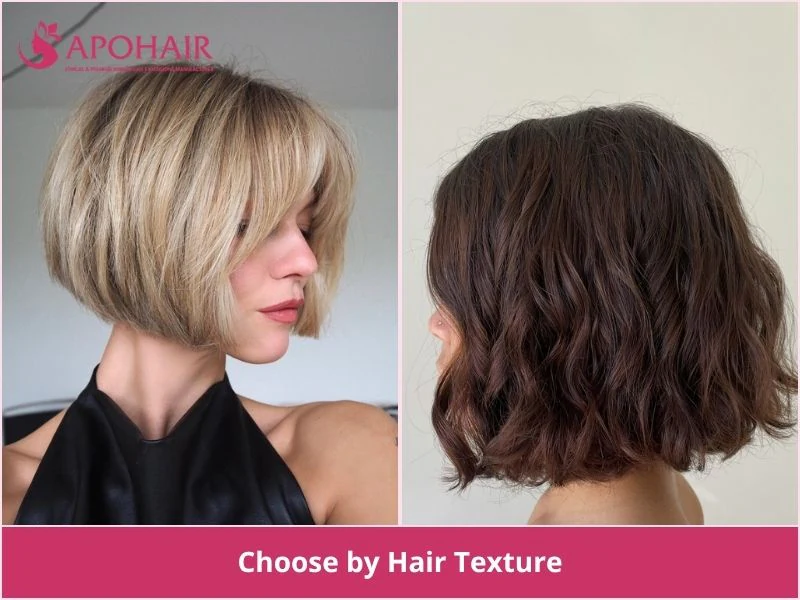
Choose by Hair Texture
Hair texture decides which bob holds its intended shape on an oval face. Straight hair, Type 1A to 1C, shows a precise line best, so it suits blunt, A-line, graduated, and asymmetrical bobs. Wavy hair, Type 2A to 2C, brings movement to layered and shaggy shapes with little styling. Curly hair, Type 3A to 4A, suits a curly bob shaped dry, where the curls supply the rounded outline themselves.
Choose by Hair Density
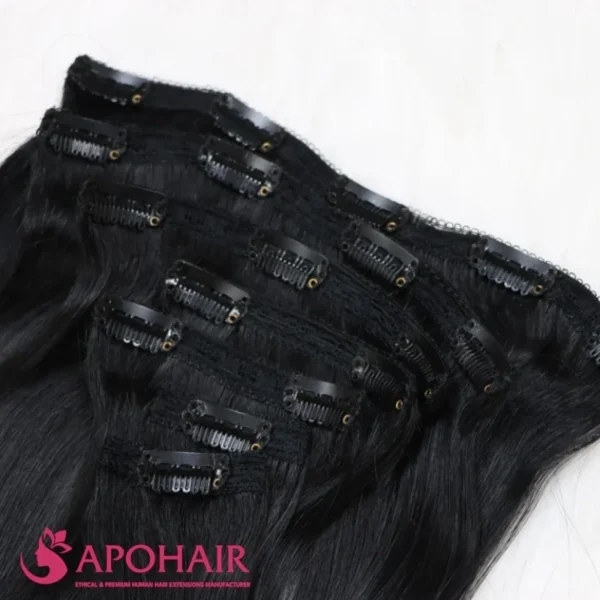
Hair density decides how much structure a bob needs on an oval face: fine hair looks fullest in a blunt, one-length bob, and thick hair suits layered shapes. A chin-length blunt bob or a jaw-length bob with solid ends gives fine hair the edge it depends on. Thick hair wears layered, shaggy, and Italian bobs well, though blunt shapes need interior thinning. Where the perimeter of a lob or medium bob looks thin, a few clip-in wefts under the top layer thicken the line and come out at night.

Which Bob Styles Should You Avoid With an Oval Face?
The bob styles to avoid on an oval face are the ones that shorten it with a heavy fringe, stretch it with piled crown volume or unlayered length, or flatten it with ends that never move. Each one pulls a balanced shape out of proportion, which no texture or density puts right:
- A heavy blunt fringe with a short bob. A thick fringe at the brows plus a line at the ear or jaw leaves only a narrow band of face between them. That band shortens an oval face and makes it look squat.
- A bob with piled crown volume. Height stacked at the crown over a flat bob stretches an oval face upward, so it starts to read long.
- A one-length bob past the collarbone with no layers. Past the collarbone, the bob hangs as a single heavy sheet, and its weight drags the face down instead of framing it.
- A flat bob with no movement through the ends. Ends that hang limp and dead straight past the jaw, with no bevel, swing, or texture, form two flat panels beside the face. They hide the curve of the cheek and jaw that makes an oval worth framing.

An oval face is thrown off by those four, while a round face needs a different correction because it is nearly as wide as it is long. Bob hairstyles for round faces runs through 18 cuts that put the perimeter below the chin or angle it downward to draw vertical lines beside the cheeks.
Frequently Asked Questions
Is a Bob Good for an Oval Face?
A bob is one of the best cuts for an oval face, because balanced proportions let the perimeter sit at almost any landmark. A chin-length blunt bob frames the chin, a jaw-length bob underlines the jaw, and a lob brings the collarbone into view. The only bobs that fail are the ones that tip the balance with a heavy fringe, a piled crown, an unlayered length past the collarbone, or flat ends.
Is a Layered Bob Good for an Oval Face?
A layered bob suits an oval face very well, since the face needs no width or length correction and the layers can sit at any height below the crown. Layers that begin at the cheekbone highlight the cheekbones, while layers that begin at the jaw keep the focus low. The one limit is the crown, where short layers add height that stretches an oval face.
Can an Oval Face Wear a Blunt Bob?
An oval face wears a blunt bob easily, and a chin-length blunt bob is one of the strongest choices. The solid, one-length edge frames the gentle taper of the chin and makes fine hair look thicker. The line looks best at the chin or jaw. A blunt bob that runs past the collarbone with no layers loses its shape and drags the face down.
Is a Long Bob or a Short Bob Better for an Oval Face?
Both a long bob and a short bob work on an oval face, so the choice depends on which feature to show. A short bob, from the earlobe to the chin, shows more of the jaw and neck and puts the cheekbones forward. A long bob, just above the shoulders, frames the neckline and grows out gently. The lob is the easier everyday choice, while the short bob makes the bolder statement.
Should an Oval Face Get a Bob With Bangs?
An oval face does not need bangs, but a fringe suits it when the forehead is high or the look calls for a frame around the eyes. Curtain and side-swept bangs cover part of the forehead while keeping the face open. Blunt bangs work over a bob at chin length or longer. A heavy fringe shortens the face at any length, most of all on a very short bob.
What Bob Suits an Oval Face With Fine Hair?
A chin-length blunt bob or a jaw-length bob with blunt ends suits an oval face with fine hair. A solid edge makes thin hair look thicker, while heavy layering thins the perimeter into wisps. A graduated bob also works, since the rounded back adds visible fullness. Light texture on the surface adds movement without taking weight from the ends.
Conclusion
Within the wider set of hairstyles for oval faces, the bob comes down to emphasis rather than correction. With balanced proportions in place, the perimeter can stop anywhere from the earlobe to the collarbone, and the feature nearest that line takes the focus. The real risks are a heavy fringe on a short bob, a piled crown, a long unlayered length, and flat ends, each of which tips the balance. Texture and density then settle which of the 26 bobs holds its shape.
If you run a salon or supply hair to one, bob clients often want the fullness of an Italian bob or the length of a lob before their own hair gets there. Our team can send samples and factory-direct pricing on texture-matched clip-in wefts and bulk hair, and clients who want a finished bob without waiting for their own hair can be offered units from our wholesale wig factory. Because we are a wholesale human hair factory that manufactures 100% Vietnamese Human Hair in our own facility, you can match density and texture to each client rather than relying on whatever a middleman had in stock.
Stocking for bob and lob clients: Bob clients often want an Italian bob’s fullness or a lob’s length before their own hair gets there, so a buyer who serves them can cover several formats from one supplier.
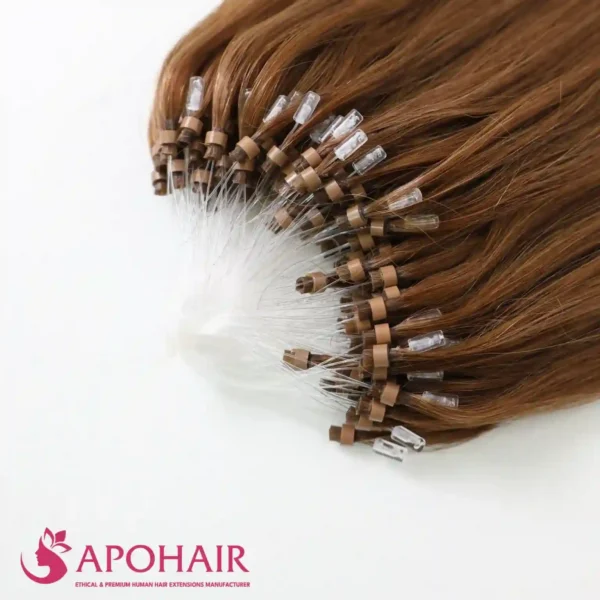
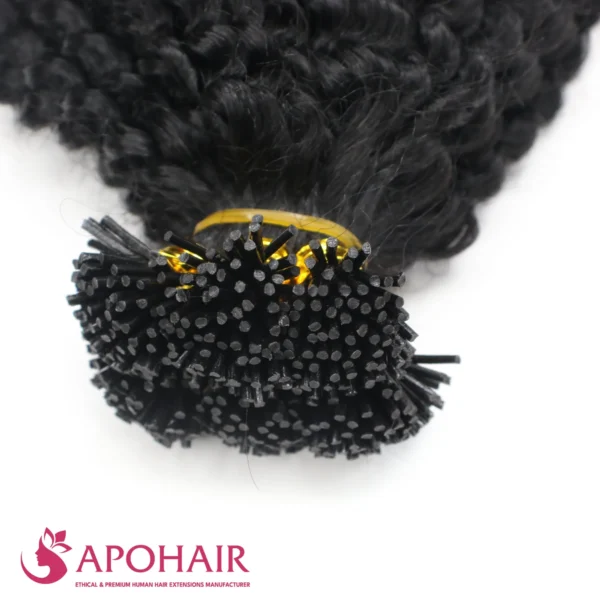
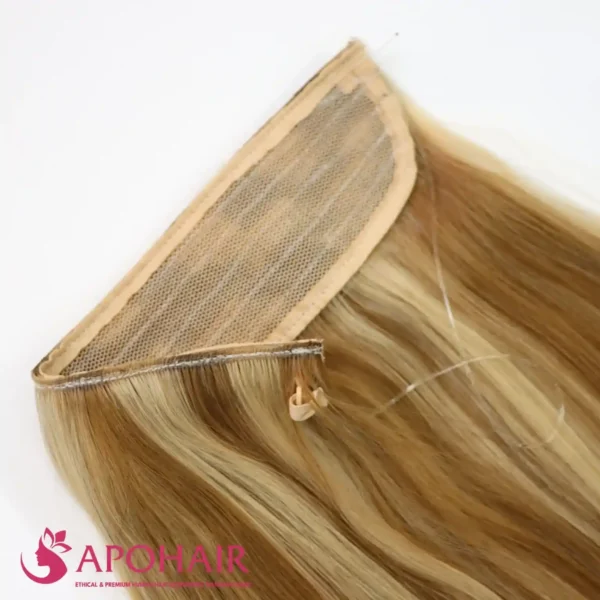
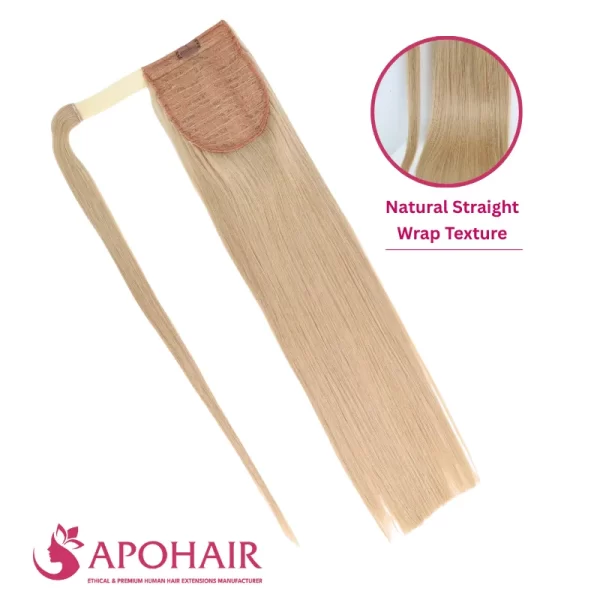
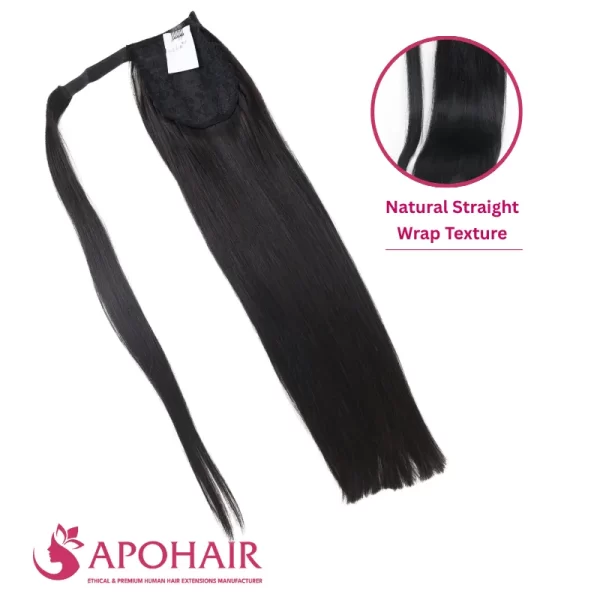
Extensions: A salon or reseller can source from a wholesale hair extensions factory across tape-in, keratin tip, clip-in, and weft formats, then keep the ones that match lob and bob clients.
Bundles: Straight blunt bobs, wavy layered bobs, and curly bobs ask for different textures, so a retailer can order wholesale bundles of human hair at about 100g per bundle, from silky straight to kinky curly, starting from a single set.
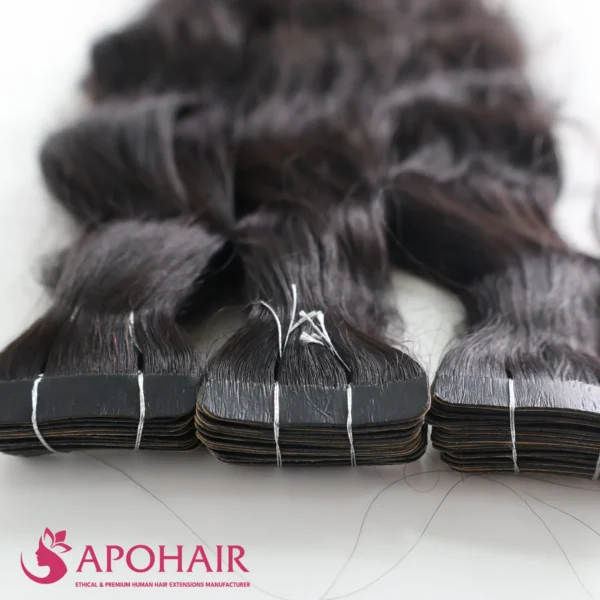
Tape-in: Fine-haired clients who keep a blunt chin-length bob look for fullness at the ends, and buyers can order wholesale tape in hair extensions in four variants, including an invisible tab for fine to medium hair, from a 200g minimum.
Clip-in: A few clip-in wefts under the top layer thicken a thin lob perimeter and come out at night, so resellers can order remy clip in hair extensions wholesale from a 200g minimum for that use.
Weft: Buyers who want to stock wholesale weft hair extensions for clients adding lob length can choose from eight weft types, from machine weft for medium to thick hair to feather weft for very fine hair, and one order can mix textures, colors, and lengths.
APOHAIR — ETHICAL & PREMIUM HUMAN HAIR EXTENSIONS AND WIGS MANUFACTURER
- Address: Building 3A, Lane 82 Duy Tan, Cau Giay, Hanoi, Vietnam
- Factory: Minh Luong, Yen Luong Ward, Ninh Binh, Vietnam
- WhatsApp: +84 862 132 366
- Email: [email protected]
- Website: https://apohair.com/
