









Straight vs Wavy Hair: Key Differences & Hair Texture Guide Explained
Straight hair grows from round follicles that make flat, even strands. On the flip side, wavy hair comes from oval follicles that curve each strand into an S-shape. Basically, the shape of that follicle is what decides your hair texture. One thing to know is that straight hair moves natural oils from your scalp to the ends pretty fast. Wavy hair, though, usually has drier ends since those natural oils have a hard time getting past the S-shaped curves. Waves also get frizzy more often because the hair surface picks up moisture from the air quickly, making the strands puff up unevenly.
If you want to switch things up, you can change straight hair to wavy by using braids, curling irons, salt sprays, or even a perm. Just be careful, because permanent changes can leave your hair feeling dry or cause it to break. Picking the right look for you depends on your face shape, the weather where you live, and your daily schedule.
This guide shows you the main differences in how straight and wavy hair feel, how they hold moisture, and how they look in terms of volume and shine. You will get some handy tips on changing your texture, picking a style that fits your life, and finding high-quality extensions for your shop or your own look.

What Are the Differences Between Straight Hair vs Wavy Hair?
Straight hair grows flat from your roots all the way to the ends because it comes from a smooth, round follicle. On the other hand, wavy hair has those S-shaped curves because its follicle is more of an oval shape. These small differences in how your hair is built actually change a lot, like how natural oils move down the hair, how much volume you get, and even how much it frizzes or shines. To make it easy, we’ve put together a table that looks at five main things to show you how straight and wavy hair really compare.
| Aspect | Straight Hair (Type 1) | Wavy Hair (Type 2) |
| Hair Structure and Follicle Shape | Round, symmetrical follicle produces a flat strand with uniform tension from root to end | Oval or asymmetrical follicle creates uneven tension that bends the strand into S-shaped waves |
| Oil and Moisture Distribution | Sebum flows quickly from scalp to tip along the smooth shaft, coating the full strand evenly | S-shaped bends slow sebum travel, causing oil to pool near the scalp and leaving ends drier |
| Volume | Strands lie close to the scalp, producing a sleek, flat profile without product | S-shaped bends lift strands away from the scalp, creating natural fullness and body |
| Frizz | Flat, compact cuticle resists humidity and reflects light smoothly | Raised cuticle edges at each bend absorb humidity, causing strands to swell unevenly |
| Shine | Smooth, flat surface reflects light uniformly for a high-gloss finish | Slightly lifted cuticles scatter light, producing a softer, more diffused sheen |
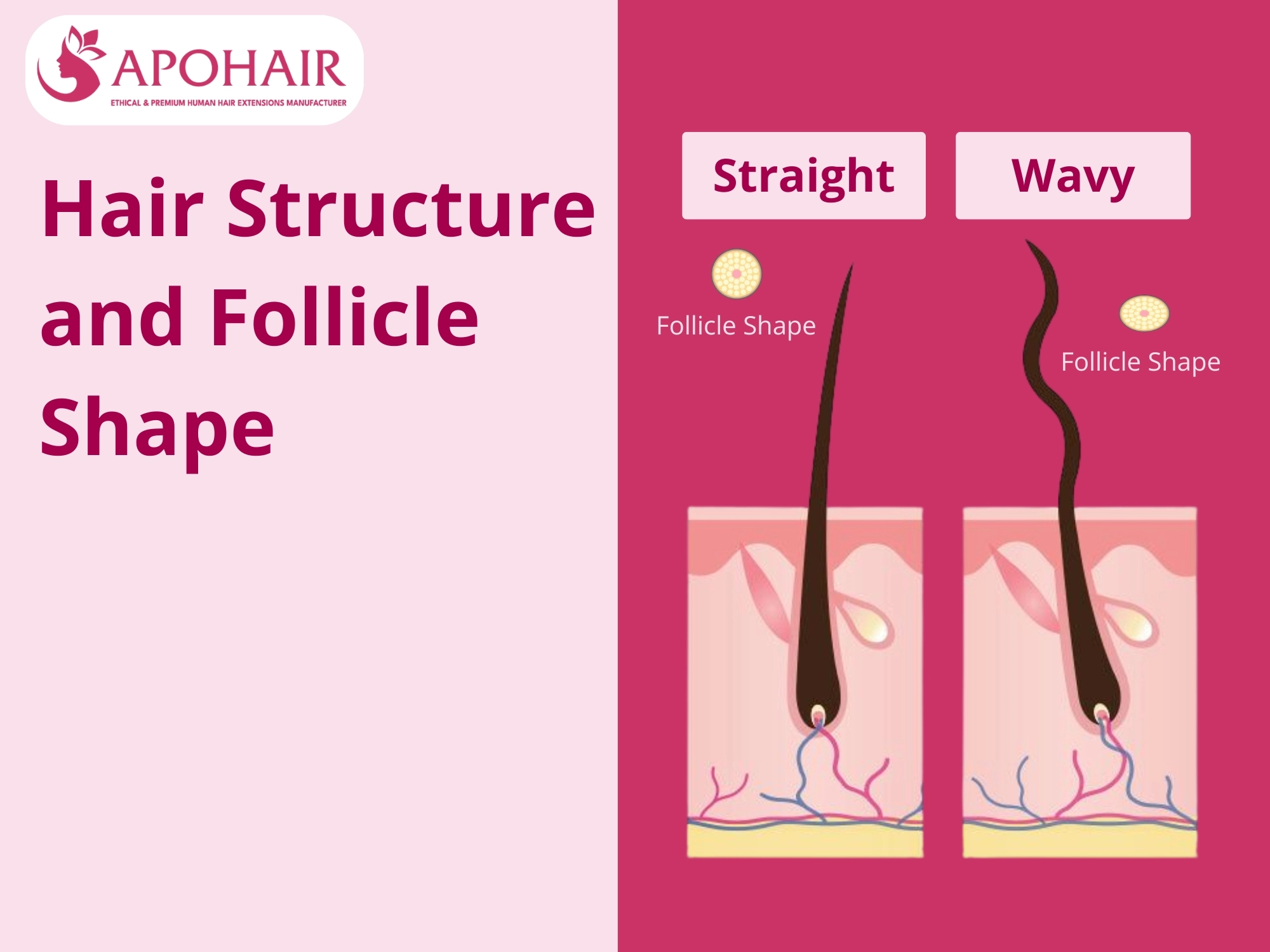
Hair Structure and Follicle Shape
Straight hair comes from round follicles that make perfectly even, flat strands. On the flip side, wavy hair grows out of oval follicles, which curve the hair into an S-shape as it pops out of your scalp. Think of it like this: straight hair (Type 1) has the same amount of pressure on all sides because the follicle is a perfect circle. That’s what keeps each strand lying flat from your roots to the very ends.
Wavy hair (Type 2) is a bit different since it grows from an oval or slightly uneven follicle. That lopsided pressure is what forces the hair to bend into those S-patterns as it pushes through. Basically, the shape of your follicles is what really decides your hair texture. The rounder they are, the straighter your hair stays. If they’re more oval, you’ll get more waves or curls. Plus, those oval follicles usually make the hair strands a little flatter, which is why wavy hair can feel a bit rougher than straight hair, even if it’s the same weight.
Oil and Moisture Distribution
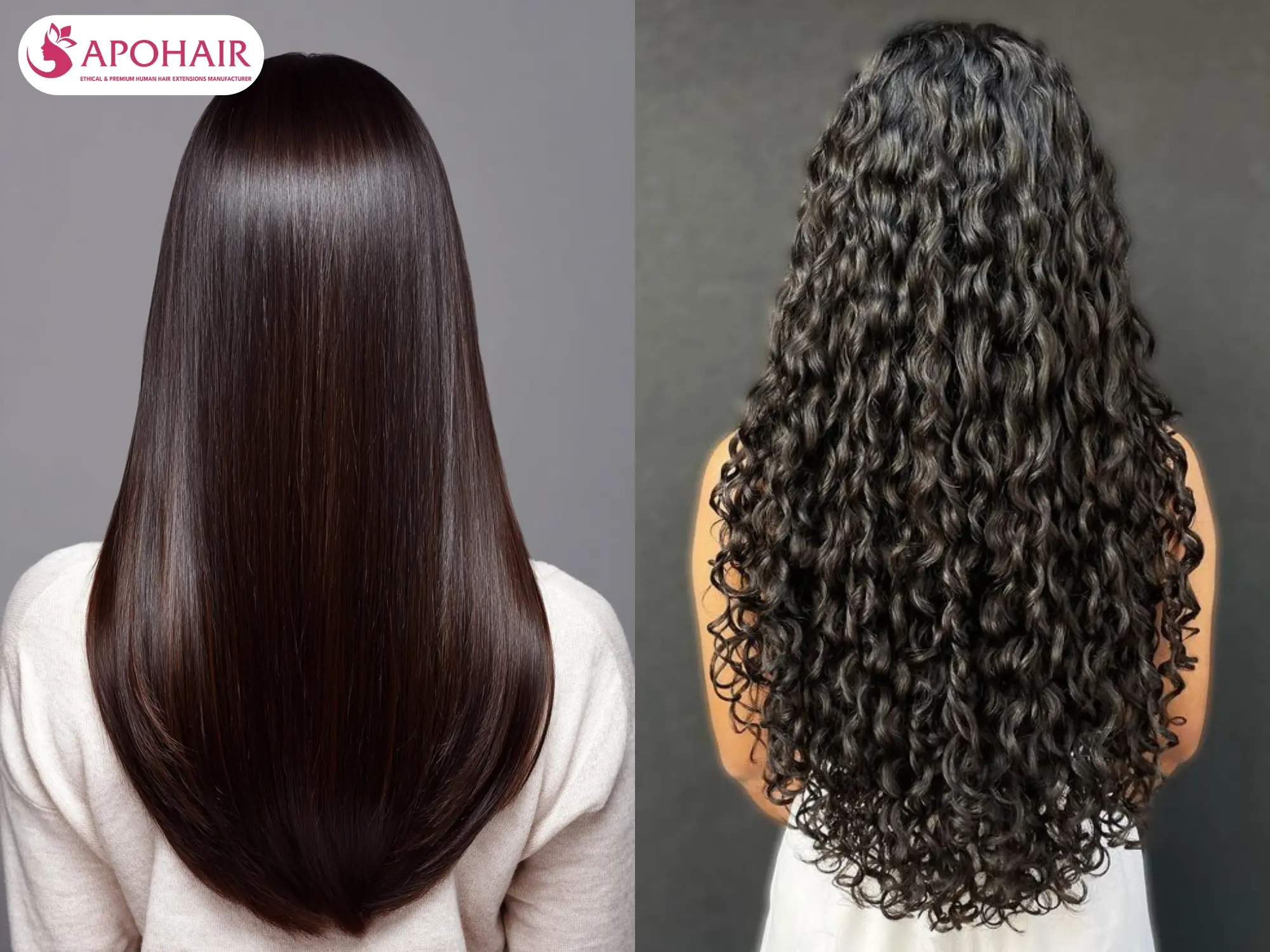
With straight hair, the natural oil (sebum) moves down the strands really fast and covers everything from your roots to the tips without any trouble. Because the hair is so smooth and flat, nothing stands in its way. That’s why straight hair stays oily or shiny all the way down.
Wavy hair is a whole different story. Those S-shaped curves actually act like little speed bumps, slowing the oil down and causing it to pile up near your scalp. While the middle part of your hair might hold onto moisture okay, the ends usually end up feeling pretty dry because the oil just can’t get past those bends. If you don’t use a good conditioner, some leave-in treatment, or a bit of hair oil, your tips will stay thirsty and under-nourished. So, if you have waves, you definitely need to focus a lot more on keeping those ends hydrated!
Volume
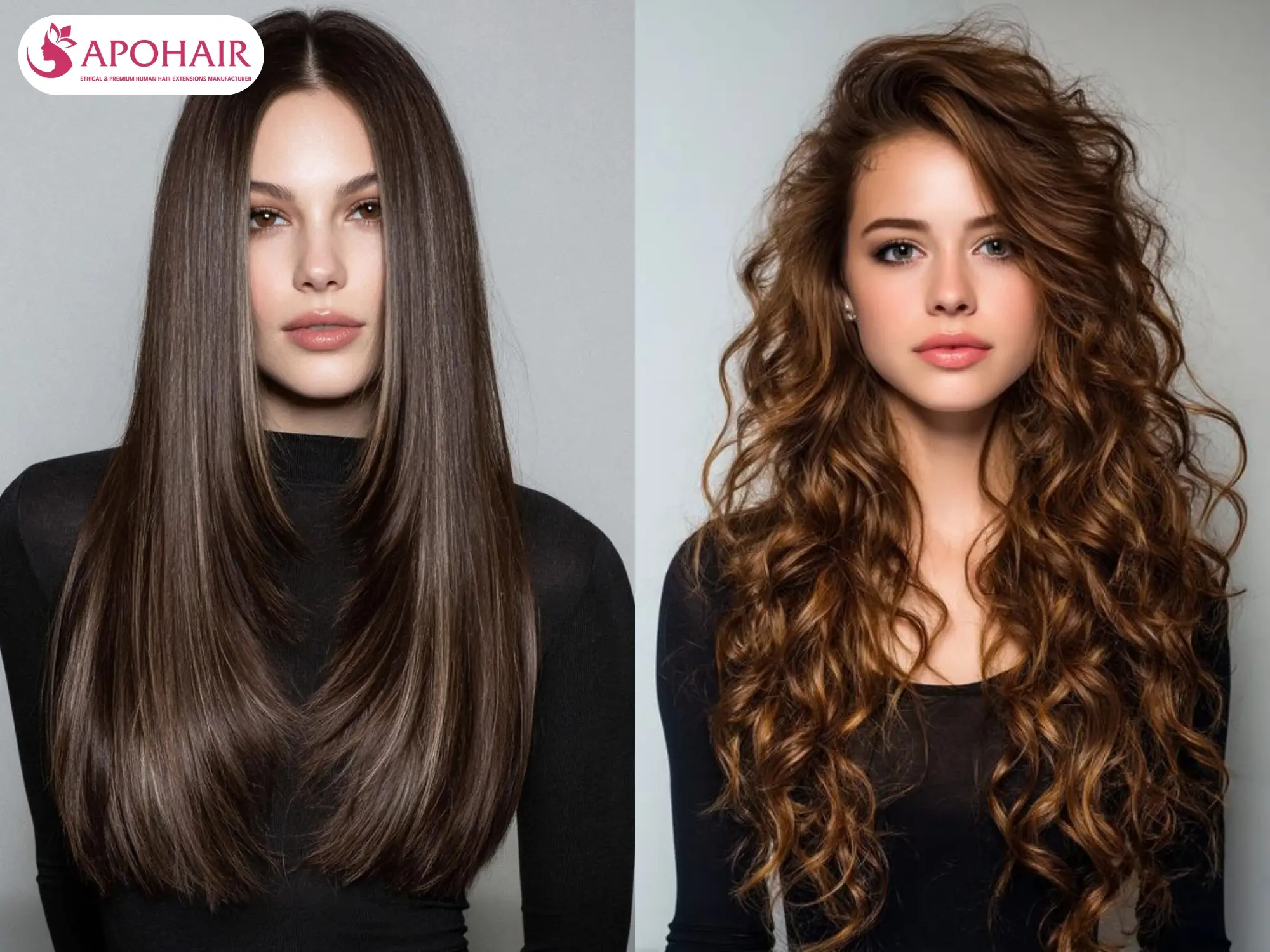
When it gets to volume, wavy hair has a natural head start. Those S-shaped curves actually lift your hair up and away from your scalp, so it looks full even if you don’t use any hair products. The wave pattern keeps the strands from sticking together and lying flat, which creates a lot of natural lift right at the roots. The clearer those waves are, the more space there is between the strands, making your hair look way thicker.
Straight hair, however, tends to stay pretty close to the scalp. While you can definitely get that same full look by blow-drying your hair or using things like volumizing mousse and root sprays, it usually doesn’t stay that way for long. Without heat or some kind of product to hold it up, straight hair usually just falls flat again because of gravity. So, if you’re going for big hair, waves definitely make it much easier!
Frizz
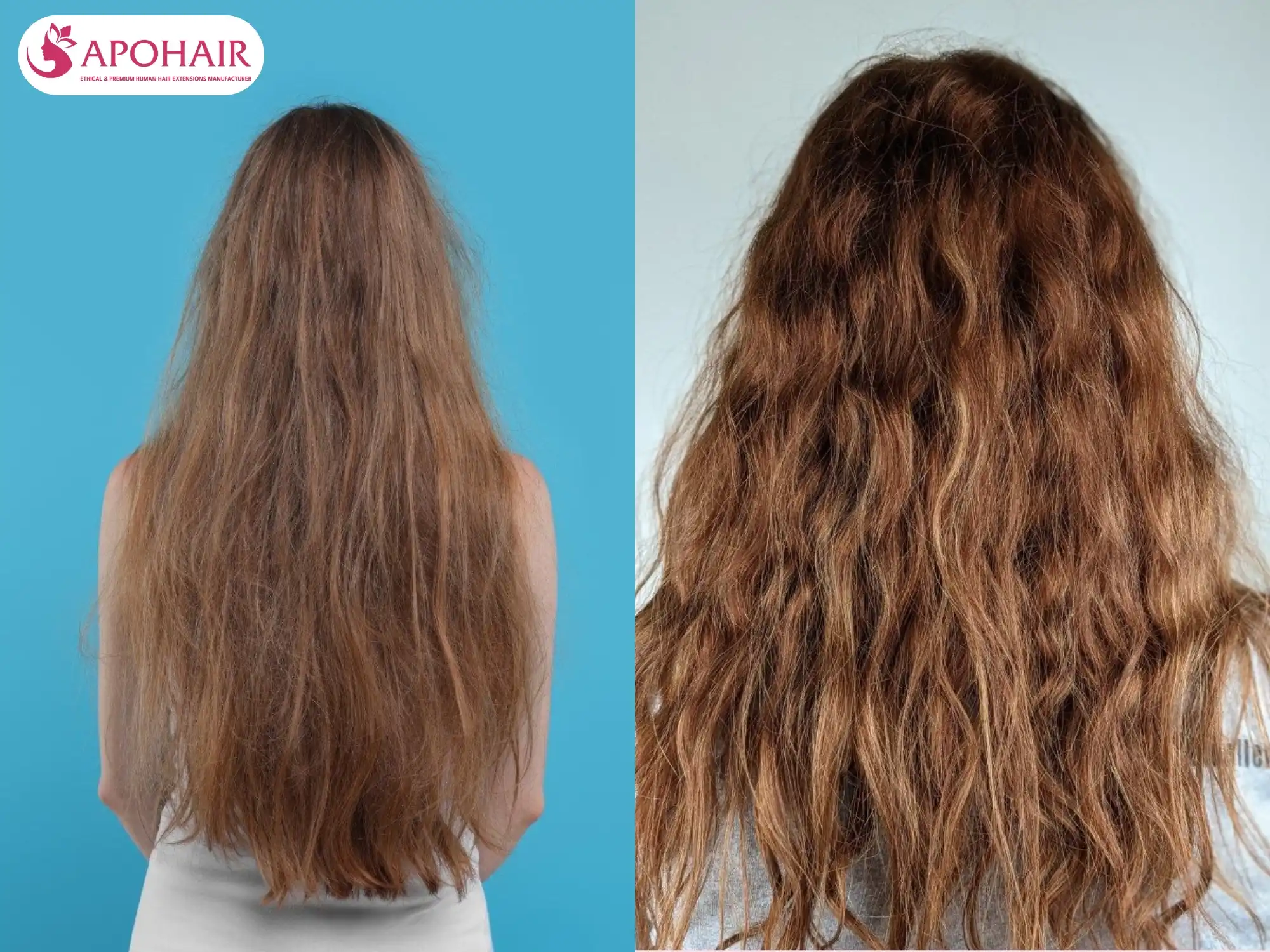
If you have wavy hair, you probably noticed it gets frizzy way more often than straight hair. This happens because those S-shaped curves have slightly raised edges on the hair’s surface, which soak up moisture from the air like a sponge. When it’s humid out, your waves suck in that extra water, making the strands swell up at different speeds. That’s why your waves suddenly lose their shape and start looking a bit messy.
Straight hair is a bit of a different story. Its surface stays flat and tight, so it actually blocks out humidity and reflects light much better. Usually, straight hair only gets frizzy if it’s damaged, treated with too many chemicals, or just really dried out. But for waves, the main culprits are usually just the weather, too much leftover product, or even just messing with your natural wave pattern. Since those tiny edges at every bend in a wave are already a little bit open, they are always ready to react to the air around you.
Shine
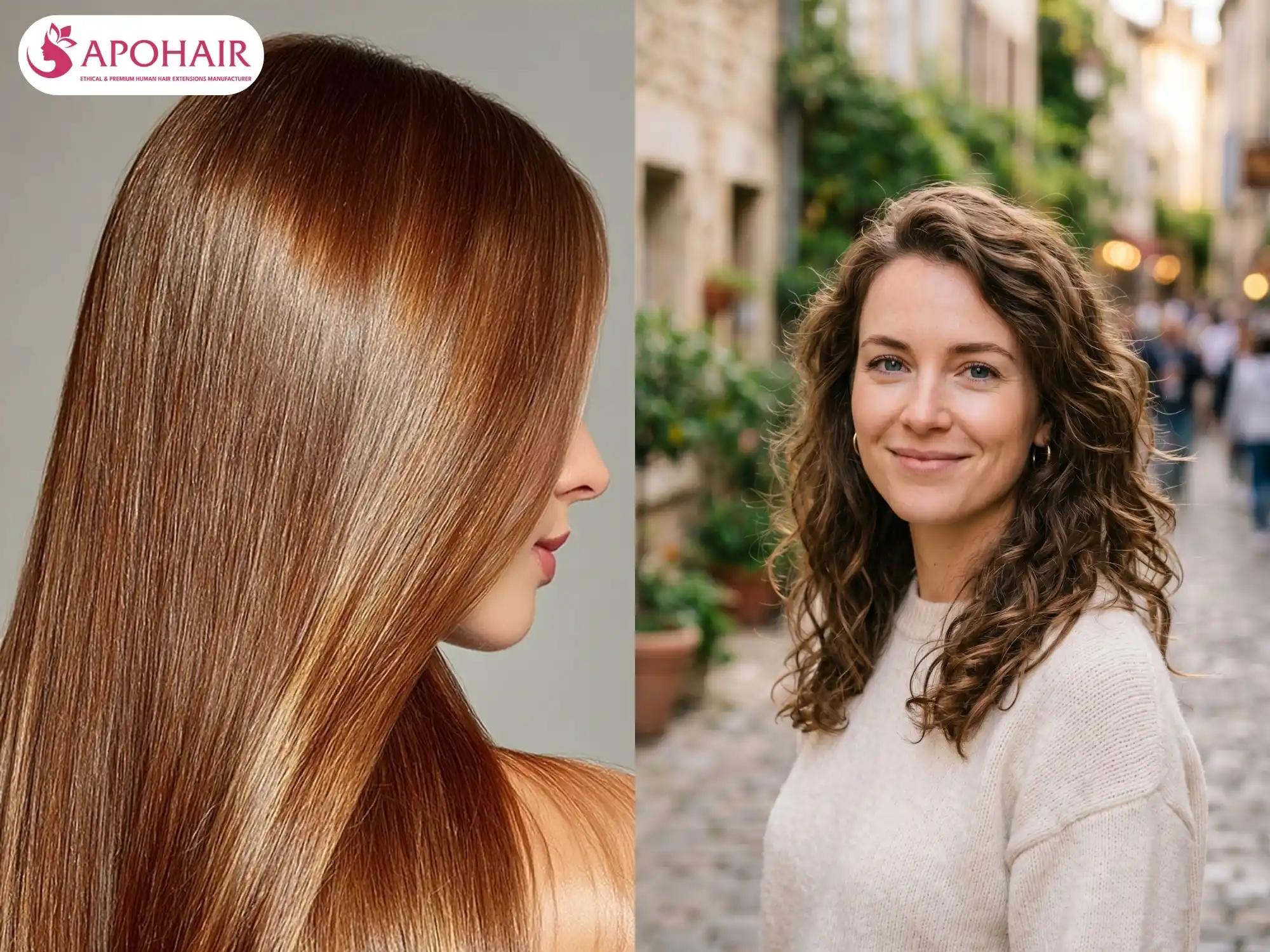
If you’ve ever noticed that straight hair looks shinier, there is a simple reason for it. Since the surface is so flat and smooth, light bounces off the entire strand in the same direction, almost like a mirror. It all comes down to how the outer layer (the cuticle) sits. On straight hair, these layers lie perfectly flat and tight against each other, which gives it that high-gloss look from your roots to the tips.
Wavy hair is a bit different because those little bends in the hair actually make the cuticle edges lift up slightly. Instead of reflecting light, those spots end up scattering it, so the hair doesn’t look quite as bright. But don’t worry, you can still get your waves to shine. Using things like smoothing serums, gloss treatments, or even just rinsing with cold water can help press those layers down. This makes the surface smoother so it can pick up the light better, giving you a shine that’s much closer to what you’d see on straight hair.
How to Identify If Your Hair Is Straight or Wavy?
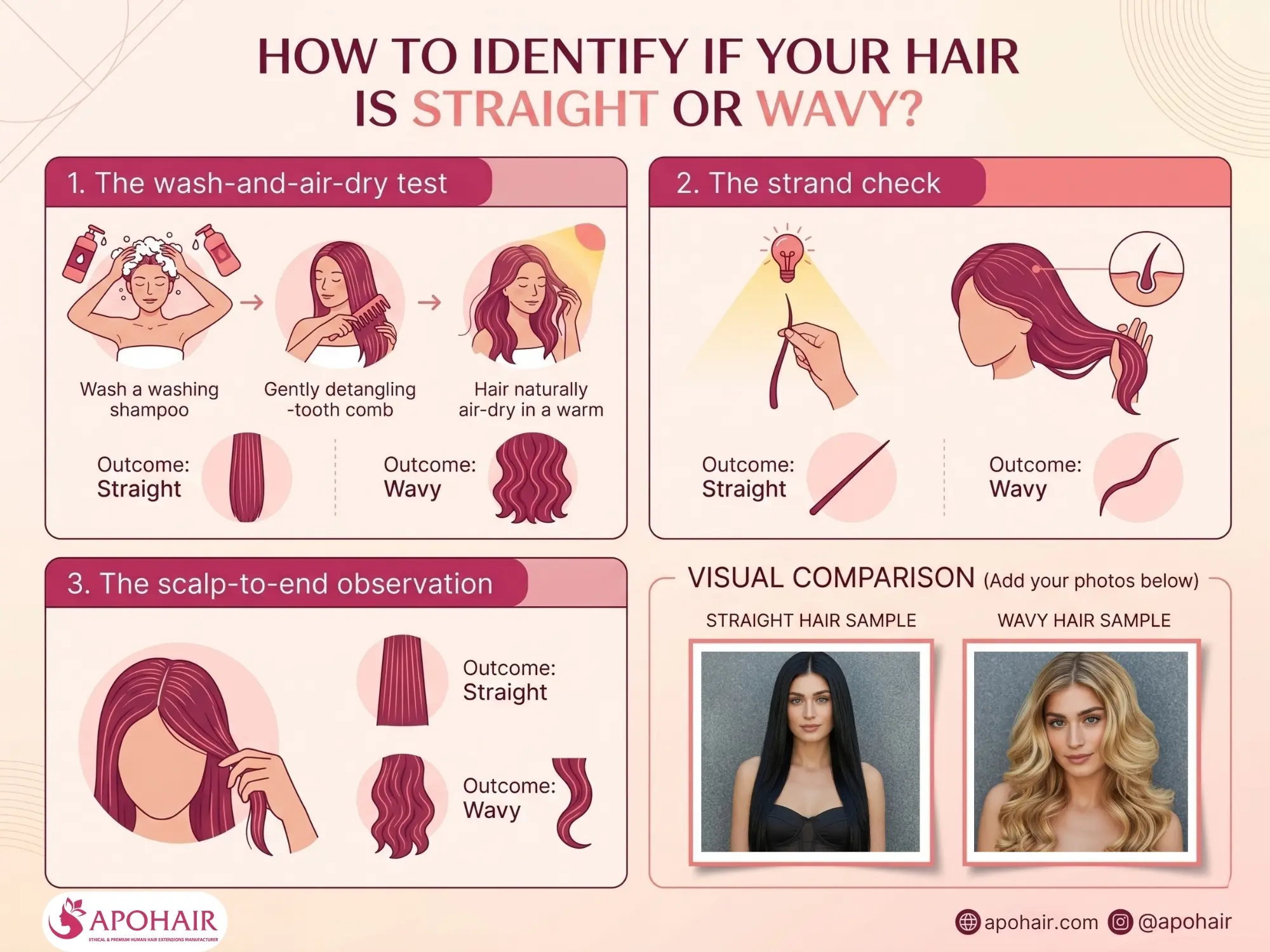
Your hair’s natural texture is most clear on wash day. This happens before any heat tools or products come into contact with it. You can try three simple tests at home to get a reliable result:
- The wash-and-air-dry test: First, wash your hair with a strong shampoo. Then, let your hair dry completely without touching it. Straight hair is flat and has no bend. Wavy hair is easy to see because it forms an “S” shape along the strand.
- The strand check: Hold a single dry strand up to natural light. If there is no curve, your hair is straight. If you see one or more gentle bends, your hair is wavy.
- The scalp-to-end observation: Check the texture at the root, the middle, and the ends separately. Many people have roots that are straight but ends that are wavy. This is a Type 2A wave pattern.
Knowing your natural texture is the best starting point. The next question most people ask is whether they can change that texture—and if straight hair can actually become wavy.
Can You Change Straight Hair to Wavy Hair?
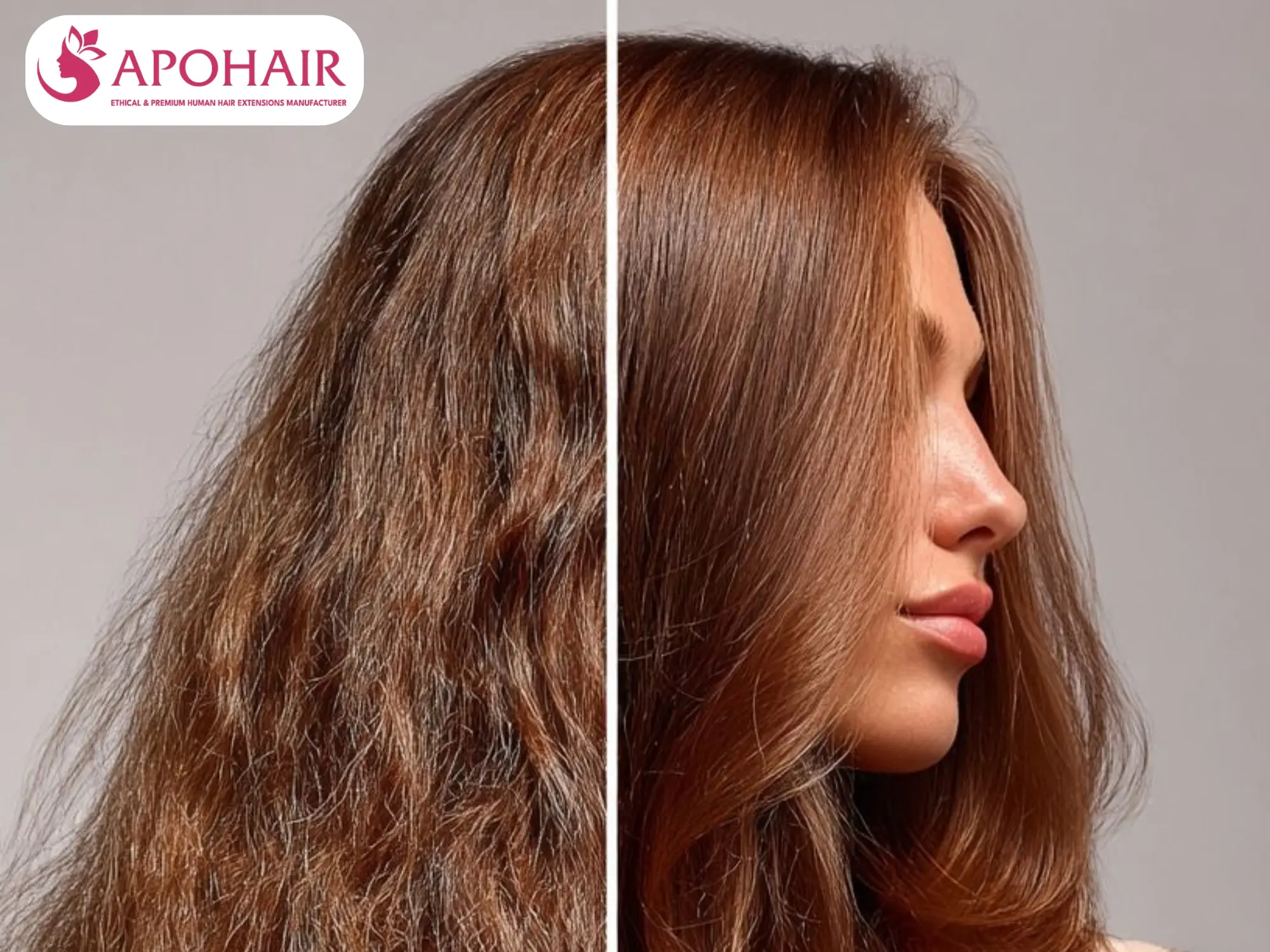
You can definitely turn straight hair into waves! If you’re just looking for a quick change, you can try things like braiding your hair, using a curling iron, or spraying on some sea salt spray. For something that lasts much longer, you could go for a chemical perm. Just a heads-up: permanent changes can be a bit risky since they can damage your hair, so it’s always best to let a professional handle it. Some easy ways to get waves include braiding your hair while it’s still damp and sleeping on it, using a curling wand, or applying some texture mousse. A perm works by changing how your hair is built from the inside so it stays wavy for a long time. Other styling tools and products only give you results that last until your next wash or for a couple of days.
Switching from straight to wavy with a chemical perm can lead to some problems like dryness or breakage, especially if your hair has been dyed before or if the process isn’t done right. A trip to the salon for a perm usually takes about 1.5 to 3 hours, depending on how long and thick your hair is. If you’re just using heat to style it at home, it’ll probably take you 15 to 45 minutes. Remember, straight hair goes back to normal as soon as you wash it or if you get caught in the rain. But if you get a perm, your hair won’t go back to being straight unless you use a relaxer or wait for your new hair to grow in.
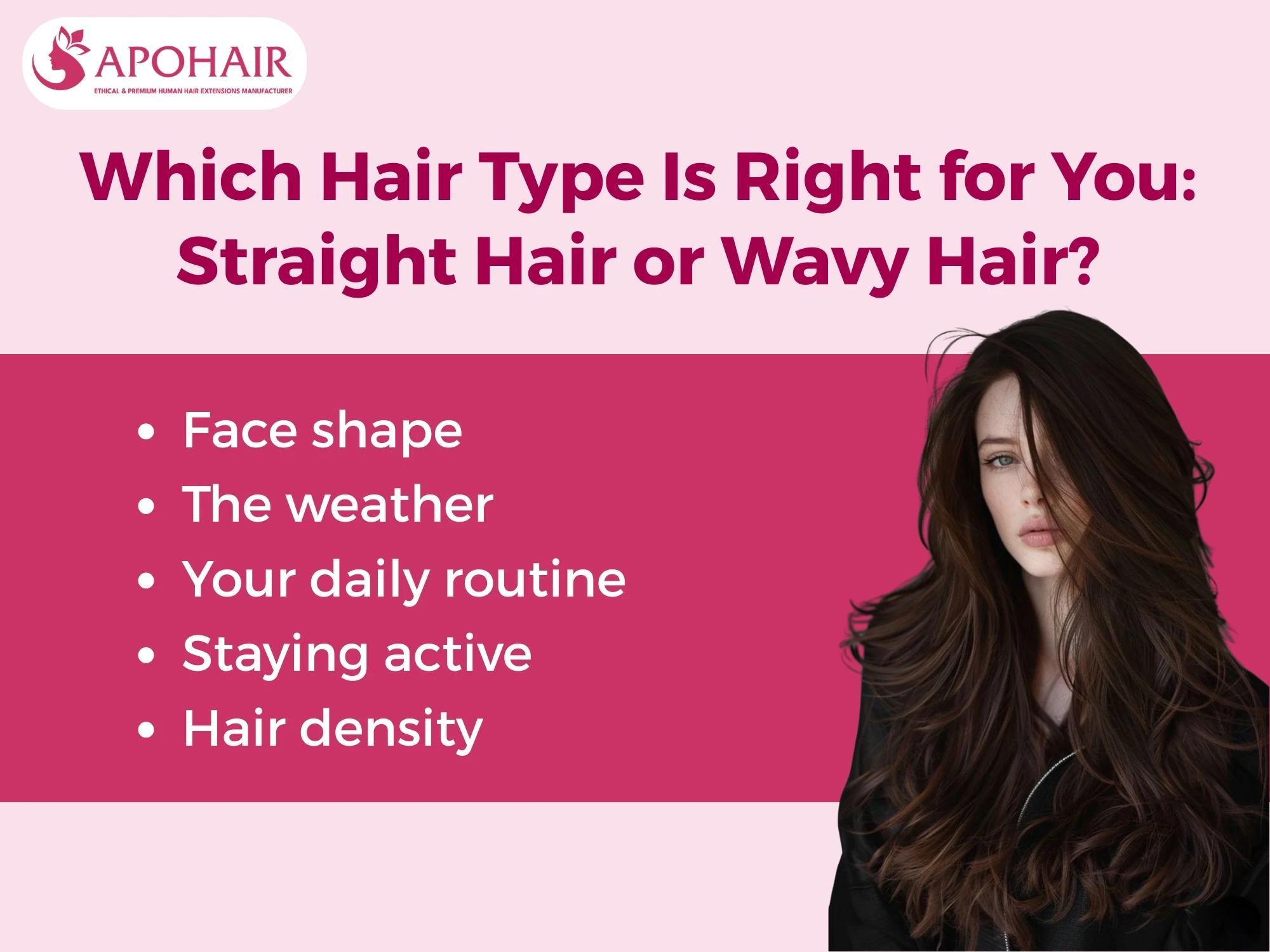
Which Hair Type Is Right for You: Straight Hair or Wavy Hair?
Choosing between straight and wavy hair really comes down to your face shape, the weather where you live, how active you are, and your daily schedule. Straight hair is great if you want a clean look that’s easy to deal with, while wavy hair is perfect for adding some natural bounce and volume. Here are a few things to think about before you decide:
- Face shape: If you have an oval or heart-shaped face, you’re in luck because both styles look amazing on you. If your face is more on the round side, long, straight hair can help make it look a bit longer. For square faces, waves are a solid choice because they help soften those sharp lines around your jaw.
- The weather: In hot and sticky places, wavy hair can be a handful because it gets frizzy so fast, so straight hair might be easier for you. If you live somewhere dry or cold, your waves will stay in place much better without you having to use a ton of product.
- Your daily routine: Straight hair is a breeze to brush, doesn’t need many products, and dries in no time. Waves, though, take a bit more work. You’ll need to keep them hydrated and use some anti-frizz stuff to keep the shape looking good.
- Staying active: If you’re always at the gym or on the move, straight hair is much easier to manage. Wavy hair usually needs a lot of attention after a workout to fix the frizz from sweat and get those waves back in order.
- Hair density: If you have fine hair, straight strands are usually easier to handle. Waves can definitely make thin hair look way thicker and fuller, but they can also be a bit harder to control if your hair is very fine.
Straight Hair vs Wavy Hair Extensions: Which One Should You Choose?
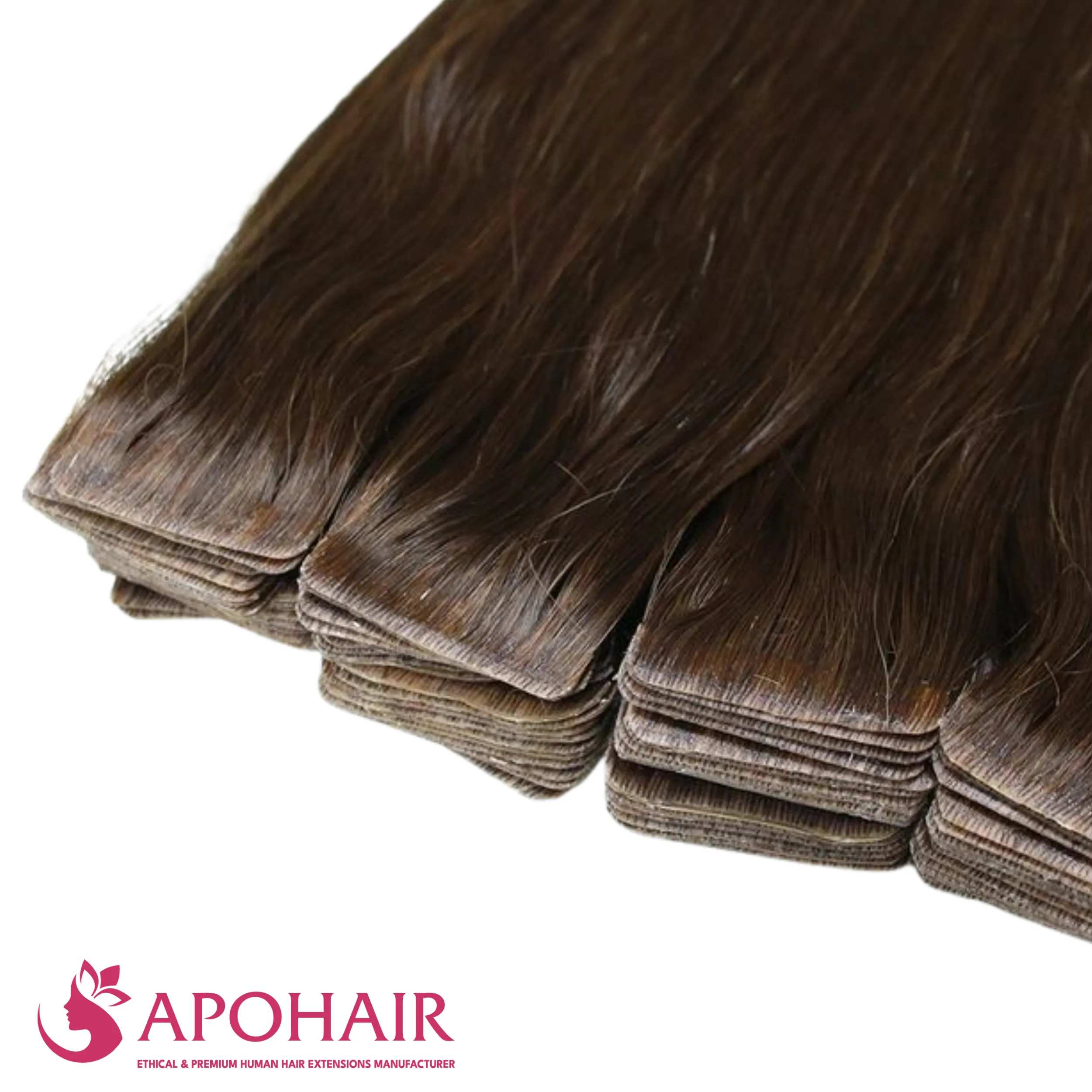
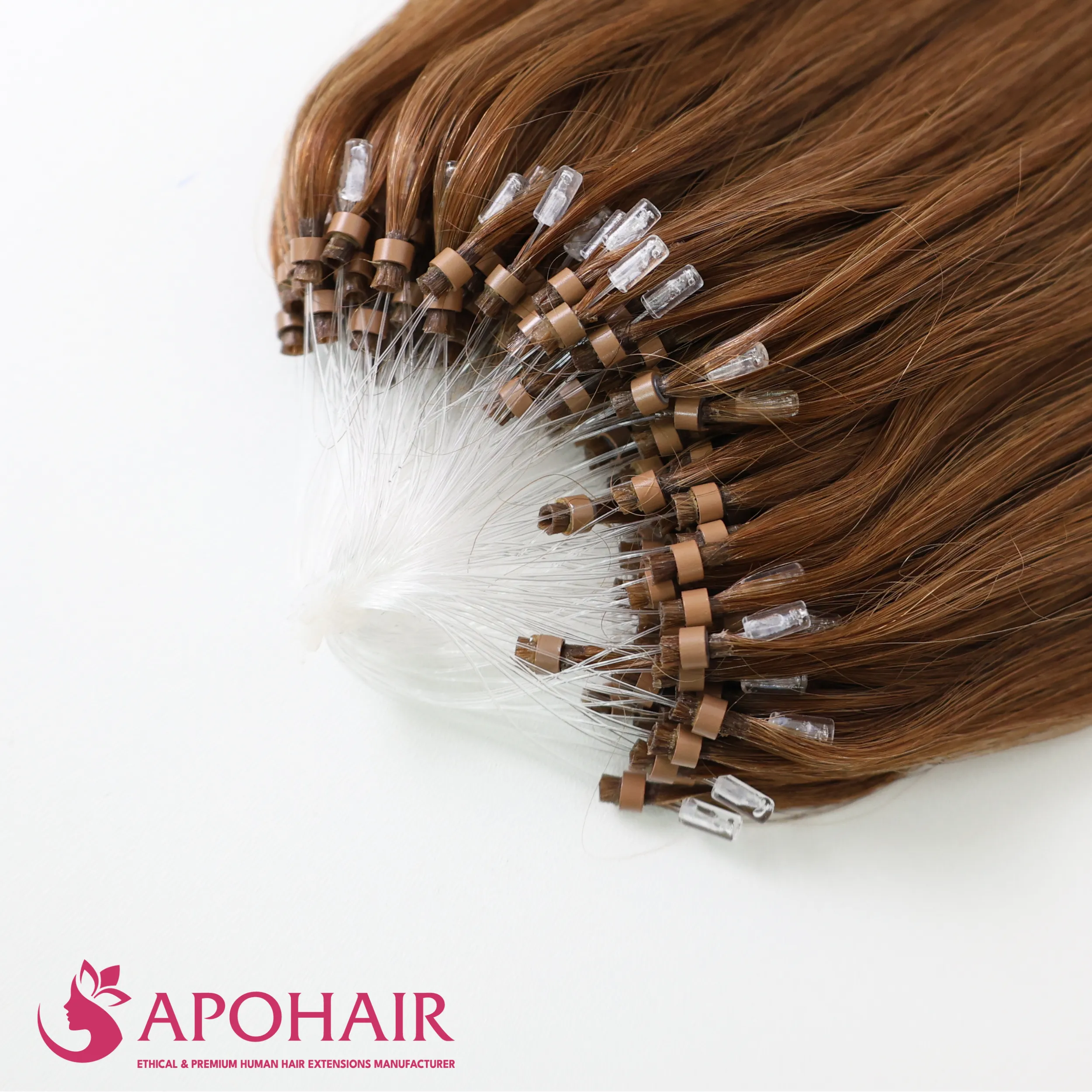
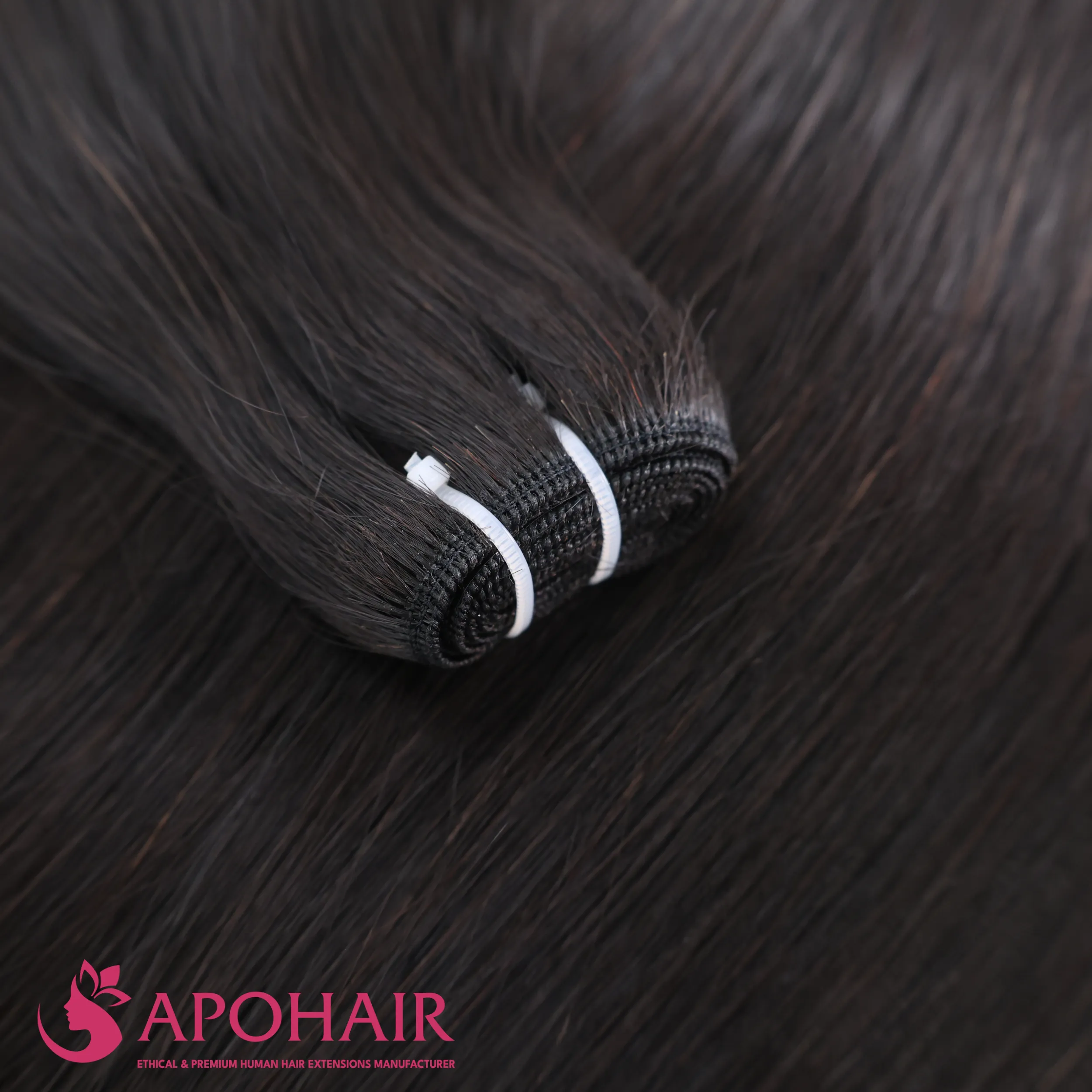
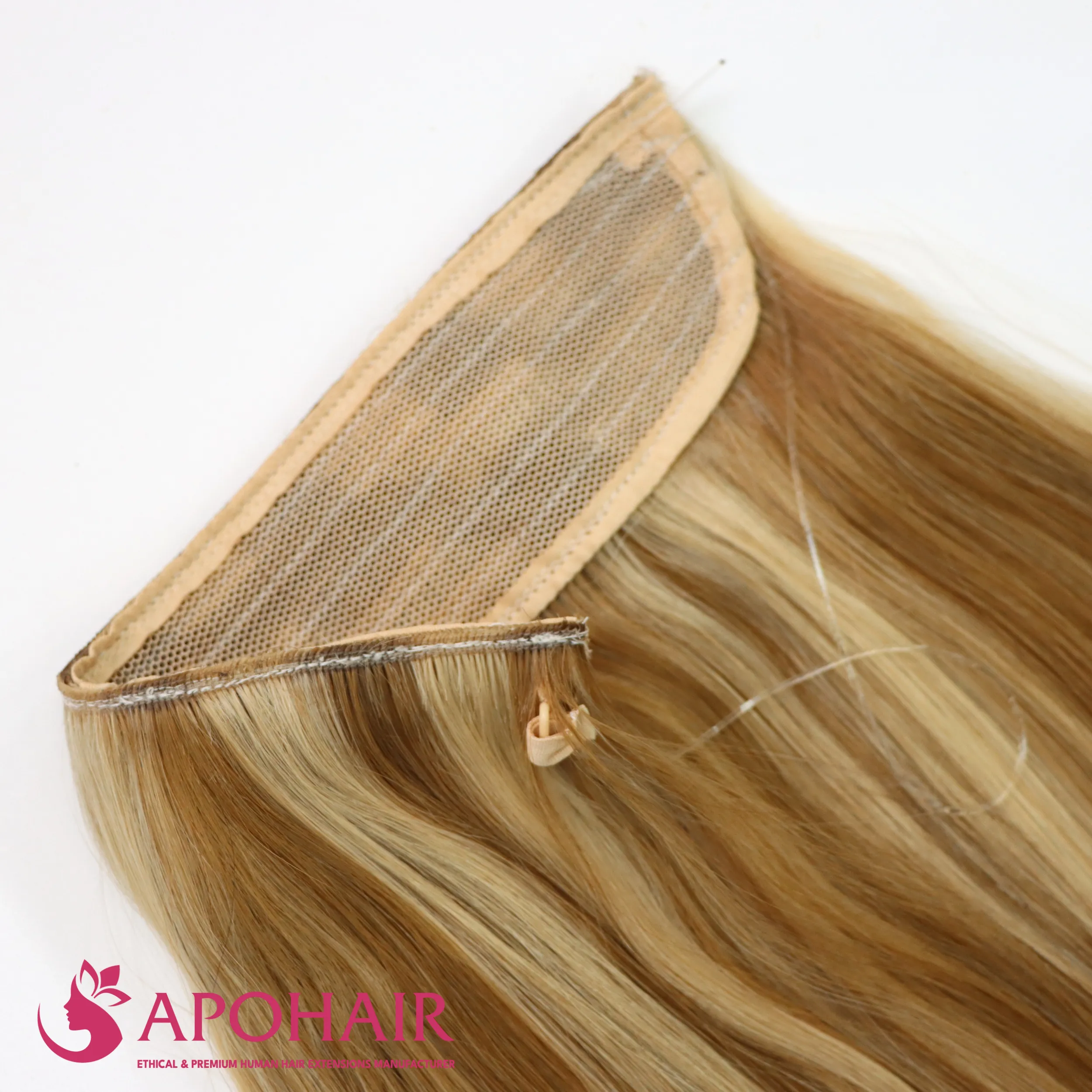
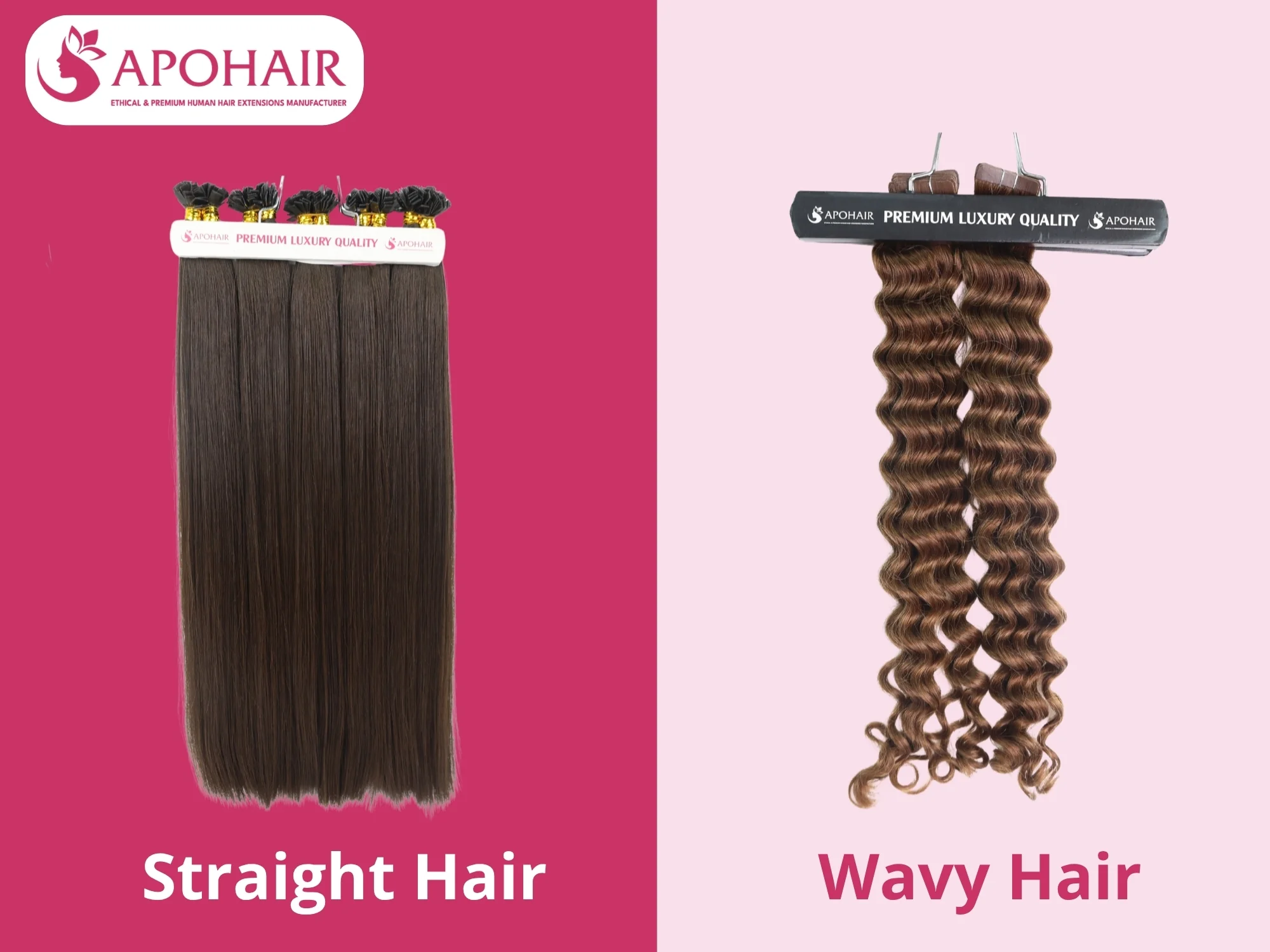
Straight extensions are a breeze to take care of and they go well with just about any hair type. On the flip side, wavy ones give you that natural look with plenty of volume. Picking the right one really comes down to your own hair and what you’re aiming for. Straight hair is easy to brush out, stays flat, and you won’t need to use many products on it. Wavy hair needs a bit more love—you’ll want to keep it hydrated and use some anti-frizz stuff so those waves stay looking good between washes.
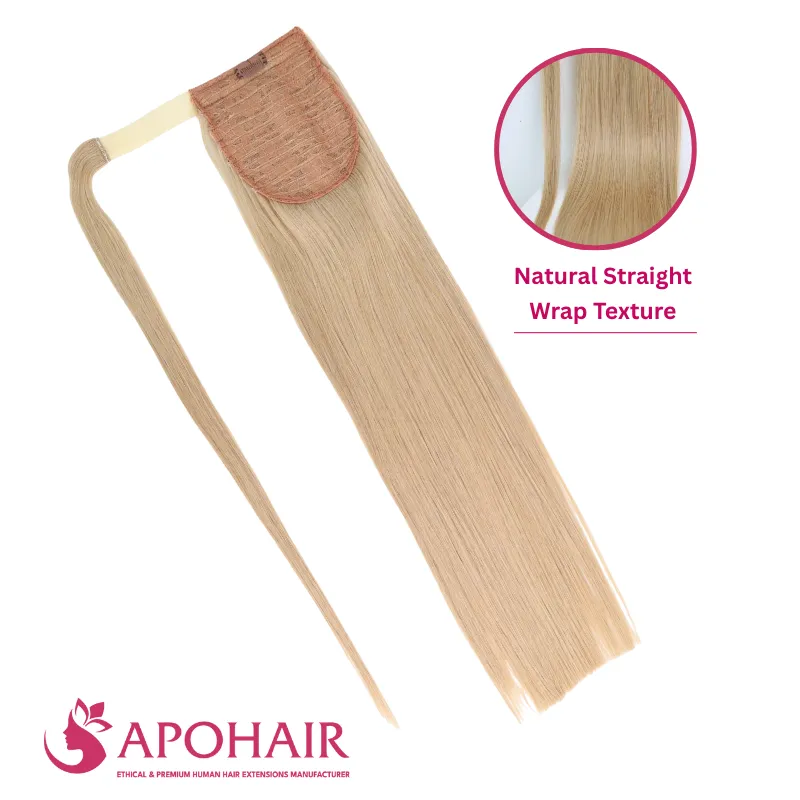
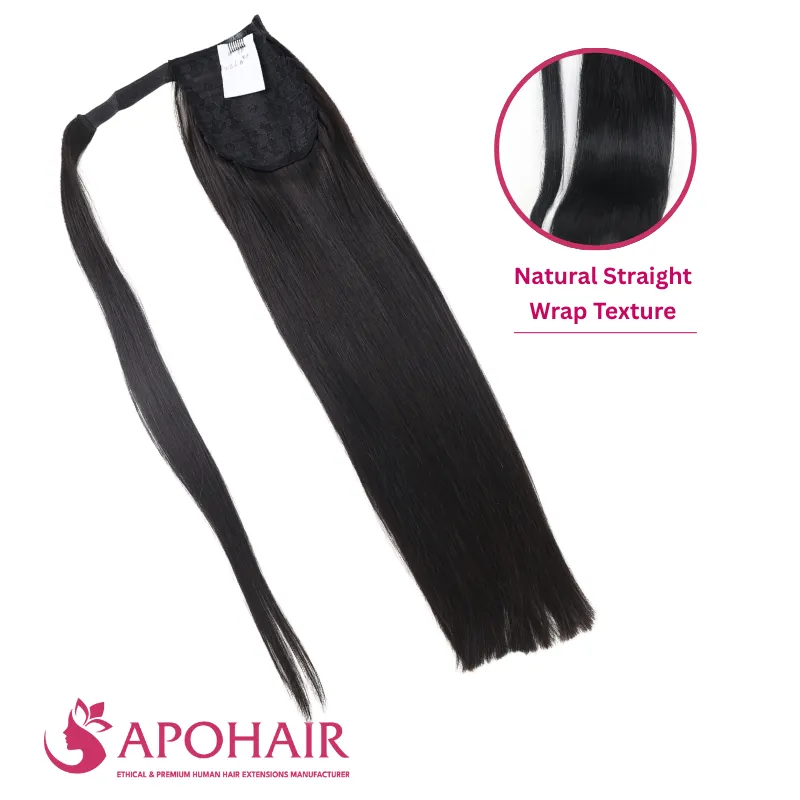
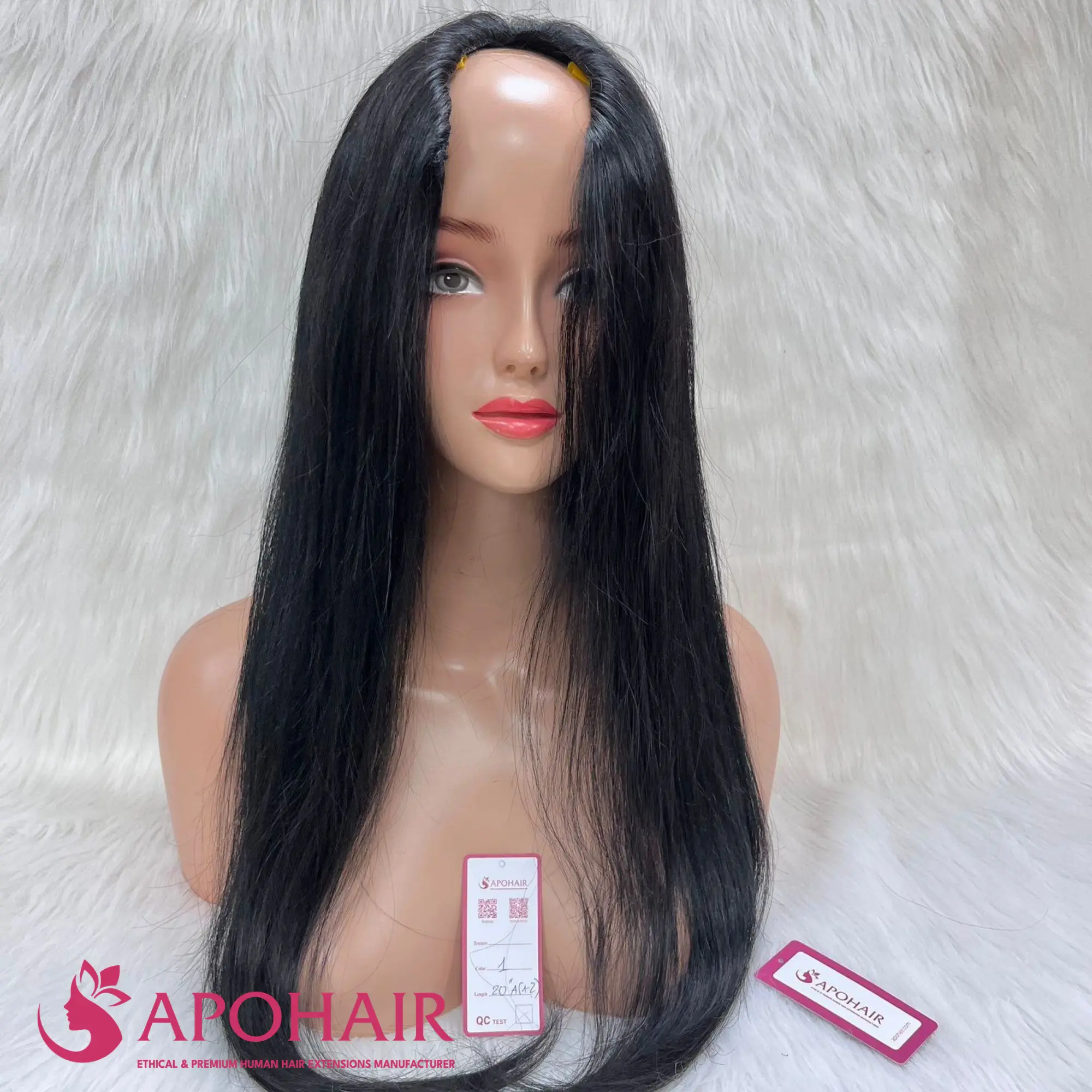
Getting the texture right is a great way to get customers to trust you and come back for more. APOHAIR has a solid supply of Vietnamese human hair that you can easily customize for your shop. We have four straight styles (Natural Straight, Kinky Straight, Yaki Straight, and Bone Straight) and four wavy ones (Natural Wavy, Body Wavy, Water Body Wavy, and Deep Wavy). Our 100% raw hair works perfectly for any client’s occasions from wedding styles to just a simple everyday look
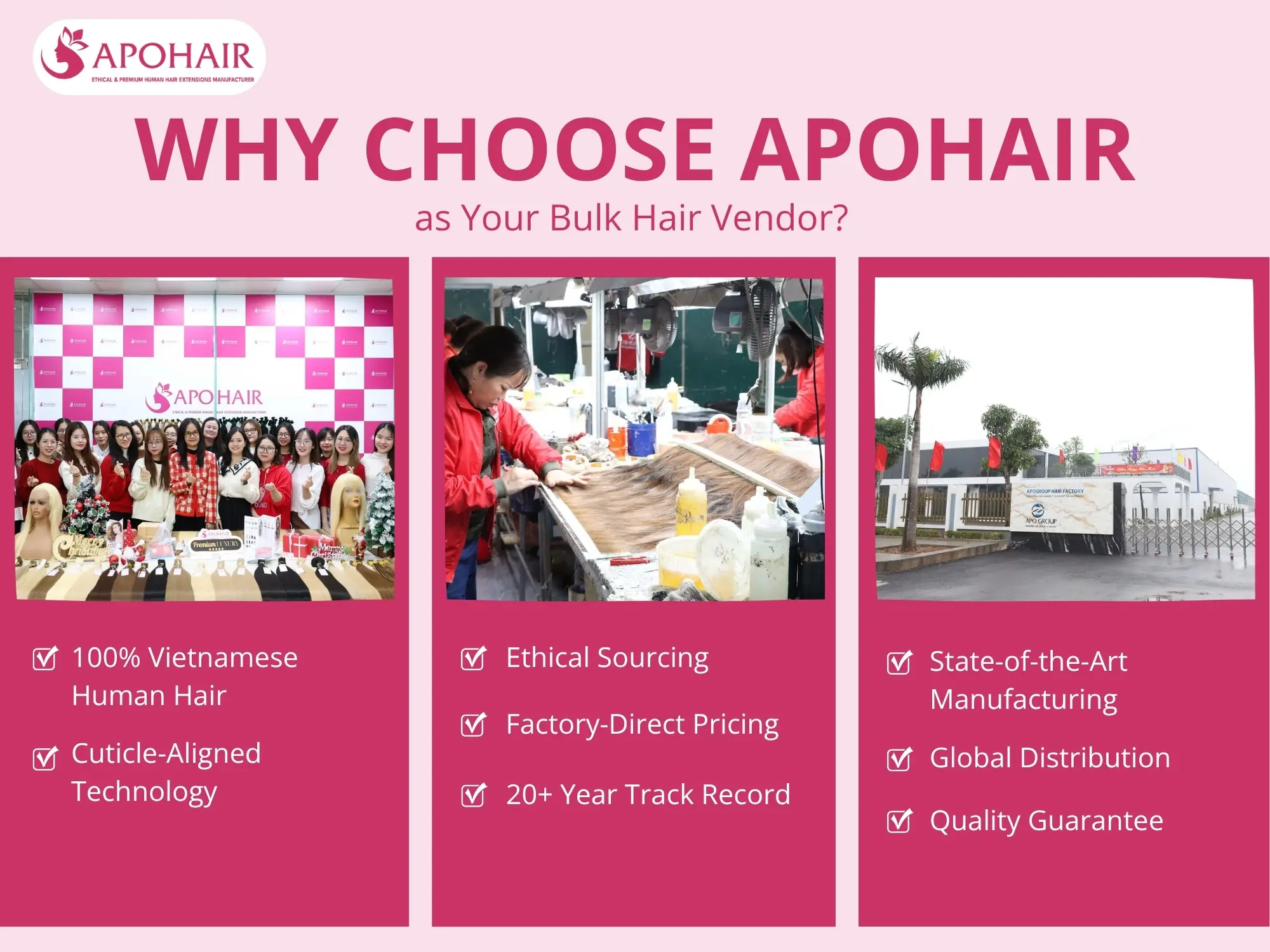
- 100% Vietnamese Human Hair: Single-donor collection for consistent texture and color, with intact cuticle layer that accepts color processing well.
- Cuticle-Aligned Technology: All cuticles face the same direction, which eliminates tangling and matting during daily wear.
- Ethical Sourcing: Direct collector network in Vietnamese villages with verified fair compensation for every donor.
- Factory-Direct Pricing: No middlemen involved, offering wholesale rates 30 to 40% below retail market prices.
- 15+ Year Track Record: 700+ well-trained, skilled workers and 100+ sales staff dedicated to quality production.
- State-of-the-Art Manufacturing: A 33,000 m² (355,209 sq ft) factory in Ninh Binh, Vietnam, with modern production lines.
- Global Distribution: Ships to the US, UK, EU, Australia, Africa, and Asia within 24 hours of order confirmation.
- Quality Guarantee: 7-day warranty with a free replacement policy on every order.
APOHAIR transforms authentic Vietnamese hair into premium extensions trusted by salon owners and wholesalers worldwide. Our commitment: global leader in the hair industry through ethical practices, manufacturing excellence, and customer success.
Ready to stock premium Vietnamese human hair extensions for your salon or business? Contact APOHAIR for wholesale pricing and samples.
APOHAIR ETHICAL & PREMIUM HUMAN HAIR EXTENSIONS MANUFACTURER
- Address: Building 3A, Lane 82 Duy Tan, Cau Giay, Hanoi, Vietnam
- Factory: Minh Luong, Yen Luong Ward, Ninh Binh, Vietnam
- Phone number: (+84) 862 132 366
- Email: [email protected]
FAQ Related to Straight Hair vs Wavy Hair Hair Type
Can Straight Hair Become Wavy Naturally?
Yes, straight hair can develop wave patterns naturally due to hormonal changes such as puberty, pregnancy, or menopause. Changes in medication, health conditions, or scalp moisture levels can also alter the follicle’s shape over time, shifting hair from straight to wavy.
Is Wavy Hair Harder to Maintain Than Straight Hair?
Yes, wavy hair generally requires more maintenance than straight hair. It needs regular moisturizing, anti-frizz products, and careful detangling to keep its wave pattern defined. Straight hair stays manageable with basic washing and combing.
Can You Get Wavy Extensions if Your Hair Is Naturally Straight?
Yes, you can wear wavy extensions on naturally straight hair. The blend works best when the extensions are styled to match your natural texture, or when your straight hair is lightly curled to match the wave pattern of the extensions for a smooth finish.
Outro
Straight hair and wavy hair differ in follicle shape, oil distribution, volume, frizz tendency, and shine. Round follicles produce flat, smooth strands that reflect light and distribute sebum evenly. Oval follicles create S-shaped bends that add body but attract frizz. Your best match depends on face shape, climate, lifestyle, and styling preferences. For professional-grade extensions in both straight and wavy textures, APOHAIR provides 100% raw Vietnamese human hair with cuticle alignment, ethical sourcing, and factory-direct wholesale pricing for salons and distributors across 120+ countries.
APOHAIR ETHICAL & PREMIUM HUMAN HAIR EXTENSIONS MANUFACTURER
- Address: Building 3A, Lane 82 Duy Tan, Cau Giay, Hanoi, Vietnam
- Factory: Minh Luong, Yen Luong Ward, Ninh Binh, Vietnam
- Phone number: (+84) 862 132 366
- Email: [email protected]
