








Curly vs Straight Hair: Definition, Differences & Care Guide
Curly and straight hair grow from different follicle shapes, so they react differently to humidity, heat, and daily handling. Curly hair develops from oval or elliptical follicles, producing strands that are more porous and prone to dryness, while straight hair grows from round follicles, giving it a naturally shiny surface and faster oil distribution. Because of this structural gap, each hair type needs its own care routine, its own product set, and its own approach to styling. Most people searching this topic want to change their hairstyle, buy hair extensions, or understand why their natural hair behaves the way it does. Your hair texture shapes how much time goes into your morning routine, which products actually work, and how long your style holds through the day.
This article covers the science behind each hair type, their key differences across structure, shine, frizz, and maintenance, and a clear guide to choosing the right curly or straight hair extensions for your needs.

What is Curly Hair?
Curly hair is a hair texture where strands form spirals, loops, or coils, ranging from loose ringlets to tight corkscrews. It is genetically determined, with follicle shapes that are typically elliptical or oval rather than round. This asymmetry in the follicle forces the strand to grow at an angle, producing the curved pattern you see at the surface.
Curly hair usually looks fuller and carries more natural volume and bounce compared to straight hair. It is categorized into Type 2 (wavy, with a gentle S-shape), Type 3 (spiral curls with defined coil patterns), and Type 4 (coily and kinky textures with tightly packed, densely coiled strands).

What Are the Main Characteristics of Curly Hair?
Curly hair is characterized by elliptical follicles that produce S-shaped or spiral ringlet patterns, with a natural tendency toward dryness, high frizz susceptibility, significant volume, and a consistent need for moisture to maintain definition.
- Structure & Shape: Curly hair develops from oval or asymmetrical follicles. Curl patterns from Type 3A to 3C range from large, loose, and bouncy spirals to tighter corkscrews.
- Dryness & Hydration: The bends in curly strands block natural oils (sebum) from traveling down the shaft, leaving ends drier and more porous than straight hair.
- Frizz Susceptibility: The lifted cuticle layer on curly strands absorbs airborne moisture quickly, causing the hair to swell and lose curl definition in humid environments.
- Volume & Density: Curly hair naturally carries more body, giving it a fuller and more voluminous appearance without styling products.
- Fragility & Tangling: The curved strand shape increases the risk of knots and breakage, so it requires a careful, gentle detangling technique and the right tools.
- Shrinkage: Curly hair often appears shorter than its real length when dry, as strands contract significantly compared to when they are wet.

What is Straight Hair?
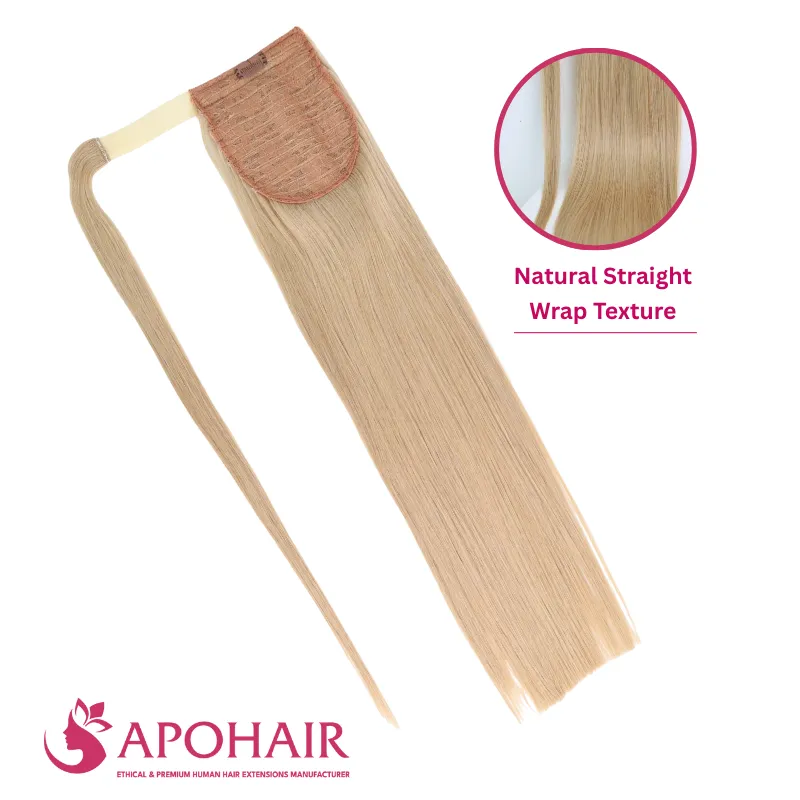
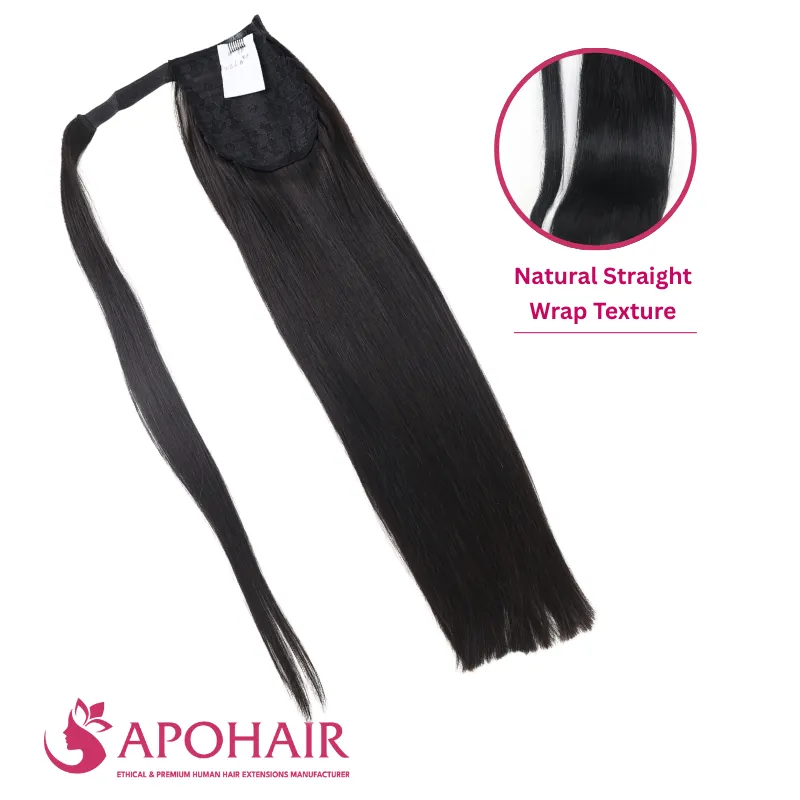
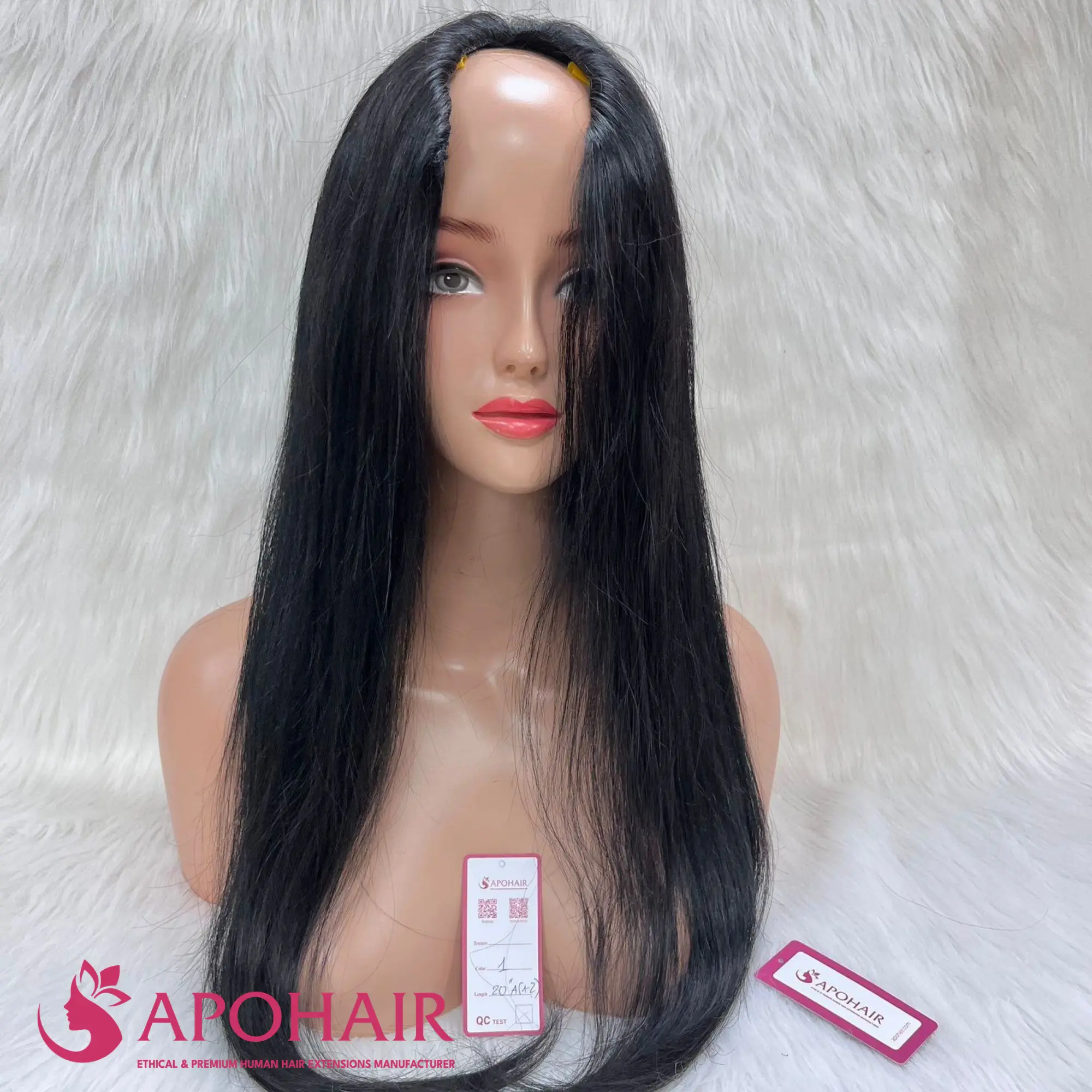
Straight hair is characterized by a sleek, smooth texture and a round follicle structure that allows each strand to grow directly from the scalp and lie flat. This round cross-section keeps the surface even and resists tangling, making it one of the simpler hair types to brush and manage on a daily basis.
Straight hair is known for its high shine, produced by natural oils that travel unobstructed down the shaft from root to tip. It falls into three subtypes: fine and thin (Type 1A), medium (Type 1B), and thick or coarse (Type 1C), each carrying its own density and styling response.

What Are the Main Characteristics of Straight Hair?
Straight hair (Type 1) presents a smooth, unbending, and shiny appearance with no natural curl or wave pattern. It is classified into three subtypes, 1A, 1B, and 1C, ranging from very fine to coarse and thick.
- Structure: Straight hair grows from a round follicle, producing a round strand cross-section that grows directly out from the scalp without curving.
- Sheen and Oiliness: Sebum moves easily along the straight shaft, giving straight hair its smooth and shiny look, though it can become greasy faster than curly hair.
- Texture and Volume: Straight hair typically has less natural volume and may look flat or thin without added product or heat styling for lift.
- Manageability: It is generally easy to brush and maintain, but it can struggle to hold curls or keep certain styling products from slipping out of place.

What Are the Differences Between Curly and Straight Hair?
Curly and straight hair differ at the follicle level, producing opposite behaviors in porosity, shine, moisture retention, and frizz response, and each type demands a completely different product and styling approach.
| Aspect | Curly Hair | Straight Hair |
| Texture | Springy, voluminous, with a visible coil or wave pattern | Smooth, silky, and flat |
| Frizz Control | High frizz risk in humidity; porous cuticle absorbs moisture | Low frizz risk in healthy conditions; cuticle lies flat |
| Maintenance Level | High; requires consistent moisture and sulfate-free products | Moderate; needs regular washing to manage oil buildup |
| Shine | Soft sheen when cuticle is sealed with oils or gloss treatments | High, uniform shine; cuticle reflects light cleanly |
| Humidity Resistance | Loses definition easily; cuticle absorbs airborne moisture | Holds shape well; slight limpness possible, but surface stays smooth |
Texture
Curly hair feels springy and looks full, with visible coil or wave patterns that give the hair a three-dimensional, voluminous appearance even without any styling product.
Straight hair, by contrast, feels smooth and silky to the touch, lying flat in a uniform sheet with a polished, even surface that reflects light cleanly.

Frizz Control
Curly hair tends to become frizzy in humid conditions because its porous cuticle absorbs moisture from the air, swells, and breaks apart the defined curl shape unevenly.
Straight hair can frizz when its cuticle is damaged by heat or chemical processing, but healthy straight hair resists frizz effectively, even in humid weather.

Maintenance Level
Curly hair demands consistent moisture to stay healthy and defined, working best with gentle, sulfate-free cleansers paired with rich moisturizing creams or leave-in conditioners. Straight hair is easier to manage but still needs regular washing to prevent oil buildup, responding well to lightweight formulas and dry shampoo between wash days.

Shine
Curly hair can appear glossy when the cuticle is properly sealed using hydrating products, oils such as argan or coconut, or a gloss treatment, though the result is a soft sheen rather than the intense mirror-like shine seen in straight hair.
Straight hair appears shinier because its flat cuticle reflects light evenly across the surface, much like a smooth mirror compared to a rough or textured one.

Humidity Resistance
Curly hair extensions handle humidity more effectively when treated with a lightweight oil or smoothing serum that locks the cuticle, and they should be fully dried, preferably with a diffuser, before exposure to damp conditions.
Straight hair may lose some body and become slightly limp in high humidity, but it largely holds its smooth appearance unless it has been chemically or heat-damaged.

Styling Options
Curly hair offers natural volume and bold texture, allowing you to achieve a lively, playful look with minimal daily heat styling.
Straight hair acts as a blank canvas, providing a smooth base for sleek styles, braids, updos, and heat curls. For anyone who wants to switch between curly and straight without stressing their natural hair, APOHAIR’s hair extensions and wigs offer an instant, damage-free transformation in both textures.

Curly vs Straight Hair Extensions: Which One Should You Choose?
The choice between curly and straight extensions depends on whether you want instant volume and personality or a sleek, polished look with minimal daily effort.
Straight hair extensions suit people with naturally straight or relaxed hair, those who prefer clean, professional styles, and salon buyers stocking extensions for clients with chemically treated hair.
Curly hair extensions work best for people with naturally wavy to coily hair (Types 2 through 4) and for anyone who wants volume and texture without heat-styling their natural hair every day.

Buy Curly and Straight Hair Extensions and Wigs Wholesale at APOHAIR
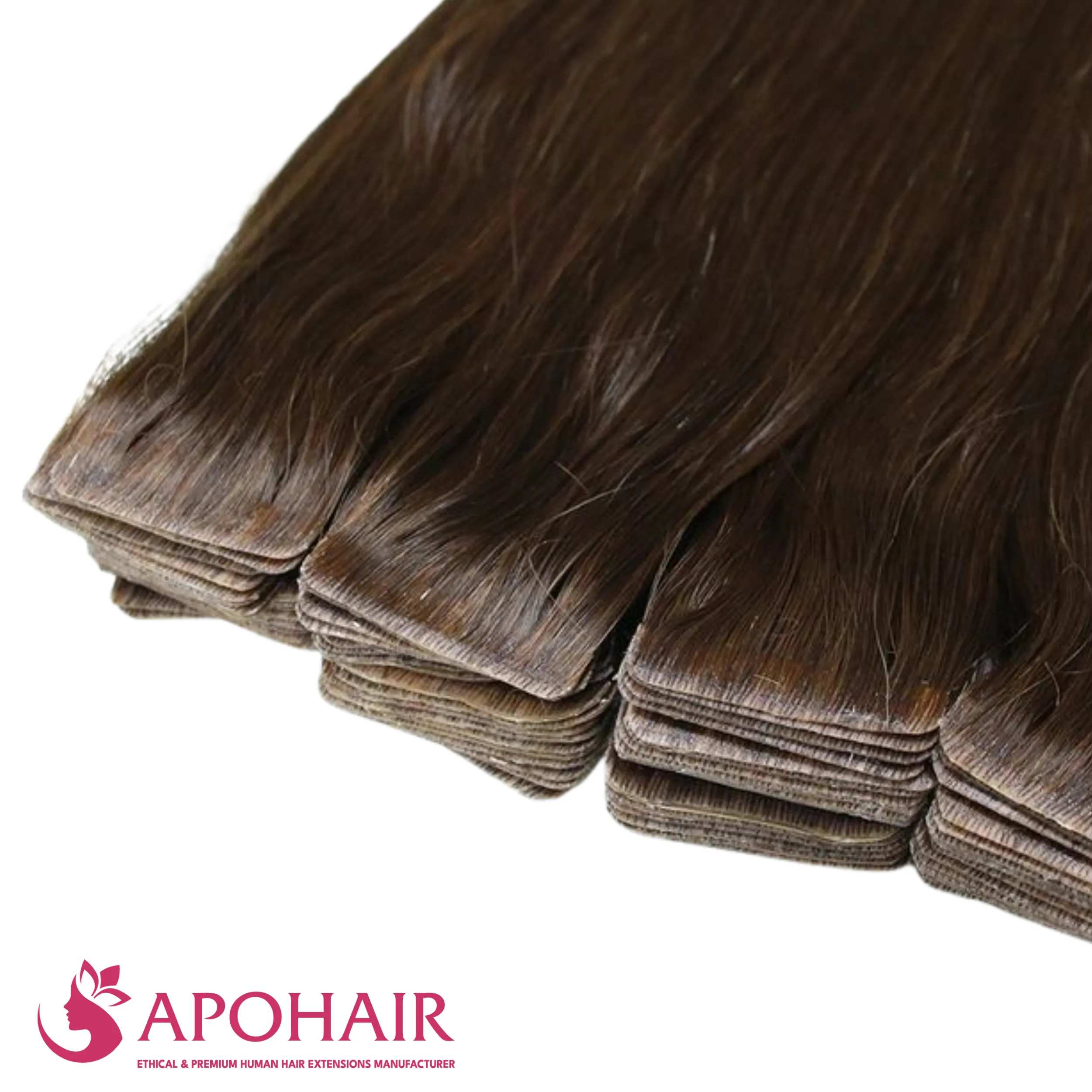
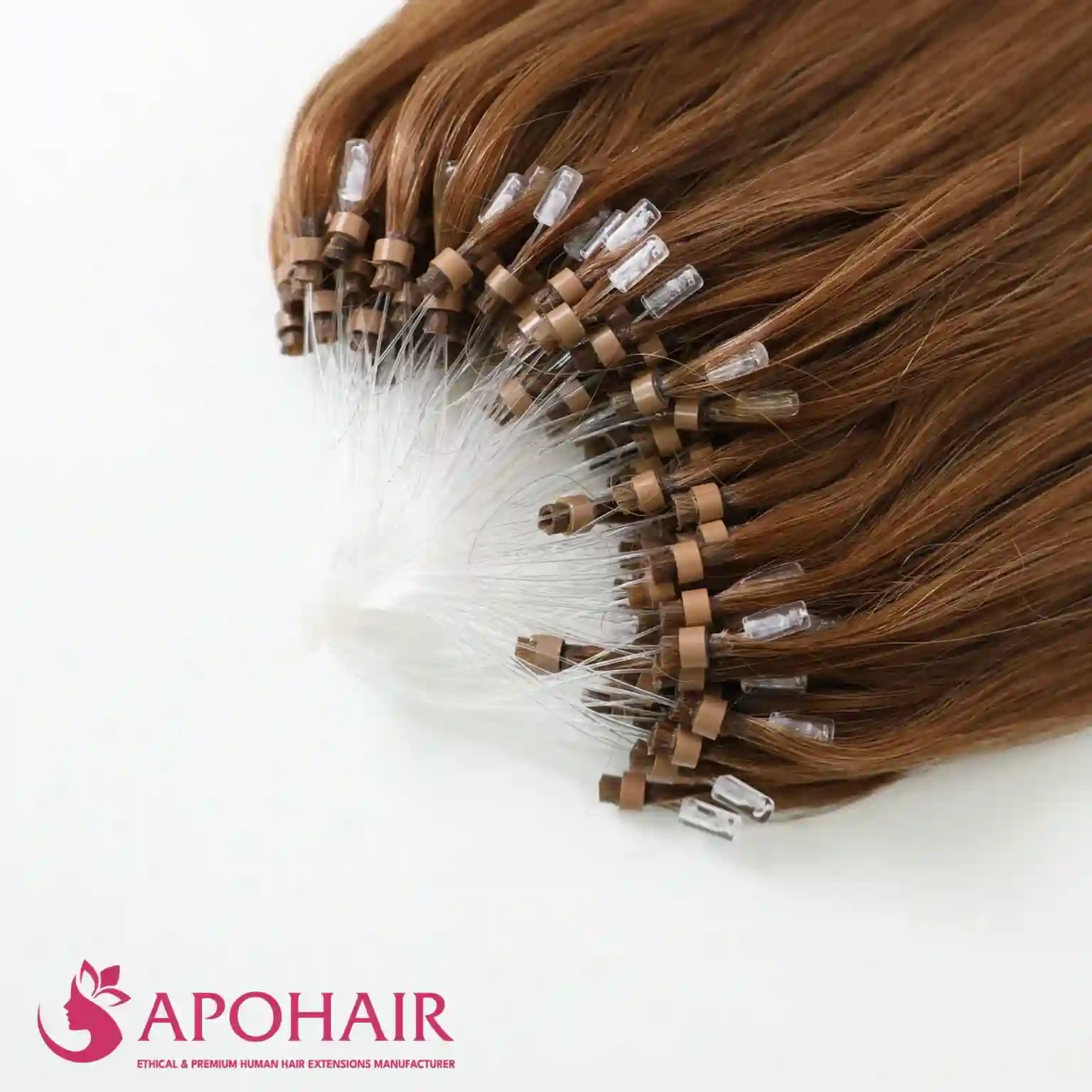
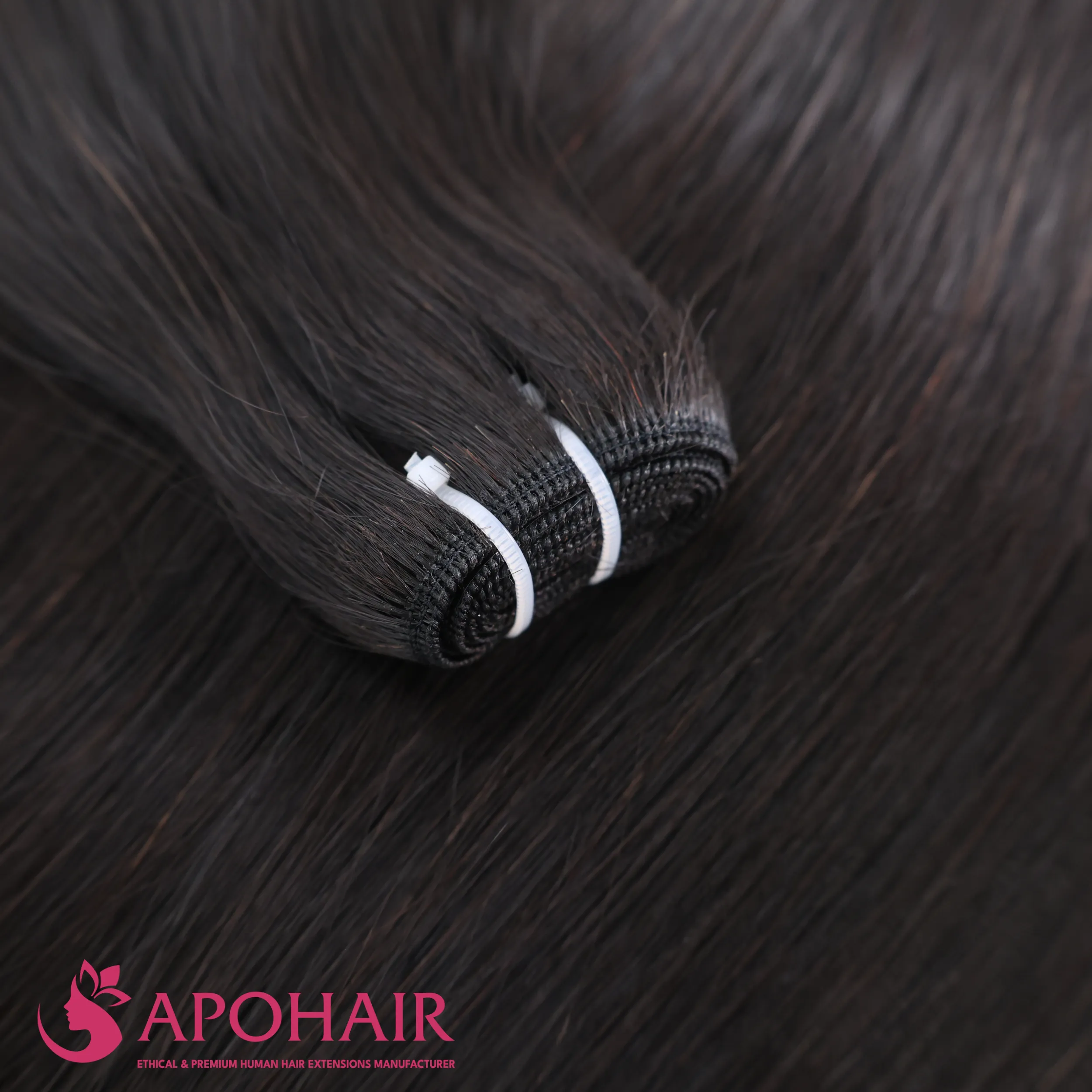
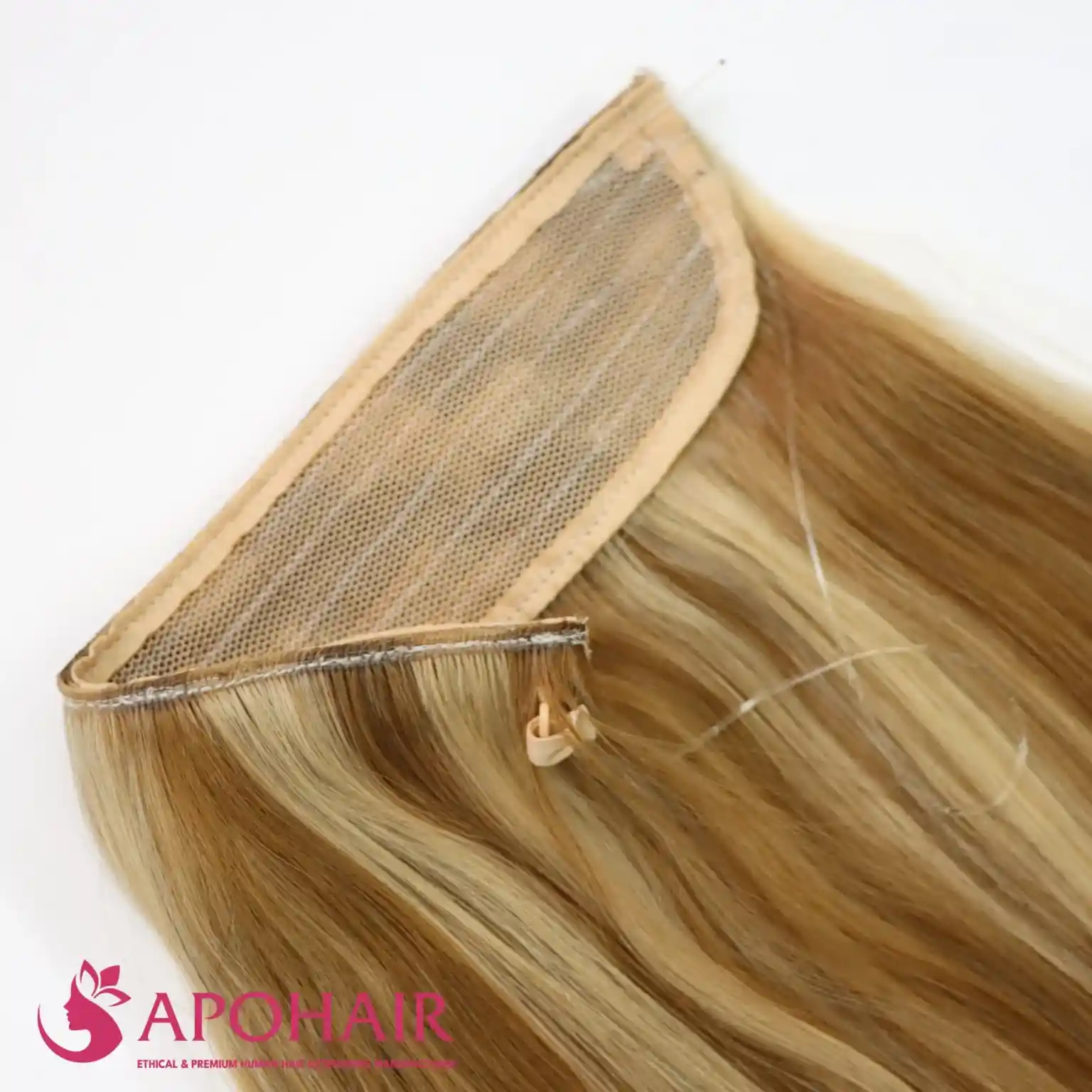
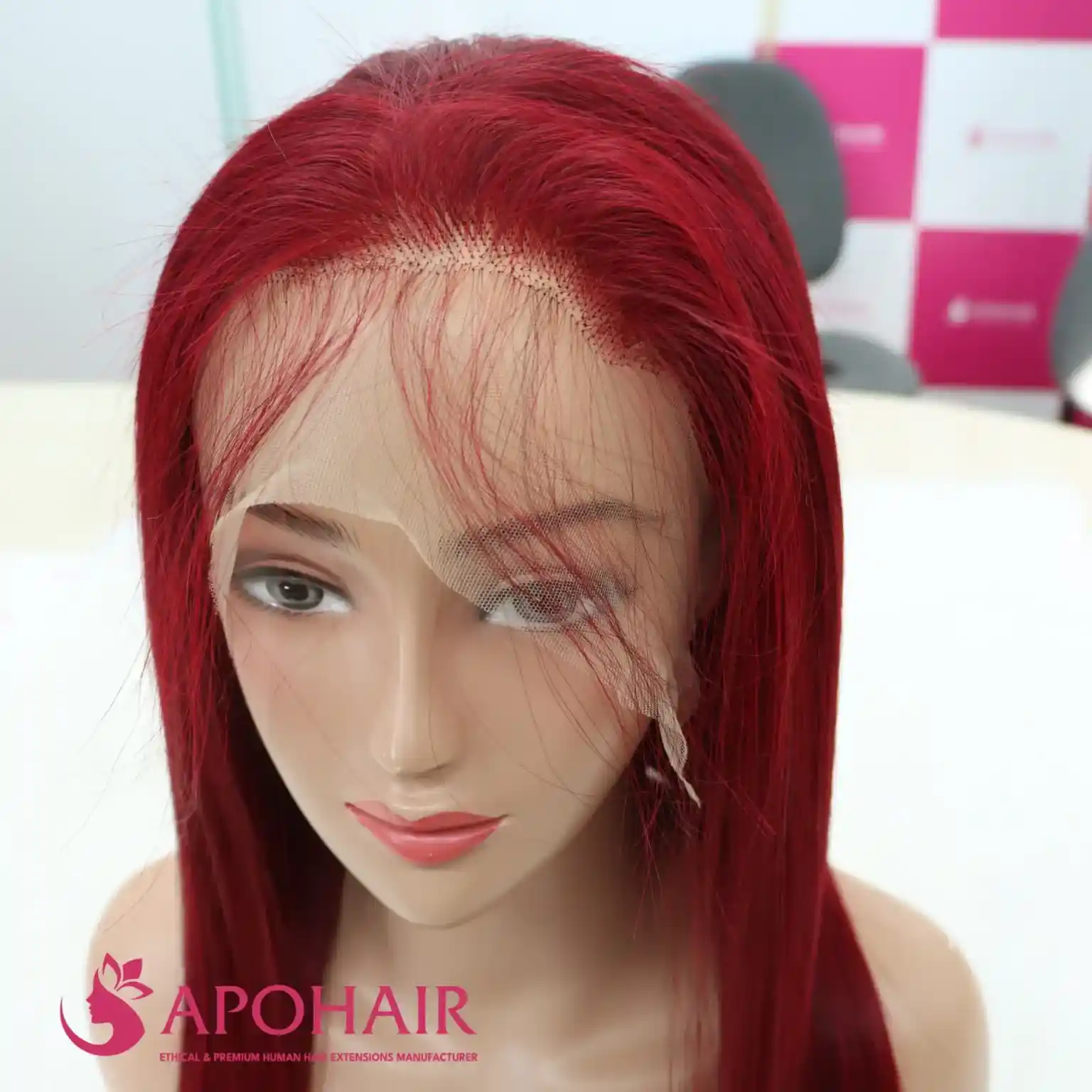
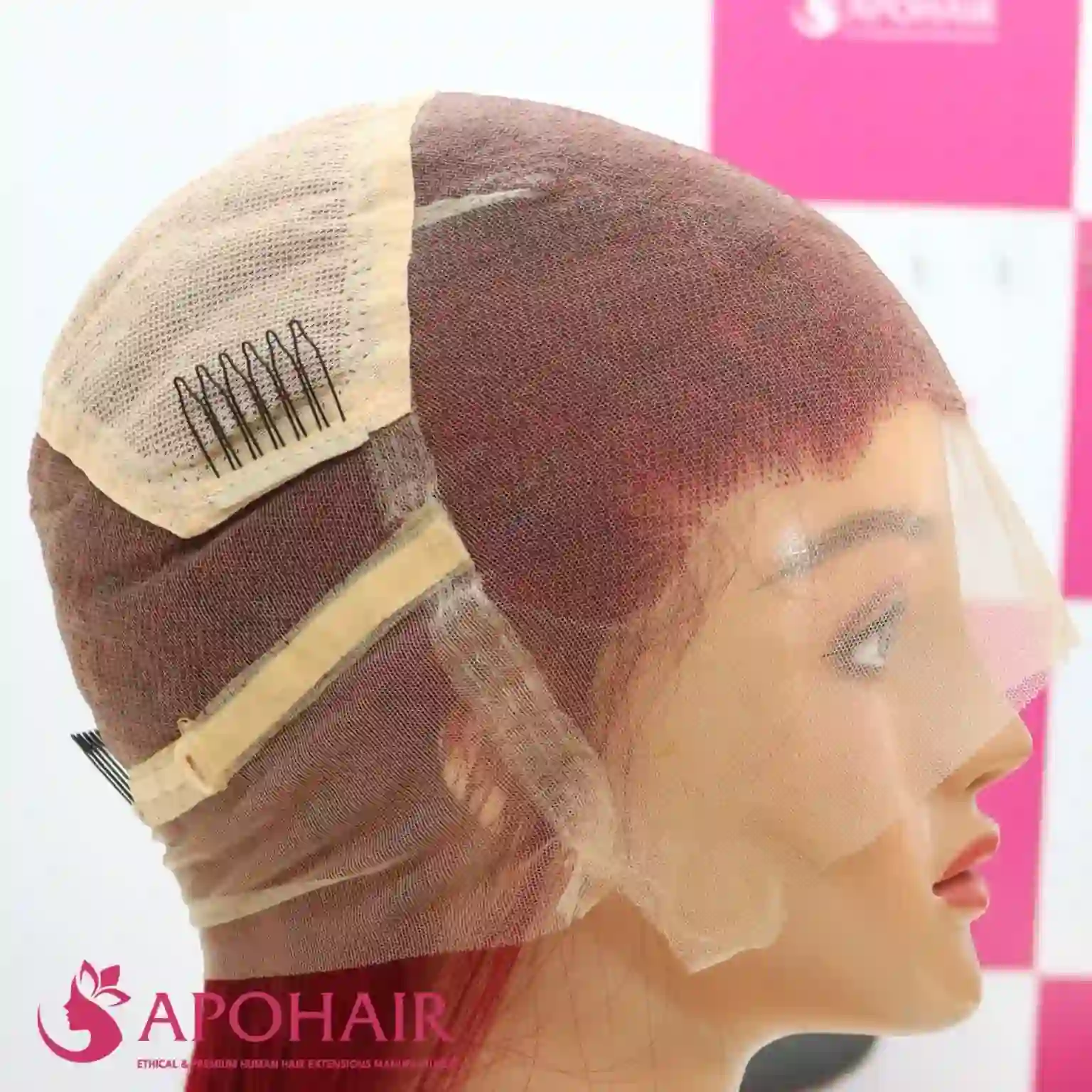
APOHAIR offers both curly and straight textures made from 100% Vietnamese human hair in all major extension types, including weft, tape-in, clip-in, keratin tip, bulk hair, and wigs, all produced at its factory in Vietnam. Skilled workers flat-iron each straight bundle with professional-grade irons for approximately 45 minutes, then finish with a moisturizing oil treatment to lock in a sleek, frizz-resistant result. Curly textures are created by steaming bundles on specialized equipment, then wrapping them around curl formers or wave rods to set the pattern without synthetic additives, so the curl behaves like real human hair.
APOHAIR stands apart from standard wholesale suppliers through a combination of ethical sourcing, advanced manufacturing, and direct factory pricing that benefits both salon owners and independent buyers. Each differentiator below is backed by verifiable production standards and sourcing practices.
- 100% Vietnamese Human Hair: Single-donor collection ensures texture and color consistency; intact cuticles accept color better than Indian or Chinese hair.
- Cuticle-Aligned Technology: All cuticles face the same direction, eliminating tangling at the root cause.
- Ethical Sourcing: Direct collector network in Vietnamese villages with verified fair compensation at every step.
- Factory-Direct Pricing: No middlemen, with wholesale rates 30–40% below retail market pricing.
- 15+ Year Track Record: 700+ well-trained, skilled workers and 100+ dedicated sales staff with deep product knowledge.
- State-of-the-Art Manufacturing: Operates a 33,000 m² (355,208 sq ft) factory in Vietnam with modern production lines.
- Global Distribution: Orders processed within 24 hours and delivered worldwide in 3–7 days across the US, UK, EU, Australia, Africa, and Asia.
- Quality Guarantee: 7-day warranty with a free replacement policy on qualifying orders.
- Wholesale Flexibility: Accepts orders starting from 200 grams, suitable for small to large-scale buyers.
APOHAIR transforms authentic raw Vietnamese hair into premium extensions trusted by salon owners and wholesalers worldwide. The mission is simple: become the global leader in the hair industry through ethical practices, manufacturing excellence, and genuine customer success.
Ready to order for your business? Contact APOHAIR today:
APOHAIR — ETHICAL & PREMIUM HUMAN HAIR EXTENSIONS MANUFACTURER
- Address: Building 3A, Lane 82 Duy Tan, Cau Giay, Hanoi, Vietnam
- Factory: Minh Luong, Yen Luong Ward, Ninh Binh, Vietnam
- Phone: (+84) 862 132 366
- Email: [email protected]
FAQs
1. Can I Wear Curly Extensions on Naturally Straight Hair?
Yes, you can wear curly extensions on naturally straight hair, but your natural hair underneath will need to be curled or texturized first to blend smoothly with the extension texture.
2. Which Is More Attractive, Curly or Straight Hair?
Attractiveness is subjective and depends on personal preference; both curly and straight hair can look striking when the hair is healthy and styled to suit the individual’s face shape and personality.
3. Can Curly Hair Be Straightened Without Damage?
Curly hair can be straightened with minimal temporary damage using heat protectant and low heat settings, but fully damage-free, long-term straightening is difficult because heat breaks down the hair’s protein bonds over time.
Conclusion
Curly and straight hair differ at the follicle level, producing distinct behaviors in porosity, shine, frizz response, and moisture needs. Curly hair brings volume and natural texture but requires consistent hydration and gentle handling. Straight hair offers easy manageability and high shine but needs regular washing to control oil. Whether you want to work with your natural texture or experiment with extensions, understanding these differences helps you choose the right products, routine, and APOHAIR extensions for the results you actually want.
To achieve the best results, explore APOHAIR’s premium collection, where you can find 100% Vietnamese human hair in a wide range of textures, from sleek straight to defined curls. APOHAIR offers customizable options, consistent quality, and factory-direct pricing, making it easier to match your exact hair goals, whether you’re a salon owner or an individual user.
APOHAIR — ETHICAL & PREMIUM HUMAN HAIR EXTENSIONS MANUFACTURER
- Address: Building 3A, Lane 82 Duy Tan, Cau Giay, Hanoi, Vietnam
- Factory: Minh Luong, Yen Luong Ward, Ninh Binh, Vietnam
- Phone: (+84) 862 132 366
- Email: [email protected]
