








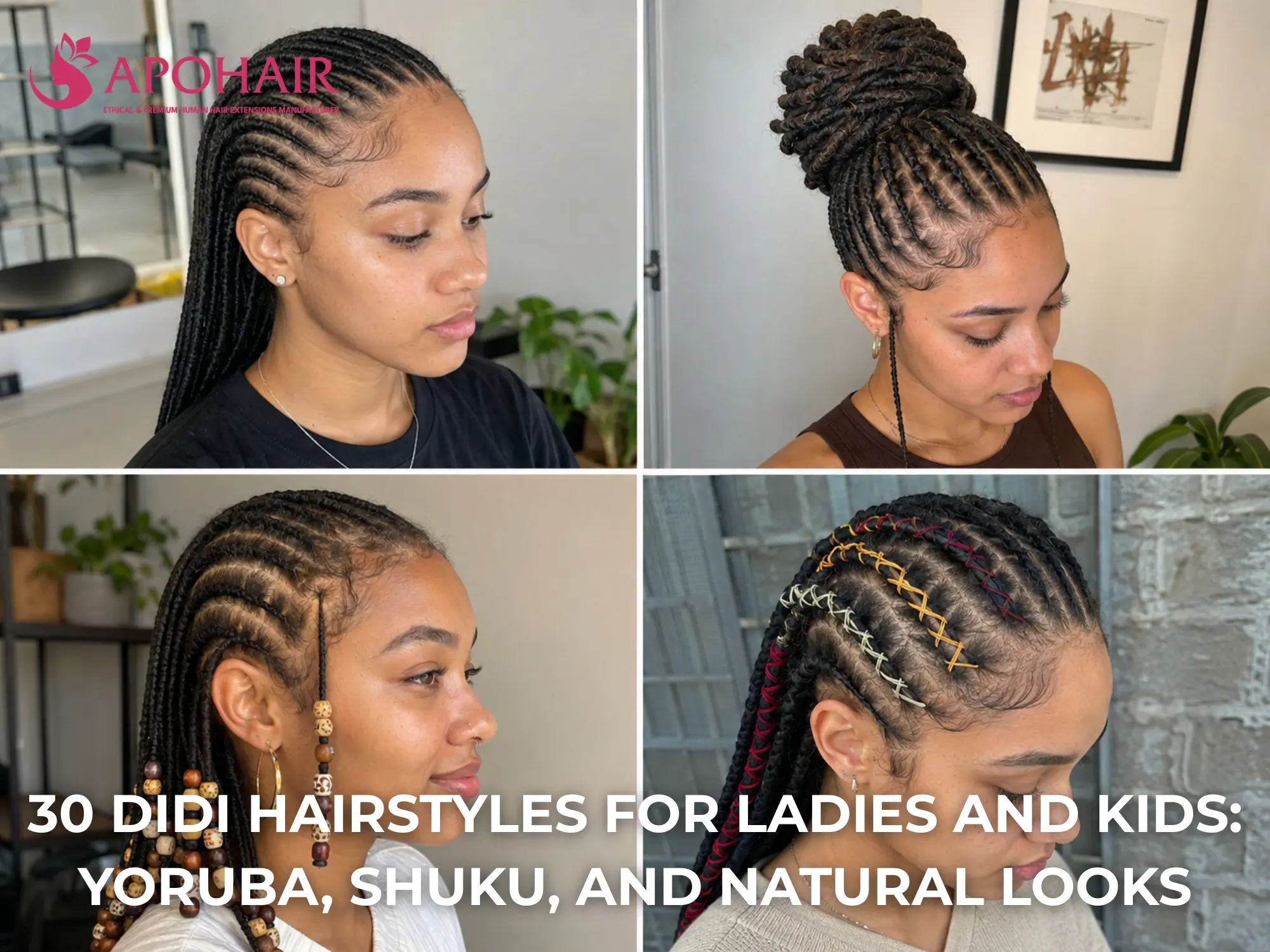
30 Didi Hairstyles: Yoruba, Shuku, and Natural Looks
Didi braids are a Yoruba inverted-cornrow style, which means the hair is woven under and inward instead of over the middle strand. That under-weave makes didi look flatter and more tucked into the scalp than a raised cornrow.
Unlike shuku, which gathers the hair up into a raised hump or crown, didi usually stays flat and is often worn all-back. The style comes from Yoruba hair culture in Nigeria, where didi, shuku, and kiko describe different ways of shaping hair through braiding, gathering, and threading.
This guide brings 30 didi looks together in one place, from classic all-back and shuku didi to natural styles without attachment, Brazilian wool, beaded versions, and kid-friendly sets. You will also see how didi is woven, how long the style usually lasts, and how to protect your edges while you wear it.
Traditional Yoruba Didi Hairstyles
These are the most-worn didi looks, from the classic all-back to didi-and-shuku combos and beaded or attachment styles. Each card tells you what the look is, who it suits, and how it is woven, so you can find a starting point.
1. Classic All-Back Didi Hairstyle
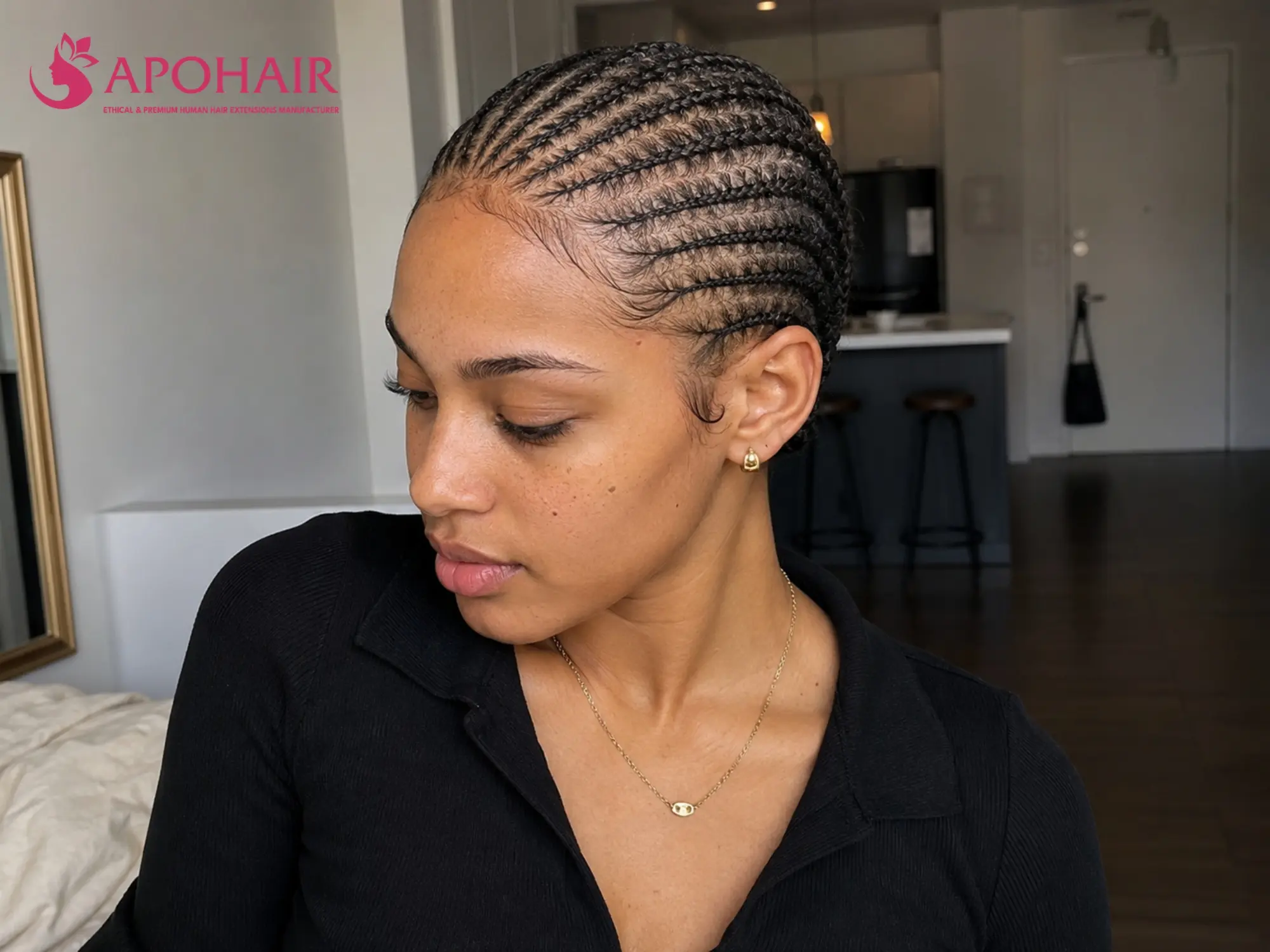
Classic all-back didi is straight inverted cornrows woven all the way back, and it is the everyday traditional look. Most people meet didi through this style first.
It suits any face and works as both a daily go-to and a base for fancier styles. The rows are neat, flat, and protective, and they last 2 to 6 weeks. Your braider parts straight rows and weaves each one under, all directed toward the back.
2. Simple Sleeping Didi Hairstyle
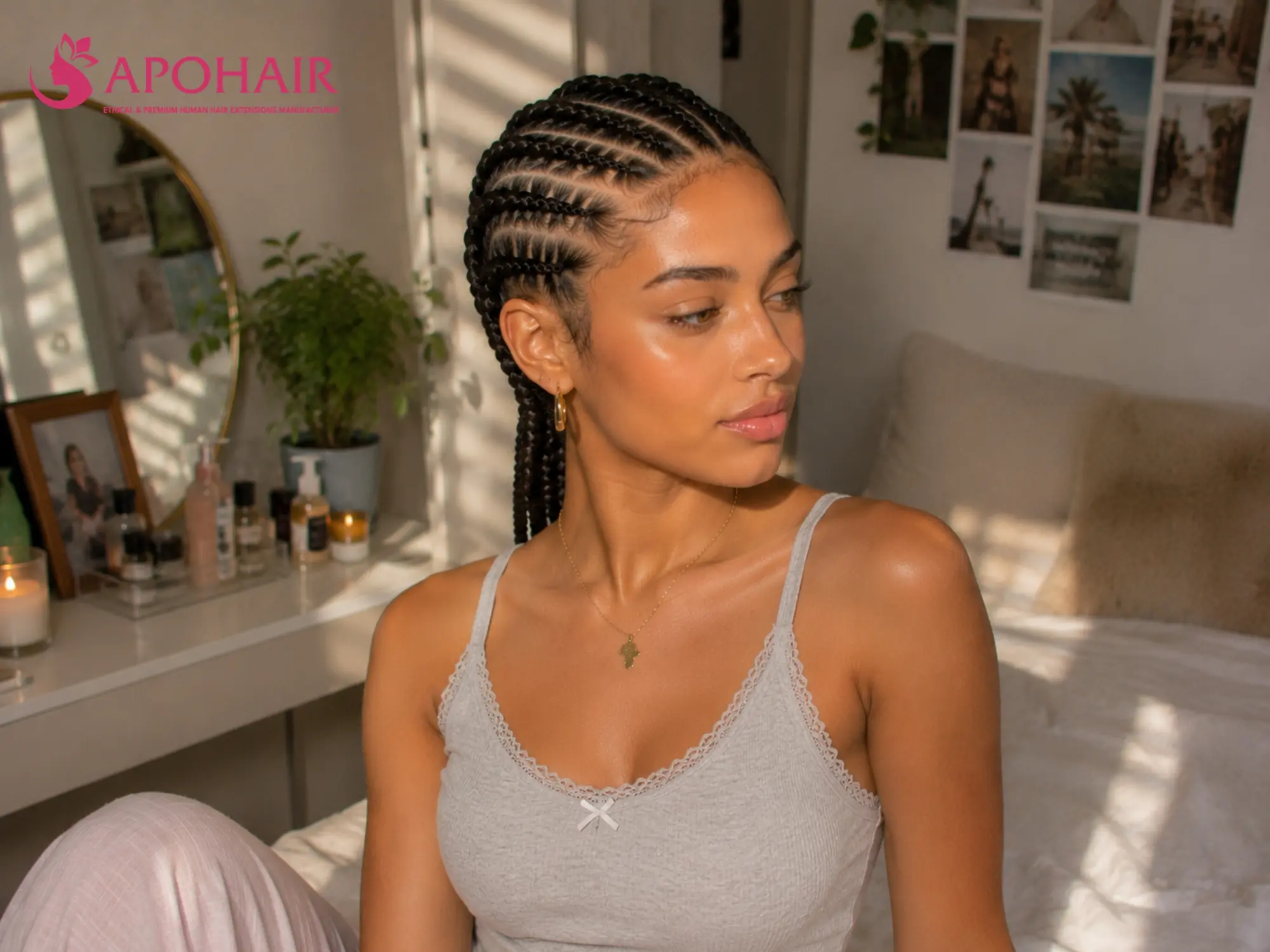
Sleeping didi is a low, flat didi that lies so close it seems to sleep against the scalp. It is a favorite as an everyday base and as a foundation under a wig.
Low-key and work-friendly wearers love it, and wig wearers use it as a flat base. It is tidy, lightweight, and lies flat, holding 2 to 4 weeks. Weave fine, flat rows that stay close to the head.
3. Side Didi Hairstyle
Side didi parts deep and weaves on an angle to one side. The diagonal direction gives the whole style a softer, dressed-up feel.
Round faces gain the most, since the side sweep slims, and it suits evening wear. The asymmetry is soft and flattering, lasting 2 to 4 weeks. Set a deep side part and angle the rows across the head.
4. Owonifari Didi Hairstyle
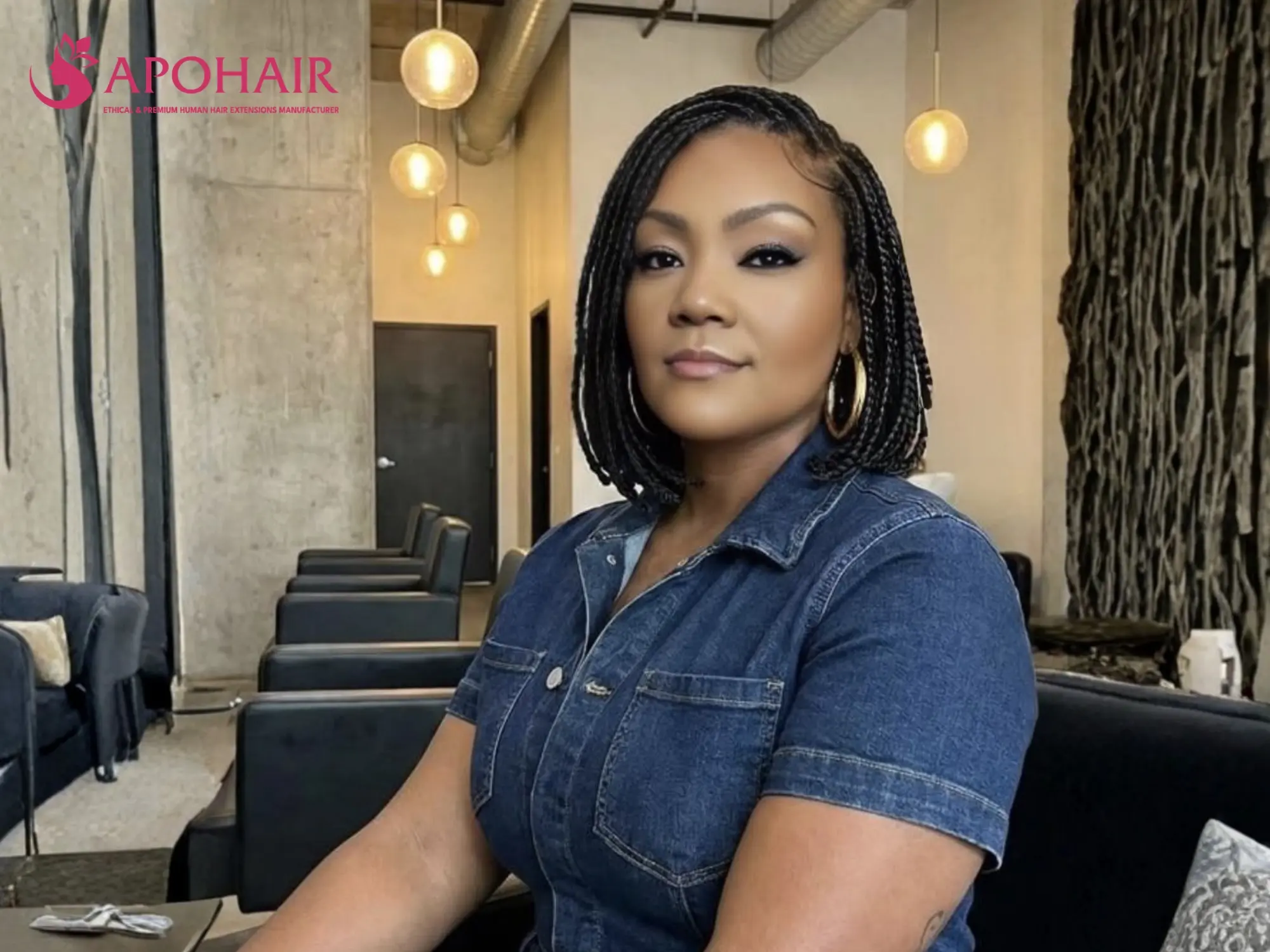
Owonifari is a traditional Yoruba didi style often described with neat, close-to-the-scalp inward-woven rows directed forward or up toward the crown. It is usually woven on natural Afro-textured hair, with attachment added only when the wearer wants a bun or extra length.
Cultural-pride and traditional wearers favor it, and it suits most faces. It is durable and protective when the rows are not too tight, and it usually holds about 2 to 4 weeks. The braider sits in front and weaves the rows under and inward toward the crown, then the style can be worn all-back, rolled into a center-top, or finished with a bun.
5. Adimole Didi Hairstyle
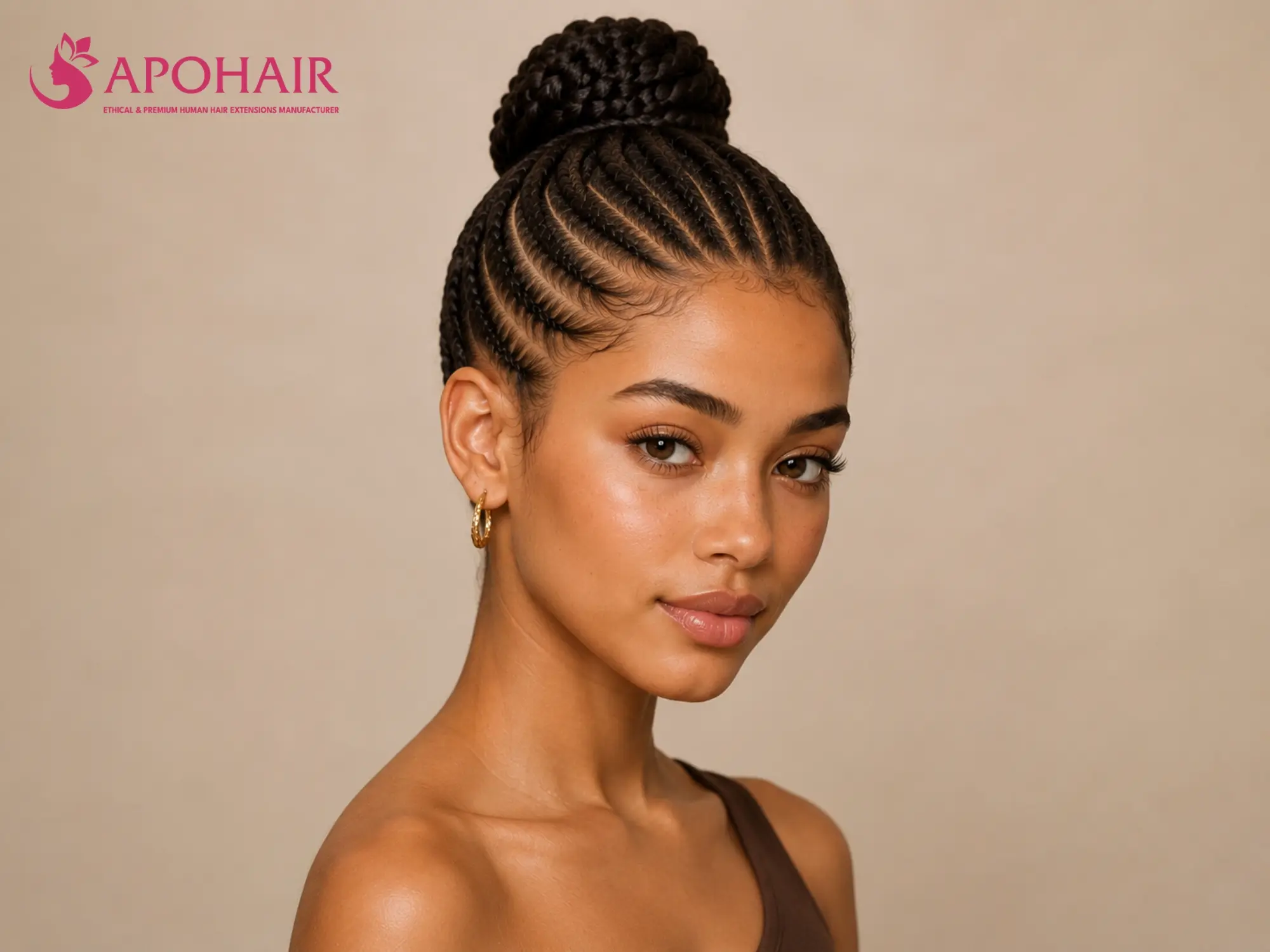
Adimole is a traditional didi term often used for a flat, close-lying weave, similar to sleeping didi. The name points to a specific heritage weave rather than a modern styling trend.
Traditional wearers and naturalistas protecting their own hair reach for it. It is protective and heritage-rooted when tension stays light, and many wearers connect it with length retention rather than direct hair growth. Weave fine, flat inverted rows that lie close to the scalp.
Shuku Didi Hairstyles
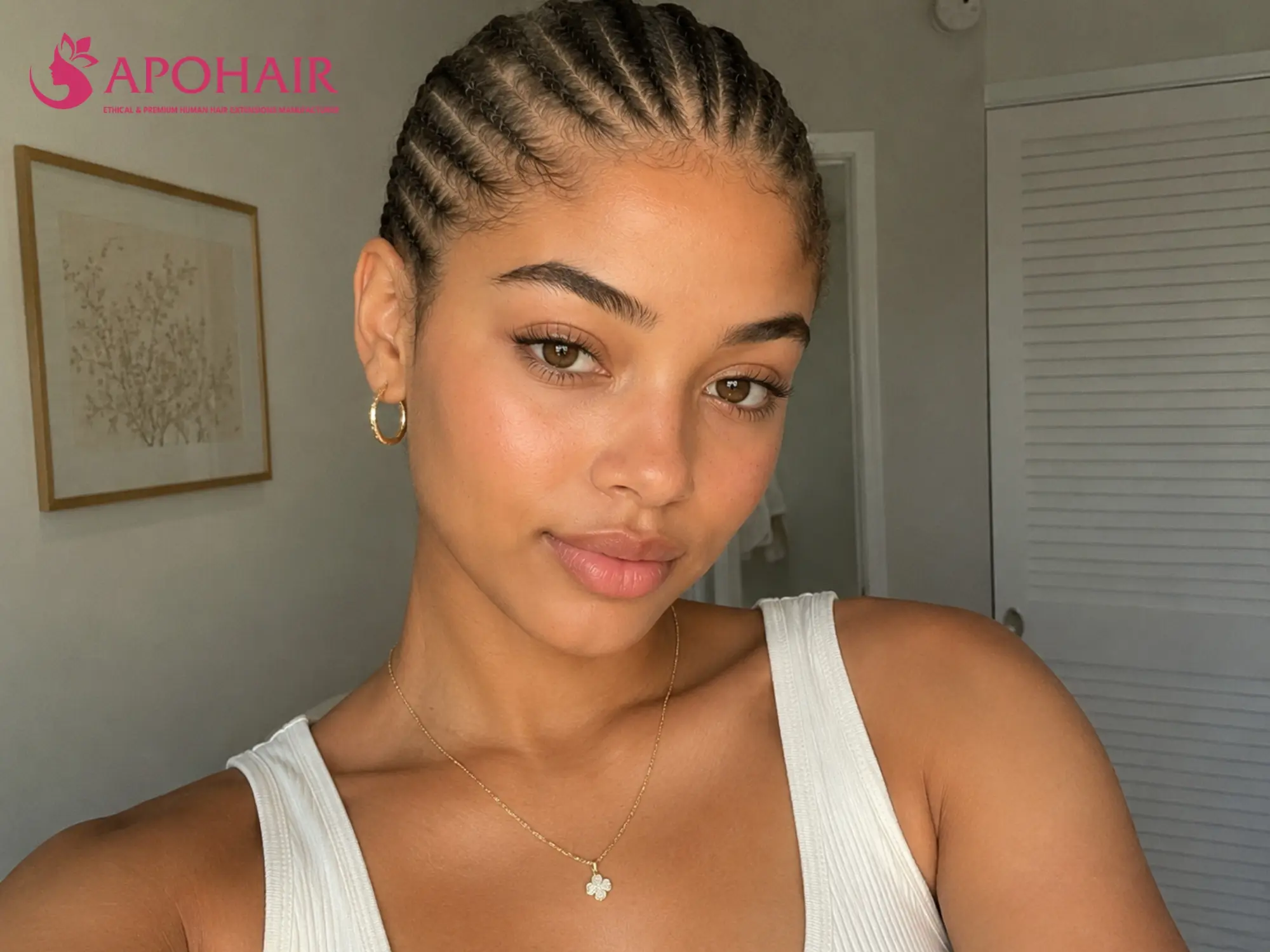
Shuku didi pairs the flat didi weave on the sides with a shuku gather, where the hair is plaited from the edges up toward a raised crown or bun. The raised shape gives shuku didi a dressed-up, ceremonial feel without overstating its history. The cards below cover shuku-didi variations for events and most face shapes.
6. Classic Shuku Didi Hairstyle
Classic shuku didi weaves the sides up into a raised shuku crown or bun on top. It puts the two signature Yoruba techniques, didi and shuku, into one style.
Most faces suit it, and it reads traditional and event-ready. You get both heritage looks at once, holding 2 to 4 weeks. Weave the sides up and gather them into a raised shuku.
7. Shuku Didi for Natural Hair
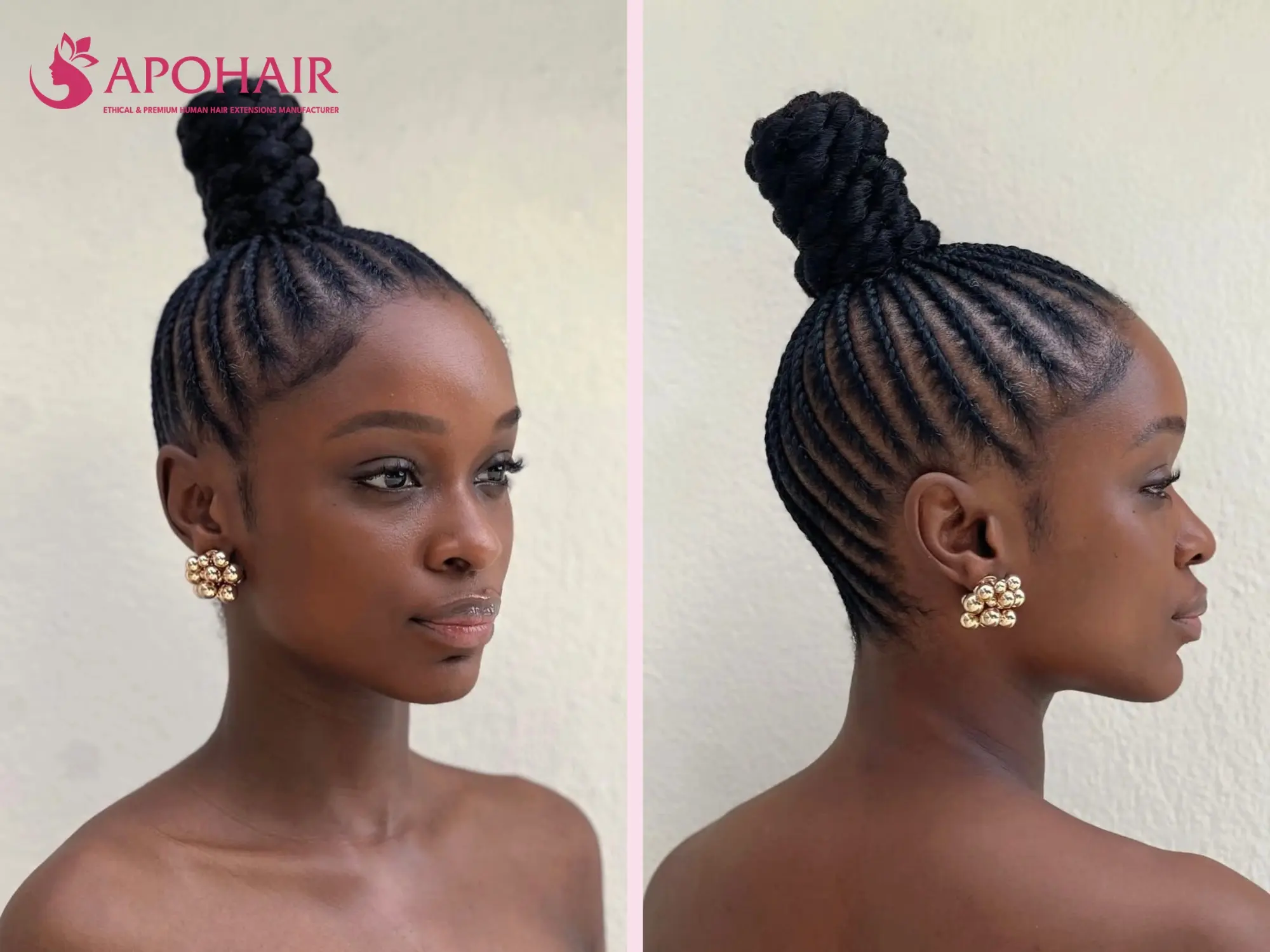
This version gathers shuku didi up on 100% your own hair, with no attachment. It is the lower-weight way to wear a raised shuku shape because you are not adding extra hair.
Naturalistas and anyone protecting their own length favor it. It keeps the heritage gather while staying lighter on your scalp, lasting about 2 to 4 weeks. Weave your own hair from the edges up into the shuku.
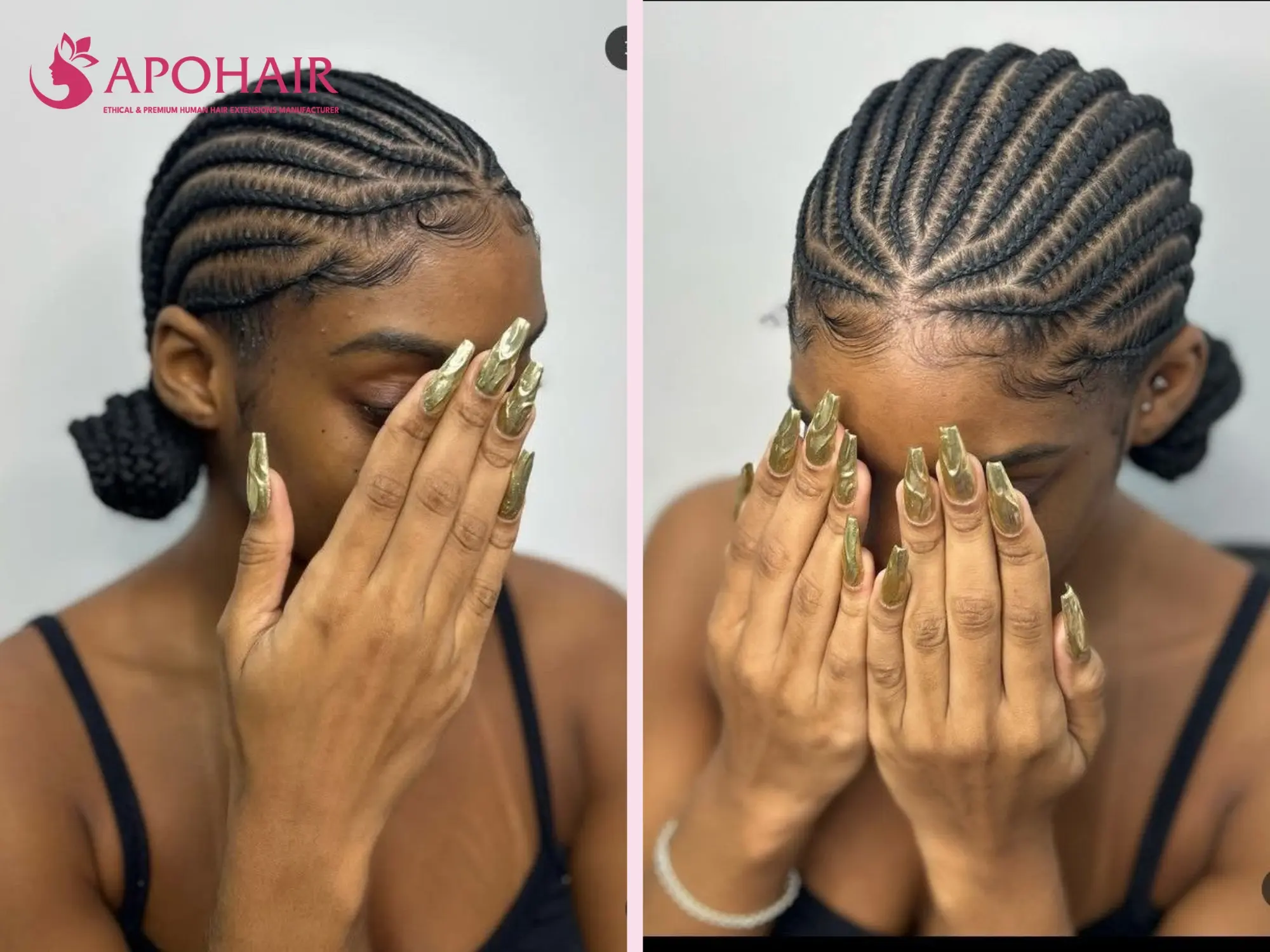
8. Shuku Didi with Attachment
Shuku didi with attachment feeds in braiding hair for a fuller, higher crown. It is the dressed-up option when you want more height and volume on top.
Event-goers and anyone wanting a taller shuku reach for it. The crown reads fuller and more formal, holding 4 to 6 weeks. Feed attachment up into the shuku gather as you weave.
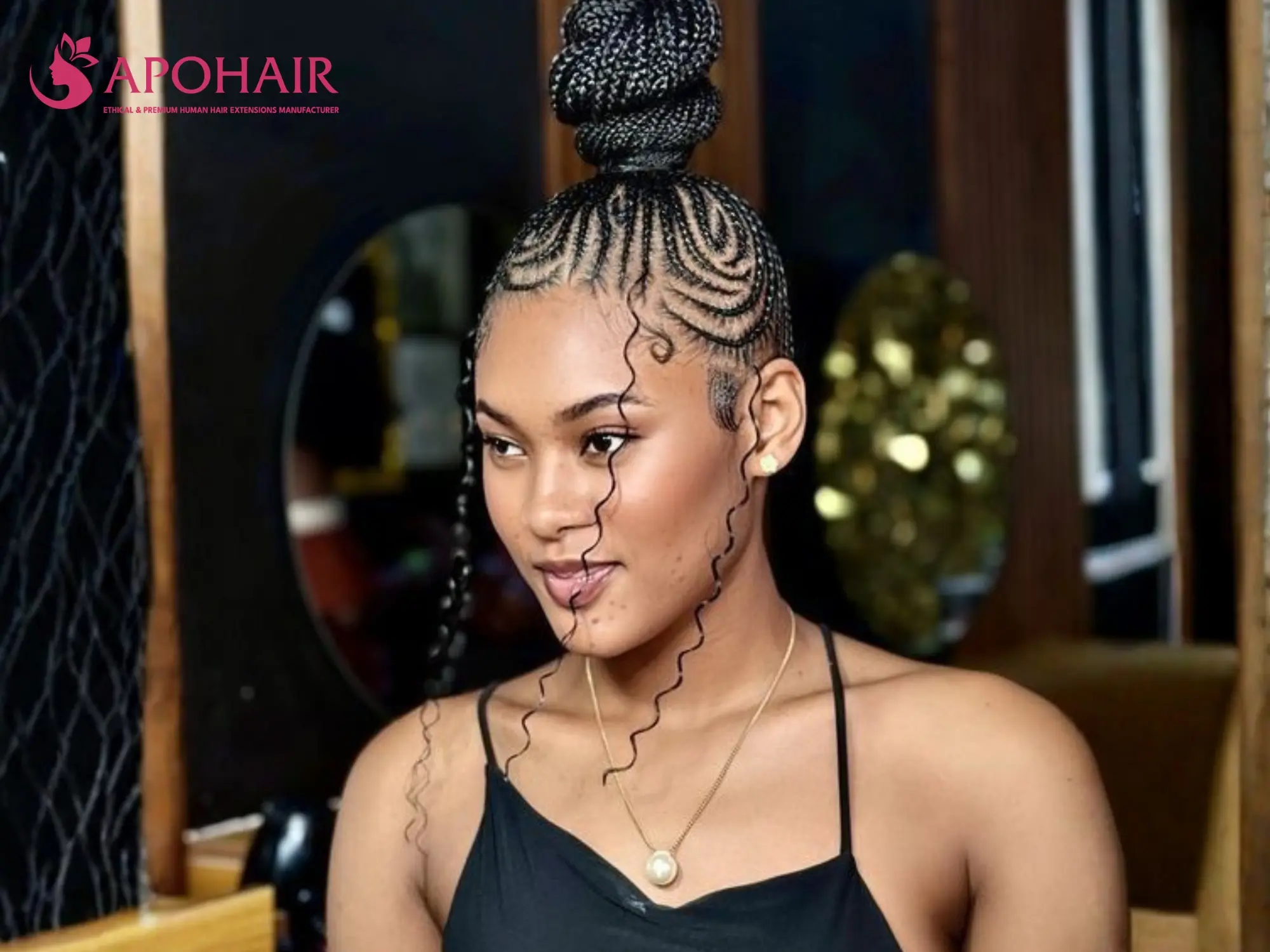
9. Nigerian Shuku Didi Hairstyle
Nigerian shuku didi is the classic gather worn for traditional and cultural occasions. It is the version you see at weddings, naming ceremonies, and festivals.
Cultural events and most faces suit it. It is traditional and elegant, lasting 2 to 4 weeks. Weave the traditional shuku pattern up toward the crown.
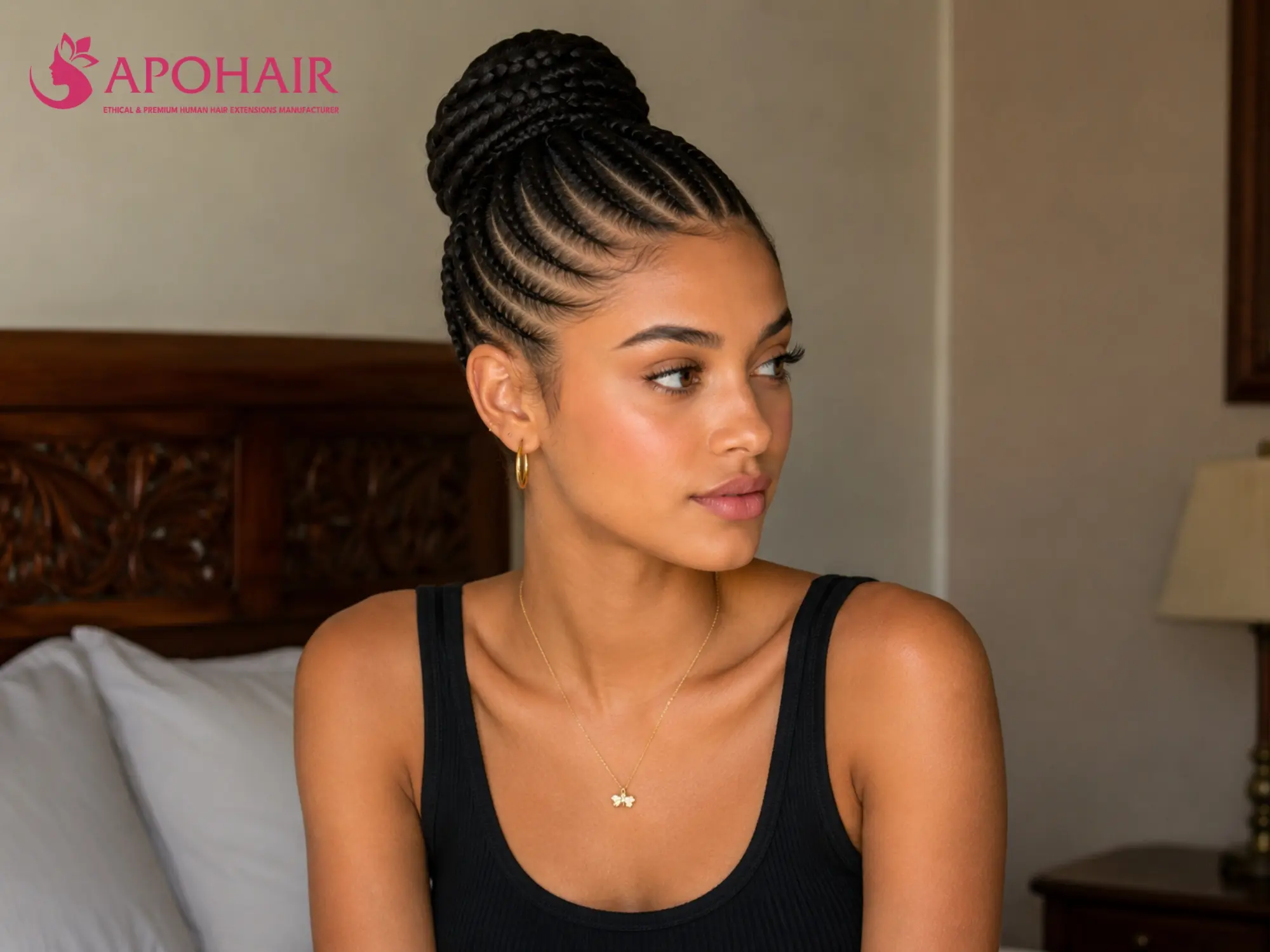
10. Ghana Didi Shuku Hairstyle
Ghana didi shuku uses the feed-in (Ghana-braid) technique for a sleek, full, graduated crown. The roots stay flat while the crown builds volume.
Anyone wanting a neat, fuller shuku for an event will like it. You get sleek roots and a full crown, holding 4 to 6 weeks. Feed in increasing amounts of hair up into the shuku for the graduated, full finish.
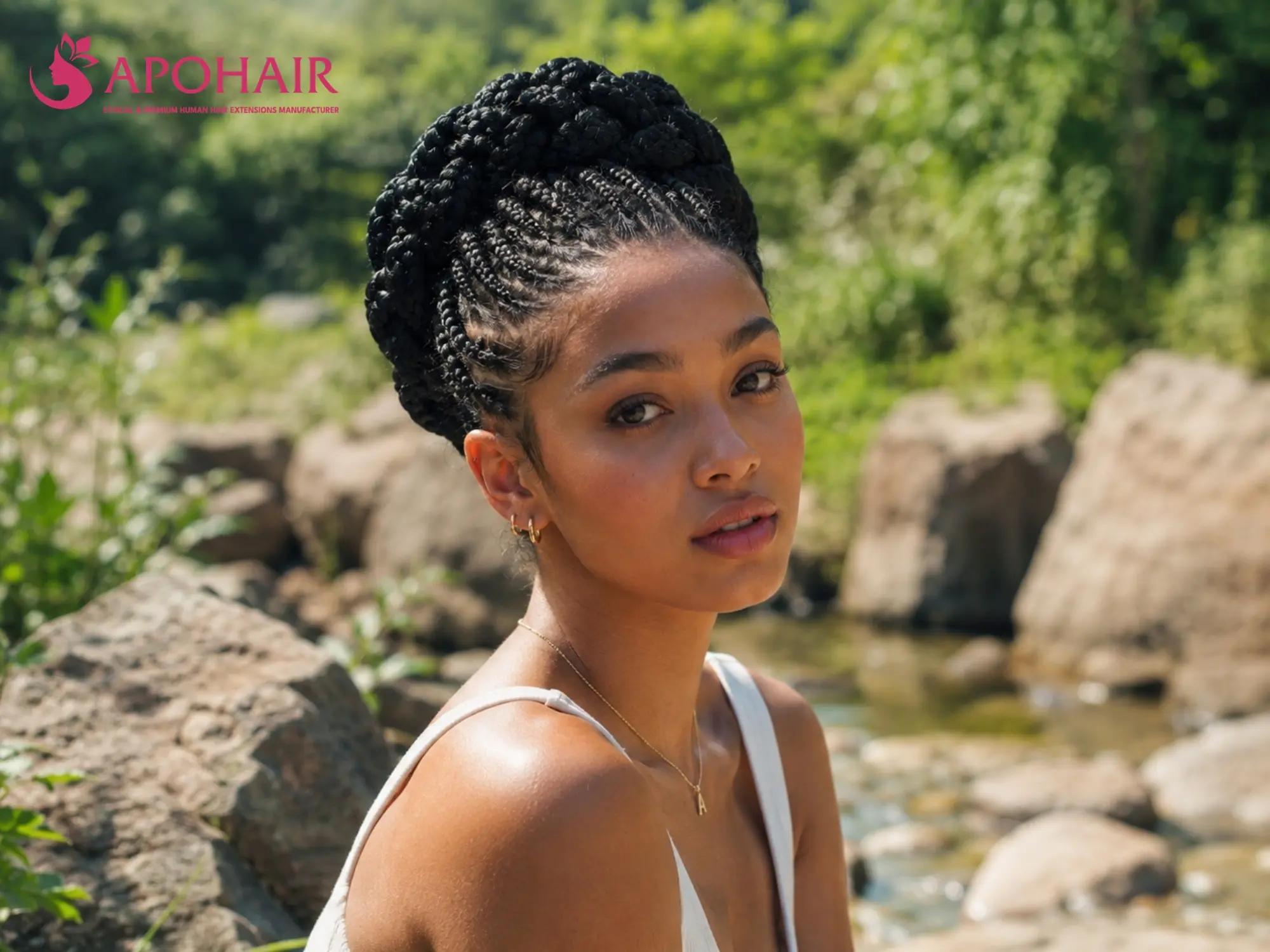
Natural Didi Hairstyles Without Attachment
These looks wear didi on 100% your own hair with no extensions, which makes them lighter and lower-manipulation than added-hair versions. They suit naturalistas, students, and anyone who wants a cost-effective protective style while caring for their own length.
11. All-Back Didi on Natural Hair
All-back didi on natural hair weaves the classic look on your own hair, with no extensions at all. It is the most protective version of the everyday didi.
Naturalistas and anyone protecting their own length wear it. It is fully protective when tension stays light, and it can support length retention by reducing daily styling, holding about 2 to 4 weeks. Weave your own hair under, all toward the back.
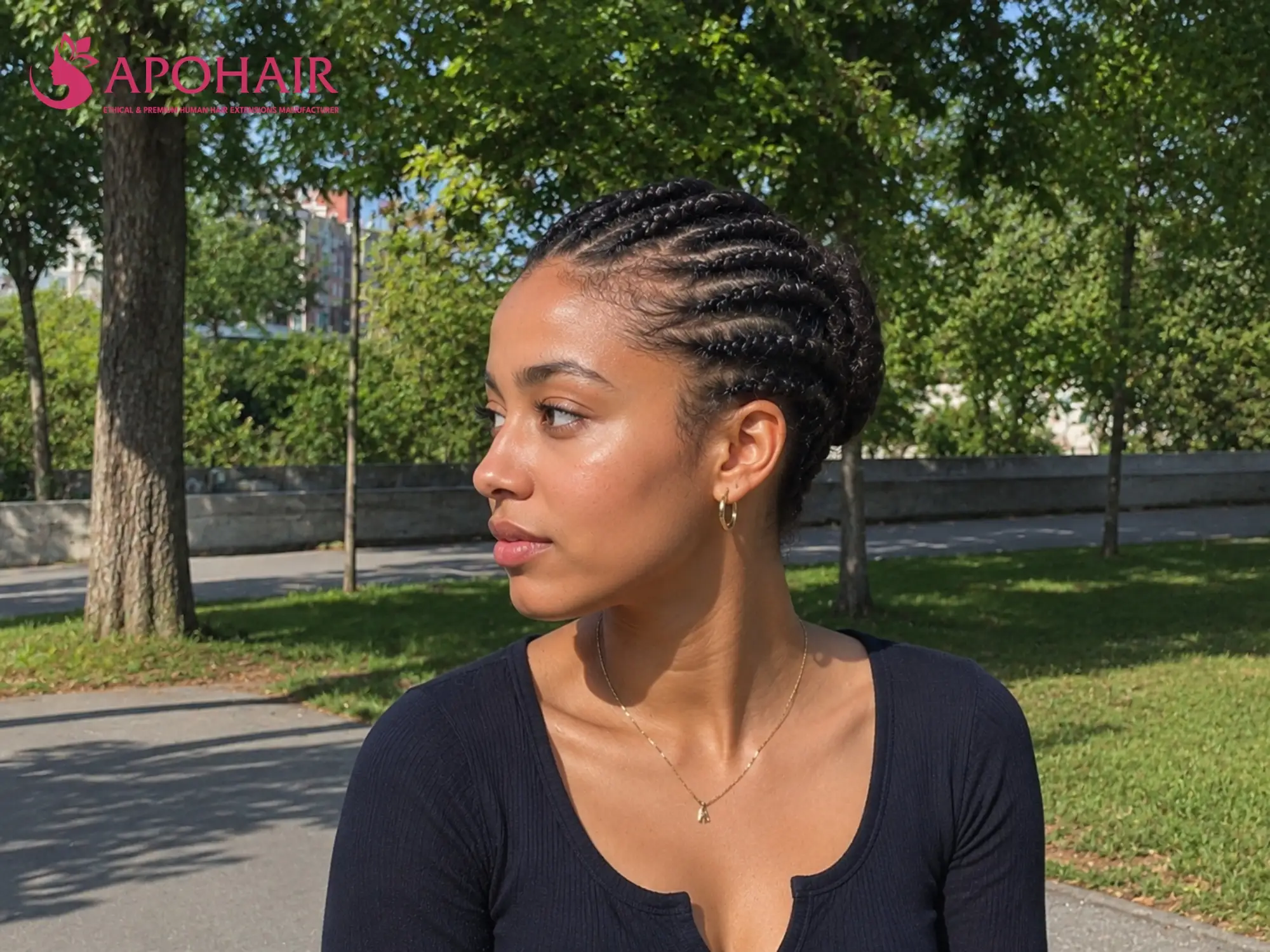
12. Short-Hair Didi Hairstyle
Short-hair didi weaves on short or TWA natural hair without attachment. You do not need length for the inverted weave to grip.
Short-hair and growing-out wearers favor it, and upkeep stays low. It works on just a few inches and protects as you grow, holding 2 to 3 weeks. Weave small, flat rows with no added hair.
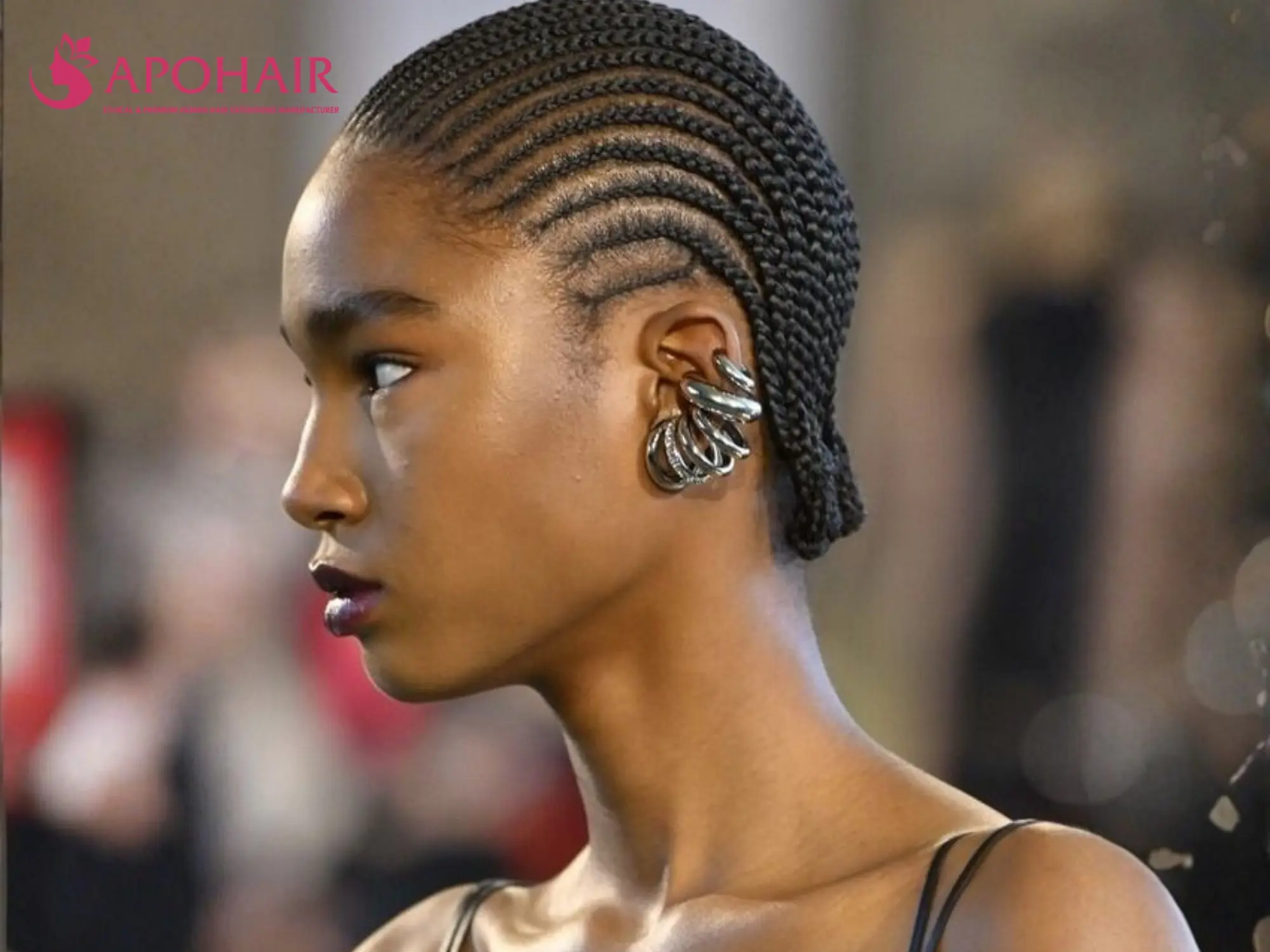
13. Small or Thin Didi Braids
Small didi uses many fine, thin inverted rows for an intricate, long-lasting finish. The detail takes time but pays off in wear.
Detail-lovers and anyone wanting the longest wear reach for it. The fine rows are intricate and last up to 6 weeks. Part many small rows and plan extra time in the chair.
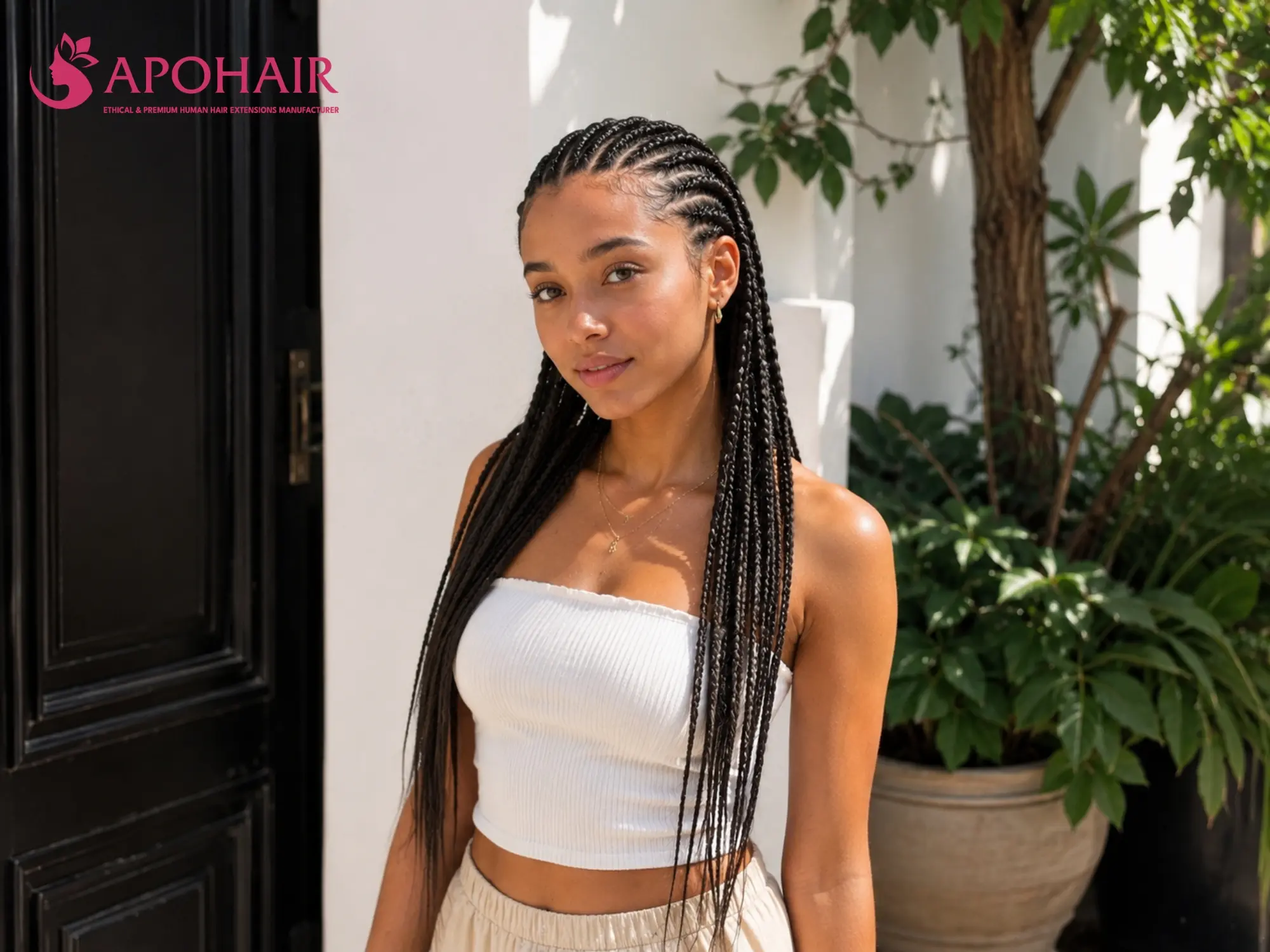
14. Sleek Natural Didi Rows
Sleek natural didi rows are neat, close-to-the-scalp rows on natural hair, often worn under a wig. They double as a tidy protective base.
Work-friendly and wig-wearing readers favor them, and they suit most faces. They are tidy, flat, and lightweight, lasting 2 to 4 weeks. Weave fine, flat rows close to the head.
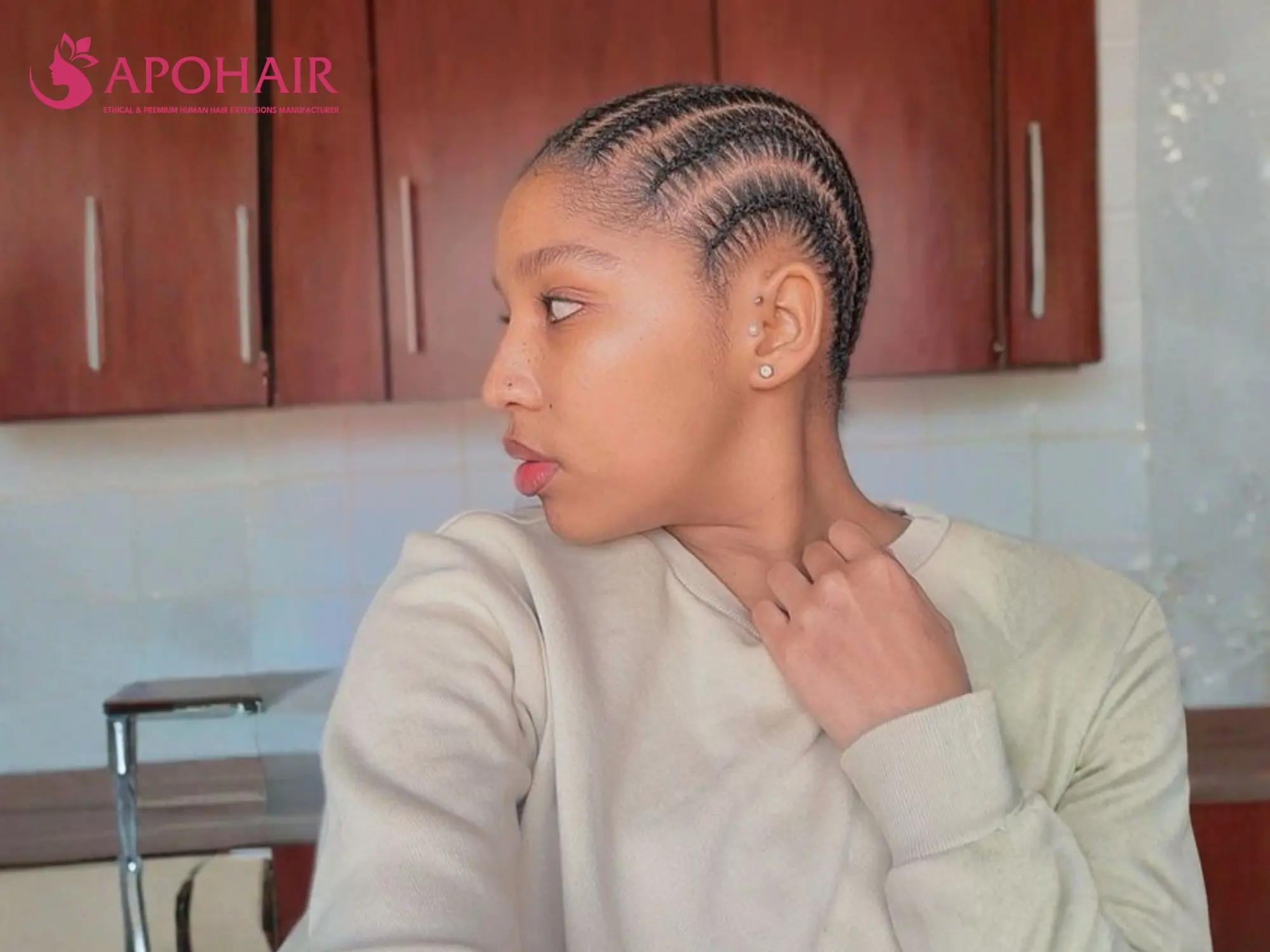
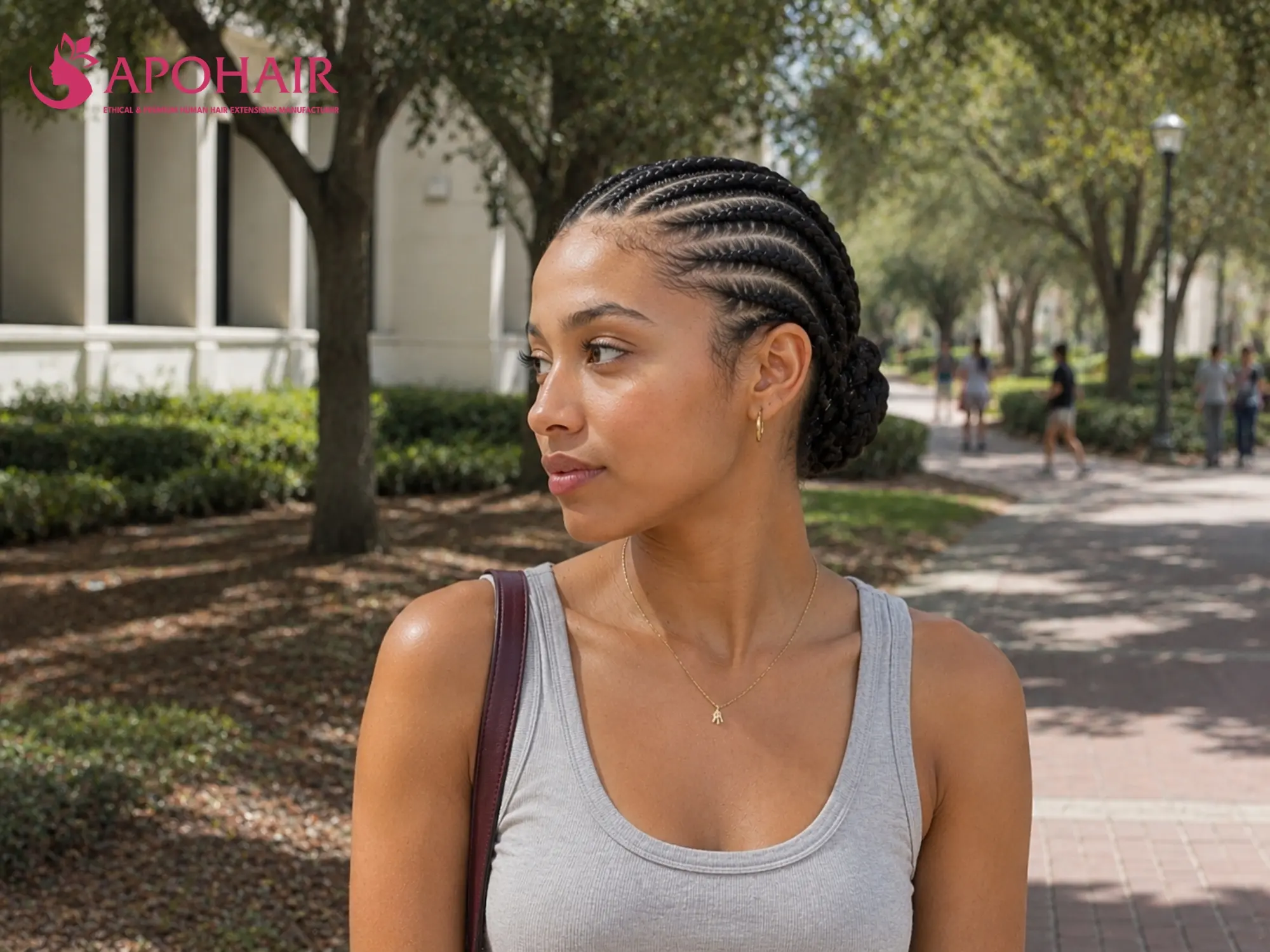
15. Didi Hairstyles for Natural Hair and School
This practical, neat didi is built for school and everyday wear on natural hair. It holds up to a busy week without much fuss.
Students and busy wearers reach for it, since the tension stays low. It is durable, tidy, and gentle, holding 2 to 4 weeks. Weave medium rows with gentle tension to protect young or fine hair.
Didi Hairstyles With Attachment, Wool & Beads
This family dresses didi up with added length, color, and decoration, using braiding attachment, Brazilian wool, thread, and beads. Since the natural styles stay product-free, this is the one place to add hair, wool, or color, kept light.
16. All-Back Didi with Attachment
All-back didi with attachment feeds braiding hair into the rows for length and fullness. It is the easiest way to add body to thin or short hair.
Anyone wanting longer, fuller didi, including thin-haired wearers, will like it. You get added length and fuller rows, holding 4 to 6 weeks. Feed attachment in as you weave each row.
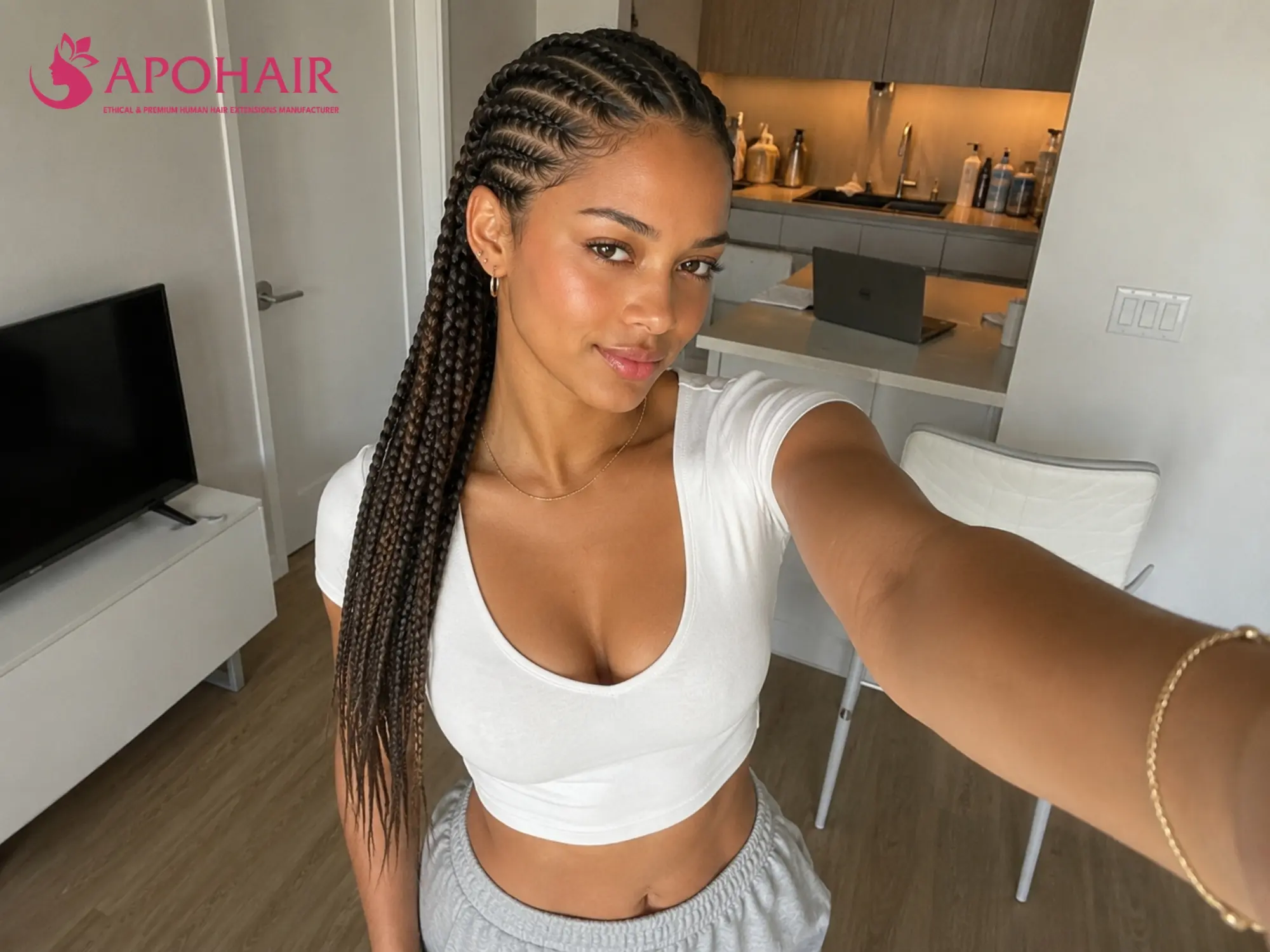
17. Long Didi with Attachment
Long didi extends the rows with added hair, woven flat then left to hang at the ends. The flat root keeps it neat while the length adds drama.
Taller frames and anyone wanting statement length favor it. It is dramatic and still versatile to style, lasting 4 to 6 weeks. Feed attachment to your target length down each row.
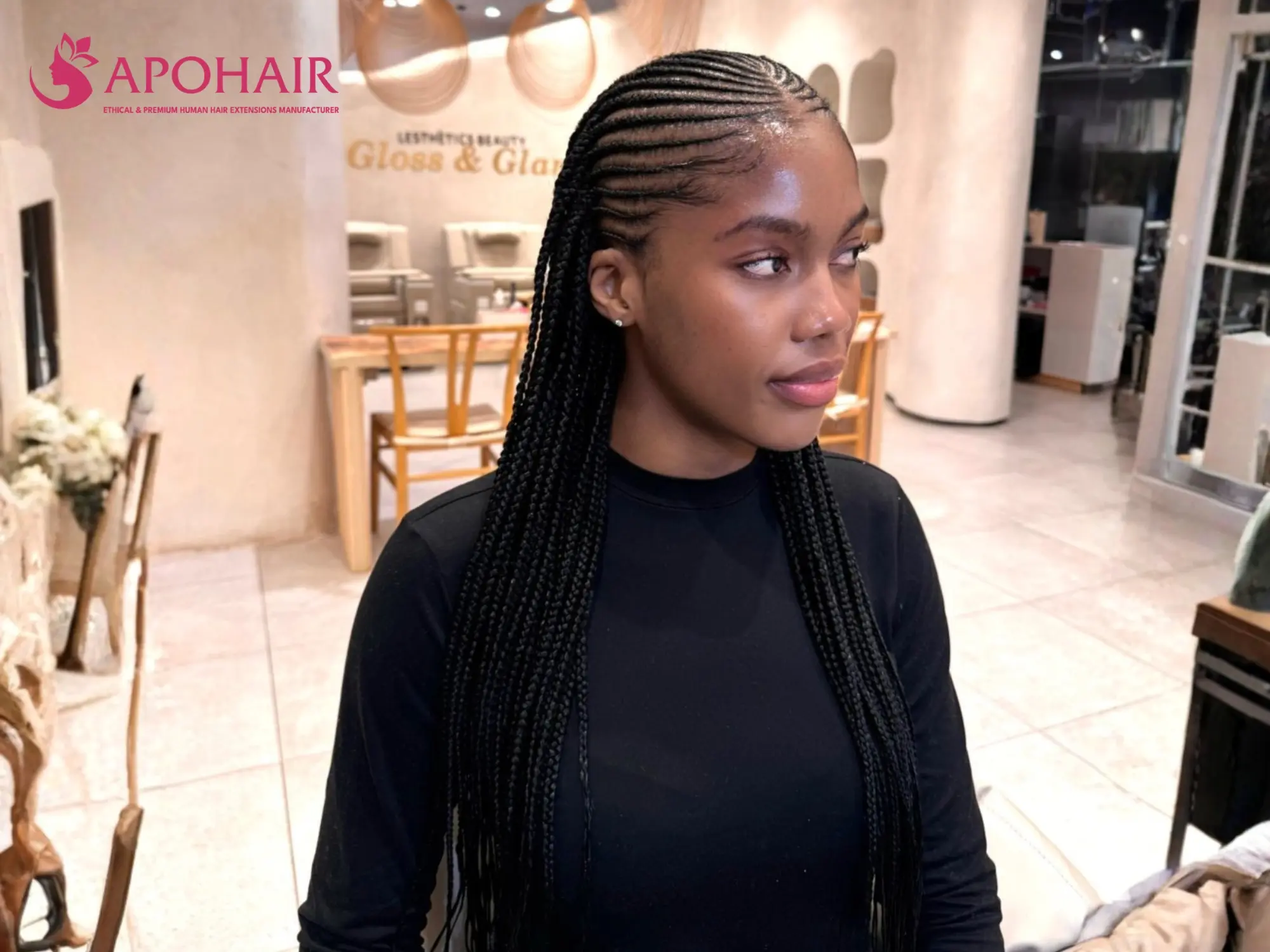
18. Brazilian Wool Didi Hairstyle
Brazilian wool didi is woven with soft acrylic yarn that looks like hair, comes in many colors, and sits light on the scalp. It is a cost-effective way to add color and body.
Color-loving wearers reach for it, and it suits most faces. You get color and dimension that feel light, holding about 2 to 4 weeks. Weave or wrap Brazilian wool into the rows.
19. Threaded Didi Hairstyle
Threaded didi accents the style with Yoruba thread wrapping around sections or partings, a crossover with irun kiko. The thread adds a heritage, custom detail.
Traditional and statement wearers favor it. It brings a heritage accent and a custom finish, holding 2 to 4 weeks. Wrap thread around the braids or partings, the same wrapping behind kiko threading.
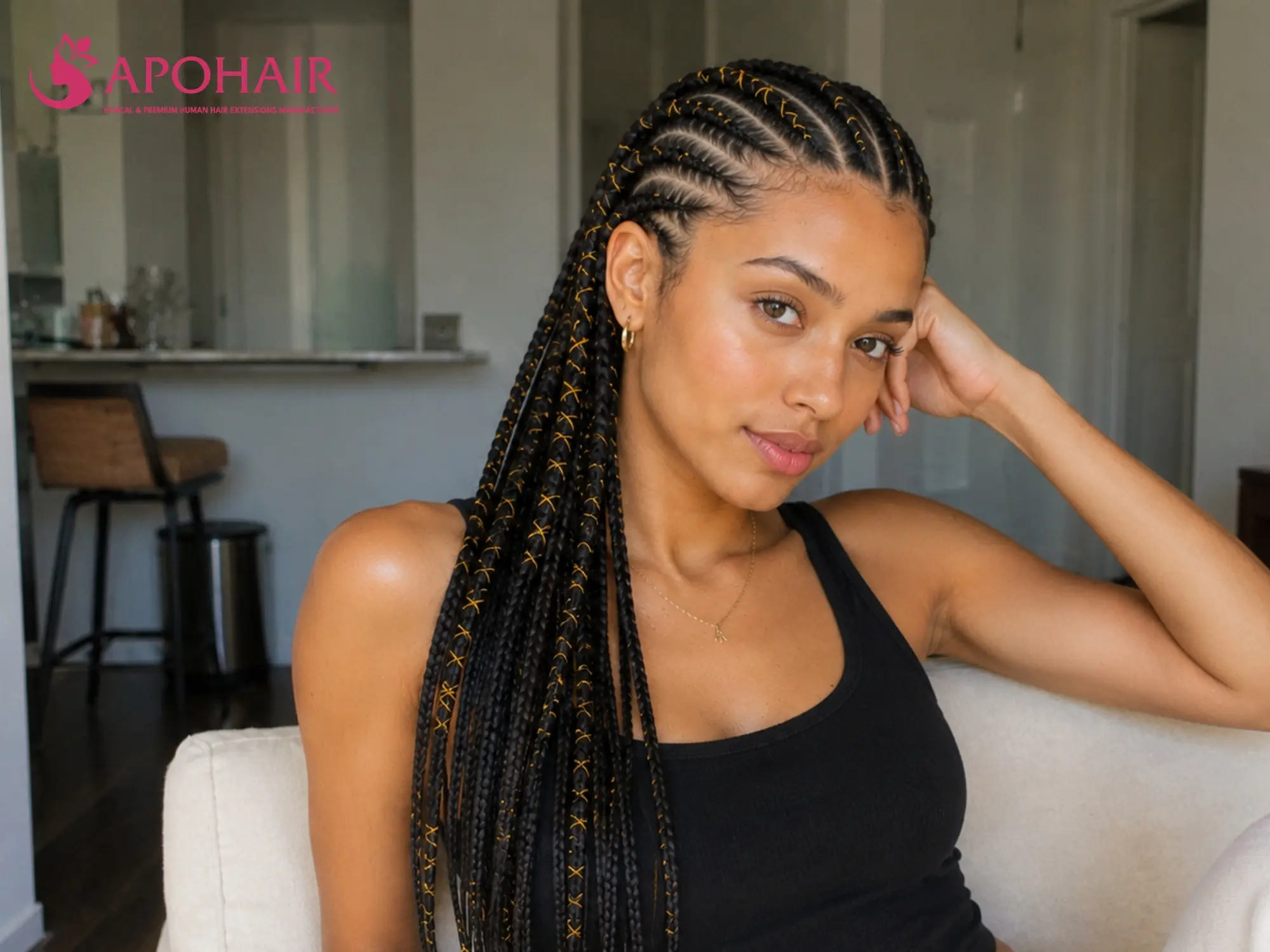
20. Didi Hairstyle with Beads
Beaded didi finishes the rows with beads or cuffs on the ends. It is the simplest way to dress up any didi set.
Most faces suit it, and it reads playful and festive across all ages. It is decorative and customizable, lasting 2 to 4 weeks. Thread beads onto the braid ends and balance the weight so the ends are not dragged.
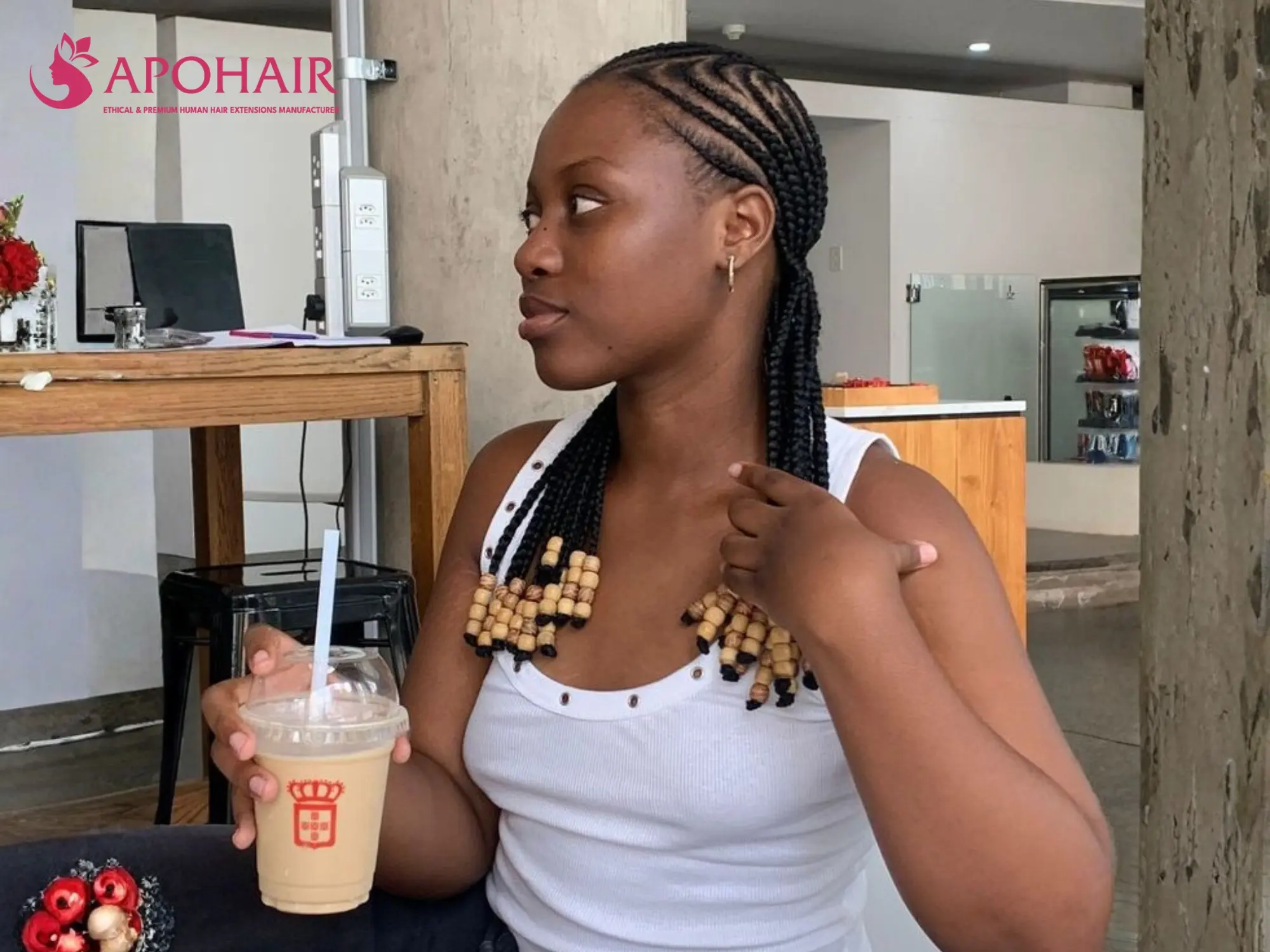
Beads, wool and added length are what turn a plain set into a decorated one, and the same finishes travel across other West African layouts. For a side-by-side look at the beaded cousin of didi, check our guide to fulani hairstyles, then come back for the patterned sets below.
Patterned and Statement Didi Hairstyles
These are the bold, creative didi looks: oversized rows, curved and zigzag patterns, color, mixes, and feed-in. They are made for statement wearers, photoshoots, and festivals, and each card is one pattern or statement variation.
21. Jumbo or Big Didi Hairstyle
Jumbo didi uses large, chunky inverted rows in fewer sections for a bold, fast look. It is the quick option when you want impact without a long sit.
Bold, low-effort wearers and thicker hair carry it best. It weaves quickly and reads statement-sized, lasting 2 to 3 weeks. Part a few wide rows and weave each one under.
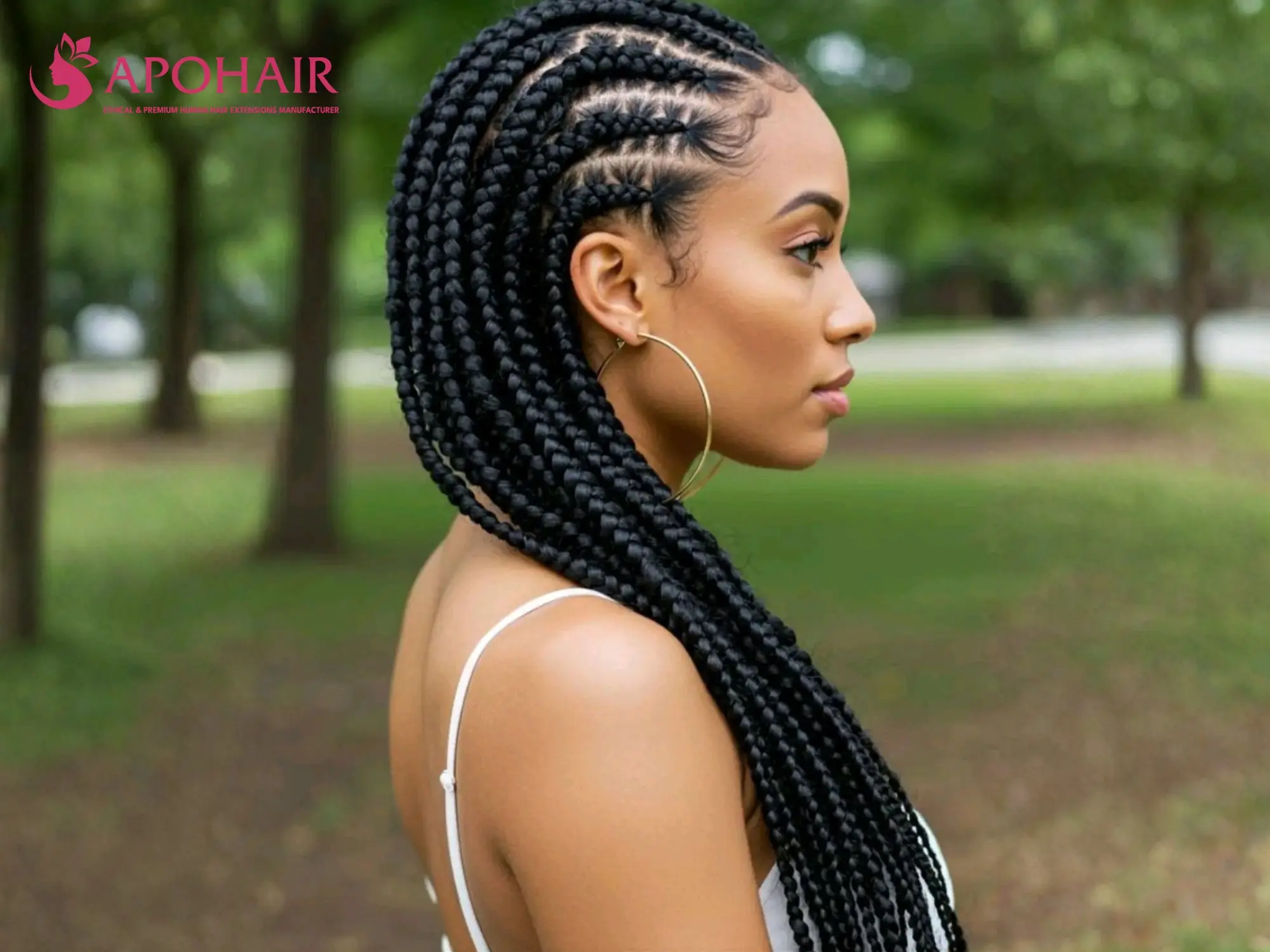
22. Curved-Pattern Didi Hairstyle
Curved didi weaves the rows in curves, swirls, or fans instead of straight lines. The shapes turn a flat style into wearable art.
Statement wearers favor it, and it suits most faces. It is artistic and eye-catching, holding 2 to 4 weeks. Part curved rows first, then weave each one under.
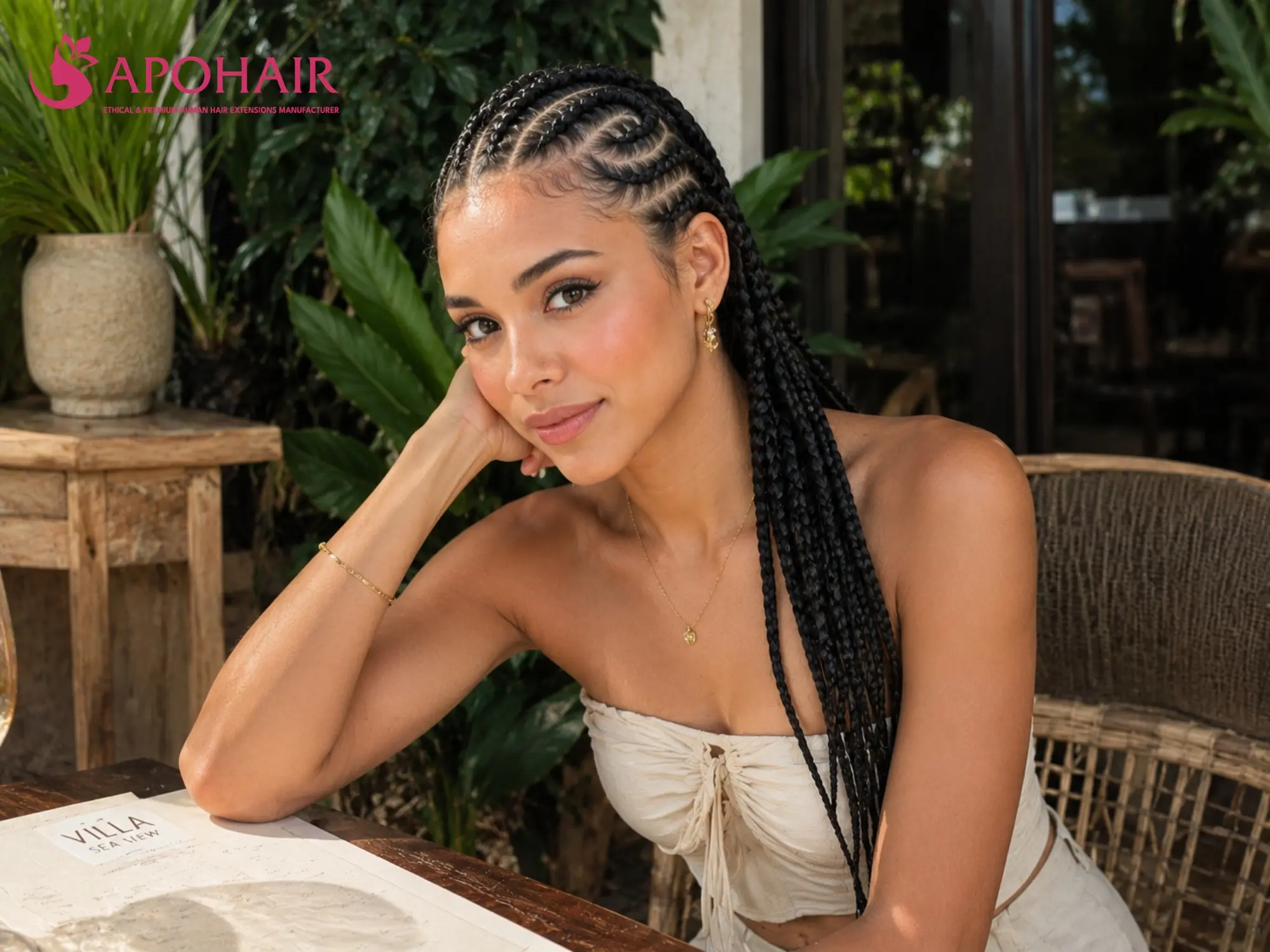
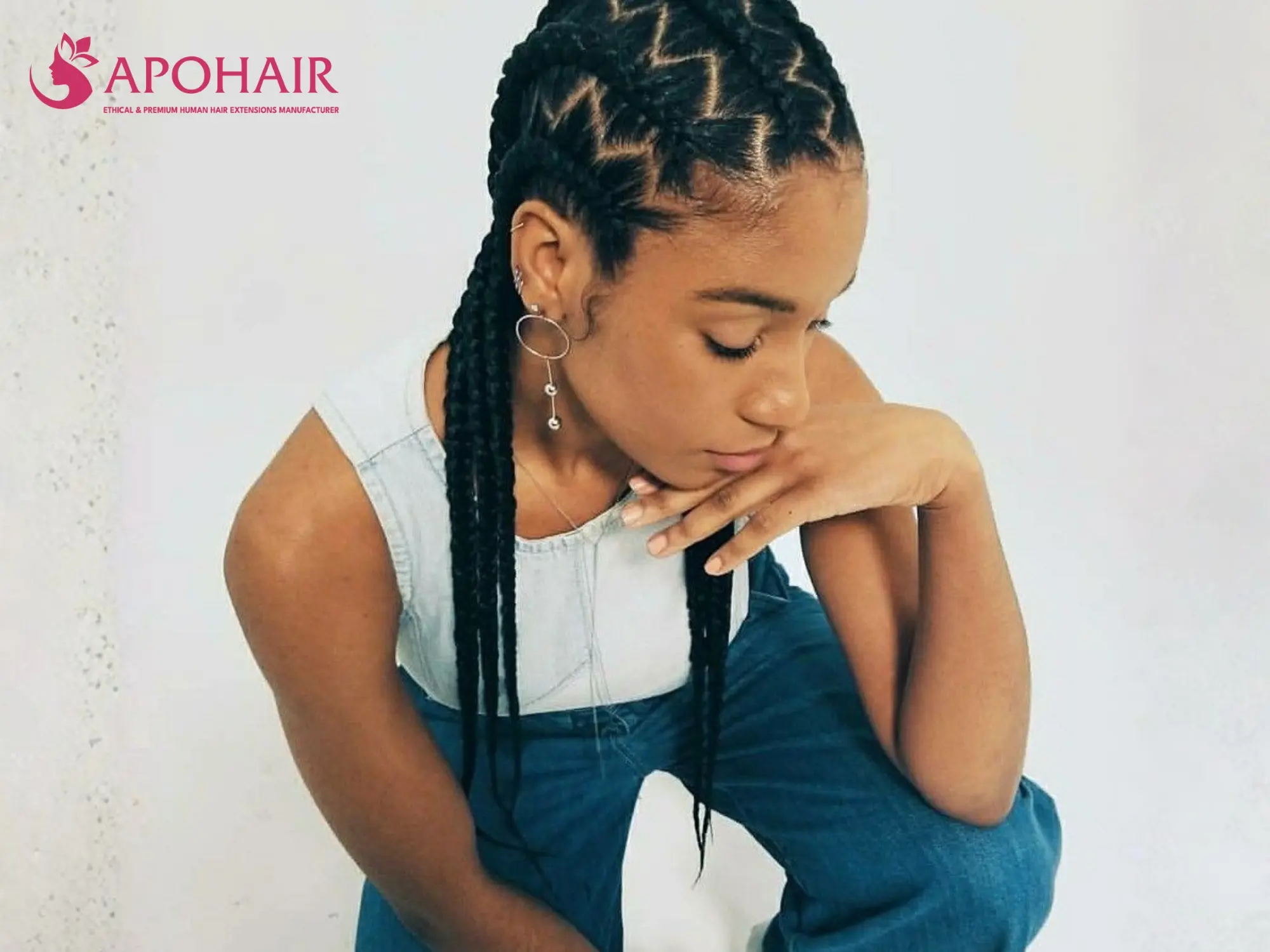
23. Zigzag Didi Hairstyle
Zigzag didi weaves over zigzag or angled parts for a geometric finish. The sharp lines make it a clear special-occasion look.
Statement wearers and special occasions suit it. It is geometric and custom, lasting 2 to 4 weeks. Part zigzag lines, then weave each row under.
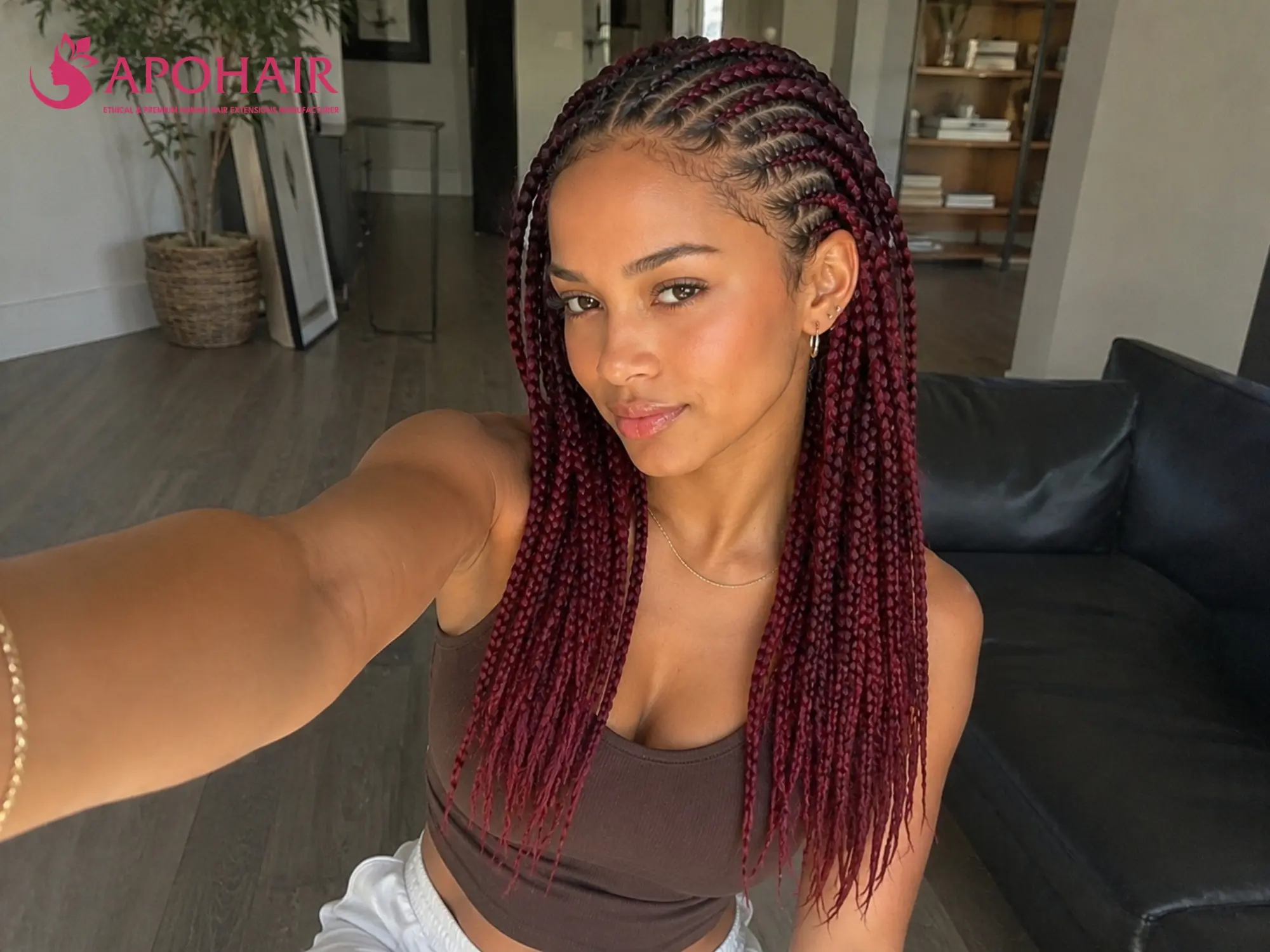
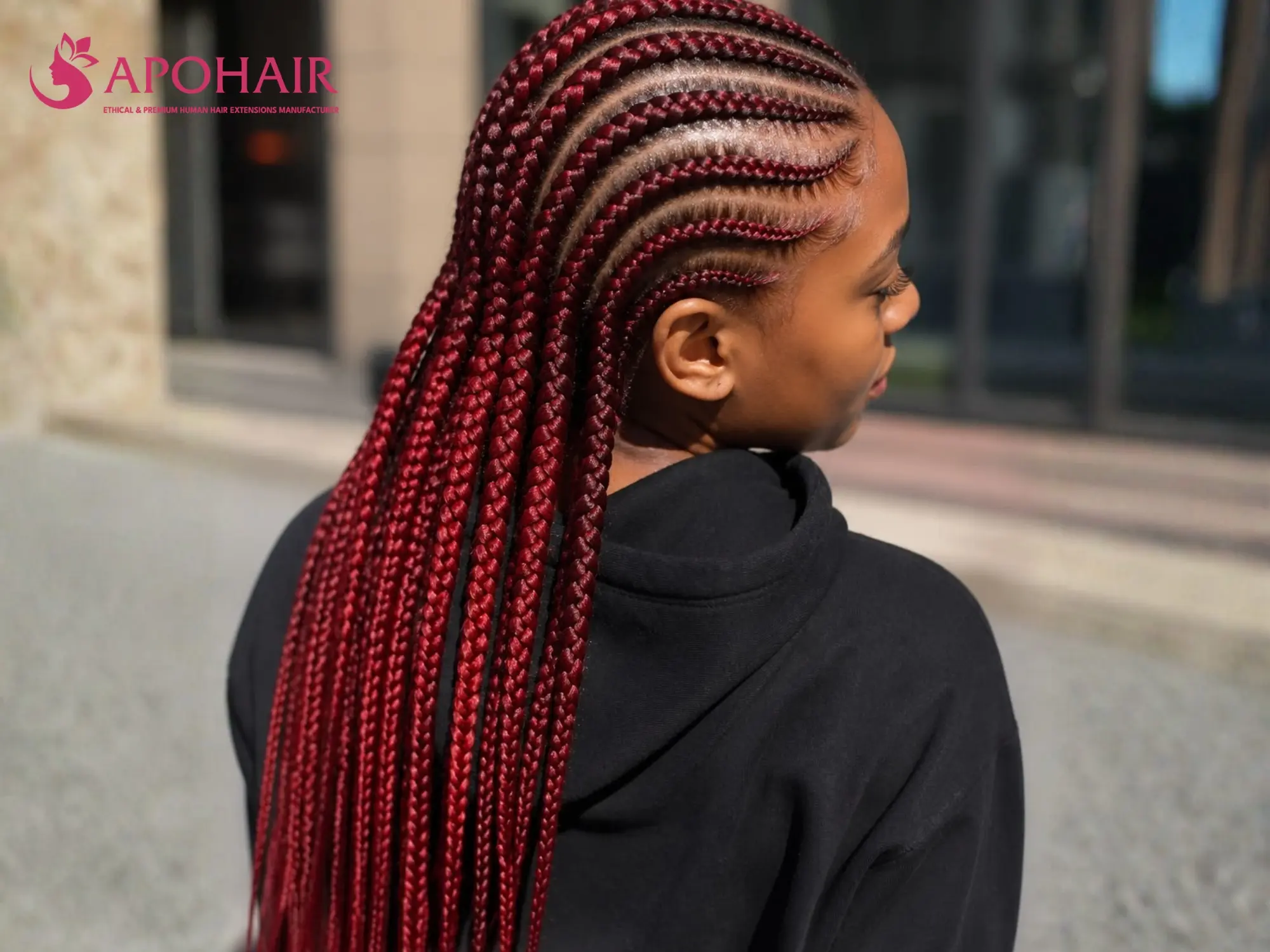
24. Colored Didi Hairstyle
Colored didi uses colored attachment or Brazilian wool, from honey to copper to burgundy. The color stays in the added hair, so your own hair is spared the dye.
Warm or cool undertones suit different shades, and statement wearers love it. You get color without dyeing all your hair, holding 4 to 6 weeks. Weave in pre-colored attachment or wool.
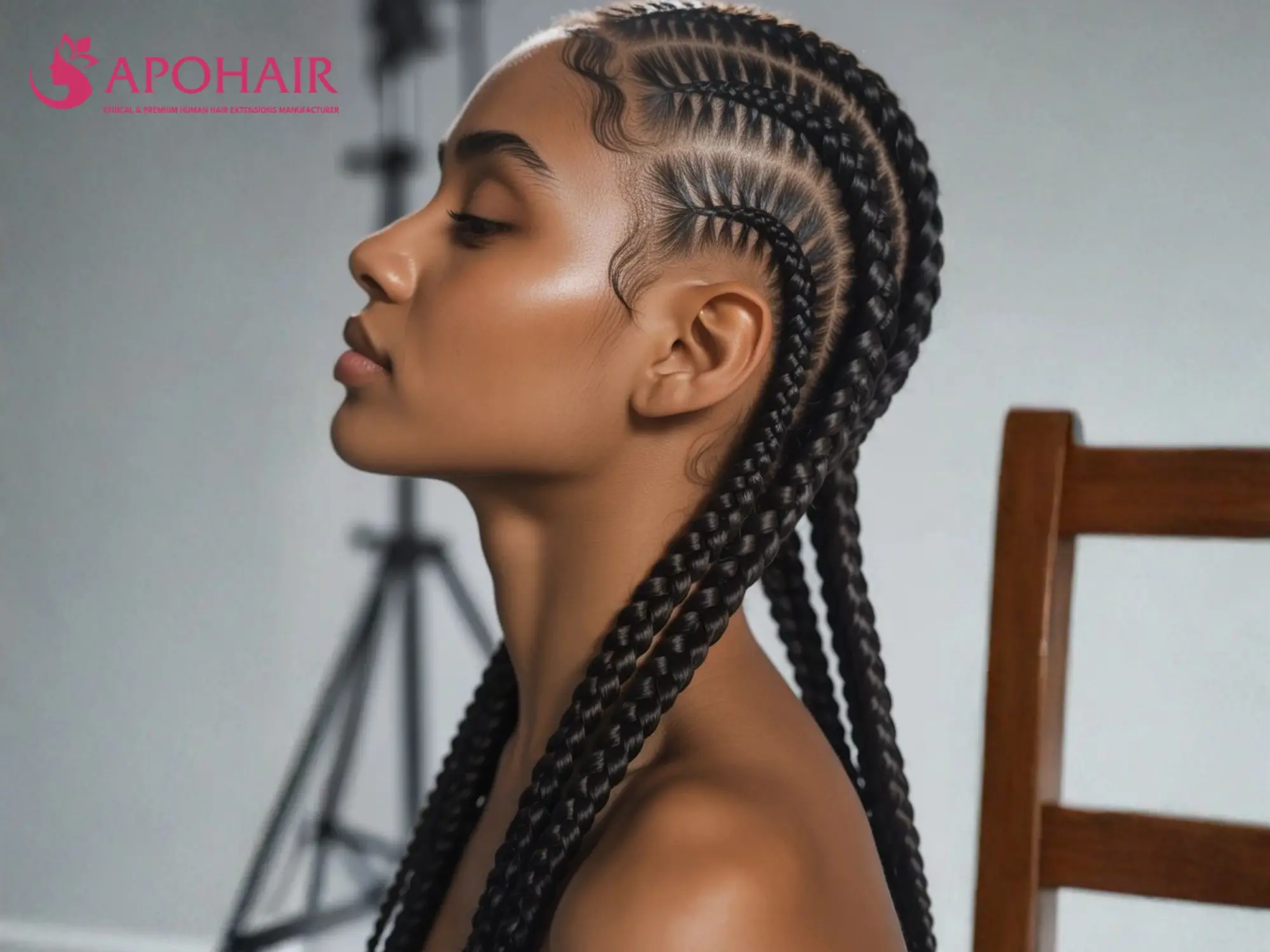
25. Didi and Cornrow Mix
This look mixes inverted didi rows with raised cornrow hairstyles for contrast. Two braid directions in one style give it real texture.
Most faces suit it, and it reads textured and modern. You get both braid directions at once, holding 2 to 4 weeks. Weave some rows under for didi and some over for raised cornrows.

26. Feed-In Didi Braids
Feed-in didi uses the feed-in method for natural, tapered roots. The gradual add gives a sleek, scalp-friendly base with less tension.
Most faces suit it, and it appeals to anyone who wants a flat, natural root. The lighter tension is gentler on your edges, lasting 4 to 6 weeks. Feed small pieces of hair in gradually as you weave, so the roots taper in naturally.
Patterns, color and jumbo rows all read bolder once there is added hair in the weave, which is where didi meets the wider sew-in world. See how the field compares in our breakdown of braid hairstyles with weave before you move on to the gentler kid-sized sets.
Best Didi Hairstyles for Kids
Didi is gentle, flat, and low-tension, which makes it a popular protective, school-friendly style for children’s hair. Keep it loose and medium-sized to protect a child’s softer scalp and hairline. The cards below are kid-friendly variations for school, everyday, and special occasions.
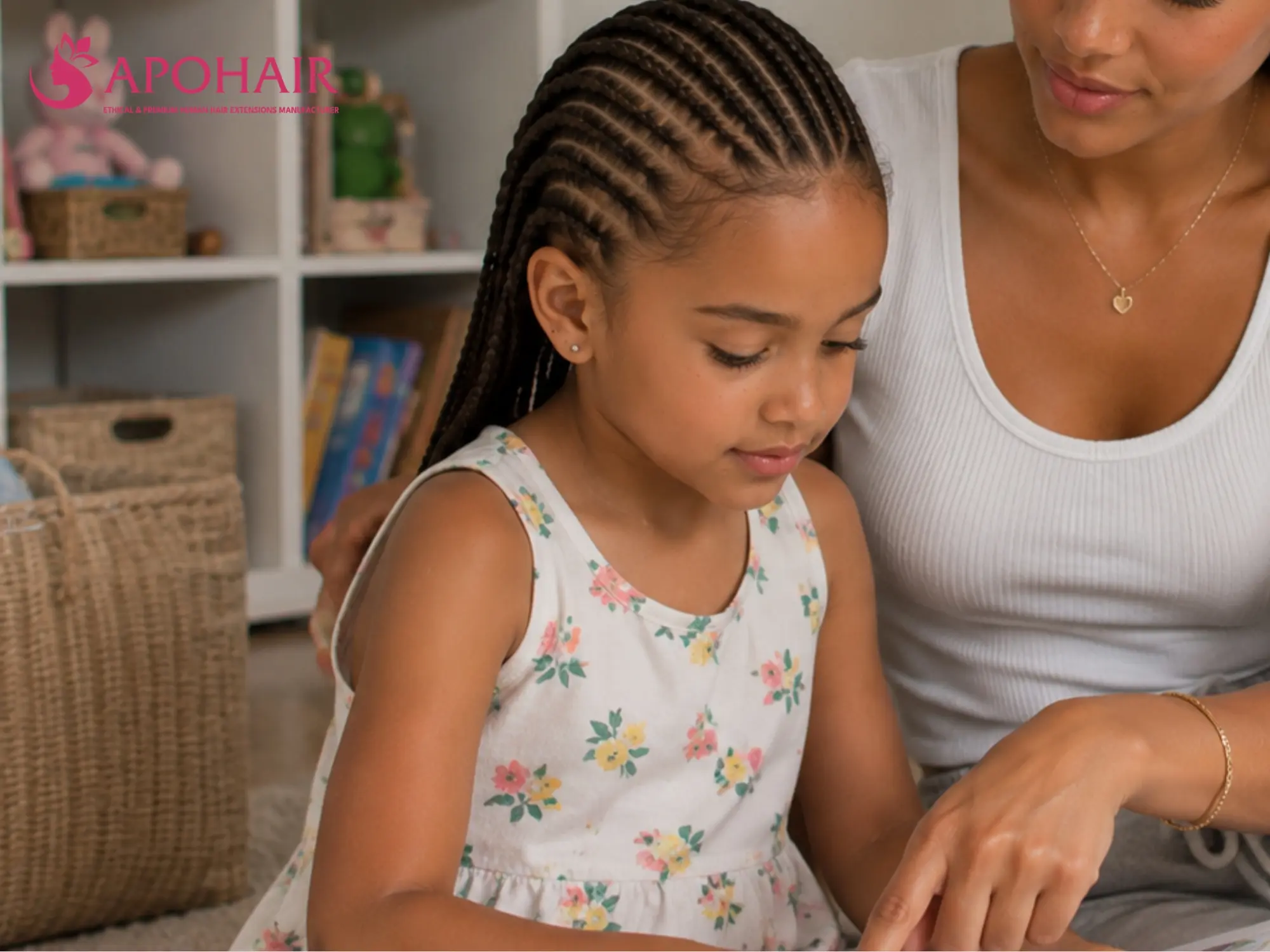
27. Simple All-Back Didi for Kids
A simple all-back didi sized and tensioned for children is neat, gentle, and durable. It is the everyday school choice that survives play.
Kids wear it for everyday and school days. It is tidy, low-tension, and play-proof, lasting 2 to 4 weeks. Weave medium rows back with gentle tension.
28. School Didi Hairstyles for Kids
School didi is a practical, durable set for busy school weeks. It holds neat through gym class and recess.
School-age children and busy mornings suit it. It is neat, play-proof, and low-maintenance, holding 2 to 4 weeks. Weave neat medium rows, with optional small beads.
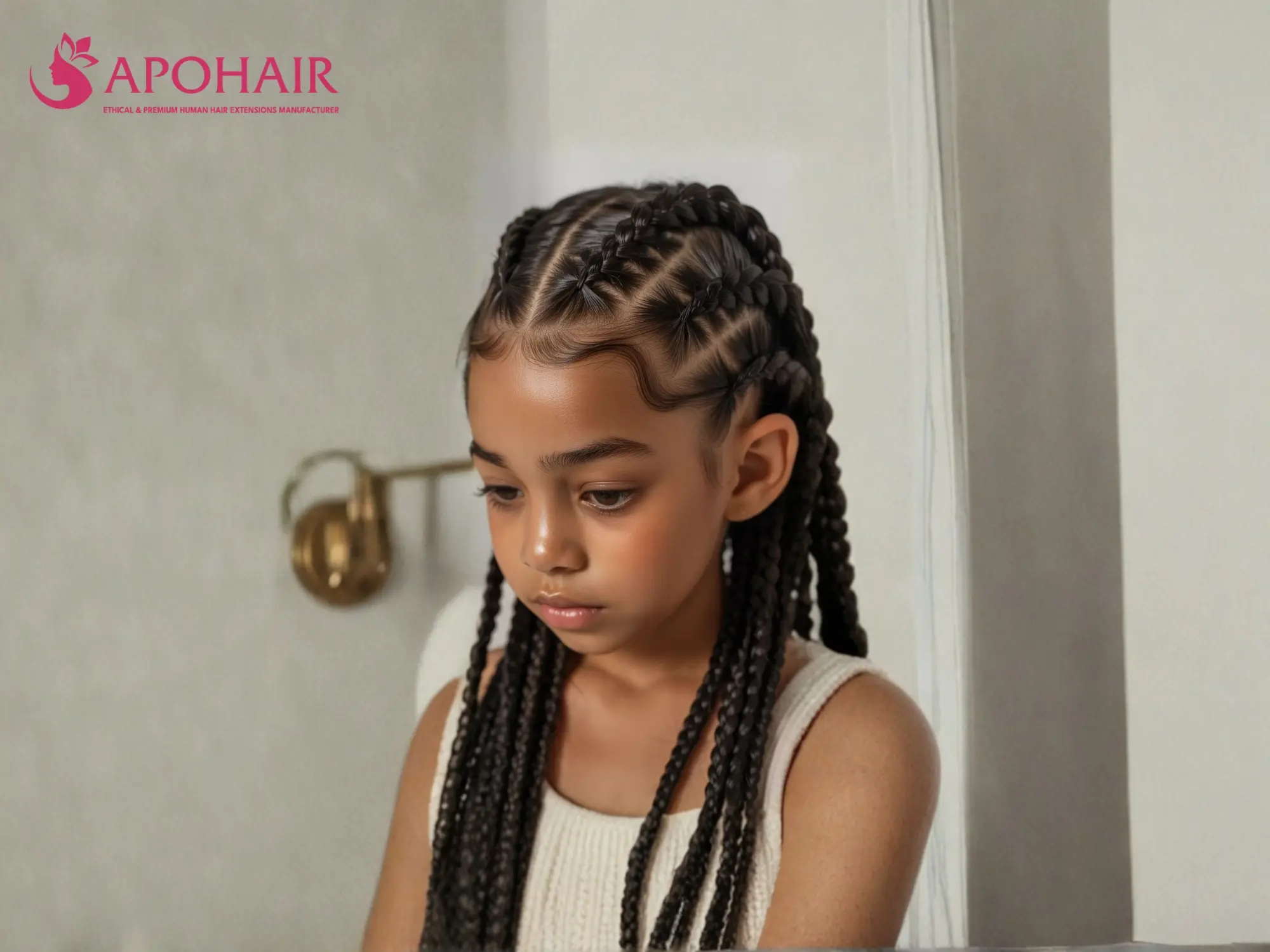
29. Didi with Beads for Kids
Kids’ beaded didi finishes the ends with colorful beads. It is the fun, festive version children tend to ask for.
Children and festive occasions suit it. It is playful and custom, lasting 2 to 3 weeks. Add light beads on the ends so they are not too heavy for a young scalp.
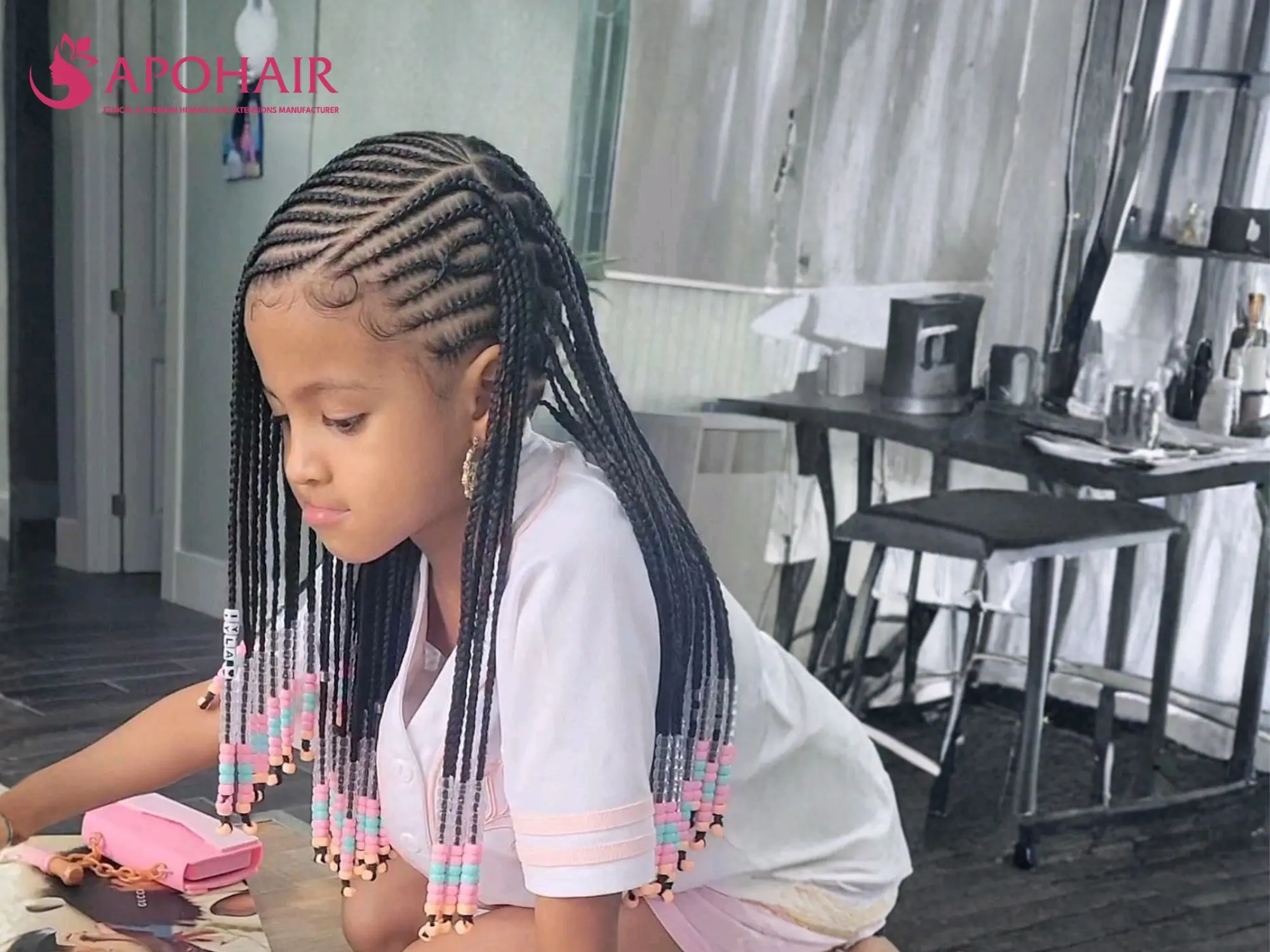
30. Shuku Didi for Kids
A gentle shuku-didi gather sized for children is neat and elegant for events. It dresses up a child’s hair without heavy tension.
Kids wear it for events and neat occasions. It is off-the-face and elegant, holding 2 to 3 weeks. Weave the edges up gently into a small shuku.
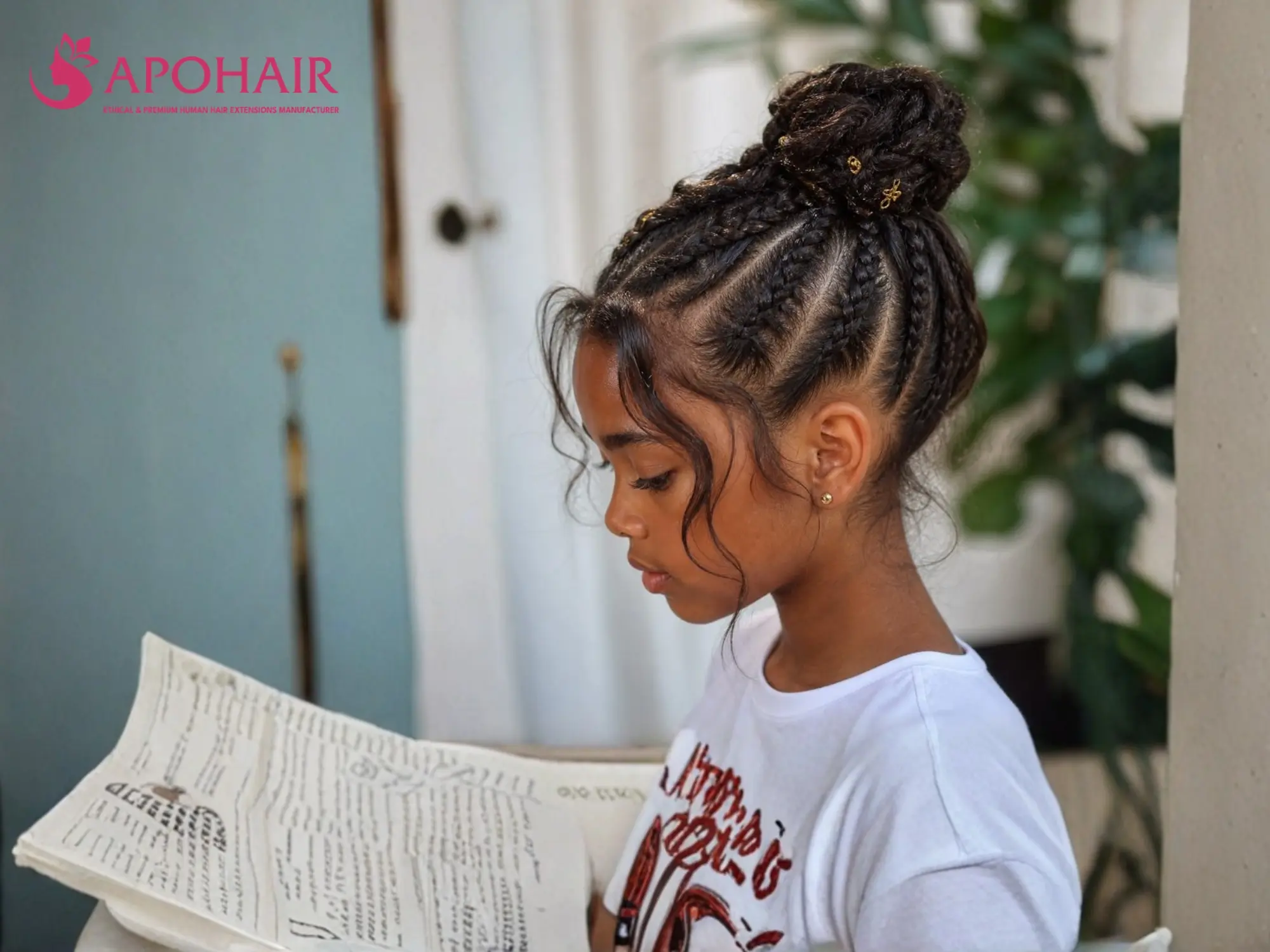
Kid-sized sets keep attachment light, but grown-up didi often leans on it for length and fullness. Explore our guide to hair braiding styles with extensions to see how much hair each pattern takes, and the step-by-step below will make more sense.
How to Do a Didi Hairstyle Step by Step?
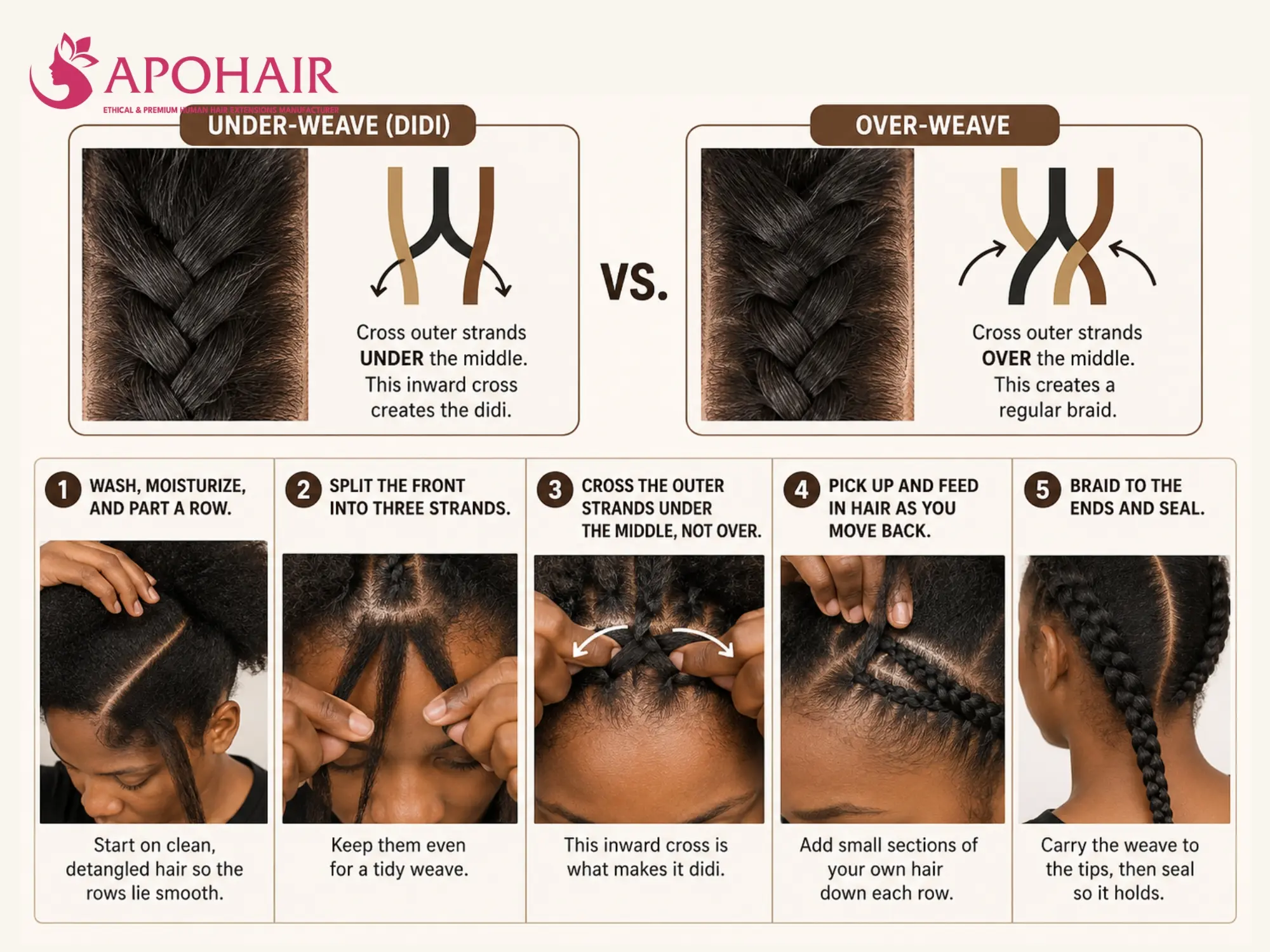
Didi braids are woven like cornrows, but you pass each strand under the middle section instead of over it, so the braid turns inward and sits flat against the scalp. That under-weave is the entire secret of the style.
Here is how a row comes together:
- Wash, moisturize, and part a row. Start on clean, detangled hair so the rows lie smooth.
- Split the front into three strands. Keep them even for a tidy weave.
- Cross the outer strands under the middle, not over. This inward cross is what makes it didi.
- Pick up and feed in hair as you move back. Add small sections of your own hair down each row.
- Braid to the ends and seal. Carry the weave to the tips, then seal so it holds.
For most sets, your own hair is enough, and you add braiding attachment only when you want length or fullness. Salons buying that attachment by the kilo tend to source Vietnamese hair in Vietnam rather than through a local wholesaler, since the bundles come straight off the factory floor. The only real difference from a cornrow is that under-weave, which is exactly why didi is called the inverted cornrow.
One tip worth repeating: keep the front rows loose to protect your edges. The hairline takes the most strain in any scalp braid, and gentle tension up front is what keeps didi a protective style rather than a damaging one.
Didi is only one of the three Yoruba techniques, and the other two shape hair without weaving it under at all. Our walkthrough on kiko hairstyle covers the threading method that wraps the hair instead, which is worth knowing before you weigh up how long a woven set will hold.
How Long Do Didi Hairstyles Last?
Didi braids usually last about 2 to 6 weeks, depending on size, tension, added hair, and night care. That range covers everything from a quick jumbo set to a fine, intricate one.
Size does most of the work here. Small didi can hold up to 6 weeks, while jumbo didi loosens in 2 to 3 weeks, and attachment plus nightly protection stretches any set toward the longer end. Take the style out before new growth tangles at the roots or the edges begin to feel strained.
How to Maintain Didi Hairstyles?
Keeping didi fresh comes down to moisturizing the scalp, protecting the braids at night, and treating your edges gently, so the style lasts and your hairline stays healthy. A few minutes a day is all it takes.
- Moisturize. Work a light leave-in or oil into the scalp every 2 to 3 days to fight dryness.
- Protect at night. Tie the braids up in a satin scarf or bonnet to keep the rows neat.
- Care for your edges. Keep the front rows loose and oil the hairline, since didi is gentle on edges only when it is not woven too tight.
- Cleanse. Use a diluted cleanser every 1 to 2 weeks, then dry the braids fully, the same routine we set out in how to wash braiding hair.
Frequently Asked Questions About Didi Braids
What Does Didi Mean?
Didi (irun didi) is the Yoruba word for this inward-weaving braid style, plaited without thread, and also called canerows or weaving. It is distinct from irun kiko, which is threaded with cotton or wool rather than braided.
What Is the Difference Between Didi Hairstyle and Cornrows Hairstyle?
Both are scalp braids, but cornrows are woven over the middle strand, which raises them, while didi is woven under it, which makes it inverted and flat. That under-weave is the single defining difference, and it is why didi is called the inverted cornrow.
What Is the Difference Between Didi and Shuku?
Didi lies flat against the scalp and is most often worn all-back. Shuku gathers the hair up from the edges into a raised hump or crown on top. One is flat, the other is gathered up, and that is the core contrast.
Does Didi Style Protect Your Edges and Grow Hair?
Worn loose, didi can be gentle and protective, and Yoruba tradition links the style with hair growth. That growth idea is a traditional belief rather than a proven fact, and any braid woven too tight can strain the hairline and cause traction alopecia. Keep the tension light and your edges stay healthy.
Conclusion
Pick a didi look by your face shape, hair length, and occasion, and start with classic all-back if the inverted weave is new to you. From there, the gallery gives you 29 more directions, from raised shuku to playful kids’ sets, and the wider run of braided hairstyles for black women shows where the inverted weave sits next to box braids, twists and knotless sets.
If you want longer or fuller didi, Apohair attachment hair can add length with a cleaner blend. If you source hair for a salon or wholesale business, reach our team for factory-direct samples, texture matching, and pricing.
Hair to stock for didi and attachment work:Natural didi needs nothing added, but every long, jumbo or shuku-with-attachment set runs on bought hair. Three of our lines cover that side of the service.
Bulk hair, for feeding into the rows:Loose hair sold by weight is what you feed in row by row and weave to the ends, with no weft to sit under a flat parting. Order it as bulk human hair wholesale.
Bundles, for length and matched color:Buying by weight holds one texture and one shade across a whole head, so long didi ends and colored sets stay consistent instead of patchy. We are a human hair bundles supplier shipping factory-direct.
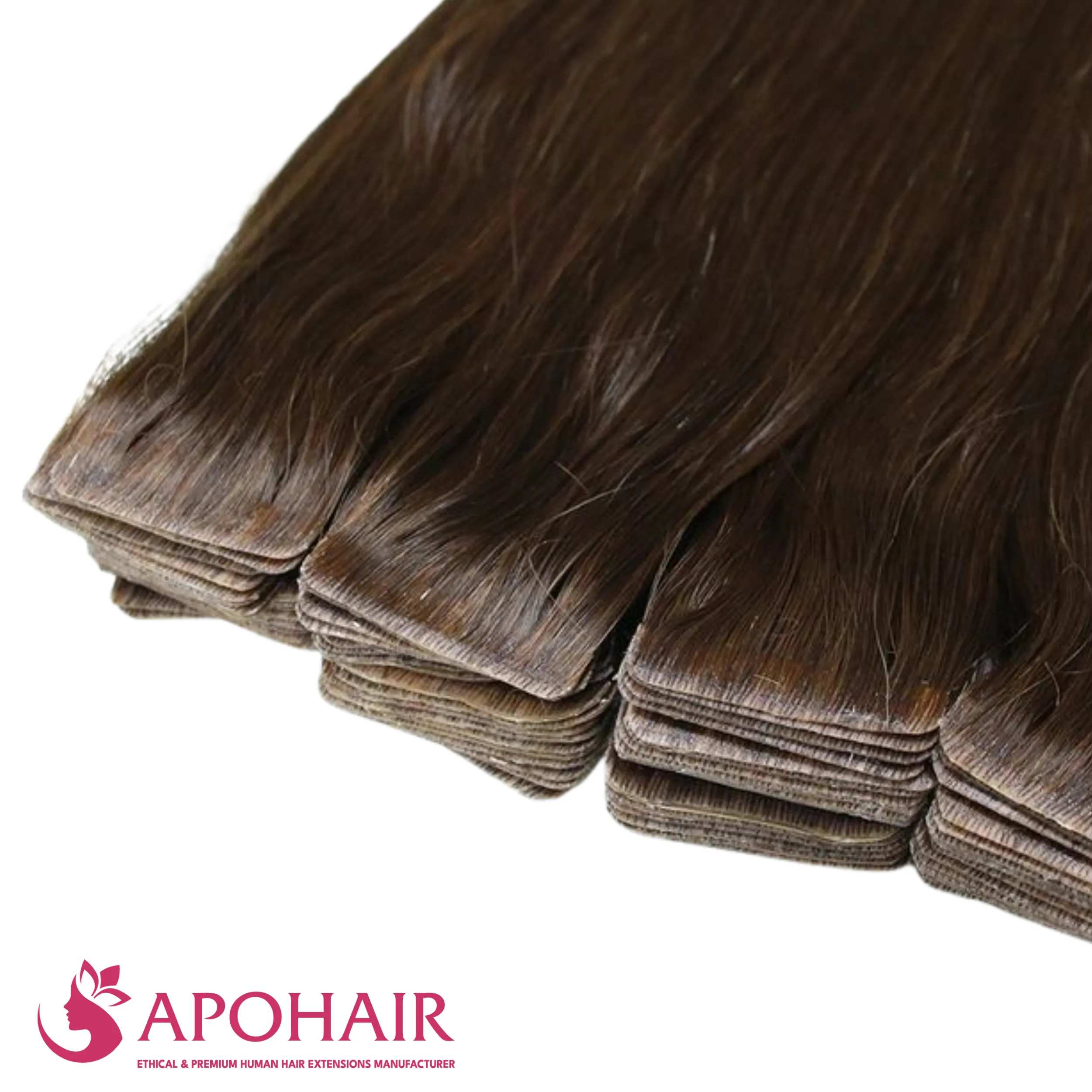
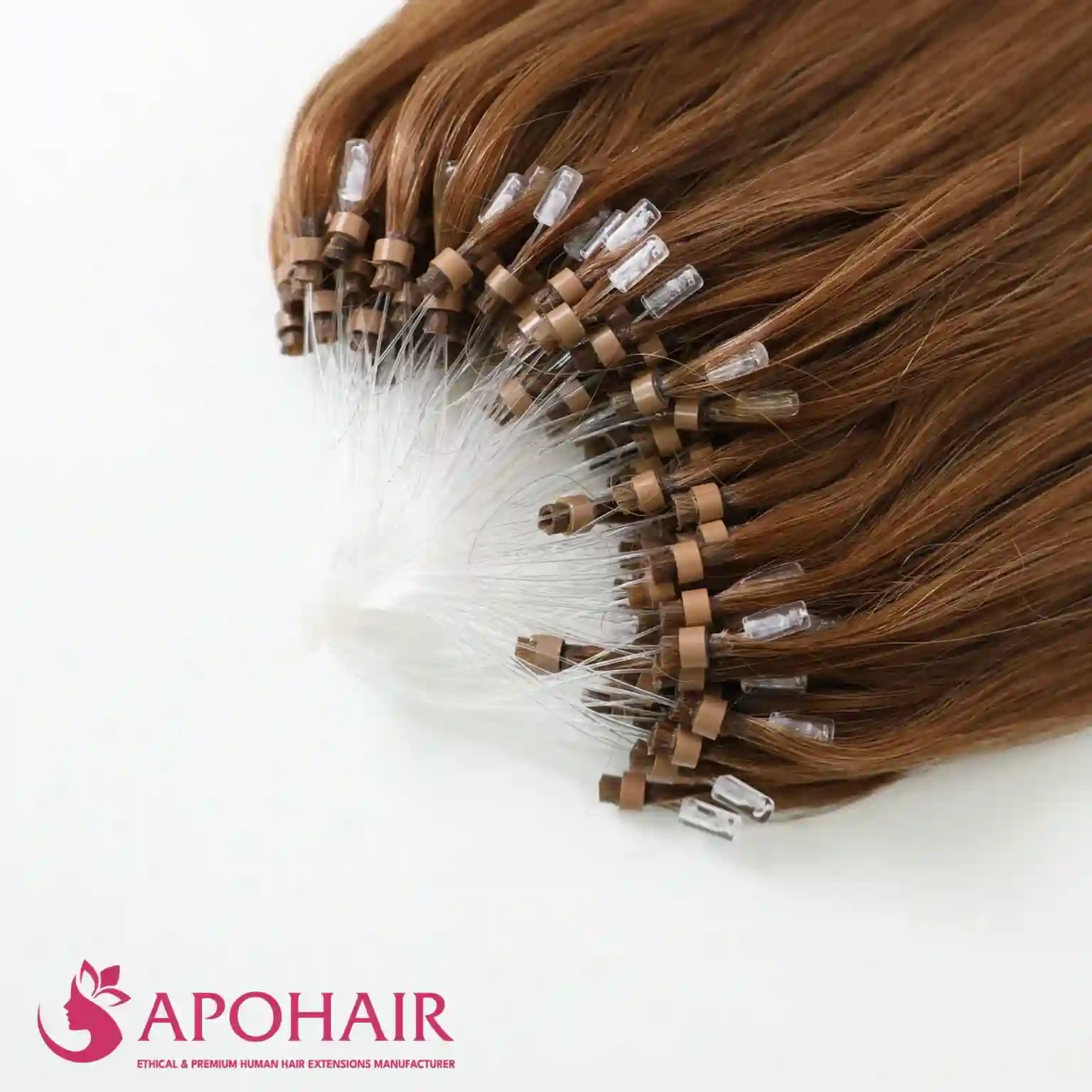
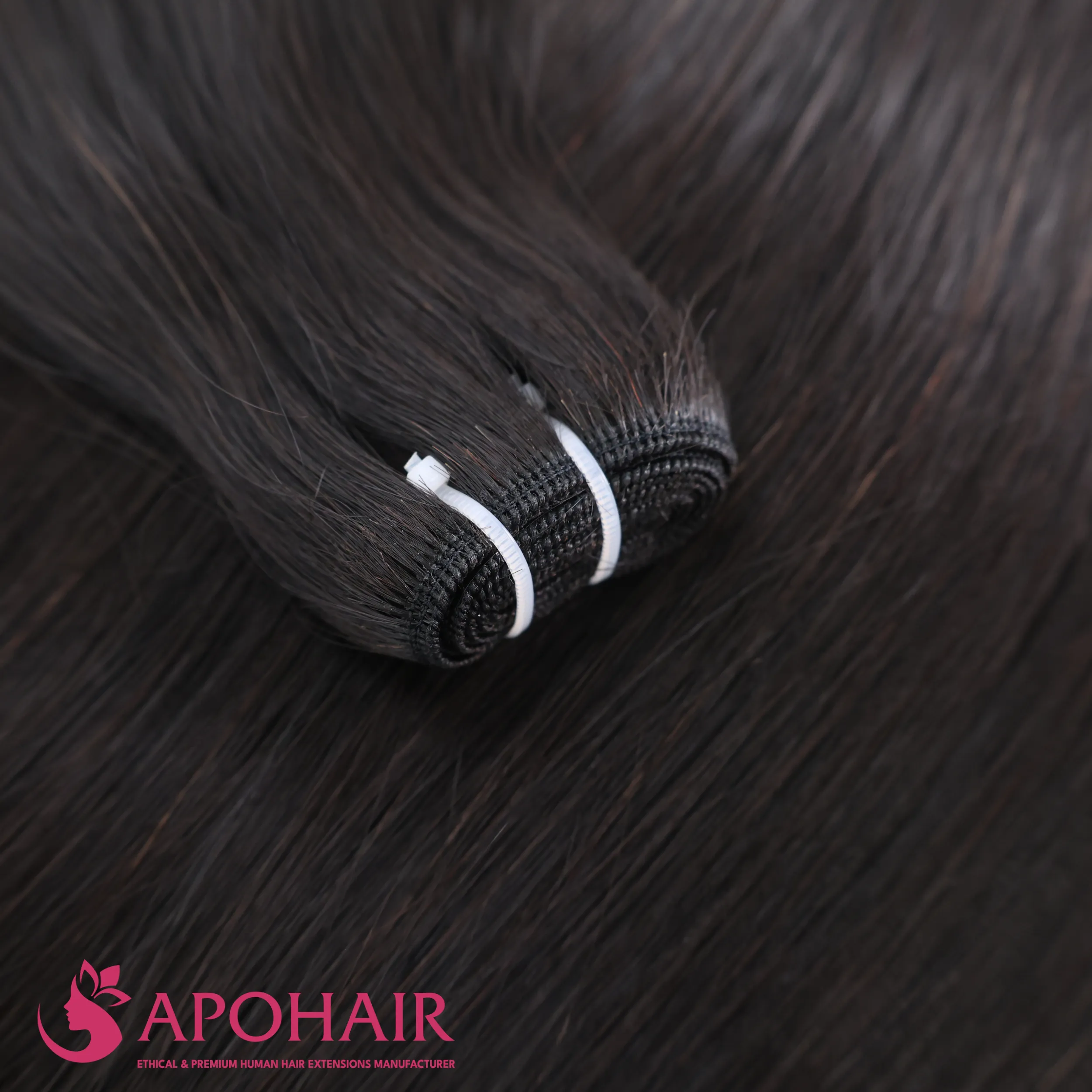
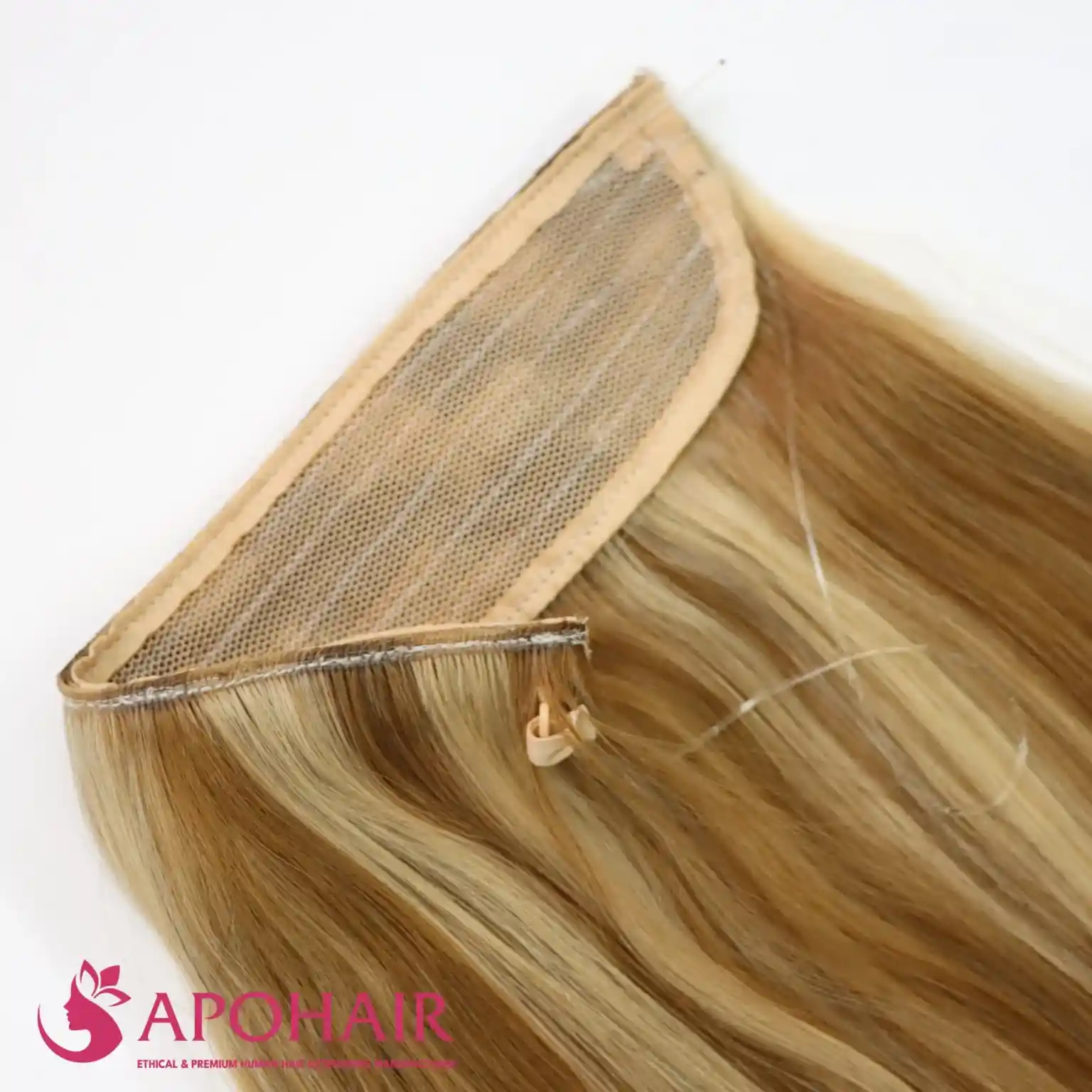
Extensions, when the client wants length without a full weave:Tape-in, clip-in, keratin tip, weft and ponytail all run on the same Vietnamese remy hair, so you can add length around a flat didi base instead of weaving the whole head. Compare the range of wholesale human hair extensions.
APOHAIR – ETHICAL & PREMIUM HUMAN HAIR EXTENSIONS MANUFACTURER
- Address: Building 3A, Lane 82 Duy Tan, Cau Giay, Hanoi, Vietnam
- Factory: Yen Luong Village, Y Yen District, Nam Dinh Province, Vietnam
- WhatsApp: +84 862 132 366
- Email: [email protected]
- Website: https://apohair.com
