








20 Kiko Hairstyles Inspiration For Trendy And Beautiful Looks To Try
Kiko, or irun kiko, is the Yoruba form of African hair threading, where sections of hair are wrapped from root to tip with cotton thread, wool, yarn, or plastic/rubber-style wrapping materials. The wrap is what gives each kiko hairstyle its shape, stiffness, and sculptural finish.
Kiko is also practical. It can protect the hair by reducing daily manipulation, and many wearers use it as a heatless stretch method. Yoruba tradition often links the style with hair growth, but the safer modern wording is length retention: kiko may help you keep more length when the thread is not wrapped too tightly. Unlike didi, which is braided, and shuku, which is gathered into a raised hump, kiko is wrapped. The Igbo wool-threading version is called isi owu.
This guide gathers 20 kiko looks across thread, wool and yarn, packing and updos, and short, long, natural, and kid-friendly styles. You will also learn how kiko is threaded, how long it usually lasts, and how to keep the wrap secure without stressing your edges.
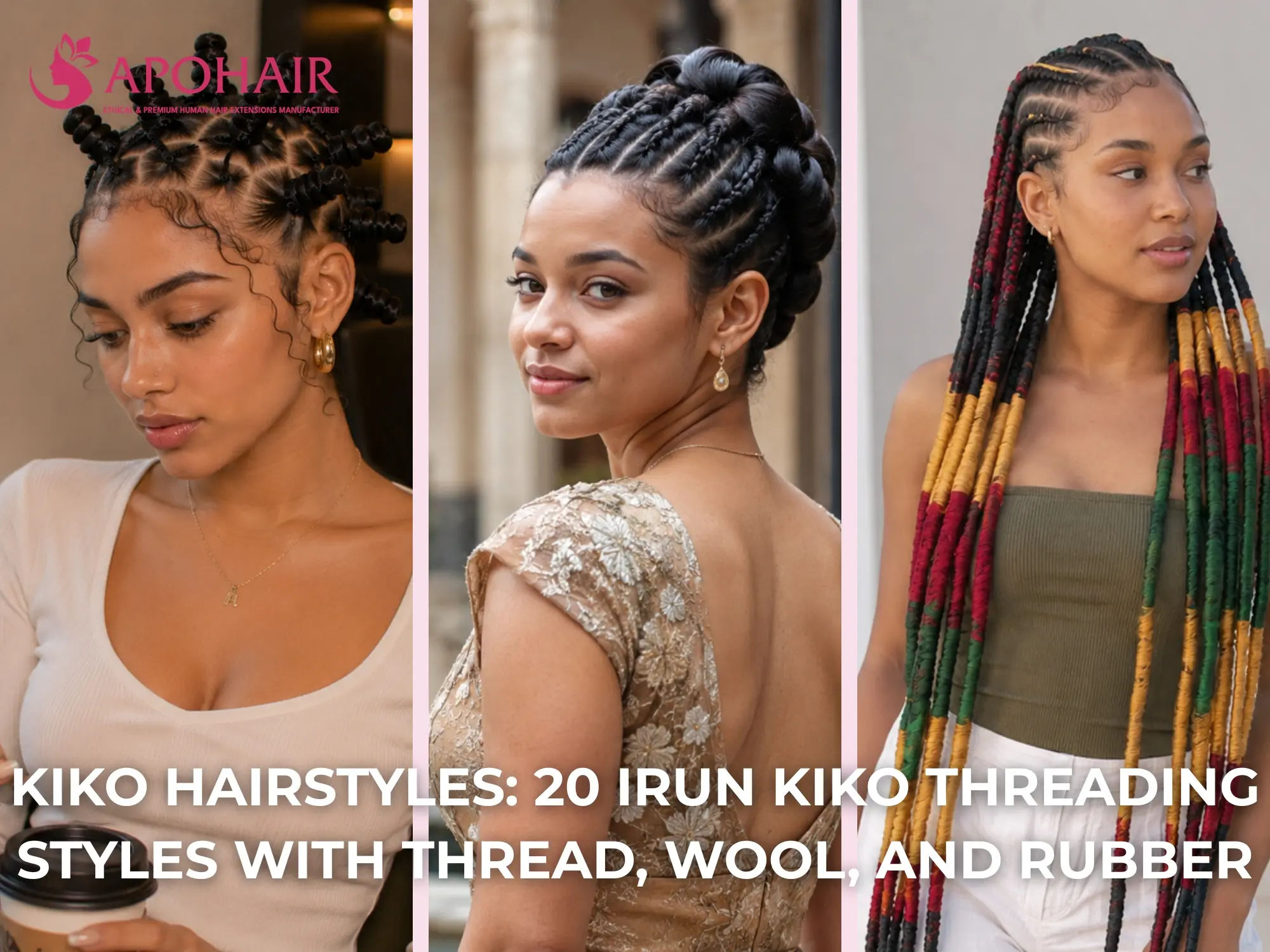
Classic Thread and Rubber Kiko Hairstyles
These are the classic kiko looks wrapped with cotton thread or plastic/rubber-style materials, shaped into standing, curved, and geometric patterns. Each card explains the pattern, who it suits, and how the wrap creates the final shape.
1. Classic Irun Kiko
Classic irun kiko wraps sections with black cotton thread so they stand up, the traditional Yoruba look. It is where every other kiko style begins.
Any face suits it, and it is the everyday heritage choice. It protects the hair and stretches it at the same time, holding a few days to about 2 weeks with good care. Part sections and wrap each one with thread from root to tip.
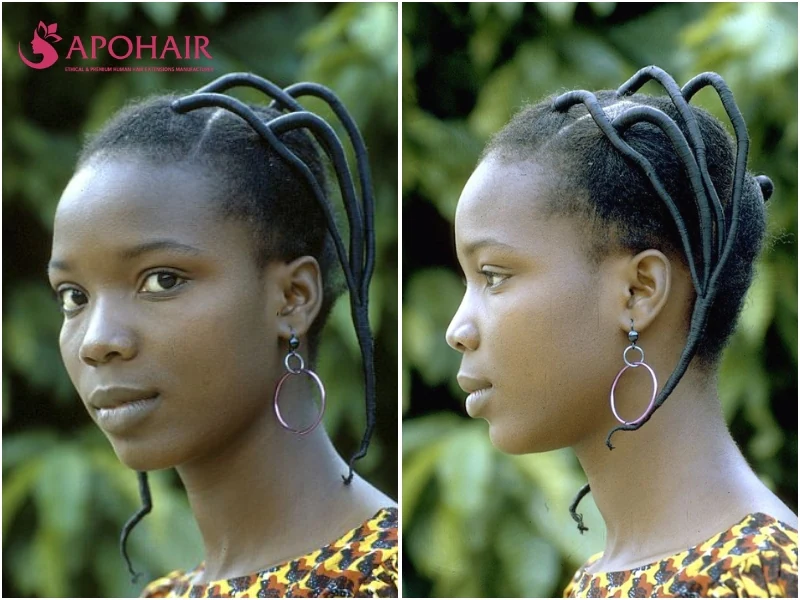
2. Standing Kiko
Standing kiko wraps each section so stiffly that it stands off the head, the bold antenna look. The upright shape is the whole point.
Statement wearers love it, and it works on most faces. It is sculptural, bold, and protective when the roots are not wrapped painfully tight, lasting a few days to about 2 weeks. Wrap each section firmly so it holds upright.
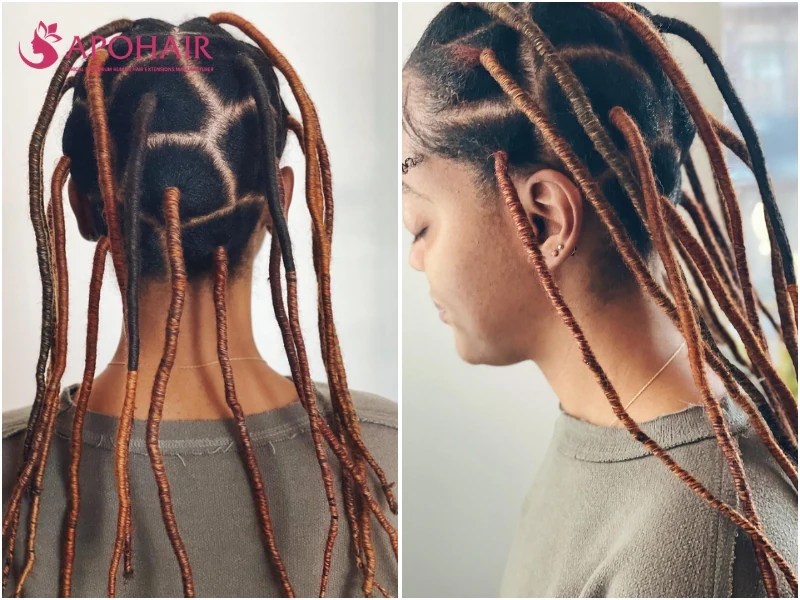
3. Curved Kiko
Curved kiko shapes the threaded sections into curves or fans. The bends turn a stiff style into something fluid and artistic.
Statement wearers and special occasions suit it. It is artistic and custom, holding a few days to 2 weeks. Part the curved pattern first, then thread and shape each section.
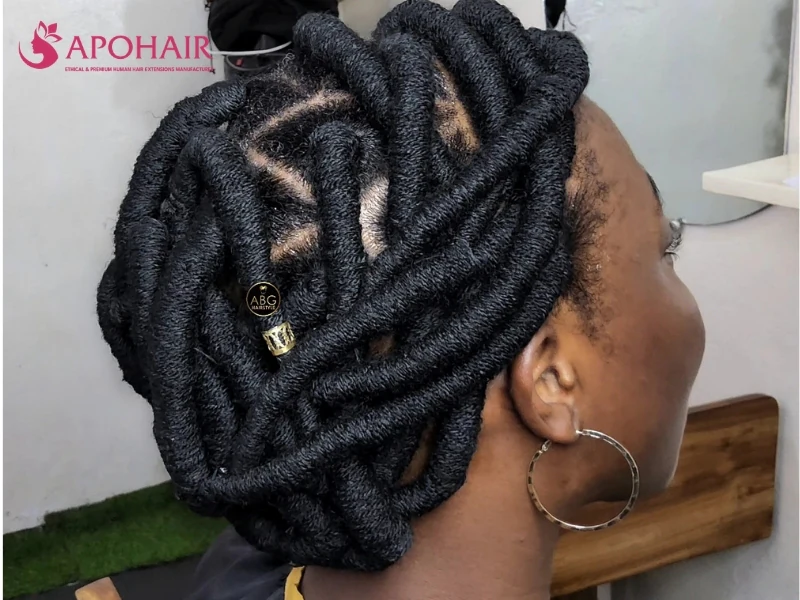
4. Geometric Kiko
Geometric kiko threads over square, triangle, or grid-parted sections. The sharp parting gives the look its structured, modern edge.
Statement wearers and special occasions favor it. It is geometric and custom, lasting a few days to 2 weeks. Part the geometric sections first, then thread each one.
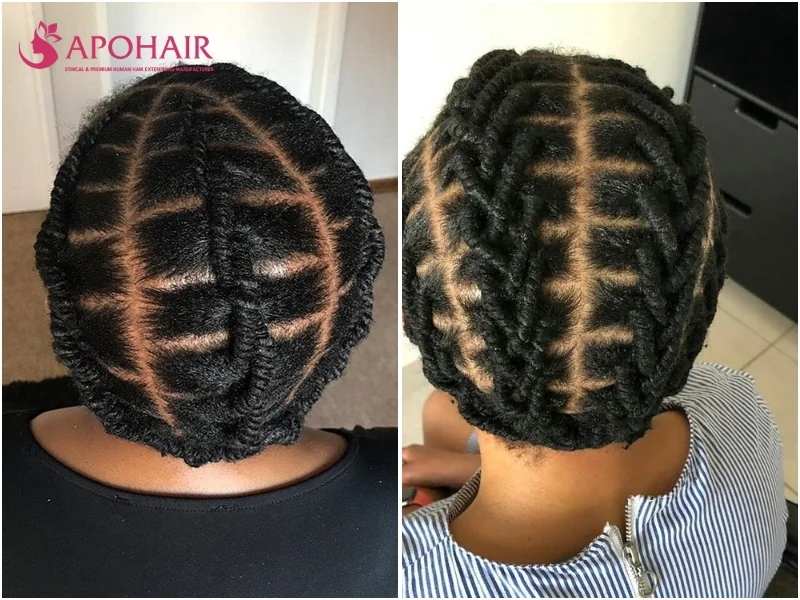
5. Rubber Kiko
Rubber kiko wraps or segments each section with rubber-style thread or small bands for a firm, quick hold. It is the fastest way to lock the pattern in place.
Most faces suit it, and it appeals to anyone wanting a fast, secure set. The hold is firm and quick, lasting a few days to about 2 weeks. Wrap sections with rubber-style thread, or segment each one with small rubber bands.
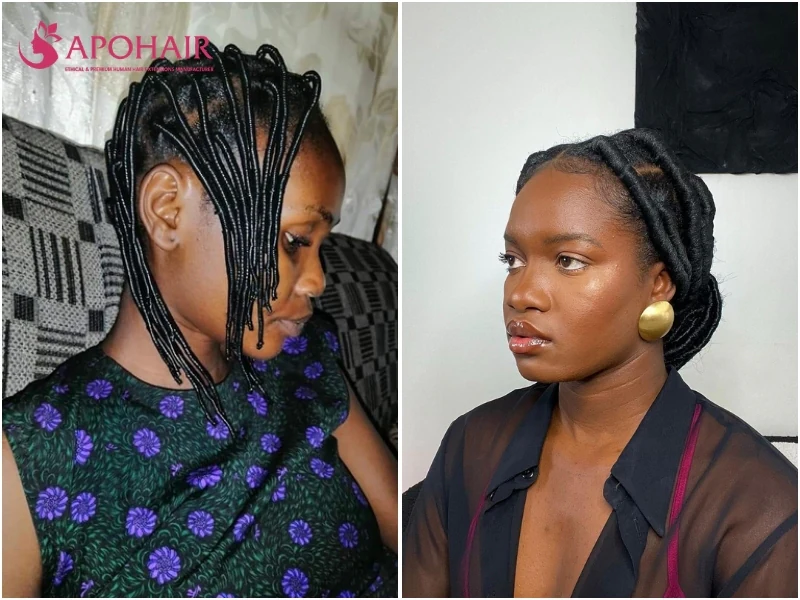
6. Kiko and Didi
Kiko and didi combines threaded kiko sections with inverted didi braids in one style. It puts two Yoruba techniques side by side.
Most faces suit it, and it reads as a mixed-technique heritage look. You get both threading and braiding at once, holding a few days to 2 weeks. Thread some sections, and braid the others under in the inverted didi style.
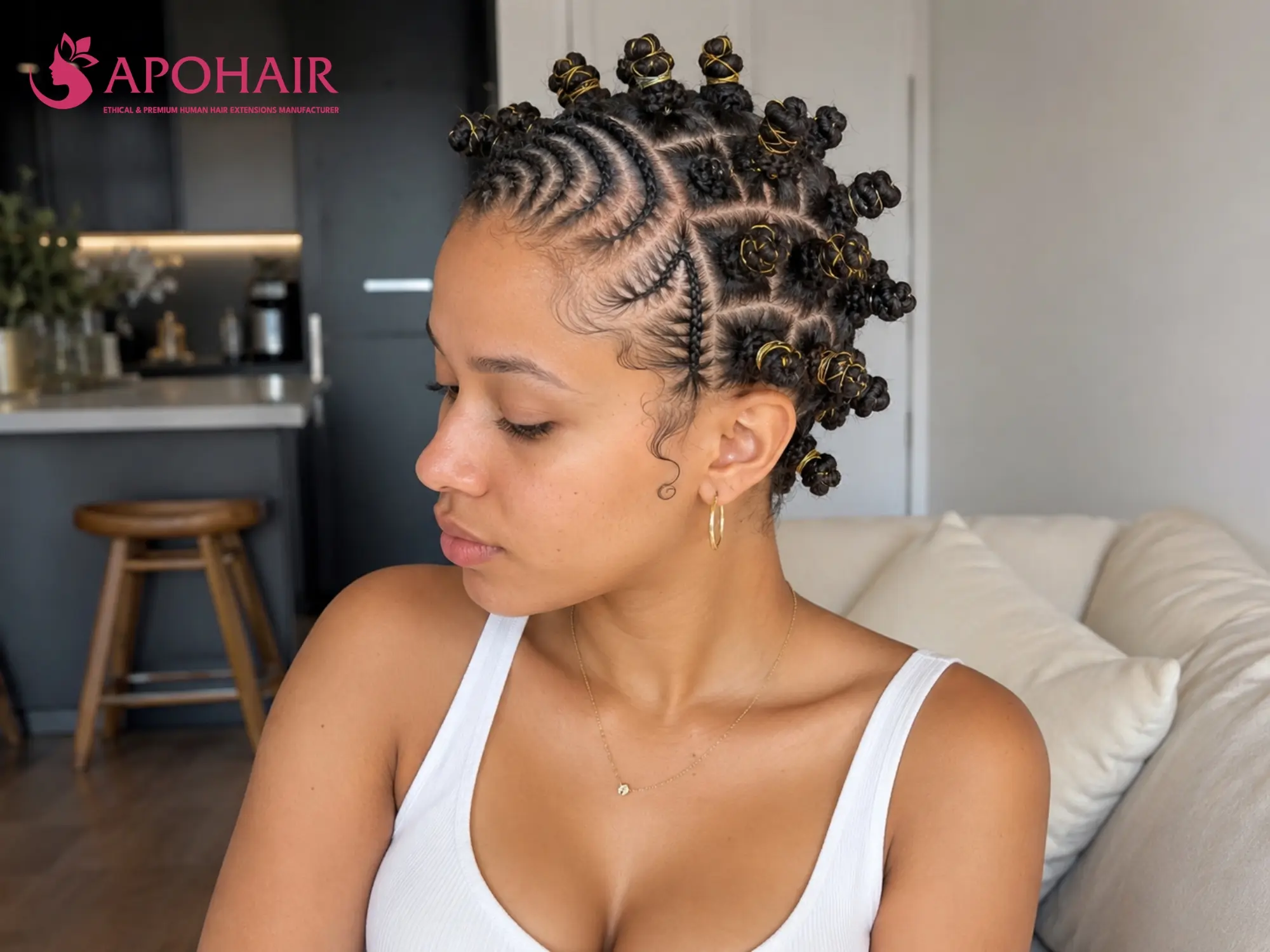
Wool & Yarn Kiko Hairstyles
Wool is one of the easiest ways to vary kiko because it makes the threaded sections fuller, softer, and more colorful than plain cotton thread. Brazilian wool and soft baby wool are lightweight, affordable, and easy to match to a color story. Each card below covers one wool type or finish.
7. Brazilian Wool Kiko
Brazilian wool kiko wraps each section with soft acrylic yarn that looks like hair, sits light, and comes in many colors. It is the colorful, cost-effective take on threading.
Color-loving wearers reach for it, and it suits most faces. It is fuller, colorful, and light on the scalp, lasting a few days to about 2 weeks. Wrap each section with Brazilian wool from root to tip.
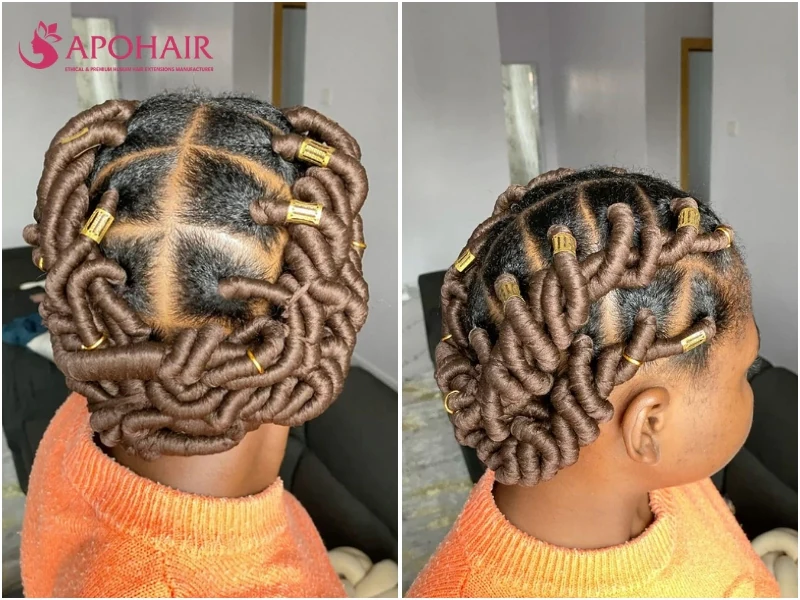
8. Baby Wool Kiko
Baby wool kiko uses soft, fine baby wool (yeye wool) for a softer, neater finish. The finer yarn is gentler than standard wool.
Kids and anyone after a softer look suit it, on most faces. It is soft, neat, and lower-tension when wrapped carefully, holding a few days to about 2 weeks. Wrap with fine baby or yeye wool for a scalp-friendly set.
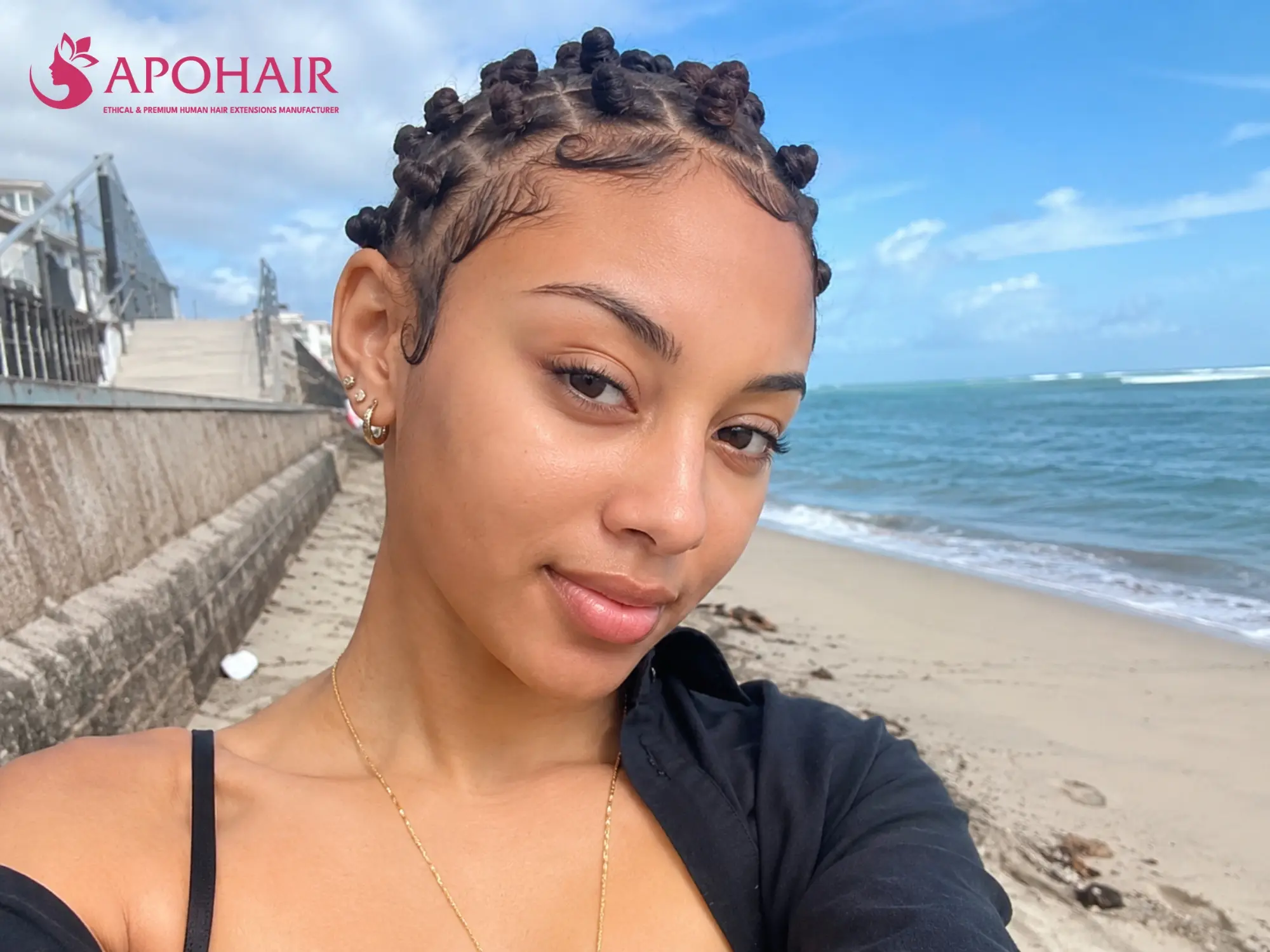
9. Colored Wool Kiko
Colored wool kiko uses bold colored wool or yarn, from burgundy to red to gold to ombre. The color lives in the wool, not your hair.
Warm or cool undertones suit different shades, and festivals bring it out. The bright wraps land in the same throwback territory as the 90s braid hairstyles that keep resurfacing. You get color without dyeing your own hair, lasting a few days to 2 weeks. Wrap chosen sections with pre-colored wool or yarn.
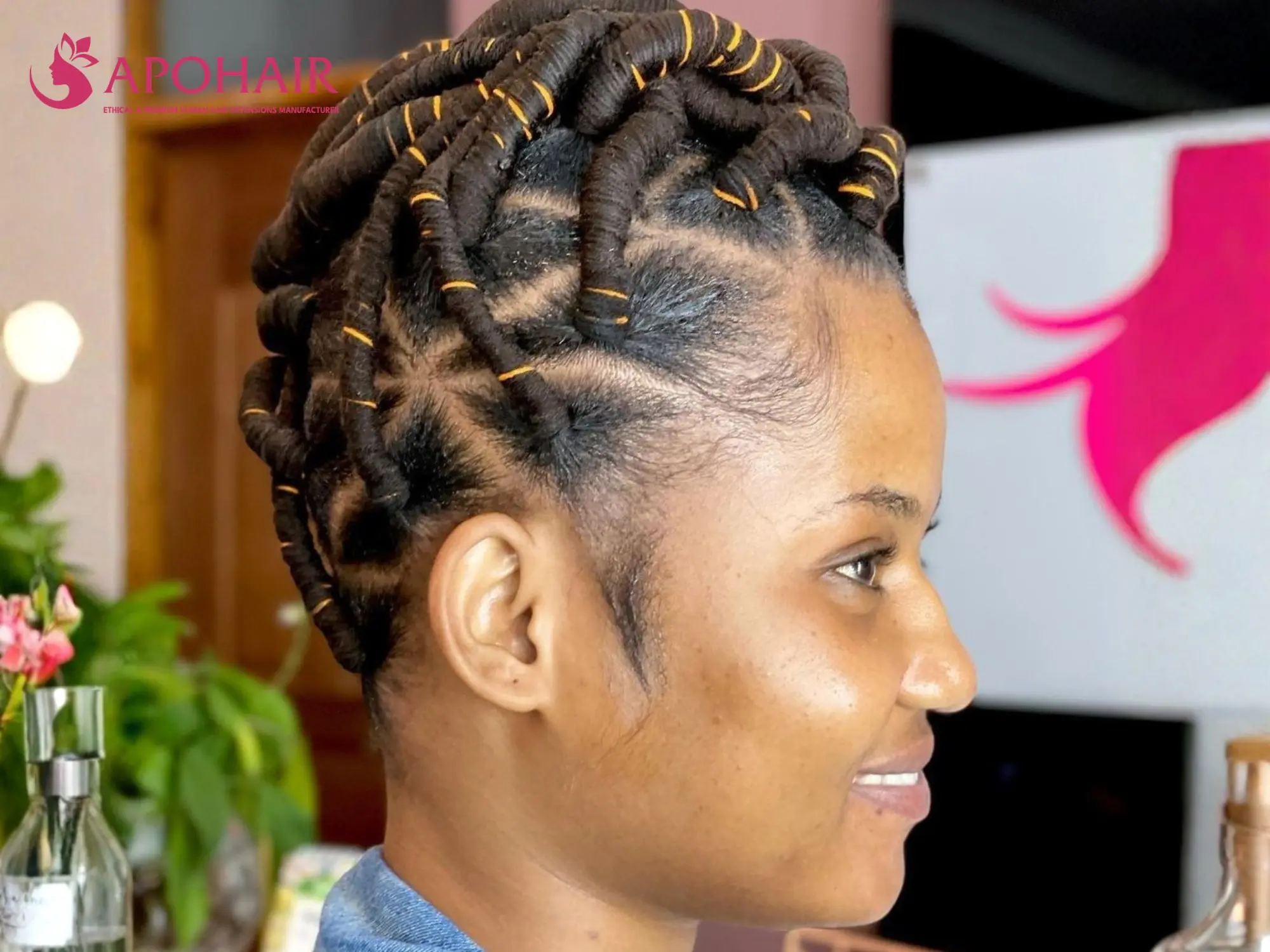
10. Isi Owu (Igbo Wool Threading)
Isi owu is the Igbo wool-threading version of kiko, wrapped with black wool. It carries its own cultural lineage alongside the Yoruba style.
Most faces suit it, and it reads heritage and sculptural. It is full, matte, and traditional, holding a few days to 2 weeks. Wrap sections with wool in the isi owu tradition.
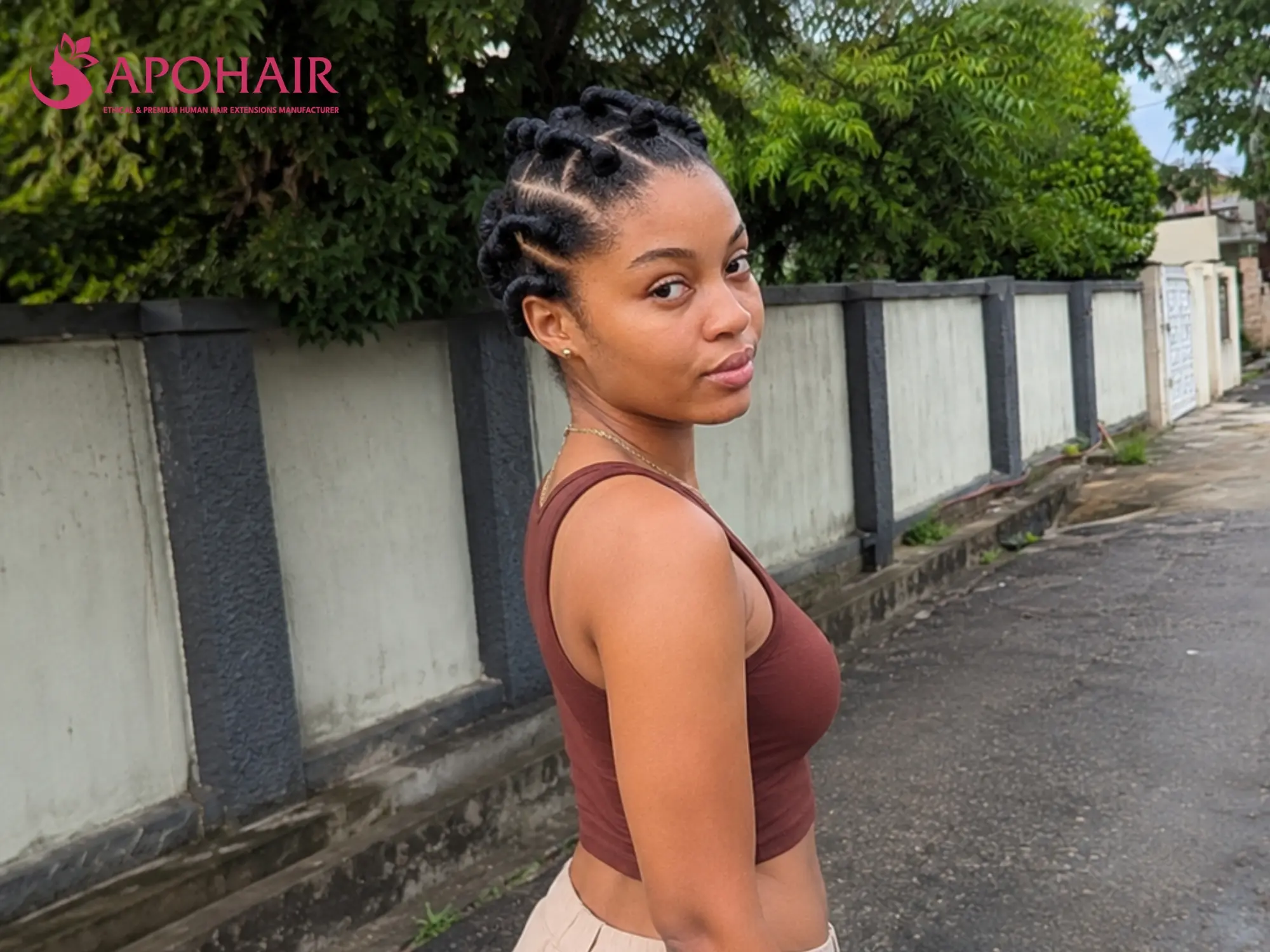
Kiko Packing and Updo Styles
These are the ways to gather threaded kiko up, from the Nigerian “packing” (pineapple) to updos, buns, and ponytails. Packing simply means pulling and gathering the hair up and back. Each card is one gathered-up style.
11. Kiko Packing (Pineapple)
Kiko packing gathers the threaded sections up high toward the crown, the pineapple look. It lifts the whole style off the face.
Most faces suit it, and it fits events and neat, off-the-face days. It is lifted, statement, and tidy, holding a few days. Thread the sections, then pack and gather them up high and secure.
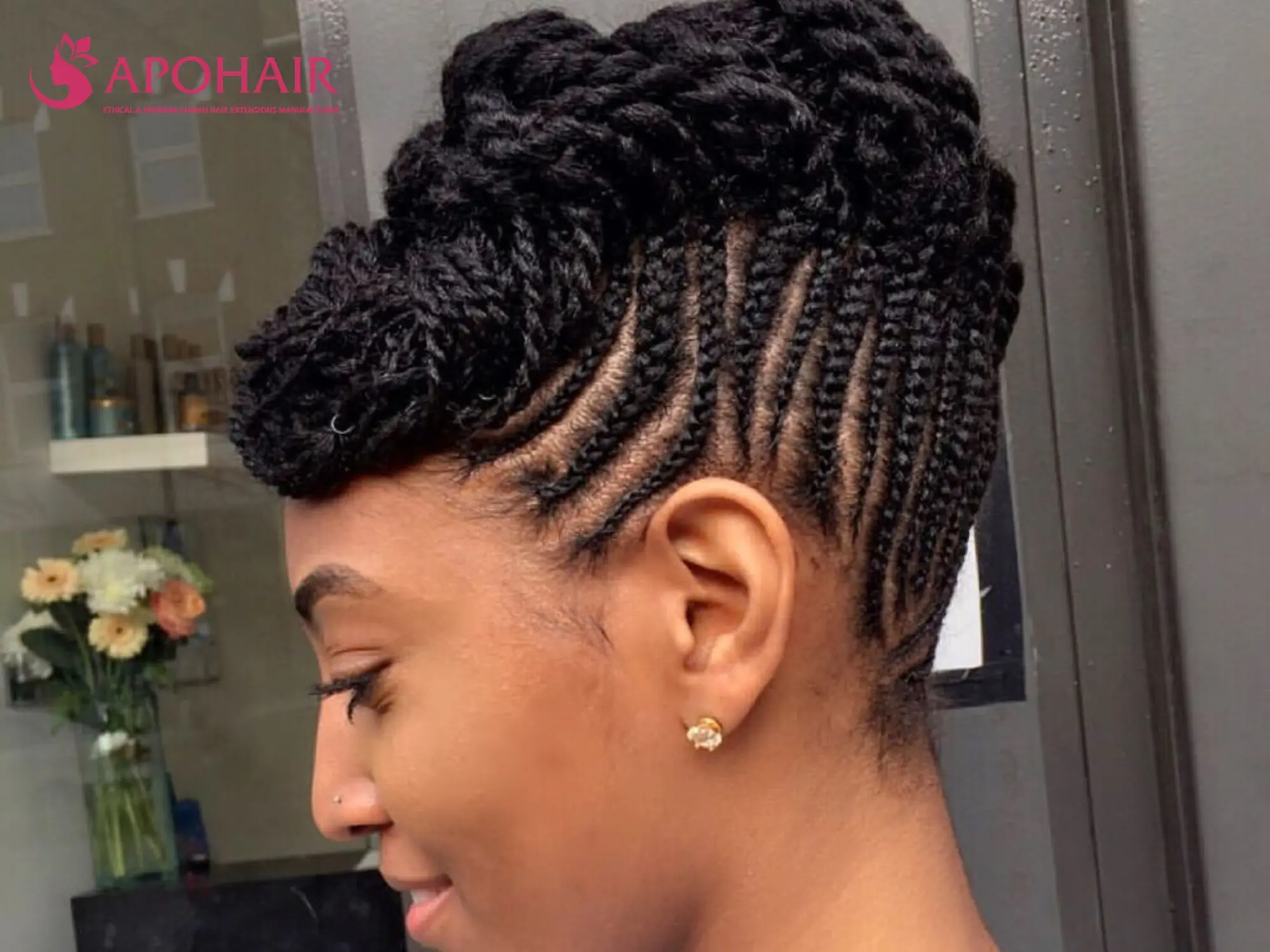
12. Kiko Updo
A kiko updo folds the threaded sections and pins them into a sculpted shape. It is the dressed-up option for formal events.
Oval faces carry it best, and it suits formal or cultural occasions. It is elegant and off the neck, holding a few days to a week. Thread the sections, then fold and pin them up.
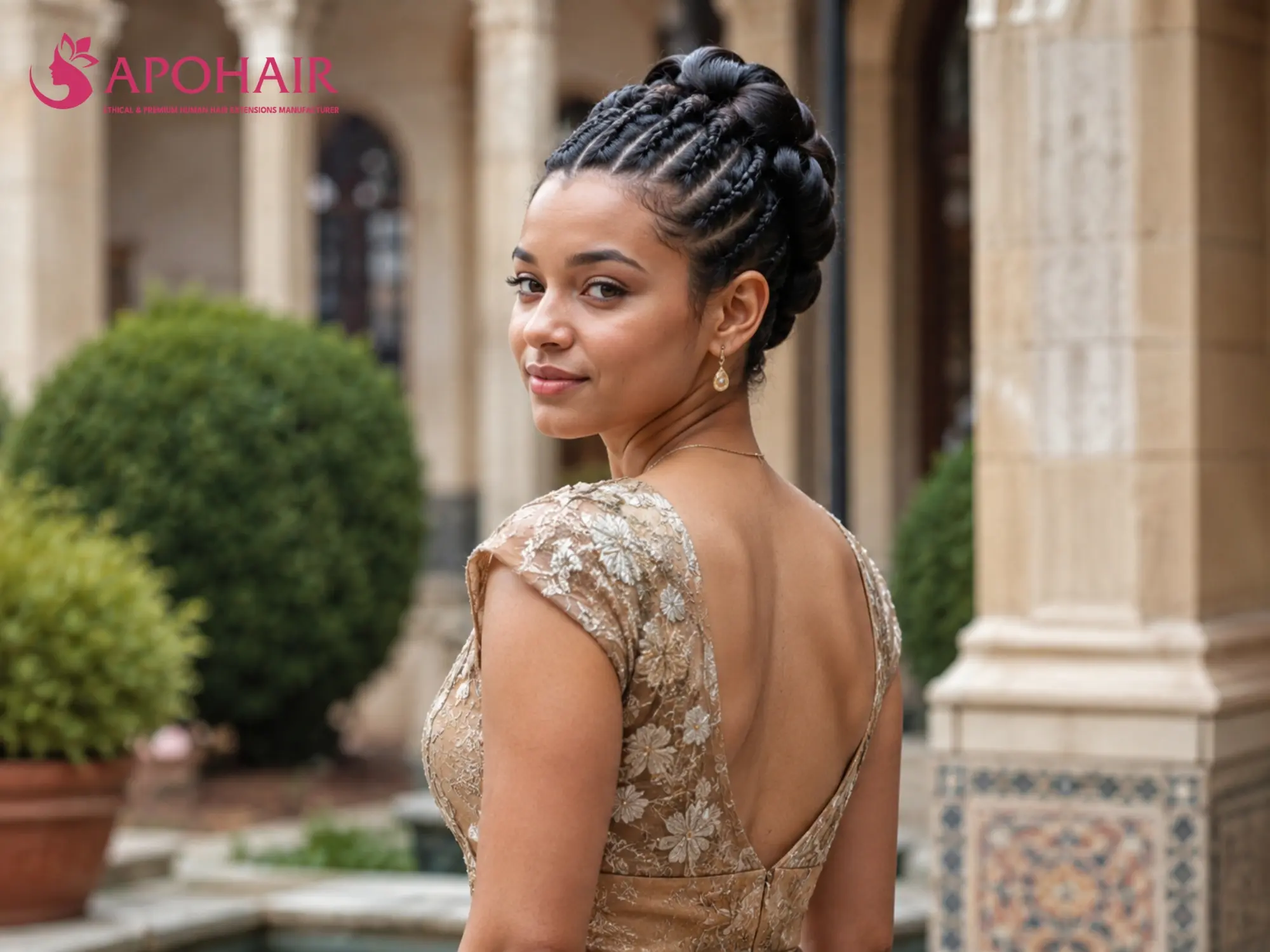
13. Threaded Bun Kiko
A threaded bun coils the kiko sections and pins them into a bun. It is the sleek, low-key way to wear threading up.
Oval faces suit it, and it fits office or formal days. It is sleek and off the neck, holding a few days to a week. Thread the sections, then coil them into a bun.
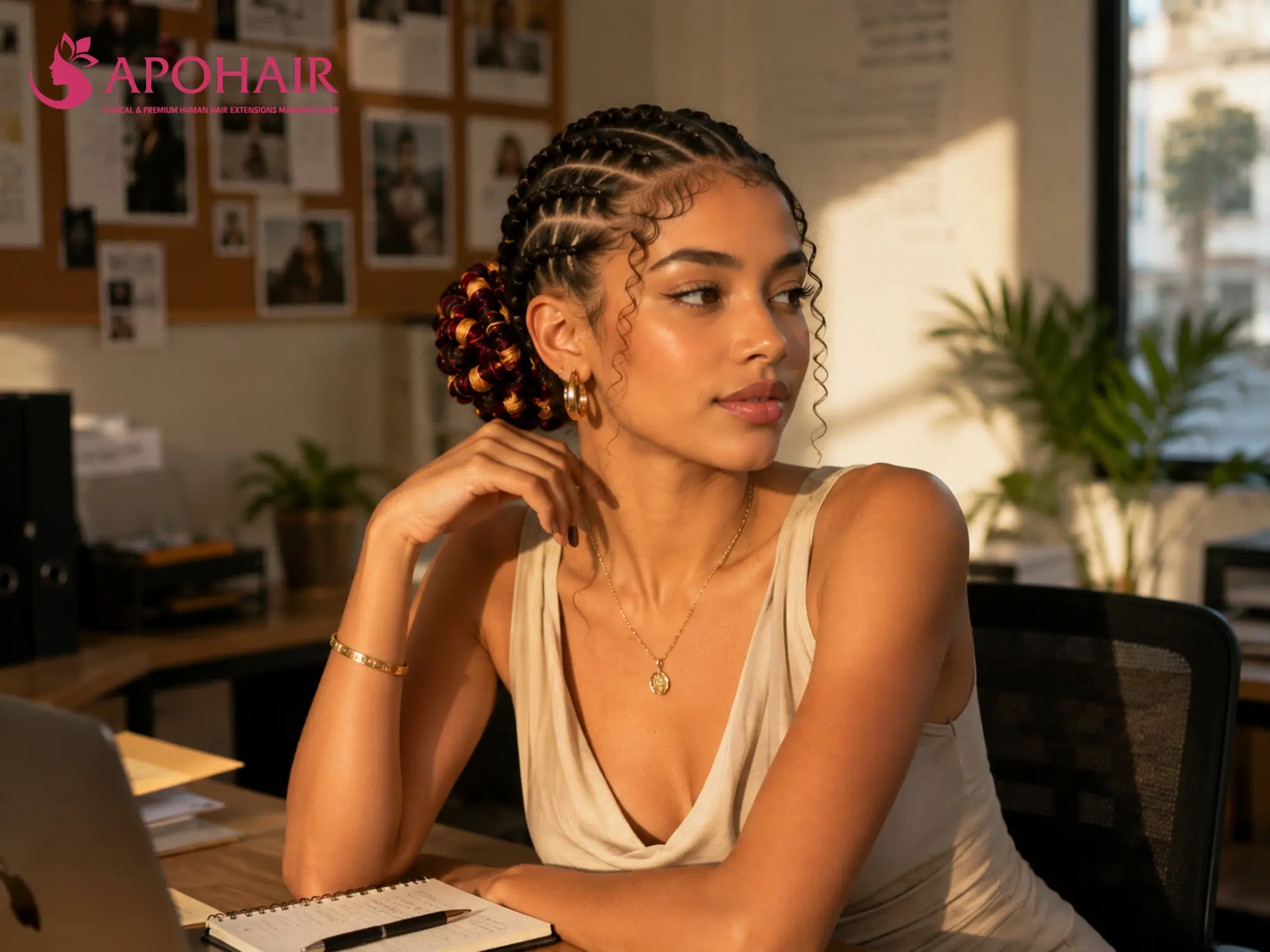
14. Kiko Ponytail
A kiko ponytail gathers the threaded sections into a single tail. It is the everyday-to-event workhorse of threaded styling.
Most faces suit it, and the gather lifts the face. It is neat and lifted, holding a few days to a week. Thread toward one point and gather into a ponytail.
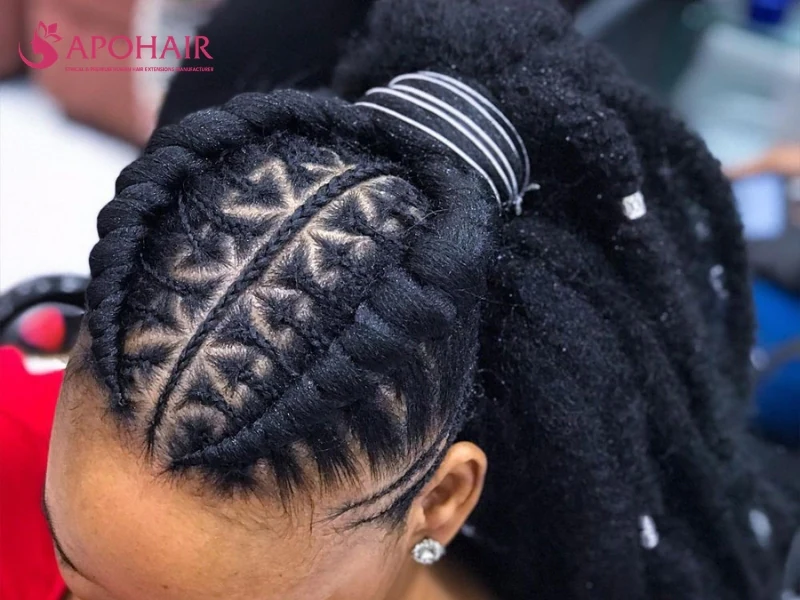
Kiko for Short, Long, and Natural Hair
These looks adapt kiko to short, long, and natural hair, plus a gentle version for kids. Each card is a length, hair-type, or age fit.
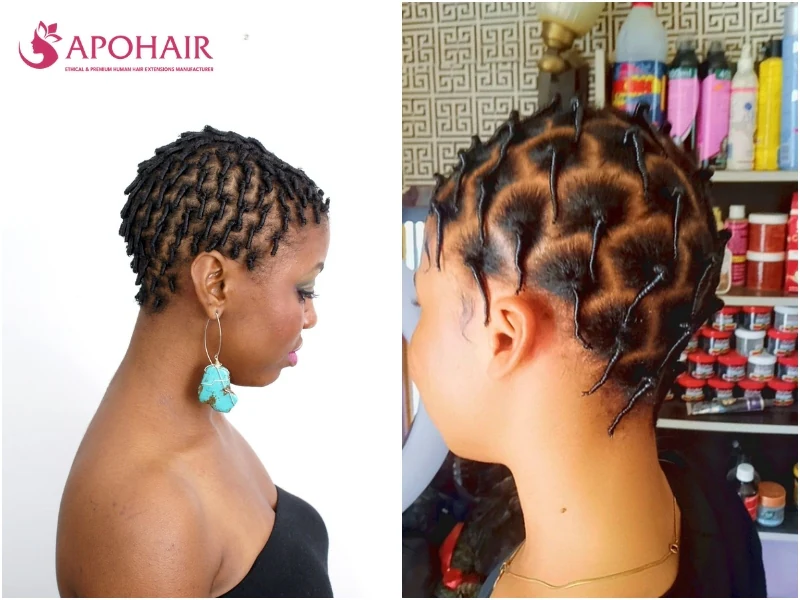
15. Short Kiko
Short kiko threads on short or TWA natural hair. You do not need length for the wrap to grip.
Short-hair and transitioning wearers favor it, with low upkeep. It works on just a few inches and stretches short coils, holding a few days. Wrap small sections close to the root.
16. Long Kiko
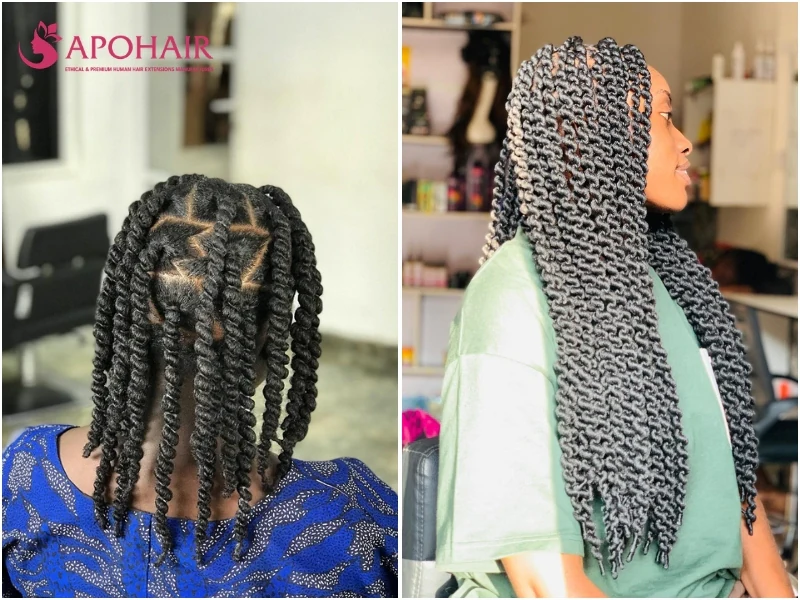
Long kiko threads longer hair, or extends it with wool for added length. The full-length wrap makes a dramatic statement.
Long-hair and statement wearers reach for it. It is dramatic and full-length, lasting a few days to 2 weeks. Thread the full length, or add wool when you want more. Salons that would rather add real length than wool tend to source human hair in Vietnam, where the bundles come straight off the factory floor.
17. Natural Hair Kiko
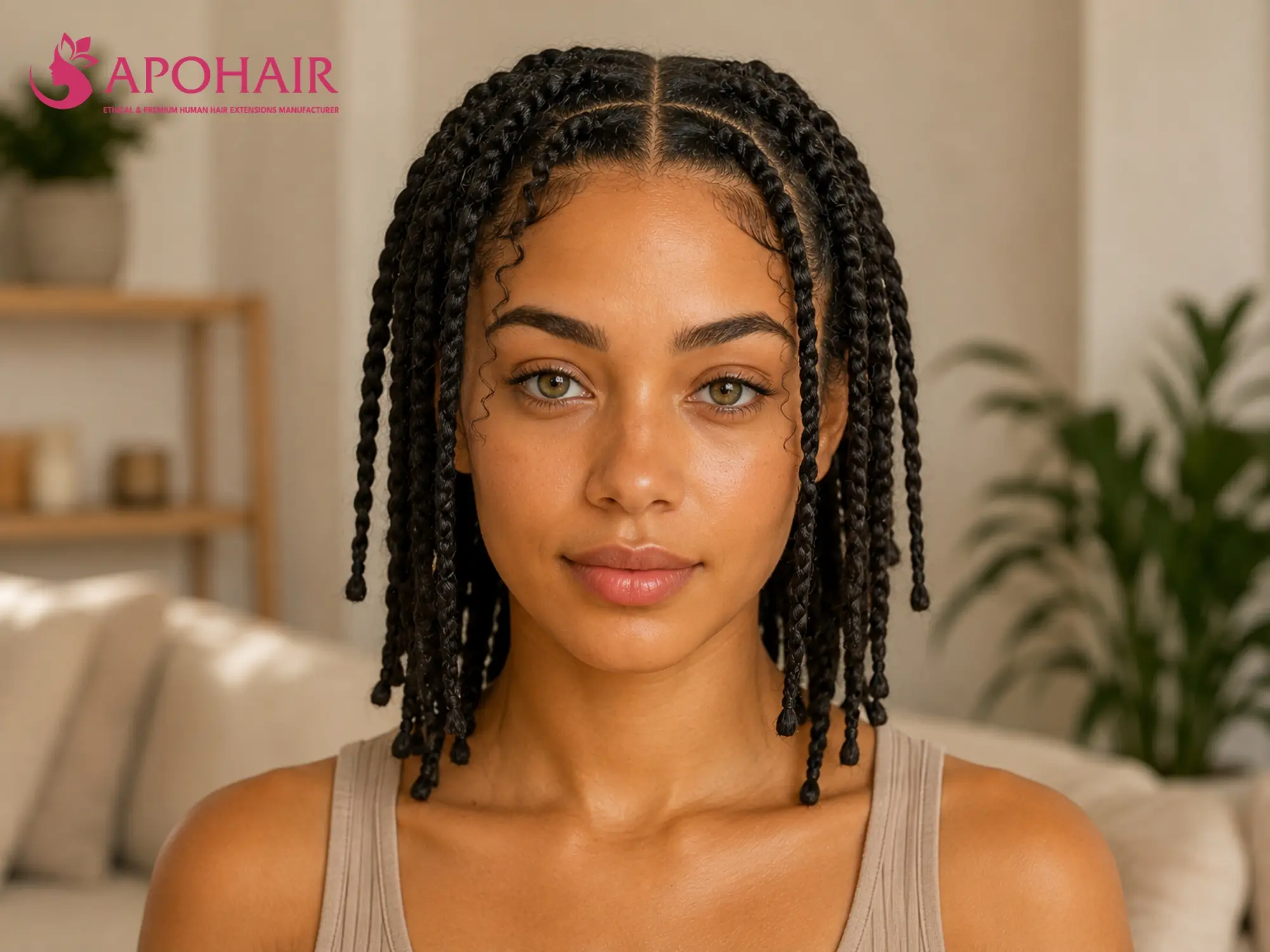
Natural hair kiko threads 100% your own hair, with no added wool. It is the purest, most protective version.
Naturalistas and length-retention-focused wearers favor it. It is fully natural and stretches your own hair, holding a few days to about 2 weeks. Wrap your own hair with thread, no extensions.
18. Kids Kiko
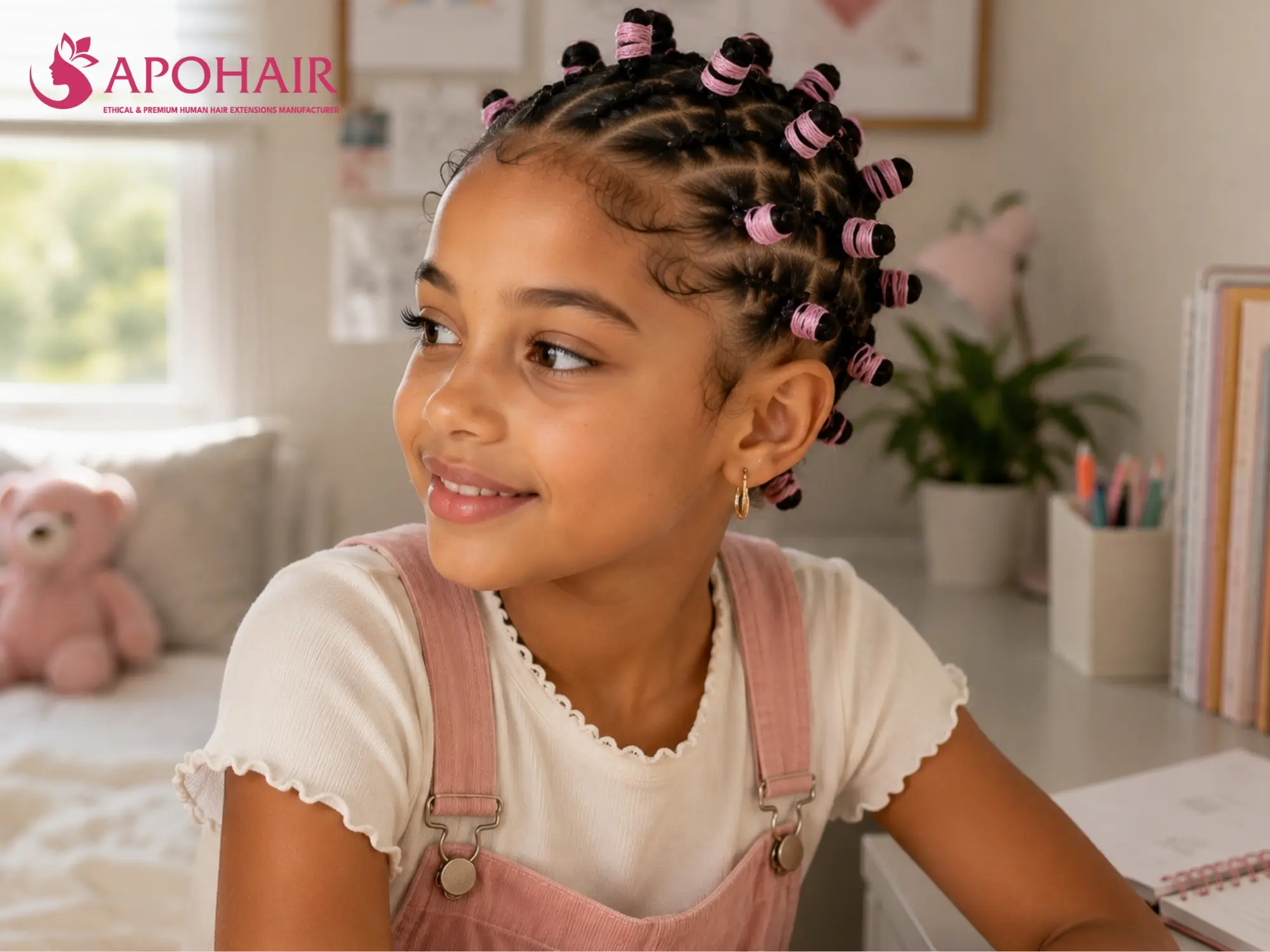
Kids kiko is gentle threading for children, often with soft baby wool, for stretching and length. The light tension keeps it school-friendly.
Children suit it for low-manipulation, school-ready wear. It is protective, gentle, and supports length retention, holding a few days to a week. Wrap with light tension and soft baby wool, and take it down gently.
Wool is the usual way to stretch a threaded set past its own length, but plenty of clients ask for length that stays in for weeks rather than days. Our guide to how to braid in hair extensions walks through how that hair is fed in and secured, which makes the threading process below read as the lighter alternative.
How Do You Do Kiko (Hair Threading)?
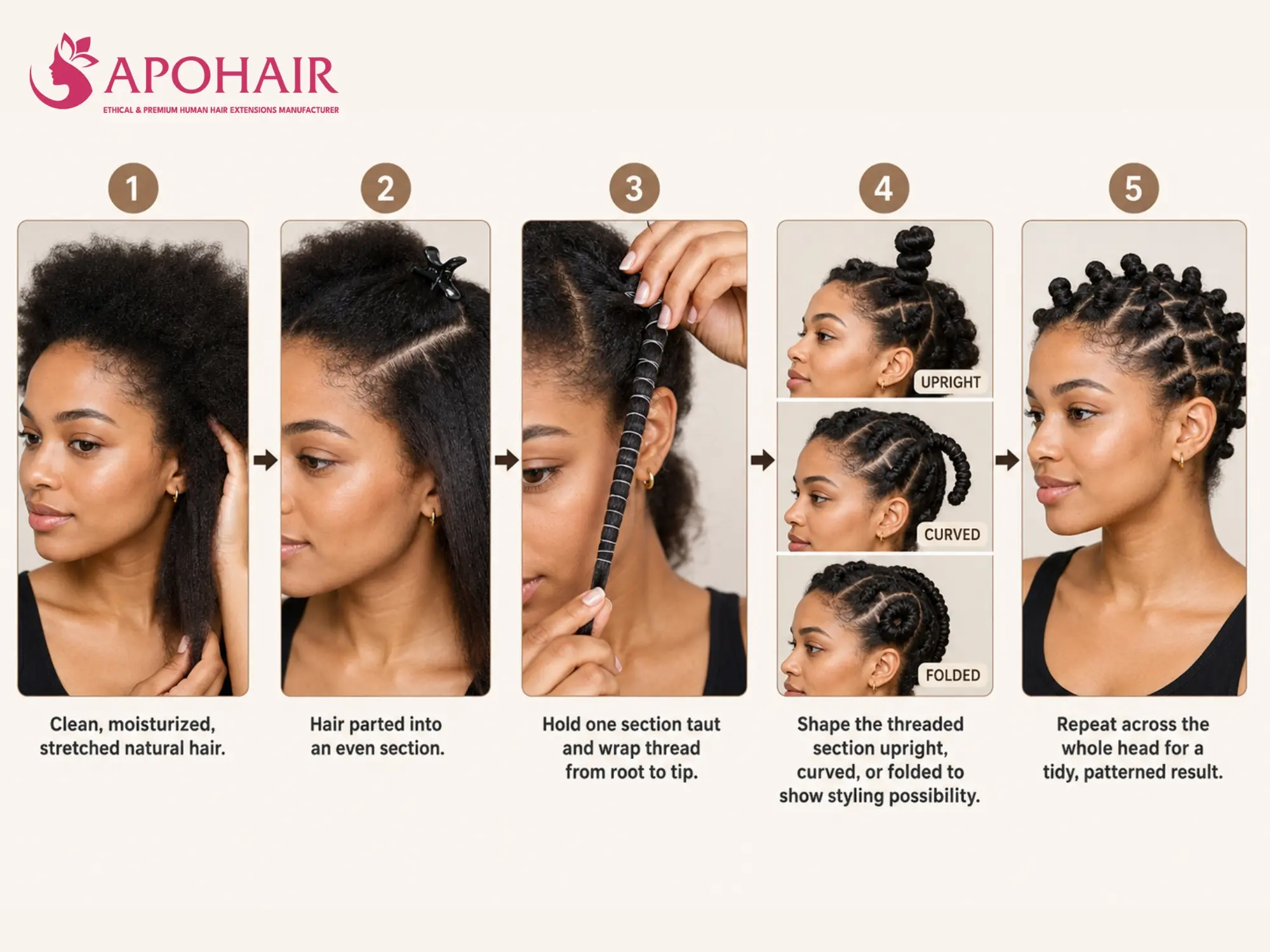
To do kiko, you part the hair into sections and wrap thread, wool, yarn, or rubber-style material firmly around each section from root to tip. The grip creates the shape, while the tension decides whether the style feels secure or too tight.
Here is the full process:
- Wash, moisturize, and stretch the hair. Threading goes smoother on stretched, detangled hair.
- Part a section. Keep the sections even for a tidy pattern.
- Hold it taut and wrap from root to tip. Steady tension is what makes the section stand.
- Shape it. Stand it up, curve it, pack it up, or fold it, depending on the look you want.
- Repeat across the head. Work in a pattern so the sections line up.
For the material, choose black cotton thread for the classic look, wool or Brazilian and baby wool for a fuller, more colorful finish, or rubber-style wrapping for a firmer hold. To use kiko as a heatless stretch, wrap the hair, leave it in for a day, then unwrap for stretched hair you can style. That stretched texture is a clean base for twists hairstyles when you want something softer to follow.
One honest tip: wrap firmly, but not so tight that it hurts. Very tight threading strains the hairline, and good tension should feel secure rather than painful.
Threading and weaving are the two halves of Yoruba scalp styling, and the method above covers only one of them. Our breakdown of didi hairstyles covers the inverted braid that goes under the middle strand instead of wrapping around it, and it is worth knowing that a woven set holds far longer than a threaded one.
How Long Does Kiko Last?
Worn as a style, kiko usually lasts a few days to about 2 weeks, depending on material, tension, humidity, and night care. Used only to stretch the hair, the threads often come out after a day or so, and the stretch holds until you wash.
Firmer wraps and nightly protection last longer, while humidity and washing shorten the stretch. Take the threads out before they loosen on their own or your scalp starts to feel strained.
How Do You Maintain Kiko?
Keeping kiko neat comes down to moisturizing the scalp lightly, protecting the threads at night, and avoiding wraps so tight your edges suffer. Threading is low-maintenance, but a few habits keep it looking sharp.
- Moisturize lightly. Work a little oil into the scalp, and do not soak the threads.
- Protect at night. A satin scarf or bonnet keeps the threaded sections neat.
- Mind your edges. Keep the front wraps gentle, since tight threading can strain the hairline.
- Take it down gently. Unwrap slowly to avoid snagging or breakage.
Edge strain is not unique to threading. Any style that pulls at the root carries the same risk, which is why the knot at the base of a braid gets so much attention. Our comparison of knotless braids vs box braids lays out how that one structural choice changes the tension, and it is useful background for the questions below.
Frequently Asked Questions About Kiko Hairstyle
What Is Irun Kiko?
Irun kiko is the Yoruba name for African hair threading, which means the hair is wrapped with thread, wool, yarn, or rubber-style material into sculptural sections. The name points to the wrapping method, not to one single pattern, so it covers every look in this guide.
What Is the Difference Between Kiko and Didi?
Kiko wraps the hair with thread or wool, while didi braids it under. Both are protective Yoruba styles, but one is threaded and the other is woven, which is the core difference between them. The woven family runs from didi through to raised cornrow hairstyles.
Does Kiko Make Your Hair Grow?
Kiko does not directly grow hair, but it protects and stretches the hair and cuts down daily manipulation, which can support length retention. The “grows like weeds” idea is a traditional belief, and very tight threading can actually harm the hairline, so keep the tension gentle.
Is Kiko Painful?
Kiko can pull if the thread is wrapped too tightly, so good tension matters. Done right, it should feel firm but not painful, and a wrap that hurts is a sign to loosen it before it strains your edges.
Those questions keep circling the same point, that kiko is one technique inside a much bigger styling tradition rather than a category of its own. Before you settle on a look, browse our roundup of braid hairstyles for black women to see where threading sits next to the braided, twisted and knotless options.
Conclusion
Pick a kiko look by your face shape, the material you like, and how long you want the style to hold. If threading is new to you, classic irun kiko is the easiest place to start before you move into packing, updos, and colored wool looks.
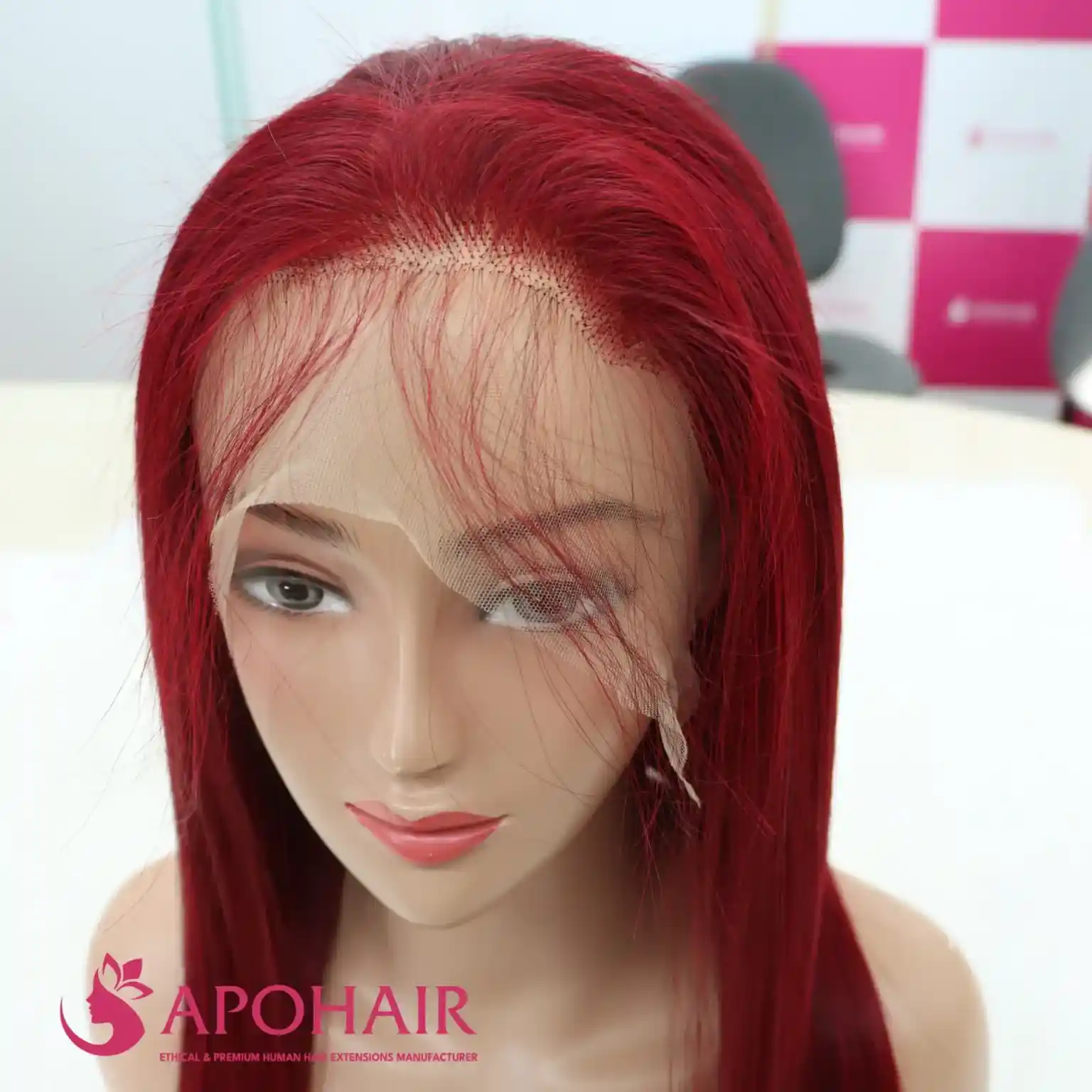
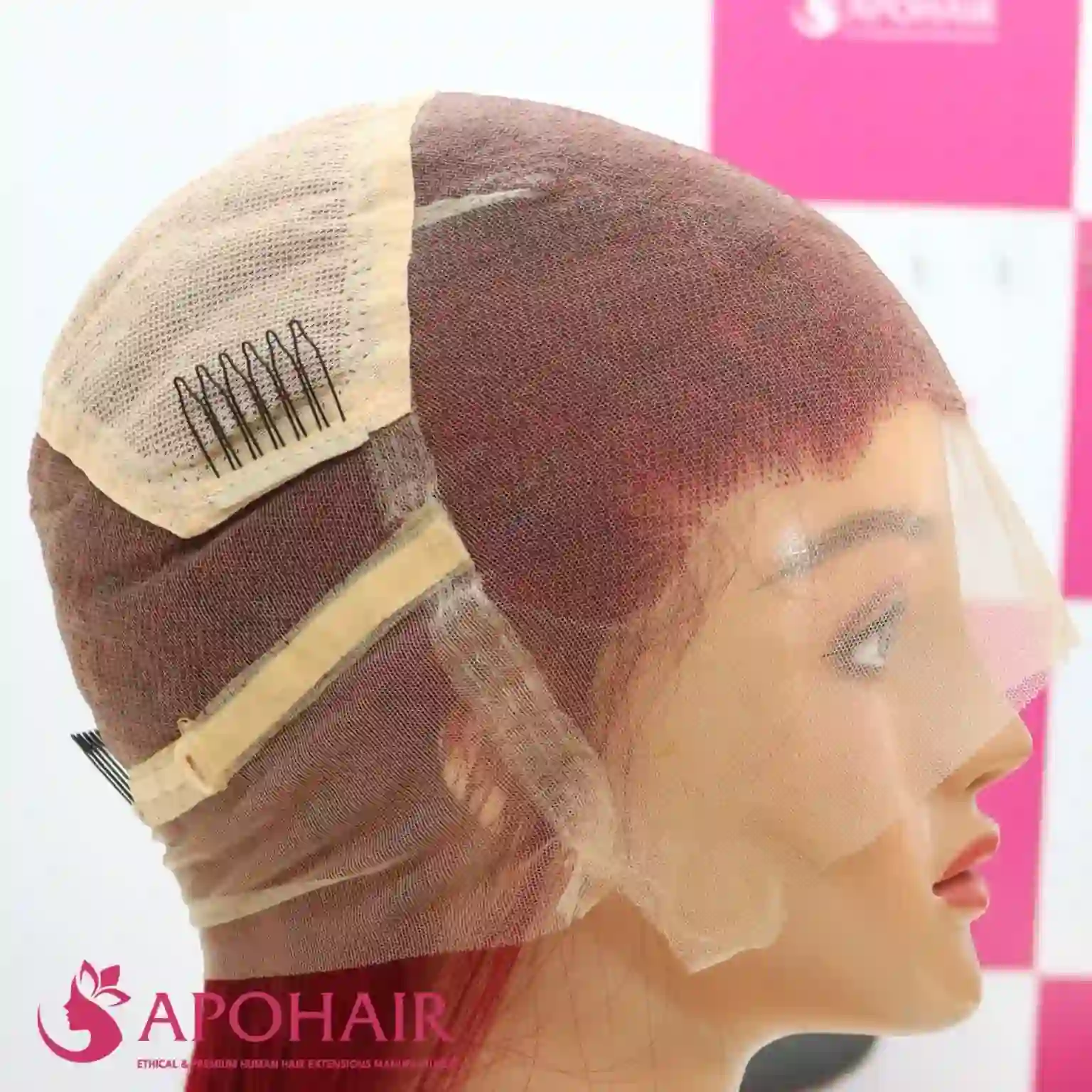
For colored or Brazilian wool styles, Apohair can support salon and wholesale sourcing with factory-direct hair and bulk order guidance. Reach our team for samples, texture matching, and pricing before you stock a full set.
Hair to stock alongside a threading service:Kiko itself runs on thread and wool, so the human hair sits on the other half of the menu, for the clients who want real length once the wraps come out. Three of our lines cover that side.
Bulk hair, for braided and fed-in length:Loose hair sold by weight is what you feed into a braid or plait down a row, with no weft in the way. Order it as human hair in bulk wholesale.
Bundles, for sew-ins and matched color:Buying by weight holds one texture and one shade across a whole head, which is what colored sets need to avoid looking patchy. Browse our wholesale hair bundles.
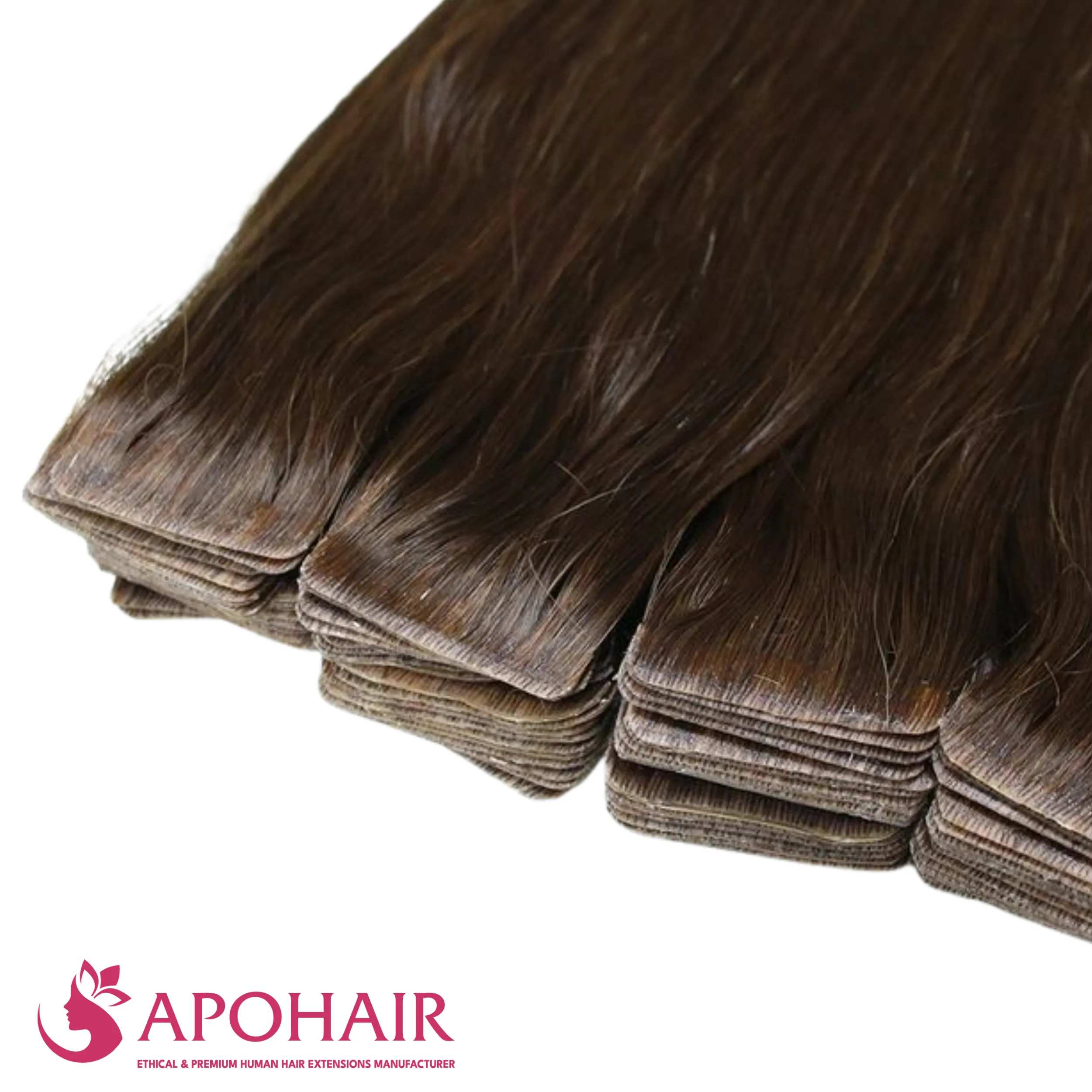
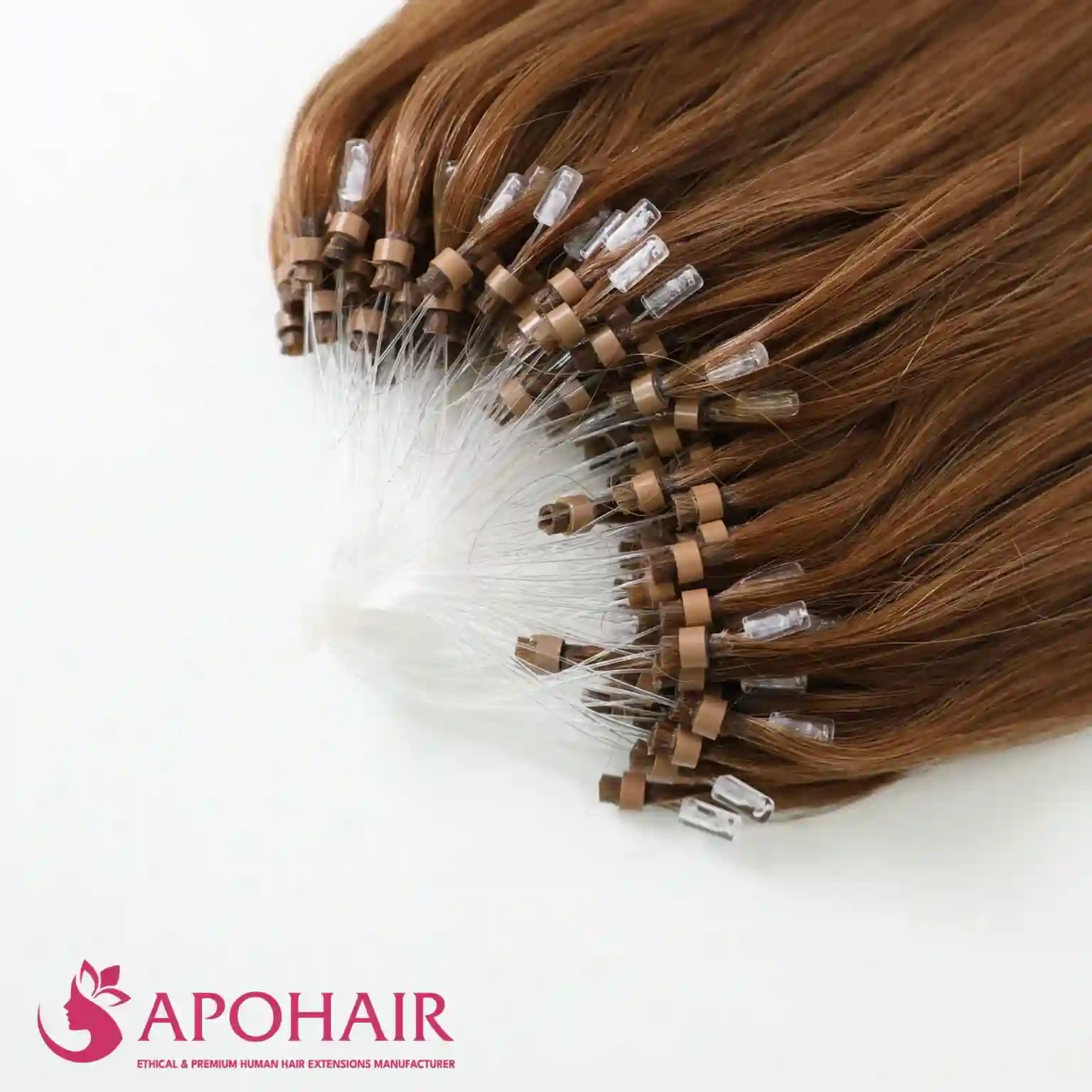
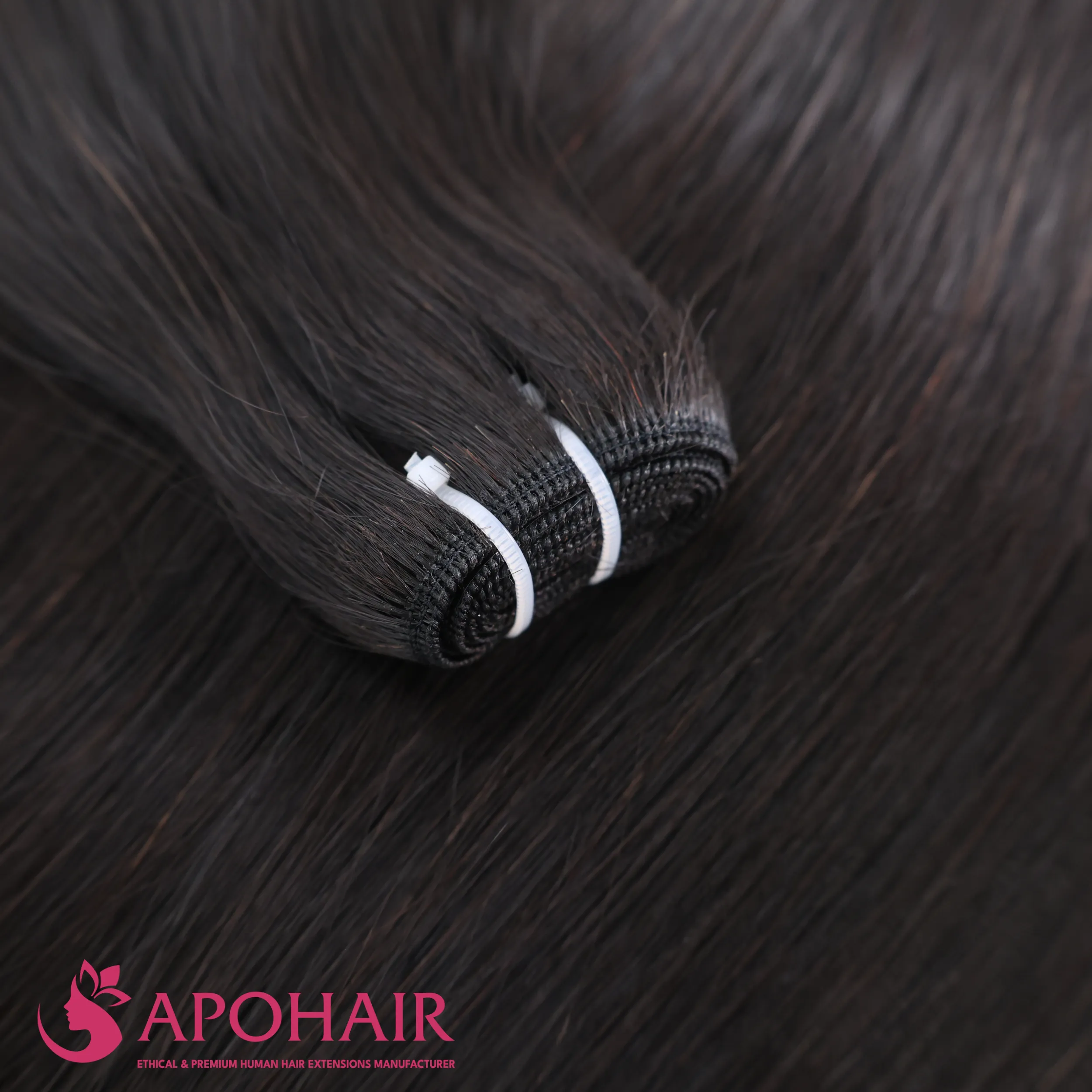
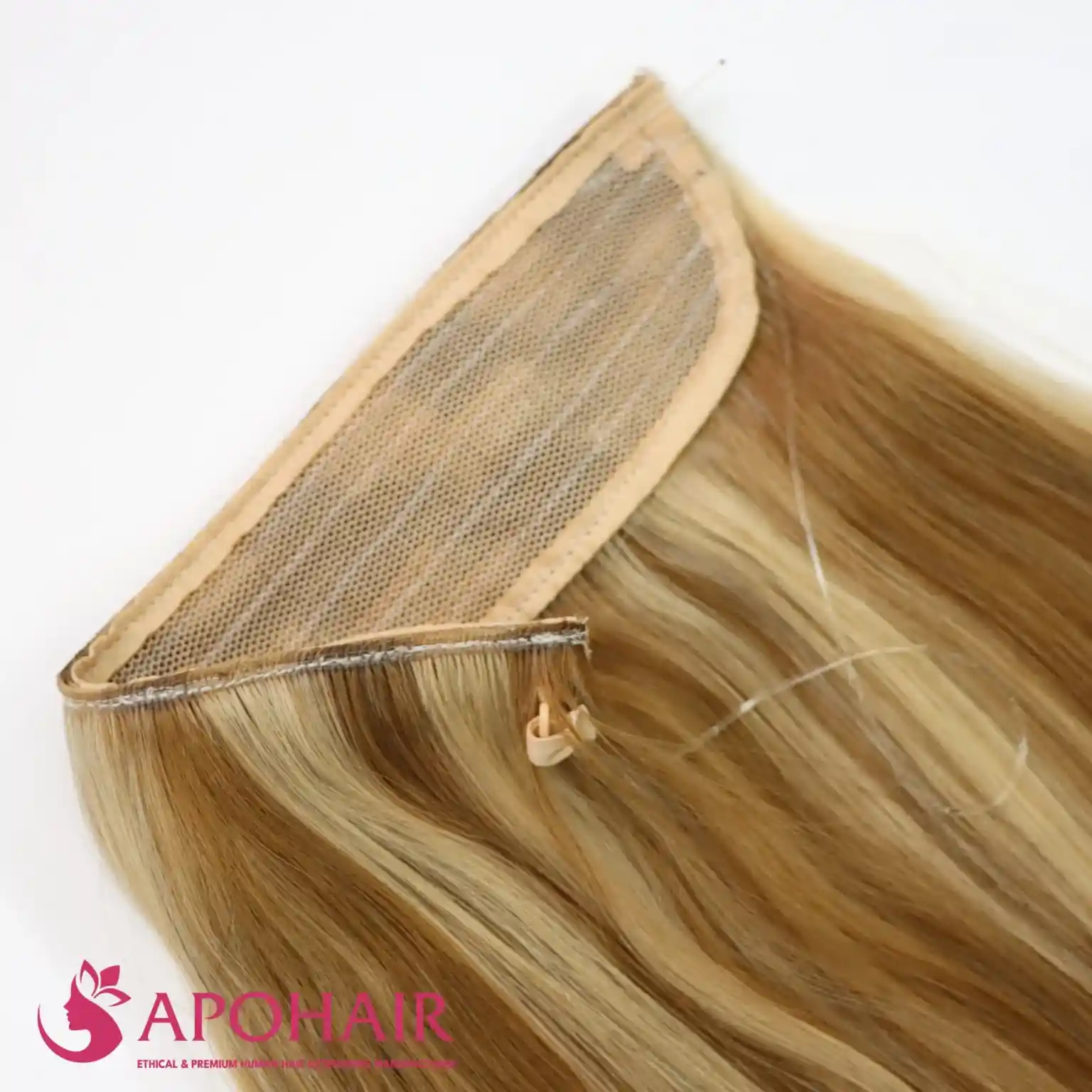
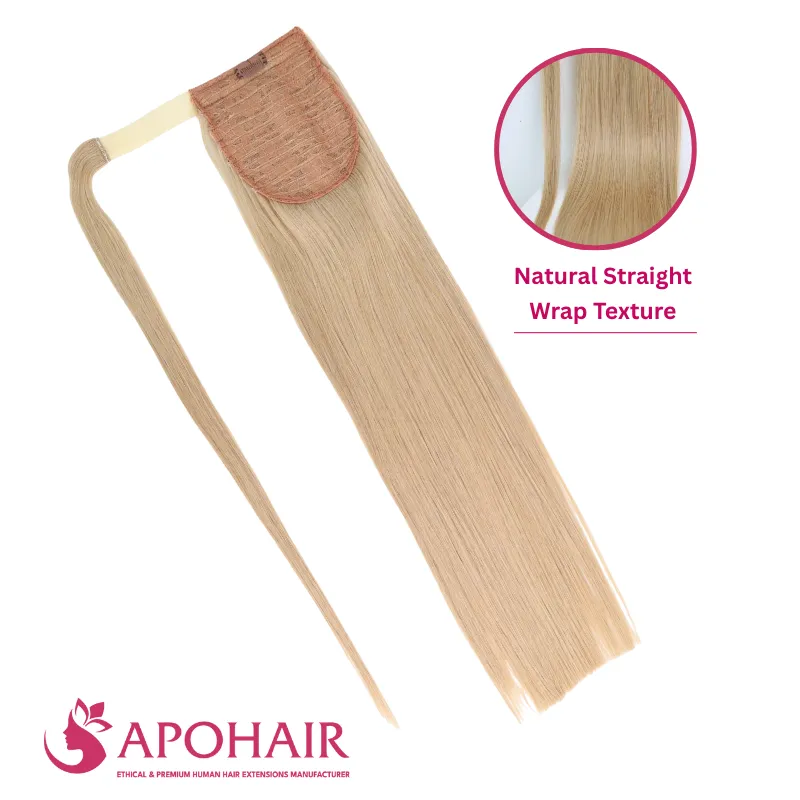
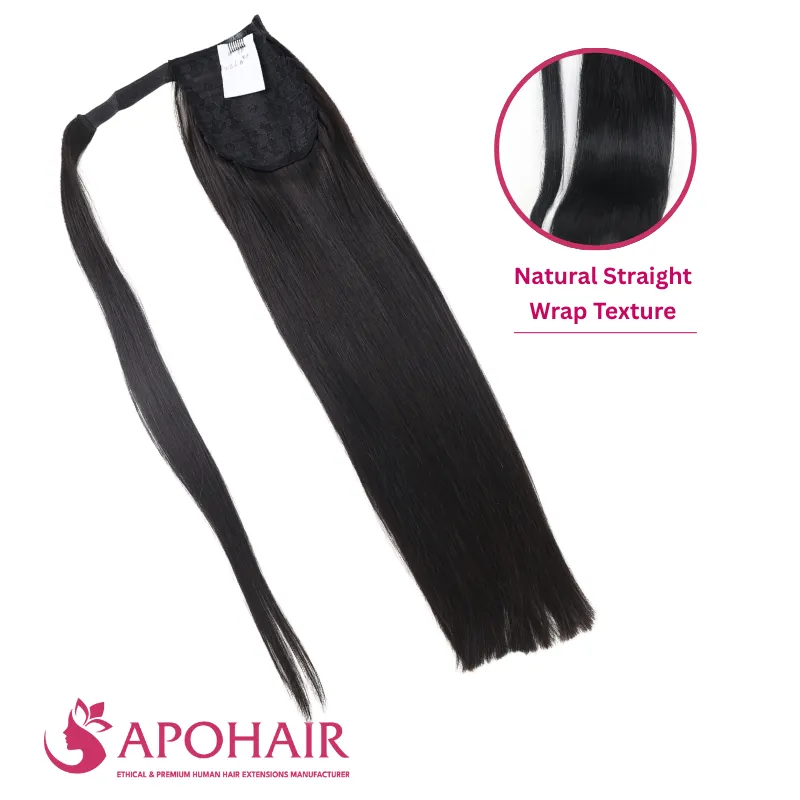
Extensions, for length without a full install:Tape-in, clip-in, keratin tip, weft and ponytail all run on the same Vietnamese remy hair, so a client can add length around her own hair instead of committing to a full set. Compare the range of remy human hair weave wholesale.
APOHAIR – ETHICAL & PREMIUM HUMAN HAIR EXTENSIONS MANUFACTURER
- Address: Building 3A, Lane 82 Duy Tan, Cau Giay, Hanoi, Vietnam
- Factory: Yen Luong Village, Y Yen District, Nam Dinh Province, Vietnam
- WhatsApp: +84 862 132 366
- Email: [email protected]
- Website: https://apohair.com
